
Reviewed · WWII & REMEMBRANCE HISTORY TOURS
Life of Corrie Ten Boom & World War 2 Walking Tour
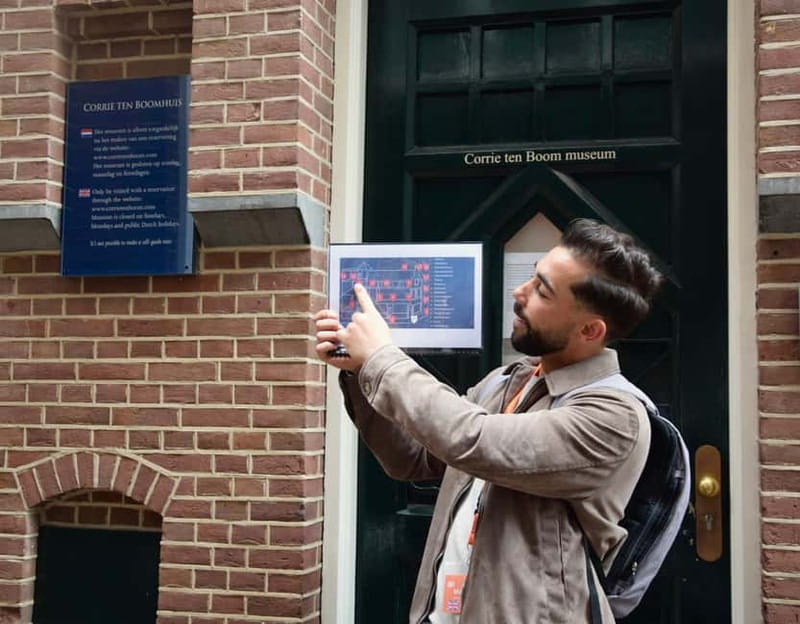
Corrie Ten Boom’s Haarlem hits hard. This 2-hour walking tour keeps WWII close to street level, moving from the places Corrie Ten Boom lived and resisted to the places where the Nazis arrested her. You’ll see the Ten Boom House area from the outside and then reach the emotional center at Koepel Prison.
I especially like how the guide turns history into choices you can feel, not just dates you memorize. You’ll also get two standout stops that make the message local, the Wijngaardtuin (where everyday resistance happened) and the Joods Monument (a direct memorial reminder of what was lost).
One drawback to plan around: this is not a museum visit. The tour does not include Ten Boom Museum or any inside entry, so if you want exhibits and artifacts, you may want to add the museum separately.
In This Review
- Key highlights worth planning for
- Why This Corrie Ten Boom Walk Works in Haarlem
- Price, Timing, and Why 2 Hours Is a Smart Choice
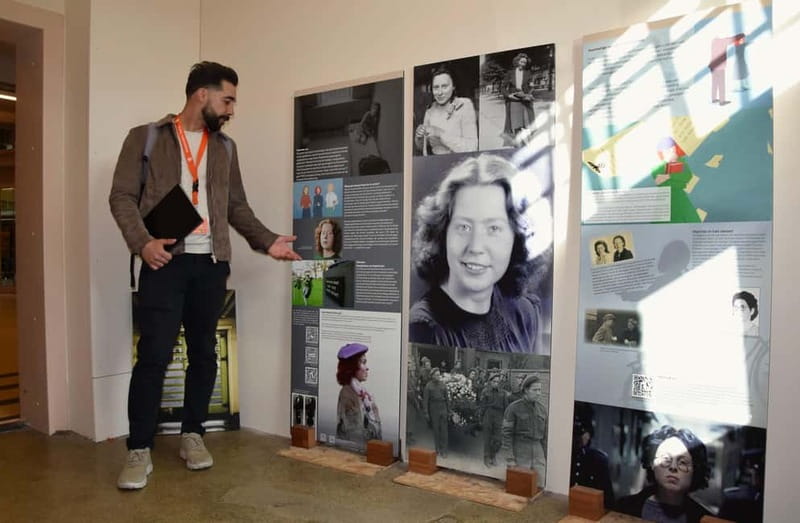
- Kenaupark Meeting Point: Hannie Schaft Sets the Tone
- From Haarlem Station to the Ten Boom House Area: Seeing the WWII City Form
- Wijngaardtuin: Everyday Resistance That Doesn’t Make Loud Headlines
- Wijde Appelaarsteeg and the Memorial Thread Through the Streets
- Koepel Haarlem Prison: When the Story Turns Toward Arrest
- Finishing at Nauwe Appelaarsteeg 1: What You Should Leave With
- Wheelchair-Friendly, Practical, and Easy to Pair With Other Haarlem Plans
- Who This Tour Suits Best
- Should You Book This Corrie Ten Boom and World War 2 Walking Tour?
Key highlights worth planning for
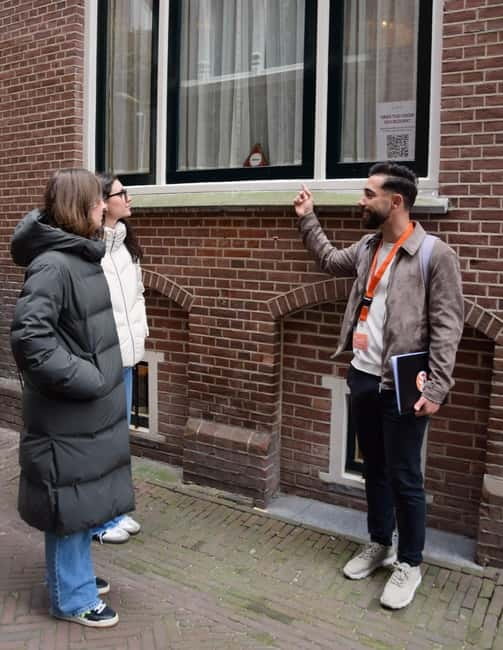
- Story-first guiding in English, with a focus on how resistance worked in real life.
- Outdoor WWII landmarks, including the outside areas tied to the Ten Boom story and the nearby memorials.
- Koepel Haarlem, tied to Corrie’s arrest, giving the walk a strong emotional pivot.
- Wijngaardtuin, where you see how ordinary people found ways to help.
- A tight 2-hour route, ideal when you want meaning without losing your whole day.
Why This Corrie Ten Boom Walk Works in Haarlem
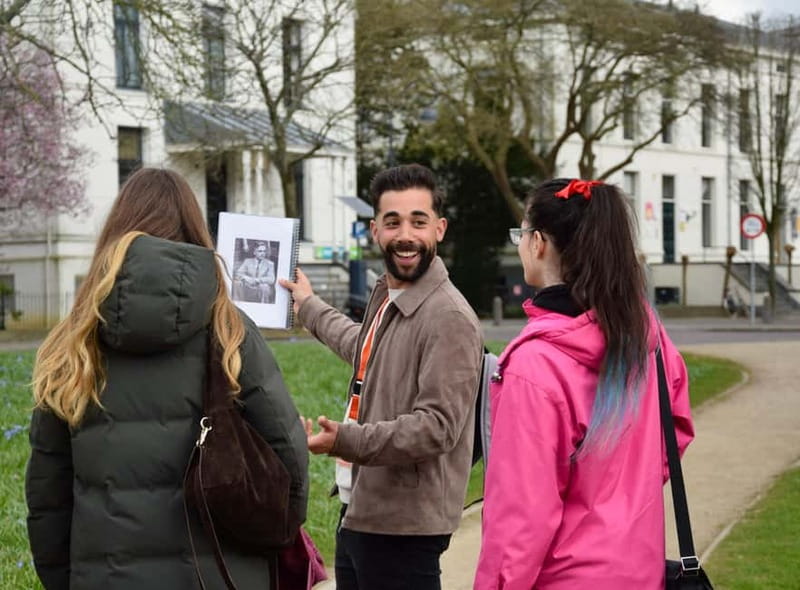
Haarlem can feel like a postcard city if you only skim the big squares and canals. This tour asks you to look again, with intent. It’s built around one person, Corrie ten Boom, and uses specific Haarlem locations to show how a community lived under Nazi occupation.
The best part is the balance. You get personal, human storytelling tied to clear WWII context, so the scenes make sense. You also get places you can stand in front of and quietly connect the dots, even if you don’t know Haarlem well yet.
If you care about resistance history, this walk is a clean way to start. It also works if you’re visiting for a “greatest hits” day and want one section of Haarlem to hit harder than usual.
More Guided Walking Tours in Haarlem



Price, Timing, and Why 2 Hours Is a Smart Choice
At about $38 per person for 2 hours, you’re paying for guided interpretation plus a route that hits multiple meaningful stops without turning your day into a long march. In practice, that time window matters. You get enough time for an emotional arc, but it stays practical so you can still explore the rest of Haarlem afterward.
This is also value-strong because most of what you’re paying for is the guide’s storytelling and local linking of sites. The tour is not about ticking off 20 locations from a checklist. It’s about a tighter path where each stop has a point.
One thing to keep in mind: since there’s no museum entrance included, the tour is best viewed as an orientation and alternative to a museum day, not a replacement for everything inside. If you love reading, artifacts, and indoor exhibits, you’ll likely want that extra layer after the walk.
Kenaupark Meeting Point: Hannie Schaft Sets the Tone
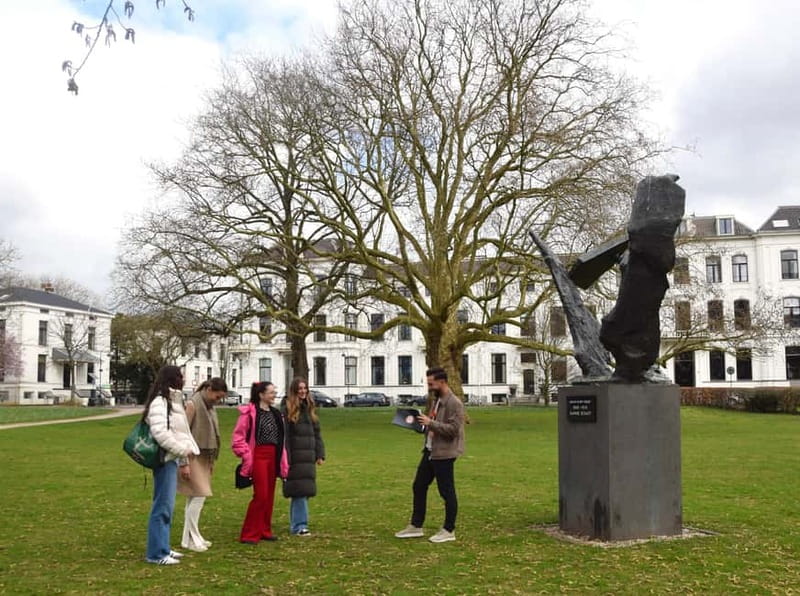
You start at the center of Kenaupark, by the statue of Hannie Schaft. That’s not random. Schaft is a name that signals resistance history right away, and it gives the walk a moral frame before you even hit the WWII locations connected to Corrie ten Boom.
From a traveler point of view, starting in a park also helps. You can meet easily, get oriented, and settle in before the guide begins placing Haarlem into wartime context. It’s an approachable start if you’re anxious about joining a history tour with big emotional weight.
Because it begins at a fixed landmark, you’ll have an easier time finding the group than if the meeting point were tucked into an alley. You can then take the streets in order with less mental juggling.
From Haarlem Station to the Ten Boom House Area: Seeing the WWII City Form
After Kenaupark, you pass Haarlem Station. Even without long stops, stations matter in WWII storytelling because they represent movement, control, and how fast lives could change. You’re not just looking at buildings. You’re getting a sense of how people moved through the city, and what it meant to be under occupation.
Next, you pass the Ten Boom Museum. This is one of the key practical differences of the tour: the walk sets you up for the Corrie ten Boom story, but it does not include entrance. You’ll get the outside reference points and the historical framing, so you know where to look when you later decide whether to visit inside.
The tour also takes you toward Grote Markt. Passing this central square helps ground the story in everyday Haarlem. Corrie ten Boom’s resistance did not take place in a museum display case. It happened in a city where people still went about normal life while the danger grew around them.
That’s what makes these “pass by” moments useful. You’re building a map in your head. And you’re learning to see WWII history not as distant, but as part of the same streets you’ll walk after the tour ends.
Wijngaardtuin: Everyday Resistance That Doesn’t Make Loud Headlines
One of the strongest stops is the Wijngaardtuin. This is where the tour shifts from big dramatic moments to the slower, daily work of resistance. The setting matters because it matches the idea that helping often looked ordinary from the outside.
This is the kind of place where the guide’s storytelling really helps. You’re not just standing somewhere pretty or quiet. You’re learning how everyday choices can add up when you’re up against a system that wants silence.
I like that the tour makes room for this theme instead of rushing straight to the arrest and the consequences. It gives you something to think about after you leave Haarlem: what “resistance” could mean when it’s not about banners and battles, but about small risks taken at the right time.
Other WWII and remembrance history tours:
- Corrie Ten Boom and WW2 Experience
★ 5.0 · 13 reviews - Amsterdam: Dutch WWII Resistance Museum Entry Ticket
★ 4.7 · 951 reviews - Oranjehotel World War II Prison Entrance Ticket
★ 4.6 · 708 reviews - Rotterdam Walk: Hilights, Gems, Architecture & WWII | 2 or 3hrs
★ 5.0 · 149 reviews
Wijde Appelaarsteeg and the Memorial Thread Through the Streets
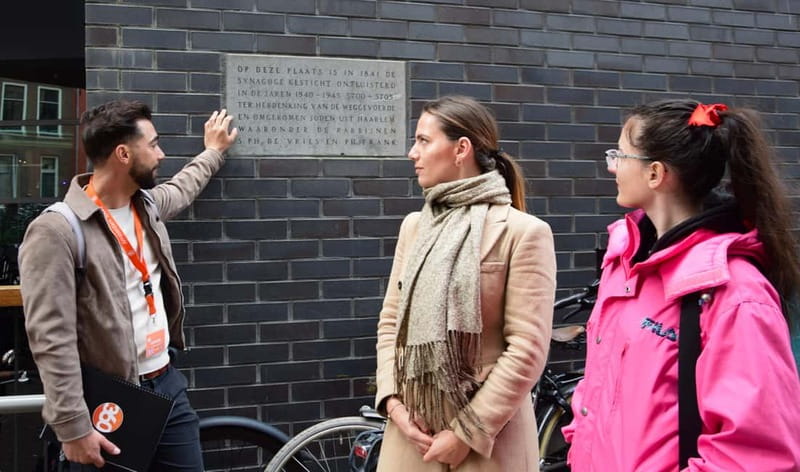
The walk continues through the Wijde Appelaarsteeg area. This kind of narrow street changes how you perceive the story. The distances feel shorter. The closeness makes the idea of hiding and being watched more understandable.
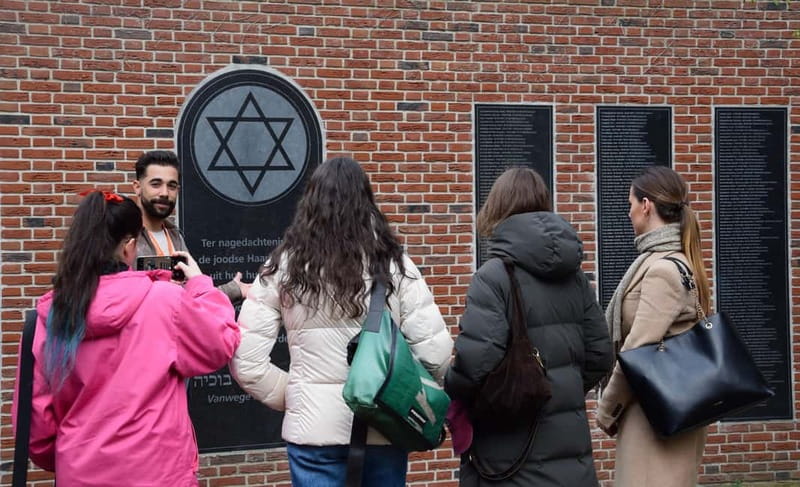
From there, you connect the route to the Joods Monument. This memorial stop matters because it ties the narrative back to the human reality behind the history. You’re not just learning about what Corrie did. You’re also being reminded of what happened to Jewish people under Nazi persecution, and how resistance was connected to survival.
This “memorial thread” is one reason the tour feels more than educational. It’s also a moral walk. You can stand in the right spot, hear the story, and let the significance land without the distraction of indoor exhibits or a lecture hall.
If you tend to skim when you’re in a new city, this section helps slow you down. The streets guide your attention. The guide’s pacing guides your emotions.
Koepel Haarlem Prison: When the Story Turns Toward Arrest
The emotional center of the walk is de Koepel Haarlem, the Koepel Prison area. This is where the tour places Corrie ten Boom’s arrest by the Nazis. The shift from “resistance happening” to “resistance being crushed” is direct, and it changes the mood of the route.
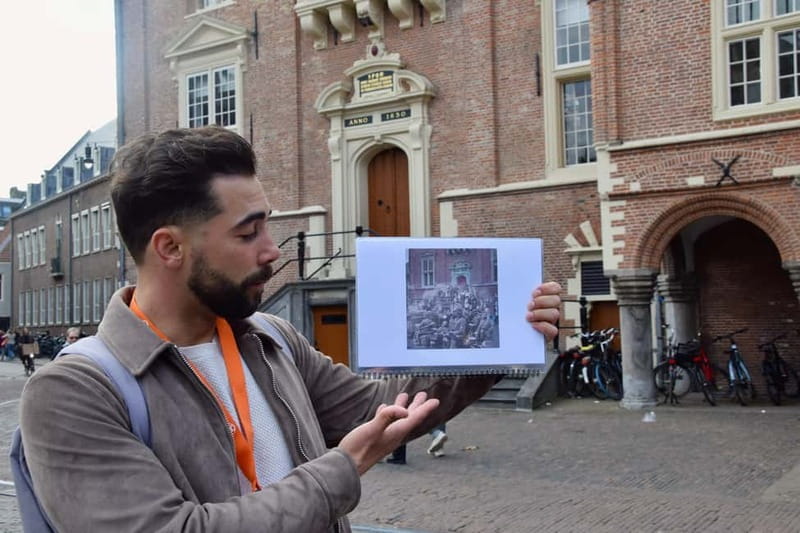
Even if you already know Corrie’s story from books or documentaries, the value here is in location. Being in the place tied to the arrest changes how the information lands. The guide’s storytelling helps you connect the dots between hiding, danger, capture, and what followed.
I also like that the tour doesn’t treat this as a dramatic set piece. It stays grounded in explanation and respect. The goal is not to shock you. It’s to help you understand what was at stake for Corrie and for the people she tried to help.
If you’re sensitive to heavy topics, this is the portion where you may want to take a breath between explanations. You’re outdoors, so you can step back a moment and gather yourself without losing track.
Finishing at Nauwe Appelaarsteeg 1: What You Should Leave With
The tour finishes at Nauwe Appelaarsteeg 1. Ending in the streets keeps the message from turning into a classroom wrap-up. You leave with a clearer sense of where Corrie’s story fits into Haarlem’s geography.
This final stretch is also useful for practical sightseeing. Once you’ve walked the route, you’ll know how the areas connect. You’ll be able to spot relevant places more easily as you explore on your own, including the memorial sites and the general neighborhood structure.
Most importantly, the tour gives you a better way to remember. Not just by repeating names, but by understanding how Haarlem’s occupied life shaped the options people had. That’s why the walk sticks with you.
Wheelchair-Friendly, Practical, and Easy to Pair With Other Haarlem Plans
The tour is wheelchair accessible, which is a big deal for a WWII walking experience. You should still plan for a walking component, but the format is set up to be usable for more visitors than many city tours.
It’s also led by a live guide in English. If you’re visiting from outside the Netherlands and want the story in clear spoken English, this is a strong fit. You won’t be stuck piecing together info from signs as you walk.
If you’re planning a full day in Haarlem, this tour’s 2-hour duration is a great middle block. Do it early to build context, then come back later for slower personal exploring around the same areas.
If you prefer a quieter pace, you can treat the tour as your structured lesson, then spend extra time on your favorite stop after.
Who This Tour Suits Best
This is a strong match if you want WWII history with real emotional weight and specific locations tied to real people. It’s also a good choice if you like guided storytelling that connects facts to personal risk and decisions.
I think it’s especially ideal for:
- Anyone visiting Haarlem for a first time and wanting a meaningful narrative route
- People who have heard the Corrie ten Boom name but want it grounded in Haarlem streets
- Travelers who care about resistance history and the idea of everyday courage, not only major battles
- Couples, friends, and solo travelers who want a guided plan that stays manageable in time
If you’re mainly looking for museum-style displays and artifacts, you may want to add the Ten Boom Museum separately, since this walk does not include museum entrance.
Should You Book This Corrie Ten Boom and World War 2 Walking Tour?
Yes, book it if you want a focused, emotionally intelligent walk through Haarlem’s WWII sites. The route is short enough to fit real travel days, and the guiding style, including English narration by guides such as Manuel, is praised for friendly, engaging storytelling with relevance and emotion. That combination matters because WWII history can become abstract fast, and this format keeps it human.
Don’t book it if you specifically want an included museum visit. Since the tour serves as an introduction or alternative to the Corrie Ten Boom Museum, you’ll only get outside context around key sites like the Ten Boom House area. For a full museum experience, plan that separately.
If you’re the type who likes to understand what you’re looking at before you take photos, this tour will make your Haarlem walk afterward feel clearer and more meaningful.
Gables on Foot
- Cultural and Historical Audio guided walking tour Tour of Haarlem★ 3.5 · 13 reviews
- 90 minutes Self-Guided Walking tour with puzzles in Haarlem★ 4.0 · 12 reviews
- Haarlem Private Food Walking Tour with 8 Tastings★ 5.0 · 12 reviews
- Haarlem Self-Guided Taste, Culture & History Walk★ 5.0 · 7 reviews
Latest to arrive along the quays of Haarlem




WWII & Remembrance History Tours, compared.
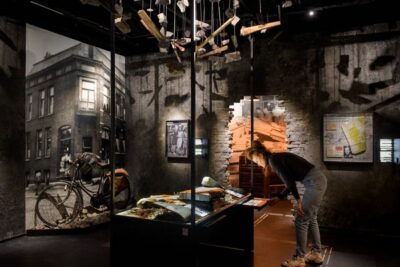

Oranjehotel World War II Prison Entrance Ticket
Read our review →
Rotterdam Walk: Hilights, Gems, Architecture & WWII | 2 or 3hrs
Read our review →
Small Group Tour to Nazi WWII concentration camp from Amsterdam
Read our review →
Anne Frank and World War II Walking Tour (TOP RATED)
Read our review →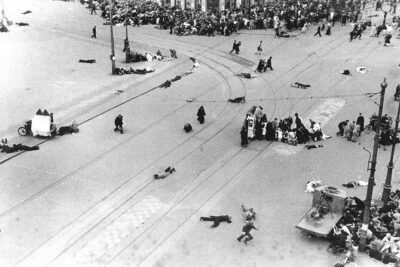
The Anne Frank Tour (Jewish Neighborhood & Amsterdam during WWII)
Read our review →

Rotterdam Must Do Tour: Highlights, History, WW2 and Architecture
Read our review →Browse the lists this tour appears in