
Reviewed · WWII & REMEMBRANCE HISTORY TOURS
Corrie Ten Boom and WW2 Experience
Haarlem’s WWII sites pack a lot in. This 2-hour Corrie ten Boom and WW2 Experience links poignant memorial stops with everyday city landmarks, guided in English. I love how the stories stay human and specific, and how the walk moves from reflective spaces to key Haarlem locations you can actually picture in your head. One thing to consider: Corrie ten Boom House admission isn’t included, so this tour is a strong intro rather than a replacement for the museum visit.
The big win here is the guide. Even in a short time window, the pacing feels designed to keep your attention on cause and effect, not just dates. I also like the scale, small groups (max 18), which makes it easier to ask questions as you go.
You’ll be outside for most of it, and the experience notes good weather, so come prepared to walk and stand in whatever the sky decides. If the weather turns, the tour may shift dates or offer a full refund, which is exactly what you want when you’re planning a tight city day.
In This Review
- Quick takeaways: what you’ll remember from this Haarlem WWII walk
- Where this tour fits in your Haarlem day plan
- Meeting point at Groote Markt, and an end near the Joods Monument
- Kenaupark and Hannie Schaft, the Girl with the Red Hair
- Haarlem Railway Station, opened in 1839, and why that matters
- The Corrie ten Boom House, and what you get without the ticket
- Grote Markt, Haarlem’s center, and how normal life becomes the backdrop
- Wijngaardtuin, a quiet garden that changes your pace
- Wijde Appelaarsteeg and the plaque for Simon Philip de Vries
- De Koepel, from a historic prison to a cultural and educational hub
- Nauwe Appelaarsteeg 1 and the Joods Monument Haarlem
- Price and value: is $39.10 worth it?
- Who this tour is best for (and who might want a different format)
- Should you book this Haarlem WWII tour?
- FAQ
- How long is the Corrie ten Boom and WW2 Experience in Haarlem?
- What is the price per person?
- Is the tour available in English?
- Is Corrie ten Boom House admission included?
- Do I receive a mobile ticket?
- What is the maximum group size?
- Where does the tour start and end?
- Does the tour require good weather?
- Are service animals allowed?
- What’s the cancellation window for a full refund?
Quick takeaways: what you’ll remember from this Haarlem WWII walk
- Hannie Schaft in Kenaupark: a clear link between resistance work and the streets around Haarlem
- Haarlem Railway Station (opened 1839): a quick reality check on how rail shaped movement during WWII
- Corrie ten Boom House context: museum-adjacent storytelling without the museum ticket
- Joods Monument Haarlem: a stop tied to the deportations of 715 Jewish residents, unveiled in 2012
- Small group size: up to 18 people, so the guide can keep the tone personal
- A mix of solemn and quiet stops: memorials plus peaceful garden corners that sharpen the message
Where this tour fits in your Haarlem day plan
This is a focused Haarlem walking experience, about 2 hours long, priced at $39.10 per person. That price is mostly paying for interpretation, not a stack of paid attractions, because many stops are free, and the only notable “not included” item is admission for the Corrie ten Boom House.
If you’re short on time but want WWII context in the exact neighborhoods where the story happened, this works. You get a guided path that connects major resistance and Holocaust-related sites with Haarlem’s layout, so you stop seeing the city as just pretty buildings and start seeing it as a place people lived through danger.
Also, the booking pattern is a clue. It’s often reserved with some lead time (on average, about 47 days in advance), so if Haarlem is a fixed point on your itinerary, it’s smart to lock this in early and avoid scrambling later.
Other WWII and remembrance history tours:



Meeting point at Groote Markt, and an end near the Joods Monument
The start is at 2011 MS Haarlem, near the Central square Groote Markt. The tour ends at Nauwe Appelaarsteeg 1, 2011 HA Haarlem, near the Joods Monument site.
That end location matters. It means you finish at a somber, concrete memorial setting rather than cutting the experience short at another busy square. In practical terms, it also helps if you want to keep exploring Haarlem after the tour, because you’re already positioned near key central streets and sights.
You’ll get a mobile ticket, and the tour is offered in English. Service animals are allowed, and the experience asks for moderate physical fitness, which fits the “walk and stop often” style of a 2-hour city route.
Kenaupark and Hannie Schaft, the Girl with the Red Hair
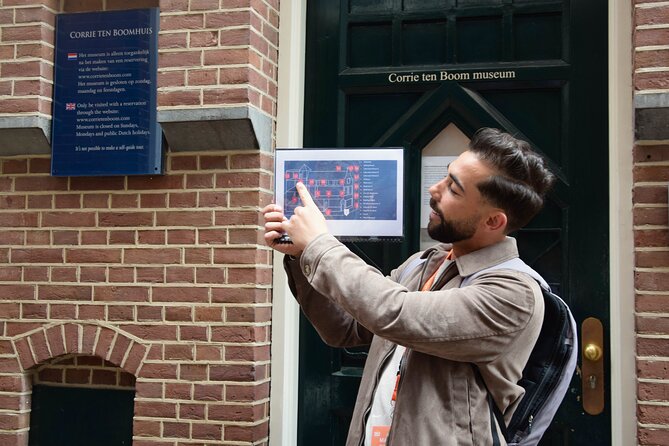
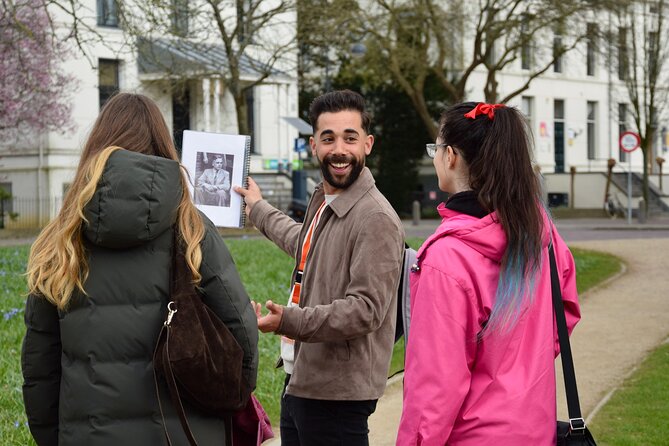
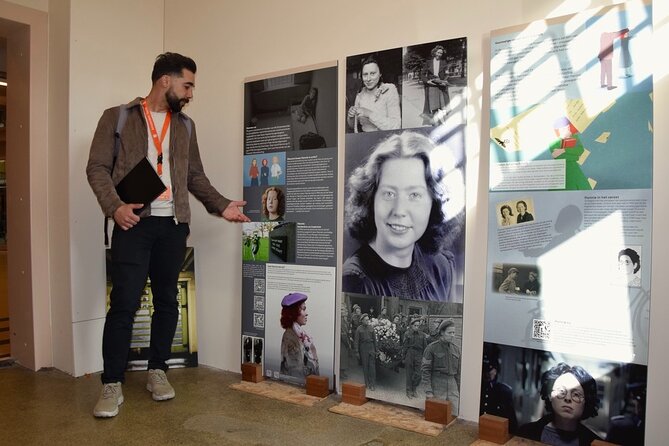
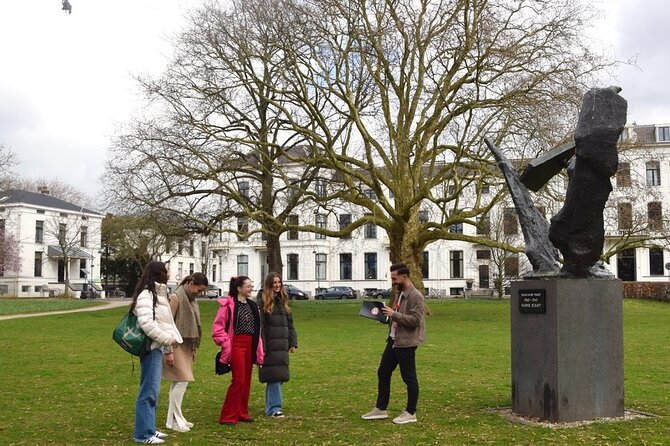
Kenaupark is where the tour’s emotional tone clicks into place. You’ll stop at the monument to Hannie Schaft, known as the Girl with the Red Hair, who became a symbol of resistance against Nazi occupation and operated around Haarlem.
What I like about this stop is how it sets up the rest of the walk. The guide doesn’t treat Hannie Schaft as a distant figure. Instead, you learn how ordinary people in Haarlem could become resistance workers through a mix of courage, risk, and painful betrayal. That context matters because the other stops are not just “war stuff,” they’re tied to real choices and real consequences in the city.
This part also gives you contrast. You’re in a green space with old trees and nearby 19th-century architecture, so the mood becomes reflective instead of frantic. You’ll have time to pause, take photos, and let the memorial sink in before moving on.
Practical note: this stop is short (about 10 minutes), so if you need extra quiet time, plan to circle back later on your own.
Haarlem Railway Station, opened in 1839, and why that matters
Next you’ll pass through Haarlem Railway Station, which opened in 1839 and is the oldest train station in the Netherlands. It’s not the kind of stop that feels “war-themed” at first glance, which is exactly the point.
A major WWII reality is movement, logistics, forced transfers, and the way systems like rail can shape lives quickly. Seeing the station early in the route helps you connect that larger historical mechanism to a real Haarlem building, not just a textbook description.
This station stop is brief (around 5 minutes), but it’s a smart way to get your brain oriented. Once you’ve seen a familiar landmark like this through a WWII lens, the rest of the walk reads differently.
The Corrie ten Boom House, and what you get without the ticket
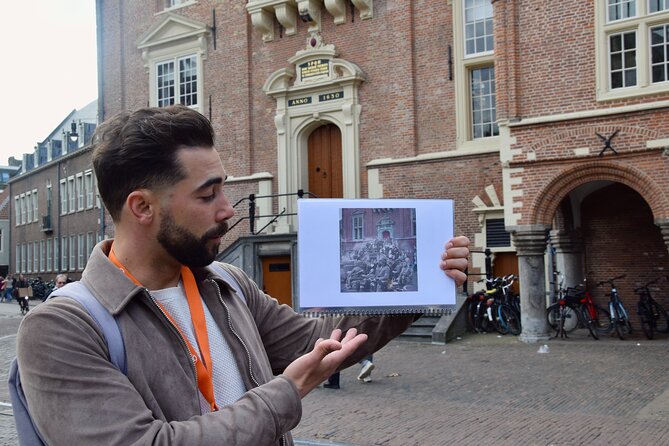
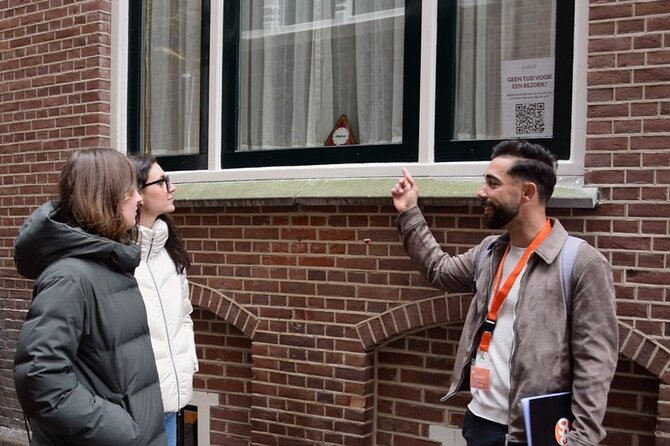
The tour includes a stop at the Corrie ten Boom House, but admission is not included. Think of it as a guided introduction and orientation to the family’s story, not a full museum visit.
That distinction is important for value. If you want the museum experience, you’ll need to plan a separate visit. If you’re more interested in a city-walk version of the story, this tour still gives you a meaningful pathway to understand why the ten Boom family is remembered and how Haarlem fit into the wider wartime situation.
If your schedule allows, I’d treat this tour as the setup, then book time later for the museum so you can spend as long as you want with exhibits and artifacts. Trying to do everything in one tight block usually means you rush. Here, you’re given a chance to not rush the guidance portion.
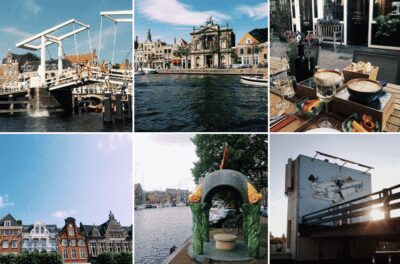
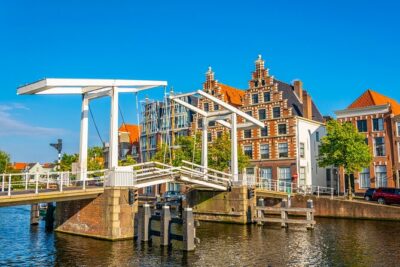
Also flying a pennant in Haarlem
- Haarlem: Sightseeing Canal Cruise through the City Center
★ 4.3 · 762 reviews - Haarlem: Sightseeing Boat Tour with Snacks and Drinks
★ 4.5 · 398 reviews - Haarlem: Guided Highlights Canal Cruise on Open Boat
★ 4.7 · 363 reviews - Haarlem: 50 minutes Boat Cruise
★ 4.5 · 272 reviews
Grote Markt, Haarlem’s center, and how normal life becomes the backdrop
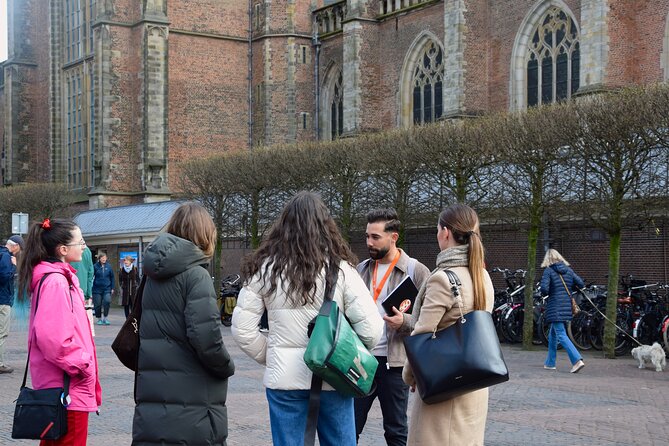
At Grote Markt, you get the city’s heart. This square is central for a reason, and WWII is not only about dramatic hiding places. It’s also about what happens around the ordinary places people used for errands, meetings, and daily routines.
This stop is short (about 10 minutes), so I don’t expect it to feel like a museum moment. Instead, it’s where the guide helps you connect the story to the physical layout: streets you can follow, spaces where events could ripple outward, and the sense that occupation reshaped normal movement patterns.
If you enjoy street-level context, Grote Markt is a good anchor. If you’re sensitive to solemn topics, this is also a calmer break before the walk heads back into more direct memorial territory.
Wijngaardtuin, a quiet garden that changes your pace
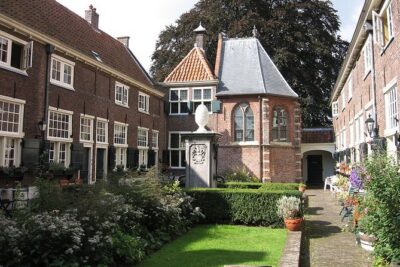
Tucked behind central streets is Wijngaardtuin, a small garden with quiet charm and a history worth noticing. This stop is brief (about 10 minutes), but it plays a big storytelling role.
Here’s the practical impact: when you move from resistance and persecution sites into a peaceful garden space, your brain gets a small moment to breathe. That makes the next solemn stops feel sharper, not numb.
It also helps you see Haarlem as more than a set of plaques. Gardens, side alleys, and small courtyards were part of everyday life too, even during occupation. That continuity is often what makes historical stories feel real.
Wijde Appelaarsteeg and the plaque for Simon Philip de Vries
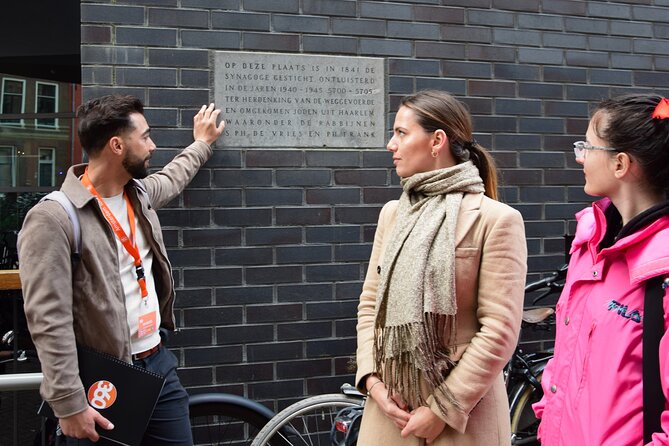
At Wijde Appelaarsteeg, you’ll see a plaque to Simon Philip de Vries (October 4, 1870 to March 24, 1944), a Dutch rabbi and scholar who served the Jewish community in Haarlem for nearly five decades.
This stop adds depth that many WWII tours skip. Instead of focusing only on the dramatic arc, it brings in a long stretch of community life. Service for decades is not a footnote. It’s a reminder that people were building, teaching, and supporting neighbors far beyond wartime headlines.
It’s also a quick stop (about 5 minutes), so it doesn’t overstay. It gives you a name to remember, which is often the difference between a vague sense of tragedy and a focused, personal understanding.
De Koepel, from a historic prison to a cultural and educational hub
Then you’ll visit De Koepel, known for its transformation from a historic prison into a cultural and educational hub. This kind of reuse is always complicated, but it’s also often where people start thinking about memory and rebuilding.
As a stop on this tour, it works because it bridges two ideas. One is the physical reality of incarceration during WWII eras. The other is the choice to repurpose a building for learning and public life now.
The tour gives it about 10 minutes, so you won’t get a full lecture on architecture. Instead, you’ll get enough context to understand why a location can carry history in its walls, and why that matters when you’re trying to honor victims without turning the past into a theme park.
Nauwe Appelaarsteeg 1 and the Joods Monument Haarlem
The closing memorial stop is Joods Monument Haarlem at Nauwe Appelaarsteeg 1. It’s a solemn tribute to the 715 Jewish residents of Haarlem who were deported and murdered. The monument was unveiled on September 23, 2012, and it’s located near Philip Frankplein, close to the former main synagogue of Haarlem.
I like ending here because it refuses to fade into abstraction. You’re given numbers, you’re given location, and you’re pointed to the nearby historic context of the synagogue site. Even with a short stop time (about 10 minutes), this is the kind of place where your thoughts slow down automatically.
The guide’s job here is to keep the tone respectful and factual, so the memorial doesn’t become a backdrop for photos. You should still bring your camera if you need it, but treat the moment like a pause, not a snapshot.
Price and value: is $39.10 worth it?
For $39.10 per person over about 2 hours, this tour is strong value if your goal is guided interpretation across key Haarlem locations tied to WWII. Many stops have free admission, which means you’re not paying repeatedly for entry fees.
You do miss one paid component: Corrie ten Boom House admission is not included. But that can actually be a plus. A guided city intro can help you decide whether you want the deeper museum experience, and if you do, you can return on your own time and spend longer than the tour allows.
The guide is also where this tour earns its near-perfect rating. One of the guides mentioned by name, Manuel, gets praise for storytelling and for keeping details coming even after the official end time window. That tells me the real value is human delivery, not just a checklist of stops.
Finally, you’re paying for the structure. With a maximum group size of 18, the guide can keep the rhythm and answer questions without turning the walk into a hurried conga line.
Who this tour is best for (and who might want a different format)
This fits best if you want a WWII-focused Haarlem walking experience that connects resistance, community life, and Holocaust-related memorials. It’s especially good if you care about names and places, like Hannie Schaft, Simon Philip de Vries, and the memorial for the 715 Jewish residents.
You might consider a different approach if you only want the Corrie ten Boom Museum visit and nothing else. Since the museum entrance isn’t included, you would still need to book that separately.
It’s also a smart choice if you prefer guided explanations rather than trying to self-navigate using signs alone. The stops are short, so you’re not stuck reading in the cold or standing around wondering what something means.
Should you book this Haarlem WWII tour?
Yes, if you’re planning a Haarlem day and you want a clear, respectful, place-based Corrie ten Boom and WW2 introduction. The price makes sense for the time, most stops are free, and the guide storytelling seems to be the main reason people rate it so highly.
Book it sooner rather than later if Haarlem is a fixed part of your schedule, since demand is strong. And plan to pair it with a separate museum visit if you want the full Corrie ten Boom House experience.
FAQ
How long is the Corrie ten Boom and WW2 Experience in Haarlem?
It’s about 2 hours.
What is the price per person?
The price is $39.10 per person.
Is the tour available in English?
Yes, the tour is offered in English.
Is Corrie ten Boom House admission included?
No, admission for the Corrie ten Boom House is not included.
Do I receive a mobile ticket?
Yes, the tour includes a mobile ticket.
What is the maximum group size?
The tour has a maximum of 18 travelers.
Where does the tour start and end?
It starts at 2011 MS Haarlem, Netherlands, near the Central square of Haarlem (Groote Markt), and it ends at Nauwe Appelaarsteeg 1, 2011 HA Haarlem.
Does the tour require good weather?
Yes, it requires good weather. If it’s canceled due to poor weather, you’ll be offered a different date or a full refund.
Are service animals allowed?
Yes, service animals are allowed.
What’s the cancellation window for a full refund?
You can cancel up to 24 hours in advance for a full refund.
Latest to arrive along the quays of Haarlem


WWII & Remembrance History Tours, compared.
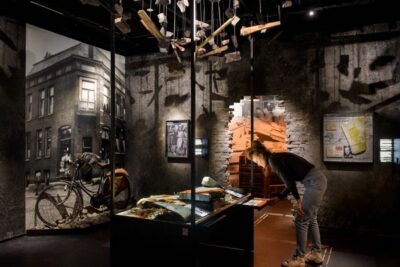
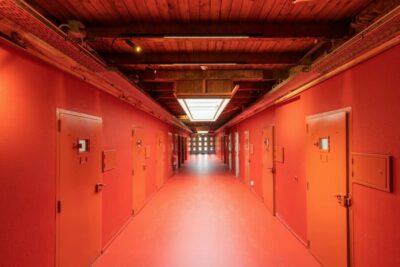
Oranjehotel World War II Prison Entrance Ticket
Read our review →
Rotterdam Walk: Hilights, Gems, Architecture & WWII | 2 or 3hrs
Read our review →
Small Group Tour to Nazi WWII concentration camp from Amsterdam
Read our review →
Anne Frank and World War II Walking Tour (TOP RATED)
Read our review →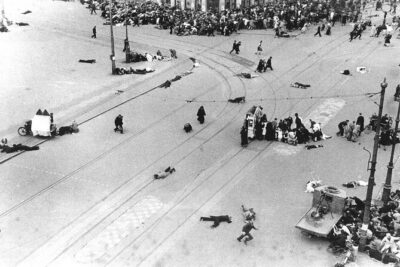
The Anne Frank Tour (Jewish Neighborhood & Amsterdam during WWII)
Read our review →

Rotterdam Must Do Tour: Highlights, History, WW2 and Architecture
Read our review →Browse the lists this tour appears in