
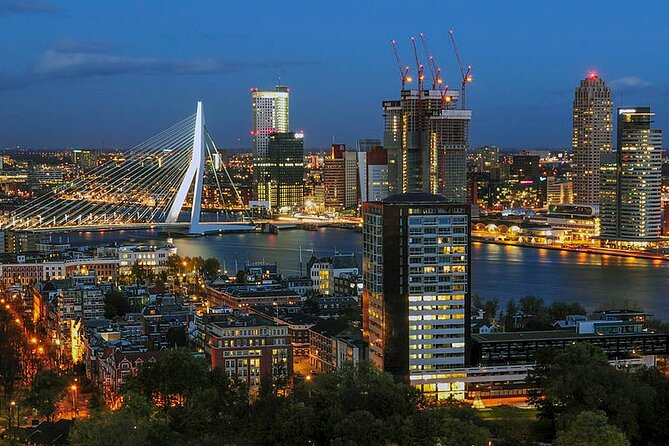
Reviewed · WWII & REMEMBRANCE HISTORY TOURS
Rotterdam Must Do Tour: Highlights, History, WW2 and Architecture
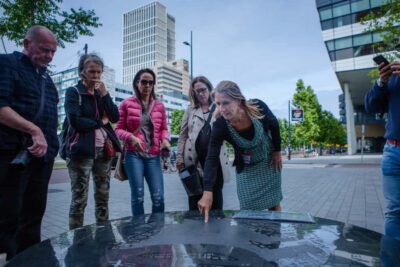
Rotterdam tells its story in steel and stone. This 2-hour walking tour gives you WWII and architecture context while you move through key sights like the Cube Houses and Markthal. I like the small group size because you actually hear the guide and can ask real questions. One thing to consider, it is a compact route, so the pace can feel quick if you prefer to linger.
If you want Rotterdam the way locals explain it, this tour is a strong way to get your bearings fast. The walk is designed for first-timers who want a clear thread from destruction to modern design, with quick stops that still add up. You also get a local guide who can connect details you might otherwise miss, and guides such as Edwin, Michel, Susan, Tony, Stephan, and John have been praised for making that story click.
In This Review
- Key Highlights You Should Know Before You Go
- Why This Rotterdam Walk Works (Even If You Only Have 2 Hours)
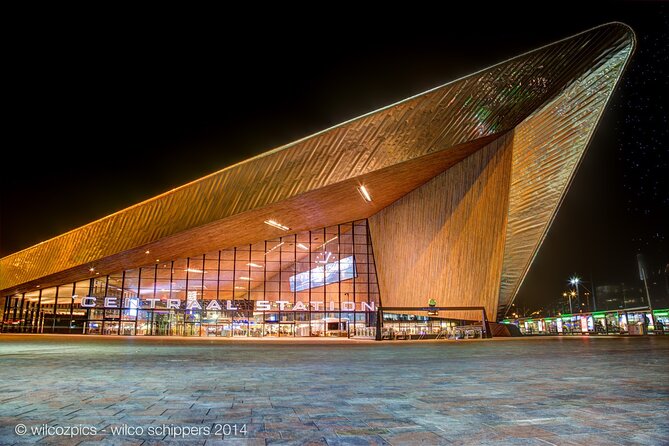
- Getting Oriented at Stationsplein and Rotterdam Centraal
- Groot Handelsgebouw: A Postwar Marker You Can Walk Right By
- Shopping Streets With a Postwar Backstory: West-Kruiskade and Lijnbaan
- Markthal: Modern Design Meets a Food-Hall Atmosphere
- Oude Haven and Cube Houses: The Cutest Postwar Contrast in Town
- Luchtsingel: A 390-Meter Pedestrian Bridge With Purpose
- Nieuwe Delftse Poort: A City Gate That Was Rebuilt in Steel
- Sint-Laurenskerk: The Only Medieval Remnant You Can Step Inside
- The Practical Stuff That Affects Your Day
- Should You Book This Rotterdam Must Do Tour?
- FAQ
- How long is the Rotterdam walking tour?
- What is the price per person?
- Is the tour offered in English?
- What is the maximum group size?
- Where do we meet, and where does it end?
- What are some of the main places you visit?
- Is food or drinks included?
- Do we need to pay admission at the stops?
- Will I receive a mobile ticket, and when do I get confirmation?
- Are service animals allowed, and can I cancel for a full refund?
Key Highlights You Should Know Before You Go
- Small group, max 15 people: easier conversation and more personal pacing.
- WWII rebuild told through buildings: not just facts, but why the city looks this way.
- Big-name modern Rotterdam stops: Cube Houses, Markthal, and Luchtsingel.
- Shopping streets with a historical reset button: Lijnbaan and West-Kruiskade are tied to postwar reconstruction.
- Old meets new in short moments: Sint-Laurenskerk (medieval remnant) and Nieuwe Delftse Poort (steel reconstruction).
- Usually smooth logistics: meet at Stationsplein, near public transport, and you get a mobile ticket.
Why This Rotterdam Walk Works (Even If You Only Have 2 Hours)
Rotterdam can feel like a city built for today. That is not an accident. Much of what you will see is shaped by the Second World War and what followed, when rebuilding became a design project and a planning reset.
What I like about this tour style is that it does not treat Rotterdam like a museum. It moves you through living areas: stations, shopping streets, and public spaces. You also get a clear narrative line, so when you see a modern form, you understand what prompted it and what it replaced.
The main tradeoff is the time pressure. With around 2 hours and many stops, you will do quick look-ins rather than a slow wander. If you are the type who hates rushing, wear comfortable shoes and keep your expectations realistic. You can always return later on your own for deeper time.
Other WWII and remembrance history tours:

Getting Oriented at Stationsplein and Rotterdam Centraal
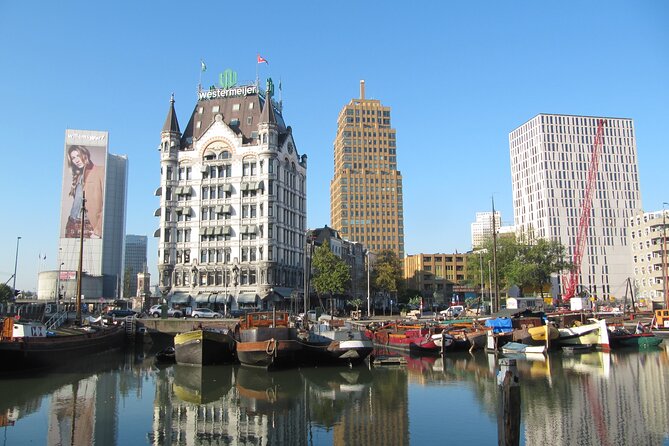
The walk begins right at Stationsplein 10, so you are starting in the city’s transport heartbeat. Meeting near Rotterdam Centraal matters because it frames the rest of the day. You get a quick lesson in how Rotterdam thinks about movement, connection, and design, right at the gateway.
From there, your guide typically sets up the story you will keep hearing. You learn why the city’s architectural language looks the way it does, and how the harbor and rebuild efforts shaped the layout and priorities. This is the moment that helps everything else land.
Tip: arrive a few minutes early and take a minute to look up and around. Even in a busy station area, architecture cues are everywhere, and this tour moves fast enough that you want to spot them before the group keeps rolling.
Groot Handelsgebouw: A Postwar Marker You Can Walk Right By
One stop is Groot Handelsgebouw, completed in 1953. That date is a big deal, because it is tied to the early wave of rebuilding after Rotterdam’s WWII bombing. This is not just an office building you pass. It is a clue to how the city reasserted itself with modern construction soon after the devastation.
Even if you are not an architecture nerd, the building helps you understand a practical point: Rotterdam rebuilt with a future-first mentality. Instead of restoring everything to the past, it chose to replace and redesign, sometimes rapidly, with new materials and new ambitions.
Why it is worth the brief stop: it is a concrete example of the timeline. The guide can usually connect the broader WWII story to a specific, dated building you can point to.
Shopping Streets With a Postwar Backstory: West-Kruiskade and Lijnbaan
Rotterdam’s shopping center areas are not only about stores. In this part of the city, they are also about reconstruction choices.
You will pass through West-Kruiskade and Kruiskade, known shopping streets in the center. Then you continue to Lijnbaan, which opened in 1953 as the main pedestrian street in a new shopping district. That detail matters because it links directly to what came before: the older shopping area was destroyed during the bombing, and the city responded with a redesigned center.
What you might notice here: the layout and pedestrian-first vibe reflect the postwar plan. It is one thing to hear the word reconstruction. It is another to see how the city carved space for shopping and street life in a new form.
Practical consideration: you can get caught in the temptation to sprint into shops. Keep an eye on your group and time, because this tour is built for short exterior and quick interior moments, not long shopping breaks.
Markthal: Modern Design Meets a Food-Hall Atmosphere
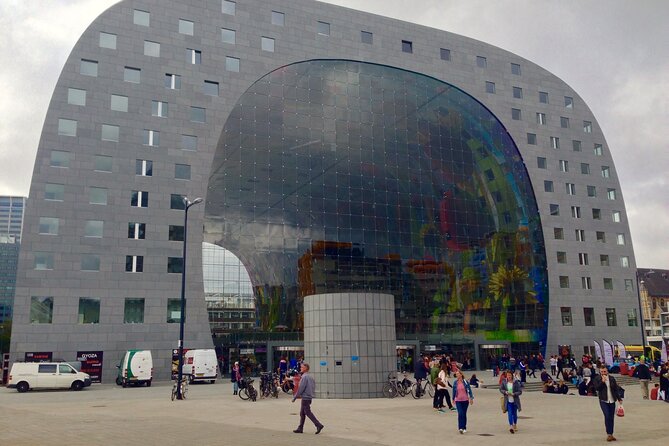
Markthal is one of the best stops on the walk because it mixes architecture and everyday use. It was designed by MVRDV, and the structure is often described as grey natural stone with a horseshoe-like arch shape. Then, inside, you get restaurants and a large artwork that shows enlarged fruit, vegetables, seeds, fish, flowers, and insects.
Even without a long explanation, the building gives you something immediate to react to. It feels intentionally surreal. The artwork turns the market hall into more than a place to eat. It becomes a visual statement about abundance, nature, and food culture, all housed inside a modern architectural shell.
One drawback to keep in mind: Markthal is visually intense, and not every guide might slow down enough for you to fully take it in. If art and design are your top priority, ask your guide a question and point out what you are noticing. The best guides will steer you toward the details worth your attention.
More concrete and glass worth craning at:
- Rotterdam: Highlights, Gems, Architecture & History Walk
★ 5.0 · 191 reviews - Rotterdam Architecture Highlights Walking Tour
★ 5.0 · 66 reviews - Rotterdam: Architecture Highlights Tour including the Depot
★ 4.6 · 17 reviews - Rotterdam Architecture and Highlights Walking Tour (TOP RATED)
★ 4.5 · 14 reviews
Oude Haven and Cube Houses: The Cutest Postwar Contrast in Town
Old Harbour, or Oude Haven, is a historical hotspot on the north side of the Maas river. This is where the atmosphere feels more like a waterfront district, with that classic Rotterdam blend of old and new.
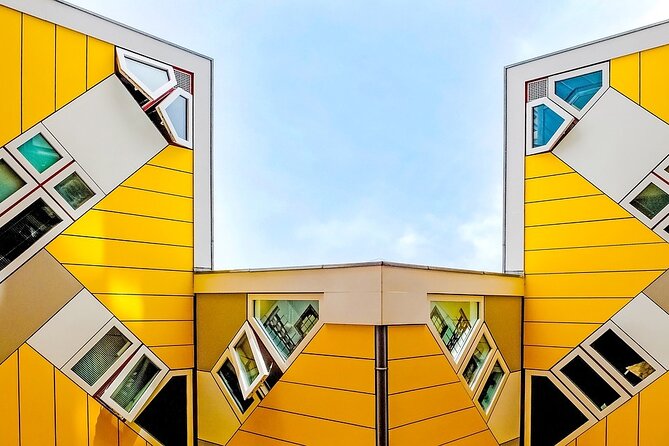
And yes, the Cube Houses are nearby, which is why this stop always gets people excited. The Cube Houses feel like playful engineering. They are strange in the best way, and your guide can usually connect them back to Rotterdam’s rebuild and design mindset.
Why I think this stop works for most visitors: it gives you a visual payoff. After learning how the city got shaped by WWII and rebuilding decisions, you finally see architecture that is bold and unmistakably Rotterdam.
Tip: if the day is busy, move with the group through the most iconic sightlines first. You can take your time with photos after you finish the guided portion, when you are not trying to catch up to everyone.
Luchtsingel: A 390-Meter Pedestrian Bridge With Purpose
Luchtsingel is a wooden pedestrian bridge that stretches 390 meters. The point of this stop is not just a nice walk. It is a story about reconnecting parts of the city.
The bridge connects Rotterdam North with Rotterdam Center, and it is designed to bring new life to an area that had been abandoned for years. The description often highlights how vacancy and neglect dominated that space, and Luchtsingel is the opposite approach, using design to encourage activity and movement.
This is one of those moments where architecture turns into city planning you can feel. You are not just looking at buildings. You are walking across a decision.
What to do: pay attention to how the bridge changes your perspective of the city. Even on a short segment, the structure makes the urban scale feel different.
Nieuwe Delftse Poort: A City Gate That Was Rebuilt in Steel
Nieuwe Delftse Poort is tied to a deeper layer of Rotterdam history. The Delftsche Poort was a city gate, with the last version built in 1764. Then, about fifty years later, the gate was reconstructed in steel at a site close to the original, with design credited to artist Cor Kraat.
This stop helps you see Rotterdam’s balance. It can be futurist and it can be respectful to older layers. Even though you are not seeing a medieval gate in its original form, you are seeing the city choosing to remember, with a modern material and a new interpretation.
If you like urban history, this is a quick but satisfying stop. It gives you a timeline you can mentally file away.
Sint-Laurenskerk: The Only Medieval Remnant You Can Step Inside
Sint-Laurenskerk is a Protestant church in Rotterdam, and it is described as the only remnant of the medieval city of Rotterdam. Another plus: you can go inside for free.
This is an emotional counterweight to the rest of the walk. After seeing modern forms and postwar redesign, the church gives you something older, something that survived. The guide’s job here is usually to connect what you are seeing to what Rotterdam lost and what the city kept.
Practical note: if you want photos, be respectful about rules inside a working church. Quiet attention often gets you the best experience anyway, and your guide can usually tell you the small details to notice without turning it into a lecture.
The Practical Stuff That Affects Your Day
This tour is designed as an efficient walking loop, focused on highlights and architecture. You are on your feet, so plan like a walker, not like a museum visitor. Comfortable shoes matter, because you will make repeated short moves and quick stops.
Food and drinks are not included. That sounds obvious, but it changes how you should plan lunch or snack timing. If you get hungry, you will need to step out on your own after the tour or grab something during the gaps.
Admission tickets are listed as free for the key stops. That helps keep costs under control, especially if you were worried about extra fees for the big-name buildings.
The tour runs in English, and it is offered at different times to fit your schedule. The group is capped at a maximum of 15, which is large enough to feel lively but small enough to keep the conversation going.
Also worth knowing: the tour ends back at the meeting point. That makes it easier to plan your next move, whether you are heading to dinner or connecting back to a train.
Should You Book This Rotterdam Must Do Tour?
Book it if you want a fast, structured introduction to Rotterdam that connects WWII rebuilding to what you see today. It is a good fit for first-timers and for anyone who likes architecture but does not want to spend the day studying a guidebook map alone.
Skip it, or at least adjust your expectations, if you prefer long stays at a few places instead of short stops across many key sights. This tour is compact. You will learn a lot quickly, then you may want to return later if something really grabs you, like Markthal or the Cube Houses.
If you do book, I’d bring one mindset: treat this as a narrative starter kit. You are paying for story, orientation, and architecture context, not for a slow, time-consuming deep visit at every stop.
FAQ
How long is the Rotterdam walking tour?
It is about 2 hours long.
What is the price per person?
The price is $29.41 per person.
Is the tour offered in English?
Yes, it is offered in English.
What is the maximum group size?
The tour has a maximum of 15 travelers.
Where do we meet, and where does it end?
You meet at Stationsplein 10, 3013 AJ Rotterdam, Netherlands, and the tour ends back at the meeting point.
What are some of the main places you visit?
You visit iconic Rotterdam highlights including the Cube Houses, Markthal, and the Luchtsingel bridge, along with stops around the city center such as Rotterdam Centraal Station, shopping streets, Oude Haven, and Sint-Laurenskerk.
Is food or drinks included?
No, food and drinks are not included.
Do we need to pay admission at the stops?
Admission tickets are listed as free for the stops included on the walk.
Will I receive a mobile ticket, and when do I get confirmation?
You receive a mobile ticket, and you get confirmation at the time of booking.
Are service animals allowed, and can I cancel for a full refund?
Service animals are allowed. You can cancel up to 24 hours in advance for a full refund.
Golden Age Corners
- Rotterdam: Kinderdijk UNESCO World Heritage Entry Ticket★ 4.6 · 1,477 reviews
- Rotterdam: Maritime Museum and historic museum harbor ticket★ 3.9 · 92 reviews
- MUST DO: Rotterdam highlights & history with a local guide★ 4.5 · 57 reviews
- Private Guided Walking Tour Historical Dordrecht★ 5.0 · 19 reviews
Latest to arrive along the quays of Rotterdam


WWII & Remembrance History Tours, compared.
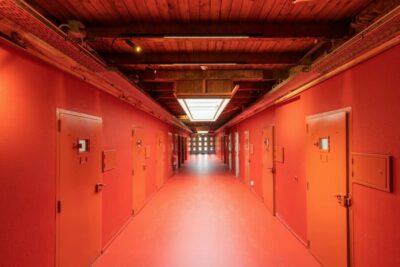
Oranjehotel World War II Prison Entrance Ticket
Read our review →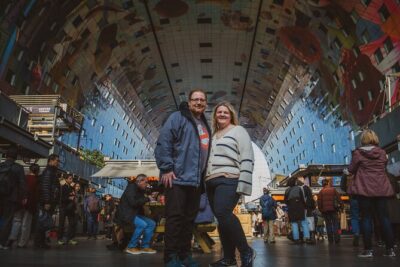
Rotterdam Walk: Hilights, Gems, Architecture & WWII | 2 or 3hrs
Read our review →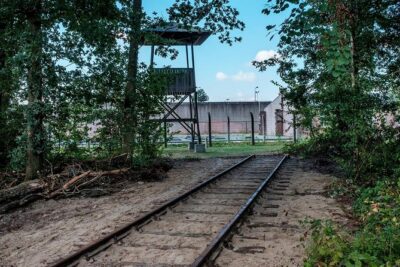
Small Group Tour to Nazi WWII concentration camp from Amsterdam
Read our review →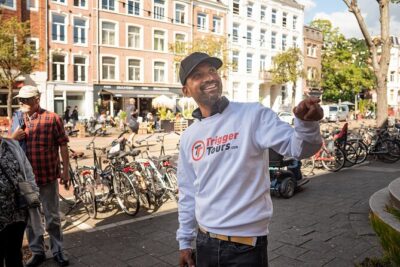
Anne Frank and World War II Walking Tour (TOP RATED)
Read our review →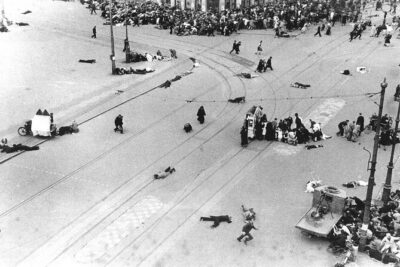
The Anne Frank Tour (Jewish Neighborhood & Amsterdam during WWII)
Read our review →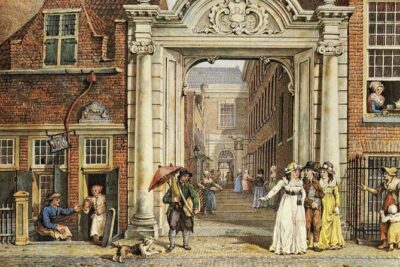
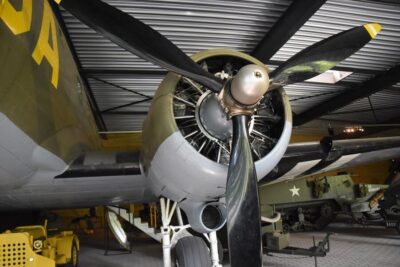
Wings of Liberation, The WWII Airborne experience
Read our review →Browse the lists this tour appears in