
Reviewed · WWII & REMEMBRANCE HISTORY TOURS
Oranjehotel World War II Prison Entrance Ticket
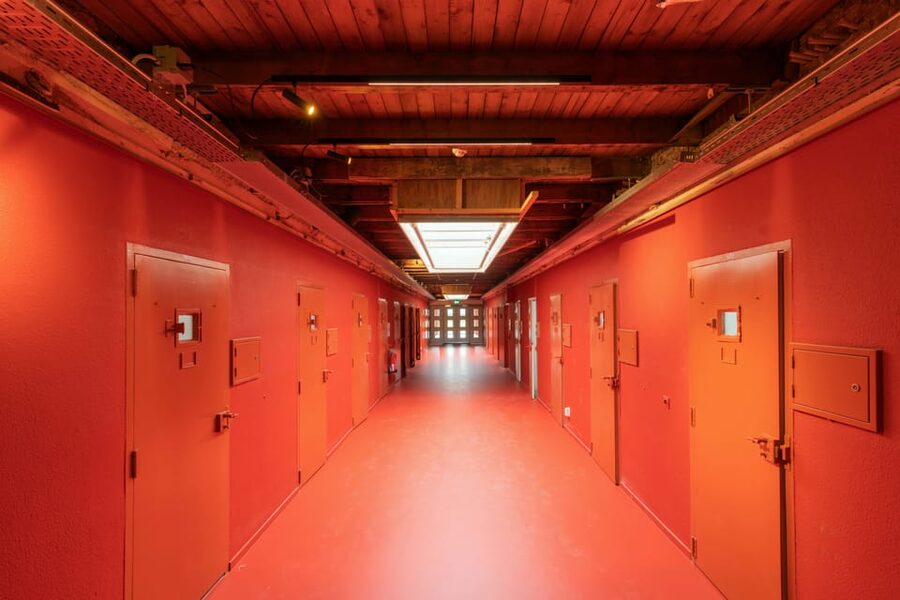
Prison cells with real impact. At Oranjehotel, you can walk the halls of a Nazi detention site tied to executions, including the infamous death cell known as Cell 601. What I like most is how self-paced the visit feels, so you can stop and take in what matters. I also like the way the audio guide turns dates and policies into personal, understandable stories.
One consideration: this is heavy history. The exhibit is powerful and emotional, and there is not a lot of “light relief” built into the visit, so plan your pace and your emotional bandwidth.
In This Review
- Key highlights at Oranjehotel (World War II Prison)
- Entering the Oranjehotel in The Hague: what the place really is
- Your audioguide route: how to plan your visit pace
- Cell 601: the death cell stop you should not rush
- The stories inside: documents, photos, interviews, and audio fragments
- Occupied Netherlands context: resistance, punishment, and consequences
- What the ticket includes, and what it does not
- Timing and pacing: how long to give it
- Is it worth $15 per person? A value check
- Who should go, and who may want a different plan
- Practical details that matter once you’re there
- The memorial effect: what stays with you after
- Should you book Oranjehotel? My decision guide
- FAQ
- How much does the Oranjehotel ticket cost?
- How long is the visit?
- What is included in the ticket price?
- Do I need a guided group tour?
- What languages are available for the audioguide?
- What is Cell 601?
- What will I learn during the visit?
- Is food included?
- Where is the meeting point?
- Is the site wheelchair accessible?
Key highlights at Oranjehotel (World War II Prison)
- Cell 601, the death cell, is a major emotional focus of the site
- Self-paced route lets you spend time where the story hits you most
- Audio guide in English, Dutch, German, French helps you follow along without needing a group tour
- Stories of injustice, fear, hunger, hope, solidarity, and faith are woven through documents, photos, and audio fragments
- Occupied Netherlands context, including the rise of resistance and the after-effects for families, gives meaning beyond the building itself
Entering the Oranjehotel in The Hague: what the place really is
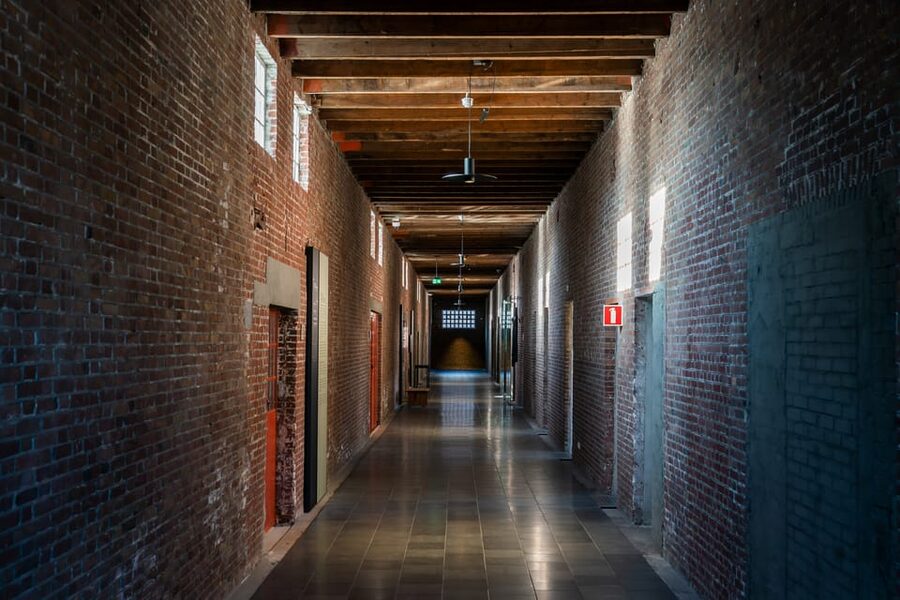
Oranjehotel is in South Holland, in The Hague area, at the Nationaal Monument Oranjehotel, Van Alkemadelaan 1258, 2597 BP Den Haag. It’s not a “fun museum,” and that’s the point. This building is remembered because it was used as a Nazi prison during the Second World War, with prisoners facing the terrifying end of execution.
You’ll be entering a site where the past is presented as a lived experience, not just a timeline. The experience is built around letting you understand what imprisonment meant under Nazi rule in the occupied Netherlands, including the fear and uncertainty, but also the ways people tried to keep hope alive.
I find this kind of memorial works best when you treat it like a slow walk, not a checklist. If you rush, you miss the emotional structure the exhibit is trying to create.
Other WWII and remembrance history tours:


Your audioguide route: how to plan your visit pace
This is a self-guided visit with an audioguide included in your ticket price. That matters because it changes the feel. Instead of listening to a group leader, you’re choosing the moments you want to hear in more detail, and you can linger when something lands.
You can expect to move through the story of the building, the Nazi occupation, and the resistance movement. The audio guide also ties in the personal side through interviews and audio fragments, plus documents and photographs. There’s a mix of listening, plus written information and videos as you go. In other words, it’s not just one medium doing all the work.
A practical tip: give yourself enough time to stop. This site respects reflection. If you think you’ll “power through,” you may finish feeling like you skipped the point.
Cell 601: the death cell stop you should not rush
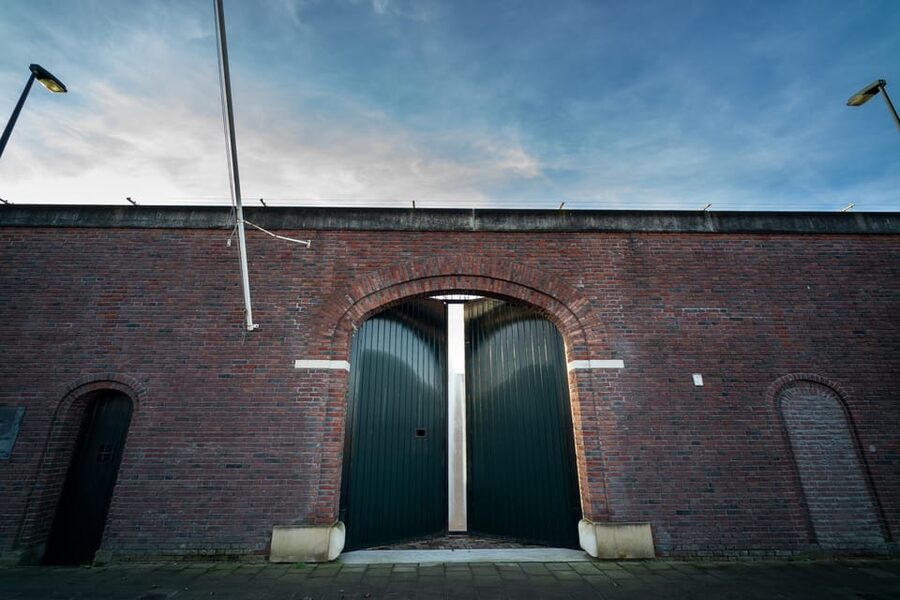
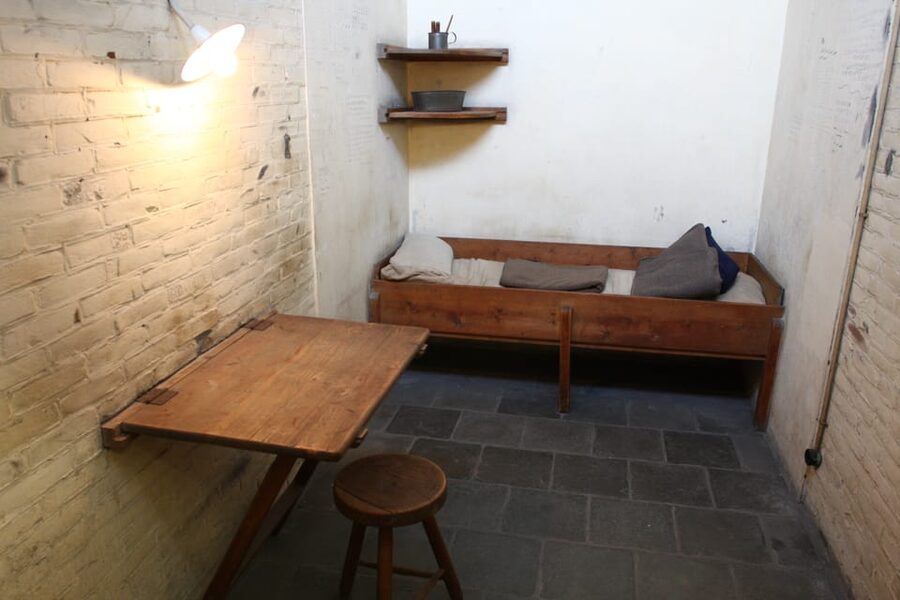
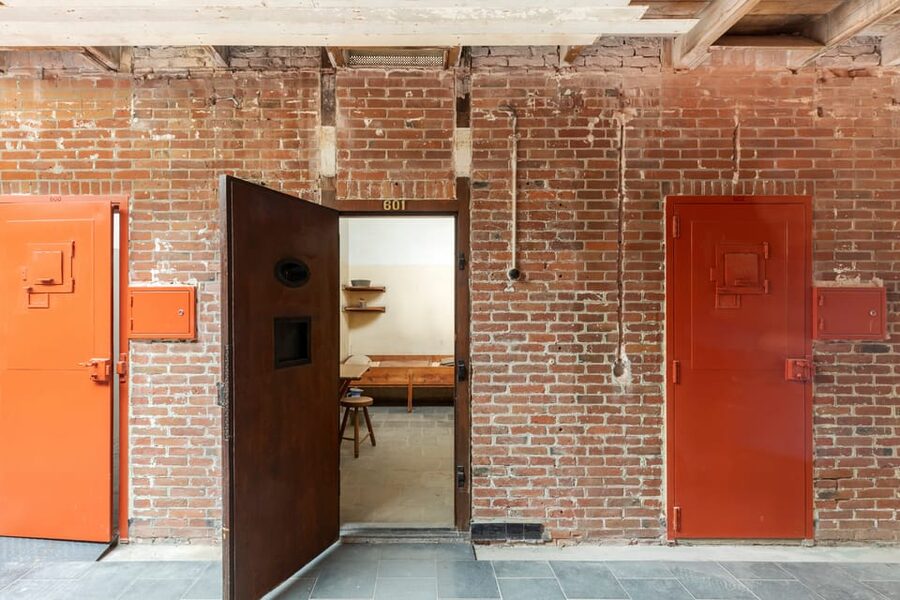
Cell 601 is the headline moment. The experience includes the chance to enter one of the prison’s death cells, and Cell 601 is the most notorious one tied to those doomed sentences.
Even if you already know the basics of WWII prisons, this room hits differently because it’s physically part of the memorial. You’re not just learning that people were imprisoned. You’re seeing the space where imprisonment became a waiting room for death.
The audio guide helps you interpret what you’re looking at, including how prisoners experienced fear and insecurity, and what it meant to be held under a system that ultimately sentenced many to execution by firing squad. This is where you start feeling the scale of the tragedy in a more human way.
If you’re visiting with kids, keep in mind that this is a real memorial space, not a storytelling set. Some families still make it work by asking questions and pacing breaks. Others may prefer to handle this visit without very young children.
The stories inside: documents, photos, interviews, and audio fragments
What makes Oranjehotel memorable is not only what happened, but how the site explains it. The exhibit uses interviews and audio fragments, along with documents and photographs, to tell the stories of prisoners. That combination is powerful because it gives you multiple ways to process the information.
You’ll hear about injustice, hunger, and insecurity. But you’ll also hear stories of hope, solidarity, and faith in freedom. That balance is important. It reminds you that people were not just victims in a history textbook. They were individuals dealing with cruelty while still trying to stay human.
I like this approach because it avoids turning suffering into a single emotional tone. You leave understanding both the horror and the resilience. And because the audioguide shares context in segments, you can pause mentally instead of taking it all in at once.
Occupied Netherlands context: resistance, punishment, and consequences
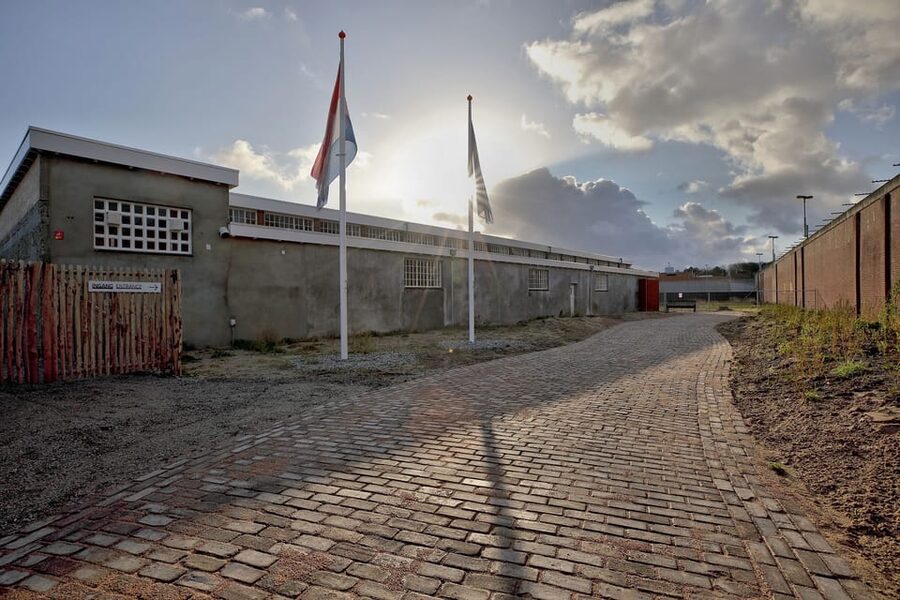
Oranjehotel is more than a cell tour. The visit includes context about the history of the building, the rise of the resistance, and how the occupation affected ordinary life. You’ll learn what life could be like for prisoners and how the disruption extended beyond the people inside the prison.
A key part of the story is the impact on families. Prison sentences and executions did not happen in a vacuum. The site explains the consequences after the war, showing how families carried the consequences long after the imprisonment ended.
I think that’s one of the most valuable parts for most visitors. It takes the story from “what happened here” to “what it changed elsewhere.” If you only focus on the cells, you might miss the bigger human ripple effect.
Also flying a pennant in Amsterdam
- Amsterdam: Van Gogh Museum Ticket
★ 4.7 · 52,054 reviews - Amsterdam: Heineken Experience Ticket including 2 Drinks
★ 4.6 · 36,014 reviews - Amsterdam: Rijksmuseum Entry Ticket
★ 4.7 · 29,512 reviews - Amsterdam: Icebar Entry Ticket with 3 Drinks
★ 4.2 · 14,562 reviews
What the ticket includes, and what it does not
Your Oranjehotel World War II Prison Entrance Ticket includes the entrance fee plus the audioguide. That’s a clean value proposition: you pay once, you walk at your pace, and you get the main interpretive tool for understanding the site.
Food and drinks are not included. For a practical visit, I suggest you plan to eat before or after, and bring water only if the site rules allow it. Since the experience is emotionally intense, starting hungry or needing to find food mid-visit can make it harder to focus.
Also remember: this is a one-day activity. The ticket is valid for one day, and you check availability to see starting times. That suggests there are time slots, so choose one that fits your energy level.
Timing and pacing: how long to give it
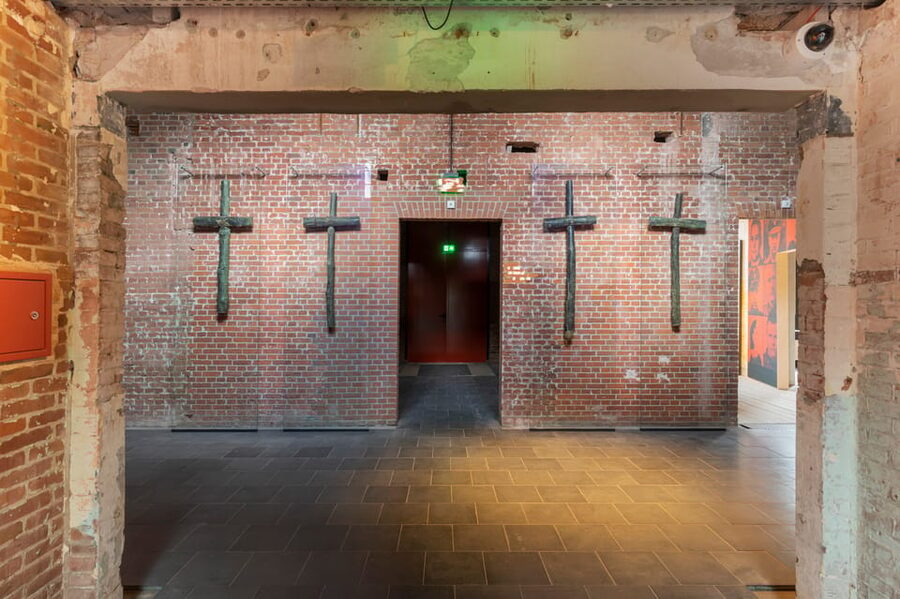
The duration listed is 1 day. That might sound broad, but the self-guided nature explains it. You’re not tied to a fixed group timeline, yet you shouldn’t treat it like a quick stop either.
Plan around the idea that you’ll move through multiple story layers: building history, the occupied Netherlands context, prisoner experiences, and the memorial focus around death cells. If you’re the type who likes to read every caption and listen to every segment fully, you’ll want more time. If you prefer a lighter pace, you can still do it respectfully, because the route is numbered and the audio guides you through.
A simple way to choose your pace: when you hit Cell 601, slow down. Then decide whether to speed up afterward or keep the same careful rhythm.
Is it worth $15 per person? A value check
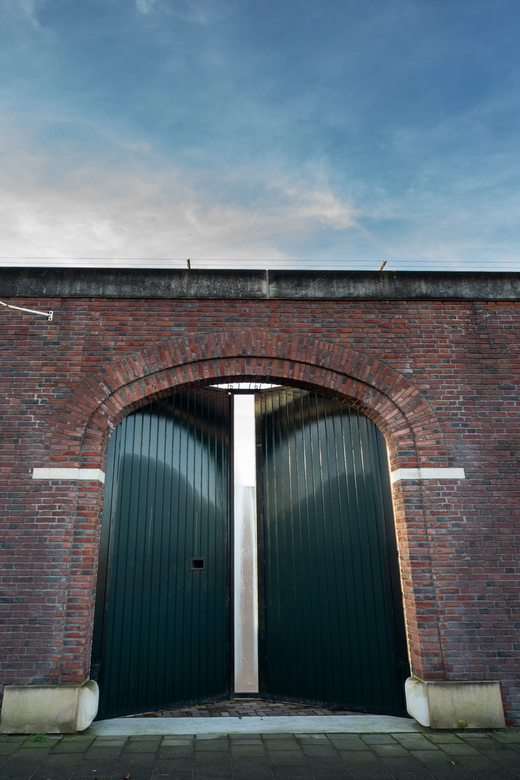
At about $15 per person, the ticket price is surprisingly reasonable for what you get: entrance to a significant WWII Nazi prison memorial plus a multilingual audioguide. You’re paying for interpretation, not just access to a room.
If you compare value by “how much meaning you can absorb per hour,” this performs well. The audio guide and interpretive materials turn a site into an educational experience without requiring a live guide to cover the same ground. That’s efficient, and it also lets you stop when something deserves your attention.
The trade-off is that you have to provide your own emotional pacing. There’s no guided “soft landing” built in, and you won’t get refreshments included. Still, for many people, that’s part of the memorial’s seriousness, not a shortcoming.
Who should go, and who may want a different plan
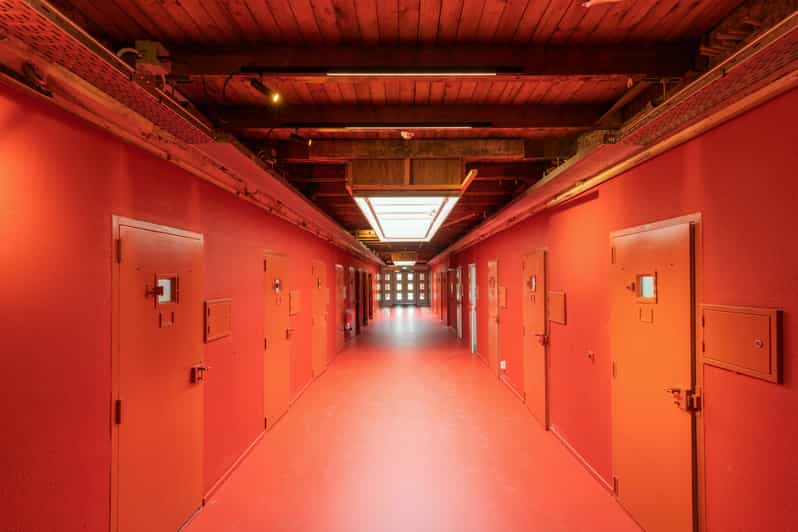
This experience is a strong fit for people who want WWII history grounded in a real place, not just classroom content. It works well if you like learning through personal stories, documents, and guided audio.
It also fits families in some cases, but with the right expectations. A family visit can work when kids are old enough to ask questions and when parents are ready to explain what they’re seeing. Ages mentioned in family experiences include children around 6, 10, and 13, and they engaged with the material by asking questions. That suggests the site can hold attention for curious kids, as long as adults control the pace.
If you’re someone who gets overwhelmed quickly by memorials, consider whether you want a lighter day elsewhere in The Hague on the same trip. Pairing this with something calmer the next day may help your brain process it all.
Practical details that matter once you’re there
The audioguide is available in English, Dutch, German, and French, which is excellent if you’re traveling with mixed language needs in your group. The site is also wheelchair accessible, which matters for planning a comfortable route.
The experience format is straightforward: no guided group tour, just the audioguide and the self-directed numbering system. That’s great if you like independence. It also means you should arrive ready to focus, because you’re not getting a live narration that adapts to your questions.
One more practical note: the site includes a lot of written information, plus videos. That’s a pro if you like reading and watching short pieces, and it’s a potential con if you prefer only audio. Either way, the layered format helps different learning styles.
The memorial effect: what stays with you after
Oranjehotel leaves you with questions that history lessons often don’t raise clearly enough: how people coped when fear was built into daily life, how injustice functioned through a system, and how resistance efforts carried consequences. It also leaves space for understanding the role of hope, solidarity, and faith in freedom, not as a cliché, but as something people relied on while facing impossible odds.
That combination, emotional plus informative, is why the site earns such high attention. Visitors describe it as visceral, deeply personal, and extremely informative. The exhibit is also described as considerate in pacing, giving you time in each part to learn and respect the people who were imprisoned there.
A realistic drawback you might notice: some people feel there are limited unchanged cells. They may wish for more rooms preserved in the same way. Still, the focus is on interpretation and memorial seriousness, and that can outweigh the “quantity” concern.
Should you book Oranjehotel? My decision guide
Book Oranjehotel if you want a meaningful WWII memorial that is understandable without needing a group tour. The self-paced audioguide, the Cell 601 focus, and the mix of interviews, documents, photographs, and videos make it a strong educational use of one day.
Skip or postpone if you’re looking for a light, casual outing. This is heavy material, designed for respect and reflection. Also consider skipping if you’re not comfortable with memorial spaces and you know you’ll rush to escape the emotional weight.
If you do book, go in with one goal: to understand people, not just events. Give Cell 601 the time it deserves, and you’ll get much more out of the experience.
FAQ
How much does the Oranjehotel ticket cost?
The price is listed as $15 per person.
How long is the visit?
The experience duration is listed as 1 day, and it’s self-paced.
What is included in the ticket price?
Your ticket includes the entrance fee and an audioguide.
Do I need a guided group tour?
No. The visit is set up so you use the audioguide and follow the numbered route.
What languages are available for the audioguide?
The audioguide is available in English, Dutch, German, and French.
What is Cell 601?
Cell 601 is described as the notorious death cell, and the experience includes entering a death cell.
What will I learn during the visit?
You’ll learn about the Nazi occupation of the Netherlands, the rise of the resistance, what life was like for prisoners, and the disruption and consequences for families after the war.
Is food included?
No, food and drinks are not included.
Where is the meeting point?
The meeting point is Nationaal Monument Oranjehotel, Van Alkemadelaan 1258, 2597 BP Den Haag, Netherlands.
Is the site wheelchair accessible?
Yes, the experience is wheelchair accessible.
Latest to arrive along the quays of Amsterdam




WWII & Remembrance History Tours, compared.
Rotterdam Walk: Hilights, Gems, Architecture & WWII | 2 or 3hrs
Read our review →
Small Group Tour to Nazi WWII concentration camp from Amsterdam
Read our review →
Anne Frank and World War II Walking Tour (TOP RATED)
Read our review →
The Anne Frank Tour (Jewish Neighborhood & Amsterdam during WWII)
Read our review →

Rotterdam Must Do Tour: Highlights, History, WW2 and Architecture
Read our review →
Wings of Liberation, The WWII Airborne experience
Read our review →Browse the lists this tour appears in