
Reviewed · DELFT TOURS & EXPERIENCES
Delft: Canal House Museum ‘Paul Tetar van Elven’ Ticket
Delft’s canal houses tell stories in wood and plaster. At the Museum Paul Tetar van Elven, you walk through the former home of Paul Tetar van Elven, an artist and drawing-master who filled this place with art, antiques, and Delft blue ceramics. I love the way the museum feels intensely personal, like the house still belongs to the collector and his wife.
My second favorite part is the sheer visual wow factor, especially the museum’s painted salon ceiling covered with names of old masters he admired. The main drawback to keep in mind is that this is a house museum, so it is best if you enjoy objects and rooms rather than expecting big modern-gallery displays.
In This Review
- Key things you’ll notice right away
- Where Delft’s Koornmarkt pulls you in
- The “canal house” experience, built for close looking
- The Salon and that painted ceiling of old masters
- Rooms that connect art, teaching, and personal collecting
- Antiques, drawings, and the collector’s logic in cabinets
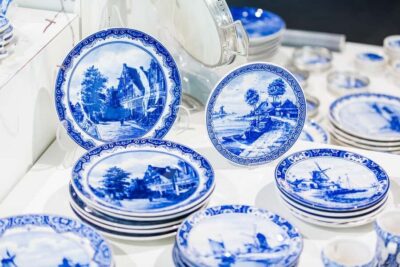
- Delft blue plus porcelain from the Far East
- Price and value for a focused, one-day ticket
- How long you need, and how to pace your visit
- Practical info that affects your experience
- Should you book this museum ticket?
Key things you’ll notice right away
- A preserved 19th-century artist’s house that still feels like someone lives here
- The Salon ceiling painted with old masters Tetar admired and copied
- Studio spaces that connect drawings and collecting to daily life
- A cabinet and library vibe that makes Delft feel like a scholar’s home base
- Delft blue pottery plus porcelain from the Far East shown in one collector’s system
Where Delft’s Koornmarkt pulls you in
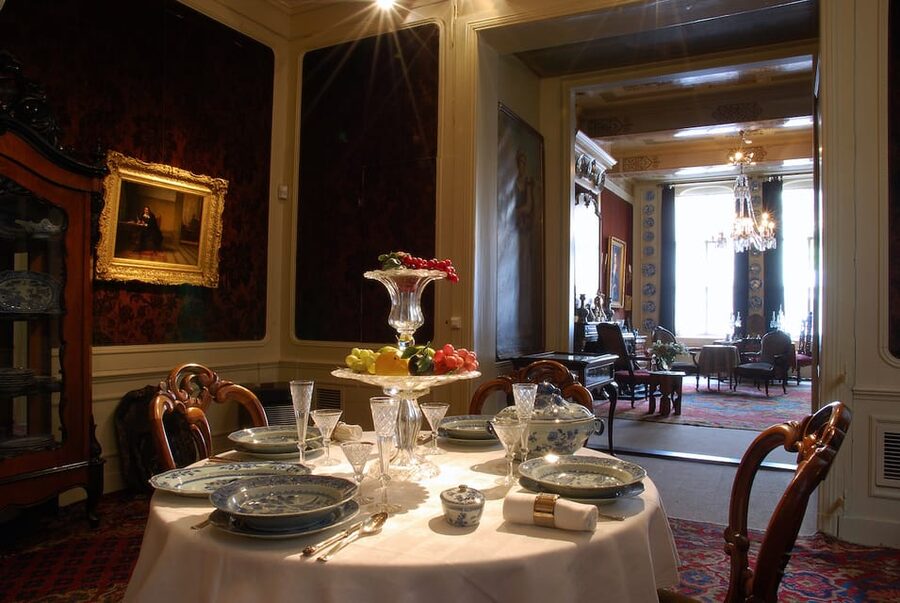
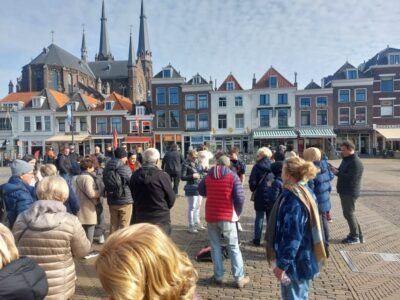
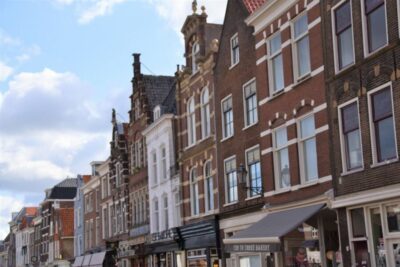
The museum sits in the center of Delft, on the Koornmarkt, in a canal house tied to one of the city’s wealthiest periods. The home dates back to the 16th century, right after the Great Fire of Delft in 1536, when this area helped the city rebuild and prosper. Over time, the house was renovated, including a new front façade and major updates around the year 1800.
Then comes the piece that matters for your visit. Paul Tetar van Elven bought this house in 1864, and rather than changing its structure, he adapted the interiors to match the fashion of his own era. That means you are not just touring a display, you are walking through a real space shaped by a working artist and collector.
For orientation, I’d plan to arrive and simply look at the canal-house feel first. Delft does not need to perform, it just sets the mood fast, and this museum is part of the street scene rather than stuck behind it.
More museum halls off the squares:



The “canal house” experience, built for close looking
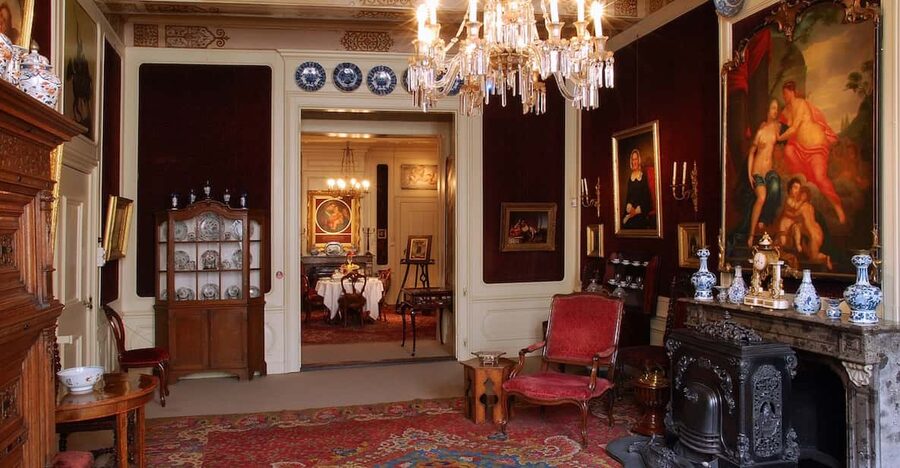
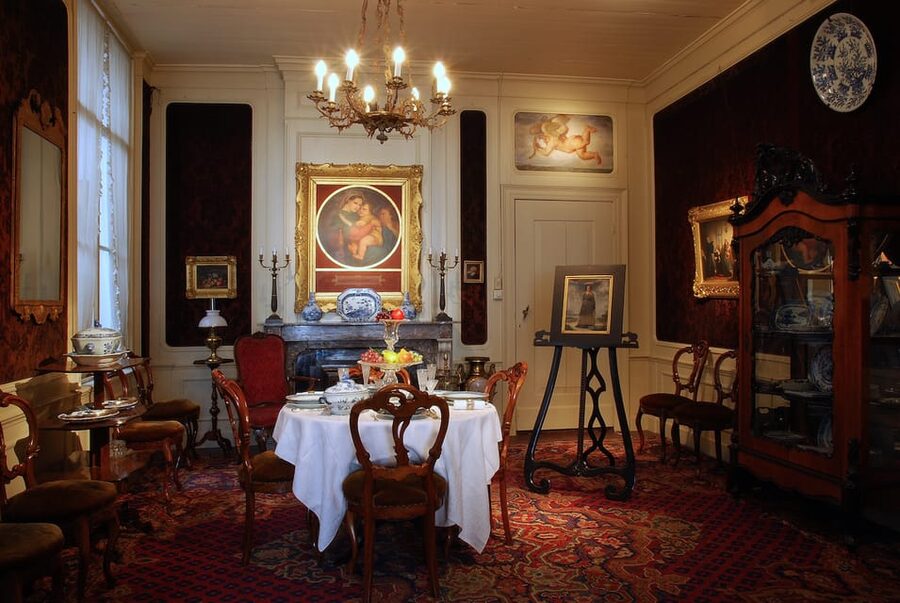
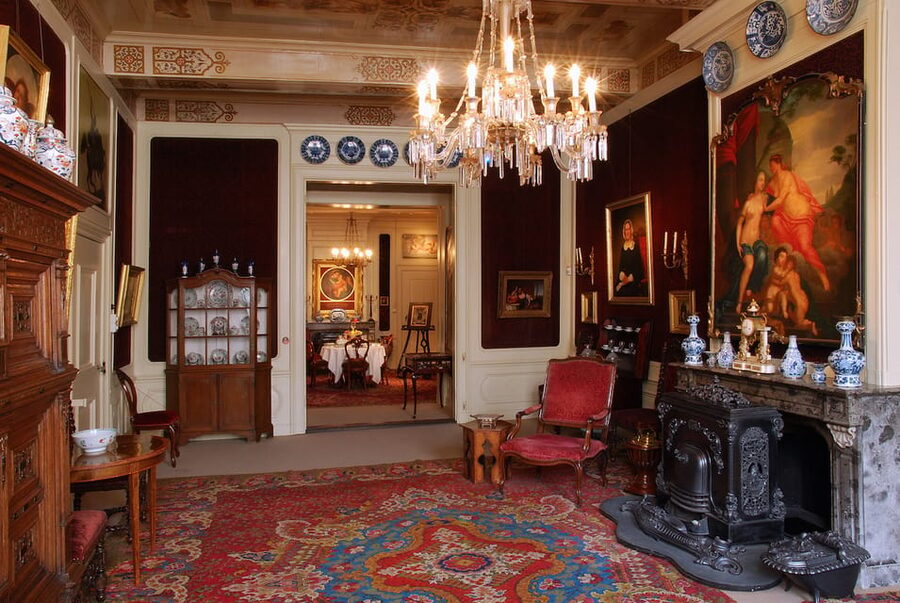
A lot of museums show you objects. This one shows you the context that objects need. In Paul Tetar van Elven’s house, you move from richly furnished living rooms into spaces that reflect how he lived, taught, and collected. You can feel the era pressing in through portraits, paintings, and period furnishings, without it turning into a dusty time machine.
The building itself adds an extra layer of interest. Because the house’s origins stretch back to the 1500s and later renovations shaped it, the rooms carry multiple time periods at once. That is a great setup if you like the way Dutch cities layer eras instead of replacing them.
One practical tip: go slowly the first time through. If you rush, you miss the best part, which is how the rooms connect to Tetar’s personality as both a drawing-master and an obsessive gatherer of art and antiques.
The Salon and that painted ceiling of old masters
The Salon is the standout room, mainly because Tetar commissioned a painter to decorate the ceiling. He hired Abraham Gips, a Dutch painter (1861 to 1943), to paint the names of old masters Tetar admired and copied, including Raphaël, Rubens, and Rembrandt.
This is one of those museum moments that feels oddly practical. It tells you what Tetar was studying, not in a textbook way, but in the place where he spent time. Seeing those names overhead reframes the house as a working environment for taste and training, not only a showcase for collecting.
If you like art education, this ceiling hits extra hard. Tetar was a drawing-master at the Polytechnic School, now part of the Technical University of Delft, and the house reflects that teaching mindset. You can almost imagine lessons, copying, and discussions happening just off to the side.
The only consideration is stamina. If you plan to cram Delft’s full center in one day, you might be tempted to treat this room as a quick stop. Give the Salon a real pause instead, especially if you care about art references and how collectors build their eyes.
Rooms that connect art, teaching, and personal collecting
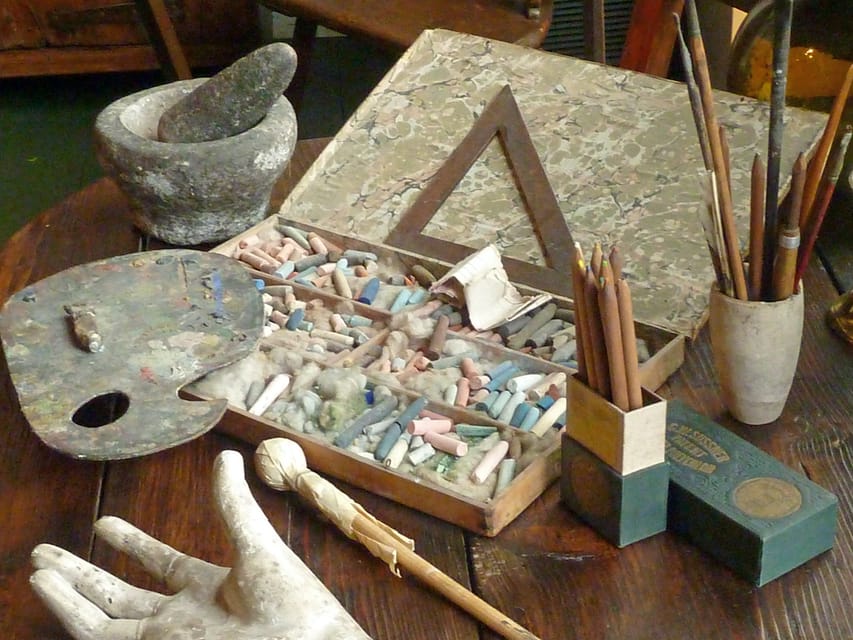
Beyond the Salon, the museum is organized to show the collector behind the walls. You can see portraits and paintings by Tetar and his contemporaries, which helps you understand him as an artist first. Then you get spaces that feel like they were kept for working, not staged for strangers.
The studio area is particularly valuable. It is where his personal possessions belong logically, and it helps you connect the act of drawing to the act of collecting. Tetar’s life becomes less abstract when you can picture him moving between making art and seeking out antiques, books, and ceramics.
The library also plays a strong role. Tetar’s collection of antique books is shown there, and the overall effect is that you are in a home where knowledge and taste were both hobbies. If you like museums that explain the how and why behind an assortment, this is the part you should not skip.
And if you are not a huge reader type, do not worry. Even without diving deep into titles, the library still supports the bigger story, which is how Tetar curated an identity around art and objects.
Antiques, drawings, and the collector’s logic in cabinets
One of the most satisfying parts of the visit is how the museum presents antiques and displays them as part of Tetar’s system. You are not just seeing random finds, you are seeing categories that match a collecting mind: art, books, and decorative objects, all living together in the same house.
The museum includes cabinets with Tetar’s extensive collections of pottery and porcelain. That cabinet approach matters because it makes the collection feel intentional, like a study of materials and styles. You get to see how Tetar collected both Delft blue ceramics and porcelain items from the Far East, all under one roof.
This is also where the visitor experience becomes more than decoration. Delft blue is instantly recognizable, but the presence of Far East porcelain adds a global dimension to a local Dutch home. It makes you think about trade routes, collecting networks, and how 19th-century Europeans assembled their ideas of the world through objects.
If you are the type who likes looking without rushing, cabinets are your friend. Give yourself time to scan details, not just to identify what is Delft blue or what looks porcelain-like. The payoff is in the patterns, pairings, and the way different pieces sit next to each other.
Also flying a pennant in Delft
- From Amsterdam: Rotterdam, Delft & The Hague Guided Day Tour
★ 4.2 · 2,065 reviews - Delft: Entrance Ticket for the Old and New Churches
★ 4.4 · 229 reviews - Delft: Craft Beer Tasting in Medieval Brewery
★ 4.3 · 116 reviews - Delft: City Center Walking Tour
★ 4.7 · 88 reviews
Delft blue plus porcelain from the Far East
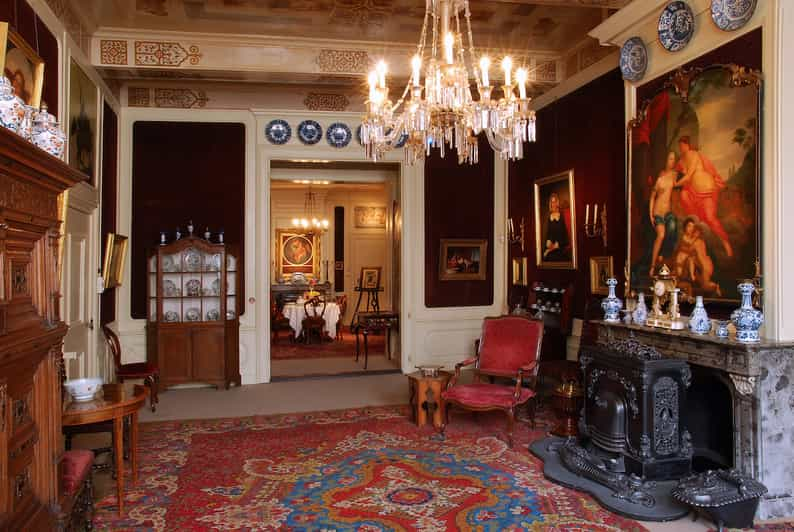
Tetar’s collecting interests are wide, but two materials anchor the display: Delft blue pottery and porcelain from the Far East. In the museum’s rooms and cabinets, you can see how these pieces reflect both local pride and outside fascination.
I like this mix because it keeps the story grounded. Delft blue pottery is a Dutch signature, while Far East porcelain signals curiosity and trade influence, both common themes in European collecting. Here, they are not separated into different wings. They coexist, which makes the house feel like a true collecting home.
For your visit, that means your viewing strategy can be simple. First, look for the Delft blue works and see how they relate to the home’s Dutch surroundings. Then shift to the porcelain pieces and notice how the visual language changes in tone, texture, and presentation.
If you have only a short attention span for ceramics, this might be the part you still enjoy because it is presented as a set of choices made by one person. It is less about a timeline and more about the collector’s preferences.
Price and value for a focused, one-day ticket
The ticket is listed at $14 per person, and for this type of experience, I think it is fair value. You are paying for access to a preserved, authentic artist’s house with multiple categories of objects: paintings, portraits, antique books, antiques, and a significant ceramics and porcelain collection.
The value also comes from the scale. Because this is one house rather than a massive museum complex, you can actually finish the experience instead of treating it like a checkbox. A one-day visit fits well with a Delft walking day, since the museum sits in the city center on the Koornmarkt.
One thing to consider is what you want from your day. If you are chasing the biggest collections in the Netherlands, this ticket will not replace a major museum. But if you want a high-quality dose of authenticity in a real 19th-century setting, this price makes sense.
How long you need, and how to pace your visit
You are looking at a 1-day ticket, so you can shape the visit around your pace rather than a strict itinerary. Still, I recommend you treat it like a slow walk through rooms, not like a fast scan through display boards.
A good rhythm is: start with the main rooms you can visually grasp, then return to the most interesting spaces for longer looking. The Salon ceiling rewards extra time because it is both decorative and informative, and the studio and library areas tend to be more rewarding when you slow down.
Also, plan where to stand. Some details, especially the ceiling, work best when you pause and look up, not when you drift past while checking your phone. Delft is very walkable, so you can always step outside for a breather and come back with fresh eyes.
Practical info that affects your experience
Language is English or Dutch, which helps a lot if you prefer to understand the details rather than just admire objects. The host or greeter is listed, and the experience can feel guided in practice, since the focus is on rooms and collections, not on headphones and self-guided noise.
Food and drinks are not included, so plan a snack stop before or after. That is especially important in Delft’s center, where you might get tempted to keep walking. If you want to enjoy the museum without feeling rushed, put food on your schedule even if it is just a quick bite nearby.
Overall, the museum is designed for people who like objects, art references, and the way a single collector’s taste shapes an entire home.
Should you book this museum ticket?
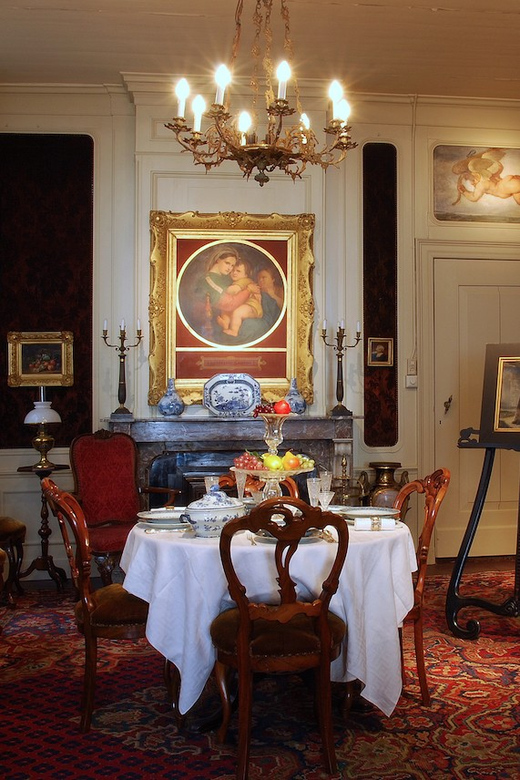
Book it if you enjoy authentic spaces, art education details, and the satisfaction of seeing how one person built a home around collecting. The highlights are strong: the preserved artist’s house feel, the lavish interior presentation, and the striking ceiling painted by Abraham Gips, plus the mix of ceramics and porcelain collections.
Skip it or reconsider if you want a large-scale museum with broad themes and lots of modern gallery variety. This is smaller, more intimate, and best experienced when you like to look closely at rooms and objects.
If you are planning a Delft day and want one stop that feels personal and memorable, this ticket at $14 is a solid choice.
Latest to arrive along the quays of Delft



Delft Tours & Experiences, compared.
Dive into the Golden Age on a Private Walking Tour
Read our review →

Private Historical and Cultural Guided Walking Tour
Read our review →Browse the lists this tour appears in