

Reviewed · MUSEUMS
Moco Museum Amsterdam Entrance Tickets with Banksy & More
Banksy in Amsterdam, next to digital art rooms. This ticket gives you a smart, modern walk through Banksy, Warhol, Haring, Basquiat, Kusama, Hirst and more at Moco Museum on Museumplein.
Two things I really liked were seeing major contemporary names in one compact route and having a free audio guide in 6 languages that helps you read the work without getting lost.
I also like the museum’s mix of classic modern icons with digital and light installations that change how you look at the art. The whole visit is designed to move at your pace, and it works even if you are not a full-time art critic.
One possible drawback: it is a small, fast-moving museum, so if you want a long, slow sit-down experience, plan for a bit of compression, especially when it is busy.
In This Review
- Quick hits before you go
- Why Moco Museum Amsterdam feels like a perfect Museumplein stop
- Tickets and value: what $18 buys you in real terms
- Entering Moco: pacing yourself with the audio guide and headphones
- The art route: Banksy, Warhol, Basquiat, Haring, Kusama, Hirst and more
- Digital rooms and light installations: when art becomes a feeling
- The building, views, garden sculptures, and the shop stop
- Getting there fast from central Amsterdam
- Practical rules that affect your day
- Who should book Moco Museum, and who might hesitate
- Should you book Moco Museum Amsterdam tickets?
Quick hits before you go
- Museumplein location in Amsterdam’s museum district, easy to pair with nearby sights
- Free 6-language audio guide, so you can focus on what matters instead of guessing
- Over 100 artworks by 35+ artists, mixing paintings, sculpture, and digital rooms
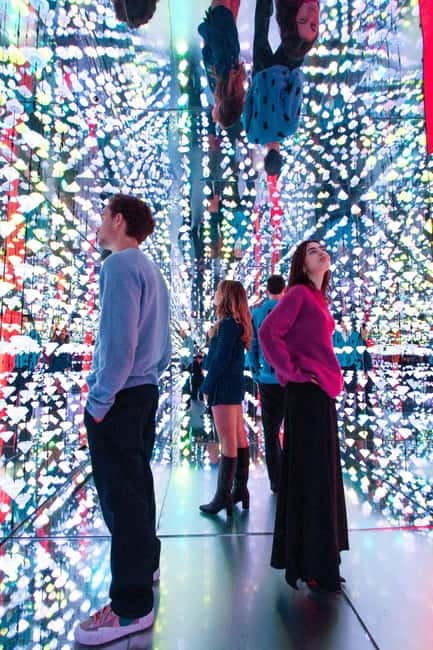
- Digital rooms, light installations, and interactive moments, including experiences that some visits have mentioned as fun and slightly theatrical
- Budget reality check: expect around an hour, sometimes a little more if you linger for photos
Why Moco Museum Amsterdam feels like a perfect Museumplein stop
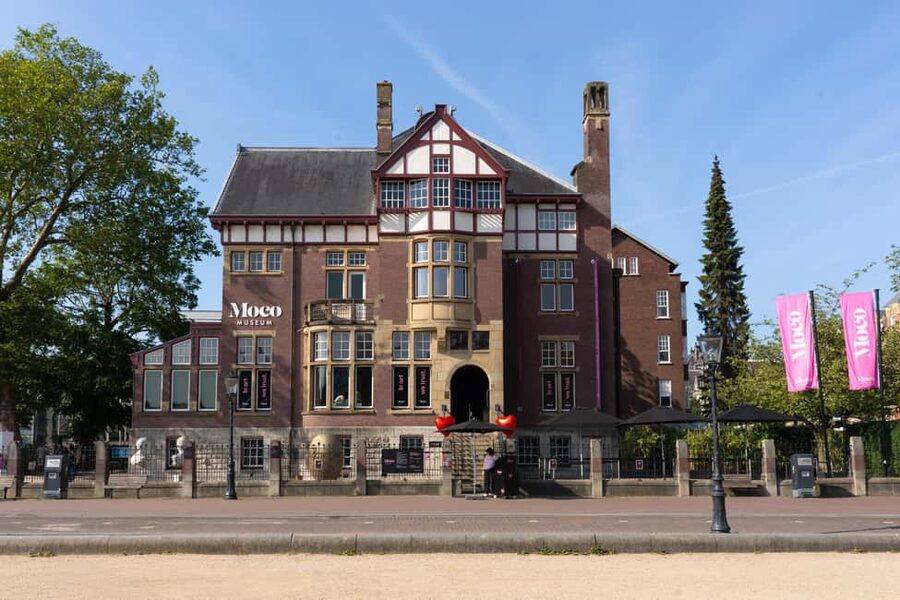
Moco Museum sits in Amsterdam’s Museumplein area, so it is built for easy museum hopping. You are not committing to a half-day trek, and you can still get a strong hit of big-name contemporary art without spending the whole day in galleries.
What makes Moco different is the attitude toward art viewing. It is not all heavy, solemn rooms. You get the big recognizable signatures, but you also get digital rooms and installations that push you to consider the message and the mood, not just the style. The museum is also open every day, with later evening hours in July and August, which helps a lot if your Amsterdam schedule is flexible but crowded.
The big practical win for me is that this is one of those places where your time feels respected. At many large museums, you can lose an entire afternoon and still only see a fraction. Here, the museum is set up to be finished.
More museum halls off the squares:



Tickets and value: what $18 buys you in real terms
The ticket price is $18 per person, and the duration is listed as about 1 hour. That might sound short if you usually take your time, but the museum is designed for a purposeful walk.
Here is the value equation I see:
- You are paying for access to all exhibitions, not just one section.
- You get a free audio guide in 6 languages, which can easily turn a quick glance into a more meaningful visit.
- You are getting a wide sweep of artists, including Banksy, Andy Warhol, Keith Haring, Jean-Michel Basquiat, Yayoi Kusama, Damien Hirst, plus contemporary names such as KAWS, Murakami, and Arsham.
Several people also note the price can be better when you book ahead instead of buying on the spot. That matters in Amsterdam, where lines and last-minute decisions can add friction. If you already have a plan for Museumplein, booking in advance is usually the smoother move.
One small planning detail that affects value: this museum is compact. A few visitors have called out that it can feel like a lot to spend for a shorter visit if you are expecting the scale of the bigger national museums. For most people, it lands in the sweet spot, especially on rainy days or when you want something modern and fun without a long commitment.
Entering Moco: pacing yourself with the audio guide and headphones
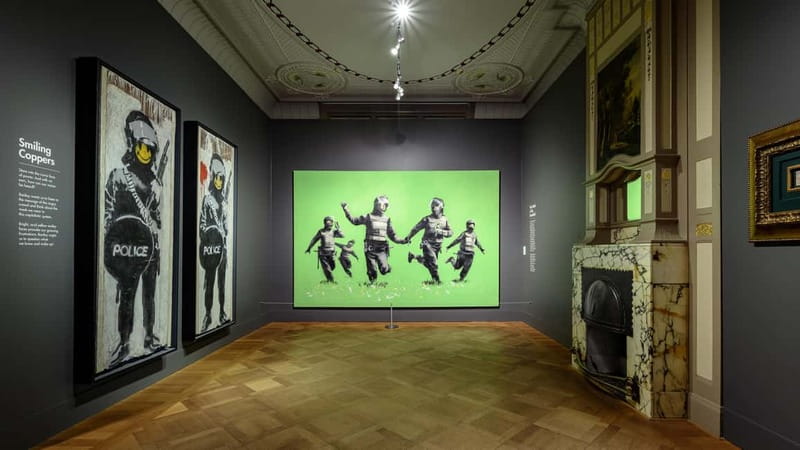
Your ticket includes the entrance and access to all exhibitions, and you also get a free audio guide. Because it is self-paced, the headphones matter.
Bring headphones, and use them from the start. The audio guide is in 6 languages, so it is built for international visitors, not just locals. When you listen, you start noticing things you would otherwise rush past: references, symbolism, and the way the museum pairs one artist’s ideas next to another.
A useful tip from recent visit experiences: if you enjoy photos, going earlier helps you get breathing room. People have specifically mentioned getting there early for better picture time without crowd pressure. Even if you do not care about photos, the vibe improves when you are not constantly squeezing past others.
I also appreciate that the museum layout is described as easy to navigate. That is not a small deal. Amsterdam is full of beautiful buildings, and sometimes museums feel like a maze. At Moco, the walk is straightforward enough that you can spend your attention on the art.
The art route: Banksy, Warhol, Basquiat, Haring, Kusama, Hirst and more

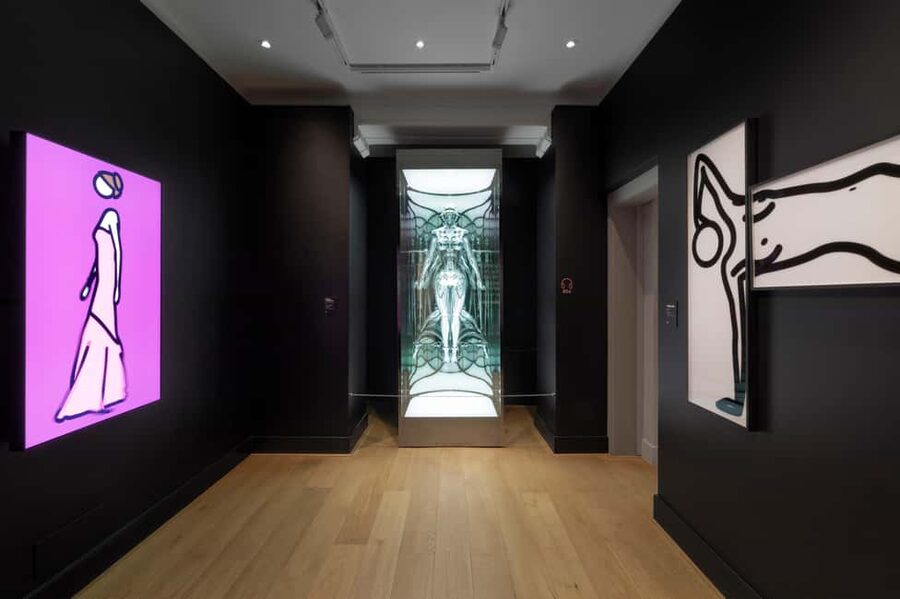
Moco is famous for a mix of contemporary icons and newer names. You will see major figures across street art, pop art, and conceptual work.
Here is what that usually means for your visit:
- Banksy: expect social commentary and a punchy way of making a point. The room is typically where people slow down, because the work reads fast, then sticks around longer.
- Warhol: often gives you pop color and repetition. It pairs well with a museum that also uses digital and light effects, because you can compare the impact of bold imagery across mediums.
- Keith Haring: you tend to feel his work more than you analyze it. It is graphic, direct, and it connects to youth culture and public art energy.
- Jean-Michel Basquiat: you usually spend time decoding symbols and attitude. Basquiat works can feel intense, even in a room that is also playful.
- Yayoi Kusama: people often react emotionally to Kusama. Her spaces and patterns can feel hypnotic, and recent mentions of a diamond room suggest she is not just shown, she is experienced.
- Damien Hirst: his presence brings shock-value and the question of value and display, which fits the museum’s theme of making contemporary art easier to approach.
The museum also includes rising and contemporary artists such as KAWS, Murakami, and Arsham. Seeing these names together is part of why the ticket feels like value. You do not need to already know everything. You just need curiosity.
One practical note: the rooms often feel grouped by artist. That is good. You get concentrated time with one creator’s world, rather than bouncing around randomly.
Digital rooms and light installations: when art becomes a feeling

The biggest reason people end up loving Moco is the way it mixes art forms. It is not only paintings behind glass. You also get digital and light installations and rooms built to change your viewpoint.
In real terms, this means:
- You might look at a piece longer because the room encourages you to step back, then re-approach.
- You might feel the theme more because the audio and lighting guide you emotionally, not just visually.
- You get moments that feel more like a modern experience than a traditional museum walk.
Recent visit experiences mention light installations as a standout. Others highlight the subfloor as a favorite area, which matters if you like galleries that play with perspective. People also describe rooms as almost magical, including the diamond room reference, which is exactly the kind of space that turns a photo into a memory.
If you are doing interactive rooms, keep your eyes open for instructions. One helpful practical warning: in an interactive setup, an orange light cue was noted as not always appearing immediately. Translation for you: when you see a prompt system, give it a moment before you assume it is broken, and follow the headset or room cues closely.
There is also mention of a pre-area setup with a headphone-based selector system. Even if you arrive without knowing what it is, it adds to that first feeling of stepping into something designed for modern art viewing.
Also flying a pennant in Amsterdam
- Amsterdam: Heineken Experience Ticket including 2 Drinks
★ 4.6 · 36,014 reviews - Amsterdam: Rijksmuseum Entry Ticket
★ 4.7 · 29,512 reviews - Amsterdam: Icebar Entry Ticket with 3 Drinks
★ 4.2 · 14,562 reviews - Amsterdam: The Upside Down Experience Entrance Ticket
★ 4.4 · 11,918 reviews
The building, views, garden sculptures, and the shop stop
Moco is not just about what is inside the walls. It also has those little Amsterdam rewards around the edges.
A few things that show up in visitor experiences:
- The museum is described as being spread over multiple floors, and people mention views of the outside from the upper stories.
- There is a garden area with sculptures, and people have called it whimsical and interactive, with stories connected to the pieces.
- The museum shop gets good remarks, and more than one person says it is not wildly overpriced. That means you can actually pick up a poster or small souvenir without feeling ripped off.
The garden is not necessarily about escaping the crowds. It is more about breaking up the pace. If the galleries feel intense, stepping outside for a few minutes resets you.
If you are someone who needs variety during a museum visit, this helps a lot. A compact museum can still feel complete because it changes the environment more than once.
Getting there fast from central Amsterdam
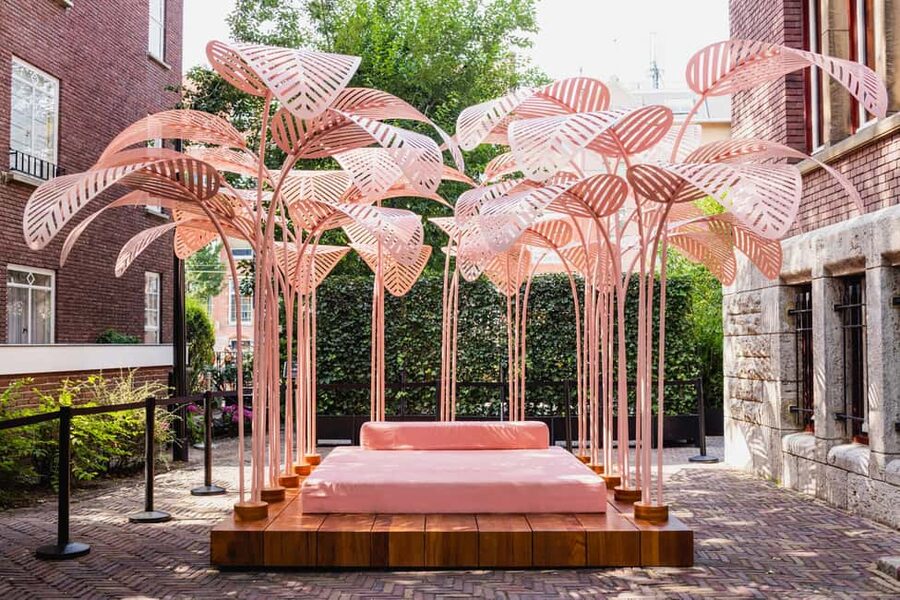
Moco is easy to reach if you plan around tram and bus routes. Use:
- Tram 2, 5, or 12, or
- Bus 88 with the stop at Museumplein
This is useful because Museumplein is a hub. Even if you are staying across town, you can usually route yourself with a simple tram ride instead of complicated transfers.
If you are pairing Moco with other Museumplein stops, build your walk route around tram comfort. Amsterdam is walkable, but museum days can turn into sore-feet days quickly.
Practical rules that affect your day
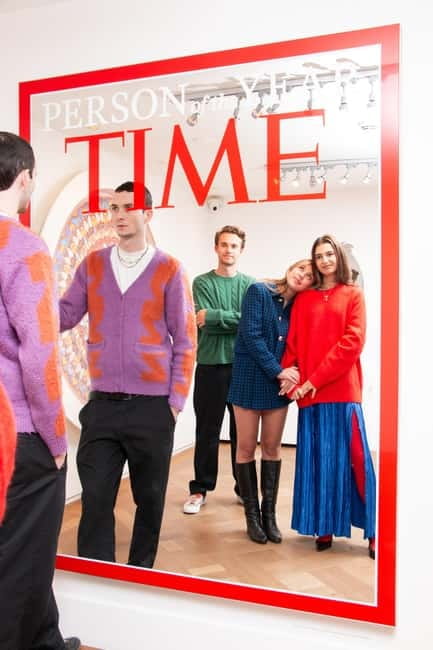
Before you go, check your bag and your gear. The museum does not allow:
- Pets
- Hats
- Oversize luggage
- Food and drinks
- Alcohol and drugs
- Luggage or large bags
So keep it light. Bring only what you need for an hour. If you are also doing other sights that day, consider using a smaller day bag rather than a big carry-on.
Also remember: the museum is not suitable for wheelchair users. If mobility access is important for your group, you will want to plan an alternate museum route.
On the flip side, the restrictions make the place feel easier to navigate. Fewer bulky bags in the way often means smoother movement through the rooms.
Who should book Moco Museum, and who might hesitate

This museum is a strong match if:
- You want big contemporary names in a short time.
- You like modern art but do not want the pressure of a massive, all-day museum.
- You enjoy digital and light-based installations and want art to feel experiential, not just displayed.
- You are visiting in rainy weather or on a day when you need a structured indoor activity.
It may be less ideal if:
- You dislike busy spaces. Some visits have been described as very busy and at times feeling rushed.
- You want a long, slow museum study session. The “about 1 hour” timing and compact layout are real.
- You need wheelchair access, since it is listed as not suitable.
If you are bringing family members, this also works because it is not intimidating. People mention it suits a range of ages, and the rooms have enough visual variety to keep attention without feeling like homework.
And if your group likes a modern mix, Moco’s artist lineup helps. One ticket covers street art, pop art, conceptual, and contemporary names, so you can satisfy different tastes in the same stop.
Should you book Moco Museum Amsterdam tickets?
If you want a modern-art hit with Banksy and Warhol, plus digital rooms and light installations, I think it is an easy booking. At $18 for about an hour, the value is strongest when you treat it like an efficient Museumplein stop, not a replacement for a full-day museum.
Book if you:
- want a self-paced route with a free 6-language audio guide
- like photos and want to get there earlier for breathing room
- want a rainy-day plan that still feels fun
Skip or rethink if you:
- need wheelchair access
- expect a large museum experience
- prefer total quiet and lots of room to roam for a long time
If your schedule allows, I would plan for roughly 75 to 90 minutes on-site so you can see what you want without rushing. Then you can move on to the next Museumplein stop, with Amsterdam still doing its best walking-and-looking thing.
Latest to arrive along the quays of Amsterdam




Museums, compared.



Amsterdam’s Weirdest Museum: Ripley’s Believe It or Not!
Read our review →



Browse the lists this tour appears in