
Reviewed · DELFT TOURS & EXPERIENCES
Delft: Entrance Ticket for the Old and New Churches
Delft’s church interiors tell stories you can walk into. A single ticket gets you into both the New Church and the Old Church, where royal burials, famed Dutch names, and a dramatically off-center tower sit side by side.
I particularly love the way the New Church experience ties together big political history and real art details, from the royal burial setting to the stained glass light effects. I also like the Old Church for its medieval atmosphere, plus that famous leaning bell tower people come to see in person. One thing to plan for: the tower can close earlier than the churches, and renovation or weather may affect what you get to see.
In This Review
- Quick hits you’ll care about
- New Church Delft: where royal burials meet big sacred space
- William of Orange mausoleum: the route you will remember
- Seeing more than tombs: organs, stained glass, and quiet details
- Old Church Delft: the medieval side, plus a leaning tower that steals the show
- The graves you came for: Vermeer, Piet Hein, and van Leeuwenhoek
- How the 1.5-hour visit works in real life
- Value and practical fit: is this $11 worth your time?
- Tips that make the most of both churches
- Should you book this Delft churches ticket?
Quick hits you’ll care about
- One ticket, two major churches in Delft, with different time periods in each.
- William of Orange’s mausoleum is the centerpiece, with helpful interpretive displays and a clear route.
- Leaning John (the Old Church tower) leans about 2 meters off-center.
- Johannes Vermeer’s connection is right inside the Old Church, along with other Dutch luminaries.
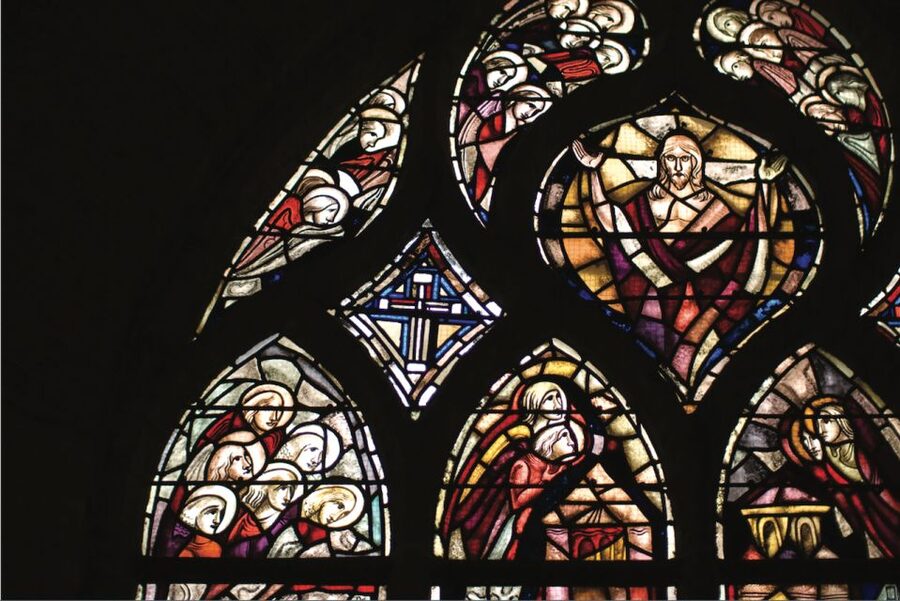
- Stained glass in both churches helps you spot the era through color and design.
- Simple, self-paced timing works well if you like to set your own pace.
New Church Delft: where royal burials meet big sacred space
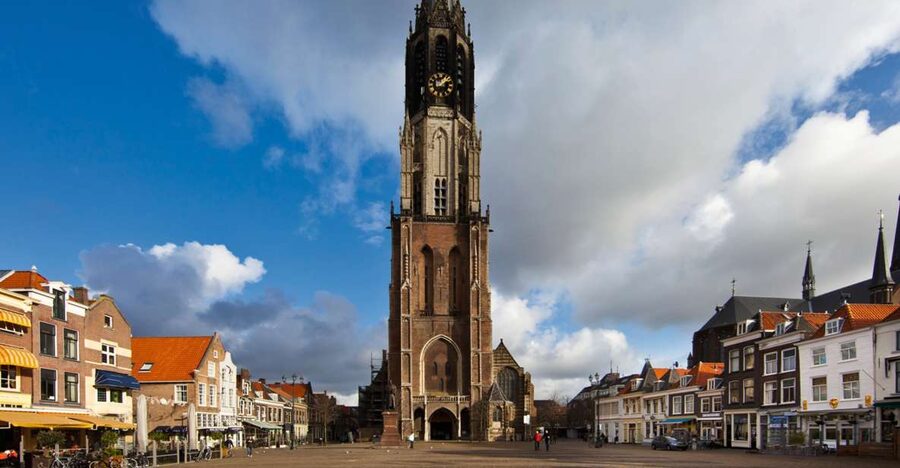
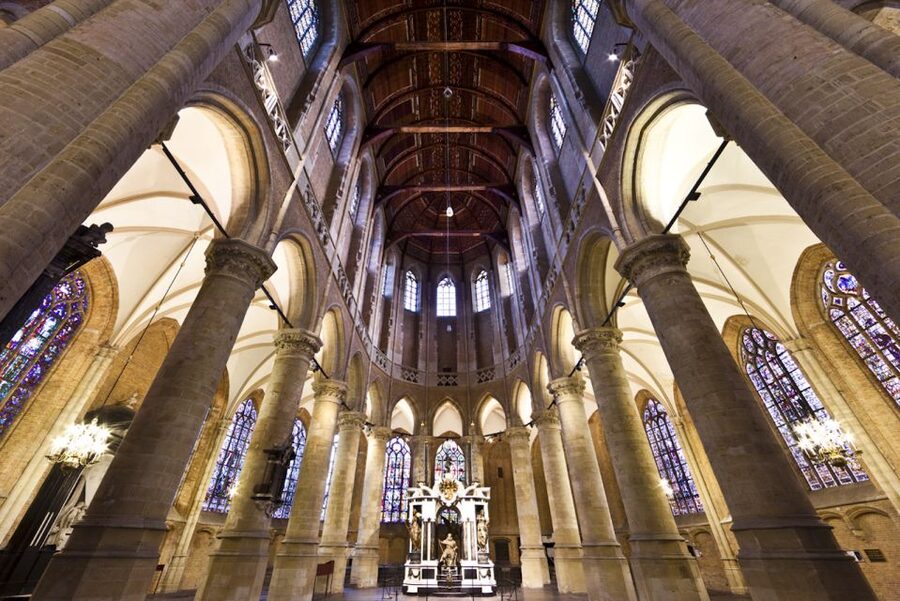
The New Church is the one most people feel right away, because it is built for ceremony. Completed in 1655, it became the Dutch Royal Family’s final resting place. That means the building is not just pretty or old, it is also a statement of power, tradition, and legitimacy, all in stone.
I like starting here because your brain gets oriented fast. The church’s most famous story is tied to William of Orange, who was interred in 1584. From there, members of the House of Orange were laid to rest within the church walls. Even if you do not memorize dates, you will quickly understand why this place is such a magnet.
Inside, you also get practical “museum-like” supports. There is a floorplan you can use to understand where you are headed, and there is a route around the main burial area that is set up to help you follow along without getting lost. If you learn best by seeing what comes next, this layout is a plus.
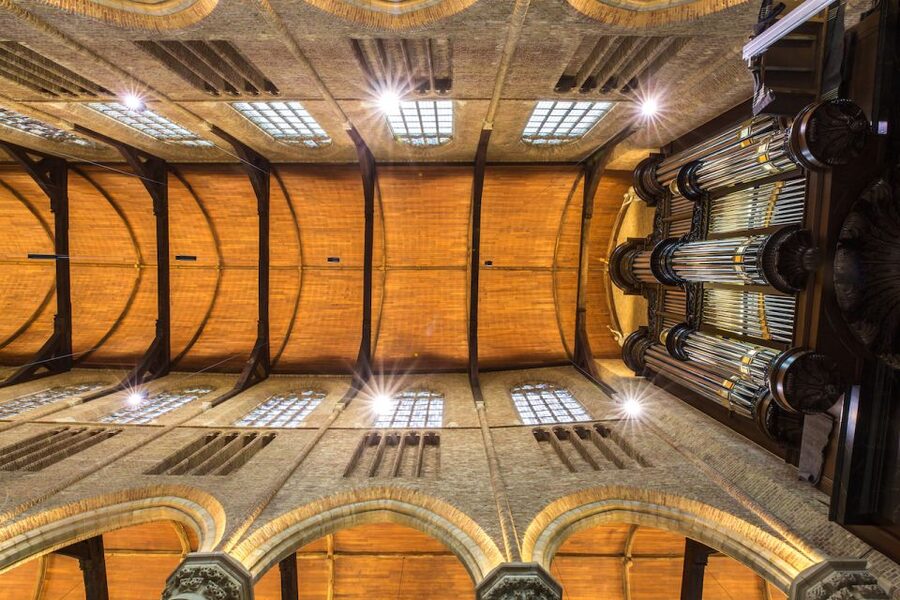
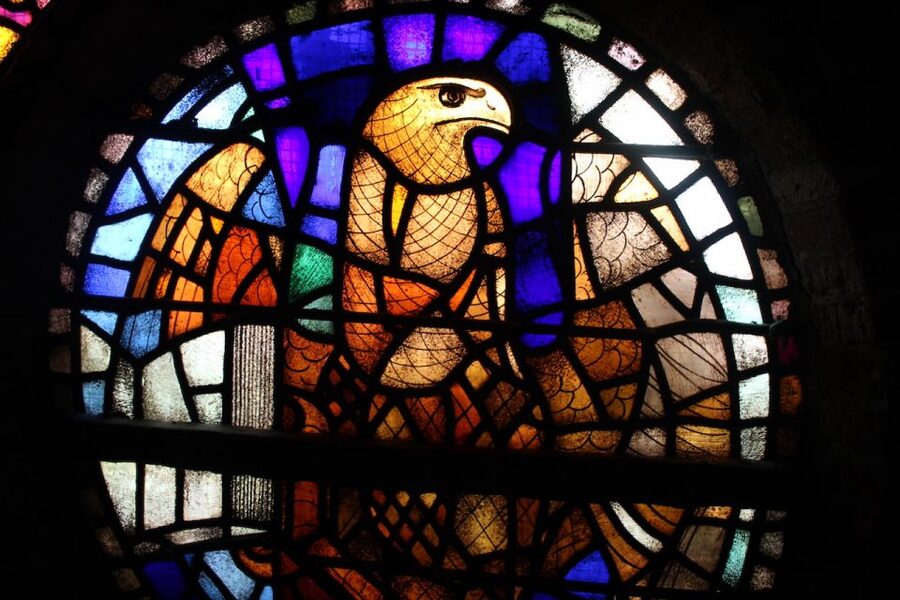
And yes, it is not only tombs. The space is filled with a monumental organ presence, and modern stained-glass windows cast colored light across older stone. That mix of eras is one reason the New Church feels alive instead of frozen in time.
Also flying a pennant in Delft

William of Orange mausoleum: the route you will remember
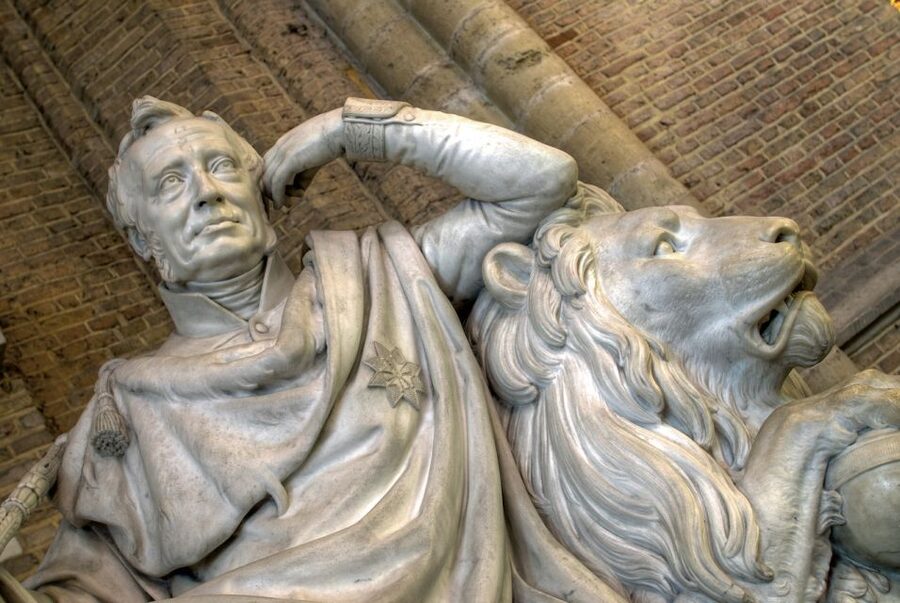
If you only had time for one thing, make it the mausoleum of William of Orange. It is the main reason many visitors come, and it earns the attention.
What makes it especially worth your time is the way the experience is staged. You can follow a walking circuit around the grand burial monument, and along the way you will see interpretive content shown through video screens plus written timelines and explanations of key figures. There is also a detailed model of the burial chamber area that helps you understand what you are looking at.
I like that combination because tombs can be hard to read. The architecture is impressive, but the meaning can stay stuck in your head unless someone translates the symbolism. Here, the displays do that translating for you. It means you spend less energy guessing what you are seeing and more energy noticing the craft and the intent behind it.
One practical note: if you visit during renovation periods, you might find parts of the setting impacted. That can mean construction visuals or reduced sightlines. It does not ruin the church, but it can change how cleanly you see the centerpiece.
Seeing more than tombs: organs, stained glass, and quiet details
Some church tickets feel like a quick lineup of “top sights.” This one has more staying power because it nudges you to slow down and look around.
In the New Church, those modern stained-glass windows are more than decoration. They throw colored light that changes how the interior feels as you move. It is a small change, but it keeps you from walking through on autopilot.
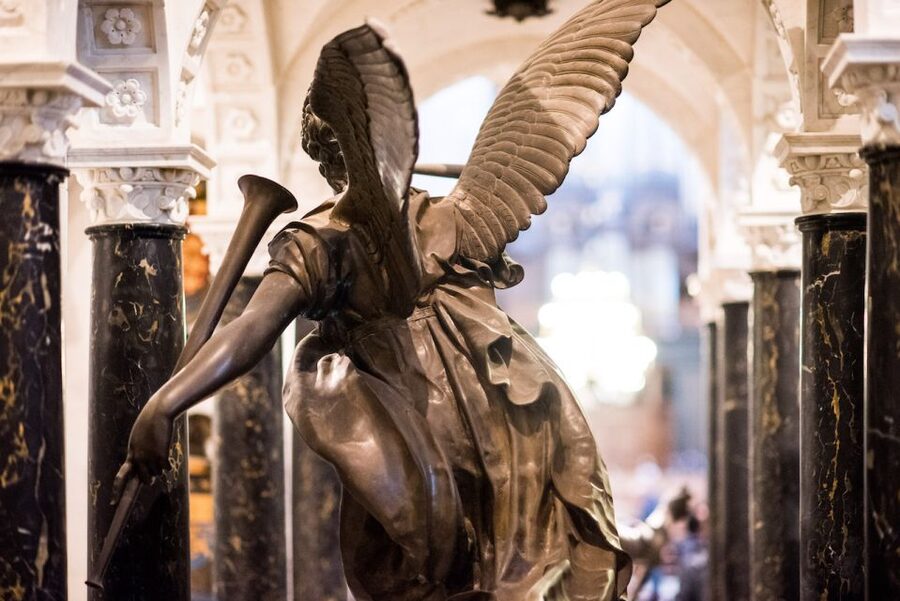
The organ also matters here, even if you are not attending a performance. The instrument’s presence fills the architecture. That helps you understand why the New Church is not just a burial hall. It was built to host solemn moments and ceremonial atmosphere.
If you enjoy a blend of art, history, and a bit of atmosphere, this is where you’ll get it. You are standing in a place where religious space and state symbolism overlap, and you can feel that without needing a lecture.
Old Church Delft: the medieval side, plus a leaning tower that steals the show
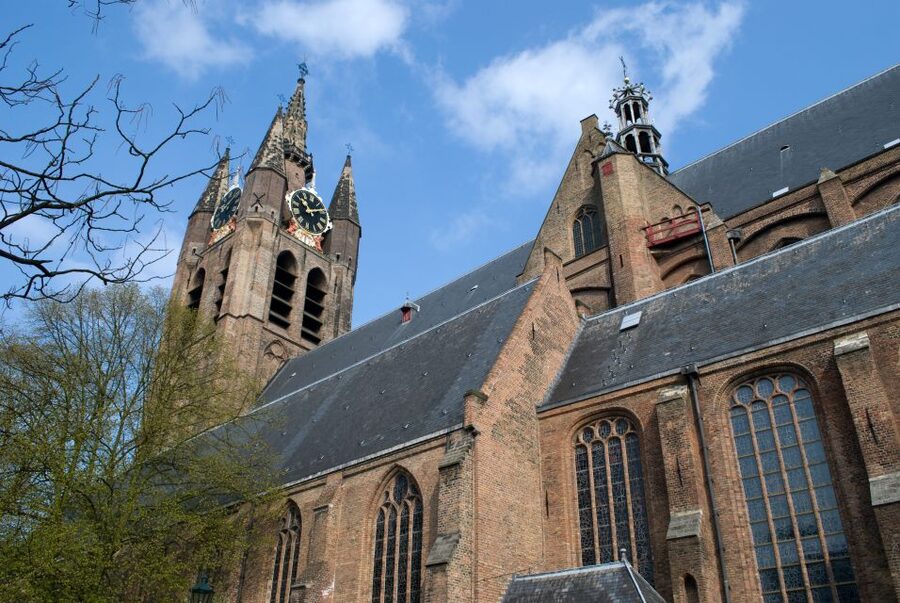
Then you switch gears to the Old Church, which has been standing in the heart of Delft since 1246. This is a different mood right away, older and more medieval in feel. Instead of royal grandeur first, you get the sense of centuries of devotion and civic identity building up layer by layer.
The big headline is the tower, often called Leaning John. It leans about 2 meters off-center, and it is not a trick of perspective. It is a real tilt, and it is genuinely worth planning your timing around.
One warning, because it affects your visit: the tower closes one hour earlier than the churches themselves. So if you want Leaning John as part of your photo list, do not treat it as an optional add-on. Start earlier rather than later, and be flexible if the tower is affected by weather conditions.
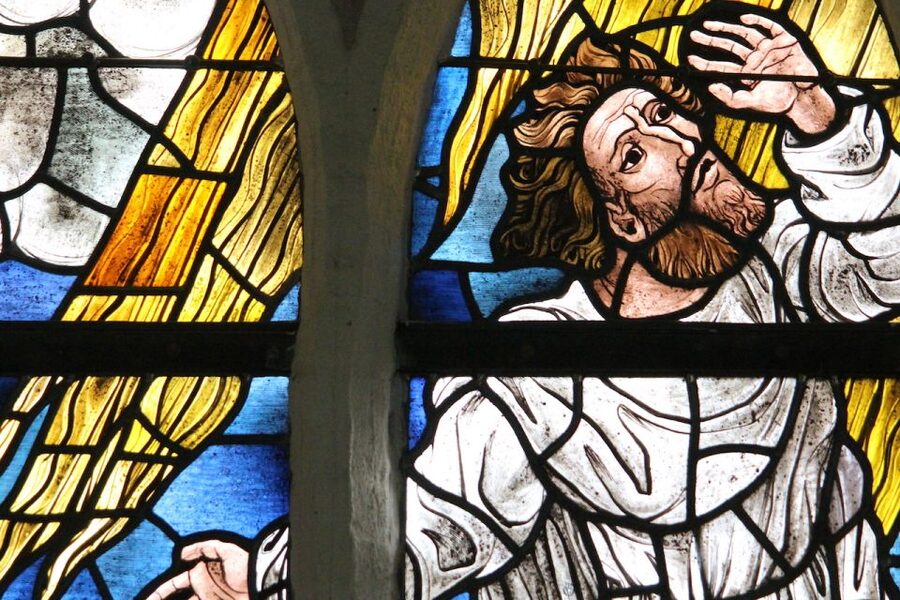
Inside the Old Church, you will also find stained-glass windows and medieval atmosphere that give the building its character. It is not about one single view. It is about a whole interior mood, tomb monuments, and the feeling that you are stepping into a timeline that starts long before the Dutch Republic’s later rise.
The graves you came for: Vermeer, Piet Hein, and van Leeuwenhoek
The Old Church pulls you in with the power of familiar names. Johannes Vermeer is associated with the church, and you will find his presence here along with other historic Dutch figures.
Piet Hein is another name tied to the Old Church setting. Antoni van Leeuwenhoek is also connected, and seeing these names in one place makes the church feel less like a random old building and more like a memorial to people who shaped Dutch life in different ways.
Even if you are not a “Dutch history facts” person, this kind of mix works. It gives you a human anchor. Instead of trying to memorize an era, you get to connect the building to real individuals. That makes your walking pace naturally slow down, because you want to stop and read.
One more detail worth your attention: the tomb monuments and stained glass together create a visual rhythm. You may find yourself moving from darker memorial areas to brighter windows, then back again. That rhythm helps you absorb the church as a total experience, not just a checklist.
Under the next bridge out of Delft:
- Delft: Dive into the Golden Age on a Private Walking Tour
★ 4.6 · 16 reviews - Delft – Step/scootertour in and around the city
★ 4.8 · 9 reviews - Delft: Guided Walking Tour
★ 4.7 · 9 reviews - Delft: Private Historical and Cultural Guided Walking Tour
★ 5.0 · 8 reviews
How the 1.5-hour visit works in real life
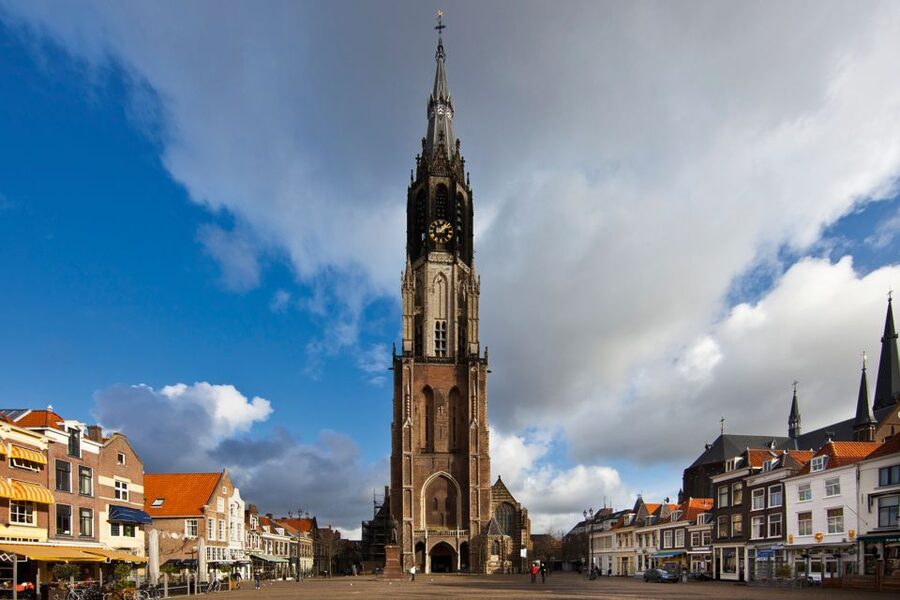
This is a self-guided ticketed visit with a planned length of about 1.5 hours. That duration is realistic if you move with purpose and accept that you will not read every line in every corner.
I recommend you plan it as two halves.
First half, do the New Church. Aim to get oriented quickly using the floorplan, then follow the route around the main mausoleum displays. If you like interpretation, give yourself enough time to watch the video screens and read the written timelines. The model of the burial chamber is small, but it can change how you see the monument, so do not skip it.
Second half, switch to the Old Church. Start with the leaning tower if you can, since it has an earlier closing time than the churches. Then walk through the interior tomb areas and stained-glass spaces, letting the famous graves connect the dots for you.
Because no visitors are admitted within 15 minutes of closing time, do not wait until the last moment to enter either church. Also remember the tower may close for weather. If the sky looks questionable, prioritize the tower earlier and keep a calm backup plan.
Value and practical fit: is this $11 worth your time?
At about $11 per person, you are paying for entry to two big, important monuments. For Delft, that is solid value because you are not paying for a single chapel or a quick viewing room. You are getting two distinct churches that cover different centuries and different themes, royal burials in the New Church and medieval Delft in the Old Church.
The real value comes from the contrast. You see how Dutch history shifts from medieval religious identity to later royal prominence, and you do it without needing separate tickets or separate reservations.
This ticket suits you best if:
- you like history that has names attached, like William of Orange and Johannes Vermeer
- you enjoy walking routes with built-in interpretation instead of wandering blindly
- you can spend time inside, reading and looking rather than only snapping photos
It might not be the best fit if you want a guided lecture or live explanation. A guide is not included, so you’ll rely on the signage, video screens, and written displays. That said, those supports are a big reason the visit still feels structured.
Also, plan around the rules: no food and drinks, and alcohol and drugs are not allowed. If you need a snack break, do it outside before you enter.
Tips that make the most of both churches
A few small habits will make your time smoother and more enjoyable.
- Go in the right order: visit the New Church first, then the Old Church. You’ll exchange your voucher at the ticket counter, and this order keeps the flow logical.
- Start early enough to catch the tower: the tower closes one hour earlier than the churches, and weather can also affect access.
- Use the floorplan in the New Church: it helps you avoid zigzagging and find the mausoleum route faster.
- Treat the interpretation as part of the attraction: the video screens, written timelines, and the model of the tomb chamber add real meaning.
- Wear shoes that handle uneven or bumpy floors. Both churches are wheelchair accessible, but the ground may not be perfectly smooth.
Should you book this Delft churches ticket?
Yes, if you want two of Delft’s most important church interiors in one ticket, with plenty to see and a clear centerpiece at each stop. The New Church gives you William of Orange and the royal burial story, plus interpretation that actually helps you understand what you’re looking at. The Old Church gives you the medieval side of Delft and the Leaning John tower, along with famous names like Johannes Vermeer.
I would only hesitate if you strongly prefer guided tours, because this experience is self-paced and a guide is not included. Also, if you are traveling at a time when renovations are ongoing or the weather is rough, your tower viewing could be impacted. Still, even with those variables, it is hard to argue with the combination of royal history, famous graves, and a tower that literally leans.
Latest to arrive along the quays of Delft
Delft Tours & Experiences, compared.

Dive into the Golden Age on a Private Walking Tour
Read our review →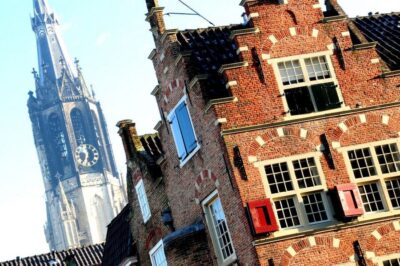

Private Historical and Cultural Guided Walking Tour
Read our review →
Browse the lists this tour appears in