
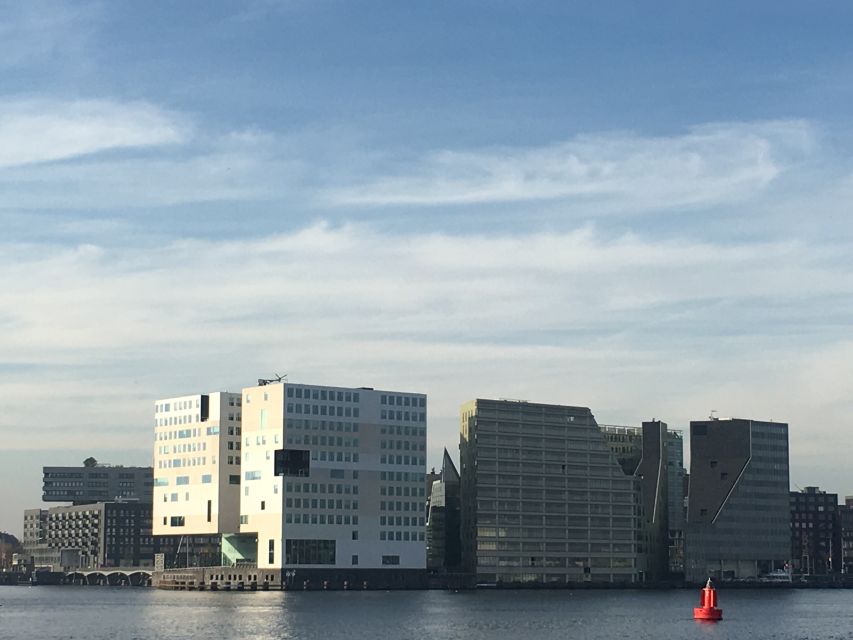
Reviewed · MODERN ARCHITECTURE TOURS
Amsterdam: Architektur Er-fahren
Amsterdam looks different at bike speed, especially with a guide. This Deutschsprachige Fahrradtour turns the city into a moving textbook, from canal houses to modern projects, with the Western Islands and Amsterdam’s water realities in focus. You get the contrast in one ride, not in a week of random wandering.
In This Review
- What I like most: the city-reading skill and the water stories
- The one thing to consider before you commit
- Key takeaways you’ll notice fast
- Getting oriented at Beursplein and the waterline toward Amsterdam Central
- Grachten houses, warehouses, and that quick lesson in contrast
- Modern buildings and award-winning design, without the architecture snob factor
- Amsterdam’s water and land conditions, explained like you can use them
- Social housing and luxury housing in one ride, not two separate worlds
- Industrial and picturesque architecture, plus houseboats that feel practical
- Exploring the Amsterdam Western Islands with real-world structure
- Where the humor and stories add value, not just entertainment
- Price and value: paying for interpretation, not just movement
- Bike, clothing, and riding reality on this 2.5-hour loop
- Logistics you should handle before you start
- Who this tour fits best, and who should skip it
- Should you book Architektur Er-fahren?
- FAQ
- How long is the Architektur Er-fahren bike tour?
- Where does the tour start, and how do I find the guide?
- What language is the tour guide speaking?
- Is bike hire included in the price?
- What is the price per person?
- Does the tour run in bad weather?
- Are food and drinks included?
- How big is the group?
- Is cancellation possible?
What I like most: the city-reading skill and the water stories
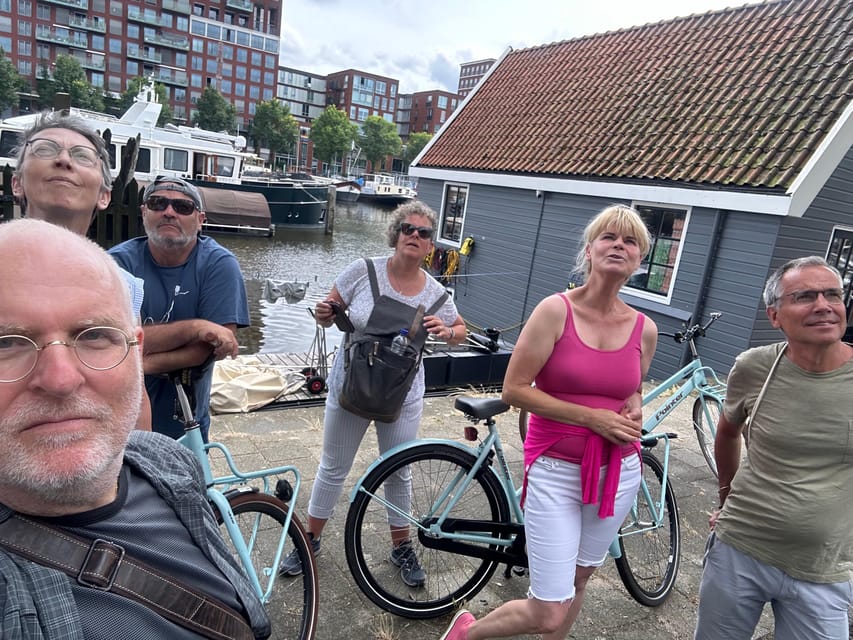
Two things I really like about this tour are how it connects buildings to daily life, and how it helps you spot patterns after you’re done cycling. You’ll get practical takeaways on function and design, and you’ll also hear amusing, human stories about living with water. The guide’s tone is energetic too, with plenty of laughter around the Netherlands and the way people handle the sea and waterways.
The one thing to consider before you commit
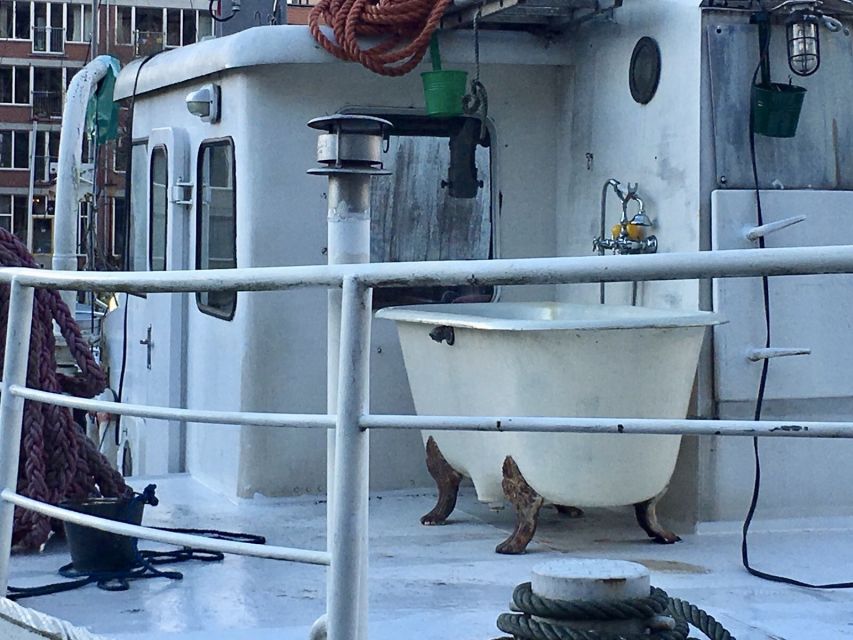
The main drawback is simple: you’re on a bike for 2.5 hours and you’ll ride in rain or shine. You need comfortable shoes, weather-appropriate clothing, and a functional, roadworthy bicycle, plus you must feel confident riding on the road.
More concrete and glass worth craning at:


Key takeaways you’ll notice fast
- Canal houses and warehouses vs modern architecture, so old and new aren’t competing, they’re explaining each other.
- Houseboats show how Amsterdam treats housing as part of the water system.
- Amsterdam Western Islands add a more industrial, practical angle to the city view.
- Award-winning new builds help you understand what modern design solved, not just what it looks like.
- Social and luxury housing together makes the city feel real, not like a museum postcard.
- Water and land constraints become a design driver, not background trivia.
Getting oriented at Beursplein and the waterline toward Amsterdam Central
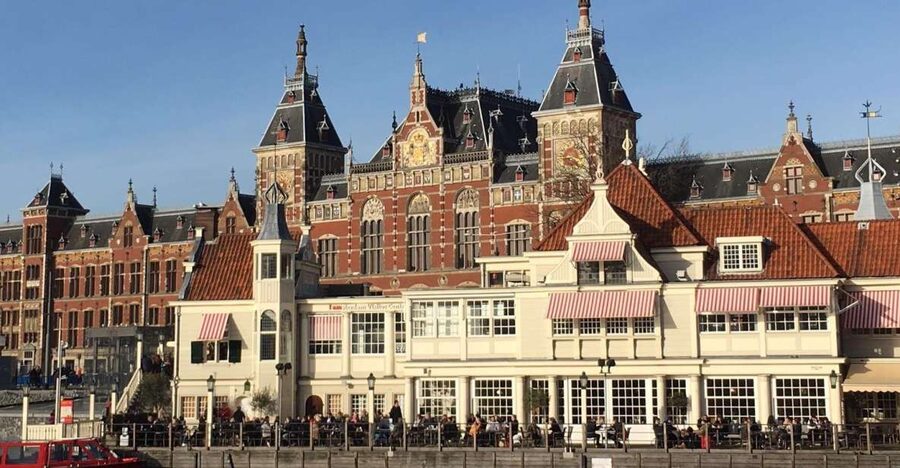
Your tour starts at Beursplein/Damrak, and it’s easy to find the guide. Look for the person wearing a black and white striped band around their neck. Once you roll out, the route aims you toward the IJ and toward Amsterdam Central, following water whenever possible so you get steady sightlines.
In the first stretch, the value is orientation. Amsterdam’s architecture can feel overwhelming if you only stand still, because everything is close together. By cycling along the water, you naturally compare building types, alignments, and materials without having to constantly stop and restart your thinking.
You’ll also set expectations for how this city works: canals, warehouses, and houseboats exist because water is part of daily infrastructure here. That context matters later when the tour shifts to new projects and modern design choices.
Grachten houses, warehouses, and that quick lesson in contrast
One of the tour’s strongest ideas is contrast. You’ll move from classic canal architecture, including gracht house character and the canal-era warehouse feel, toward newer, award-focused developments. The guide doesn’t treat architecture like decoration, instead they explain how people used space, and why redevelopment patterns look the way they do.
What makes this section useful for you is that it gives a mental checklist. As you pass older buildings, you learn what to notice first, then the newer structures stop feeling like a separate world. You start seeing function and design decisions as a chain, not a random mix.
There’s also a practical storytelling element: the ride includes an example where a historical demolition is integrated into the narrative. That’s the kind of detail that helps the city feel layered, because you understand what changed, and why change had to happen.
Modern buildings and award-winning design, without the architecture snob factor
The tour specifically promises a look at modern, sometimes award-recognized projects. You’ll see how contemporary architecture responds to pressure, not just aesthetics. That means thinking about how buildings fit the site, how they serve residents, and how design handles real constraints like tricky conditions underfoot and a water-heavy environment.
I like that this approach makes modern architecture more approachable. Instead of calling it cool and moving on, the guide links it to solving problems: stability, water-related issues, and the practical logistics of a dense city. For you, that often turns a single photo stop into something you can actually interpret later.
You’ll also get small “transfer” skills. One of the best takeaways from the ride is learning info you can apply to other buildings you’ll see in Amsterdam after the tour ends. In other words, you don’t just collect sights, you collect a way of reading the city.
Also flying a pennant in Amsterdam
- Amsterdam: Van Gogh Museum Ticket
★ 4.7 · 52,054 reviews - Amsterdam: Heineken Experience Ticket including 2 Drinks
★ 4.6 · 36,014 reviews - Amsterdam Classic Saloon Boat Cruise with Drinks and Cheese
★ 5.0 · 31,825 reviews - Amsterdam Luxury Canal Cruise + Unlimited Drinks & Bites option
★ 5.0 · 30,518 reviews
Amsterdam’s water and land conditions, explained like you can use them
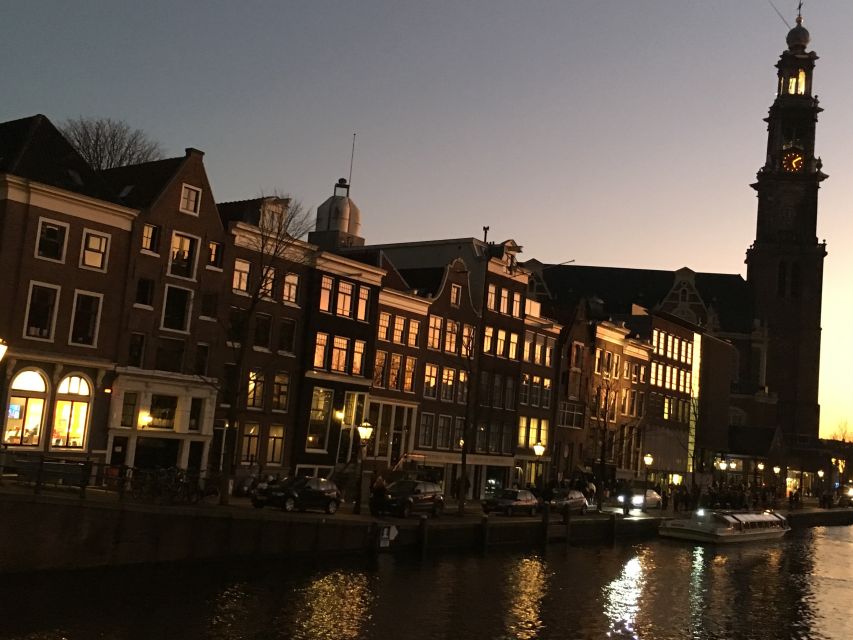
Amsterdam has a reputation for water management, but this tour makes it concrete. Along the way, you’ll deal with the topic of problematic land conditions and how the city manages water. The guide frames it as a daily reality that shapes what gets built and how it gets built.
This is one of those areas where a guided bike tour beats solo sightseeing. On foot, you can miss the bigger logic because you’re stuck in small sections of street. Cycling keeps you moving along the same corridor of meaning, so the explanation sticks.
You’ll also learn why Amsterdam had to respond to rapidly growing population pressure. That leads directly into housing needs, redevelopment decisions, and the blend of older and newer urban fabric. Even if you’re not an engineering person, you’ll come away with a basic understanding of why Amsterdam’s buildings and city planning feel tightly linked.
Social housing and luxury housing in one ride, not two separate worlds
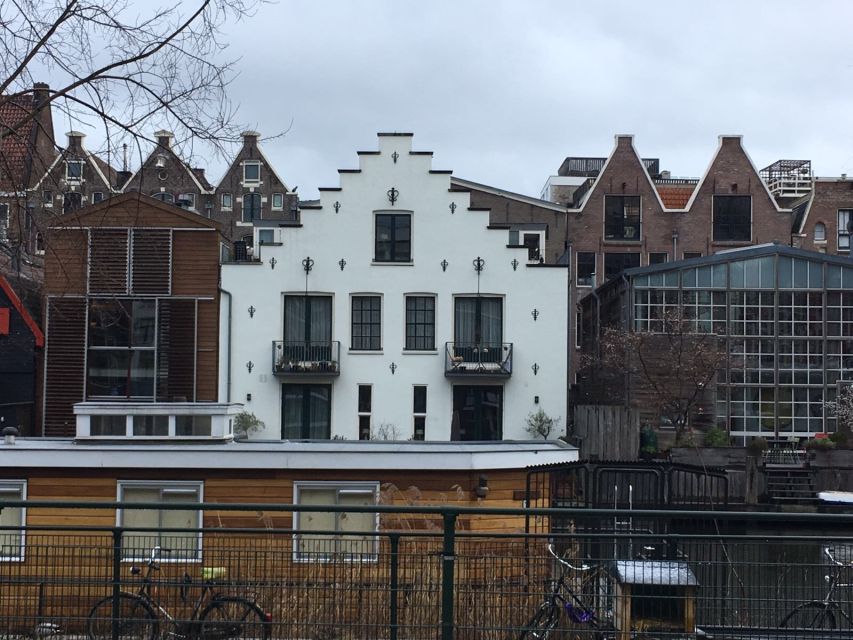
A surprisingly meaningful part of the experience is the housing story. The tour looks at the need for social housing alongside luxury housing, and you’ll see how the city tries to combine those realities rather than wall them off.
For you, this matters because it changes how you interpret what you see. Architecture stops being just style, and becomes a social decision. When a neighborhood has both affordable and higher-end living, that mix tells you something about urban pressure, redevelopment priorities, and how Amsterdam tries to keep the city functioning for different groups.
The tour’s value here is that it connects housing to design and function. You’re not only asked to admire. You’re asked to understand how space, density, and site constraints influence what residents actually get.
Industrial and picturesque architecture, plus houseboats that feel practical
Amsterdam isn’t just pretty canals. You’ll get a clear contrast between industrial and picturesque architecture, and the ride helps you hold both images in your head at the same time. The industrial angle shows up along more functional waterfronts and older working textures like warehouses and working-area design cues.
Then you shift again toward picturesque elements, including houseboats. Houseboats aren’t treated like a quirky side show. Instead, the tour frames them as housing that belongs to water logic, not a random novelty.
I found the best part of this section is how it broadens your mental photo set. You stop thinking Amsterdam equals canal gables. You start noticing how each style responds to location, water proximity, and how people actually live.
Exploring the Amsterdam Western Islands with real-world structure
The tour includes time looking at Amsterdam Western Islands. This part of the ride adds an extra layer to your understanding because it feels less like a single famous view and more like a working urban space. You’ll see how the city grows outward and how design has to fit different conditions.
If you like architecture with a purpose, this is the portion that usually clicks for you. Western Islands viewpoints and routes tend to make you notice how building layouts, infrastructure, and land use planning relate to each other.
And because the ride is guided, you don’t just see structures. You hear what they solved and what problems they were built to handle. That makes the islands feel like a chapter, not a detour.
Where the humor and stories add value, not just entertainment
The architecture is the headline, but the guide’s storytelling is part of the value. One of the recurring themes from the experience feedback is a very enthusiastic style, with lots of talk about the Dutch relationship to water, and frequent moments that land with laughter.
This matters because architecture tours can turn stiff fast. When the guide brings personality, you’re more likely to remember details, and you’re more likely to ask follow-up questions when something catches your eye.
You’ll also get amusing stories about general life and history in Amsterdam, tied directly to what you’re seeing. That keeps the information from floating in the abstract. It connects past choices to present design.
Price and value: paying for interpretation, not just movement
At $46 per person for 2.5 hours, you’re paying for more than a bike ride. You’re buying an organized explanation of how Amsterdam’s architecture answers questions about water, land, housing, and population growth.
That’s good value if you want the “why” behind the “what.” If you only want to snap photos, you might not feel the difference. But if you like learning a system for noticing details, the tour gives you that transferable skill. The idea is that you can look at other buildings afterward and understand what the guide taught you.
Also, the small group size helps. With a limited group, you’re more likely to hear explanations clearly and feel the tour pacing stays human rather than rushed.
Bike, clothing, and riding reality on this 2.5-hour loop
This is a practical ride. Bike hire is not included in the price, but you can usually get bikes from your hotel or hire shops in Amsterdam for roughly €5 to €25. If you already have a bike lined up, great. If not, plan a little time before departure to handle a rental.
Wear comfortable shoes and bring water. Dress for weather because the tour runs rain or shine. Even if the architecture sounds indoor-friendly on paper, your success depends on staying comfortable and safe outdoors.
You should also plan around road safety. The tour requires a functional and roadworthy bicycle, and it’s not suitable for people who can’t ride a bike. If you’re unsure about riding in city traffic, this might not be the best first Dutch biking experience.
Logistics you should handle before you start
Meeting point is Beursplein/Damrak, and the guide is recognizable by the black and white striped band around their neck. The tour language is German, so if you speak basic German or feel comfortable following guided explanations, you’ll have a smoother time.
Food and drinks are not included, so you’ll want to sort that separately. I recommend treating this as a focused architecture block, then eating afterward while the city logic is still fresh in your head.
Also note the rules: intoxication, alcohol, and drugs are not allowed. It’s one of those “keep it safe and respectful” constraints that also protects the quality of the tour experience.
Who this tour fits best, and who should skip it
This tour suits you if you want architecture with context. You’ll likely enjoy it if you like understanding how design answers real constraints, and if you want to see both historic and modern Amsterdam in one coherent flow.
It’s also a good pick for you if you want practical skills, not just sights. Learning how to interpret buildings helps your independent sightseeing later, including when you’re standing still for photos.
Skip this ride if you don’t bike confidently. The tour is not suitable for people who can’t ride a bike, and the timing is tight enough that hesitation slows the whole group. If you want a more relaxed option, you’d be better off choosing an experience that doesn’t rely on riding.
Should you book Architektur Er-fahren?
Yes, you should book it if you want to leave Amsterdam with more than photos. For $46, the tour’s biggest payoff is how it teaches you to read architecture through water management, housing needs, and the contrast between industrial and picturesque city forms.
Book it with confidence if you speak some German or can follow a German guide, and if you’re comfortable riding for about 2.5 hours in changing weather. I’d hesitate only if biking in rain or on busy roads stresses you out, because the tour runs rain or shine and the bicycle needs to be roadworthy.
If your goal is to understand why Amsterdam looks the way it does, this ride is one of the most direct ways to get there.
FAQ
How long is the Architektur Er-fahren bike tour?
The tour lasts 2.5 hours.
Where does the tour start, and how do I find the guide?
The meeting point is Beursplein/Damrak. The guide wears a black and white striped band around their neck.
What language is the tour guide speaking?
The live tour guide speaks German.
Is bike hire included in the price?
No. Bike hire is not included in the price. You can usually rent bikes from hotels or bike hire shops for around €5 to €25.
What is the price per person?
The price is $46 per person.
Does the tour run in bad weather?
Yes. The tour takes place rain or shine.
Are food and drinks included?
No. Food and drinks are not included.
How big is the group?
The group is limited to 10 participants.
Is cancellation possible?
Yes. You can cancel up to 24 hours in advance for a full refund.
Latest to arrive along the quays of Amsterdam



Modern Architecture Tours, compared.
Rotterdam Walk: Hilights, Gems, Architecture & WWII | 2 or 3hrs
Read our review →
Rotterdam Must Do Tour: Highlights, History, WW2 and Architecture
Read our review →
Architecture Highlights Tour including the Depot
Read our review →
Walking Tour about Golden Age Architecture, private local guide
Read our review →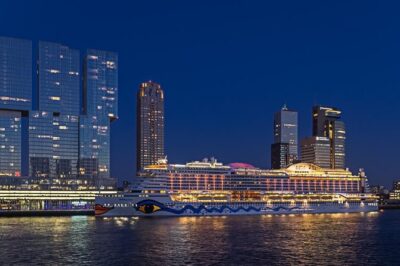
Rotterdam Architecture and Highlights Walking Tour (TOP RATED)
Read our review →
Browse the lists this tour appears in