Reviewed · TICKETS
Vught: National Monument Concentration Camp Entry Ticket
One camp, many seasons of suffering. Kamp Vught National Monument, also known as Konzentrationslager Herzogenbusch, is the only SS concentration camp outside Nazi Germany. I like how the museum anchors WWII in personal stories and objects, and I also appreciate the outdoor remains, including watch towers and the original crematorium. One drawback to plan for: this is a heavy visit, and you should expect a 4 km walk to the execution site.
This is a self-guided, one-day ticket (no guided tour included), built around exhibits and a clear route. I think you will enjoy the focus on what actually happened to real people, including accounts from people of 35 different nationalities, plus a final stretch through the woods to the memorial where 329 men were executed.
In This Review
- Key things to notice before you go
- Why Kamp Vught feels different from other WWII memorials
- A one-day flow: museum rooms, outdoor remains, then the woods
- Permanent exhibition: Camp Vught, Seven Seasons, 32,000 Stories
- Outdoor camp remains: model, watch towers, crematorium, and barracks
- Barrack 1B, the last original barrack
- If Walls Could Speak: four periods tied to the same site
- Walk to the execution site, plus the restored freight wagons
- Price, value, and what the ticket actually delivers
- Comfort tips that make a heavy visit easier
- Should you book the Kamp Vught National Monument ticket?
- FAQ
- How long is the visit?
- Is an audio guide included, and what languages are available?
- Is there a guided tour included with the ticket?
- Is the site wheelchair accessible?
- Is it suitable for children?
- What are the opening hours, and when is it free?
Key things to notice before you go
- Camp Vught identity: Konzentrationslager Herzogenbusch, the only SS concentration camp outside Nazi Germany
- Major exhibits: Camp Vught: Seven Seasons and 32,000 Stories plus If Walls Could Speak
- Last original barrack: Barrack 1B, the final remaining original barrack from Camp Vught
- Outdoor remains: model of the camp, reconstructed barracks, watch towers, and the original crematorium
- Walk to the execution site: about 4 km through woods, with a monument to 329 men executed
Why Kamp Vught feels different from other WWII memorials
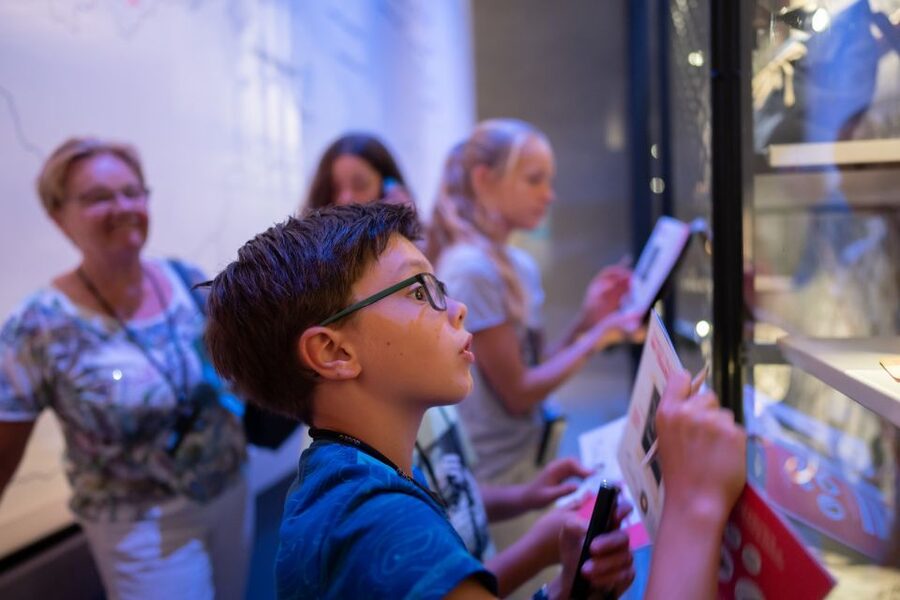
Kamp Vught National Monument is not trying to be a generic Holocaust museum. It is a specific place in North Brabant, with a very specific wartime function, and then a complicated afterlife. The site name you will hear most is Kamp Vught, but its concentration camp designation was Konzentrationslager Herzogenbusch, and it is described as the only SS concentration camp outside Nazi Germany.
What I like about that specificity is that it forces you to connect the dots. This was not just an idea, it was an operation in the Netherlands. And once you see the buildings, the memorials, and the guided exhibits, you understand how occupation and persecution spread through everyday geography, not just through distant cities.
The visit also leans hard on human scale. Instead of only big facts, you get personal stories and objects tied to the people imprisoned here, including people from 35 different nationalities. That mix matters because it resists one-note thinking. WWII in Europe touched lives in many countries, and people experienced it in different ways even when their paths converged in the same place.
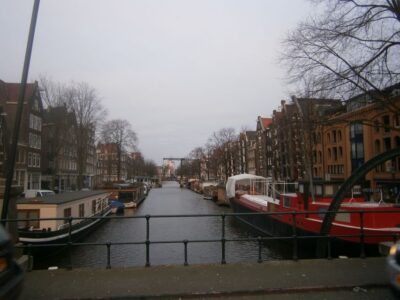
Also flying a pennant in Amsterdam



A one-day flow: museum rooms, outdoor remains, then the woods
You can comfortably do this as a single day if you start at the memorial centre and keep a steady pace. The ticket is valid for one day, and the site is set up so you move from indoor exhibits to outdoor camp remnants, then to the execution site.
Here is the route you should plan around, in the order that makes the most sense:
First, spend time in the permanent exhibition, Camp Vught: Seven Seasons and 32,000 Stories. This is where the museum frames what Camp Vught was, how it changed over time, and whose stories you will be hearing.
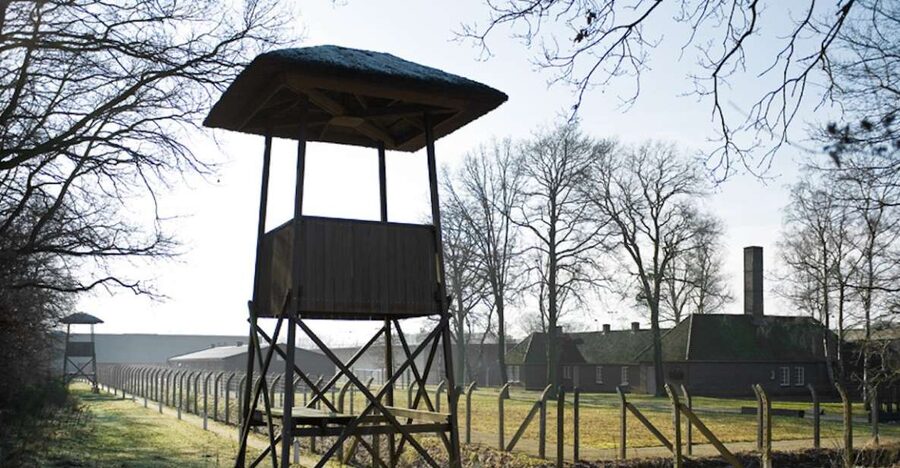
Next, head into the outdoor camp area. This section gives you a “readable” map of what the camp looked like, and what remained. You will see a model of the former concentration camp, a reconstructed barracks section, multiple watch towers, and the original crematorium. There is also a memorial dedicated to the children’s transports in June 1943.
Then, look for Barrack 1B. The museum notes it as the last remaining original barrack from Camp Vught, so it is one of those stops where you feel the difference between a reconstruction and the real thing.
After that, plan time for the exhibition If Walls Could Speak. It follows four different periods connected to the site, so it helps you understand that the camp grounds did not simply “freeze” in 1944. The museum links the concentration camp era to later uses and different groups of people connected to the same location.
Finally, walk to the former execution site. The museum says it is within walking distance and hidden in the woods. The walking route to the execution site is approximately 4 kilometers, so factor in time for a slower pace and for the fact that this portion is emotionally intense. Along the access road, you will also pass two restored freight wagons, described as a worldwide symbol of persecution and deportation.
The last stop is the monument marking the actual execution site, where 329 men were executed.
Permanent exhibition: Camp Vught, Seven Seasons, 32,000 Stories
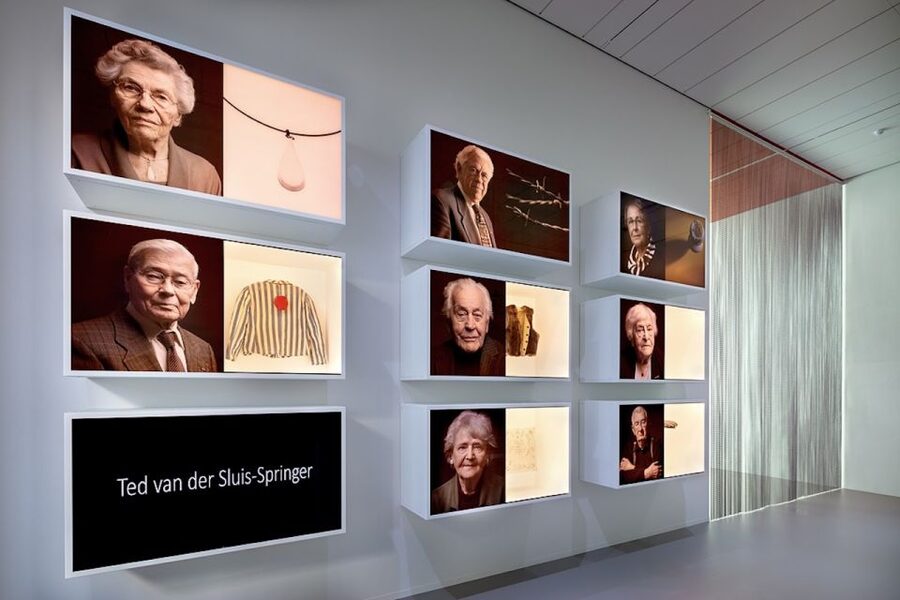
This is the heart of the visit. The permanent exhibition is titled Camp Vught: Seven Seasons and 32,000 Stories. I like the wording because it signals what the museum is trying to do: show that the camp had phases and that the human record is large.
The museum approach is built around personal stories and objects. Instead of only a timeline, you get details that help you picture daily life, imprisonment, and the way people endured the camp’s conditions. Because it is also described as covering the origins of Camp Vught and the lives of people imprisoned there, you are not left guessing about context.
A key detail you should be ready for: the museum includes stories about people from 35 different nationalities, each experiencing WWII in their own way. That is important because it nudges you to think beyond a single storyline. You can still come away with a clear understanding of Nazi persecution, but you are less likely to flatten all experiences into one generic image.
Also, the way the exhibits use objects alongside stories is practical. Objects act like anchor points. They help you keep track of what you are seeing and why it matters, even when the subject matter is grim.
Outdoor camp remains: model, watch towers, crematorium, and barracks
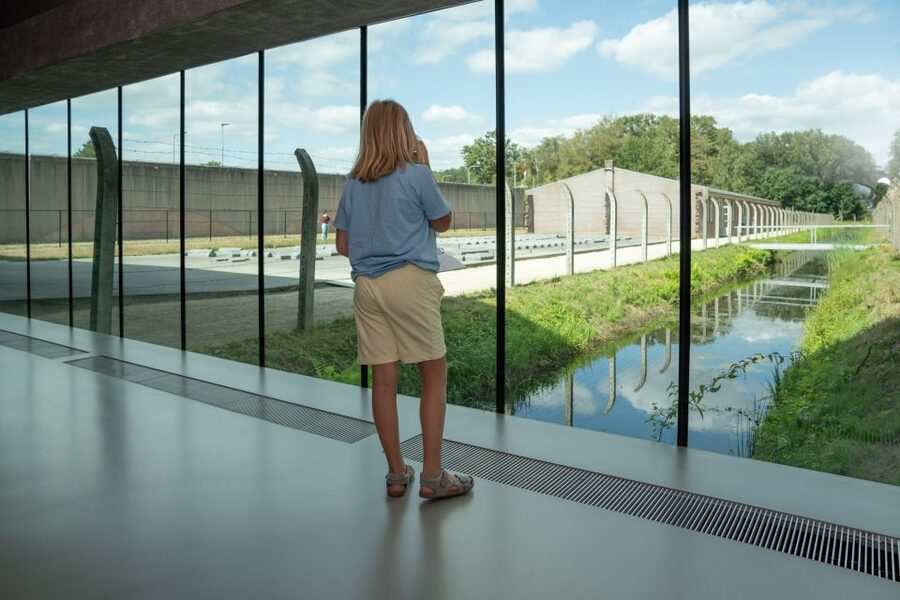
When you step outside, you get a different kind of understanding. Indoors, the exhibits explain. Outdoors, the site layout makes you do some mapping in your head. Even if you are not an architecture person, the outdoor area is built for orientation: you can see the model first, then move toward reconstructed structures and key remaining elements.
In this outdoor zone, you should look for:
- a model of the former concentration camp
- a reconstructed barracks building
- several watch towers
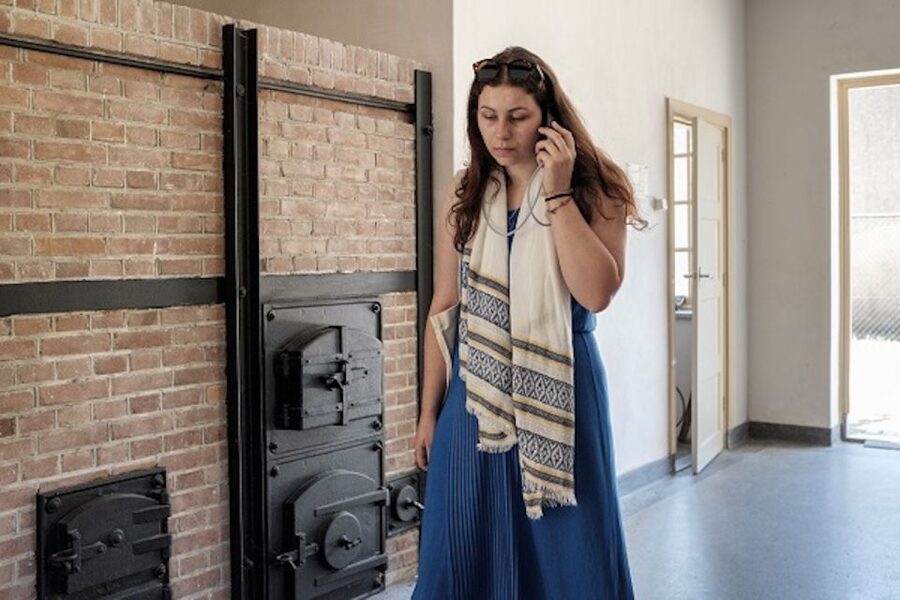
- the original crematorium
- a memorial to the children’s transports in June 1943
I especially recommend taking your time with the original crematorium. It is not a “viewpoint” stop. It is a reminder of what happened in the camp system. If you rush, you miss the weight of it.
Reconstructed barracks help you understand the physical environment. They are useful for “place memory,” but keep the contrast in mind. The museum also points out a specific original structure that you should treat differently, which leads into the next stop.
Barrack 1B, the last original barrack
Barrack 1B is called the last remaining original barrack from Camp Vught, and that detail matters. Reconstructions tell you what might have been there. An original surviving structure tells you that something real has lasted when almost everything else has not.
Plan to spend more time here than you expect. Even if you do not read every label, standing in front of an original barrack changes your sense of scale. It also helps you connect the indoor story content to the physical place where people were held.
One practical note: Barrack 1B has different opening times than standard museum hours. The museum lists:
- Wednesday, 12:00 PM to 5:00 PM
- Saturday and Sunday, 1:00 PM to 5:00 PM
And it also mentions school holiday timing from December 23 to January 5, with Monday to Friday opening from 12:00 PM to 5:00 PM and weekends from 1:00 PM to 5:00 PM.
So if you are visiting on a Wednesday, weekend, or school-holiday period, double-check your day’s timing so you do not miss the one original barrack highlight.
Under the next bridge out of Amsterdam:
- Amsterdam Classic Saloon Boat Cruise with Drinks and Cheese
★ 5.0 · 31,825 reviews - Amsterdam Luxury Canal Cruise + Unlimited Drinks & Bites option
★ 5.0 · 30,518 reviews - Amsterdam: Classic Saloon Boat Cruise with Cheese & Wine
★ 4.6 · 27,035 reviews - Amsterdam: Evening Cruise with Optional Wine and Snacks
★ 4.4 · 22,178 reviews
If Walls Could Speak: four periods tied to the same site
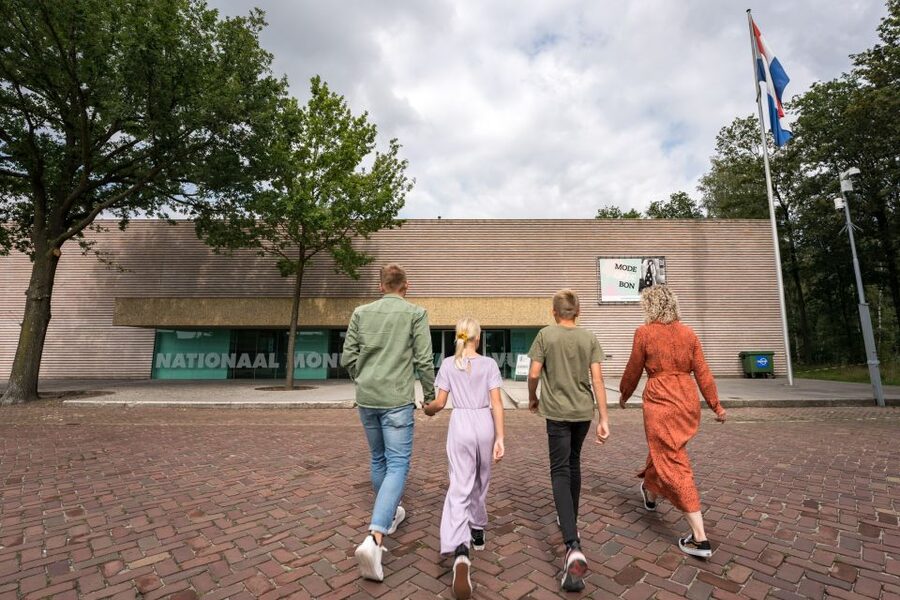
This exhibition is called If Walls Could Speak, and it covers four periods. That structure is one of the most useful ways to understand what happened next.
The museum describes these four phases:
- the concentration camp period (1943 to 1944)
- German civilian evacuees using the site as residences
- Dutch people suspected of collaboration
- Moluccan KNIL soldiers and their families
Why this matters for you: it prevents a common mistake, thinking the site is only a WWII story and only a Nazi story. The ground where imprisonment happened later held other groups, in other circumstances, connected to occupation and the shifting postwar reality.
It also helps you see how occupation blurred categories. People could be persecuted, housed, suspected, or affected by the war’s aftermath, all within the same geographic footprint. The museum’s title, If Walls Could Speak, signals that the place itself carries memory and change.
Even when you feel emotionally overwhelmed, this exhibit offers an organized framework. You are not left with only grief. You leave with clarity about how the site was used again, and that change is part of the story.
Walk to the execution site, plus the restored freight wagons
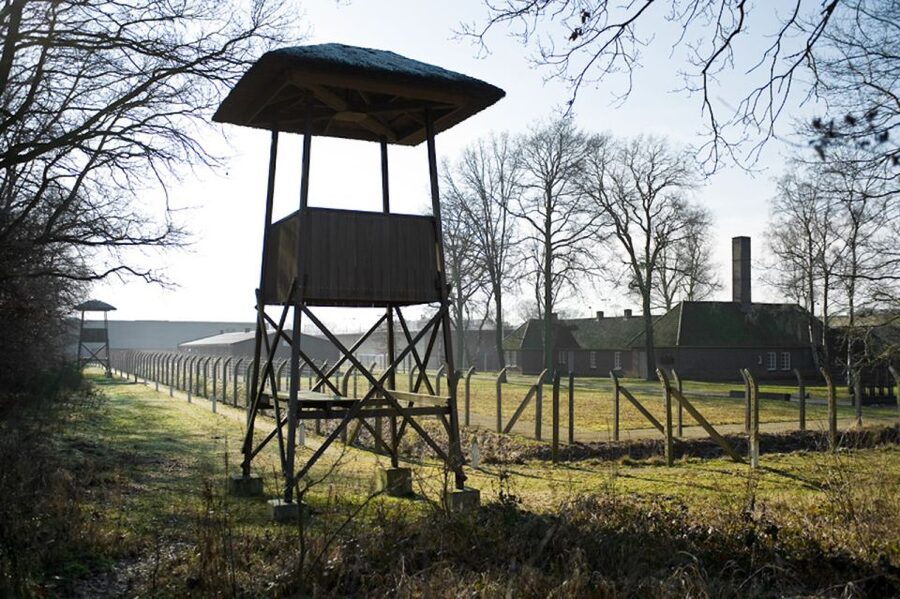
This is the most physically demanding part of the visit, and it also has the heaviest tone. The museum says the route to the former execution site is about 4 kilometers, and that it is hidden in the woods. That means the walk is not just a transfer between exhibits, it is part of the experience.
Along the access road, you will encounter two restored freight wagons. The museum describes them as a worldwide symbol of persecution and deportation during the Second World War. They are a strong transition point. You go from camp remains to the idea of transport, confinement, and forced movement.
The final landmark is the monument marking the actual site where 329 men were executed. If you are the type who likes to take a mental snapshot, do it here. This stop gives you a concrete number and a physical location, which helps your brain process what you just absorbed indoors and outdoors.
Because the route is described as hidden in the woods, weather can also affect comfort. Bring weather-appropriate clothing. If it is wet or chilly, your feet will remember it. Comfortable shoes are not optional here.
Price, value, and what the ticket actually delivers
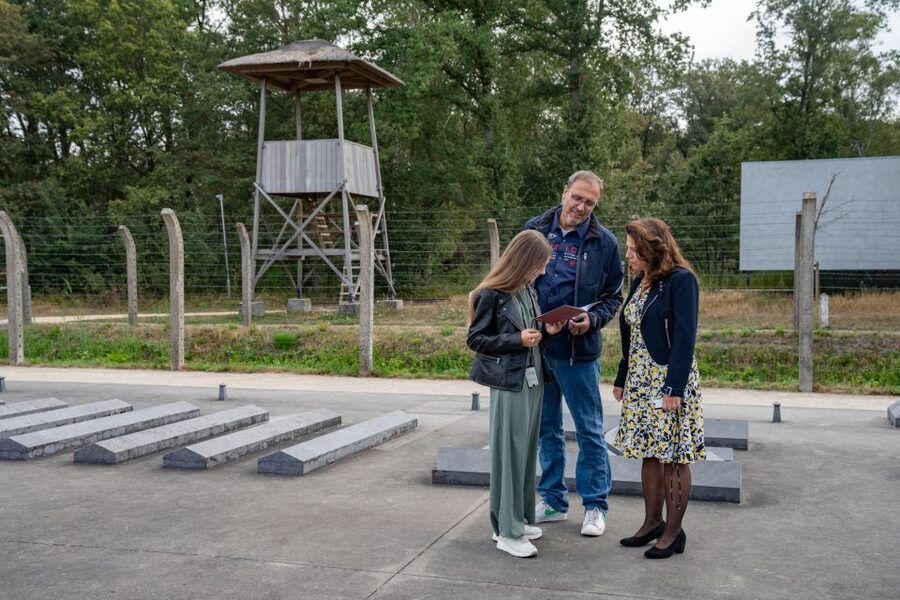
The entry ticket price is listed as $14 per person, and the rating shown for the experience is 4.6 out of 5 based on 137 reviews. For a one-day memorial visit, that is solid value when you consider what is included.
What you get for that price is:
- the entry ticket
- an audio guide included, available in English, Dutch, German, and French
- a wheelchair-accessible site
You do not get a guided tour included. In practice, that is a plus if you want control over your pace. You can pause when something hits you. You can skip at moments if you need a breather. You can spend extra time at Barrack 1B, watch towers, or the crematorium without worrying about a group schedule.
There is also a respectful ending note. One firsthand detail from an account highlights an inspirational story shared by Co at the end of the visit. It is not something you should count on as a guarantee, but it hints at the museum’s intent to close with care, not just information.
If you are price-sensitive, here is the realistic way to judge value: you are not paying for transport or a performance. You are paying for a thoughtfully designed self-guided route, with major exhibits and key site remains.
Comfort tips that make a heavy visit easier
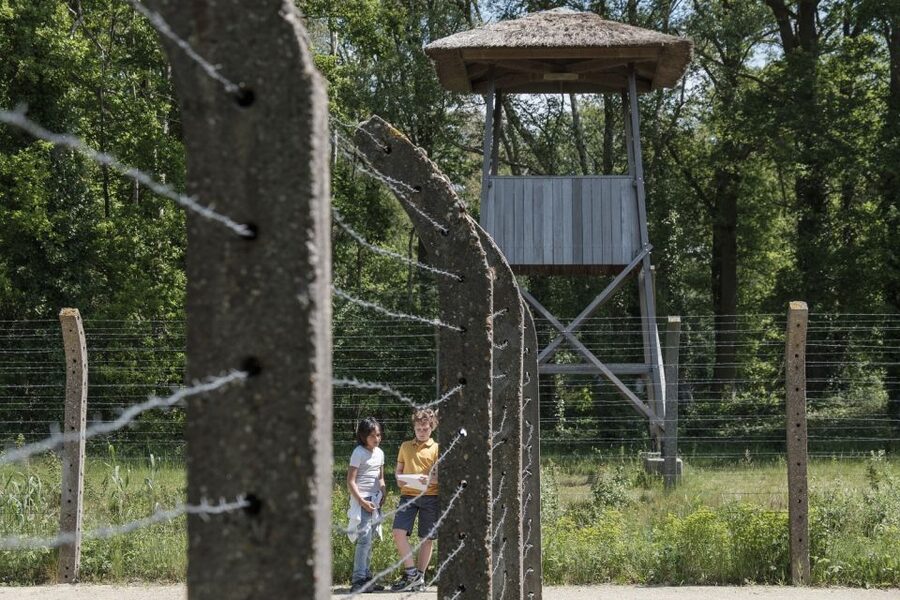
This is a serious site, but you still need basics so you can focus. The museum suggests:
- comfortable shoes
- comfortable clothes
- weather-appropriate clothing
You should also plan for the fact that this is walking. The outdoor areas are part of the story, and the execution site walk is about 4 km.
A few helpful, practical perks are included on-site:
- cloakroom lockers are free to use
- portable compact museum chairs are available in the hall if you need a rest
- umbrellas are available
- there is one wheelchair available to borrow at Camp Vught National Memorial and one in Barrack 1B, if you need one
- people accompanying wheelchair users can receive free entry, and the same applies to people accompanying people with visual impairments
If you prefer not to carry a heavy bag during the walk segments, use the free lockers. It is the kind of small convenience that keeps the day calm.
Also, the museum states it is not suitable for children under 10. That matters for planning. Even if a child is old enough to walk the distance, this is still emotionally intense material.
Should you book the Kamp Vught National Monument ticket?
I think you should book if you want one day in North Brabant where the museum uses both exhibits and site remains to teach you what happened at Konzentrationslager Herzogenbusch, and then explains how the place was used in later periods too. The audio guide in English, Dutch, German, and French is a big help for self-guided visitors, and the route is clear enough to follow without a group tour.
Skip or reconsider if:
- you are not comfortable with a 4 km walk to the execution site hidden in the woods
- you want a lighter, more casual outing
- you are traveling with children under 10
One smarter timing idea: May 4 is National Memorial Day, and the museum offers free entrance for all. If your dates line up, that is an easy way to get the same experience at a lower cost.
If you go, go with comfortable shoes, a steady pace, and the willingness to sit with difficult history. This memorial does not rush you, but it does ask you to pay attention.
FAQ
How long is the visit?
The ticket is for 1 day. The walk to the execution site is approximately 4 kilometers, so plan time for outdoor areas plus that walk.
Is an audio guide included, and what languages are available?
Yes, an audio guide is included. It is available in English, Dutch, German, and French.
Is there a guided tour included with the ticket?
No. A guided tour is not included with this ticket.
Is the site wheelchair accessible?
Yes, Camp Vught National Memorial is wheelchair accessible. Wheelchairs are available to borrow (one at the memorial and one in Barrack 1B). People accompanying wheelchair users can receive free entry, and the same applies to those accompanying people with visual impairments.
Is it suitable for children?
It is not suitable for children under 10.
What are the opening hours, and when is it free?
Opening hours are listed as:
- Monday to Friday: 10:00 PM to 5:00 PM
- Saturday and Sunday: 12:00 PM to 5:00 PM
Barrack 1B has different opening times: Wednesday 12:00 PM to 5:00 PM, Saturday and Sunday 1:00 PM to 5:00 PM. During school holidays (December 23 to January 5), hours change as listed in the activity details. The museum offers free entrance on May 4 (National Memorial Day) and also on December 8, 2024. It is closed on December 25 and 31.
Latest to arrive along the quays of Amsterdam


Tickets, compared.




Moco Museum Amsterdam Entrance Tickets with Banksy & More
Read our review →