
Reviewed · AUDIO TOURS
Amsterdam: Royal Palace Entry Ticket + Audio guide
Royal protocol, in your own pace. The Royal Palace of Amsterdam is still used for state receptions and royal visitors, so your ticket gets you inside rooms with real ceremonial weight, not just staged décor.
I really like two things here. First, the audio guide lets you move at your speed and pick up details without hunting for museum labels. Second, the palace connects art and power in a way that feels practical, with Dutch Golden Age works and sculpture woven into the room layout.
One thing to watch: plan enough time, because some numbered stops and room-to-room wayfinding can be a little fiddly, and the last entry is 45 minutes before closing.
In This Review
- Key highlights that make this palace visit worth your time
- Getting to the Royal Palace fast from Dam Square
- Tickets, priority lane, and how long to set aside
- Entering with your smartphone ticket and using the priority lane
- Using the audio guide like a pro (and why it matters here)
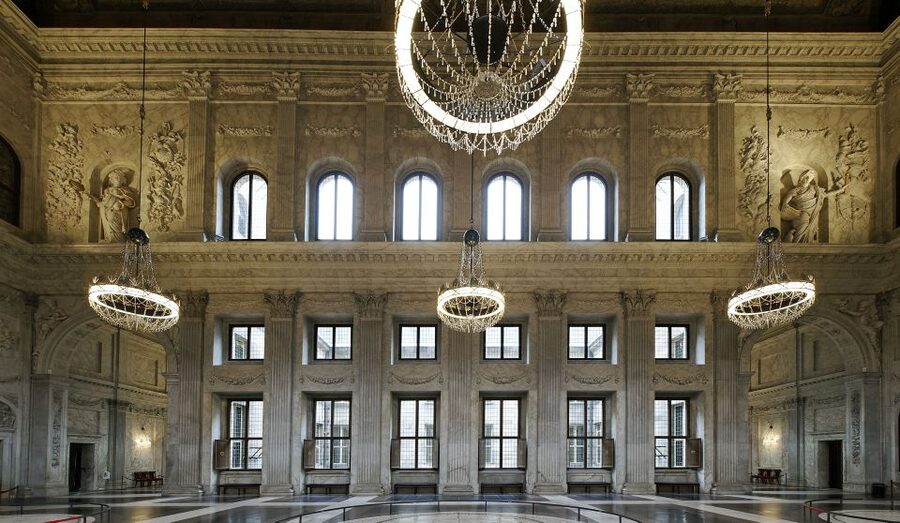
- Citizens’ Hall and the Atlas statue in a marble room
- State banquets, royal receptions, and how the palace stays in use
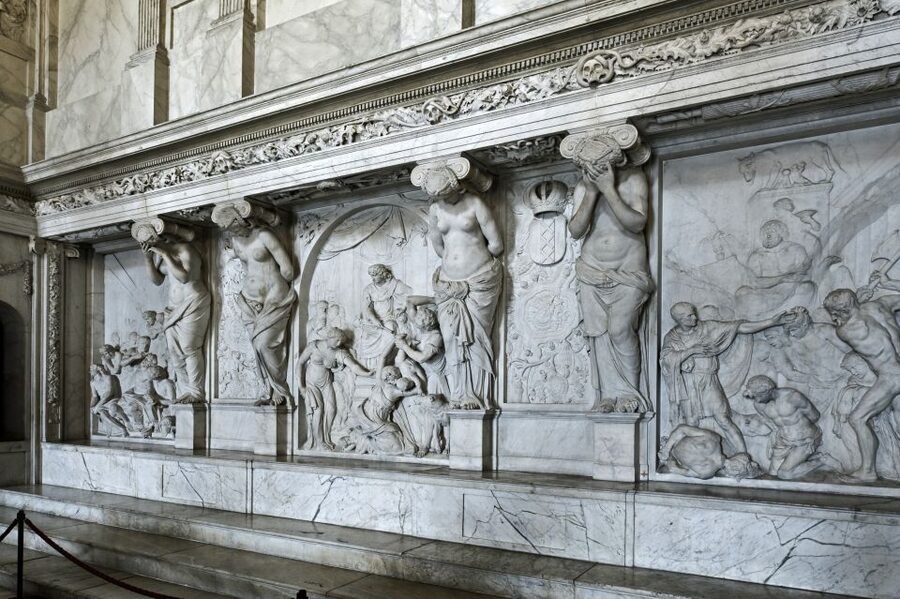
- Dutch Golden Age paintings and sculpture by Bol and Flinck
- Louis Napoleon furniture, chandeliers, and clocks
- Rules inside the palace that you should plan around
- Making the most of your route: pacing, signage, and crowds
- Who should book this Royal Palace audio entry
- Should you book the Royal Palace entry with audio guide?
- FAQ
- How long is the Royal Palace visit?
- Is the audio guide included in the ticket?
- What languages are available for the audio guide?
- Is there an audio tour for children?
- Where do I go to enter the palace?
- Can I use a smartphone ticket for entry?
- When is the last entry?
- Are children allowed, and is it free for them?
- Is the palace wheelchair accessible?
- Are pets or photography allowed inside?
Key highlights that make this palace visit worth your time
- A self-paced audio tour you can pause and restart, which helps when rooms feel similar but the details matter.
- The Citizens’ Hall and Atlas statue, with the sky on his shoulders, plus that big marble room feeling in person.
- State-use rooms you can still picture in action, from banquets to visiting leaders.
- Dutch Golden Age art and sculpture, including works by Ferdinand Bol and Govert Flinck.
- Louis Napoleon era interiors, with finely preserved furniture, chandeliers, and clocks from that period.
- Easy central access via trams to Dam Square and Metro 52 at Rokin.
Getting to the Royal Palace fast from Dam Square
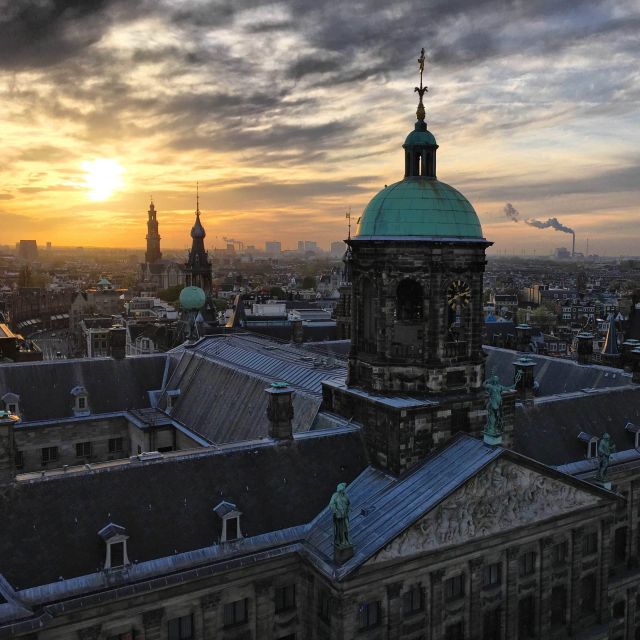
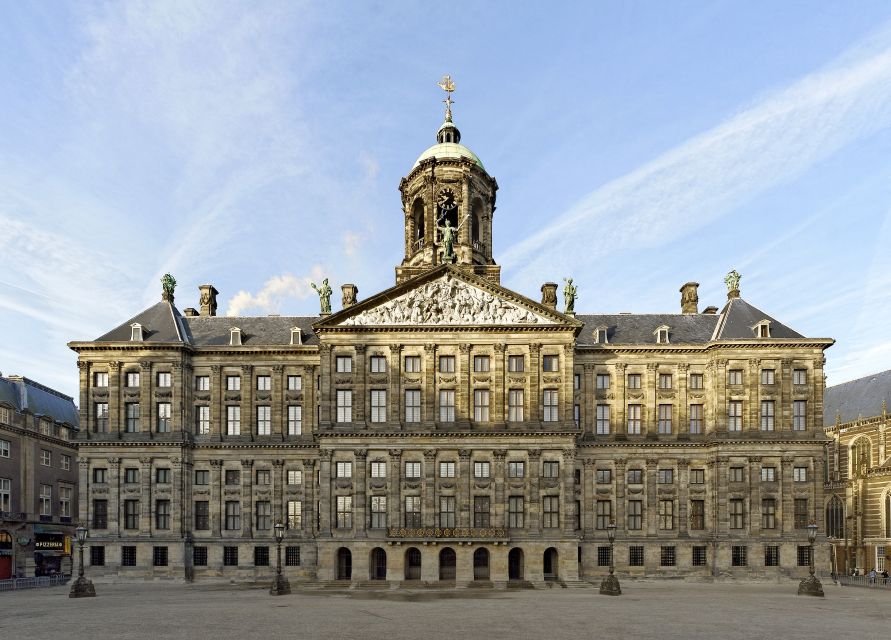
The Royal Palace sits right in central Amsterdam, close enough to pair with other sights around the Dam area. If you are using public transit, you have several straightforward options.
Take GVB trams 2, 4, 12, 13, 14, 17, or 24 and get off near the Dam Square area. If you prefer the metro, use Metro 52 and exit at Rokin. From either drop-off, it is a short walk to the palace entrance area, and you will recognize it as one of the big anchor buildings in the city center.
This location matters because you can fit the palace into a normal sightseeing day without burning half of your day on transit.
Also flying a pennant in Amsterdam



Tickets, priority lane, and how long to set aside
You are paying about $15 per person for entry plus the audio experience. For Amsterdam, that is strong value because the ticket includes the multimedia tour in multiple languages, the children’s audio option, and a cloakroom for coats and bags.
This is not a guided group tour with a strict script. It is more like: you enter, scan in, and then follow the numbered stops at your pace. Most people get a solid visit by giving it around 60 to 90 minutes, but I would plan 90 minutes if you want to listen fully and not feel rushed. If you have less time, you can still do a shorter route, because the audio is split into sections.
Two timing tips that save stress:
- The last entry is 45 minutes before closing, so do not leave this as a last-minute hope.
- If you want fewer people, going earlier in the day tends to feel smoother (especially in a building this popular).
Entering with your smartphone ticket and using the priority lane
The process is designed for quick entry. You can use the priority lane by showing your smartphone ticket at the scan desk. That means you avoid the slow part of ticket buying and get to the good stuff sooner.
You will also see the cloakroom setup, which helps keep the palace experience comfortable. If you travel in cool or wet weather, taking a moment to stow a bulky coat is worth it, because the rooms can become warm from foot traffic.
Once you are inside, you do not need an itinerary printer or a guidebook. The audio guide does the heavy lifting room by room.
Using the audio guide like a pro (and why it matters here)
This is the heart of the experience. The audio guide is included and available in Dutch, English, German, French, Italian, Spanish, Chinese, and Russian. There is also a special children’s multimedia tour in Dutch and English.
The biggest practical advantage: you can control your pace. That matters in a palace because rooms can run into each other visually. When you can stop, restart, or skip forward, you avoid that tired museum feeling of guessing which detail you missed.
In my view, this is exactly where audio works better than printed signs. The palace layout is grand, but it is the story behind each room that turns the building from pretty to meaningful. The tour also explains how the palace has been used through time and how it is still tied to state life.
And yes, the audio format can be a relief if you do not want to wait for others. You can just go, listen, and return to walking when you want.
Citizens’ Hall and the Atlas statue in a marble room
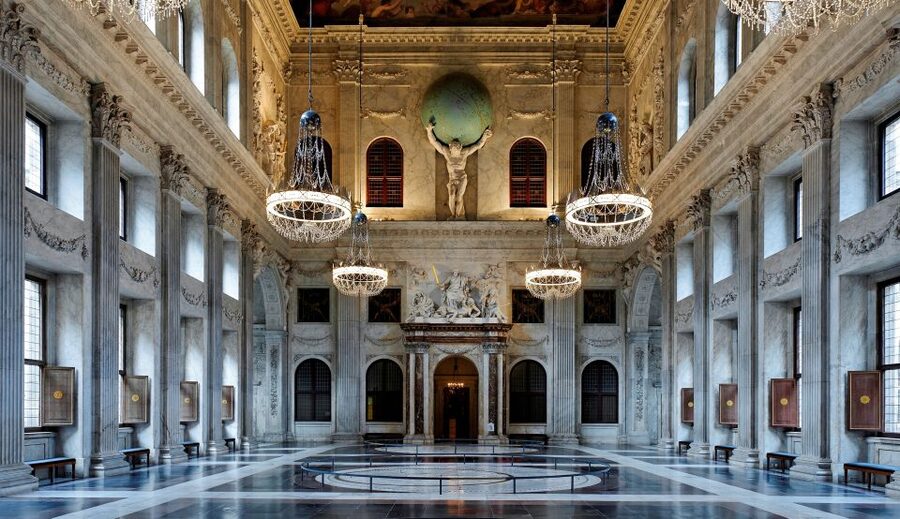
When you enter the palace’s grand interior spaces, one stop tends to anchor everything: the Citizens’ Hall. This room is known for its vast marble chamber feel, and it is the kind of space where scale hits you before you even read a caption.
Look for the statue of Atlas, holding the sky on his shoulders. It is one of those details that makes the palace feel like a carefully planned world. Even if you are not a museum person, the visual impact does the job fast.
Why this hall matters: it connects the palace’s identity to civic and national symbolism. You are not just seeing decoration. You are seeing how art and architecture were used to project authority and meaning.
Under the next bridge out of Amsterdam:
- Amsterdam: Van Gogh Museum Ticket
★ 4.7 · 52,054 reviews - Amsterdam: Heineken Experience Ticket including 2 Drinks
★ 4.6 · 36,014 reviews - Amsterdam Classic Saloon Boat Cruise with Drinks and Cheese
★ 5.0 · 31,825 reviews - Amsterdam Luxury Canal Cruise + Unlimited Drinks & Bites option
★ 5.0 · 30,518 reviews
State banquets, royal receptions, and how the palace stays in use
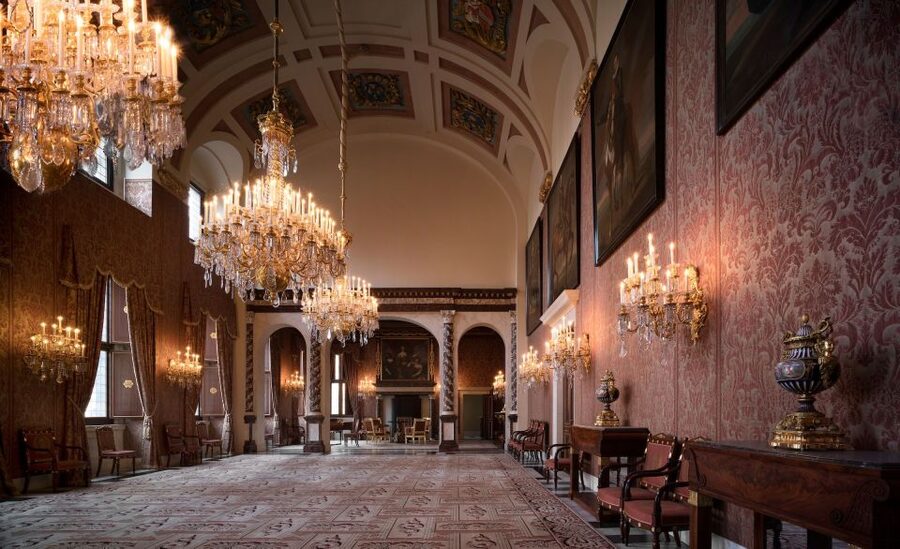
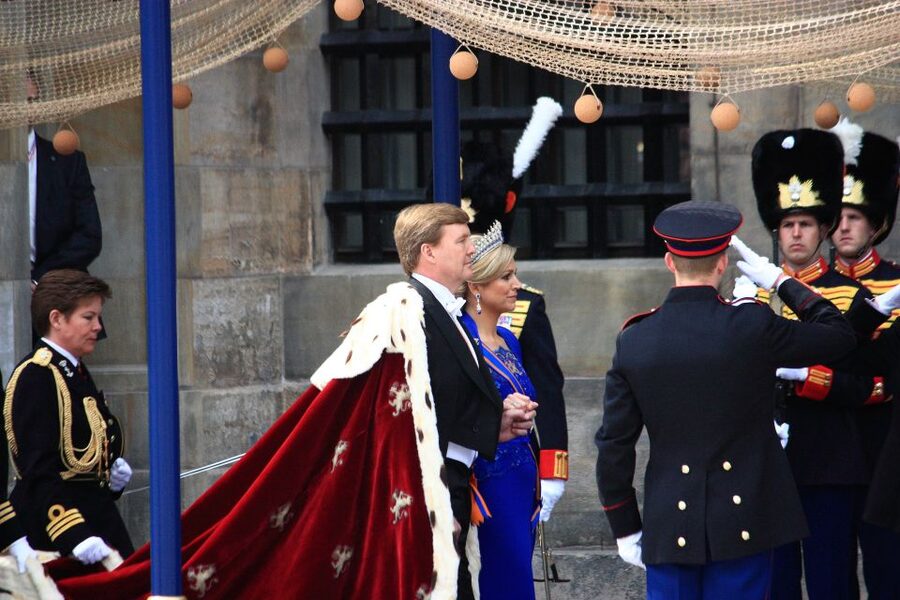
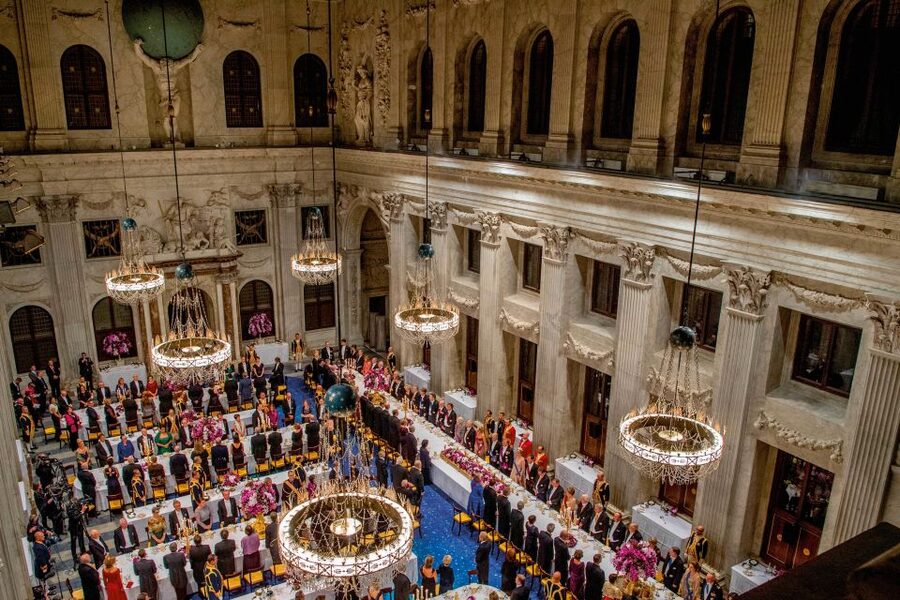
The Royal Palace of Amsterdam is not only a public monument. It is still used for state visits, award ceremonies, and other royal receptions. That means the rooms you see were built to host official moments, not only to be looked at.
This is one of the most compelling parts of the visit. When you stand in these rooms, you can imagine the pacing of a ceremony, the movement of dignitaries, and the way the setting supports formal life. The audio guide helps connect those dots so it does not stay abstract.
You will also hear about ceremonial traditions tied to state banquets and the palace’s role when heads of state are visiting. That context makes the palace feel alive, even though you are experiencing it as a self-guided visitor.
Dutch Golden Age paintings and sculpture by Bol and Flinck
The palace interior is loaded with art from the Dutch Golden Age, and the audio tour helps you identify what you are looking at and why it fits the building.
Keep an eye out for sculptures by Ferdinand Bol and Govert Flinck. Seeing these names in context is useful because it gives you a mental map of the artists represented, instead of just enjoying them as pretty ornament.
What I like about this approach is that the art does not feel random. The tour connects room use and historical layers, so you better understand why specific artworks appear where they do. You also get a clearer sense of how Dutch cultural pride and royal power were presented together inside this particular space.
Louis Napoleon furniture, chandeliers, and clocks
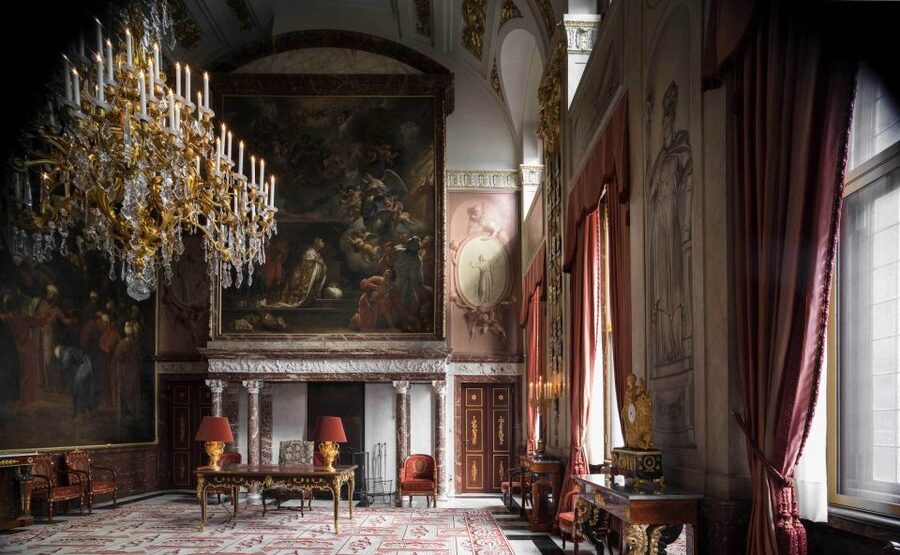
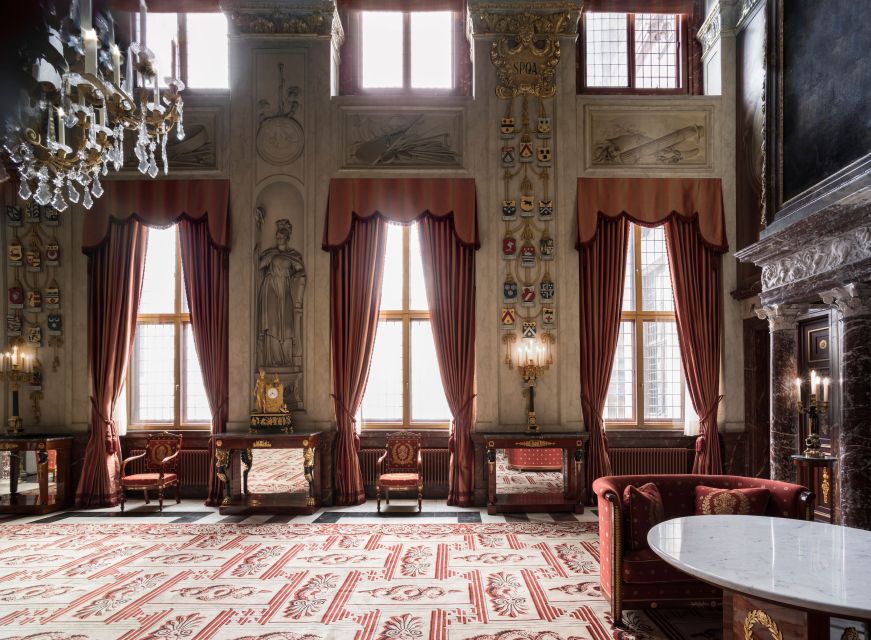
A standout thread in the experience is the presence of interiors from the time of Louis Napoleon. You can spot it through the careful preservation of furniture and the way lighting and timekeeping objects are treated like part of the design language.
The audio tour points you toward what to notice, like the clocks and chandeliers, and it frames them as more than decoration. In a palace, these items tell you how people lived and hosted, what they valued, and how “house style” was built into daily life.
If you enjoy design details, this is where your attention pays off. If you only want the biggest rooms, you might miss some of the quieter details. That is why the audio guide is so helpful, because it tells you what deserves a closer look.
Rules inside the palace that you should plan around
To keep the building safe and protect artworks, there are some clear no-go items. You should expect these restrictions:
- No food and drinks
- No smoking
- No pets
- No flash photography
- No video recording
This is not just nitpicking. It keeps the rooms calmer and helps protect the surfaces and lighting that make the palace interior look the way it does.
Wheelchair access is available too. The building includes a lift, a wheelchair accessible toilet, and wheelchairs for visitors to use. So if mobility is a concern, you can plan with confidence.
Making the most of your route: pacing, signage, and crowds
This palace is not a one-room experience. You move through a chain of interiors, and each stop has its own focus. To avoid the most common frustration, use a simple strategy:
- Start early enough to feel unhurried.
- Listen to the audio section as you enter each zone.
- If you need a break, pause the audio and reset your bearings.
One caution: some parts of the numbering and room-to-room transitions can be a little hard to follow. So if you are the type who gets flustered when you cannot find the next stop quickly, give yourself a little extra time. Ninety minutes helps with that.
Also, coat and bag management is easy thanks to the cloakroom. It is a small thing, but it keeps you from carrying extra bulk while you are trying to look up, look around, and take in the details.
Who should book this Royal Palace audio entry
This visit is ideal if you want a palace with a real-world role. You will enjoy it most if you like:
- architecture with purpose
- artwork tied to specific rooms
- self-guided pacing, not a rushed group script
- stories you can control through audio
It is also a good family option in terms of pricing, because children under 18 enter for free, and a ticket can be picked up at the counter. If your kids want the story told in an age-friendly way, the children’s multimedia tour is included.
If you want a more guided feel, you might still appreciate the audio narration because it explains what matters without requiring a live guide. And if you hate standing in lines, using the smartphone ticket and priority lane helps you start the experience faster.
Should you book the Royal Palace entry with audio guide?
Yes, if your idea of a good Amsterdam day includes stepping into a working palace setting and learning what you are seeing as you go. The audio guide is the product you are really buying, and it is strong enough to carry the visit so you are not just walking through pretty rooms.
Book it if:
- you want a self-paced visit
- you care about Dutch Golden Age art and period interiors
- you want an easy, central outing with quick access
Skip or reconsider if:
- you only want the briefest walk-through
- you dislike any navigation by numbering and need very clear room-to-room guidance
If you do book, my advice is simple: go earlier, plan for about 90 minutes, and let the audio guide lead you room by room. That is the easiest way to get real value out of the palace.
FAQ
How long is the Royal Palace visit?
The activity is valid for 1 day, and a typical visit can take about 1 to 1.5 hours when you listen to the audio guide carefully.
Is the audio guide included in the ticket?
Yes. The multimedia audio tour is included.
What languages are available for the audio guide?
Chinese, Dutch, English, French, German, Italian, Russian, and Spanish are available.
Is there an audio tour for children?
Yes. There is a special children’s multimedia tour in Dutch and English.
Where do I go to enter the palace?
You can reach the palace via GVB trams 2, 4, 12, 13, 14, 17, and 24, or Metro 52 to station Rokin. Dam Square is the nearest tram station.
Can I use a smartphone ticket for entry?
Yes. You can enter through the priority lane and show your smartphone ticket at the scan desk.
When is the last entry?
The last entry is 45 minutes before closing time.
Are children allowed, and is it free for them?
Entrance is free for children under 18 years old, and a ticket can be picked up from the counter.
Is the palace wheelchair accessible?
Yes. The building is wheelchair accessible, with a lift, a wheelchair accessible toilet, and wheelchairs available for visitors to use.
Are pets or photography allowed inside?
Pets are not allowed. Flash photography is not allowed, and video recording is not allowed.
Latest to arrive along the quays of Amsterdam




Audio Tours, compared.
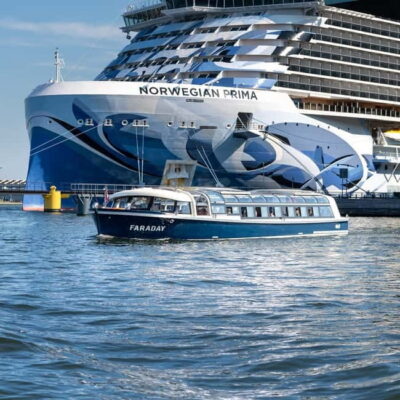
75 Minute City Canal Cruise with Audio Guide
Read our review →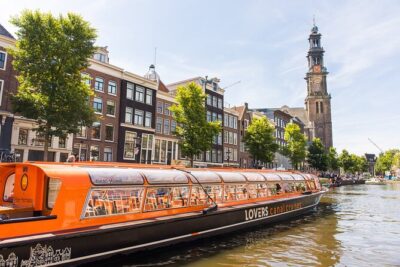
Amsterdam Sightseeing Canal Cruise with Audio Guide
Read our review →
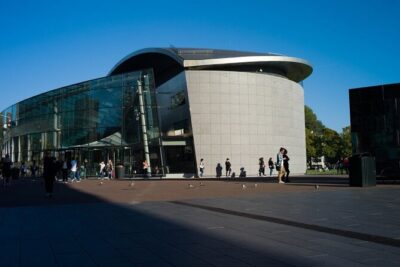
Amsterdam Van Gogh Museum with Audio or Guided Tour
Read our review →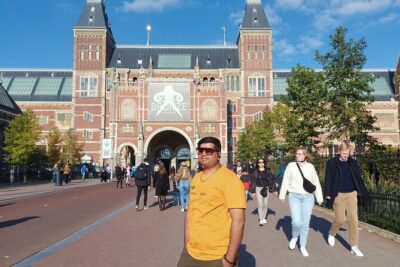
Van Gogh Museum Skip the Queue with Audio Guide
Read our review →
Amsterdam 1h Canal Cruise by Semi-Open Boat with Audio Guide
Read our review →

Tulip Fields near Keukenhof – Self-Drive Audio Tour for 2 People
Read our review →Browse the lists this tour appears in