
Reviewed · RED LIGHT DISTRICT WALKS
Private Amsterdam Red Light District tour with food tastings
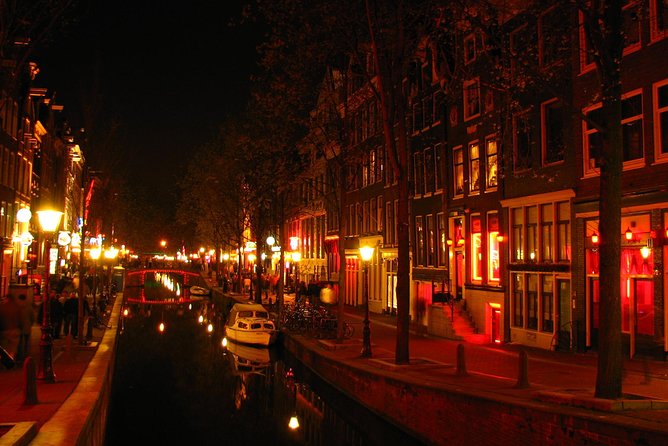
Red lights are only half the story. This private Amsterdam tour pairs a clear walk through the Red Light District with food tastings and real background on prostitution, coffeeshop culture, and how the city formed in the first place. I especially like how you’re shown key Old Town stops like the Old Church and Chinatown area, while your guide ties what you see to why it exists.
Two things I really liked: the way the guide explains the neighborhood without hype, and the food tastings that give you a breather while you learn. One possible drawback: the Red Light District is adult-focused, so if you want a strictly family-friendly experience, you may feel uncomfortable with the topics and storefronts you’ll pass.
In This Review
- Key Highlights to Look For
- What You’re Really Buying With This Private 2-Hour Tour
- Where the Walk Starts (and Why It Matters)
- Red Light District Real Talk: History, Prostitution, and Coffeeshop Culture
- Old Town Landmarks Along the Way: Old Church and Chinatown Area
- Amsterdam’s Dam Lesson: Why Many Buildings Stand on Wooden Poles
- Old Town Depth: The Area as Part of the Oldest City
- Pub The Ape (Int Aepjen), Built Around 1540
- The Waag: A Former City Gate Turned Guild Hall
- The Smallest House of Amsterdam and the VOC Trading Connection
- A Condo of Context: The Condom Shop Since 1987
- Food Tastings: Snacks as a Learning Tool
- Guides, Humor, and Q&A That Actually Move the Tour
- Who This Tour Fits Best
- Should You Book This Red Light District Tour With Food Tastings?
- FAQ
- How long is the private Amsterdam Red Light District tour with food tastings?
- What is the price per person?
- Is this tour private or shared?
- What language is the tour offered in?
- Does the tour include food tastings?
- Where is the meeting point?
- Is it near public transportation?
- What is the cancellation policy?
Key Highlights to Look For
- Private, just-your-group pace for questions and comfort along the walk
- Food tastings built into the route so you can snack while learning
- Concrete history stops, like the Waag and Pub The Ape (Int Aepjen)
- Amsterdam’s “city on trees” roots, tied directly to how buildings survived
- A mix of old and modern, including a condom shop specializing since 1987
What You’re Really Buying With This Private 2-Hour Tour
This tour costs $121.52 per person, but the value comes from what you get for that time. You’re not just seeing the streets from the sidewalk, you’re getting an expert guide who can explain what’s going on and why Amsterdam developed its unusual character.
Two hours moves fast in any city. Here it works because you’re walking with a plan, then stopping long enough to connect details, from old buildings to modern commercial oddities, to the bigger story of Amsterdam. If you like history and context, that time feels efficient rather than rushed.
If you’re traveling as a small group, private tours can be a smart trade. You pay per person, but you also get the chance to match pace to your group and customize what you focus on, since this tour can be adjusted to your interests and needs.
More Culinary Tours in Amsterdam


Where the Walk Starts (and Why It Matters)
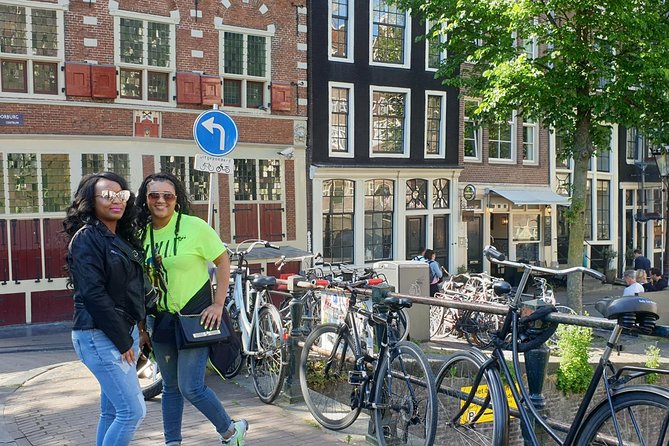
You meet at ParkBee Parking NH Collection Amsterdam Barbizon Palace, Prins Hendrikkade 59, 1012 AD Amsterdam. Starting near a hotel and parking hub is practical, because you can line up transit and arrival plans without guesswork.
You also end back at the meeting point, which is handy. After 2 hours in a concentrated area, it’s nice not to have to figure out how to get out, especially if you’re pairing this with dinner or a canal cruise.
It’s offered in English, and you get a mobile ticket. That means less scrambling with paper confirmations and more time for your first proper impressions of the neighborhood.
Red Light District Real Talk: History, Prostitution, and Coffeeshop Culture
The heart of the tour is a guided walk through the Red Light District with direct explanations of the area’s colorful history. Expect your guide to talk about prostitution as part of Amsterdam’s social and legal evolution, not as gossip.
You’ll also hear about coffeeshop culture. The important thing here is tone. With a good guide, this topic becomes about policy, customs, and how Amsterdam treats regulated nightlife, rather than shock value.
As you walk, you’ll see the daily reality of the neighborhood. That’s exactly why a guided format helps: you can ask questions, get the context in plain language, and keep your own comfort level in mind.
Old Town Landmarks Along the Way: Old Church and Chinatown Area
The highlights mention passing landmarks like the Old Church and the Chinatown area. This is more than a sightseeing checkbox. Those areas remind you Amsterdam was never only about one “district story.”
I like how this kind of route places the Red Light District inside the bigger map of the city. You get a sense of layering, where trade, migration, religious life, and local governance all overlap in the same urban space.
Even if you’ve visited Amsterdam before, this mix of “adult neighborhood” plus older landmarks can change how you see the city. It stops the Red Light District from feeling like an isolated set piece.
Amsterdam’s Dam Lesson: Why Many Buildings Stand on Wooden Poles
One of the smartest stops is the explanation tied to the Dam area, often summarized as the city built on trees. Amsterdam sits on a soil mix of fen and clay, with layers that are not ideal for typical foundations.
Your guide explains how houses were built on wooden foundation piles driven down until they reach a first layer of solid sand, about 11 meters deep. It’s a technical detail, but it becomes useful fast, because you start noticing how Amsterdam’s architecture solved a real environmental problem.
If you usually just photograph bridges and canals, this is the kind of stop that gives your photos a backstory. And it helps you understand why so many buildings can seem to last while the ground beneath them is constantly challenged.
More Private Tours in Amsterdam
- Rijksmuseum Amsterdam Small-Group Tour with Private Upgrade
★ 4.5 · 1,547 reviews - Van Gogh Museum Tour Reserved Entry Semi Private
★ 5.0 · 1,437 reviews - Private Amsterdam Red Light District and Coffee Shop Tour
★ 5.0 · 763 reviews - Anne Frank and Jewish Quarter Amsterdam Private Walking Tour
★ 5.0 · 684 reviews
Old Town Depth: The Area as Part of the Oldest City
You also get told that the area you’re in connects to the Old Town. That matters because it reframes the Red Light District from “just modern nightlife” into something tied to the city’s oldest urban fabric.
In practice, this means the route feels less like you’re moving through a single themed street and more like you’re walking through layers of Amsterdam time. Old foundations, older structures, and later uses all sit close together, which is why your guide’s storytelling carries weight.
The drawback is simply that the streets can feel dense. A private guide helps here, because you’re not just trying to interpret signs and buildings while dodging crowds or noise.
Pub The Ape (Int Aepjen), Built Around 1540
One standout stop is Pub The Ape, also called Int Aepjen. Your guide points out that it’s built around 1540 and is one of only two remaining wooden buildings left in Amsterdam.
That detail is the hook, but the real reason it’s memorable is the fire story. After a major fire in 1452, the government decided buildings should have brick facades. So a surviving wooden structure becomes a rare witness to how Amsterdam used to build.
If you like atmospheric details, this is a great pause. It’s also a reminder that the city’s “rules” changed over time in response to risk, and architecture followed.
The Waag: A Former City Gate Turned Guild Hall
Another stop takes you to the Waag, which used to be one of Amsterdam’s city gates and part of the defensive wall. It was built around the 1400s and is the second oldest building in Amsterdam.
Later, it became a space for guilds and craftsman’s organizations. In other words, it moved from defense and control to business and training, still central, still structured, but with a different purpose.
This is a strong contrast point inside a tour that also covers adult nightlife. It shows Amsterdam’s government and economy shaping daily life in both the serious and the surprising parts of town.
One practical tip: these kinds of buildings can be visually subtle at street level. A guide who can point out what used to be gate functions versus later uses makes the stop land instead of slipping by.
The Smallest House of Amsterdam and the VOC Trading Connection
You’ll also hear about the smallest house of Amsterdam, built around the 1700s. It first served as storage for the VOC trading company, then people eventually lived there for a long time.
This is a fascinating stop because it ties daily human scale to global trade history. The VOC is one of those initials you hear in Amsterdam all the time, but connecting it to how space was actually used makes it more real.
You also get a sense of how Amsterdam housed people and goods in tight quarters. That theme fits the city’s overall density and canal-era urban planning.
A Condo of Context: The Condom Shop Since 1987
Yes, there’s a condom shop stop, and it has a clear identity in the area. You’re told it’s the world’s first condom shop specialized for condoms and that it’s been in place since 1987. The shop sells customized condom sizes and other special condoms.
This stop can feel jarring if you expect the tour to only cover the “history museum version” of the Red Light District. But that’s also why it works. Amsterdam keeps adapting, and the neighborhood’s businesses reflect that.
A useful way to handle it: treat it as a cultural and commercial marker. You’re not being asked to participate in anything. You’re learning how the area serves a niche market and how commerce takes shape around regulated or tolerated lifestyles.
Food Tastings: Snacks as a Learning Tool
Food tastings are built into the tour at different places. Even without getting a long menu lecture, these small tastes do two things well.
First, they help you pace yourself. A 2-hour walk with history stops can be a lot of information, especially in a lively neighborhood. Second, food grounds the tour in everyday Amsterdam. You’re not only studying adult street life, you’re also touching local habits in a more familiar way.
If you have dietary restrictions, this is where customization can matter. Since the tour can be tailored to interests and needs, it’s smart to mention any must-avoid items in advance so the tasting plan works for you.
Guides, Humor, and Q&A That Actually Move the Tour
The guide quality is repeatedly where this tour earns its top scores. The names Aaron, Sander, and Tony come up in feedback, and the common thread is clear: strong explanations, solid pacing, and answers that go beyond yes and no.
One detail I like is the sense of humor. You can handle sensitive topics better when a guide keeps the tone human and grounded. Humor here isn’t about making light of anything serious, it’s about keeping your attention and keeping the walk comfortable.
Pacing also matters. A good guide slows down when you need time to process what you’re seeing, and they keep the group together without turning the tour into a race.
Who This Tour Fits Best
This is a great fit if you’re:
- A first-time visitor who wants a guided orientation to the Red Light District
- History-minded, especially if you enjoy buildings, city planning, and old trade stories
- Interested in how Amsterdam mixes regulation, nightlife, and everyday life
It’s also a smart choice if you like walking tours but want a guide to do the heavy lifting in explaining what you’re looking at. The Dam foundation-pile lesson, Pub The Ape, and the Waag are the kind of stops that you would miss if you just followed signs.
The main reason to think twice is comfort. This neighborhood is adult-focused, and the tour includes discussion of prostitution and coffeeshop culture. If you’d rather avoid those topics entirely, you may prefer a different Amsterdam theme.
Should You Book This Red Light District Tour With Food Tastings?
I’d book it if you want a short, guided, high-context experience. The combination of Red Light District storytelling plus landmark stops like the Waag and Pub The Ape gives you variety without requiring a full day. Add in food tastings, and you get breaks that keep the whole thing from becoming one long information sprint.
I’d skip it if you’re uncomfortable with adult-oriented content, or if you’re only looking for classic Amsterdam icons like canals and museums. This tour is meant to explain a specific neighborhood, not to replace the rest of the city.
One last practical nudge: the tour is commonly booked about 53 days in advance. If you have dates in mind, don’t wait too long, especially in peak travel seasons when scheduling gets tighter.
FAQ
How long is the private Amsterdam Red Light District tour with food tastings?
It lasts about 2 hours.
What is the price per person?
The price is $121.52 per person.
Is this tour private or shared?
It is private. Only your group participates.
What language is the tour offered in?
The tour is offered in English.
Does the tour include food tastings?
Yes, you stop at different places for food tastings during the tour.
Where is the meeting point?
You meet at ParkBee Parking NH Collection Amsterdam Barbizon Palace, Prins Hendrikkade 59, 1012 AD Amsterdam, Netherlands, and the tour ends back at the meeting point.
Is it near public transportation?
Yes, it is near public transportation.
What is the cancellation policy?
You can cancel for free up to 24 hours in advance of the experience start time for a full refund. If you cancel less than 24 hours before, the amount you paid is not refunded.
Herring Stands, Hidden Kitchens
- Amsterdam: Cozy Cheese & Wine Cruise Tasting Experience★ 4.5 · 1,156 reviews
- Amsterdam: Premium Henri Willig Cheese Tasting Experience★ 4.7 · 1,106 reviews
- Amsterdam: Food and Culture Walking Tour with Tastings★ 4.9 · 838 reviews
- Amsterdam: Zaanse Schans, Cheese Tasting & Volendam Tour★ 4.9 · 679 reviews
Windows, Explained
- Amsterdam: Red Light District Tour in DE/EN/IT/ES/FR★ 4.9 · 7,136 reviews
- Amsterdam: Red Light Secrets Museum Entry Ticket★ 4.2 · 5,722 reviews
- Amsterdam Red Light District & Coffee Shop Tour★ 4.6 · 4,134 reviews
- Amsterdam: Red Light District Pub Crawl with Unlimited Shots★ 4.1 · 2,130 reviews
Latest to arrive along the quays of Amsterdam



Red Light District Walks, compared.
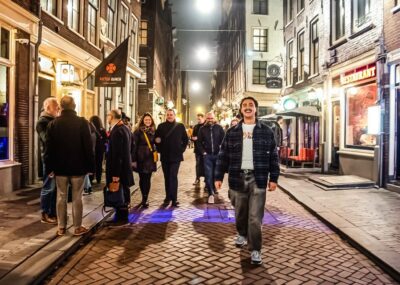
Amsterdam Red Light District & Coffee Shop Tour
Read our review →
Red Light District Pub Crawl with Unlimited Shots
Read our review →
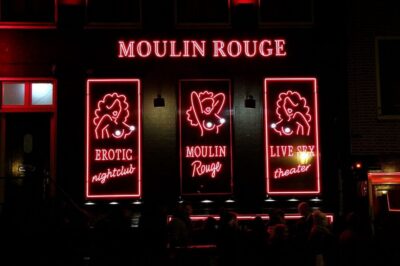
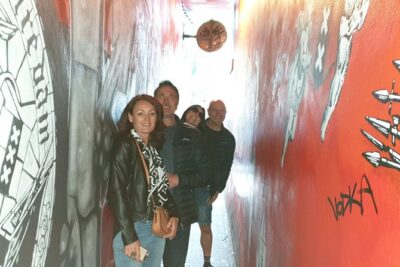
Private Amsterdam Red Light District and Coffee Shop Tour
Read our review →
Browse the lists this tour appears in