
Reviewed · FOOD & DRINK
10 Tastes of Amsterdam: Food Tour by UNESCO Canals and Jordaan
Amsterdam tastes better on a guided walking route. This small-group food tour ties UNESCO canal scenery to classic Jordaan bites, with about three hours of guided stops, local drinks, and plenty of chances to ask questions as you walk.
I especially liked two parts. First, the start underground at Gastrovino Amsterdam, where you taste Gouda paired with Dutch liquorette or port. Second, the guide’s neighborhood stories add shape to what you’re eating, and names like Dennis, Kees, Maria, Todd, Daniel, Joeri, and Katya keep coming up for lively pacing and strong local picks.
One main consideration: it is real walking. Expect roughly 1.5 miles (2.5 km) on foot, some steps at small eateries, and plenty of standing time where seating is limited.
In This Review
- Key things to know before you go
- Where the tour begins, Gastrovino’s wine basement and Gouda pairings
- Stroopwafels at Hans Egstorf, plus Spui market and a sailor brown bar
- Herring Stall Jonk and the real trick, start early for Dutch sashimi
- Bloemenmarkt and the chocolate stop, canals by tulips and Dutch cacao
- The 400-year-old university stop, Dutch spirits and bitterballen energy
- Jordaan poffertjes and brown café culture, buttered miniature pancakes and local brews
- Canal Ring views and the 9 Streets walk, where food connects to Amsterdam’s trade story
- Café Hegeraad and Dutch Courage, apple pie meets local beer
- Ending near Anne Frank House, with one last neighborhood loop
- Price and value, what $102.06 buys you in Amsterdam eating
- Food variety and dietary fit, vegetarian, pescatarian, and the gluten reality
- How much walking, standing, and steps you should expect
- Guides people rave about, and how to get the best answers
- Should you book the UNESCO canals and Jordaan food tour?
- FAQ
- Where do I meet, and where does the tour end?
- Is pickup included?
- What tastings and drinks are included?
- Do you offer vegetarian or pescatarian options?
- Is gluten-free food available?
- Is the herring tasting included?
- How long is the tour, and how much do we walk?
- Is this tour family-friendly and stroller-friendly?
- Can I cancel for a full refund?
Key things to know before you go
- 10 tastings plus included drinks that can cover a full meal’s worth of eating
- A cellar cheese tasting with young and aged Gouda paired with local spirits or wine
- Herring on the schedule that depends on your start time (aim for earlier)
- Jordaan poffertjes and brown café culture paired with local brews
- Max 12 people with about three hours of walking through central neighborhoods
Where the tour begins, Gastrovino’s wine basement and Gouda pairings
Your tour starts at Gastrovino Amsterdam, De Mannen Van Kaas, at Spuistraat 330. The big first surprise is that you meet inside the cheese shop, then head into the wine basement to begin tasting in a cellar setting. It’s one of those Amsterdam details you might not find on your own, because many of the best food stories happen below street level.
The first stop is built around Dutch cheese, specifically young and aged Gouda. You’ll pair it with a traditional drink such as Dutch liquorette, or you may taste port, depending on what’s being served that day. This matters because it sets the tone for the whole tour: you’re not just sampling food, you’re learning how flavors connect, salty to sweet, aged to sharp, and dairy to spirits.
If you want to make the most of this start, slow down on your first bites and taste with intention. Cheese is subtle. Let your brain catch up before you rush into the next sweet stop.
More Culinary Tours in Amsterdam


Stroopwafels at Hans Egstorf, plus Spui market and a sailor brown bar
After the cheese, you hit one of Amsterdam’s most repeatable comfort foods: stroopwafels. At Hans Egstorf, the stroopwafel is made right in front of you in a bakery with a long timeline behind it. The texture contrast is the point, gooey inside with a crisp edge, sticky in the best way.
Then the walking shifts to places that feel like Amsterdam day-to-day life. You’ll pass through Spui market areas, where writers, students, and book people gather, and this area is especially active on weekends. You’ll also have an excellent chance to spot fish shopping culture nearby, and the tour includes a stop where you can look at an excellent fishmonger.
There’s also a stop described as a brown bar that has been serving sailors for over 400 years. That kind of detail is why this tour works: you taste food tied to how the city traded, worked, and ate. Even if you’re not into history facts, the atmosphere explains why some dishes stuck around for centuries.
One practical note: this route stacks flavors. By the time stroopwafel hits, you may already feel the sweet pull, so keep water handy and pace yourself.
Herring Stall Jonk and the real trick, start early for Dutch sashimi
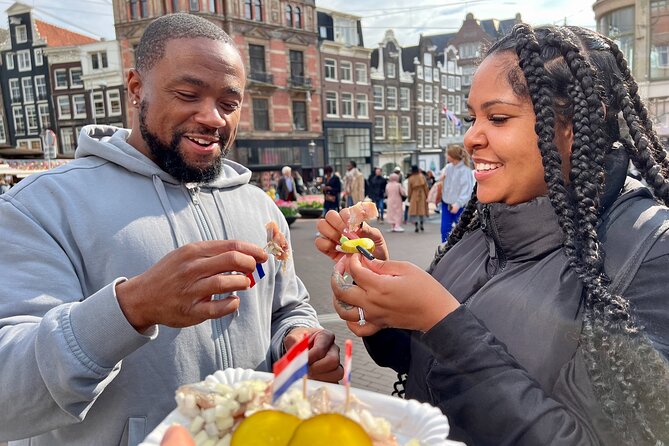
If you love salty seafood, the herring stop is a highlight. The tour includes a tasting at Herring Stall Jonk, with herring presented as Dutch sashimi, served in the style locals have eaten for over 1,000 years. The shop is described as a family business known for seafood since 1982.
Here’s the key scheduling detail: herring is available only until 4:00 pm start times, due to opening hours. If you want that tasting, plan for an earlier departure time. This is one of the clearest “decision points” in the whole tour, because your enjoyment depends on timing, not just appetite.
Herring itself is a polarizer. If you typically avoid fish with a strong smell, consider trying a small bite first and decide from there. The tour includes onion-style pairings in the way it’s commonly served.
And if you’re already nervous about herring, focus on what the guide is telling you about tradition and taste balance. It tends to make the dish feel less random and more purposeful.
Bloemenmarkt and the chocolate stop, canals by tulips and Dutch cacao
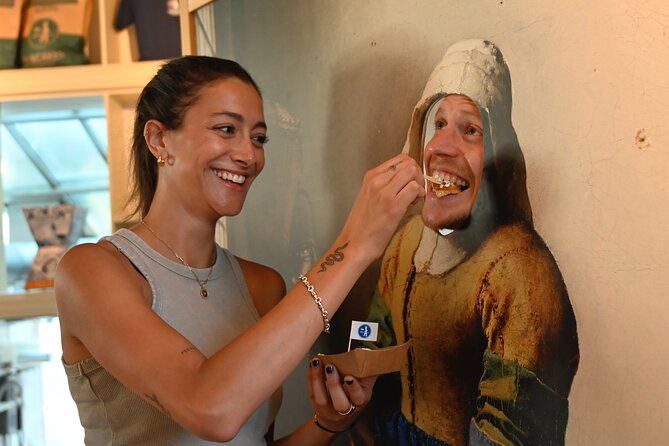
A quick canal stroll brings you to the Flower Market, Bloemenmarkt. The iconic floating tulip stalls along the Singel Canal brighten the city year-round in a way that feels both local and tourist-friendly at the same time. Even if you’ve seen tulip photos before, seeing the stalls in person gives you a better sense of scale and seasonality.
Then you move to chocolate, with a stop at Puccini Bomboni for Dutch pralines. The tour also highlights that the Netherlands is one of the top global cacao importers, and you’ll get a taste that fits the Dutch habit of enjoying chocolate as a breakfast or snack ingredient. This isn’t just candy for dessert. It’s part of the country’s daily sweet culture.
The chocolate stop tends to help reset your palate after seafood and salty flavors. If you prefer darker flavors, pay attention to what’s offered and how it’s described. You’ll get a better bite if you taste like a curious eater, not like someone rushing to finish.
The 400-year-old university stop, Dutch spirits and bitterballen energy
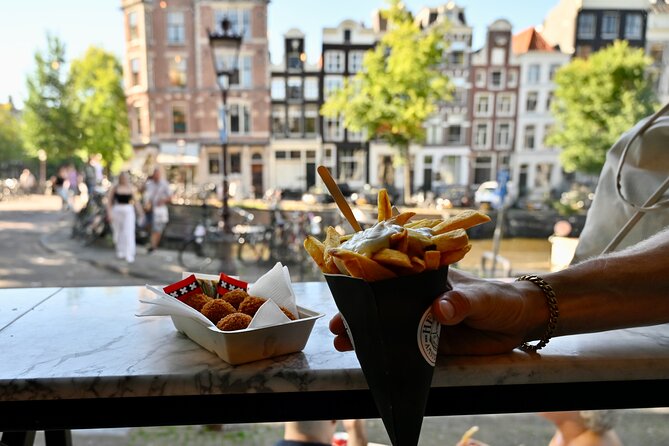
At some point on the route, you’ll also see the 400-year-old University area, where the tour experience highlights tasting Dutch spirits and bitterballen. Bitterballen are a Dutch comfort classic, usually a fried snack with a creamy filling, and the pairing idea is straightforward: salty, savory food next to a warm spirit.
Even if you don’t think of yourself as a “spirits person,” this stop is useful. It gives you a practical intro to Dutch drinking culture beyond beer. You’ll likely taste something that feels sharp or herbal, and bitterballen gives it a softer landing.
I like this stop because it adds structure. The first half feels like a series of flavors. This stop makes it feel like a full meal progression, savory then warming drinks, then a turn toward Jordaan café life.
More herring stands and hidden kitchens:
- Amsterdam: Cozy Cheese & Wine Cruise Tasting Experience
★ 4.5 · 1,156 reviews - Amsterdam: Premium Henri Willig Cheese Tasting Experience
★ 4.7 · 1,106 reviews - Amsterdam: Food and Culture Walking Tour with Tastings
★ 4.9 · 838 reviews - Amsterdam: Zaanse Schans, Cheese Tasting & Volendam Tour
★ 4.9 · 679 reviews
Jordaan poffertjes and brown café culture, buttered miniature pancakes and local brews
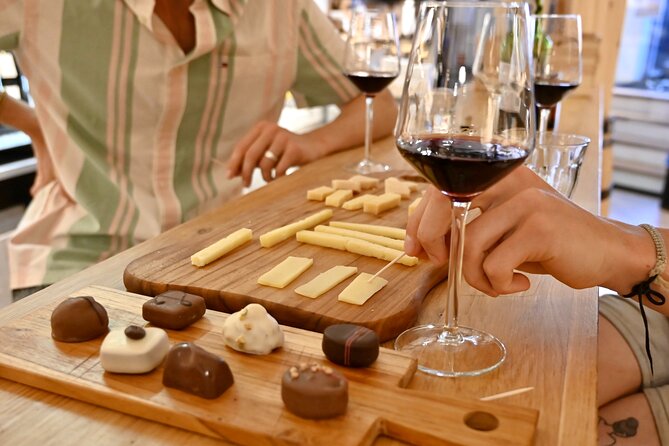
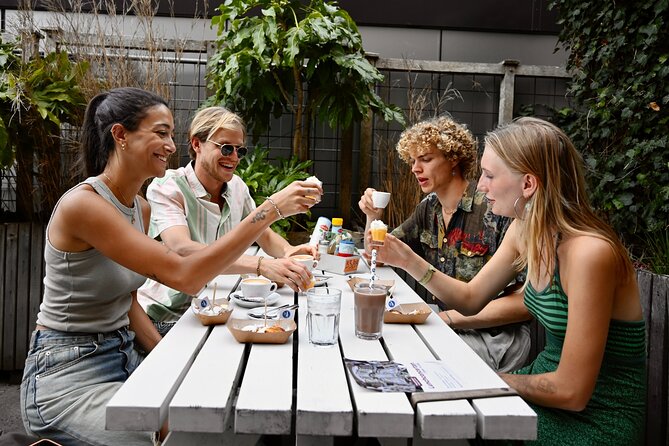
Now you get into what you came for: the Jordaan. The tour focuses on Jordaan’s cozy brown cafés, and it treats poffertjes as a centerpiece. Poffertjes are fluffy miniature pancakes, typically drenched in butter, and they work because they are both simple and satisfying.
This part matters for two reasons. One, poffertjes are the kind of food you usually have to search for by neighborhood. Two, the café setting makes the food feel like it belongs there, not like a generic “tour stop.”
You’ll also raise a glass of local brews as part of completing the experience. That included drink piece can be a plus if you’re the type who likes trying a small sample, not buying a full bar tab on your own.
This is also where I recommend you slow down for pictures, because the Jordaan streets can look photogenic in many angles, and you’ll want a few strong frames without sprinting.
Canal Ring views and the 9 Streets walk, where food connects to Amsterdam’s trade story
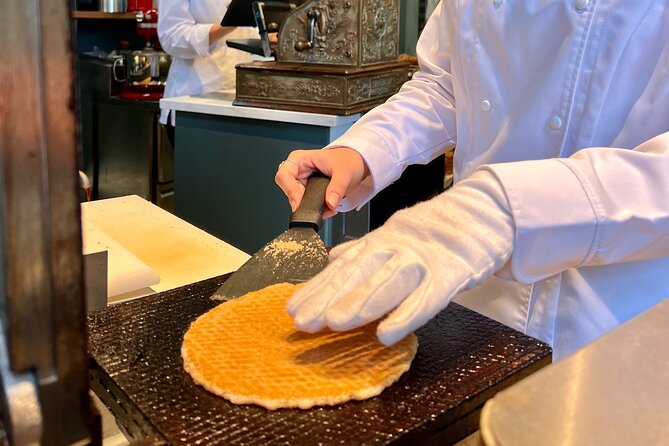
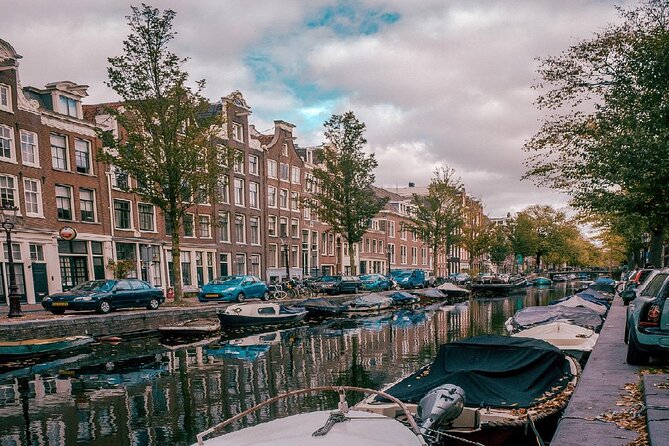
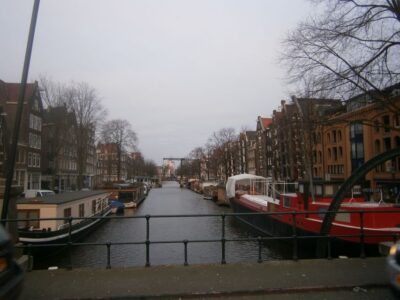
At the Amsterdam Canal Ring segment, you’re tasting with the 17th-century canal backdrop in mind. This is tied to the UNESCO canal belt vibe, even when you’re not standing in front of a plaque. The streets and bridges make the food feel “placed,” like Amsterdam’s food culture grew in motion.
Next comes the 9 Streets, a stretch known for its canals and a fast-moving rhythm of small shops and side streets. The route description ties food choices to the city’s historic transformation, from a smaller fishing village to a Golden Age trading powerhouse. You don’t need to memorize dates. The food examples and neighborhood shifts help you feel that story.
This section is also where the tour’s small-group format helps. People can ask a question while you’re walking, and the guide can point out where to eat next if you want to extend the experience on your own.
Café Hegeraad and Dutch Courage, apple pie meets local beer
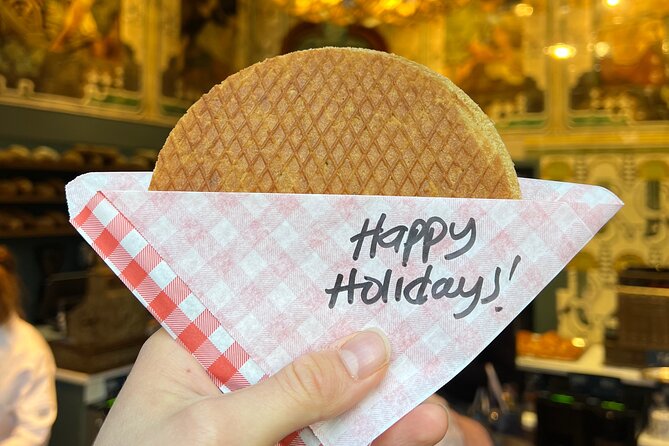
One of the more fun stops is Café Hegeraad, described as a centuries-old brown pub associated with the idea of Dutch Courage. Here, you’ll taste something sweet like apple pie along with local beer. It’s an easy pairing: fruit and pastry sweetness meets a beer flavor that keeps things balanced.
I like this stop because it feels like a genuine Dutch afternoon snack moment, not just another tasting. If you’re trying to understand how locals unwind, this gives you a small, practical slice.
If you’re sensitive to sweetness, take a smaller bite first and build up. The tour includes multiple sweet moments, so you want to stay in control of your own sugar pacing.
Ending near Anne Frank House, with one last neighborhood loop
The tour commonly ends near the Anne Frank House area, with Westermarkt 20 as the end point. The guide may pass by the Anne Frank House if your route allows, and you’ll be in a position to walk toward it easily afterward.
This end point is practical. Westermarkt puts you well located for trams and for continuing on to other sights, and you’re close enough to Central Amsterdam that you won’t feel stranded.
If you’re planning to visit Anne Frank House proper on a separate ticket, this tour can still work well. It gives you a food story and a neighborhood frame before you step into one of the city’s most moving landmarks.
Price and value, what $102.06 buys you in Amsterdam eating
At $102.06 per person for about three hours, you’re paying for speed, access, and multiple tastings that are hard to stitch together yourself. You get 10 premium tastings at 5 or more beloved local spots, plus included drinks like jenever or wine, coffee, tea, soda, and bottled water.
The “value” idea here is simple. Amsterdam can be expensive meal by meal. When you’re eating 10 items across multiple venues and getting drinks included, the cost per taste drops fast compared with buying each stop individually. You also gain structure. Instead of guessing where to go next, you follow a guide through a sequence that covers cheese, sweets, seafood, chocolate, café life, and canal-area context.
Also, this is capped at a maximum of 12 people, which usually means you get more attention and less shuffle than bigger group tours.
Food variety and dietary fit, vegetarian, pescatarian, and the gluten reality
This tour is designed for multiple diets. Vegetarian and pescetarian options are available, and the route includes stops where substitutes can be arranged.
Gluten-free is more complicated. Gluten-free options are not always possible, but they are available at most stops for tours starting 4:00 pm or earlier, with a note that gluten-free is possible at about 70% of stops. For fully gluten-free planning, the private tour is recommended so the route can be better matched to your needs.
Here’s what I’d do if you eat gluten-free or have allergies. Tell the operator at booking and remind your guide at the start. Cross-contamination can happen in shared kitchens, so you still want to be cautious and ask what’s safe.
If you’re vegetarian or pescatarian, you’re in much better shape for a smooth experience without last-minute substitutions.
How much walking, standing, and steps you should expect
The walking food tour covers about 1.5 miles (2.5 km) on foot. There are at least five tasting stops, and not all places have seating, so you should be comfortable standing and shifting around.
Some eateries may have steps and small stairs. If you’re using a stroller, you can bring one, but it may need to be parked outside for a brief moment at some stops.
If walking is an issue for you, this is one of the reasons the private option exists, since it can shorten the route and add mobility options.
Guides people rave about, and how to get the best answers
The guide names that show up most in the feedback are Dennis, Kees, Maria, Todd, Daniel, Joeri, and Katya. What you get from these guides, based on the patterns in the comments, is a mix of solid local storytelling and a fun, conversational pace.
A common theme is that the guide keeps things moving without leaving you rushed at the tasting counter. Another theme is that guides do well with questions, whether you’re asking about food culture, neighborhood differences, or what to eat after the tour.
Here’s a simple move to use on your tour day. Ask one good follow-up question at each stop. For example: what local dish should I try next in this neighborhood, or what makes this pairing work? That turns a tasting into actual learning you can use later.
And if you want stroopwafel magic, watch the making for a minute before you eat. It’s fun, and it helps you understand the texture.
Should you book the UNESCO canals and Jordaan food tour?
Book it if you want a first-timer-friendly Amsterdam food plan that still feels local. This is ideal for people who like walking through neighborhoods, trying multiple kinds of food and drinks in a short window, and learning why those choices make sense in the city.
Book it if your schedule allows an earlier start and you want the herring tasting. That one detail matters.
Consider skipping or switching to a private tour if you need fully gluten-free options, or if walking and standing for about three hours is not realistic for you. Also, if you only want food and not drinks, know that included drinks are part of the experience, and multiple tastings include paired beverages.
If you’re the type who can follow the route with an open mind and come hungry, you’ll leave with both a full belly and a clearer idea of where to eat next in Amsterdam.
FAQ
Where do I meet, and where does the tour end?
You meet at Gastrovino Amsterdam, De Mannen Van Kaas, Spuistraat 330, 1012 VX Amsterdam. The tour ends near the Anne Frank House area at Westermarkt 20, 1016 GV Amsterdam.
Is pickup included?
Pickup is offered, but public tours do not include hotel pickup. If you book the private option, hotel or ship pickup is included.
What tastings and drinks are included?
You get 10 premium tastings at 5 or more local spots and included drinks such as local liquor, traditional jenever or wine, coffee, tea, soda, and bottled water.
Do you offer vegetarian or pescatarian options?
Yes. Vegetarian and pescatarian alternatives are available. Tell the guide your needs at booking and remind them at the start of the tour.
Is gluten-free food available?
Gluten-free is not always possible. It is available at most stops for tours starting 4:00 pm or earlier, with a note that it may be possible at about 70% of stops. For a fully gluten-free plan, the private tour is recommended.
Is the herring tasting included?
Yes, the herring stall stop is part of the tour. Herring is available until 4:00 pm start times due to opening hours.
How long is the tour, and how much do we walk?
The tour lasts about 3 hours and covers about 1.5 miles (2.5 km) on foot, with at least 5 tasting stops.
Is this tour family-friendly and stroller-friendly?
It is described as kids friendly. You may bring a stroller, but sometimes it needs to be parked outside briefly during stops.
Can I cancel for a full refund?
Yes. You can cancel up to 24 hours in advance for a full refund. Cancel less than 24 hours before the start time and the amount paid is not refunded.
More Food in Amsterdam
- Eating Amsterdam: Food Tour & Canals Cruise★ 5.0 · 496 reviews
- Amsterdam High-End Dutch Food & History Tour – Up to 8 guests★ 5.0 · 482 reviews
- A’DAM LOOKOUT Entry Ticket with Food & Drink Options★ 4.5 · 420 reviews
- Amsterdam’s Market Street Food Tour with Streat Bites★ 5.0 · 398 reviews
Latest to arrive along the quays of Amsterdam




Food & Drink, compared.
Amsterdam Food and Cultural Tour with Tastings
Read our review →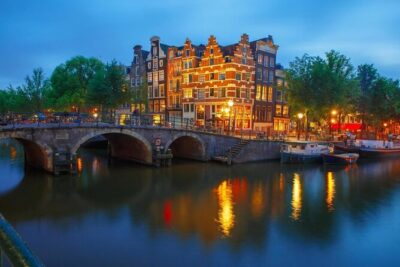
Amsterdam Jordaan Food & Drinks Tour with Eating Europe
Read our review →
Premium Henri Willig Cheese Tasting Experience
Read our review →
Zaanse Schans and Cheese Tasting Guided Tour from Amsterdam
Read our review →
Browse the lists this tour appears in