

Reviewed · WWII & REMEMBRANCE HISTORY TOURS
Medemblik: Second World War Museum Entry Ticket
A WWII museum in a quiet corner can be the most eye-opening. At Medemblik War Museum, you get two very different angles on the conflict, with the stories built to help you connect past choices to what matters today.
I especially like the original setup: Road to Freedom focuses on the military side, while Choices in Almersdorp zooms in on civilian life. You’ll also appreciate the 1940s style Museum Café, which gives you a real break that fits the theme, not a random afterthought.
One thing to consider is the museum is story-driven and self-paced, so if you want lots of hands-on activities or a fully guided route all day, you may want to plan around the optional Experience Tour.
In This Review
- Key things to know before you go
- Why Medemblik War Museum hits differently than other WWII stops
- Price and time planning: getting value out of a 1-day ticket
- Road to Freedom: logistics, emergency bridges, and the Story Map
- Choices in Almersdorp: seeing civilian WWII through daily places
- The Museum Café in a 1940s setting, and why it matters
- Optional 15-minute WWII truck ride: short, real, and guided by story
- Experience Tours with an Escaperoom-style storyline
- Making the most of your visit: a simple route that works
- Who should book Medemblik War Museum, and who might want a different day
- Should you book this Medemblik War Museum entry ticket?
- FAQ
- What exhibitions are included with the Medemblik War Museum ticket?
- How long should I plan for the museum?
- Is the museum information available in English and German?
- Are there any additional options beyond self-guided entry?
- What is the Story Map and Story Guide Booklet?
- What are the opening hours?
- Is the museum wheelchair accessible?
- Can I bring a pet?
Key things to know before you go
- Two exhibitions, two perspectives: Road to Freedom and Choices in Almersdorp cover both military logistics and daily civilian decisions.
- Story Map and Story Guide Booklet help you follow missions and village stories at your own pace.
- English and German support means you can read explanations without relying on guesswork.
- A themed Museum Café in 1940s style keeps the visit comfortable, especially for families.
- Optional WWII truck ride adds movement and a narrated stop at a monument, for a small extra fee.
- Experience Tours use an Escaperoom-style concept if you want the storyline organized for you.
Why Medemblik War Museum hits differently than other WWII stops
This museum does something practical and smart, it splits the Second World War into two human-sized stories. The military side is shown through missions and logistics that were essential for keeping soldiers supplied. The civilian side is shown through a village where everyday routines are shaped by the war. You end up seeing the conflict as a set of choices, not just dates and battles.
I also think the museum’s “connect it to now” effect comes from the way it frames cause and consequence. When you learn how risky operations and infrastructure decisions were, it makes modern freedoms feel less like an abstract slogan and more like something earned through specific actions. That original angle is exactly what makes this visit feel different.
And yes, it’s still a family museum. That matters because it keeps the experience approachable, including for people who are not “WWII experts.” The layout is spacious, with 3,000 m2 of exhibition space, so you are not stuck in a tight bottleneck room.
Other WWII and remembrance history tours:

Price and time planning: getting value out of a 1-day ticket
The Medemblik War Museum entry ticket is priced at about $15 per person, and it’s designed for a full, flexible visit. The museum itself is open on most days except Monday, with hours listed from 10:00 to 17:00 on Tuesday through Saturday, and 12:30 to 17:00 on Sunday. So you’ll likely have at least one decent day to fit it in.
A typical visit lasts 1.5 to 3.5 hours, which is a big range, and that’s a good sign. If you like reading and taking your time with story paths, plan closer to the long end. If you skim carefully and focus on the main exhibits, you can finish faster.
What you get with the ticket is also the kind of value that matters when you are traveling. Entrance is self-guided. You also get free parking, plus the museum café with snacks and drinks. Information is provided in English and German, and the space is wheelchair friendly, with seating available throughout.
My main advice: decide early whether you want a simple self-guided day or whether you want the more structured Experience Tour. You can still do a lot either way, but mixing styles without a plan can cost you time.
Road to Freedom: logistics, emergency bridges, and the Story Map
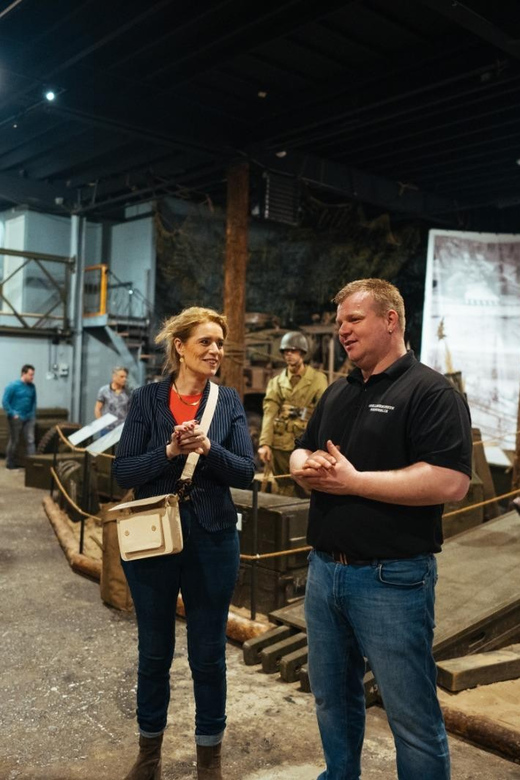
The first exhibition is called Road to Freedom, and it focuses on the military side of WWII in the Netherlands and Europe. It is not only about major battles. It’s about the behind-the-scenes work that made survival possible, especially the “how did they do it” details.
A great example is the logistics operation Red Ball Express. The museum uses that kind of operation to show how enormous supply efforts were needed to support millions of soldiers for months. You’ll also see the emphasis on infrastructure. When emergency bridges were needed across rivers and canals, the risk level was extreme, especially since Germans had blown up bridges.
How the museum helps you experience this:
- You can follow along with a Story Map at your own leisure.
- The map is meant to guide you through the missions and stories that were part of the road to freedom.
This is a smart approach for travelers because you do not have to “decode” everything on your own. At the same time, it stays flexible. If a particular section catches your attention, you can linger. If you prefer to keep moving, you can use the map as a route rather than feeling trapped by a timeline.
Tip for your visit: before you start, take a minute to check what the Story Map is pointing you to. Once you understand the route, the exhibits feel connected instead of like separate rooms.
Choices in Almersdorp: seeing civilian WWII through daily places
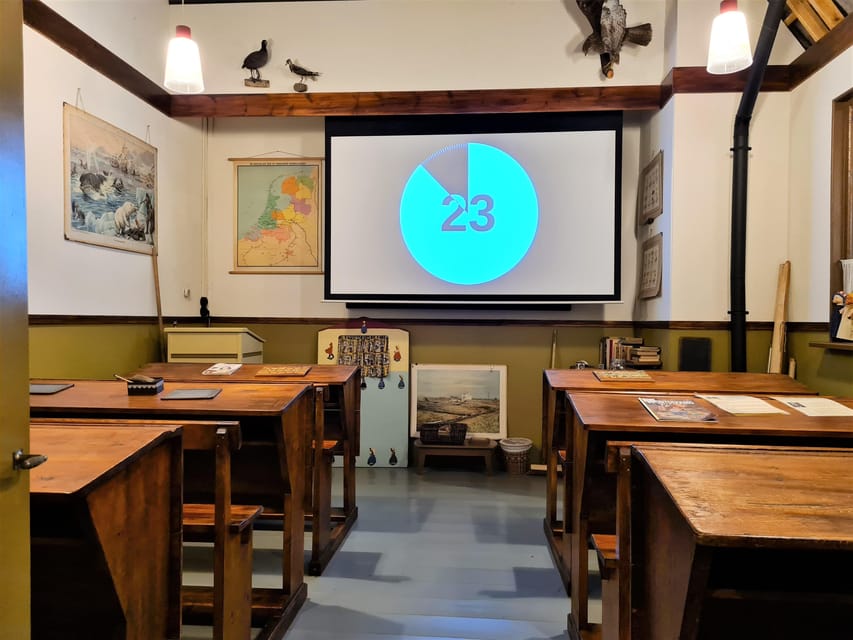
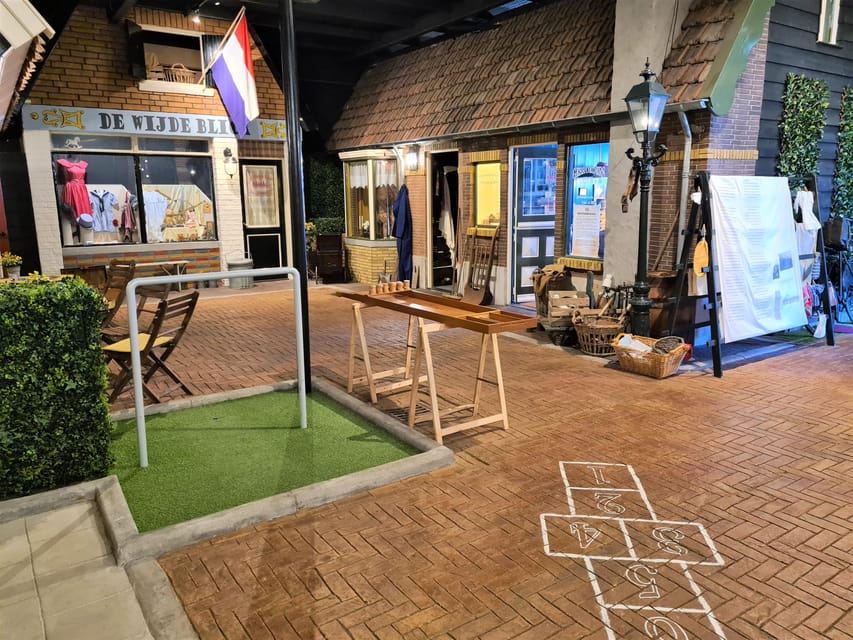
The second exhibition is Choices in Almersdorp, and it shifts the focus to the civilian side of WWII. Instead of only looking at operations and battles, this section brings you into a village setup that makes daily life feel tangible.
Here’s what you can expect in the village experience:
- a grocery store
- a cozy café
- a house
- a printing house
- a classroom
- and more village spaces built to help you recognize the era
The museum is basically telling you that war is not only fought by armies. It also reshapes work, schooling, and community routines through pressure and limited options. The exhibition is detailed, and it has that “you can understand this even if you’re not a WWII specialist” feel.
How you navigate this part:
- There is a Story Guide Booklet you can use to go through the village at your own leisure.
- It’s designed so you can discover the stories as you move room to room.
If you’re visiting with multiple generations, Choices in Almersdorp is often the easier sell. Older visitors may find the 1940s-style recognition effect comforting, and kids can latch on to the idea that normal places still had to function during wartime.
My practical suggestion: don’t race through the village rooms. Even if you only read some of the stories, the value comes from noticing how each place implies decisions and consequences.
The Museum Café in a 1940s setting, and why it matters
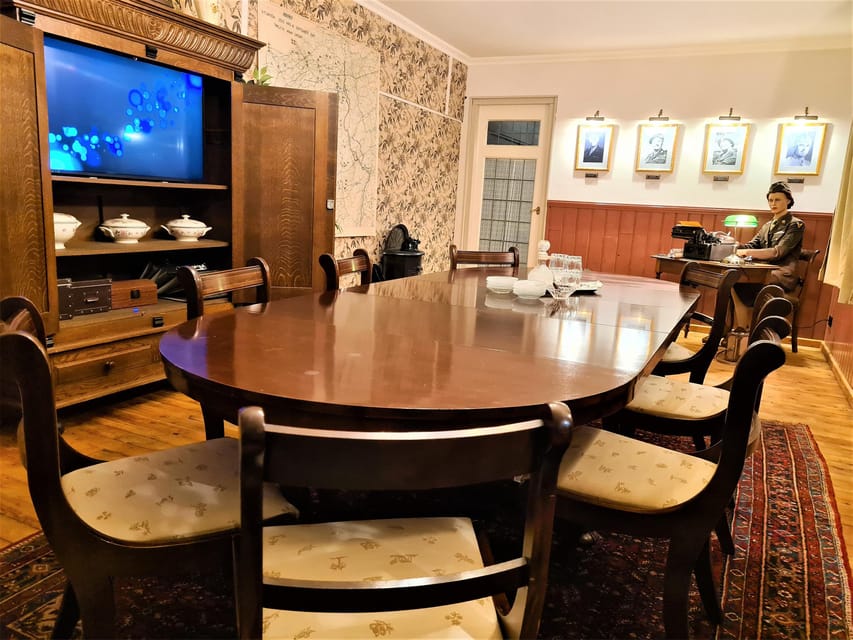
The museum café is one of those travel details that can make or break a longer visit. At Medemblik War Museum, the café is themed in a 1940s style, and it offers snacks and drinks that fit the pace of the day.
You’re not just getting a place to sit. You’re getting a thematic pause that supports the exhibits instead of interrupting them. That’s especially helpful if you’re with kids, teenagers, or anyone who gets tired from reading-heavy rooms.
Value-wise, this is also a small win. A museum visit can easily run close to three hours or more, and it’s nice when you don’t have to plan a separate lunch stop nearby. Since the museum includes café access as part of your visit experience, it reduces the “what do we do now?” stress.
If you want an efficient rhythm, do this: see one exhibition, then take a café break, then finish the second. You’ll absorb more because you’re not trying to read all day straight.
More museum halls off the squares:
- Amsterdam: Van Gogh Museum Ticket
★ 4.7 · 52,054 reviews - Amsterdam: Red Light Secrets Museum Entry Ticket
★ 4.2 · 5,722 reviews - Amsterdam’s Weirdest Museum: Ripley’s Believe It or Not!
★ 4.5 · 4,920 reviews - Amsterdam: Van Gogh Museum Ticket and City Canal Cruise
★ 4.6 · 3,899 reviews
Optional 15-minute WWII truck ride: short, real, and guided by story
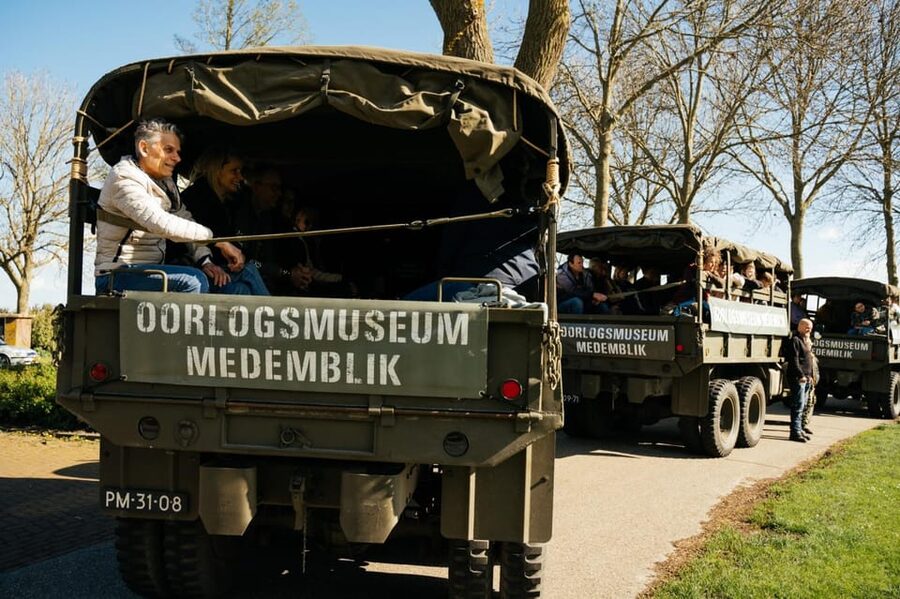
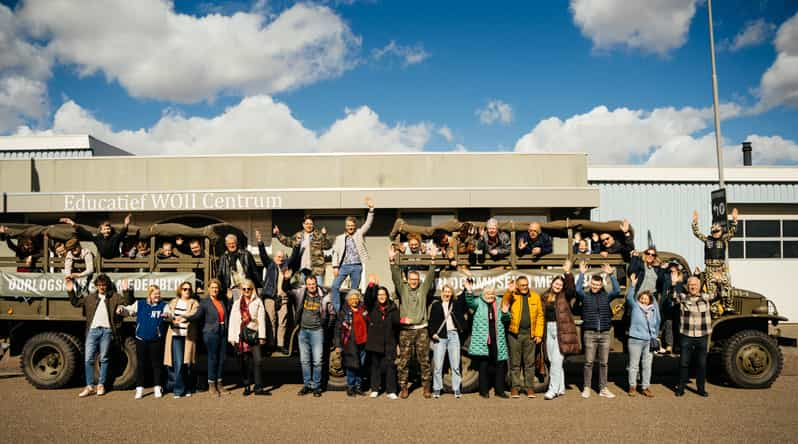
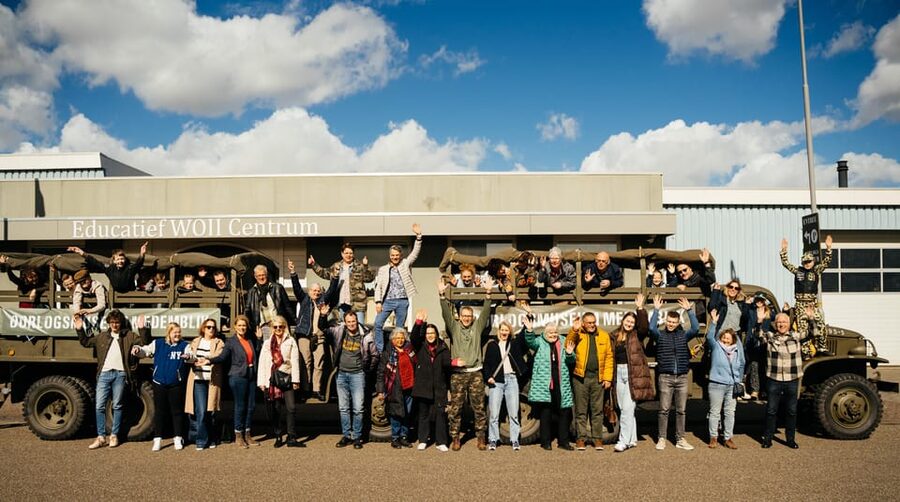
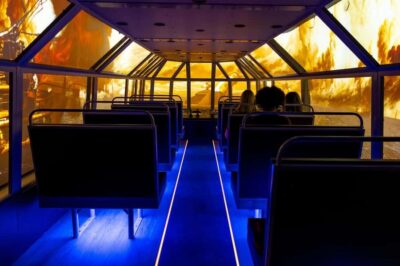
If you want an extra layer that feels more physical than reading, there’s a 15-minute tour ride in a real WWII Army truck. It’s an add-on for €5, and it includes a story told at a monument along the way.
Even though it’s brief, it can change the texture of the visit. You get to connect the logistics and infrastructure themes from Road to Freedom to something tangible. It also gives the day a “movement moment,” which can be great for families.
Practical expectations:
- This is not a long excursion. The ride is only 15 minutes.
- The main museum is still the core experience, so think of the truck ride as a bonus.
If you’re short on time, you can decide on the fly. But if you’re traveling with kids, the truck ride is the part that can make the museum feel like an event rather than only a set of rooms.
Experience Tours with an Escaperoom-style storyline
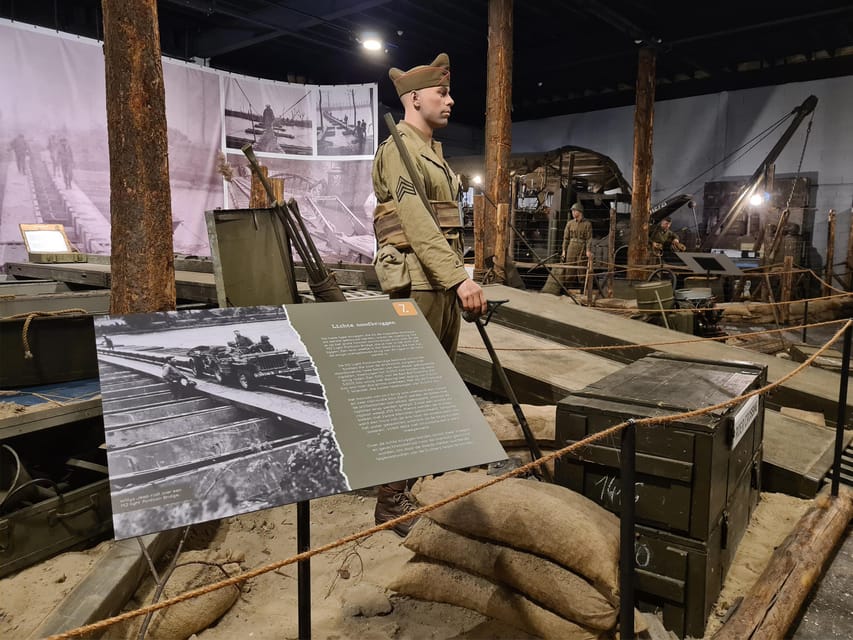
If you really want to follow the storyline the museum team created, they recommend the two Experience Tours based on an Escaperoom concept. Each Experience Tour lasts 2 hours, and you choose a time slot.
This matters because the museum otherwise runs on self-guided exploration. A structured tour can be a relief when you want the narrative flow, not just the freedom to wander.
What you should expect from this approach:
- You still get value from the exhibitions, because the Experience Tours are set up as a storyline through the museum themes.
- The rest of the day remains open for you to look around freely after the Experience Tour.
If you enjoy puzzles, guided narrative, or simply want someone else to steer the pacing, an Experience Tour is worth considering. If you prefer quiet reading and independent discovery, the self-paced Story Map and Story Guide Booklet route may suit you better.
Making the most of your visit: a simple route that works

Since you have only one day, I’d use this order unless you strongly prefer otherwise.
Start with Road to Freedom first. It gives you the “system” view of how operations were carried out and why that mattered for freedom. Then pivot to Choices in Almersdorp so you can contrast that big-picture military work with civilian life on the ground.
Pause for the Museum Café between exhibitions. Use the break to reset your brain, then continue.
If you add the WWII truck ride, aim for it after you’ve already seen the themes in Road to Freedom. That way the ride feels like a real extension of what you learned, not a separate add-on with no context.
Lastly, decide how much you want to read. The museum gives you tools like the Story Map and Story Guide Booklet, so you can skim in places and slow down in the sections that grab you.
Who should book Medemblik War Museum, and who might want a different day
This ticket is a strong match if you want:
- a WWII museum that uses two perspectives instead of only one
- story tools that help you navigate without feeling lost
- a museum day that includes a real café break
- a family-friendly setup where many ages can participate
It’s also a good fit if you care about comfort. The museum is wheelchair accessible, has space to sit everywhere, and the information is available in English and German.
Who might hesitate:
- If you expect a museum packed with only classic, chronological war artifacts and nothing else, you might find the story-driven approach less satisfying.
- If you want a fully guided experience all day, consider the Experience Tour, because the default format is self-guided.
And because the visit is described as suitable for all ages, it usually works well for families who want something meaningful without it becoming overly technical.
Should you book this Medemblik War Museum entry ticket?
I think this is a good booking for travelers who like museum visits that explain cause and consequence. The strongest reasons to go are the two-sided WWII storytelling and the museum’s thoughtful connection of past events to the freedoms people live with today.
If you plan your time, you can get a satisfying visit in 1.5 to 3.5 hours, and the café plus optional truck ride helps make it feel like a full day rather than a rushed stop. If you’re the type who likes structure, the Experience Tours are the move.
My bottom line: book it if you want an approachable, story-led WWII experience in North Holland with real value for the money.
FAQ
What exhibitions are included with the Medemblik War Museum ticket?
The museum visit includes two exhibitions: Road to Freedom and Choices in Almersdorp. You can explore both during opening hours at your own leisure.
How long should I plan for the museum?
An average visit lasts between 1.5 and 3.5 hours, depending on how much you read and explore.
Is the museum information available in English and German?
Yes. The information in the museum is also available in English and German.
Are there any additional options beyond self-guided entry?
Yes. You can take a 15-minute ride in a real WWII Army truck for an additional €5. You can also choose Experience Tours that last 2 hours.
What is the Story Map and Story Guide Booklet?
Road to Freedom uses a Story Map for self-guided exploration of missions and stories. Choices in Almersdorp uses a Story Guide Booklet to explore the village and its stories at your own pace.
What are the opening hours?
Monday is closed. Tuesday through Saturday are 10:00 to 17:00. Sunday is 12:30 to 17:00.
Is the museum wheelchair accessible?
Yes. The museum is wheelchair friendly and has space to sit everywhere.
Can I bring a pet?
Pets are not allowed. Assistance dogs are allowed. Smoking indoors and nudity are also not allowed.
Latest to arrive along the quays of Amsterdam

WWII & Remembrance History Tours, compared.
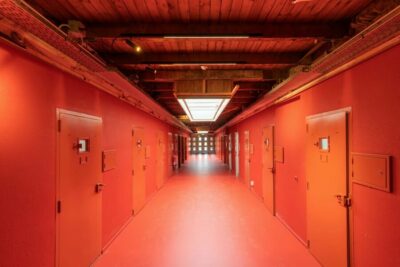
Oranjehotel World War II Prison Entrance Ticket
Read our review →
Rotterdam Walk: Hilights, Gems, Architecture & WWII | 2 or 3hrs
Read our review →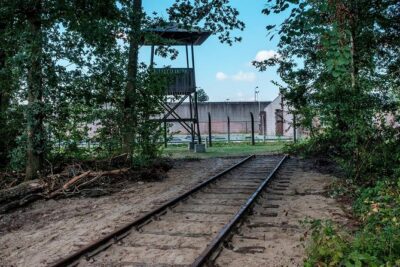
Small Group Tour to Nazi WWII concentration camp from Amsterdam
Read our review →
Anne Frank and World War II Walking Tour (TOP RATED)
Read our review →
The Anne Frank Tour (Jewish Neighborhood & Amsterdam during WWII)
Read our review →
Rotterdam Must Do Tour: Highlights, History, WW2 and Architecture
Read our review →Browse the lists this tour appears in