
Reviewed · WWII & REMEMBRANCE HISTORY TOURS
Amsterdam: Private World War Two History Walking Tour
Nazi Amsterdam hits different on foot. I like the small-group format and the way you get personal attention from retired historians, including Peter Schaapman. The downside to weigh up is that this is not a museum tour, so you will not visit the Anne Frank House, the Resistance Museum, or Hollandsche Schouwburg.
What makes the experience work is the human scale. You walk at your choosing, you can ask questions without shouting over an audio device, and you get written materials you can take home. The subject matter is heavy, but the structure helps you hold the story in your head.
In This Review
- Key things to plan around
- Why this Nazi-occupation walking tour feels personal in Amsterdam
- Starting at Prinsengracht 263, where the guide sets the tone
- Following the Wehrmacht entry through Amsterdam’s street-level evidence
- Dam Square on May 7, 1945, and the shooting incident you cannot ignore
- Winter of hunger and the food-dropping story you might not know
- The Jewish victims of one street, with names and photos you keep
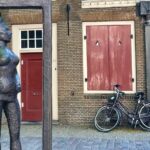
- The Auschwitz violin-player statue and why symbols matter here
- Coffee break timing, pacing, and how the 3 hours actually feels
- Price and value for a group of up to four
- Who this tour is perfect for, and who should think twice
- Final call: should you book this Amsterdam private World War Two history walk?
Key things to plan around
- Meet at Prinsengracht 263 at 9:30 A.M. right outside the old Anne Frank House, with the guide holding a big notebook
- A maximum group size of 4 means you can actually talk, not just listen
- No audio system keeps it conversational and flexible
- Dam Square focus on May 7, 1945 and the shooting incident is part of the walk
- Winter of hunger moments, including the winter food dropping story
- A small book with names and photos for one selected street of Jewish victims
Why this Nazi-occupation walking tour feels personal in Amsterdam
Amsterdam can be visited in layers, from canals and cafés to museums that explain the same era from different angles. This tour takes a third approach: it stays outside on the streets where the occupation played out, and it gives you enough context to understand what you are seeing.
The first thing I value here is the format. With a private group of up to four, the guide can slow down when you want detail, or speed up if you have a stronger background. Also, there is no audio system, so the guide answers your questions directly. That matters on a topic like this, where one vague sentence can leave you confused or, worse, flatten the meaning.
The second thing I like is the balance of big events and specific stories. You do not just hear slogans about World War Two. You hear how the German entry was experienced, how the Jewish population was deported, and how survivors and communities were affected. The tour also includes symbolic moments, like the Auschwitz violin-player statue, which helps you understand why certain images stayed in public memory.
More Guided Walking Tours in Amsterdam

Starting at Prinsengracht 263, where the guide sets the tone
Your tour begins at 9:30 A.M. in front of the old Anne Frank House, Prinsengracht 263. The guide is easy to spot, because there is a big notebook and a very clear meeting spot. If you are curious, there is even a little map hint in the meeting instructions: a plate with Anne Frank Huis, between the museum and the Lunch Cafe, labeled Spot A on the map.
Starting here is not just about convenience. This location immediately places you in a part of Amsterdam that people associate with persecution, hiding, and the broader machinery of occupation. Even though you do not enter the Anne Frank House on this tour, you begin in the atmosphere of that time and the city’s later remembrance.
You will also get a sense of how the walk will work. The guide provides written information you can keep, and you are told there will be a short coffee and restroom break about halfway through. From the start, it feels organized and not rushed, which is important because the content is emotionally demanding.
Tip: bring an umbrella, even if the forecast looks calm. You will be outside a lot, and rain can change your comfort level fast.
Following the Wehrmacht entry through Amsterdam’s street-level evidence
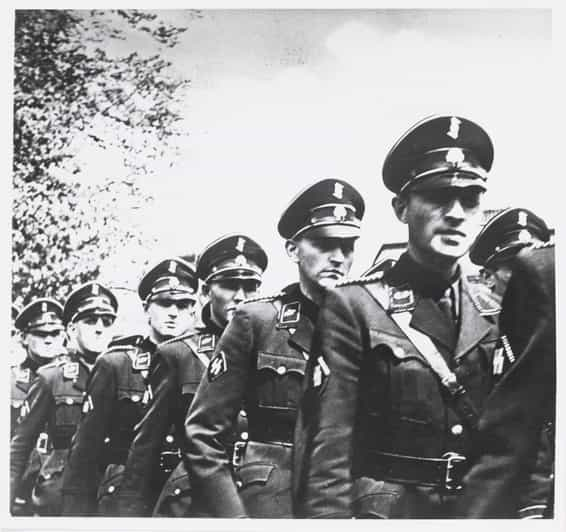
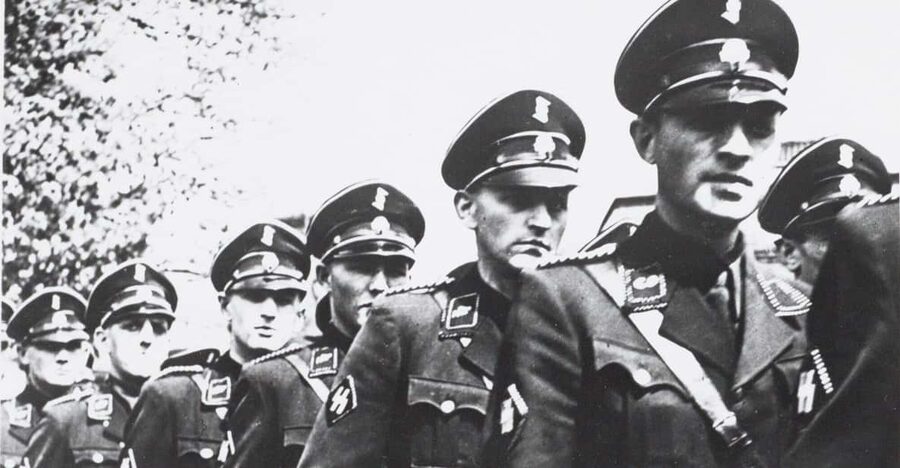
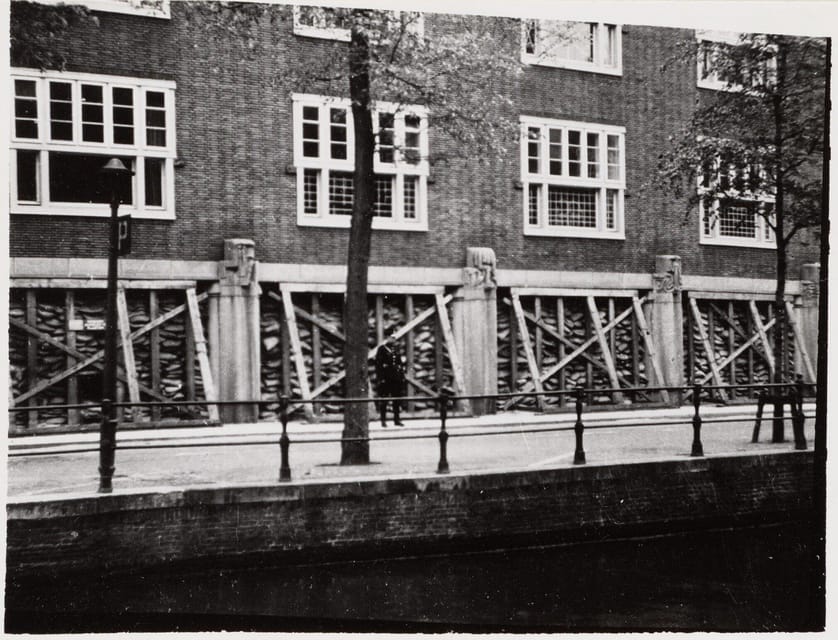
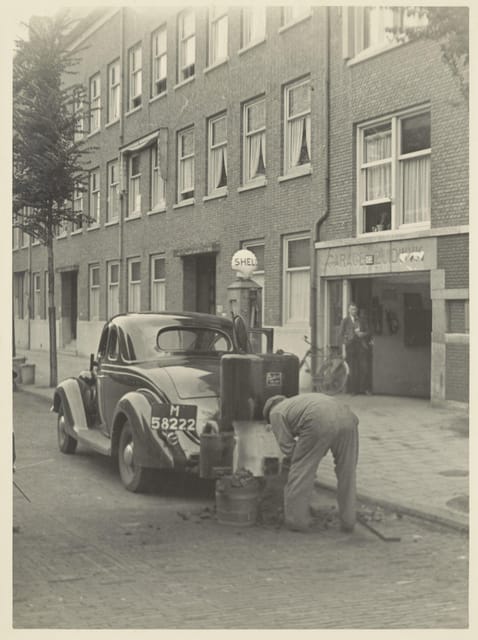
One of the tour’s best moves is how it uses the street itself as a “document.” You walk past locations tied to the Second World War and you see photos that were preserved, including pictures taken by Dutch resistance fighters.
A clear early theme is the entry of the German army, often referred to as the Wehrmacht. The guide connects those images to what happened around you in Amsterdam, so you can connect the timeline to real corners and facades.
Another moment that stands out is the story about the welcoming of the German army at the former town hall, now the Grand Hotel. This is the kind of detail that can feel uncomfortable, but it is also useful. It shows how occupation did not only arrive with guns. It arrived through public spaces, political theater, and forced normalcy.
If you like history that makes you think, this part delivers. You are not handed a single narrative and asked to accept it. You are guided to understand how occupation worked day by day, how people responded, and how power can use ceremony and architecture to legitimize itself.
Dam Square on May 7, 1945, and the shooting incident you cannot ignore
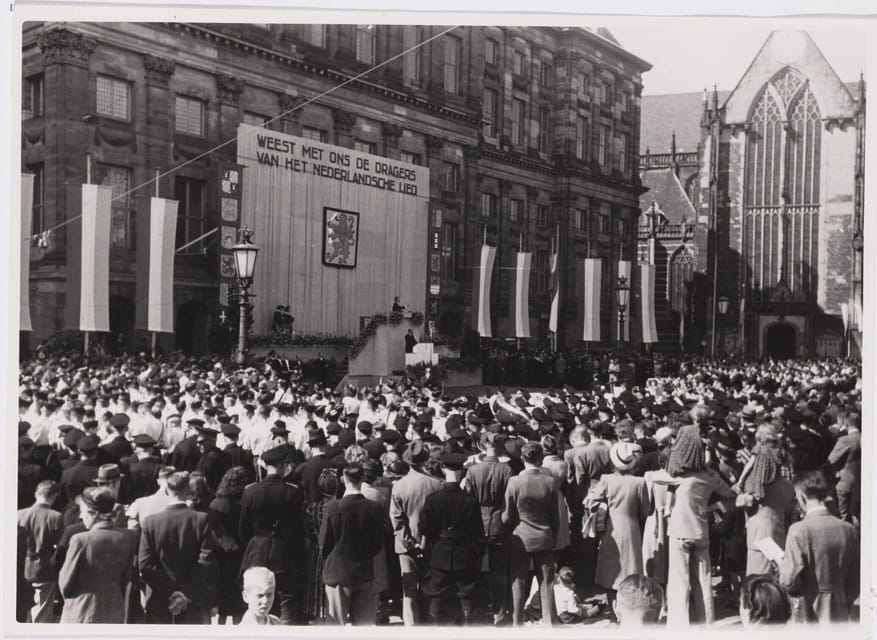
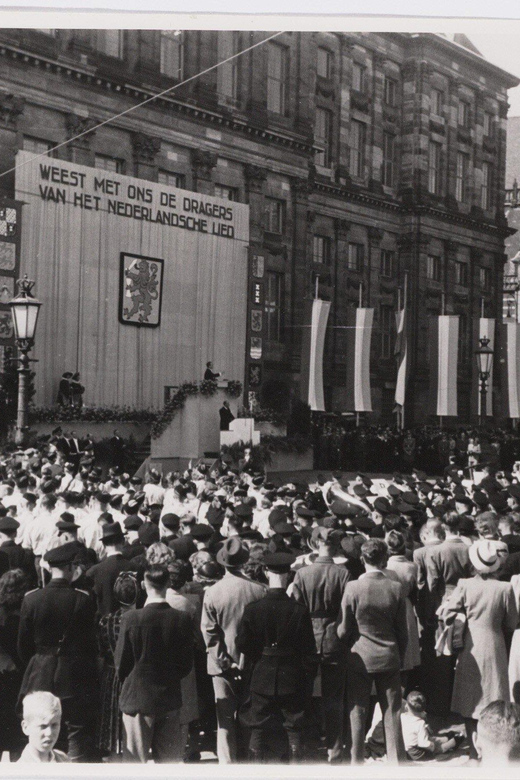
You will also visit Dam Square and focus on an event that hits the end of the occupation timeline: the shooting incident on May 7, 1945.
This is not a “war history by date” stop. It is a place stop. You stand somewhere that has been central to modern Amsterdam life, and you learn how that centrality played out during the chaotic final days.
The main value here is perspective. Many people know World War Two ends in Europe in May 1945, but they do not always connect that to the confusion on the ground. A shooting incident on a famous square underlines that liberation was not always a clean, instant switch. It was messy, tense, and human.
I also like how this section fits with what comes later. Once you understand what violence looked like at the end, the earlier deportations and persecution become clearer. The tour holds your attention in a way that makes the whole occupation story feel continuous rather than fragmented.
Winter of hunger and the food-dropping story you might not know
Another stop focuses on the winter of hunger, a period when the reality of occupation was felt through food scarcity and starvation.
The tour includes the story of food dropping during that winter. That is one of those details that sounds almost cinematic until the guide explains what it meant on the street, and how people survived or struggled anyway.
What I find practical about this section is that it makes the occupation personal without turning it into melodrama. You learn how the war changed daily life, not just policies. It helps you understand why the deportations were not only a moral atrocity, but also part of a system that dismantled an entire community.
If you like tours that connect history to lived experience, this one does that job well. It gives you enough context to picture what people endured, and it ties the suffering back to physical places you can still recognize.
More Private Tours in Amsterdam
- Rijksmuseum Amsterdam Small-Group Tour with Private Upgrade
★ 4.5 · 1,547 reviews - Van Gogh Museum Tour Reserved Entry Semi Private
★ 5.0 · 1,437 reviews - Private Amsterdam Red Light District and Coffee Shop Tour
★ 5.0 · 763 reviews - Anne Frank and Jewish Quarter Amsterdam Private Walking Tour
★ 5.0 · 684 reviews
The Jewish victims of one street, with names and photos you keep
One of the most powerful parts of the walk is about deportation and the people who were taken.
You will discuss the deportations of the Jewish population, including their fate in extermination camps such as Auschwitz and Sobibor. The guide does not treat this as a distant event. Instead, the tour narrows the focus.
A highlight is that the tour has selected all the Jewish residents of one Amsterdam street and compiled them into a small book with photos and names. That means you do not just learn that victims existed. You see that victims were specific people with identities, and the guide helps connect those identities to the city.
This is also where the tour’s restraint becomes a strength. You do not leave with the feeling that your emotions were used as a shortcut. You leave with structure. Seeing preserved resistance photos at the locations they were taken helps. You understand why certain images survived and how memory is built.
For many people, this becomes the moment that turns a general topic into something you can hold onto. The tour gives you paper you can keep, which is rare for walking tours and exactly the right choice for an experience like this.
The Auschwitz violin-player statue and why symbols matter here
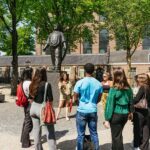
You will also see a statue of the famous violin player from Auschwitz. This type of memorial object can be controversial to some visitors, because a statue is still a representation, and representation can feel simplified.
But in this tour, the symbol is not treated like decoration. The guide connects the statue to the larger context of Auschwitz and to how remembrance works in public space. It becomes a checkpoint: a visual reminder that the Holocaust was not an abstract system, it was the destruction of real lives.
If you are the kind of traveler who gets moved by artifacts, you will appreciate how this statue helps you make a link between what you learned about deportations and what you are seeing today. It is not the only memorial you will encounter, but it is one that many visitors recognize, which helps the story land quickly.
Coffee break timing, pacing, and how the 3 hours actually feels
The tour lasts about 3 hours, but it can run a bit longer. About halfway through the walk, there is a short break for coffee and/or a restroom visit.
Practical note: refreshments are not included, so you will pay for your drink or anything you eat. The good news is that the tour says you can eat during the coffee stop, such as a late breakfast, which makes it more comfortable if you start early.
The pacing is built for real humans. The guide walks at a pace of your choosing, and you can ask questions throughout. There is also wheelchair accessibility, but if you are using a wheelchair, you should email in advance so the coffee stop and route can be accounted for. I like this approach, because it treats accessibility as route planning, not as a last-minute promise.
No audio system also changes the feel. Instead of hearing snippets through headphones, you hear the guide’s full explanation and can steer the conversation. On a topic like Nazi occupation, that matters because you may want clarification, or you may need a moment to process something.
Price and value for a group of up to four
The price is $188 per group, for up to four people, and it is a private tour. If you travel with three others, the effective cost per person can become reasonable for an experience that includes a unique set of stops and physical printed materials.
More importantly, the value is not just arithmetic. The group size cap keeps the guide focused on you and lets questions stay part of the tour. That is hard to find on many walking tours, where you get a bigger group and a more rigid “listen and move on” rhythm.
Also, you are not paying for entrance tickets to major sites. This tour intentionally does not include museums like the Anne Frank House, the Resistance Museum, or Hollandsche Schouwburg. That can be a pro or a con depending on what you want. If you want street-level context and a guided narrative linking many locations, this works. If you want indoor museum content, you will need to plan that separately.
Who this tour is perfect for, and who should think twice
I think this tour is a great fit if you want Nazi-occupation history that is connected to Amsterdam’s streets, not locked in a gallery. It also suits you if you like off-the-beaten-path learning, because the tour focuses on specific sites and connects them to photos, resistance context, and the human stories behind deportations.
It is also a smart choice if you appreciate small group dynamics. The tour is run by three retired historians, and reviews highlight that the guide, including Peter Schaapman, was excellent and made the experience feel hard to improve. That kind of personal teaching style matters when you are dealing with trauma-heavy content.
Who should think twice? If you are looking for a light, casual walk, this is not that. You will cover shootings, deportations, camps like Auschwitz and Sobibor, and the winter of hunger. It can be intense. Also, if you specifically want the Anne Frank House, the Resistance Museum, or Hollandsche Schouwburg, you will not get them here.
If you are okay with that tradeoff, you can pair this tour with a museum visit later or earlier. The street narrative helps those museum visits make more sense.
Final call: should you book this Amsterdam private World War Two history walk?
I would book this tour if you want real Amsterdam context for the Nazi occupation era, and you want it delivered by small-group, retired historian guides who can answer your questions. The street-level evidence, the attention to major moments like Dam Square in May 1945, and the personal nature of the small book with names and photos are the reasons it stands out.
Book it if you can handle heavy topics with care. Bring an umbrella, plan for walking, and know that refreshments during the coffee break are extra. If you want museum admissions built in, you will need separate plans.
If you want history that sticks because it has names, places, and photographs tied to real corners of Amsterdam, this is a strong choice.
Gables on Foot
- Amsterdam: Anne Frank Guided Walking Tour in DE/EN/IT/ES★ 4.9 · 3,107 reviews
- Amsterdam: Anne Frank Guided Small Group Walking Tour★ 4.8 · 2,722 reviews
- Amsterdam: Cultural Highlights Walking Tour★ 4.9 · 2,629 reviews
- Amsterdam: Ganja Walking Tour★ 4.2 · 2,127 reviews
WWII & Remembrance History
- Amsterdam: Dutch WWII Resistance Museum Entry Ticket★ 4.7 · 951 reviews
- Small Group Tour to Nazi WWII concentration camp from Amsterdam★ 5.0 · 112 reviews
- Amsterdam: Anne Frank and World War II Walking Tour (TOP RATED)★ 4.5 · 72 reviews
- The Anne Frank Tour (Jewish Neighborhood & Amsterdam during WWII)★ 4.5 · 56 reviews
Latest to arrive along the quays of Amsterdam



WWII & Remembrance History Tours, compared.
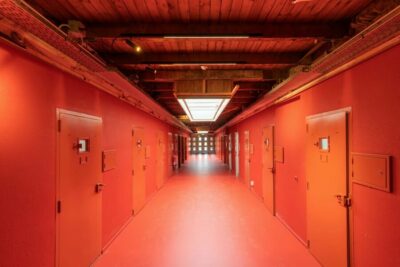
Oranjehotel World War II Prison Entrance Ticket
Read our review →
Rotterdam Walk: Hilights, Gems, Architecture & WWII | 2 or 3hrs
Read our review →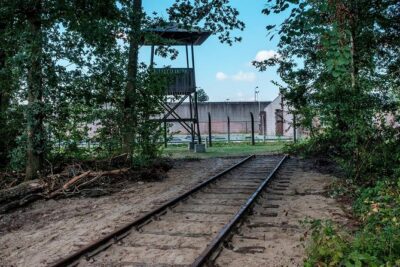
Small Group Tour to Nazi WWII concentration camp from Amsterdam
Read our review →
Anne Frank and World War II Walking Tour (TOP RATED)
Read our review →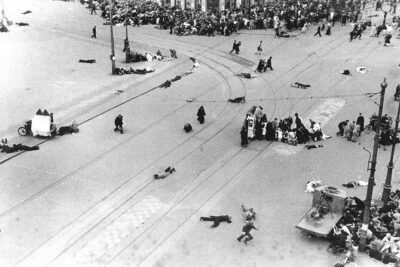
The Anne Frank Tour (Jewish Neighborhood & Amsterdam during WWII)
Read our review →
Rotterdam Must Do Tour: Highlights, History, WW2 and Architecture
Read our review →Browse the lists this tour appears in