Reviewed · TICKETS
Amsterdam: Oude Kerk Entry Ticket
Oldest church, newest art, right in the center. Oude Kerk is one of the best ways to get both Amsterdam’s deep roots and its present-day creativity in a single stop. I love the mix of rotating contemporary art created for this exact space, and I also like the chance to see the final resting places of well known Amsterdammers. The one downside to watch for: the art program can lean moody or theatrical, so if you want only classic worship vibes, you might feel a bit unsettled.
Here’s the good part for your planning: you’re not stuck in a group schedule. This is an entry ticket that lets you move at your pace inside a monumental building that kept evolving for centuries. You get an audio guide in multiple languages, so you can focus on what grabs you instead of trying to translate everything while standing still.
Think of it as a 1-day experience that works well between canal walks, museum stops, and a late coffee break in the church’s own garden annex.
In This Review
- Key highlights you should notice
- Why Oude Kerk feels more like a living venue than a museum
- The building story: 1250 chapel to 1570 hall church
- Contemporary art installations that react to the space
- Famous graves in the heart of the city
- Oude Kerk as Amsterdam’s social hub, not just a sanctuary
- How to pace a visit with a self-guided audio guide
- Koffieschenkerij coffee and courtyard garden break
- Price and value: what $16 buys you
- Who this visit is perfect for
- Who might want to reconsider
- Should you book the Amsterdam Oude Kerk entry ticket?
- FAQ
- How long is the Oude Kerk entry experience?
- How much does the Oude Kerk entry ticket cost?
- What is included with the ticket?
- Is a guide included?
- Which languages are available for the audio guide?
- Are food and drinks included?
- Is the church wheelchair accessible?
- What kind of exhibitions will I see?
- Can I cancel my booking?
- Can I pay later?
- Should you book the Amsterdam Oude Kerk entry ticket?
Key highlights you should notice
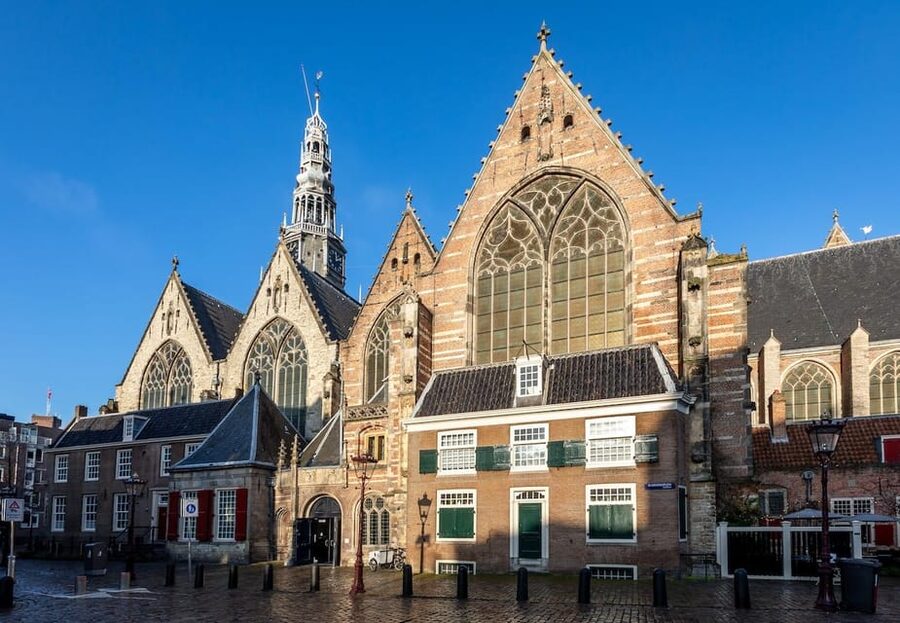
- Amsterdam’s oldest church building: from a small wooden chapel around 1250 to a hall church around 1570
- Contemporary art made for the venue: works are created exclusively for Oude Kerk, with installations that either adapt or contrast
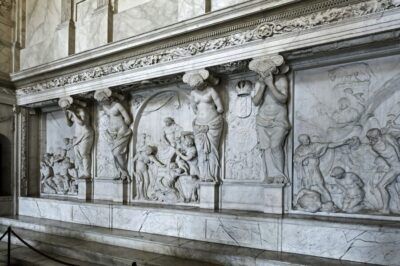
- History you can read in the stone: see the burial places of many renowned Amsterdammers
- A church that acted like a city hub: nets and sails repair, city papers in the Iron Chapel, and marriage certificates
- Audio guide in your language: Dutch, English, German, French, Spanish, or Italian
- Quiet reset nearby: a coffee shop and courtyard garden (food and drinks are not included in the ticket)
Why Oude Kerk feels more like a living venue than a museum
If you have visited lots of churches that are now mostly quiet artifacts, Oude Kerk gives you a different rhythm. Yes, it is a religious monument. But it has also always been a social room for the city. That history changes how you read the building.
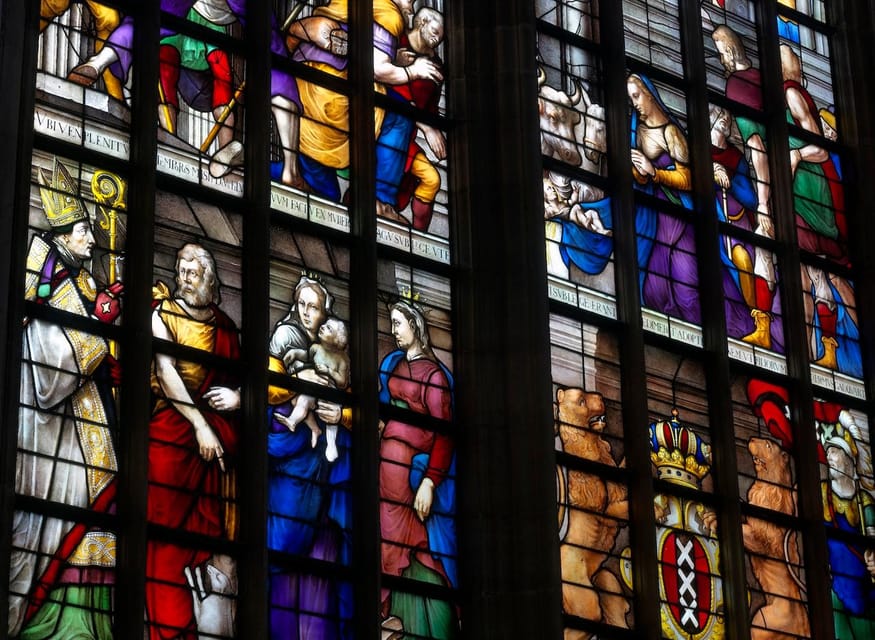
I like that the experience isn’t stuck in one time period. You see ancient stone and then you’re met with contemporary art and music programming. It can feel like two eras having a conversation, with the church acting as the meeting table.
This is also where the best value often shows up. For $16 per person, you’re not just buying access to old walls. You’re paying for entry into the church plus the current exhibitions, with an included audio guide to help you understand what you’re seeing.
Also flying a pennant in Amsterdam


The building story: 1250 chapel to 1570 hall church
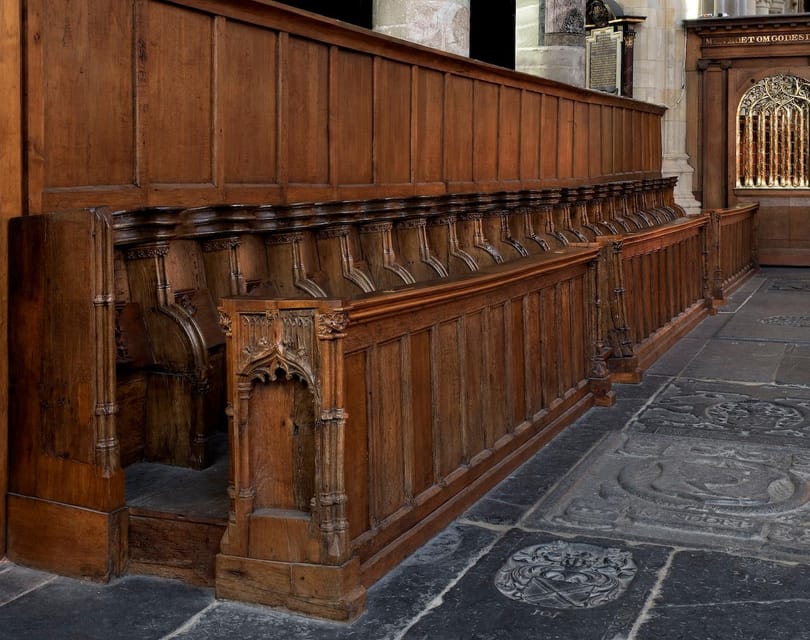
Oude Kerk is Amsterdam’s oldest building, and the structure tells that story if you slow down. The site began as a small wooden chapel around 1250. Over time, it grew into an extensive hall church around 1570.
That evolution matters because it explains why the interior feels both ancient and spatial. Older churches sometimes feel cramped or frozen in one era. Here, you’re walking through layers, shaped by growth and changing needs.
A good way to use this: when you first enter, do one slow pass without the audio guide. Just look at the overall hall shape and the sense of scale. Then replay the key moments with the audio guide. You’ll likely catch details you would otherwise miss because you’re too busy trying to understand everything at once.
Contemporary art installations that react to the space
Oude Kerk isn’t hosting generic traveling exhibits. The program invites artists to create new works exclusively for this location. That means the art is designed to sit in conversation with old architecture, not pasted onto it.
You’ll notice that the installations can go in two directions. Some works adapt to the space, using the proportions and surfaces. Others intentionally contrast with the historic environment. Either approach changes how you experience the church. The building stops being a background and becomes a collaborator.
There are also music and performance elements connected to the art commissions. The church has a music series called Silence, Monuments, plus performances, guided tours, and artist talks. Even if your ticket is simply for entry, knowing the wider context helps you interpret what you see. It’s not just a photo spot. It’s a place that continues to generate new work.
Practical tip: give yourself time in the quieter corners. Contemporary installations can be easier to understand when you stop fighting the impulse to move quickly. Let the audio guide point you to themes, then let your eyes do the final work.
Famous graves in the heart of the city
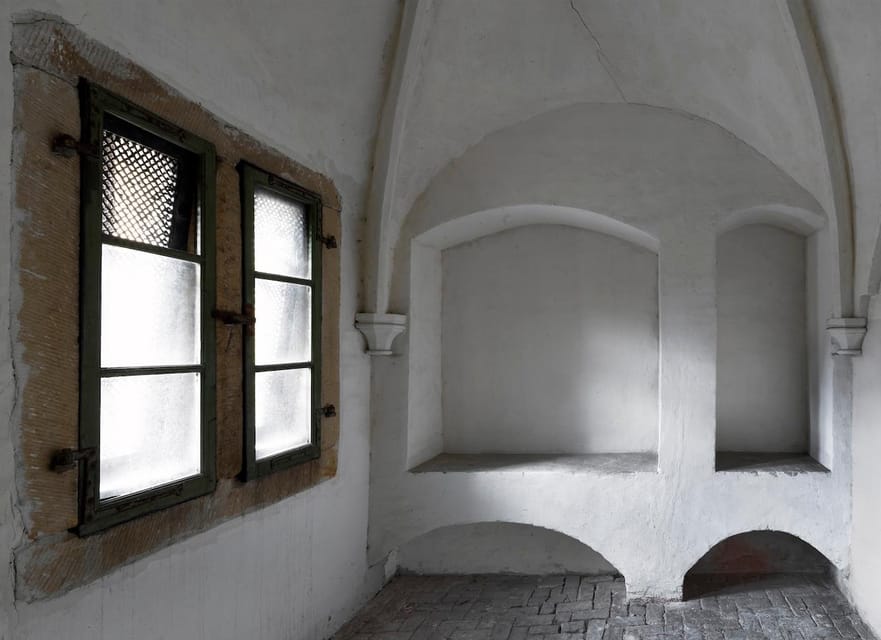
One of the most memorable parts is the final resting place of many renowned Amsterdammers. This isn’t just a “see a plaque” situation. Burial locations in historic churches often feel like personal history, because you can read names and imagine lives tied to the city.
I find it helps to shift your mindset slightly. Instead of viewing the area as a background to art, treat it like a human timeline. The names remind you that Amsterdam’s history isn’t only about rulers and architecture. It’s also about ordinary people and local giants, all stacked into the same spiritual space.
This also ties back to why the Oude Kerk has always been more than religion. It’s part civic record, part memory bank.
Oude Kerk as Amsterdam’s social hub, not just a sanctuary
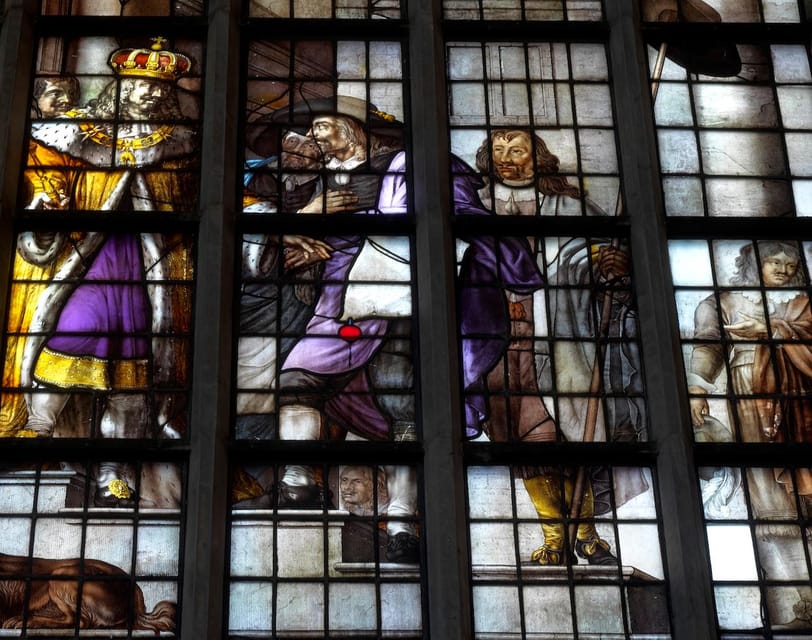
The Oude Kerk story is surprisingly practical. The building has long worked like a city meeting point, including for everyday tasks and civic routines.
You can think of it in a few roles:
- A repair stop for fishermen: fishermen would mend their nets and sails here.
- A paper and paperwork place: the most important city papers were kept in the Iron Chapel.
- A marriage and relationship landmark: lovers signed marriage certificates in the Oude Kerk for centuries.
- A public venue: it served as a location for trade and concerts, and still functions as a lively meeting place in the city center.
That context changes your experience. It’s hard to feel like you’re standing in a dead past when you understand the building’s social job description. Even if you don’t see net mending happening today (thankfully), the sense of gathering comes through.
Under the next bridge out of Amsterdam:
- Amsterdam Luxury Canal Cruise + Unlimited Drinks & Bites option
★ 5.0 · 30,518 reviews - Amsterdam: Rijksmuseum Entry Ticket
★ 4.7 · 29,512 reviews - Amsterdam: Classic Saloon Boat Cruise with Cheese & Wine
★ 4.6 · 27,035 reviews - Amsterdam: Evening Cruise with Optional Wine and Snacks
★ 4.4 · 22,178 reviews
How to pace a visit with a self-guided audio guide
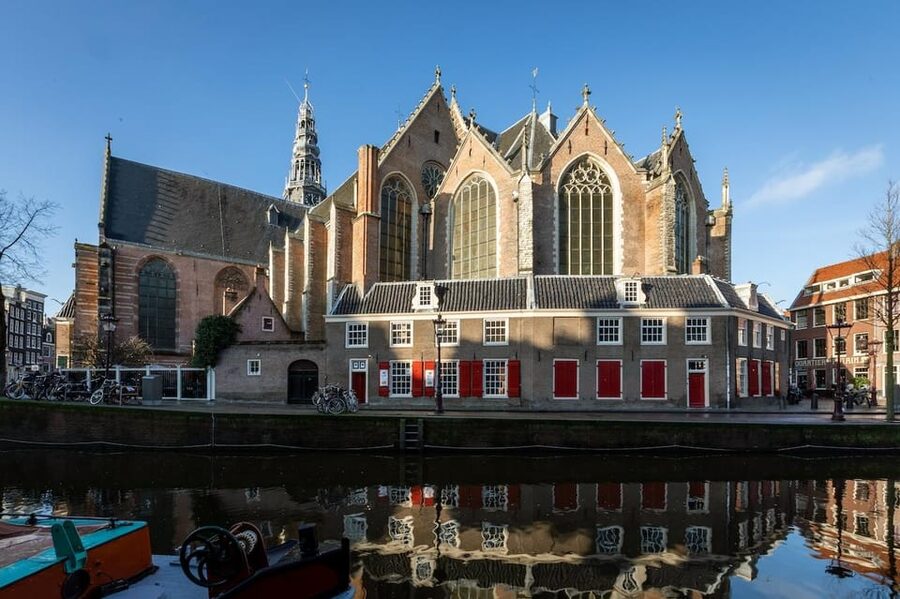
This ticket is built for your pace. You get an audio guide in Dutch, English, German, French, Spanish, or Italian. There is no live guide included with the entry.
That can be a plus. You can spend extra time where you care. You can also skip what doesn’t grab you without feeling like you’re falling behind.
Here’s a simple approach that works well for most people:
- Start with context: use the audio guide early to understand what you’re looking at, especially the building history and the way contemporary commissions fit into the church.
- Do a full loop once: get your bearings fast, then come back to the installations that interest you.
- Plan a slower stop for graves and memorial areas: those sections reward quiet attention.
- Finish with the social-space feel: remember the church’s role in daily life as you look around again.
If you’re the type who likes structure, you can still make it self-guided by choosing one main art work, one major history stop, and one memorial area as your three anchors.
One thing to watch for: the church atmosphere can come across as dark or heavy depending on lighting and the specific art exhibit. If you’re sensitive to that mood, you might want to save the most intense installations for later in your visit, when you feel more grounded.
Koffieschenkerij coffee and courtyard garden break
You do not get food included with the ticket, but the church’s own Koffieschenkerij is right there in a historical annex. It’s a serene retreat from the city center’s motion.
You can grab coffee, teas, lemonade, and cake, and the courtyard garden is open daily. Even when you’re not buying a full meal, this is a smart way to reset. Art and historic interiors can make you concentrate hard, and a break helps you enjoy the last portion of your visit more.
If you want the best experience, sit for a few minutes and look back toward the church spaces. You’ll notice how the mood shifts when you take your eyes off details and let the whole building re-enter your view.
Price and value: what $16 buys you
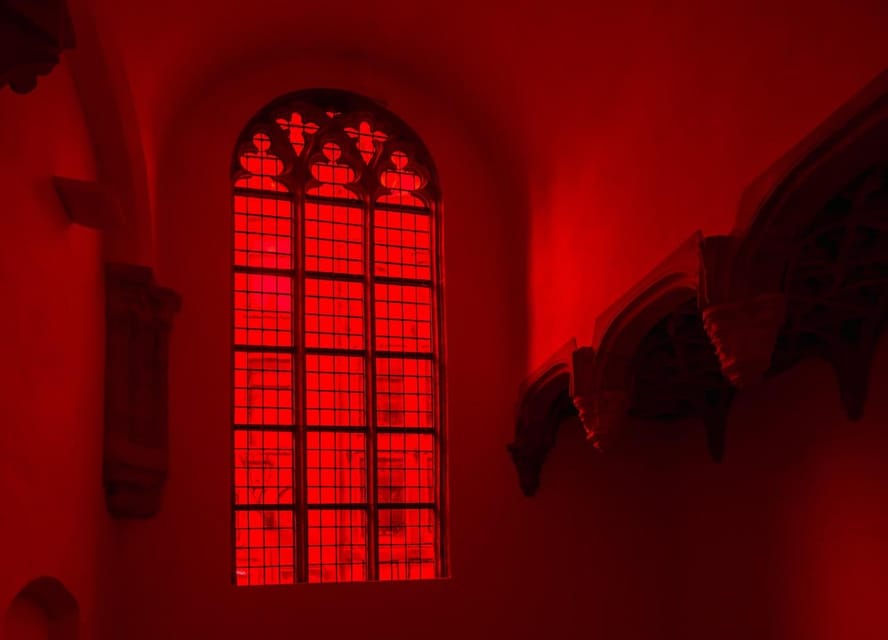
At $16 per person, the Oude Kerk ticket is fairly priced for what it includes: entry to the church and the contemporary exhibitions, plus an audio guide in several languages.
The real value is that you’re getting three layers in one place:
- A major historic building that evolved over centuries
- A current contemporary art program tied directly to this venue
- Space for reflection through burial sites and memorial meaning
If you’re comparing day plans, you can treat this as a high-impact stop that doesn’t require extra tickets for interpretation. The audio guide is included, which cuts down on the effort you’d otherwise spend trying to figure everything out on the fly.
My advice for value: go with a plan to spend enough time. If you rush in for ten minutes, you’ll underuse the price. Give it time to work, especially because the best art installations often reward walking slowly and returning for a second look.
Who this visit is perfect for
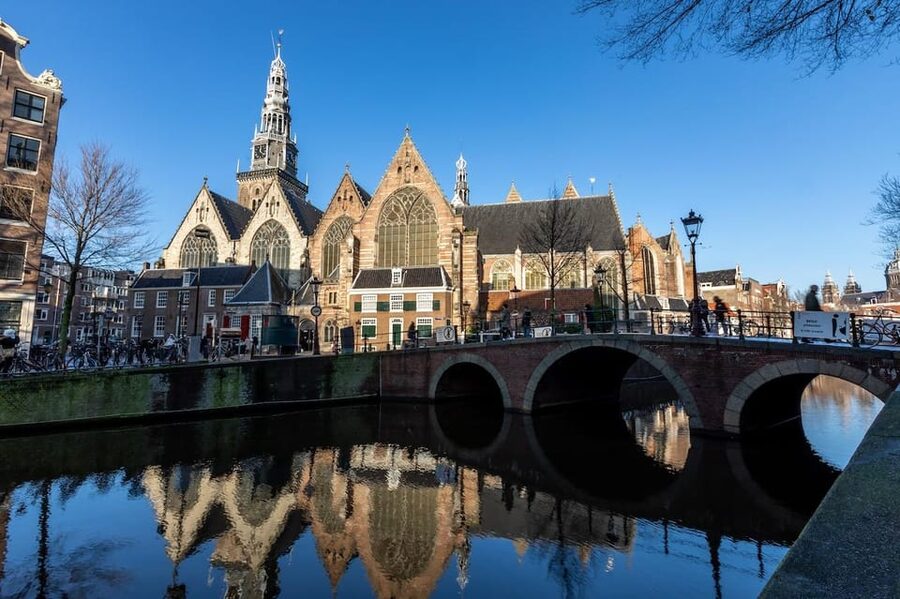
This ticket is a strong choice if you like at least one of these things:
- You want Amsterdam’s oldest building without committing to a long museum day
- You enjoy contemporary art that is created specifically for a historic context
- You like architecture with a real civic story, not just a religious one
- You want a stop that works well with a self-guided pace and an included audio guide
You’ll also appreciate it if you’re interested in human history, because the final resting places of renowned Amsterdammers turn the visit into something personal.
Who might want to reconsider
The main reason to reconsider is taste. The art and music programming can feel intense, sometimes theatrical. The church environment can add to that mood. If you prefer bright, straightforward, purely traditional church visits, the contemporary elements might not match your expectations.
Also, because there is no live guide included, you should be comfortable using an audio guide to get the context you want.
Should you book the Amsterdam Oude Kerk entry ticket?
Book it if you want a compact, high-value stop that connects 700-plus years of Amsterdam life with contemporary art made for the building. The included audio guide makes it easy to understand what you’re seeing, and the church’s social history adds depth beyond the art walls.
Skip it only if you strongly dislike darker, mood-forward installations or you want a strictly traditional church experience with no contemporary program.
If you like places where the past isn’t locked behind glass, this is the kind of stop that makes your Amsterdam day feel more rounded.
FAQ
How long is the Oude Kerk entry experience?
The experience is listed as lasting 1 day.
How much does the Oude Kerk entry ticket cost?
The price is $16 per person.
What is included with the ticket?
Your ticket includes entry to the church and exhibitions, plus an audio guide.
Is a guide included?
No, a guide is not included.
Which languages are available for the audio guide?
The audio guide is available in Dutch, English, German, French, Spanish, and Italian.
Are food and drinks included?
No. Food and drinks are not included.
Is the church wheelchair accessible?
Yes, the experience is wheelchair accessible.
What kind of exhibitions will I see?
The Oude Kerk hosts rotating contemporary art exhibitions, with works created exclusively for the location.
Can I cancel my booking?
Yes, free cancellation is available up to 24 hours in advance for a full refund.
Can I pay later?
Yes, there is a reserve now and pay later option.
Should you book the Amsterdam Oude Kerk entry ticket?
Yes, if you want an efficient, meaningful stop in the historic center that blends an ancient landmark with contemporary work made for this exact room. The included audio guide helps you get more out of the building and the exhibitions without extra planning, and the social-history details make the visit feel grounded and human.
Latest to arrive along the quays of Amsterdam




Tickets, compared.






Moco Museum Amsterdam Entrance Tickets with Banksy & More
Read our review →