Reviewed · WALKING TOURS
Zierikzee: Guided Walking Tour
Zierikzee has a quiet way of surprising you. This guided walk turns an old trading city into a story you can follow block by block. I love how the route hits major medieval landmarks without feeling like a checklist, and I also like the local commentary that explains why Zierikzee mattered.
Two things I particularly enjoy are the focus on the harbor gates you can still picture in action and the way the guide ties monuments to real trade goods and city rights. The likely drawback: the tour is in Dutch, and there is a moderate amount of walking, so it may not suit everyone.
If you like old streets, old stone, and clear explanations, you’ll probably enjoy it. If you want museum-time or interior visits, plan for extra costs, since entry to monuments is not included.
In This Review
- Key Highlights You’ll Feel on the Walk
- Meeting at Havenpark, Then Getting Oriented Fast
- How the 1.5-Hour Route Builds a Medieval City Picture
- Noordhavenpoort and Zuidhavenpoort: Reading the City’s Waterfront Logic
- Old Town Hall: Civic Power and Why It Still Matters
- Gravensteen: When Medieval Life Included Captivity
- Nieuwe Kerk: The Religious Spine of a Trading City
- Dikke Toren: A Medieval Landmark You Can Learn to Look At
- Why Zierikzee Declined, and Why the Old City Survived
- Practical Tips: Make the Most of Your Photos and Time
- Price and Value: Is $15 Worth 1.5 Hours?
- Who This Tour Suits Best (and Who Might Want a Different Option)
- Should You Book Zierikzee’s Guided Walking Tour?
- FAQ
- Where does the tour start?
- How long is the guided walking tour?
- How much does it cost?
- What language is the tour guide?
- What monuments and landmarks will we see?
- Is there walking involved?
- Are museum and monument entrances included?
- Can I take photos?
- Is smoking allowed?
- Is it wheelchair accessible?
Key Highlights You’ll Feel on the Walk
- Noordhavenpoort and Zuidhavenpoort: Start at the northern and southern harbor gates, then feel how the city faced the water.
- Gravensteen: A former residence of the count that also functioned as a prison, so the stories get real.
- Nieuwe Kerk and the Dikke Toren: Two landmarks that help you read the medieval city in one glance.
- City dates you can remember: Zierikzee first mentioned in 976, city rights likely in 1219, expanded in 1248.
- Trade goods you can visualize: Salt, cloth, madder, and herring, tied directly to the Oosterschelde location.
- Good pacing for questions: The best parts come from conversation, not from a tight facts-only delivery.
Meeting at Havenpark, Then Getting Oriented Fast
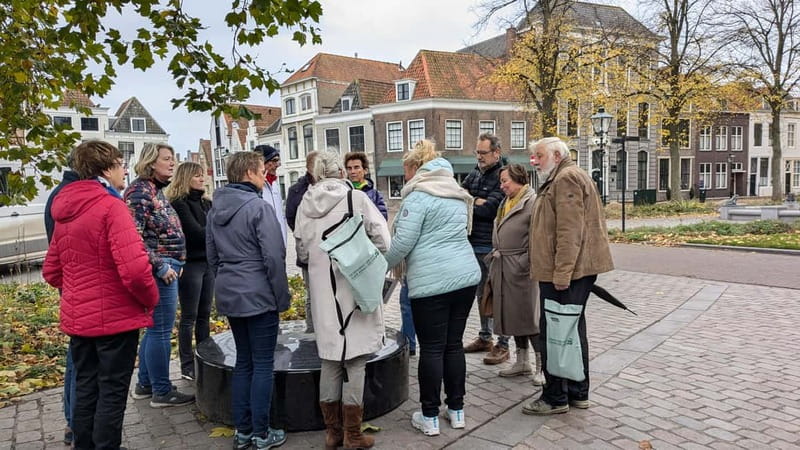
The tour begins at the Muziektent op het Havenpark. This matters because Zierikzee’s center can feel a bit like a maze of lanes and waterfront viewpoints, especially if you’re arriving and hungry for context. Seeing the guide signposts you toward the right starting point, and the meeting location keeps the tour simple and easy to find on foot.
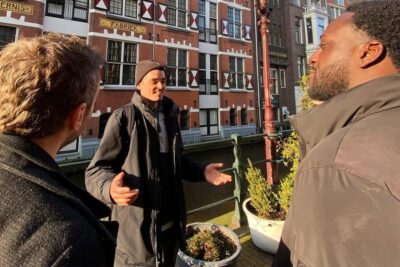
Your guide wears a white jacket with a Gidsendienst logo, which is a big help if you’re meeting people in a crowd. The tour runs about 1.5 hours, so you’re not stuck for half a day. It’s long enough to cover several landmarks, but short enough that you can still explore afterward under your own steam.
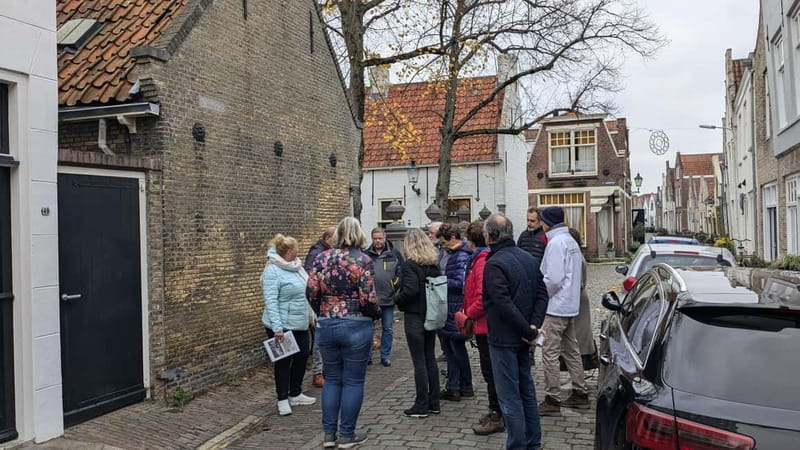
One practical tip: wear comfortable walking shoes. The route includes a moderate amount of walking, and the stops are spaced so you can actually hear explanations and then look around.
More gables counted on foot:


How the 1.5-Hour Route Builds a Medieval City Picture
The pacing is built to do two things at once. First, it moves you through the old center in a logical sequence. Second, it gives you the “why” behind what you’re seeing. That combination is what makes the walk feel more than sightseeing.
You start at the Noordhavenpoort, the northern harbor gate, and then you connect to the Zuidhavenpoort, the southern harbor gate. From there, the route flows past civic and power-related buildings, then ends with church and tower landmarks that sum up medieval life in stone.
Because the tour is only 90 minutes, you should expect mostly exterior viewing. Entries to museums and monuments are not included, so if a site has an interior you want to explore in depth, you’ll need to plan that separately.
The guide’s commentary is what fills in the missing interior details. If you like history explained in plain language, this format usually works well. If you prefer silent roaming, you might feel a bit constrained by having to pause at each stop, even though the walking pace stays comfortable.
Noordhavenpoort and Zuidhavenpoort: Reading the City’s Waterfront Logic
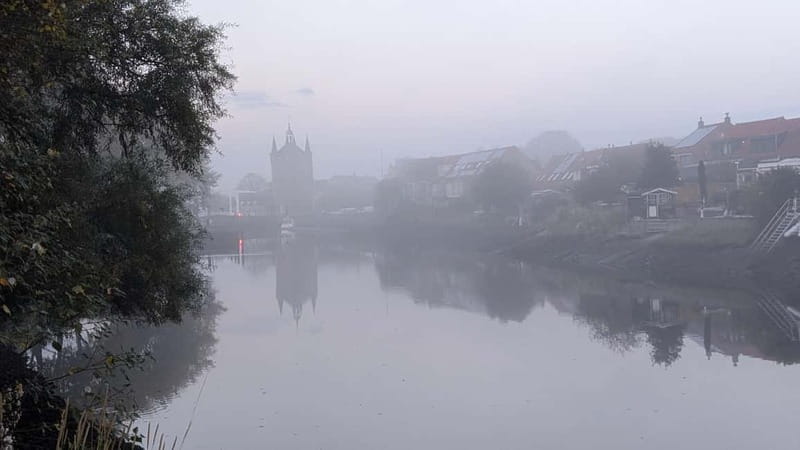
Starting at the harbor gates is smart. Gates are where trade and daily life collide, and Zierikzee’s story is tied to water access. The tour uses these locations as your baseline for understanding the city’s layout and power.
At the Noordhavenpoort and Zuidhavenpoort, you’ll get help picturing how a trading city worked: ships, goods, and movement all funneling through controlled access points. Even if you’re not a “ports and fortifications” person, you’ll likely see how these gates explain more than defense. They explain economics.
This is also where you learn the city’s bigger timeline. Zierikzee is first mentioned in 976, and city rights are likely 1219, then expanded in 1248. That quick sequence helps you place the medieval period where these gates belonged, instead of treating the buildings as vague “old.”
Old Town Hall: Civic Power and Why It Still Matters
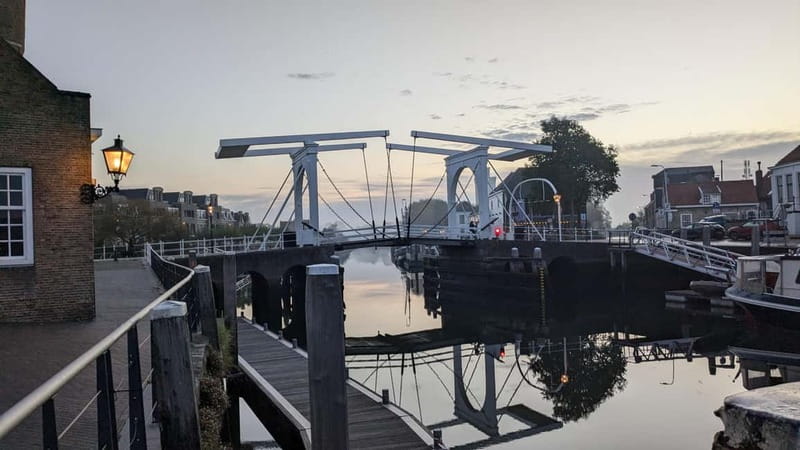
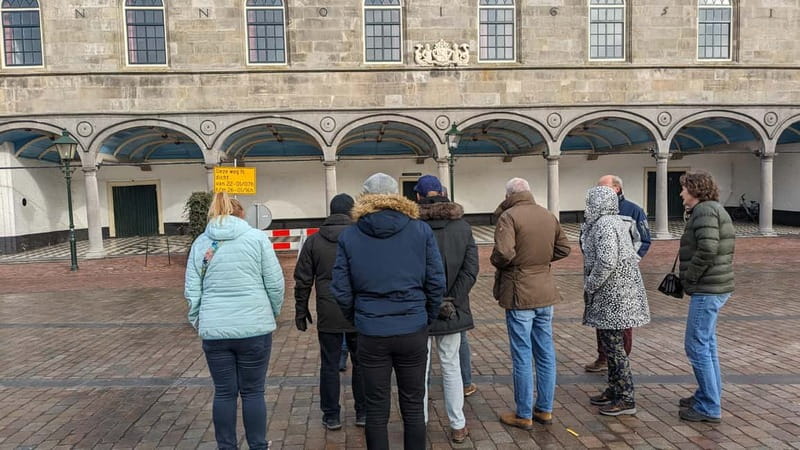
After the harbor-gate beginning, the walk turns civic. You pass the old town hall, a reminder that trading wealth wasn’t just about merchants. It also funded the institutions that managed the city.
This is one of the stops I like because it helps connect everyday governance to trade. You’re not only seeing monuments, you’re seeing what power looked like when Zierikzee was thriving.
You also learn about the goods that were part of the city’s economy. The export list is specific: salt, cloth, madder, and herring. When a guide names products like that, it stops history from being abstract. You can almost imagine what would be stored, counted, and shipped around the waterfront.
Gravensteen: When Medieval Life Included Captivity
Then comes the Gravensteen. The tour frames it as a former residence of the count that also served as a prison. That combination changes the tone. A building like this is not just “pretty old stone.” It signals authority and control.
If you enjoy stories with emotional weight, this is often the most memorable part of a tour like this because it makes medieval politics tangible. It’s also a useful contrast to the harbor gates. You go from trade routes and civic organization to a place tied to imprisonment and power.
You’ll likely appreciate how the guide explains the building in terms of function, not just appearance. That’s the difference between looking at history and actually understanding why a site earned its status in the city.
Also flying a pennant in Amsterdam
- Amsterdam: 75 Minute City Canal Cruise with Audio Guide
★ 4.4 · 19,938 reviews - Amsterdam: Johan Cruijff ArenA Tour with Optional Guide
★ 4.6 · 8,954 reviews - Amsterdam: Royal Palace Entry Ticket + Audio guide
★ 4.6 · 7,889 reviews - Amsterdam: Guided Zaanse Schans, Windmills & Cheese Tour
★ 4.4 · 4,826 reviews
Nieuwe Kerk: The Religious Spine of a Trading City
Next is the Nieuwe Kerk. Churches in medieval towns were not only about worship. They were part of social order, local identity, and community rhythm, even when the city’s main energy came from trade.
On this stop, the tour helps you connect the religious landmark to broader medieval life. That can be a relief if you feel like the earlier stops were all about gates and commerce. The Nieuwe Kerk gives you a different angle on the same medieval world.
Also, when you’re walking a compact route, a church stop can become more than a photo moment. It helps you understand how daily life would have been structured around major institutions.
Dikke Toren: A Medieval Landmark You Can Learn to Look At
The final major landmark segment is the Dikke Toren. A tower like this tends to dominate views, and the tour uses it to summarize what you’ve been learning about Zierikzee’s medieval past.
Towers are great “story anchors.” They help your eyes keep track even if the streets twist. And when the guide links the tower to medieval life and the city’s changing fortunes, it turns architecture into meaning.
This is the part where you may realize why the tour spent time on the harbor and the civic buildings first. The city’s strengths, its institutions, and its power structures all feed into why monuments like the Dikke Toren remain so prominent.
Why Zierikzee Declined, and Why the Old City Survived
One of the most useful lessons from the tour is how Zierikzee lost importance. It’s not one dramatic event. It’s several pressures stacking up over time.
You learn that huge city fires, diseases, and the silting of the waters all played a role. In a maritime trading city, water access is everything. When waterways change, trade routes shift. When disease hits, population and commerce suffer. When fires damage the built environment, recovery becomes expensive.
That leads to another key point you’ll hear: Zierikzee had a lack of money to renovate the city. And because renovation costs didn’t fully erase the past, the city retains much of its beautiful old character, with numerous monuments that are worth seeing.
For you as a visitor, this is a big deal. It explains why a compact town can still feel historically intact. It also explains why walking in the center feels like stepping into a “survival story,” not a reconstructed theme park.
Practical Tips: Make the Most of Your Photos and Time
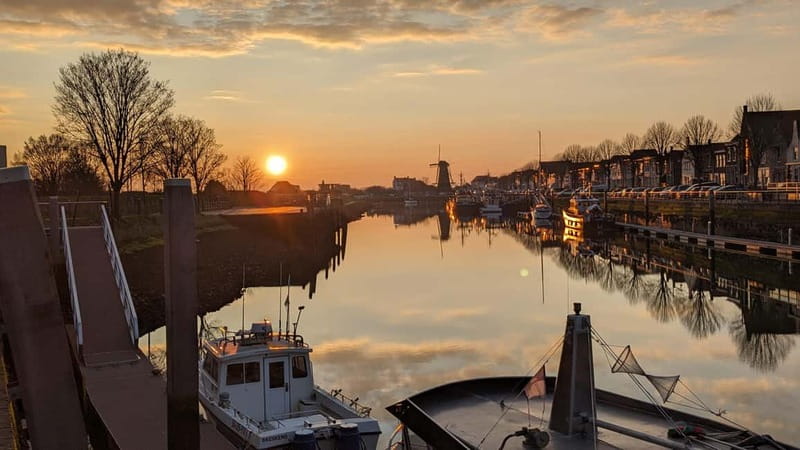
Photography is allowed, but the guide asks you to refrain from using flash inside historical sites. That’s not just a rule, it’s a courtesy. It also helps you slow down. If you’re tempted to rush a photo, pause, listen, then shoot once you understand what you’re photographing.
Bring a camera if you like details, because the tour is built around specific structures: harbor gates, town hall, Gravensteen, the Nieuwe Kerk, and the Dikke Toren. This is the kind of route where a slightly slower walking pace leads to better pictures and a better memory afterward.
You can also keep your clothing weather-appropriate. Zeeland weather can shift quickly, and since the walk is outdoors most of the time, you’ll enjoy the experience more if you’re comfortable.
Price and Value: Is $15 Worth 1.5 Hours?
At $15 per person for a 1.5-hour guided walking tour, the value is usually strong if you want a structured, local explanation of Zierikzee’s medieval center. You’re not paying for museum entries or monument tickets, and that can actually be a plus if you prefer flexible sightseeing.
Here’s the practical math in plain terms:
- You pay for the guide and their storytelling time.
- You save on entry fees because museums and monuments are not included.
- You still get a guided route through the main landmarks, so you don’t have to decide what to see first.
The main trade-off is that you’re not getting deep museum access in this ticket. If you want interiors, expect to pay extra separately. If you mostly want understanding, photos, and a clear sense of what each landmark meant, this price point often feels fair.
Who This Tour Suits Best (and Who Might Want a Different Option)
This tour is a great match if you want:
- A guided walk that focuses on medieval trading city history
- Landmark-to-story connections, not just dates
- A format where you can ask questions, not a facts-only lecture
The reviews also point to something important: the tone tends to be friendly and flexible. You’ll likely appreciate the guide’s willingness to make space for questions and adapt if you cannot find the meeting spot right away.
A drawback to consider: the tour is in Dutch. If your Dutch is limited, you might miss some nuance, even if you catch the main ideas by looking at the monuments.
There’s also a potential access mismatch in the info. The activity lists wheelchair accessible, but it also says it is not suitable for wheelchair users. If you use a wheelchair or have mobility limitations, it’s smart to contact the provider directly before booking to confirm what route support looks like on the ground.
Should You Book Zierikzee’s Guided Walking Tour?
I’d book it if you’re visiting Zierikzee and want a quick, meaningful way to understand why the town looks the way it does. Starting at the harbor gates and ending at the Dikke Toren gives you a strong narrative arc. The history you’ll hear, including the timeline from 976 to later city rights and the export list of salt, cloth, madder, and herring, is specific enough to stick.
I wouldn’t book it if you need an English tour, since the guide operates in Dutch. I also would think twice if you want lots of museum time or interior visits, since entries to monuments are not included and the emphasis is on the walk and commentary.
If you can manage a 90-minute stroll and you’re happy to see key sights from the outside, this is one of the simplest ways to turn a short stop in Zeeland into a real understanding of Zierikzee’s medieval past.
FAQ
Where does the tour start?
The meeting point is Muziektent op het Havenpark.
How long is the guided walking tour?
The tour duration is 1.5 hours.
How much does it cost?
The price is $15 per person.
What language is the tour guide?
The live tour guide speaks Dutch.
What monuments and landmarks will we see?
You’ll see Noordhavenpoort, Zuidhavenpoort, the old town hall, Gravensteen, the Nieuwe Kerk, and the Dikke Toren.
Is there walking involved?
Yes. You should wear comfortable shoes because there will be a moderate amount of walking.
Are museum and monument entrances included?
No. Entree museum and monuments are not included.
Can I take photos?
Yes, photography is allowed, but you should refrain from using flash inside historical sites.
Is smoking allowed?
No. Smoking is not allowed.
Is it wheelchair accessible?
The activity lists wheelchair accessible, but it also states it is not suitable for wheelchair users. If you need accessibility support, it’s best to check with the provider before you go.
Latest to arrive along the quays of Amsterdam




Walking Tours, compared.
Amsterdam Anne Frank: Small-Group Walking Tour & Local Guide
Read our review →
Anne Frank’s Story – Guided Walking Tour through Amsterdam
Read our review →
Absolutely Amsterdam – the Essential Introductory Walking Tour
Read our review →
Anne Frank Guided Walking Tour in DE/EN/IT/ES
Read our review →