
Reviewed · CULINARY TOURS IN AMSTERDAM
Your Own Amsterdam: Must Eat. Discovering The Dutch Cuisine!
Amsterdam tastes like a storybook.
This 3-hour Dutch cuisine tour turns everyday food into street-level history, from why herring matters to how Amsterdam’s neighborhoods learned to argue, laugh, and celebrate through what they ate. I like that you get 10 tastings plus a drink, so it is not just a chat, you are actually sampling the country.
I also love how the guide makes tasting feel practical. You do not just hear about Dutch staples, you learn how to pick good cheese and herring, plus you’ll hear the behind-the-scenes tales tied to spots in Amsterdam-Centrum.
One thing to keep in mind: some stops include raw fish and alcohol, so it may not be the best fit for young children or people who are pregnant. If that applies to your group, tell the operator, and plan on alternatives.
In This Review
- Key highlights you’ll care about
- A Dutch food tour that actually teaches you how to taste
- Meeting at Café Brasserie Meuwese, and what that means for your pacing
- Herring, smoked eel riots, and the Dutch taste for salty arguments
- Cheese, oysters, and learning the small rules behind big choices
- Bitterballen, fast food stops, and the flavors of different Amsterdam eras
- Chocolate, beer, and why dessert and drinks both carry meaning
- The 17th-century brown bar finale at Spuistraat
- Who should book this tour, and who should think twice
- Price and value: $235 per person for 3 hours of Dutch eating
- What makes the guide’s storytelling matter
- Quick practical advice before you go
- Should you book Your Own Amsterdam: Must Eat?
- FAQ
- How long is the tour?
- How many tastings are included?
- Where does the tour start and end?
- Is the tour okay if I have dietary restrictions?
- Are there raw fish or alcohol tastings?
- What languages is the guide available in?
Key highlights you’ll care about
- 10 tastings, including one drink for a focused 3-hour experience
- Local storytelling that connects flavors to Dutch history and city life
- Cheese and herring tips that help you order smarter afterward
- Classic bar culture finale at a 17th-century brown bar with local drinks
- Sweet and savory variety from bitterballen to chocolate chip cookies
- Dietary flexibility if you communicate needs in advance
A Dutch food tour that actually teaches you how to taste
Food tours can be either snacky or thoughtful. This one aims for both, using Dutch classics as the thread that connects Amsterdam’s past to your plate. You’ll hear why herring is treated like a national headline, and you’ll also get the stories behind controversy and tradition, like smoked eel riots and how certain foods traveled from distant influences.
The format matters. At 3 hours, you are not stuck on a long march with empty time. You get a walk through Amsterdam-Centrum with a private guide, small-group feel, and enough tastings to make the flavors stick.
For me, the best part is how “must eat” becomes “must understand.” You’re not only sampling cheese, herring, beer, and sweets, you’re learning what to look for and why people keep coming back. That makes the tour useful even after you leave the neighborhood.
More Culinary Tours in Amsterdam

Meeting at Café Brasserie Meuwese, and what that means for your pacing
You start in front of Café Brasserie Meuwese, which is a simple, easy-to-find launch point. From there, you’re guided through scenic central streets and neighborhood stops that keep things moving at a human pace.
Because the tour is designed around multiple tastings, your rhythm is different than a standard sightseeing walk. You’ll want to arrive ready to sample, not loaded with a heavy breakfast or lunch, since this is meant to count as your food time.
If you care about convenience, this is also a good sign: it stays inside a tight area of North Holland’s Amsterdam-Centrum energy, rather than hopping all over town. You’ll still feel like you covered ground, but without the “travel time tax.”
Herring, smoked eel riots, and the Dutch taste for salty arguments
Let’s talk about the big Dutch headline: herring. You’ll learn why it tops the list of national foods, and you’ll hear how something so plain on the surface became a cultural symbol. Expect the explanation to go beyond flavor, into the way communities built identity around what was available and what people trusted.
Then there’s the smoked eel story, including the idea of riots tied to eel smoke and trade. It is one of those “you have to hear it” bits, because it reframes a fish course as something political and social, not just culinary. That matters because you stop thinking of food as decoration, and start seeing it as daily life with consequences.
One practical tip: if you are not a fan of fish, this tour is still worth considering, but go in with honesty. The tour is built around Dutch staples, and some tastings involve raw fish. If you are sensitive, tell your guide early so they can steer you toward alternatives.
Cheese, oysters, and learning the small rules behind big choices
Dutch cheese is not a single product. It is a whole way of living, and this tour gives you the kind of guidance that helps you shop and order later. You’ll learn how to pick cheese well, which is the difference between grabbing the first wedge you see and actually matching what you want to what you taste.
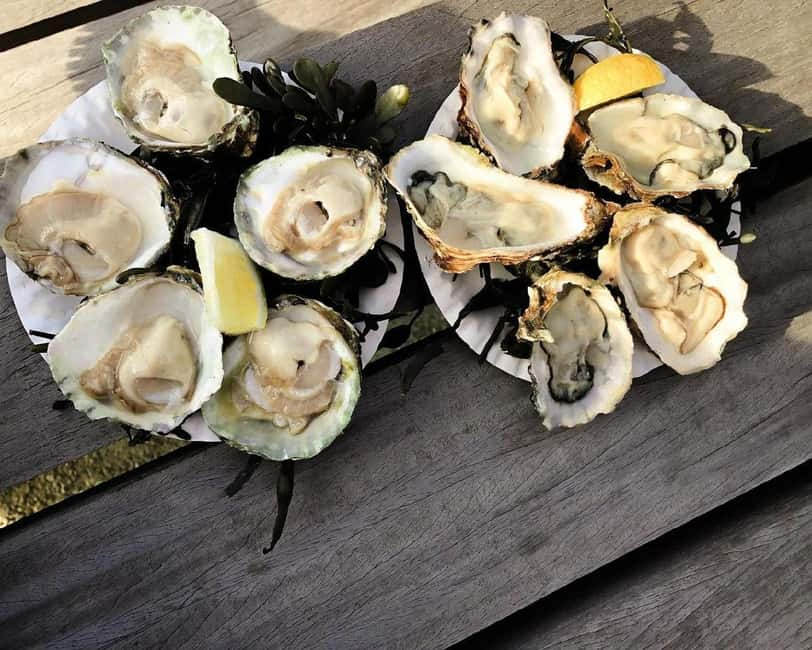
You’ll also hear a fun story involving oysters and mushroom pickers, which connects the food world to real seasonal labor and local habits. It’s the kind of detail that turns “I ate something” into “I get why people ate it.”
If you like food with context, you’ll appreciate how the guide treats tasting like a skill. You’re guided to notice textures and flavors, not just chase variety. That makes each stop feel earned, not random.
Bitterballen, fast food stops, and the flavors of different Amsterdam eras
One of the reasons I like this tour is that it doesn’t lock you into one style of Dutch food. Along the way you’ll get a mix that includes Dutch bitterballen, and you’ll also experience fast-food-style Dutch comfort, plus stories tied to “brown” bars and everyday city rituals.
You’ll hear how colonial-era exotic dishes influenced local tastes, so the tour becomes a quick history of trade and changing appetites. That is where the experience gets especially fun: Amsterdam’s food story is not just “old Dutch,” it’s Dutch plus what the world brought in.
The tour also aims to show different social layers of the city through what they ate. You may hear how farmers, aristocrats, hipsters, and the bourgeois all had their own food signals. You’ll feel the idea when the guide pairs each tasting with a short city tale that explains who it was for and why it became a thing.
Also flying a pennant in Amsterdam
- Amsterdam: River Cruise With All-You-Can-Eat Dutch Pancakes
★ 4.4 · 1,504 reviews - Amsterdam: Food and Culture Walking Tour with Tastings
★ 4.9 · 838 reviews - Eating Amsterdam: Food Tour & Canals Cruise
★ 5.0 · 496 reviews - Amsterdam High-End Dutch Food & History Tour – Up to 8 guests
★ 5.0 · 482 reviews
Chocolate, beer, and why dessert and drinks both carry meaning
Dutch sweets and drinks are not an afterthought here. You’ll hear how chocolate and beer can change the world, which sounds dramatic, but the point is simple: these are not just treats, they are part of the economy and culture.
Chocolate shows up with specific treats, including mention of the best chocolate chip cookies. That matters because it gives you a concrete craving to chase later, not just a vague idea that chocolate exists.
The beer component is also more than a pour. You’ll end up tasting local beer and liquors at a classic 17th-century style brown bar, and you’ll hear how that kind of drinking culture fits into the Dutch way of socializing. It’s a “taste the city” moment, not a lecture stop.
The 17th-century brown bar finale at Spuistraat
Your tour ends in Spuistraat, after you’ve made it through the day’s tastings and stories. The finale is a 17th-century brown bar with local beer and liquors, which is exactly the kind of place where Amsterdam feels lived-in.
This ending works for two reasons. First, you get the food story wrapped up with a drink that matches the culture you’ve been tasting all along. Second, finishing at Spuistraat puts you back in a central zone where you can keep moving, whether you want more walking or a relaxed sit-down afterward.
If you like atmosphere, you’ll appreciate that the guide’s stories set you up for the bar, so you’re not just “having a drink,” you’re recognizing what makes the setting Dutch.
Who should book this tour, and who should think twice
This tour is designed for people who want food to act as a map. If you like history told through real life, you’ll get a lot out of the stories behind herring, smoked eel culture, cheese traditions, and the way colonial-era influences landed in local kitchens.
It’s also a good match for you if you:
- want 10 tastings rather than a light sample tour
- like a guided walk that stays in Amsterdam-Centrum
- enjoy learning practical ordering tips for Dutch staples like cheese and herring
- want a format that feels private or small group
If you have dietary restrictions, you should still consider it, since the tour says it’s open to all without restrictions and offers exciting alternatives when you communicate needs in advance. Do that sooner rather than later, so your guide can match flavors you’ll actually enjoy.
The only “think twice” group is anyone for whom raw fish and alcohol are a hard no. Tell the operator if your party includes young children or pregnant people, because the tour states they will offer alternatives. That’s reassuring, but it’s still worth planning carefully.
Price and value: $235 per person for 3 hours of Dutch eating
At $235 per person, this is not a budget snack tour. The value comes from what’s included and how much you actually sample.
You get:
- a private guide
- 10 tastings
- one drink
- a focused 3-hour experience built around Dutch cuisine themes
If you price it like you would meals and guided time, it starts to make more sense. Ten tastings mean you are not paying to hear about food, you are paying to eat it. The drink inclusion also keeps things from turning into an extra-cost situation at the bar finale.
Could you do Dutch food cheaper on your own? Sure. You could also spend your time guessing which cheese is worth it, which fish is ideal for you, and what “brown bar” culture means beyond the vibe. This tour is buying you guidance plus variety in one tight window.
If you want your Amsterdam time to be efficient and delicious, I think the pricing is easier to justify.
What makes the guide’s storytelling matter
A food tour guide can either list facts or turn them into something you can remember. The review example includes a guide named Christian, who has lived in the Netherlands for more than 15 years. That kind of time on the ground tends to show up as small, specific details that make the stops feel real.
Even when the ingredients are simple, the stories give them weight. When you understand why herring became a top national dish, or what lies behind smoked eel controversy, the tasting becomes more than taste. It becomes comprehension.
And because the tour is described as personalized toward your preferences, it’s built to avoid the one-size-fits-all vibe. That matters if you care more about beer culture, sweets, cheese, or history.
Quick practical advice before you go
A few smart moves will help you enjoy the tour more:
- Come with an appetite that matches 10 tastings. If you eat a big meal first, you may miss the joy of sampling everything.
- If you have dietary restrictions, tell the operator ahead of time so they can suggest alternatives.
- If your party includes young children or pregnant people, mention it because some tastings involve raw fish and alcohol.
- Wear comfortable walking shoes. You’ll be guided through scenic streets and multiple stops in central Amsterdam.
Also, check the language you’ll use. The tour is available in English, Russian, and Ukrainian.
Should you book Your Own Amsterdam: Must Eat?
I’d recommend it if you want a three-hour Amsterdam experience that is playful but not shallow. You get a lot of real food: Dutch staples like cheese and herring, comfort favorites like bitterballen, and a sweet ending path with chocolate treats and cookies. You also finish with local drinks in a 17th-century brown bar, which is the kind of cultural payoff that makes a tour feel worth it.
Pass on it or plan carefully if your group cannot do raw fish or alcohol. The tour says alternatives are possible, but this is still a food-forward route built around those tastings.
If you like your travel with a guide, a plan, and a reason to taste things you might not choose on your own, book it.
FAQ
How long is the tour?
The tour lasts about 3 hours.
How many tastings are included?
You’ll get 10 tastings, including one drink.
Where does the tour start and end?
It starts in front of Café Brasserie Meuwese and finishes at Spuistraat.
Is the tour okay if I have dietary restrictions?
It’s open to all without dietary restrictions, and you can let them know about any needs so they can offer alternatives.
Are there raw fish or alcohol tastings?
Some tastings involve raw fish and alcohol. The tour recommends letting them know if your group includes young children or pregnant women so alternatives can be offered.
What languages is the guide available in?
The live guide is available in English, Russian, and Ukrainian.
Latest to arrive along the quays of Amsterdam




Culinary Tours in Amsterdam, compared.
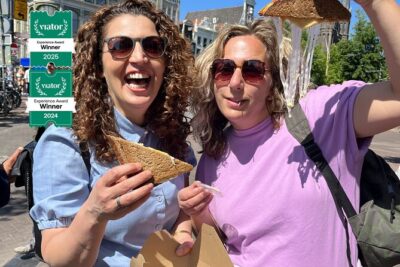
Amsterdam Food and Cultural Tour with Tastings
Read our review →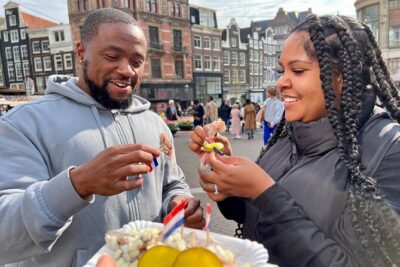
10 Tastes of Amsterdam: Food Tour by UNESCO Canals and Jordaan
Read our review →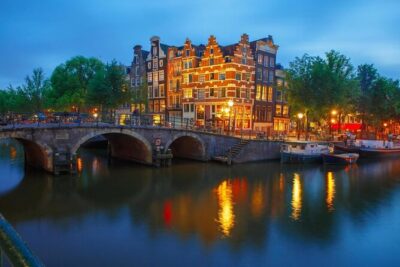
Amsterdam Jordaan Food & Drinks Tour with Eating Europe
Read our review →
River Cruise With All-You-Can-Eat Dutch Pancakes
Read our review →

Amsterdam High-End Dutch Food & History Tour – Up to 8 guests
Read our review →
A’DAM LOOKOUT Entry Ticket with Food & Drink Options
Read our review →Browse the lists this tour appears in