
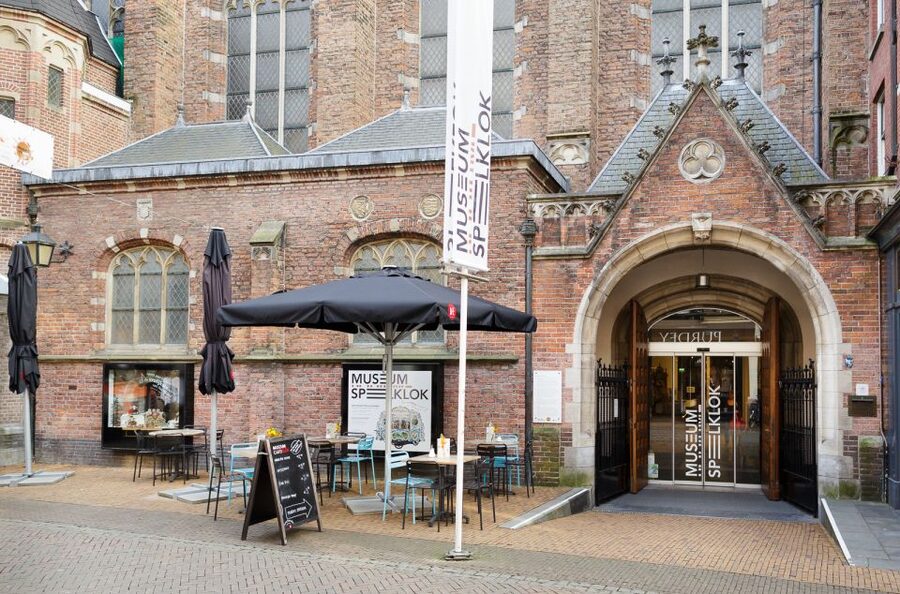
Reviewed · MUSEUMS
Utrecht: Museum Speelklok Entry Ticket
Mechanical music feels like time travel. I love how century-old music machines turn old metal into clear, living sound, and I also like that the free hourly tour runs in both Dutch and English. One possible downside to plan around: some parts of the shows have limited seating.
I’m happy you can pace this visit at your own rhythm, since this is a full museum ticket meant for a full day. Your ticket covers entry plus a museum tour, but you will not be able to bring food and drinks inside. The good news is the museum is wheelchair accessible, so you can still enjoy the sounds even if you need mobility support.
If you like music, engineering, or just plain curiosity, this place works. You’ll spend your time in galleries of musical clocks, musical boxes, orchestrions (self-playing orchestras), and Dutch street organs, plus a special area called the Museum Expedition.
In This Review
- Key things to notice before you go
- A museum built around listening, not rushing
- What you’ll hear at Speelklok: clocks, boxes, orchestrions, and street organs
- The Museum Expedition: where the stories and engineering meet
- Arabier and the Violina: two names worth planning around
- The Arabier street organ
- The Violina, often described as the 8th world wonder
- The hourly free tour: your best shortcut to understanding the machines
- How to pace the galleries for a satisfying full day
- Restoration and craftsmanship: why the museum cares about keeping things alive
- Comfort notes: seating, food rules, and what to wear
- Price and value for a $20 ticket
- Who should book this ticket?
- Should you book Museum Speelklok entry?
- FAQ
- Where is Museum Speelklok located?
- How much does the Museum Speelklok entry ticket cost?
- How long should I plan for this experience?
- What is included with the ticket?
- Is there a free tour, and when does it run?
- What languages are available for the tour?
- Is the museum wheelchair accessible?
- Are food and drinks allowed inside?
- Can I cancel my ticket if my plans change?
- Is there a way to book without paying right away?
Key things to notice before you go
- Live sound from mechanical machines that can be more precise and surprising than recorded music
- Hourly free tour in Dutch and English that helps you connect the sounds to the mechanics
- Arabier street organ and the Violina, two star instruments worth building your visit around
- Hands-on learning moments you might find during presentations, not just glass-case viewing
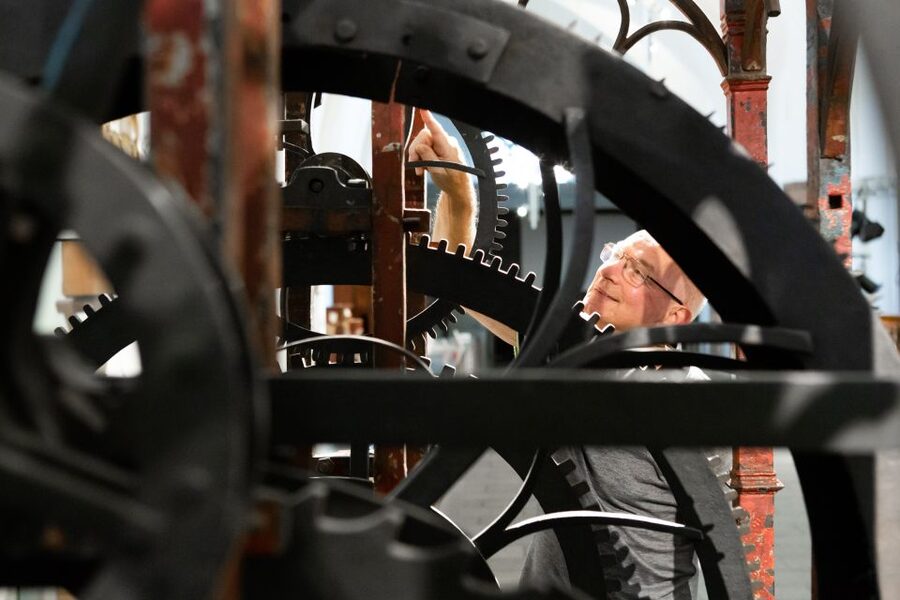
- Restoration craft focus, so you understand how these instruments keep playing through time
A museum built around listening, not rushing
Museum Speelklok is not a quick stop you tick off. The whole point is to sit with the music, hear how it’s made, and understand why it still matters today. If you like experiences where the details reward patience, this works fast.
The ticket is also straightforward: you pay for entry, and you get a museum tour included. From there, you choose how long you linger in each area, which is great in Utrecht where you might also want to mix museum time with canal-side wandering.
For me, the best part is that the museum is not trying to be trendy. It’s honest about craft: gears, barrels, springs, and the human hands that keep them running. That makes it feel genuinely different from most museum formats.
More museum halls off the squares:



What you’ll hear at Speelklok: clocks, boxes, orchestrions, and street organs
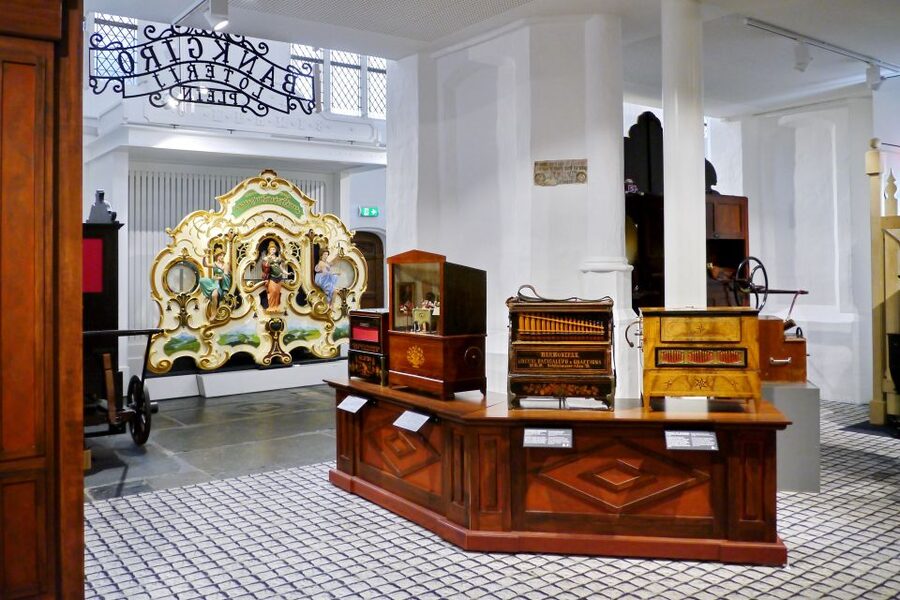
Expect a nonstop thread of musical variety. One room can feel like a music box’s tiny world, then you turn a corner and hear something that sounds huge, powered by a larger mechanism. You’ll see and listen to several categories, including:
- Musical clocks
- Musical boxes
- Orchestrions, self-playing orchestras
- Traditional Dutch street organs
Why this matters for your visit: these machines don’t just play songs. They translate movement into sound. When you hear them in sequence, you start noticing the different “styles” of mechanics, like how one system sounds tighter, while another carries a rounder, fuller tone.
I also like that the museum connects music and technology without treating technology like a cold subject. The music machines come with stories and technical craftsmanship behind them, so you understand what you’re hearing rather than just listening to background entertainment.
The Museum Expedition: where the stories and engineering meet
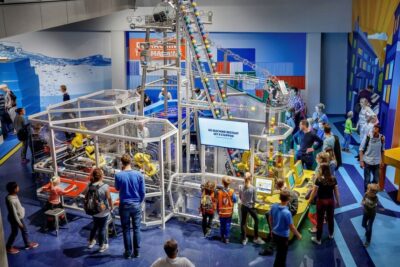
At Speelklok, there’s a dedicated learning area called the Museum Expedition. This is where you get the “how it works” context, and it helps you make sense of the instruments you’ll hear elsewhere in the museum.
If you come with kids, this part often lands well because it’s designed for families and for active attention. Even if you’re traveling solo or with friends, the Expedition style tends to keep you from feeling lost in a maze of machinery.
What I’d recommend: don’t save the Expedition for the last hour. Go earlier so the later listening makes more sense. Once you’ve learned what to look for, you can walk back through the galleries and hear the instruments with new ears.
Arabier and the Violina: two names worth planning around
Some museums have one “main attraction.” Speelklok has more than one, and these two are worth treating like anchors for your day.
The Arabier street organ
The museum features a famous street organ named Arabier. Even if you’re not a Dutch street-organ specialist, you can appreciate why this name carries weight: it’s a classic format, tuned for performance, and it connects the museum’s mechanical world to real-life street music traditions.
Also flying a pennant in Amsterdam
- Amsterdam: Heineken Experience Ticket including 2 Drinks
★ 4.6 · 36,014 reviews - Amsterdam: Rijksmuseum Entry Ticket
★ 4.7 · 29,512 reviews - Amsterdam: Icebar Entry Ticket with 3 Drinks
★ 4.2 · 14,562 reviews - Amsterdam: The Upside Down Experience Entrance Ticket
★ 4.4 · 11,918 reviews
The Violina, often described as the 8th world wonder
You’ll also hear about the Violina, called the so-called 8th world wonder. You don’t need to take that claim literally to understand the point: this is one of those standout machines that tends to leave people staring, then listening again.
For your planning, treat both instruments as “pause points.” Give yourself time near these displays. Don’t rush through them while you’re still warming up. The best results come when you let a machine play, then watch how the mechanism produces the notes.
The hourly free tour: your best shortcut to understanding the machines
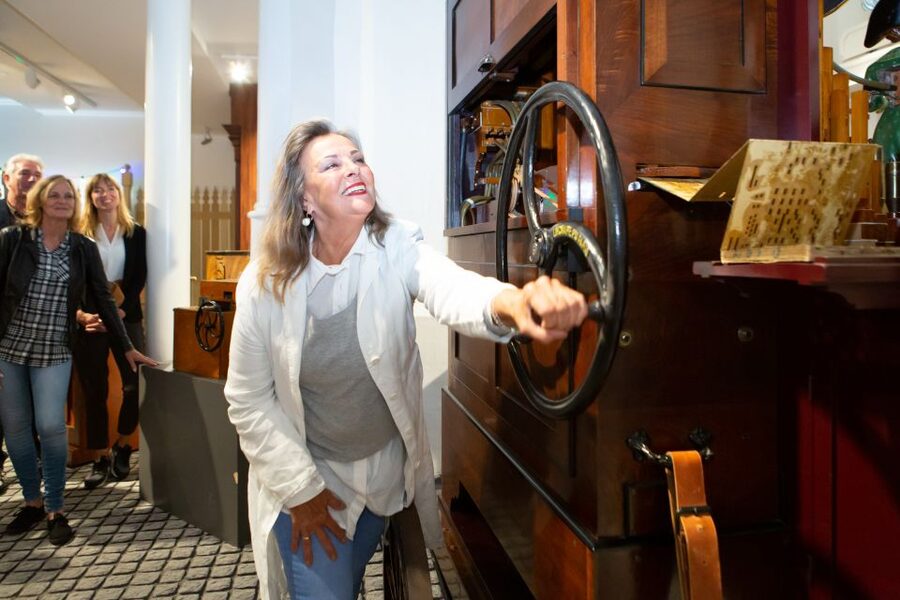
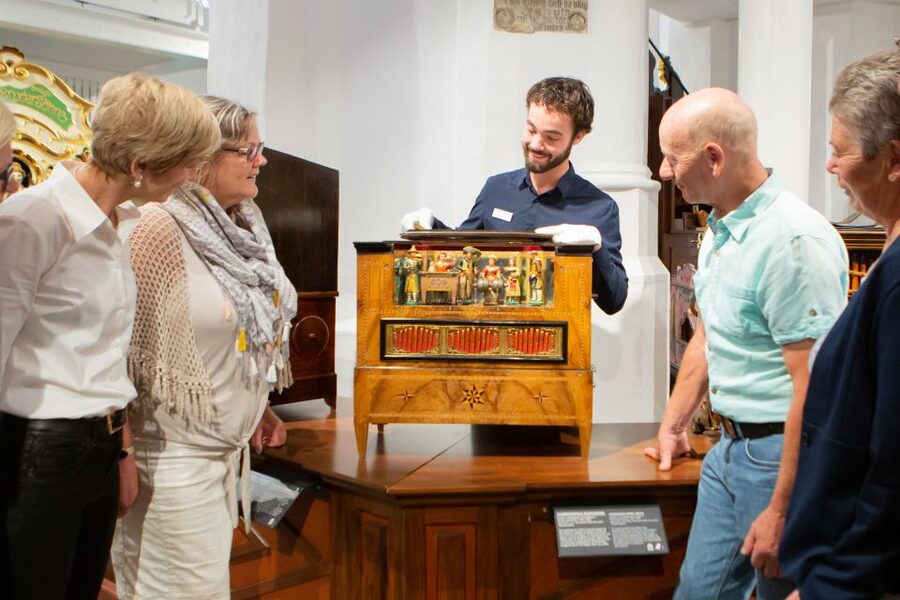
This ticket includes a free tour that’s conducted every hour. It runs in Dutch and English, so you should be able to catch one that matches your language.
I love a good guided moment in a technical museum. The mechanics can look mysterious if you’re only seeing static displays. But when a guide explains what you’re looking at and what you’re hearing, the whole museum clicks into place.
One practical tip: aim to join a tour when the galleries aren’t at their peak. Even without exact crowd-time details, the basic rule holds. If you join early or mid-morning, you often get a calmer experience and better focus on sound.
Also, check the guide language once you arrive. The free tour is bilingual across the day, but your best experience comes when you can actually follow the explanation without juggling translation in your head.
How to pace the galleries for a satisfying full day
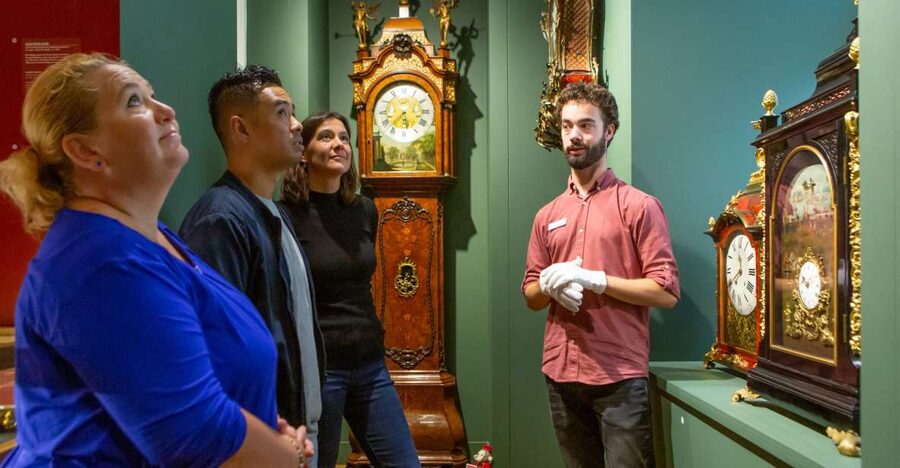
Speelklok is a museum you can slow down inside. You’ll move between instruments of different sizes and mechanisms, and each one benefits from a moment of quiet attention.
A good rhythm is:
- Start with a few machines, then join the hourly tour.
- Use what you learn to re-check the instruments.
- Finish by focusing on the big-name pieces like Arabier and the Violina.
That approach works because mechanical music is easier to understand after you’ve heard the main “logic” of how it’s built. Before the tour, you might focus on melodies. After the tour, you’ll also notice the structure behind the music.
If you’re with family, keep an eye on energy levels. Kids often love the sound, but they also get bored if you stand too long without anything new to notice. Switching between categories helps a lot.
Restoration and craftsmanship: why the museum cares about keeping things alive
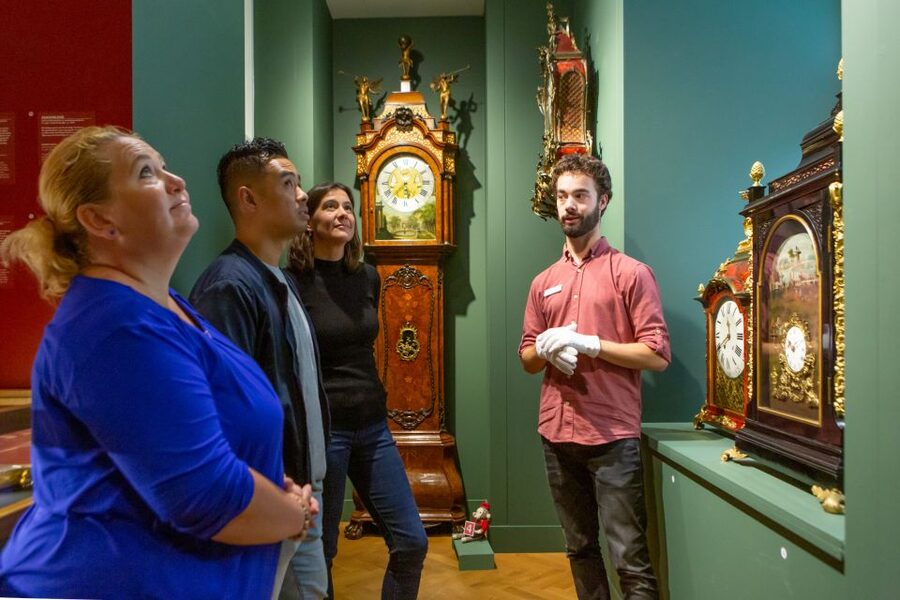
A big theme here is restoration and long-term preservation. You’ll see how skilled people restore these precious items so they can keep playing for generation after generation.
I appreciate this because it reframes mechanical instruments as living objects, not museum artifacts. When restoration is part of the story, you start to understand why someone would spend hours on delicate parts that only produce sound when everything is perfectly aligned.
You also get a sense of human craft meeting time. These instruments survive because people maintain them, clean them, rebuild worn mechanisms, and test them so the music stays reliable.
That craft focus is not just sentimental. It’s practical. It answers one of the biggest questions in a mechanical museum: will it really work, or is the sound staged by modern electronics? The museum’s whole approach is built around the mechanical source.
Comfort notes: seating, food rules, and what to wear
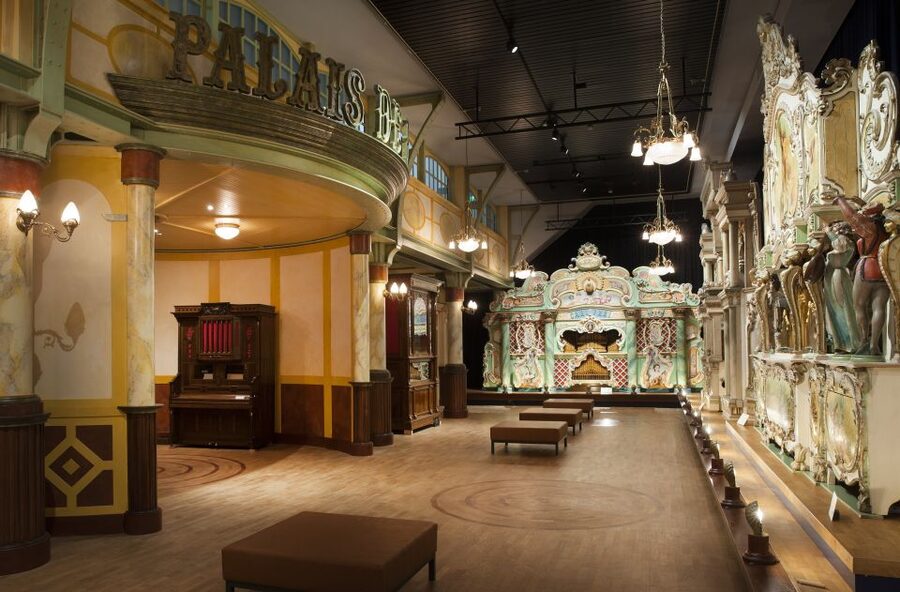
There’s some real-world comfort information to know before you go.
First, food and drinks are not allowed. That means plan for snacks and meals before you enter, or simply treat Speelklok as a single museum block in your day. It’s also a reason to dress for a normal museum walk, not a long sit-down lunch.
Second, seating can be limited during some presentations. I’d treat this as a “plan for standing” museum. If you want more comfort, wear supportive shoes and bring a light layer in case indoor temperatures feel cool around display areas.
If you’re visiting with older adults or anyone who needs frequent breaks, you’ll want to pace your listening. Find a spot for a performance, then move when you feel your energy dropping.
Price and value for a $20 ticket
At about $20 per person, Museum Speelklok is priced in a way that feels fair for what you get. You’re not just paying for entry to quiet displays. You’re paying for live mechanical music you can listen to, plus an included museum tour.
The value also comes from how much variety is packed into one ticket. You’re not relying on a single instrument. You’re moving through clocks, boxes, orchestrions, and street organs, then adding a dedicated learning space like the Museum Expedition.
Finally, the overall experience tends to earn strong satisfaction, around a 4.5 out of 5 score based on available ratings. That’s a helpful signal, especially for a museum experience that lives or dies by sound quality and clarity of interpretation.
Who should book this ticket?
This is a strong pick if you fit one of these profiles:
- You love music and want to see how it becomes sound through mechanics
- You’re curious about engineering and restoration
- You’re traveling as a family and want a day that’s more interactive than typical museums
- You want something unusual in Utrecht that isn’t just paintings or canals
It may feel less ideal if you only want a quick walk-through with minimal attention to details. This place rewards listening. If you’re trying to cram ten stops into one day, Speelklok will slow you down in a good way, but you should plan space for it.
Should you book Museum Speelklok entry?
Yes, if you want a museum that treats sound as the main attraction and explains the mechanics in a way you can actually follow. The included museum tour and the hourly free tour in Dutch and English are a big reason to go, because they help you turn “interesting noises” into real understanding.
Book it sooner rather than later if you’re traveling in peak periods, since availability and starting times can vary. Also, take the food rule seriously. Go in ready to listen, not ready to eat inside.
If your ideal day in Utrecht includes something quirky, musical, and hands-on in the way it makes you think, this ticket is an easy yes.
FAQ
Where is Museum Speelklok located?
It’s in Utrecht Province, Netherlands.
How much does the Museum Speelklok entry ticket cost?
The price is listed as $20 per person.
How long should I plan for this experience?
The duration is listed as 1 day.
What is included with the ticket?
The ticket includes the entrance fee and a museum tour.
Is there a free tour, and when does it run?
Yes. There is a free tour conducted every hour.
What languages are available for the tour?
The host or greeter speaks English and Dutch, and the free tour is also in Dutch and English.
Is the museum wheelchair accessible?
Yes, it is wheelchair accessible.
Are food and drinks allowed inside?
No. Food and drinks are not allowed.
Can I cancel my ticket if my plans change?
Free cancellation is available up to 24 hours in advance for a full refund.
Is there a way to book without paying right away?
Yes. Reserve now and pay later is offered, so you can keep plans flexible.
Latest to arrive along the quays of Amsterdam



Museums, compared.


Moco Museum Amsterdam Entrance Tickets with Banksy & More
Read our review →

Amsterdam’s Weirdest Museum: Ripley’s Believe It or Not!
Read our review →

Browse the lists this tour appears in