
Reviewed · THE HAGUE TOURS & EXPERIENCES
The Hague: Prison Gate Museum
A prison gate in the heart of The Hague? It is exactly that: the Rijksmuseum de Gevangenpoort lets you step into a 13th-century structure that went from city gateway to courtroom and prison. I especially love how the museum makes the building itself feel like a main character, right by the Hofvijver water view.
Two highlights stuck with me fast. First, the museum ties major Dutch history to real spaces, including the imprisonment linked to Johan and Cornelis de Witt. Second, the way the stories are presented feels clear and scene-based, so you are not just reading dates, you are following the logic of crime, trials, and punishment.
One consideration: this is not a fluffy history stop. If the idea of old punishment instruments makes you queasy, you’ll want to brace yourself and choose how long you linger in those parts.
In This Review
- Key things to know before you go
- Why this Prison Gate Museum feels different than other sights
- The building’s timeline: gateway to Binnenhof, then prison and courthouse
- The de Witt moments: how major Dutch history is tied to cells and court rooms
- Prison cells up close: what it teaches about waiting, status, and treatment
- Torture and punishment instruments: see the collection, choose your pace
- What you miss with no guided tour, and how to make the most of self-guiding
- Price and value: is 18 USD worth it?
- Where this fits on your The Hague day
- Who this is best for, and who should think twice
- Should you book Rijksmuseum de Gevangenpoort?
- FAQ
- How long is The Hague: Prison Gate Museum?
- What is the price per person?
- Is a guided tour included?
- What is included with the ticket?
- What is not included?
- Where is the museum located?
- What is the cancellation policy?
- Is there a way to keep payment flexible?
Key things to know before you go
- A medieval gateway turned legal machine, built in the 1200s and later used as a prison and courthouse
- De Witt brother history is part of the storyline inside the building
- You’ll see old prison cells and the questions the museum asks about how justice worked
- Torture and punishment instruments are displayed as a national collection
- Self-guided visit, since this option is without a guided tour
- Entry ticket plus practical extras, including wifi and a wardrobe
Why this Prison Gate Museum feels different than other sights
In most museums, the walls are just walls. Here, the walls do a job. The Rijksmuseum de Gevangenpoort started life as the imposing gateway to the Binnenhof in the 13th century. Over time, it transformed into a prison and a courthouse connected to the powerful Hof van Holland. That timeline matters, because you walk through spaces that were shaped for control, waiting, judging, and punishment.
I like that you get context without needing a legal degree. The museum’s setup nudges you to ask practical questions: where were people held, what happened before a verdict, and how punishment played out. It also stays grounded in place. The building sits beautifully by the Hofvijver, which helps you remember this is not abstract history. It is old justice standing in today’s city.
If you enjoy experiences that feel authentic and a bit haunting, this is a strong match. If you want only uplifting vibes, you may want to pair it with something lighter nearby.
More Museum Tours in The Hague



The building’s timeline: gateway to Binnenhof, then prison and courthouse
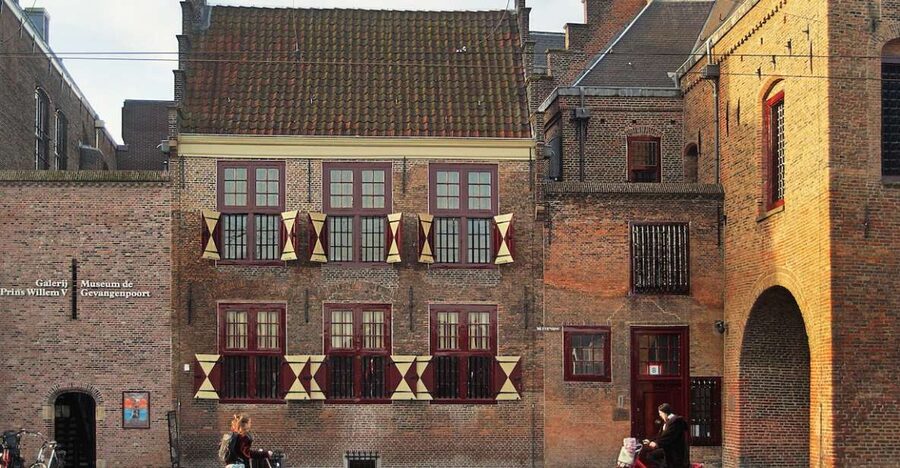
The story begins with the medieval purpose of the site. In the 1200s, the structure formed part of the gateway to the Binnenhof complex. That means the same bones of the building were designed for movement and access. Later, those same strategic features became useful for locking people up and running proceedings.
When it became a prison and courthouse, it served people at different stages of trouble. Suspected criminals waited for trials, and people who defaulted on obligations could be imprisoned while legal matters moved forward. The museum experience helps you understand that the building was not only a jail. It was also part of the system that turned accusations into outcomes.
A self-guided visit is a little slower here, in a good way. You’ll want time to read and look closely, because the museum’s whole point is how one location kept changing roles. Even if you have seen other historical prisons in Europe, the “gateway to government” angle feels specific to The Hague and the Binnenhof world.
The de Witt moments: how major Dutch history is tied to cells and court rooms
One of the most intense parts of this museum is how it connects big Dutch history to the actual setting. The museum highlights the story of the murder of the De Witt brothers, a key moment in the Netherlands story. It also brings you into the reality that important people could be imprisoned here.
This matters because it turns the usual “crime and punishment” framing into something more personal. You are not only looking at an anonymous criminal system. You are seeing how the gears of justice and power worked around named figures in Dutch history.
If you like history that feels grounded in real places, this is a strong reason to go. The museum uses the building to keep the story from becoming a generic lesson about the past.
Practical tip: slow down when the museum references famous names. Those moments are often the easiest points to connect to the rest of what you see, especially when you are comparing the cells, the trial process, and the punishments.
Prison cells up close: what it teaches about waiting, status, and treatment
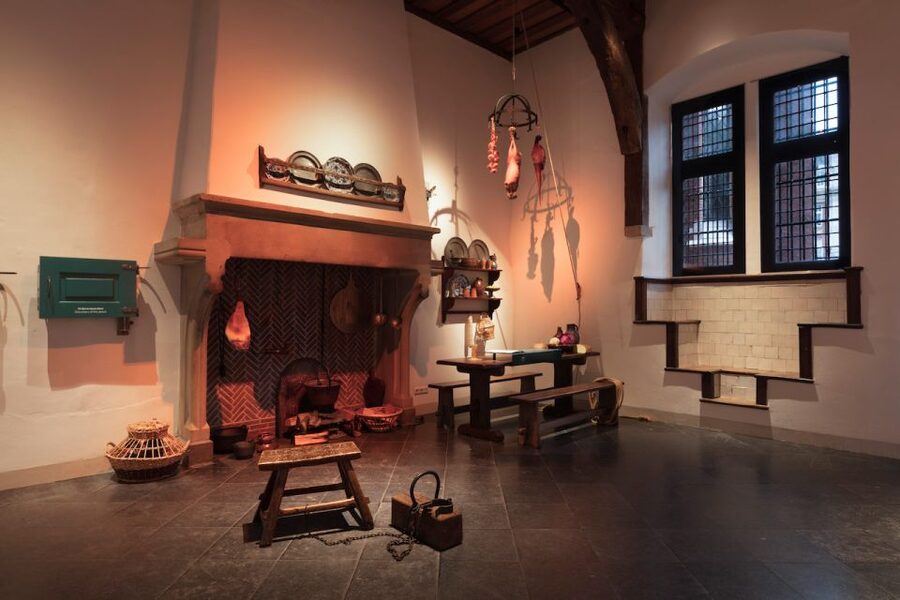
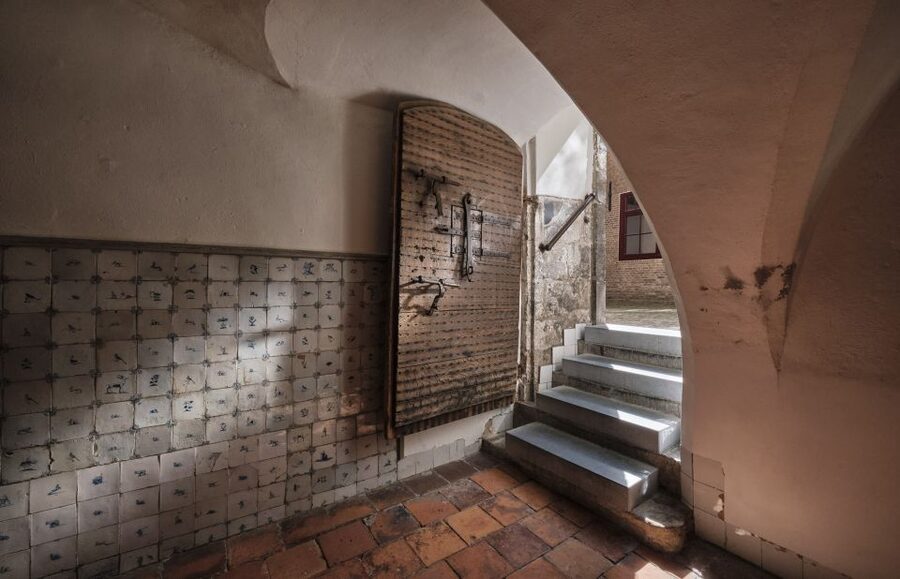
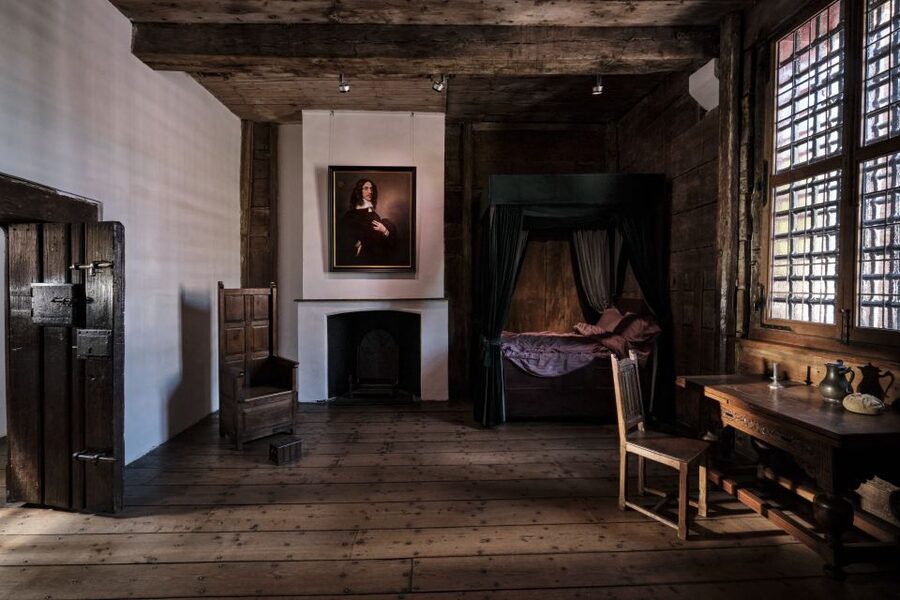
The centerpiece for many people is the prison portion of the museum. You can see and experience centuries-old prison cells and how incarceration was set up in that era. Even on a self-guided ticket, the exhibits push you toward the same questions a guided route would cover.
You’ll likely find yourself noticing patterns that the museum highlights. For example, the exhibits focus on how prisoners were held and whether there were differences between poorer and richer prisoners. That is a big theme, because it forces you to think about justice as something shaped by society, not only by crime.
The museum also encourages you to follow the progression of a case: where people waited, where a verdict was heard, and what kinds of punishments were given. That structure is what makes the experience feel coherent. Instead of random rooms of artifacts, you get a storyline.
One good way to approach it: treat each cell and room like a “chapter.” Ask what role it played in the process. Holding cells answer one question. Trial spaces answer another. Then the punishment displays tie it together with the consequences.
Torture and punishment instruments: see the collection, choose your pace
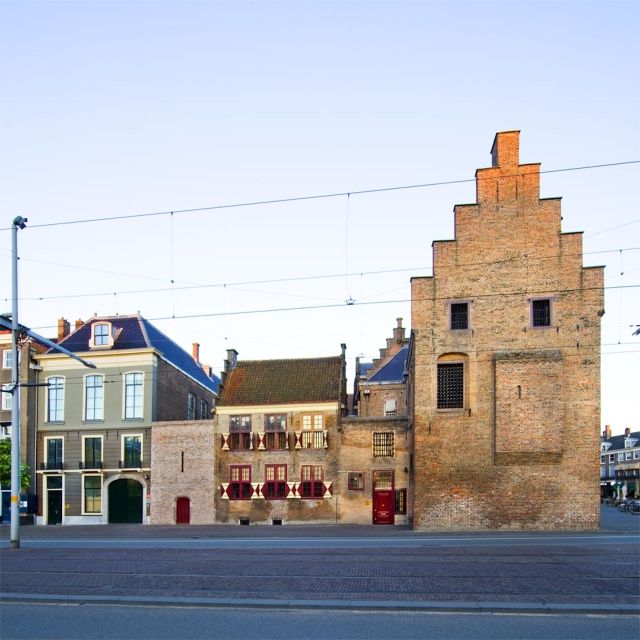
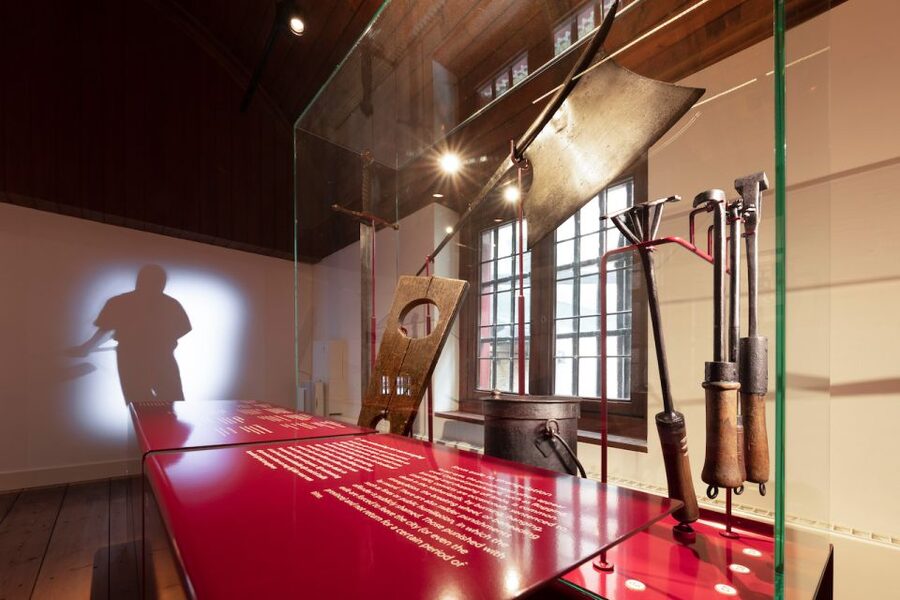
The Rijksmuseum de Gevangenpoort doesn’t shy away from the darker side. It shows a national collection of torture and punishment instruments, and the museum framing makes clear how those tools fit into justice and control in past times.
You should expect to see instruments used for torture and punishment. You may also notice the exhibits aim to explain what the prisoners faced and why the system used these methods. The goal is not shock value. It is interpretation. Still, interpretation does not make it easier to look at, so bring a personal comfort level.
If you are sensitive, do not feel guilty about skipping portions or spending less time at the most graphic displays. You can still leave with plenty of understanding, because the museum’s story spans building history, trial process, and imprisonment experiences, not only the instruments.
A small planning note for your day: this stop may feel emotionally heavy. If you like to keep your travel days balanced, pair it with something reflective but lighter afterward, so you do not end your afternoon still feeling the weight of what you saw.
More museum halls off the squares:
- Private Guided City Tour of The Hague & Mauritshuis Museum Entry
★ 4.5 · 10 reviews - Private Tour of Delft + Visit to Delft Blue Museum & Factory
★ 4.5 · 8 reviews - Amsterdam: Van Gogh Museum Ticket
★ 4.7 · 52,054 reviews - Moco Museum Amsterdam Entrance Tickets with Banksy & More
★ 4.4 · 10,088 reviews
What you miss with no guided tour, and how to make the most of self-guiding
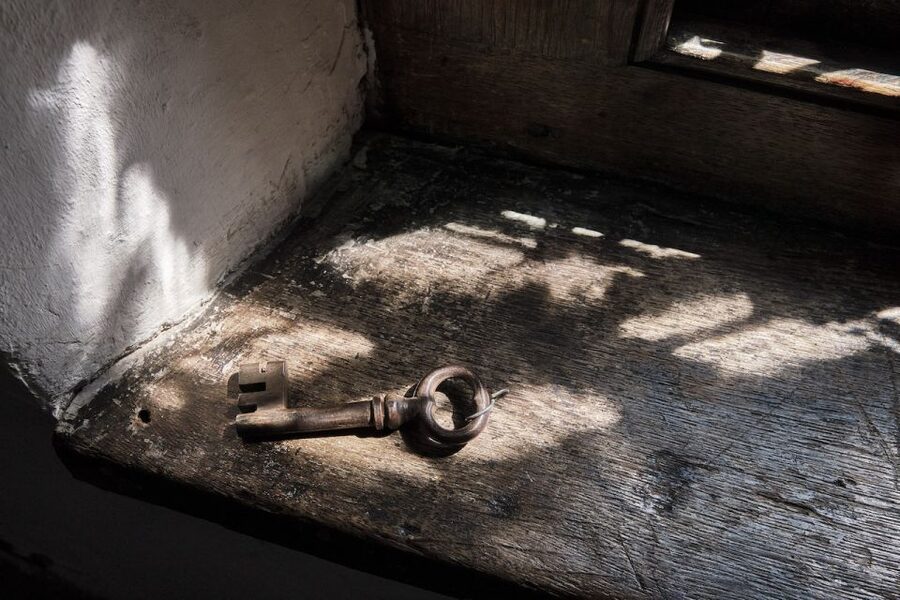
This ticket option is without a guided tour. That is not necessarily a downside, but it does change how you should approach the visit.
Without a guide, your success depends on your willingness to slow down and read. Luckily, the museum is set up to tell its story through the building spaces and displays. You can still learn about which cells were used, the difference in prisoner circumstances, where verdicts happened, and what punishments were applied.
If you like structure, you can create your own. Here is a simple self-guide rhythm you can use in the museum:
- Start with the building’s role as a gateway to the Binnenhof and government spaces
- Move into incarceration, focusing on the cells and how detention worked
- Then focus on the trial and verdict parts of the story
- Finish with punishment instruments, so consequences come last
This keeps the themes in order, even without a person leading you.
Also, this museum includes wifi and a wardrobe. If you are carrying a bulky jacket or items that make moving around annoying, the wardrobe option helps you stay comfortable as you wander.
Price and value: is 18 USD worth it?
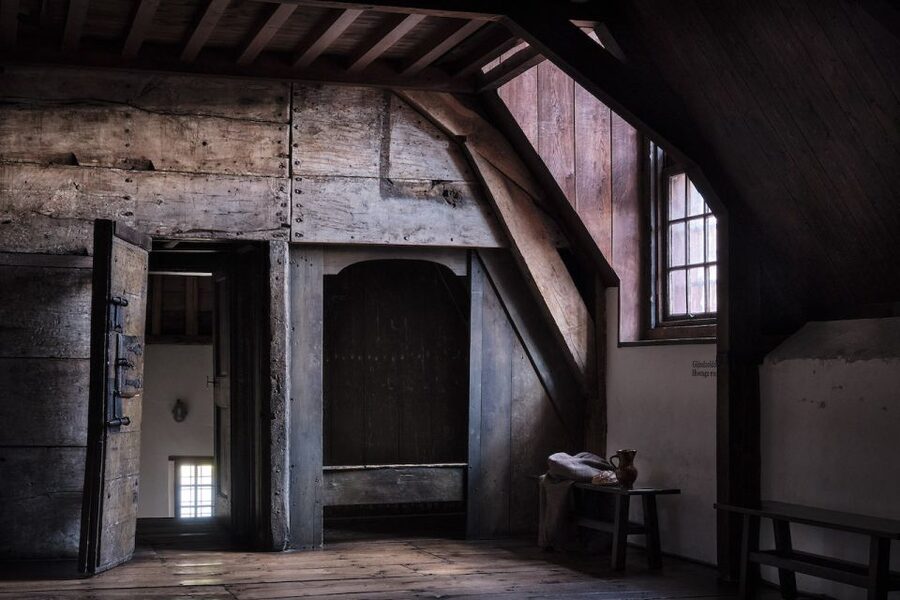
At about $18 per person, this is a pretty fair price for a museum housed in a medieval structure with real historical functions. You are not just paying for artifacts. You are paying for a location that was literally built for authority and later used for imprisonment and legal proceedings.
Value comes from three things:
- You get multiple layers of history in one place, from the 1200s gateway idea to later courtroom and prison use
- You see immersive spaces, especially the cells, which are more engaging than static displays alone
- You get exposure to the national collection of punishment and torture instruments, presented within a broader story of crime and punishment
The catch is emotional energy. If you want a relaxing museum day, the content can feel intense. But if you want history that feels real, specific, and physically present, the price feels justified.
One more practical note: food and drinks are not included. Plan a snack or meal around your visit so you do not end up hungry while you are trying to absorb heavier topics.
Where this fits on your The Hague day
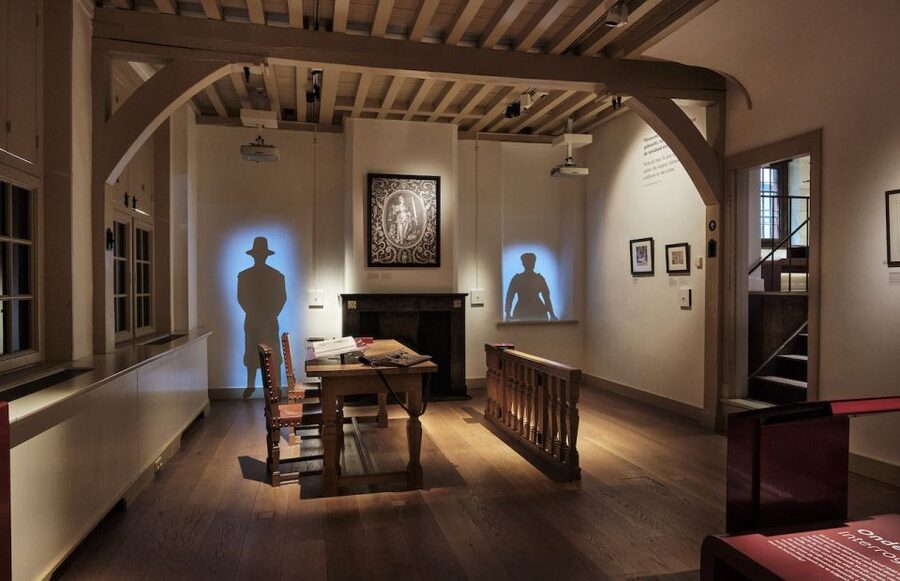
The museum sits in a prime area, right by the Hofvijver and near the Binnenhof complex. That makes it easy to pair with other central sights without adding long travel time.
For a well-paced day, think about sequence:
- Start with an orientation-friendly museum moment, like this one
- Then shift to calmer sightseeing afterward, so your brain can reset
If you are the type who likes history in the order it happened, you might enjoy doing the museum first, because it gives you a framework for understanding how this part of The Hague evolved.
If you are traveling with family, it can still work, but keep in mind the museum deals with torture and punishment instruments. Decide based on your group’s comfort level with difficult history.
Who this is best for, and who should think twice
This museum works especially well if you like:
- Real historical sites with strong place-based storytelling
- Dutch history that connects to named people, like Johan and Cornelis de Witt and the De Witt murder moment
- A museum experience that asks you to consider how justice and class shaped outcomes
You should think twice if:
- You want only light, feel-good history
- You get uncomfortable with displays involving torture or punishment tools
- You strongly prefer guided narration and would not enjoy reading and observing on your own
For most people who enjoy history, it is a memorable stop. For others, it can be too heavy. Either way, you will know quickly, once you see the building, whether it matches your travel style.
Should you book Rijksmuseum de Gevangenpoort?
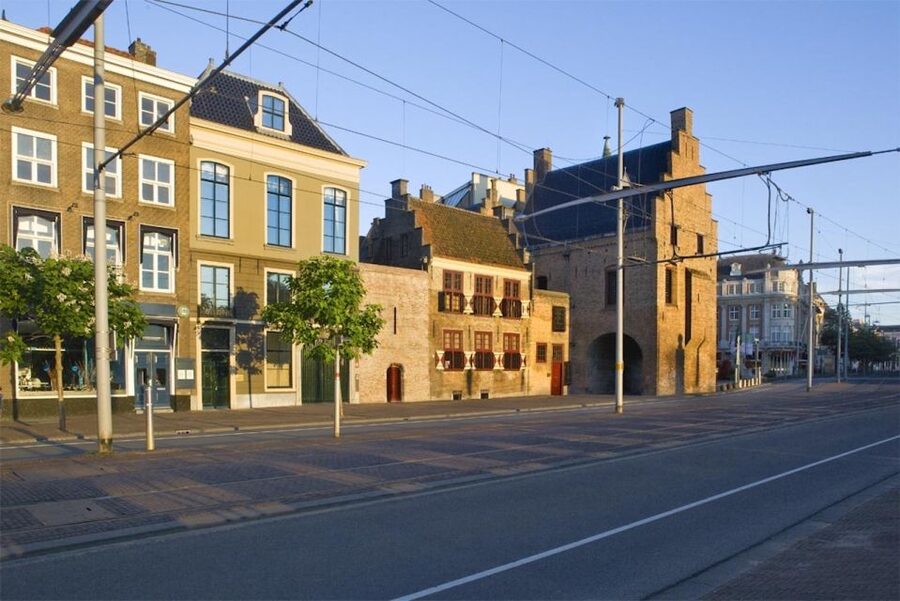
I think you should book if you want a The Hague experience that is specific, atmospheric, and firmly rooted in how power worked in the Netherlands. The medieval setting by the Hofvijver, the focus on cells and trials, and the inclusion of the de Witt stories make it more than a typical museum visit.
Skip or reconsider if you cannot handle the museum’s focus on torture and punishment instruments. Also, choose carefully if self-guided history museums do not suit you, because this option is without a guide.
If you are on a flexible schedule, the free cancellation window and reserve now, pay later style option can help you keep your plans open. Then you can decide closer to the day if you still want to face that prison gate and its past.
FAQ
How long is The Hague: Prison Gate Museum?
This experience is listed as lasting 1 day.
What is the price per person?
The price is $18 per person.
Is a guided tour included?
No. This option is without a guide.
What is included with the ticket?
Included items are the entry ticket, wifi, and a wardrobe.
What is not included?
Food and drinks are not included, and a guided tour is not included.
Where is the museum located?
It is in The Hague, South Holland, Netherlands, situated on the Hofvijver.
What is the cancellation policy?
Free cancellation is available up to 24 hours in advance for a full refund.
Is there a way to keep payment flexible?
Yes. There is a reserve now and pay later option listed, so you can book your spot and pay later.
Latest to arrive along the quays of The Hague





The Hague Tours & Experiences, compared.








Royal Delft: Delftblue Factory and Museum Admission Ticket
Read our review →Browse the lists this tour appears in