
Reviewed · THE HAGUE TOURS & EXPERIENCES
The Hague: Mystery Figures Walking Tour
Math on the street sounds unusual, and that is the point. This The Hague Mystery Figures walking tour uses clues, math ideas, and science stories to turn central streets into a moving classroom. You start near the Escher Museum and walk a short route where sundials, number systems, and famous thinkers all show up in everyday city details.
What I like most is the interactive code you solve for a real souvenir, plus the way the guides use a tablet with photos, videos, and simulations to explain what you are seeing. One potential drawback: it is not for little kids, and it is school-like in pace and structure, so it is best if you are happy walking and thinking for about 90 to 120 minutes.
In This Review
- Key highlights worth knowing before you go
- Starting at Escher in Het Paleis: what this 2-hour walk is really for
- How the code, tablets, and sundials turn math into street-level fun
- Stop-by-stop route: Voorhout to Amare with 10 science clue moments
- Starting point: Escher in Het Paleis area
- Voorhout: the first guided segment (about 15 minutes)
- Paleistuin: guided time and visual clues (about 15 minutes)
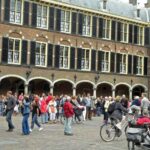
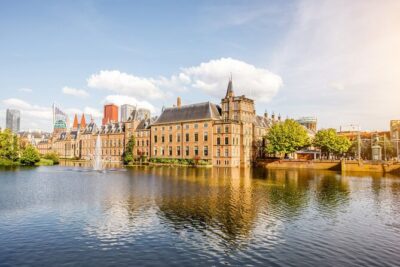
- Binnenhof: science in the civic center (about 15 minutes)
- Chinatown, The Hague: a longer guided stretch (about 30 minutes)
- Final stretch to Amare: finishing the code and collecting the souvenir
- The scientists you will meet, and why Fahrenheit, Spinoza, and Huygens fit here
- Price and pacing at $29: when the value clicks
- Practical tips to make the code feel easy
- Should you book the Mystery Figures tour?
- FAQ
- How long is the The Hague Mystery Figures Walking Tour?
- How much does it cost?
- Where do I meet the guide?
- Is the Escher Museum entrance included?
- What languages are available?
- Do I need a calculator to solve the code?
- Is the tour wheelchair accessible?
Key highlights worth knowing before you go
- Meet outside Escher in Het Paleis and get started with a science-math mindset right away
- 10 hidden stops across the city center, focused on sundials, number systems, instruments, and discoveries
- Tablet-based visuals and simulations (including 3D views from long ago) to make the explanations click
- Crack a numerical code and earn a unique souvenir at the end
- Guides in English or Dutch, with two expert guides running the experience
- A short walk (about 3 km), paced around photos and clue-solving
Starting at Escher in Het Paleis: what this 2-hour walk is really for
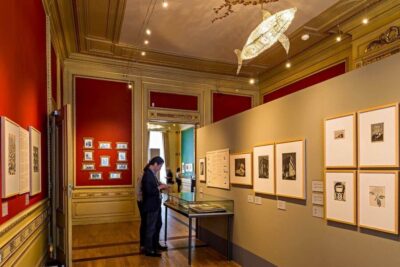
If you like your sightseeing with a puzzle and a purpose, this is a great match. The Mystery Figures tour is built around the idea that science and math are not just abstract topics, they show up in how cities are measured, marked, and remembered. You meet in front of the Escher in Het Paleis museum, then head into the central neighborhoods with an expert guide.
The heart of the experience is the 10-stop format. It keeps the walk moving, but it also stops you from drifting into passive tourism mode. Instead of only looking at buildings, you are hunting for clues that connect what you see outside with concepts like timekeeping (sundials), number systems, and the tools people used to observe the world.
You should also know the tour length expectation. Depending on pace, it runs about 90 to 120 minutes, and the full route is about 3 km. That is short enough to feel manageable in a busy itinerary, but long enough to feel like you actually explored rather than just took a quick stroll.
Price-wise, $29 for a guided, interactive 2-hour walk with a souvenir feels fair, mainly because you are paying for guided interpretation plus active participation. The guide is not just talking at you, you are solving, checking, and moving from stop to stop.
One more practical point: Escher museum entry is not included. That is fine, but it means you should plan the museum visit as a separate add-on if you want more art after the walk.
More Guided Walking Tours in The Hague

How the code, tablets, and sundials turn math into street-level fun
This tour’s real trick is turning math and science into something you can notice without needing a background in the subject. You do not need a calculator, and the clues are designed to guide you through the thinking step by step. That matters, because math-flavored tours often intimidate people. Here, the structure is the safety net.
A second strong element is the guide’s use of technology. The guides use a tablet with photos, videos, and simulations of the places you visit. In one example of what that can look like in practice, a guide named Rowdy was highlighted for using 3D images of The Hague from hundreds of years ago. Even if your tour tech setup looks a bit different, the purpose stays the same: the explanation is attached to a visual, so you are not trying to imagine historical context from scratch.
Then there is the sundial angle. You are taught how to read the city’s sundials, and that is one of those moments that turns a sidewalk detail into a mini science lesson. Timekeeping by shadow is old-school physics, and it helps you see why instruments mattered. The tour also connects to “auspicious number systems,” which gives the math side a cultural and human flavor, not just equations.
As you move along, the guides weave stories around people who shaped science in ways tied to everyday life and even life-and-death stakes. That framing keeps it from becoming a dry lecture. You are learning why numbers, measurement, and instruments mattered to real decisions, not just to scientists in labs.
And of course, the code is the payoff. You solve a secret numerical puzzle during the tour, then crack the final answer to earn a unique souvenir. It is the kind of ending that turns the experience into something you can take home, not just a memory.
Stop-by-stop route: Voorhout to Amare with 10 science clue moments
The route is a 10-stop interactive walk through The Hague’s city center, centered on several named areas. Not every stop is listed with a specific landmark name, but you can expect the guides to pull you off the main path at each clue moment. The tour runs in a smooth sequence, with guided segments of about 15 minutes early on, then a longer stretch mid-route.
Starting point: Escher in Het Paleis area
You meet in front of the museum, so the start already has atmosphere. Even if you do not go inside, Escher in Het Paleis sets a playful tone for a tour about patterns, visuals, and how people interpret the world. Right after you begin, the guide frames the day with what you will be looking for, so you know how to “read” the city as you go.
Practical note: since museum entry is not included, do not assume you can wander through without a ticket. Your tour time is focused on the walk and the clue stops.
Voorhout: the first guided segment (about 15 minutes)
Voorhout is your early reset point. This is where the tour gets you into the habit of solving. Expect your first clue moments and early instruction on how the guide wants you to observe details, then translate them into the tour’s math and science themes.
This matters because it sets your rhythm. If you are the type who needs a warm-up, this early 15 minutes gives you a chance to understand the format before the longer stops.
More gables counted on foot:
- The Hague: Courtyard Walking Tour
★ 4.5 · 71 reviews - Walking Tour of Delft – The City of Orange and Blue
★ 5.0 · 50 reviews - Private Walking Tour of Delft: Dive into the Dutch Golden Age
★ 5.0 · 33 reviews - The Hague Private Walking Tour with a Local
★ 4.0 · 29 reviews
Paleistuin: guided time and visual clues (about 15 minutes)
Next comes the Paleistuin area. This is where you start leaning more heavily on the tablet approach. The guides use visuals to connect what you see now to what it meant in the past. This is also a good place for photos, but more importantly, it is where the tour starts to feel like a story you can follow rather than disconnected facts.
A small consideration: the tour is structured, so if you want long, slow photo sessions, you might feel the schedule. The payoff is that you get frequent clue moments instead of one long lecture.
Binnenhof: science in the civic center (about 15 minutes)
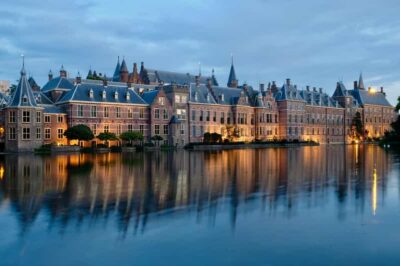
At the Binnenhof, you are in a setting that naturally feels significant. The tour uses that energy to link famous scientific figures and concepts to the kinds of environments where decisions and public life happen. You do not just get names; you get anecdotes tied to how science and measurement show up in the way cities function.
This is one of the stops where the “why this matters” feeling tends to click. You start to see that math and instruments are not only for scholars, they are part of how societies organize time, knowledge, and practical thinking.
Chinatown, The Hague: a longer guided stretch (about 30 minutes)
Then you move into Chinatown, The Hague, where the tour slows down a bit more at about 30 minutes. This longer segment suggests you will get more time for explanation and puzzle-solving, not just a quick look-and-go.
It is also a useful reminder that science and math do not live in one cultural lane. The tour threads its scientific themes through different parts of central The Hague, so you experience multiple neighborhood vibes without losing the scientific storyline.
If you prefer relaxed pacing, this is where you might appreciate the longer guidance, because you have time to ask questions and stay with the clue-solving process.
Final stretch to Amare: finishing the code and collecting the souvenir
You end at Amare. By the time you reach the finish, you are doing the final leg of the numerical code and puzzle. This ending is designed to feel rewarding, because you are not just leaving with facts, you leave with a result you earned.
It also helps you remember the walk as a whole. When the souvenir is tied to the code, you remember the stops that fed the puzzle, even after the city noise returns.
The scientists you will meet, and why Fahrenheit, Spinoza, and Huygens fit here
The tour specifically references figures such as Fahrenheit, Spinoza, and Huygens, and it uses their stories to connect math, instruments, and discovery to real-world stakes.
Here is why that trio works well for a walking format. Fahrenheit is a bridge between science and daily life through temperature and measurement. Spinoza offers a reminder that big thinking often mixes with how people interpret the world, not only with equations. Huygens connects strongly to instruments and observation, which is a natural fit for a tour focused on sundials and scientific tools.
You do not need to know anything about these names before you start. The guides use anecdotes and street-level examples so the figures feel like people rather than trivia. You also hear how numbers, scientific instruments, and discoveries played roles in ways of life and death, which keeps the material grounded.
If you enjoy learning that feels practical, this is the right angle. Even when the concepts are historical, the tour treats them as skills for reading the city: spotting clues, interpreting patterns, and understanding why time and measurement were so important.
Price and pacing at $29: when the value clicks
At $29 per person for a 2-hour tour, you are paying for three things that usually cost extra when they are separated: a local expert guide, structured interactive learning, and a final souvenir tied to participation.
The value becomes clearer when you remember what you get in the package:
- an interactive 10-stop route
- tablet visuals like photos, videos, and simulations
- a secret numerical code challenge
- a guided experience in Dutch or English
Also, the walking distance is about 3 km, and the tour time typically lands between 90 and 120 minutes. That is a good match for travelers who want an experience that fits into a morning or afternoon block without stretching into a half-day commitment.
Who tends to enjoy it most? People who like hands-on learning, teens who enjoy puzzles, and adults who want more than the usual photo stops. The tour is intended for ages 12 and up, and it is explicitly not suitable for children under 12.
One caution: because it is math and science inspired, people who want purely casual wandering might feel the structure. You will be asked to think, solve, and pay attention. If that is your style, you will likely have a great time.
Practical tips to make the code feel easy
You do not need a calculator, so do not waste energy trying to bring math tools along. The tour is set up so you can solve with the clues and guidance provided.
If you want to get more from the tablet visuals, stay close to the guide during simulation explanations. Those moments are designed to help you connect the street detail with the concept, so it is worth focusing rather than multitasking.
Finally, treat each stop as a clue checkpoint, not a random photo opportunity. The tour only becomes truly satisfying when you keep moving with the narrative and start thinking like a solver. When you do that, the final numerical code feels less like a surprise test and more like the natural end of a chain of small discoveries.
Should you book the Mystery Figures tour?
I think this is a strong choice if you want a The Hague walk that feels different from the standard museum and monument loop. The combination of expert science-math guidance, interactive clue solving, tablet simulations, and a souvenir you earn makes it feel like value beyond a typical sightseeing tour.
I would skip it if you are traveling with kids under 12, or if you want a very casual stroll with no thinking required. Also, if you expect museum entry included, plan separately, since the tour meets outside Escher in Het Paleis and does not include museum access.
If your idea of a good time includes puzzles, observant walking, and learning why instruments and numbers shaped how people lived, this tour is an excellent fit.
FAQ
How long is the The Hague Mystery Figures Walking Tour?
The tour lasts about 2 hours, though the timing can vary based on pace, typically around 90 to 120 minutes.
How much does it cost?
The price is $29 per person.
Where do I meet the guide?
You meet at the Escher in Het Paleis museum, in front of the museum.
Is the Escher Museum entrance included?
No. Entrance to the Escher museum is not included in this tour.
What languages are available?
The tour is offered in Dutch and English.
Do I need a calculator to solve the code?
No. A calculator is not needed.
Is the tour wheelchair accessible?
Yes. The tour is wheelchair accessible.
Latest to arrive along the quays of The Hague

The Hague Tours & Experiences, compared.




Royal Delft: Delftblue Factory and Museum Admission Ticket
Read our review →Browse the lists this tour appears in