
Reviewed · BEACH & SURF DAYS
Scheveningen Beach: 1,5 hour Surf experience for families
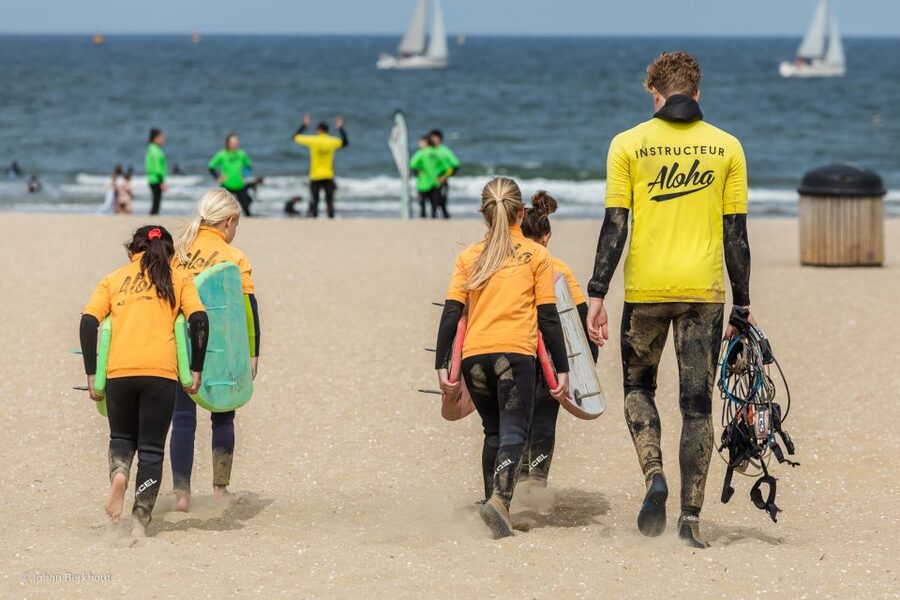
Standing up on a surfboard starts with basics. In Scheveningen, you get a family-friendly surf lesson in The Hague beach area that mixes confidence building with real time on the board in front of the Dutch coast.
Two things I like a lot are the certified instructor coaching and the fact that surf gear is included. You’re not stuck figuring out boards, straps, or technique in the sand before you even start learning.
One consideration: weather and wave conditions matter here, so the lesson can be canceled if there are no waves or a storm in Scheveningen. Also, it is not suitable for pregnant women or people with mobility impairments or wheelchair users.
In This Review
- Key things you’ll notice right away
- Why Scheveningen is a great spot for a first surf lesson
- From Aloha Surf to the beach: how the session gets rolling
- The 90 minutes that matter: what you’ll learn before you ride
- Riding Dutch waves: what practice looks and feels like
- Family-friendly coaching that keeps kids comfortable
- Price and value: is $47 per person worth 90 minutes?
- Languages, communication, and choosing the right time slot
- What to bring, what’s not allowed, and who this won’t work for
- Weather reality check in Scheveningen
- What makes this lesson work well in a Netherlands trip
- Should you book this Scheveningen surf lesson?
- FAQ
- Where do I meet the surf instructor?
- What is included in the surf lesson price?
- What should I bring with me?
- How long is the lesson?
- Is it a private lesson or a group lesson?
- What languages are available for the instructor?
- What happens if there are no waves or a storm?
Key things you’ll notice right away
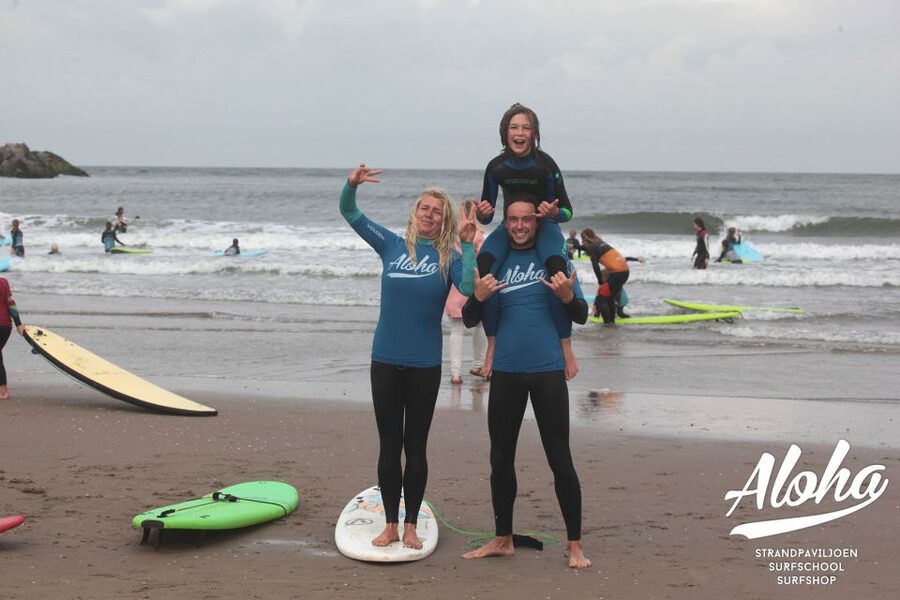
- Small-group coaching (up to 8 surfers) helps you get hands-on corrections, not just a group pep talk
- Aloha is your meeting point, so you show up, get geared up, and get moving
- Safety and surf basics come first, with history and practical water rules before you ride
- Standing and steering practice focuses on left, right, and straight, so you build control step by step
- Expect plenty of water time, including falls, because that’s part of learning and it’s built into the lesson
- Bring swimwear and a towel since those are on you, while the surf gear is provided
Why Scheveningen is a great spot for a first surf lesson
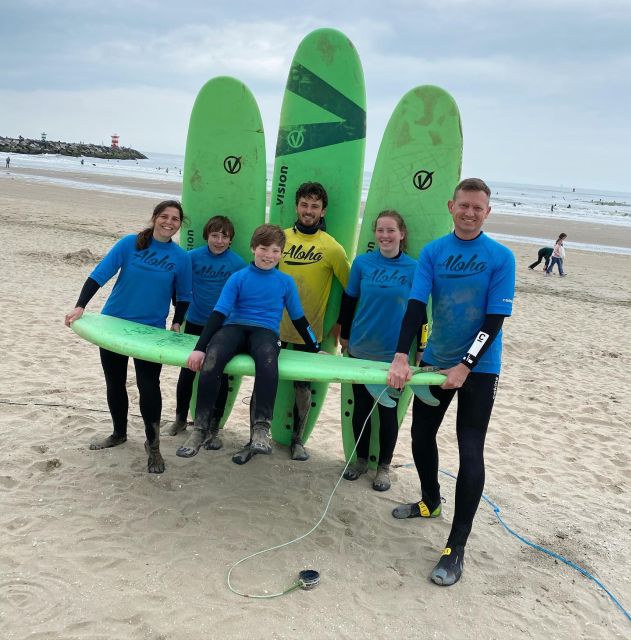
Scheveningen sits on the North Sea side of the Netherlands, and it has the kind of surf environment that makes sense for beginners. You’re not chasing some extreme location or complicated logistics. You’re learning to ride waves in a familiar, practical beach setting near The Hague, with a focused lesson format that lasts about 1.5 hours.
What makes this work for families is the rhythm. You get instruction, then practice, then more practice. You’re not stuck watching other people surf for a long time while you wait your turn. Even if you’re brand new, you’ll spend enough time on the board to feel the difference between lying down, popping up, and trying to steer.
And yes, you will fall. Dutch waves and first-attempt balance are a classic combo. The lesson is built around that reality, so falling is not a failure. It’s part of learning what to do next.
More North Sea breaks and beach days:

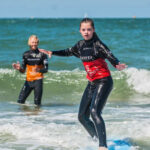
From Aloha Surf to the beach: how the session gets rolling
The session starts when you meet your instructor at Aloha. From there, the plan is straightforward and beginner-friendly: you get sorted, you learn what to do, and you build toward actual riding.
Surf gear is included, which is a big value piece for families. You don’t need to hunt down rentals, guess board size, or worry that you bought the wrong “starter” equipment. The setup also reduces friction for kids. They can focus on the lesson instead of wrestling with gear minutes after arrival.
Your role is simple, but don’t wait until the last minute to get it ready. Bring swimwear and a towel. Add sunscreen since you’re on a beach setting in daylight conditions. The school will handle the surf equipment and the teaching, you handle what goes under and after your wetsuit-level comfort needs, plus drying off when it’s over.
The 90 minutes that matter: what you’ll learn before you ride
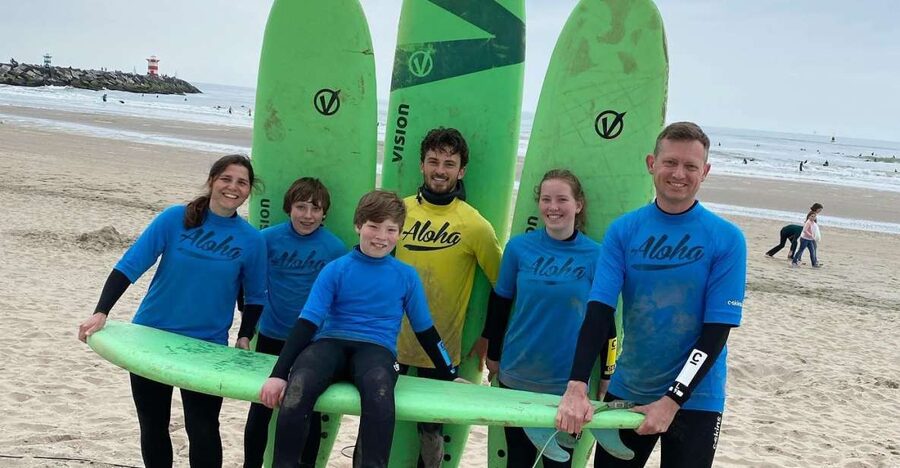
This is a 1.5-hour lesson, so every part is designed to move you forward quickly. The first stage is about getting the basics in place, then practicing them in the water.
You start with an intro that covers two things:
- Surf history, so you understand what people are doing out there and why the sport uses certain techniques
- Safety guidance, which matters more than most first-time surfers expect
This safety piece is not a side note. Before you try to stand, you learn how to stay safe while learning to surf. That includes basic water awareness and how to behave in the surf zone so you and the group can learn without turning the beach into a chaos factory.
After the safety and basics, you finally get to the part that makes the lesson memorable: the instructors help you try standing up on a surfboard and gliding over the wave. That moment is when “learning” turns into “I can do this,” even if it’s only for a few seconds at a time.
Riding Dutch waves: what practice looks and feels like
Once you’re in the practice phase, you’ll build from simple moves toward real riding. The lesson is structured for beginners and kids, so you don’t need athletic bragging rights.
Here’s what you can expect to work on:
- Standing up, so you get the feeling of being upright on the board
- Steering toward either left or right, plus heading straight
- Learning how waves interact with your board, which is half the skill
- Getting comfortable with the fact that you might fall into the water, then try again
The fun part is the sliding sensation. When it clicks, you’ll feel the freedom of gliding over the wave. And when you do fall? Don’t take it personally. The point is building confidence through repetition, not proving you never wipe out.
Because this is a group lesson with a cap of up to 8 surfers, you’ll generally get enough attention to correct key issues without feeling like you’re waiting your turn for everything. That is especially helpful for families, where different ages and comfort levels tend to learn at different speeds.
Family-friendly coaching that keeps kids comfortable
If you’ve ever watched kids try something new in the ocean, you know the first challenge is emotional, not physical. Kids need to feel safe and guided. Adults need to feel like they’ll get instructions they can actually follow.
This lesson is set up to match that reality. The coaching style is friendly and patient, with clear explanations that make it easier for children to understand what to do next. You’ll see it in how the instructor breaks down the steps and keeps the group moving through practice.
For parents, the biggest practical win is focus. The session is only 1.5 hours, and it’s paced so you can stay engaged without constantly managing long downtime. You’ll also appreciate that the gear is included, so you’re not spending your energy on equipment logistics.
The only “gotcha” for families is expectations. You won’t become a surfer in one lesson. But you will leave with something better than a souvenir photo. You’ll leave knowing the basics of balance, safety, and how to try standing up. That’s the foundation for a second, third, and fourth lesson.
Also flying a pennant in The Hague
- The Hague: Madurodam Miniature Park Entry Ticket
★ 4.6 · 1,559 reviews - The Hague: Hop-on Hop-off Heritage Tram Tour
★ 4.5 · 1,311 reviews - The Hague: Escher in The Palace Museum Ticket
★ 4.6 · 896 reviews - The Hague: Canal Cruise
★ 4.5 · 354 reviews
Price and value: is $47 per person worth 90 minutes?
At $47 per person for a 1.5-hour surf lesson, the value comes from what’s included and what you get out of the time.
You get:
- Surf gear included
- Certified instructors doing the coaching
- A structured lesson that combines safety, basics, and then real practice riding waves
- A small group setting (up to 8 surfers) that keeps instruction practical
If you were to compare this to the cost of equipment rentals plus paying an instructor for any kind of open-ended “try surfing” session, the bundle makes sense. The money is going into the parts that actually help you progress: teaching and time on the board.
For families, it’s also predictable. You know the core cost per person, and you know you’ll have the gear handled. Your add-ons are simple: swimwear, towel, and sunscreen.
So the best way to think about the price is this: you’re paying for focused coaching and beach-to-board guidance, not just access to the water.
Languages, communication, and choosing the right time slot
The instructors can speak Dutch, German, English, and Spanish. That’s a strong range for families visiting from different places.
One important detail: the school can not guarantee which language you’ll get for every available time. So if language matters a lot for your child, plan ahead and contact the provider directly to ask what’s available at your chosen start time. That small step can prevent frustration on the day of the lesson.
In practice, even if you’re not fluent, surf instruction relies on demonstrations and clear step-by-step guidance. Still, having a shared language makes it easier to understand safety points fast, and that’s the part you really don’t want to miss.
What to bring, what’s not allowed, and who this won’t work for
Bring these items:
- Swimwear
- Towel
- Sunscreen
- And show up ready for the fact you will get wet, because that’s part of the learning process
Surf gear is included, so you don’t need to bring a board or anything like that. The only personal items you’re responsible for are the ones that keep you comfortable before and after.
Not allowed:
- Alcohol and drugs
Who it is not suitable for, based on the lesson’s rules:
- Pregnant women
- People with mobility impairments
- Wheelchair users
That last point matters for planning. If someone in your group falls into those categories, this specific surf lesson likely won’t be the right fit. It’s better to choose an alternative activity that matches the group’s needs instead of hoping it can be modified.
Weather reality check in Scheveningen
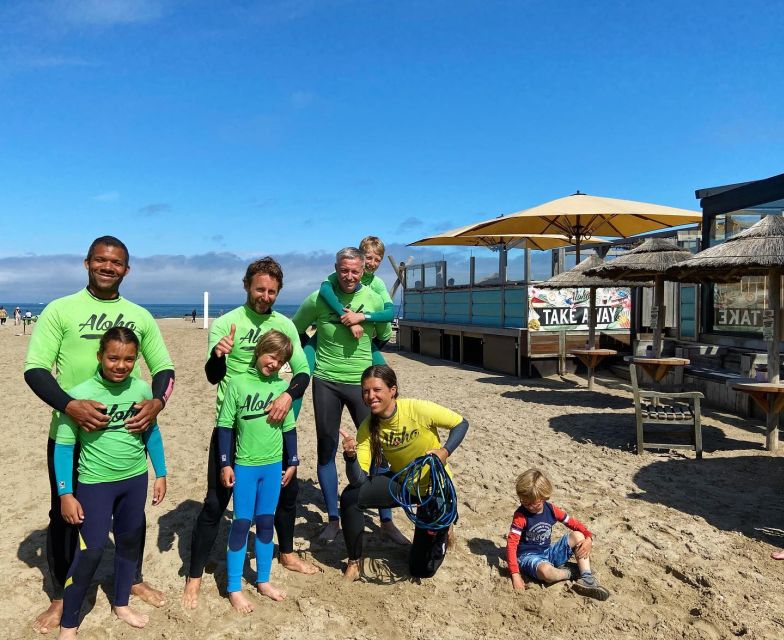
In Scheveningen, the ocean is the boss. The lesson can be canceled if there are no waves or there is a storm in Scheveningen. The surf school will contact you if the lesson will be canceled or changed due to weather.
For families, the smart approach is to treat this like a plan you’re excited for, but that still belongs to the weather. Keep flexibility where you can, especially if you’re pairing the lesson with other activities that have strict timing.
If the session does run, you’re in for a practical payoff: you’ll get into the water, try standing up, and learn how to steer even if only briefly.
What makes this lesson work well in a Netherlands trip
This surf experience fits naturally into a Netherlands itinerary because it’s time-limited and focused. You can pair it with beach time nearby without turning your day into a travel marathon.
It also adds variety. The Netherlands is full of great walking and sightseeing, but a surf lesson gets you out of “watching mode” and into “doing mode.” You’ll feel the wave effort in your body, then get the immediate feedback of trying again.
And for families, it gives everyone a shared story. Even if the kids progress faster, parents still get value from watching instruction and learning how to improve your own first attempts.
Should you book this Scheveningen surf lesson?
Book it if you want a beginner-focused experience at the beach, with certified instructors, surf gear included, and a short 1.5-hour session that actually gets you on the board. It’s a good match for families who want fun that feels real, not staged.
Skip it, or plan an alternative, if someone in your group is pregnant or has mobility impairments or uses a wheelchair. Also, if your schedule is rigid and you cannot handle weather-related changes, consider booking a backup activity nearby.
If you’re flexible, bring swimwear and a towel, and expect to fall a few times, you’ll likely get exactly what this lesson is designed to deliver: confidence building, Dutch wave time, and that satisfying moment when your board starts to move the way you want.
FAQ
Where do I meet the surf instructor?
You meet your instructor at Aloha.
What is included in the surf lesson price?
The lesson includes surf gear and certified instructors.
What should I bring with me?
Bring swimwear and a towel. Sunscreen is also recommended.
How long is the lesson?
The surf lesson lasts 1.5 hours.
Is it a private lesson or a group lesson?
It’s a private group experience, with a group lesson format of up to 8 surfers.
What languages are available for the instructor?
Instructors can speak Dutch, German, English, or Spanish. The school cannot guarantee German, French, and Spanish speaking instructors at every available time, so it’s best to ask directly for your time slot.
What happens if there are no waves or a storm?
The lesson can be canceled if there are no waves or there is a storm in Scheveningen. The surf school will contact you if the lesson will be canceled or changed due to weather.
Latest to arrive along the quays of The Hague





Beach & Surf Days, compared.
Drive it yourself electric Dune and Beach GPS audio tour
Read our review →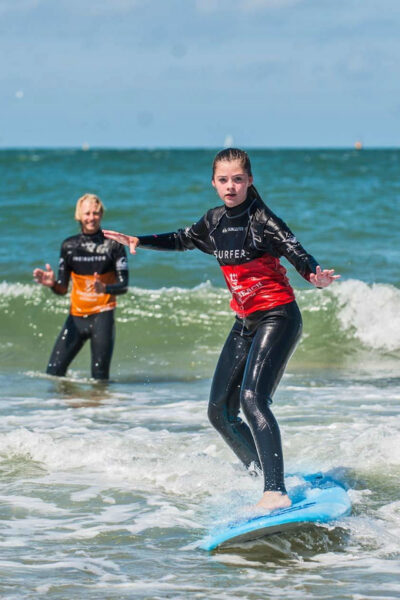

Self-Drive Electric Car Dune and Beach Audio Tour
Read our review →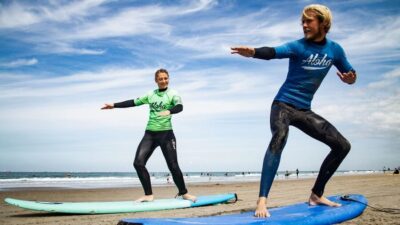
Scheveningen Beach: 1,5-Hour Surf Experience for Adults
Read our review →
Browse the lists this tour appears in