
Reviewed · MIDDELBURG TOURS & EXPERIENCES
Middelburg: Zeeuws Museum Entry Ticket
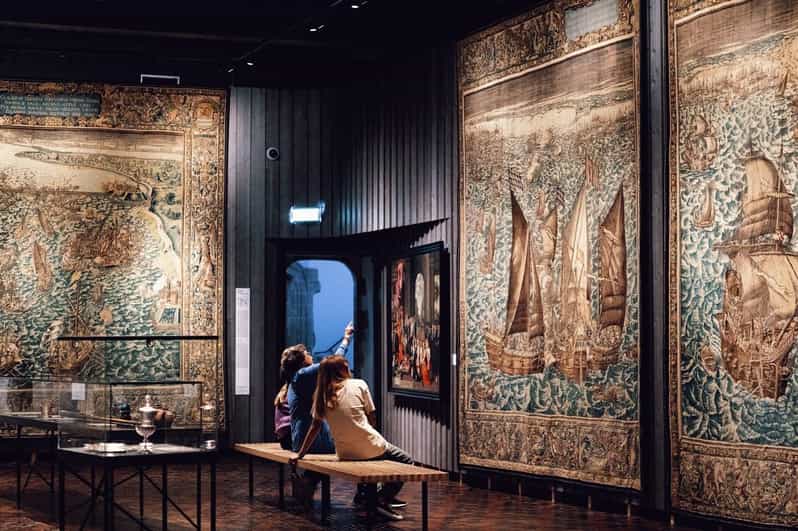
Two Dutch worlds fit in one old abbey. The Zeeuws Museum in Middelburg turns local Zeeland culture into a hands-on, story-driven visit, built around a collection of about 30,000 objects. I especially like the way the museum connects big events to everyday life, from Eighty Years’ War naval scenes on tapestries to fashion and jewelry tied to regional costume.
You’ll get the museum’s core exhibition on Zeeland’s culture and history, plus supporting stops that bring in archaeological finds and objects made by Zeelanders and used at home, even when their origins were abroad. One possible drawback: part of the museum can be closed on certain days, so build a little flexibility into your route if you arrive hoping to see everything.
In This Review
- Key things I think you will care about
- Zeeuws Museum in Middelburg: a former abbey with 30,000 stories
- The core exhibition on Zeeland culture and history
- Eighty Years’ War naval battles on tapestries
- Archaeological finds and why Zeeland objects feel personal
- Objects from abroad, made in Zeeland, and used locally
- Porcelain, silver, and the stuff people valued
- Fashion exhibitions based on regional costume and jewellery
- A sensible 1-day game plan for a self-guided visit
- Ticket price and what you get for your $19
- Practical rules you should know before you go
- Who should book this Zeeuws Museum entry ticket
- Should you book this museum entry ticket?
- FAQ
- How much does the Zeeuws Museum entry ticket cost?
- How long is the ticket valid?
- What is included with this experience?
- Is a guide included?
- Is the museum wheelchair accessible?
- Can I borrow a wheelchair?
- Are mobility scooters allowed?
- Are bags allowed inside?
- Can I cancel, and how late?
- Are there starting times?
Key things I think you will care about
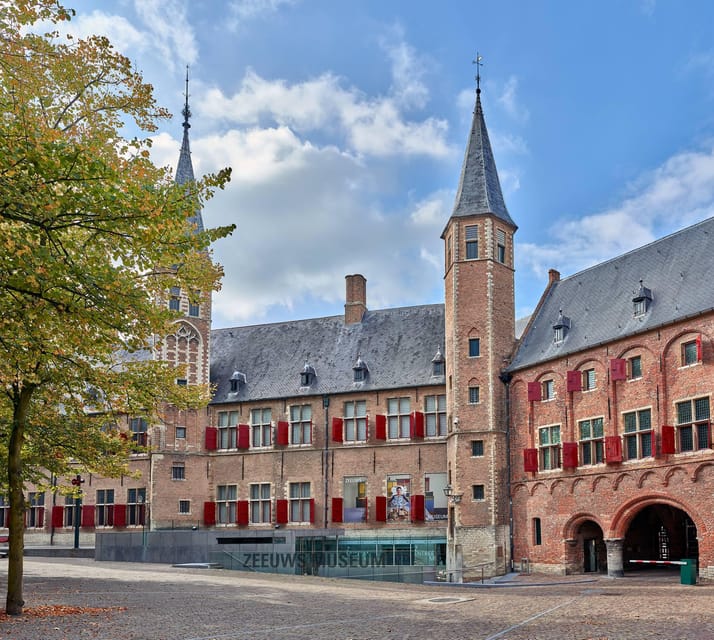
- Former abbey setting that makes the museum feel like a place, not just rooms on a route
- 30,000-object collection that supports changing displays and themed stories
- Naval battle tapestries that give Zeeland history a dramatic visual core
- Regional fashion and jewelry tied to costume, not just fashion as decoration
- Objects from abroad, by Zeelanders that show trade, travel, and cross-border influence
- Good staff support, with occasional friction when things are tried online, so plan a calm pace
Zeeuws Museum in Middelburg: a former abbey with 30,000 stories
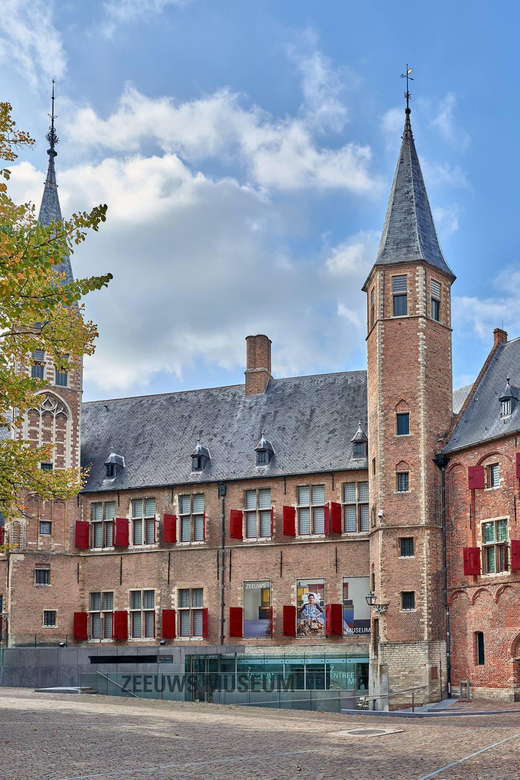
The Zeeuws Museum is based in a former abbey in Middelburg, which matters more than you might think. Stone walls, a museum layout that feels naturally “architectural,” and a sense that you’re inside a long-running place all help your brain stay focused on the exhibits.
The ticket gives you entry to a museum that preserves around 30,000 objects. That scale changes the vibe. Instead of hunting for a single highlight, you can slow down and follow threads, from history to art to daily materials like porcelain and silver.
And there’s a modern purpose in the way the museum presents the collection. The museum talks about using art and heritage to build a resilient society, and it frames the space as a place for encounters. If you like history that connects to present-day identity, this approach fits.
More museum halls off the squares:

The core exhibition on Zeeland culture and history
If you only have time for one “main track,” make it the core exhibition on Zeeland’s culture and history. This is where the museum gathers the big themes and gives you a backbone for everything else you’ll see.
You can expect a mix of formats and materials. That includes archaeology, more traditional museum pieces, and major visual works that help tell Zeeland’s story in a way that’s easy to understand even if you’re not coming in as a history student. It’s built to help you look differently at the same region, not just memorize dates.
A smart way to tackle the core exhibition is to treat it like a set of questions. Ask yourself what Zeeland’s land and coast might have shaped, then look for how the objects explain the answers. The museum’s emphasis on local-made items and personal connections makes that approach feel natural.
Eighty Years’ War naval battles on tapestries
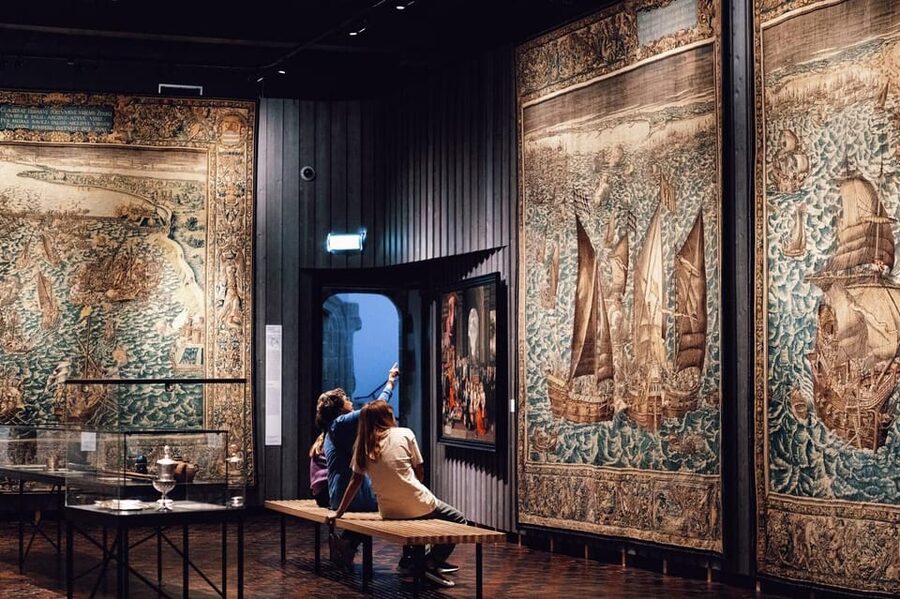
One of the museum’s most “stop-you-in-your-tracks” highlights is the presentation of naval battles during the Eighty Years’ War. These scenes appear on tapestries, and that format changes how you read the history.
Tapestries do two things at once. They show an event, but they also show the culture of display. Watching how the scenes are composed, and how battle details are treated like art, helps you see the difference between a plain record and a public story that people wanted to hang on their walls.
If you like visual history, spend time here rather than rushing. Even when you’re not reading every label, you can still pick up how symbolism, figures, and action are communicated. For many people, this is the emotional hook of the museum.
Archaeological finds and why Zeeland objects feel personal
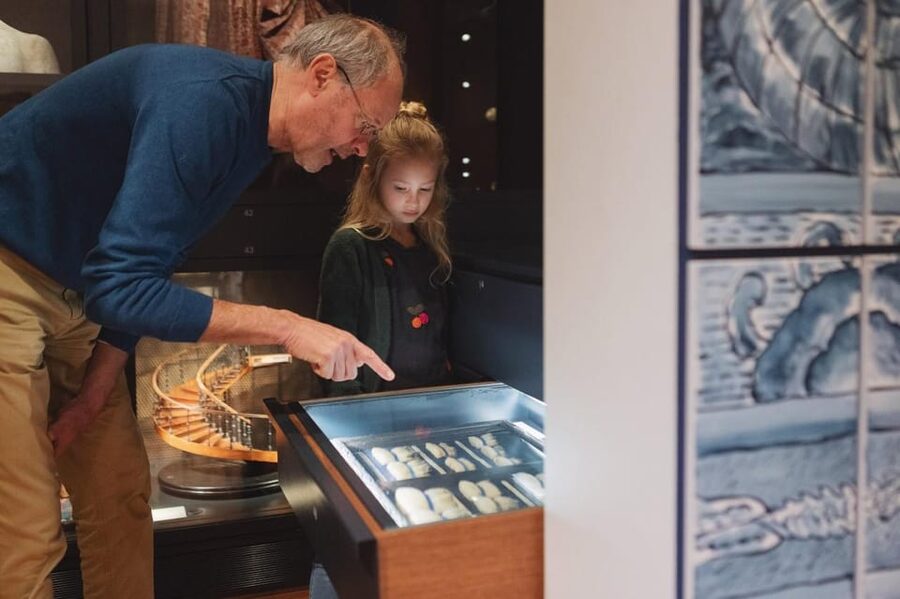
The museum includes archaeological finds, and that’s a good anchor point for a one-day visit. Archaeology tends to reset your sense of time, then the rest of the museum can feel like a long conversation between the past and the present.
What I like about the way the museum uses these finds is that they don’t feel separated from the rest of the collection. Instead, they set a baseline for understanding Zeeland life, then you move to items that show how people lived, traded, traveled, and brought knowledge back home.
You’ll also see the idea of “made or used by Zeelanders” threaded through many objects. That matters because it shifts the museum from a generic regional display to a story of people acting in the world.
Objects from abroad, made in Zeeland, and used locally
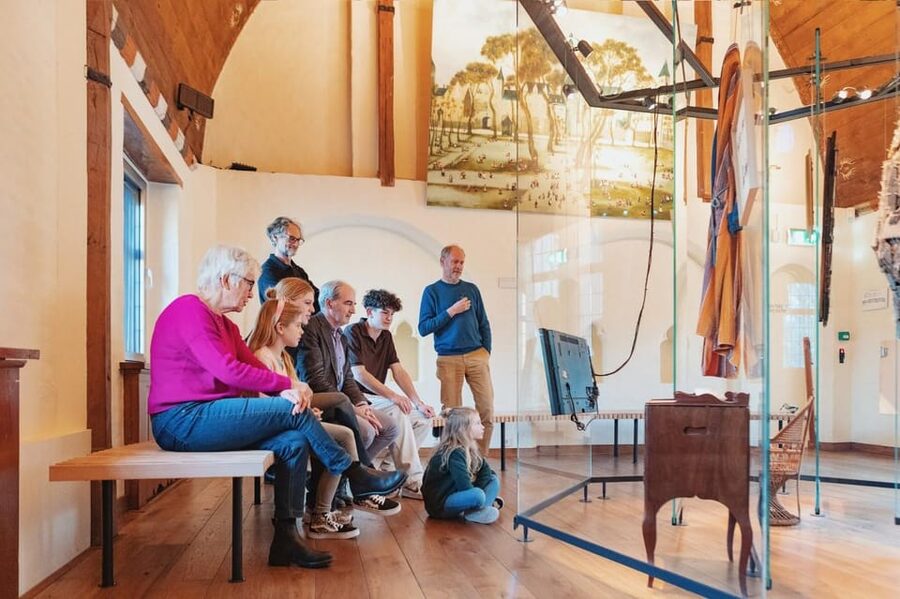
One of the most interesting angles the museum highlights is objects brought from abroad, plus items made or used by Zeelanders that connect Zeeland to distant places. That’s exactly the sort of detail that helps a small region feel big and relevant.
This angle is also a reality-check. Regions aren’t closed boxes. Coastal areas especially tend to absorb outside influence through trade, travel, and return journeys. When the museum shows objects linked to faraway origins, it helps you understand Zeeland as part of broader networks.
As you walk, look for the “journey” clues. Materials, design influences, and production styles can hint at where items came from and who valued them. Even without a guide, this is a museum where you can build your own mini narrative as you go.
Also flying a pennant in Middelburg
- Middelburg: City Canal Cruise
★ 4.5 · 527 reviews - Middelburg: Guided City Walking Tour
★ 4.5 · 315 reviews - Middelburg: Guided Tour Townhall Middelburg
★ 4.6 · 65 reviews
Porcelain, silver, and the stuff people valued
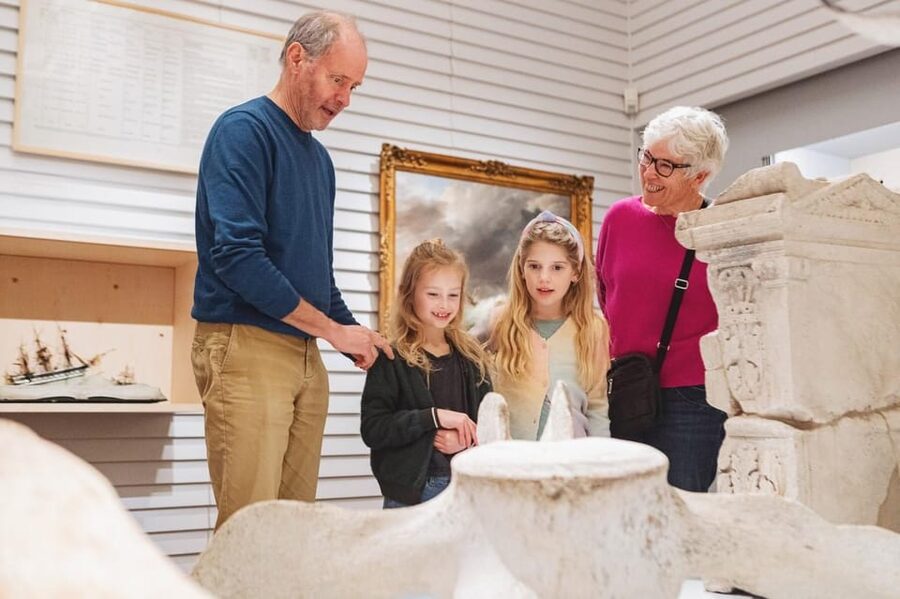
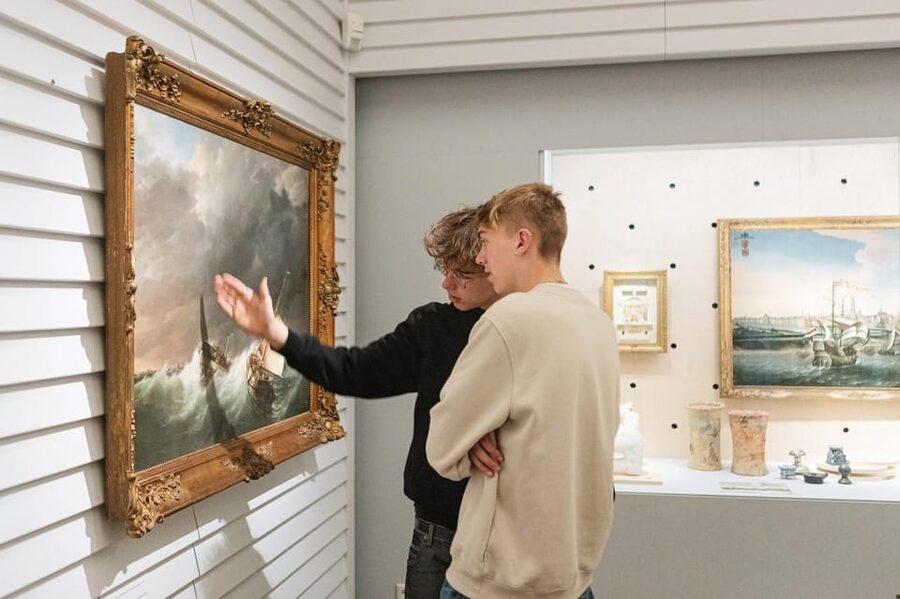
The museum’s collection isn’t only dramatic history. It also spotlights materials like porcelain and silver, which is a very practical way to tell cultural stories.
Luxury materials usually reveal what a society wanted to show, keep, or collect. They also connect to skill and trade. When you see porcelain and silver in a museum focused on Zeeland identity, you can read it as: people here mattered within wider systems, and they had the taste, networks, or resources to access premium goods.
This section works well if you enjoy the “how would this have been used” feeling. Take a slow look at surfaces and finishes. That’s where museums like this can feel richer than you expect.
Fashion exhibitions based on regional costume and jewellery
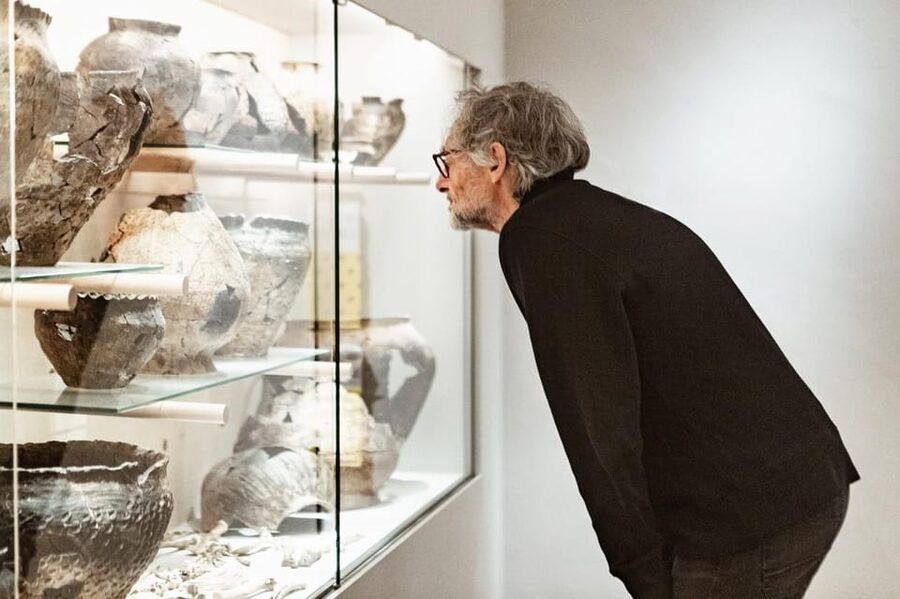
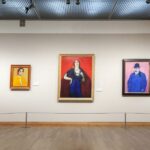
If your favorite part of a museum is when art meets daily life, the Zeeuws Museum has a strong match for you. It includes dynamic fashion exhibitions based on regional costume and jewellery.
This is not fashion as a one-off “look.” The museum frames it as regional identity, and that makes the outfits and ornaments feel like history you can actually picture. Jewellery in particular is an easy entry point into a region’s values, because it’s worn, shown, gifted, and often tied to milestones or social meaning.
I love that the museum builds this connection without making it feel like a costume party. The best approach here is to let your eyes move in layers: first costume overall, then details like jewelry elements, then the context the labels provide. You’ll often learn more that way than by reading everything in one pass.
A sensible 1-day game plan for a self-guided visit
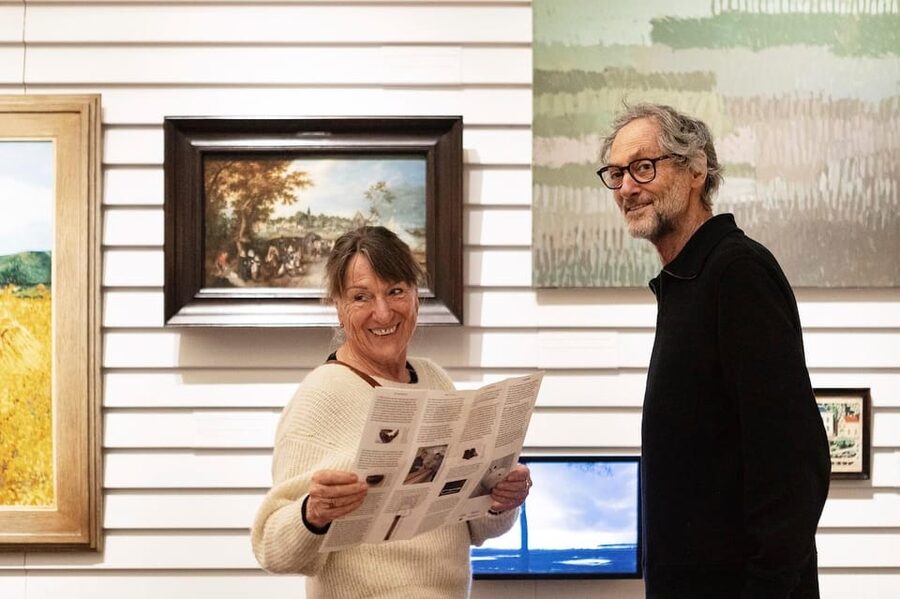
Because the ticket is entry-based, you’re the schedule. That’s great, but it also means you should plan your time so you don’t get lost in “I’ll just wander.”
Here’s a simple structure that works well for this kind of museum:
- Start with the core exhibition so you get the mental map of Zeeland culture and history.
- Go next to the naval battle tapestries so you get the biggest visual story early.
- Then move into the objects route, where you can connect archaeology, porcelain, silver, and items linked to distant places.
- Finish with fashion and jewellery, because it makes the story feel human and current.
Also, I’d keep your expectations flexible. On some days, a whole section might be closed, and the staff response can vary depending on how questions come up. If you arrive and notice something you planned to see is unavailable, pivot fast and follow the closest related rooms. You still get a coherent visit.
Ticket price and what you get for your $19
At about $19 per person, the value comes from what’s included: just the entry ticket. There’s no guide included, so this is ideal when you enjoy reading labels and shaping your own route.
That also means you should budget your energy accordingly. Instead of relying on a guide to summarize or highlight what matters, you’ll do that work yourself, and the museum supports that well through its variety of objects and themes.
If you like structured tours, you might feel slightly “on your own.” But if you enjoy museums where you can spend extra time on the things that catch your eye, this setup is a practical win.
Practical rules you should know before you go
A couple of rules can affect comfort, especially if you travel with more stuff than you need.
- Mobility scooters are not allowed.
- Bags are not allowed.
For wheelchair visitors, the museum is accessible, with a maximum turning circle of 150 cm. There are wheelchairs you can borrow for free, but you should reserve in advance.
If you’re planning to visit without a hassle, pack light. Wear something easy to move in, and keep items minimal so you do not run into problems at the entrance.
Who should book this Zeeuws Museum entry ticket
This is a strong match if you:
- want Zeeland culture and history in one place, with objects that range from archaeology to decorative arts
- like story-driven exhibitions where visual works, costume, and materials all connect
- enjoy self-guided museum time and can handle reading and looking at your own pace
- care about identity through crafts, jewelry, and regional costume, not just major battles
It’s less ideal if you need a guided explanation for everything, or if you only have time for a very small “top highlights” list. The museum rewards time and attention, even though your ticket is valid for a single day.
Should you book this museum entry ticket?
Yes, you should book if you’re headed to Zeeland and you want a museum that feels like the region is speaking in objects. The former abbey setting adds atmosphere, the naval battle tapestries give history a memorable centerpiece, and the fashion and jewellery displays add a personal angle on what Zeeland identity can look like.
Skip it or think twice only if you hate museums that require you to actively choose what to read and see, or if you’re traveling with a lot of luggage since bags and mobility scooters are not allowed.
If you like museums with a mix of drama, craftsmanship, and regional storytelling, this is a clean value buy for your Zeeland day.
FAQ
How much does the Zeeuws Museum entry ticket cost?
The price is about $19 per person.
How long is the ticket valid?
The ticket is valid for 1 day.
What is included with this experience?
Your entry ticket to the Zeeuws Museum is included.
Is a guide included?
No. A guide is not included.
Is the museum wheelchair accessible?
Yes, the museum is wheelchair accessible, with a maximum turning circle of 150 cm.
Can I borrow a wheelchair?
Yes, wheelchairs can be borrowed for free, but you should reserve in advance.
Are mobility scooters allowed?
No, mobility scooters are not allowed.
Are bags allowed inside?
No, bags are not allowed.
Can I cancel, and how late?
You can cancel up to 24 hours in advance for a full refund.
Are there starting times?
The ticket is valid for 1 day, and you should check availability to see starting times.
Latest to arrive along the quays of Middelburg
Middelburg Tours & Experiences, compared.
e-Scavenger hunt Middelburg: Explore the city at your own pace
Read our review →
Browse the lists this tour appears in