
Reviewed · MUSEUMS
Katwijk aan Zee: Katwijks Museum Entrance Ticket
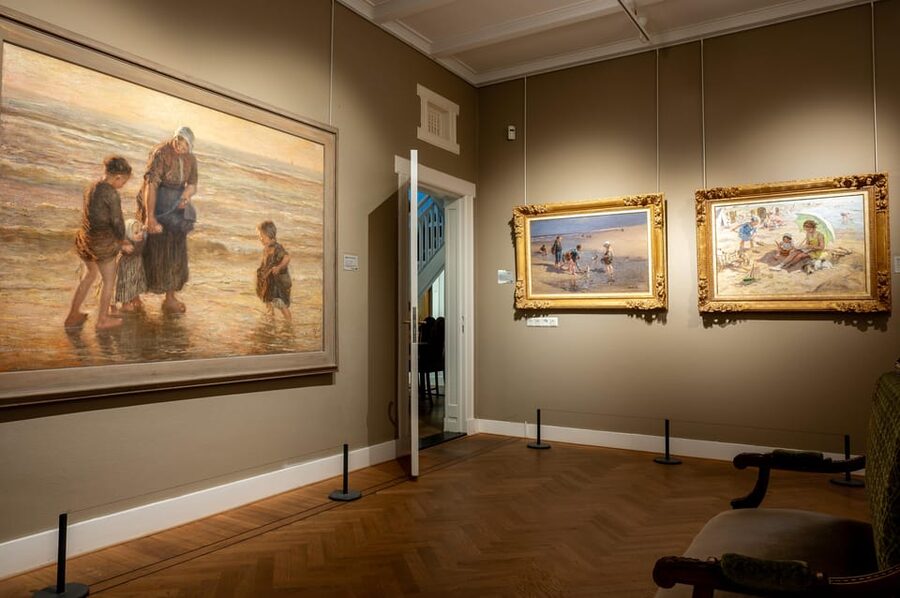
Fishermen, painters, and ships in one small museum. Katwijks Museum in Katwijk aan Zee gives you a tight, human-scale look at how this seaside village became a magnet for artists and their subjects. It is an easy add-on from Leiden, Den Haag, or Amsterdam, with an experience that mixes art history with everyday working life.
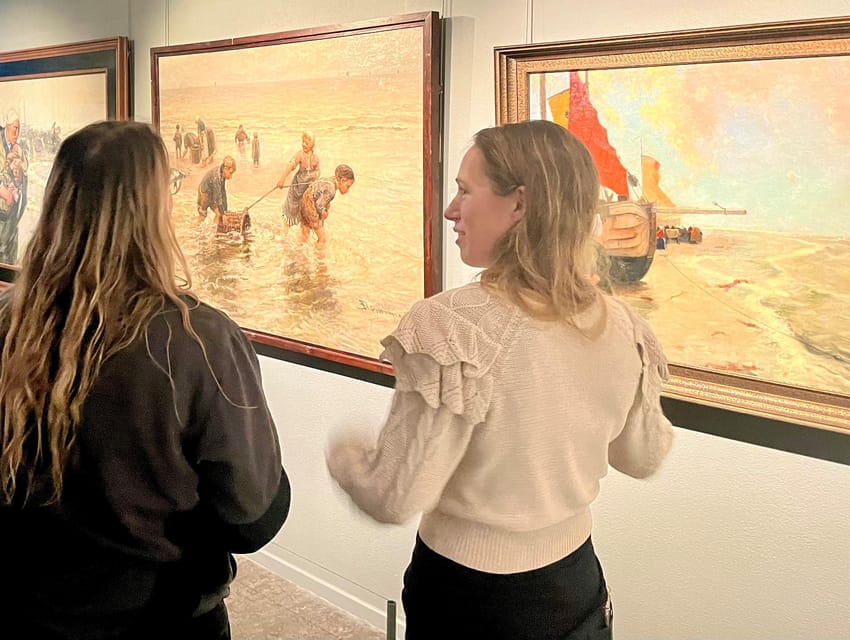
I love how the museum links the paintings to fishermen’s life, so the art feels grounded instead of distant. I also love spotting works by Jan Toorop (including pointillist and symbolic pieces) and artists like Willy Sluiter and B.J. Blommers, with the changing styles from Romanticism to Realism and Modernism.
One consideration: the museum has some wheelchair access, but access may be limited. If mobility is a big factor for you, it is smart to check details with the museum before you go.
In This Review
- Key takeaways before you buy
- Katwijk aan Zee for art lovers, with a working-village focus
- Inside the museum with an optional English guide
- The village story: from fishermen to artists in the 1880s
- Hague School and Modernism: who to look for first
- Model ships and traditional costumes you should not rush
- Permanent collection plus temporary exhibitions, and how to plan your time
- Practical details that keep your visit smooth
- Price and value: what $14 gets you
- Who should book this entrance ticket?
- Should you book Katwijks Museum?
- FAQ
- How long is the Katwijks Museum entrance ticket valid?
- What does the ticket include?
- Is a guided tour included?
- What languages are available?
- Is flash photography allowed?
- Can I bring food or drinks?
- What should I bring with me?
- Is transportation included?
- How much does it cost?
- Is it wheelchair accessible?
Key takeaways before you buy
- Small group format (up to 8) keeps things calm, and the optional English guide is in the museum.
- Art tied to local life connects paintings to the fishing village story, not just names on labels.
- Major Dutch artists on view include Jan Toorop, Willy Sluiter, and B.J. Blommers.
- Ships and costumes help you picture how fishermen dressed and worked, beyond what paint can show.
- Flash-free rules mean plan for natural-light viewing and bring your camera carefully.
Katwijk aan Zee for art lovers, with a working-village focus
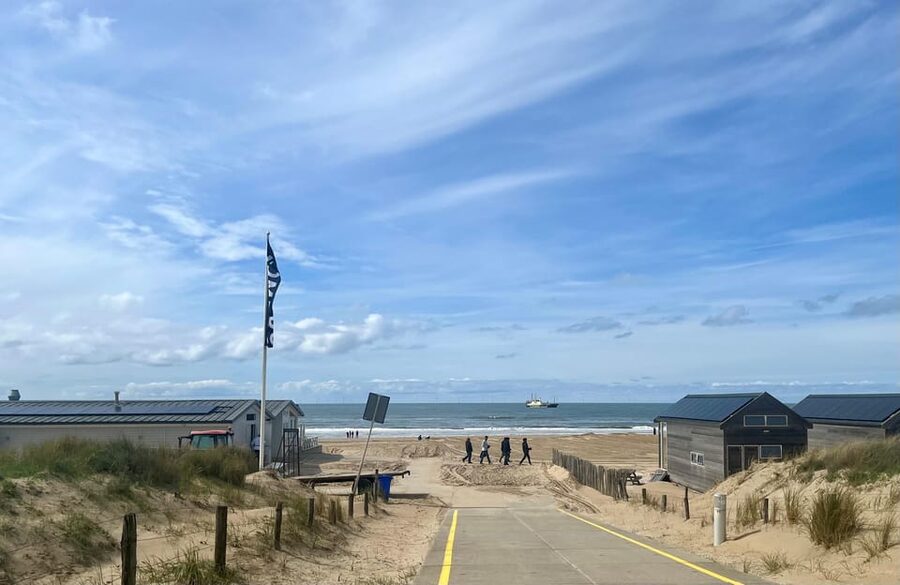
Katwijk aan Zee sits in South Holland, and the museum is a smart choice if you like your Dutch art with context. You are close enough to build this into a day trip from the bigger cities, but the setting still feels like a real seaside town.
The Katwijks Museum ticket is simple, but the payoff is not just a gallery crawl. You are looking at how a fishing village and an artists colony grew up alongside each other, and how that relationship shaped what painters chose to paint. That local connection is the main reason I think this visit feels different from a generic art stop.
The museum is also known for weaving through multiple art periods, so you can follow a timeline of changing styles. If you have ever wondered why artists kept shifting subjects and techniques, you get a clear, local explanation here through the village’s working life.
More museum halls off the squares:

Inside the museum with an optional English guide
This experience is designed for small groups, limited to 8 participants, which helps you move without feeling herded. You meet up with the optional guide in the museum, and the guide speaks English.
Even if you do not want a full guided tour, the presence of a guide is useful. It means you can ask quick questions about what you are seeing, especially when artists, schools, and time periods start to blend in your head.
The other practical upside is pace. You can spend extra time on a painting or skip ahead to the next section without breaking a set tour route. That matters in a museum where the best moments often happen when you linger on details like clothing, ships, or brushwork.
The village story: from fishermen to artists in the 1880s
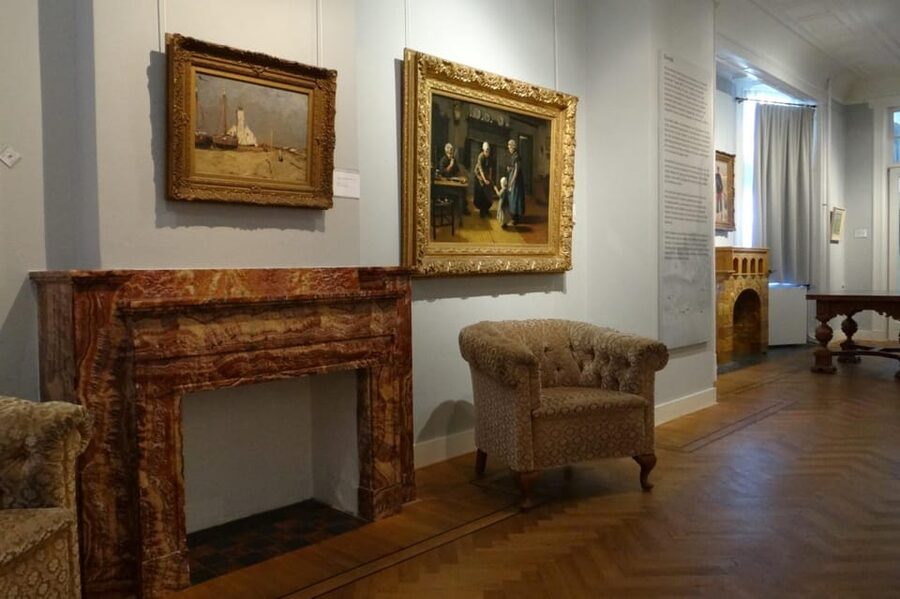
The core narrative you will see runs through the museum exhibits: Katwijk grew from a working fishing village into a place where more artists settled over time, especially starting in the 1880s. That change matters, because it explains why the art here repeatedly returns to fishermen, the sea, and the rhythms of daily labor.
After Romanticism, painters found new inspiration in the intensity of fishermen’s life in Katwijk. Instead of only idealized scenes, you start to notice a different kind of attention, one that treats work and place as serious subject matter.
I like this approach because it makes the art feel less like a sealed museum object. You can connect style shifts to what was happening around the artists. If you want a museum that helps you understand why artists painted what they did, this story line gives you a solid starting point.
Hague School and Modernism: who to look for first
If you only remember one thing, make it this: the museum is packed with recognizable Dutch names and style shifts. You will see works connected to the Hague School and Modernism, plus paintings spanning Romanticism, Realism, and Modernism.
Here are the artist names and what to watch for:
- Jan Toorop: Look for pointillist effects and symbolic works, including paintings and drawings. Toorop’s style can feel like it is vibrating on the page, so it is worth giving his pieces a bit more time.
- Willy Sluiter: Plan on seeing work tied to the seaside and local atmosphere, since he is one of the standout artists connected to Katwijk.
- B.J. Blommers (also referenced as Bernard Blommers in one booking review): this is the kind of artist you will likely find woven into the museum’s broader story of Dutch painting around the area.
As you move through the rooms, use the labels like a map. When you see a shift in subject or technique, ask yourself: what changed in the village or the artistic mood around that time? You do not need a specialist background to do this. The museum’s structure gives you the cues.
If you enjoy period labels, you will feel at home here. The review highlights impressionist paintings from around 1900, and that fits the broader arc you get from Romanticism toward later styles.
Model ships and traditional costumes you should not rush
Not everything important here is paint on canvas. The museum also features model ships used by fishermen, plus traditional costumes.
These displays do a clever job. Paintings can show you emotion and scene, but models and clothing help you picture the practical side: how people dressed, what tools and ship forms mattered, and what the work might have looked like from close range.
If you like details, slow down for the ship models. They help you connect the artwork’s maritime themes to something tangible. And costumes can be surprisingly revealing, because they make the fishing life feel specific and human rather than generic.
Even if you are there primarily for the art, these non-painting sections are what help the museum feel like a local story. It is one of the reasons I think the entrance ticket is good value, not just a quick gallery visit.
Also flying a pennant in Amsterdam
- Amsterdam: Heineken Experience Ticket including 2 Drinks
★ 4.6 · 36,014 reviews - Amsterdam: Rijksmuseum Entry Ticket
★ 4.7 · 29,512 reviews - Amsterdam: Icebar Entry Ticket with 3 Drinks
★ 4.2 · 14,562 reviews - Amsterdam: The Upside Down Experience Entrance Ticket
★ 4.4 · 11,918 reviews
Permanent collection plus temporary exhibitions, and how to plan your time
Your ticket includes access to both the permanent and temporary exhibitions. That is important, because it gives you two layers of value: the museum’s core Katwijk story and rotating content that can shift when you visit.
Without a rigid tour route, I recommend you use a simple plan:
1) Start with the sections that explain the fishing village to artists colony connection.
2) Then move through the art periods and artist names while the story is still fresh in your head.
3) Finish by checking the temporary exhibition, since it is often the most current part of the visit.
This order helps you catch the meaning behind the work. You get less lost when you have the village context first, then see how painters responded to that environment.
Also, keep in mind you can take photos without flash. That helps you capture notes for later, especially if you want to remember which artist you liked and why.
Practical details that keep your visit smooth
A few simple rules can make or break your comfort in any museum, and this one is no exception.
- Wear comfortable shoes. The museum visit is inside, but you will still be walking through rooms and looking closely.
- Bring a camera and water. You do not want to be scrambling after you realize you should have brought one small thing.
- Flash photography is not allowed. If you shoot photos, plan on using normal museum lighting and steady hands.
Food and drinks are not allowed inside the museum. That is a small inconvenience, but it is also helpful if you like a quieter atmosphere for viewing. Just make sure you handle snacks and drinks before you enter or after you leave.
Price and value: what $14 gets you
At about $14 per person for admission, this ticket lands in the “worth it” zone, mostly because it includes more than a single room. You are not paying just to see one highlight. You get access to permanent and temporary exhibitions, plus the museum’s unique extras like model ships and traditional costumes.
Small group size also supports the value. Limited to 8 participants, the visit should feel more personal than big-bus museum chaos. And since the host or greeter is English, it is easier to enjoy the content without guessing.
If your travel style is art-first with context, I think the price is fair. If you are the type who needs a long, scripted guide from start to finish, you might want to check whether you can get the most out of the optional guidance inside.
Who should book this entrance ticket?
This museum fits best if you enjoy:
- Dutch painting and artists connected to real locations
- the Hague School and Modernism, plus the bridge from Romanticism and Realism
- maritime themes, fishermen’s life, and period clothing details
- a museum visit that helps you understand why the art looks the way it does
It may feel less suitable if mobility is a concern. The info says wheelchair access may be limited, and it also notes it is not suitable for people with mobility impairments or wheelchair users. If that applies to you, contact the museum first so you do not waste the day.
If you are visiting from Leiden, Den Haag, or Amsterdam, this is a nice contrast day. Instead of another big-city museum queue, you get a focused, local-feeling experience tied to the sea and the people who worked it.
Should you book Katwijks Museum?
Book it if you want a compact but meaningful art visit where the paintings connect to fishermen, ships, and costumes. I especially think it is a good pick for anyone who likes Dutch art beyond the most famous names, because you get both artist recognition and local context in one place.
Skip it or research more closely if you need full accessibility support, or if you only want a heavily structured guided tour with minimal wandering. Otherwise, an entrance ticket like this is a smart value way to spend a day in Katwijk aan Zee.
FAQ
How long is the Katwijks Museum entrance ticket valid?
It is valid for 1 day. You should check availability to see the starting times for your visit.
What does the ticket include?
Your ticket includes admission to Katwijks Museum, plus access to the permanent and temporary exhibitions.
Is a guided tour included?
No guided tours are included. An optional guide will be in the museum.
What languages are available?
The host or greeter is English.
Is flash photography allowed?
No. Flash photography is not allowed inside the museum.
Can I bring food or drinks?
Food and drinks are not allowed inside the museum.
What should I bring with me?
The recommended items are comfortable shoes, a camera, and water.
Is transportation included?
No. Transportation to or from the museum is not included.
How much does it cost?
The price is listed as $14 per person.
Is it wheelchair accessible?
Wheelchair access is noted as available, but access may be limited. It is also listed as not suitable for wheelchair users, so you should check with the museum for details.
Latest to arrive along the quays of Amsterdam



Museums, compared.

Moco Museum Amsterdam Entrance Tickets with Banksy & More
Read our review →
Amsterdam’s Weirdest Museum: Ripley’s Believe It or Not!
Read our review →
Browse the lists this tour appears in