Reviewed · WALKING TOURS
From Haamstede to Burgh: guided Walking Tour
Twin villages, real stories. This Burgh-Haamstede walking tour strings together village history and coastal nature in about two hours, with standout stops like the Karolingische Ringwalburg and the WWII Walvisbunker. You walk at a human pace, and the guide ties the sights together so the area feels more like a place you understand than a checklist.
I like how the tour blends built history with the outdoors. You get village features such as the Bewaerschole and the old RTM station, then you shift gears into sand dunes at the Zeepeduinen. The Hoge Duin viewpoint wraps it up with big views and past-and-present storytelling.
One consideration: it is a true walking experience. It is not suitable for children under 5, and it is not set up for mobility impairments, so you need to be comfortable on foot and ready for weather.
In This Review
- Key things to notice on the Burgh-Haamstede walk
- Why this Burgh-Haamstede tour feels different from a basic sightseeing walk
- Meeting point and getting oriented fast at the fountain
- Burgh’s Karolingische Ringwalburg, what you should look for
- Slot Haamstede and the village ring details that make the place feel lived-in
- The Bewaerschole and RTM station moments, how to get more out of them
- Zeepeduinen: switching from village history to coastal nature
- WWII bunkers in the Zeepeduinen, including the Walvisbunker
- Hoge Duin views, where the stories finally make sense
- Duration, pace, and what a 2-hour format does well
- Price and value: $18 for monuments, dunes, and WWII context
- Who should book this tour (and who should skip it)
- Booking decision: should you choose this Burgh-Haamstede walk?
- FAQ
- How long is the guided walking tour from Haamstede to Burgh?
- Where do we meet for the tour?
- What is the price per person?
- What language is the guide?
- Are pets allowed?
- Is entry included to the sights?
Key things to notice on the Burgh-Haamstede walk
- Karolingische Ringwalburg in Burgh: a rare, early medieval earthwork you can actually see and orient yourself around
- Slot Haamstede: the castle presence gives the village story a strong anchor
- Village rings, Bewaerschole, and RTM station: small historic details that would be easy to miss alone
- Zeepeduinen nature section: dunes that change the mood from village streets to coastal air
- WWII bunkers including Walvisbunker: history gets weight here, not just a quick mention
- Hoge Duin viewpoint: the “walk reward” where the guide connects stories to the terrain
Why this Burgh-Haamstede tour feels different from a basic sightseeing walk
Burgh and Haamstede are twin villages, and that matters. When you treat them as a pair, their street patterns, landmarks, and even the way you move between viewpoints makes more sense. On a guided route, you do not just pass by places, you learn how they connect.
This tour does a smart job of mixing “readable” sights with “walkable” scenery. You start in the village core, where history lives in monuments and landmarks. Then you head into the Zeepeduinen dunes, where the environment itself helps you understand why World War II infrastructure ended up here. Finally, Hoge Duin gives you the view that turns everything you just heard into something you can picture.
For most people, the main value is time. At $18 per person for a 2-hour guided walk, you are not buying a long day out. You are buying a focused route with several major stops grouped into one smooth circuit, led by a live guide in Dutch.
More gables counted on foot:


Meeting point and getting oriented fast at the fountain
Meet at the fountain. The guide wears a white jacket with the Gidsendienst Zeeland logo, which makes it easier to spot the group without playing guessing games.
Why this matters: on a short, 2-hour tour, tiny delays add up. If you arrive a bit early, you can settle your shoes, check the weather, and start the walk calm instead of rushed.
You can expect a Dutch-speaking guide and a steady pace. Bring your camera, since there are multiple photo-friendly points, especially once you get toward the dunes and the Hoge Duin viewpoint.
Burgh’s Karolingische Ringwalburg, what you should look for
In Burgh, the highlight is the Karolingische Ringwalburg. Even if you know very little about the early Middle Ages, the name gives you a clue: a ring-shaped fortification, usually an earthwork, meant to define a defensive space. The guided explanation helps you see it as more than a “weird mound,” which is exactly what you might think if you were walking past it alone.
What I like about this stop is how it gives you a sense of place. Once you understand why the settlement was laid out the way it was, the rest of the walk feels less random. The guide also helps you connect the ring structure to the wider village story, which is a big part of why people feel like they visited real local history instead of just scenery.
If you enjoy history but do not want a museum lecture, this kind of outdoor monument works well. You can learn in short bursts while still moving, breathing, and looking around.
Slot Haamstede and the village ring details that make the place feel lived-in
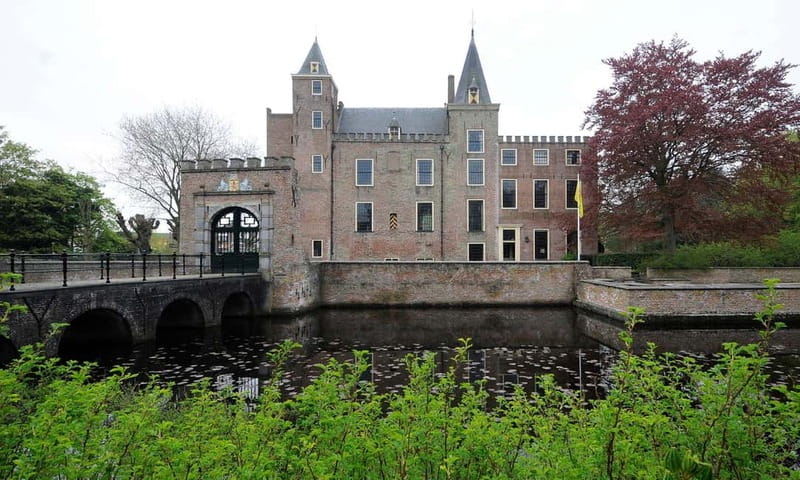
After Burgh, the route focuses on Haamstede’s major landmark: Slot Haamstede. A castle can be a quick “photo stop” on some tours. Here, it is used as a storytelling anchor, so you learn why it mattered in the village world, not only what it looks like from the road.
Along the way, you also see smaller features that are easy to overlook:
- the Bewaerschole
- the old RTM station
- the charming village rings that give the twin villages their character
These are the types of details that give Zeeland villages their personality. They are not always dramatic from a distance, but up close, they make you feel how everyday life formed around important structures and transport links. The old RTM station, in particular, adds a connection point between movement and settlement, which helps you understand why villages grew where they did.
If you like walking tours where you keep learning little things every few minutes, this part tends to land well. Some guides, like Wilbert, have a reputation for weaving many facts into a route without turning it into a dry recitation.
The Bewaerschole and RTM station moments, how to get more out of them
This tour includes a couple of “in-between” sights that often make the difference between a good walk and a memorable one.
At places like the Bewaerschole and the RTM station, you are not just looking at objects. You are learning what roles they played in local life. That means you should give yourself a chance to slow down for a minute. Take a photo, then listen first. If you try to take every picture instantly, you miss the story that makes the building and setting click.
A practical tip: keep your camera ready but not constant. Let the guide finish a thought, then snap the shot. That simple rhythm improves your photos and your understanding at the same time.
Also flying a pennant in Netherlands
- Deventer Self Guided Sherlock Holmes Murder Mystery Game
★ 4.5 · 3 reviews - Hattem’s Windmills, Bakeries and Ghosts: A Self-Guided Audio Tour
★ 3.5 · 3 reviews - Venlo Self Guided Sherlock Holmes Murder Mystery Game
★ 3.0 · 3 reviews - Harderwijk Self Guided Sherlock Holmes Murder Mystery Game
★ 4.5 · 2 reviews
Zeepeduinen: switching from village history to coastal nature
Then comes the shift: the tour heads into the Zeepeduinen. This is where the mood changes. The dunes are not just a break in the schedule. They are part of the story, especially when WWII bunkers enter the picture.
Walking in dunes is also an energy check. The footing can be different from paved streets, and the air feels more open. This is why comfortable shoes matter. The route can still be manageable for most fit walkers, but it is not a “stroll on flat sidewalks only” type of walk.
If you like nature even lightly, you will appreciate how the dunes frame what you see next. You understand why a bunker system makes sense in a coastal dune setting, because you are moving through the terrain rather than reading about it from a bench.
WWII bunkers in the Zeepeduinen, including the Walvisbunker
World War II is handled through a very physical way of learning: you go to bunkers, including the Walvisbunker. This stop tends to be the standout for many people because it is concrete history. You can stand near the structure, look at what remains, and connect what you learn to the surrounding landscape.
The value here is not horror or shock for its own sake. It is context. By the time you reach the dunes and the bunkers, you have already heard how the region functioned as a place where villages, roads, and movement mattered. Now you see how wartime needs shaped the area in a lasting way.
The Walvisbunker in particular is impressive because it is hard to treat as background. Even if you do not know much about it before the tour, the guided visit gives it meaning and explains why it matters in this specific setting.
You should expect a respectful tone and a slower pace around the bunkers. Listen carefully, because the guide often connects the structure to the wider story of the area rather than listing details like a textbook.
Hoge Duin views, where the stories finally make sense
The Hoge Duin viewpoint is where the walk earns its ending. You get breathtaking views, and the guide uses them as a final thread to tie earlier history together. When you can see the terrain, it is easier to understand why certain areas were strategically placed or how people would have moved through the region.
This is also a great moment to pause your phone and actually look. Take in the horizon, then listen to the final stories. The best part is that the view is not just scenic. It becomes part of the explanation.
If you are a visual learner, this stop can turn the entire tour from “I saw things” into “I get it now.”
Duration, pace, and what a 2-hour format does well
The walk runs about 2 hours, and that time is used well. A short tour has pros: you get a lot of highlights without spending a whole day in transit and waiting. You also get a tight storytelling arc, from Burgh to Haamstede, from monuments to dunes, from village life to WWII bunkers.
The pace is built for attention. You stop enough times to understand what you are seeing, but not so often that you lose the rhythm. For many people, that balance is exactly what they want on a day in Zeeland, especially if you plan to combine it with other beach time.
Still, if you are sensitive to walking durations or you have stamina limits, be honest with yourself. This route is not designed for slower mobility. Plan for comfortable shoes, a steady pace, and breaks only when offered.
Price and value: $18 for monuments, dunes, and WWII context
At $18 per person for a 2-hour guided tour, this offers solid value if you like learning from a guide rather than wandering solo. You are paying for:
- guided explanation tied directly to each stop
- visits to key sights including the Ringwalburg and Slot Haamstede
- a nature segment at the Zeepeduinen
- a WWII visit that includes the Walvisbunker
Entry tickets are not included, so if any stop charges an admission fee, you would need to handle that separately. The good news is that the core experience here is the guided route and the places you visit. That is what you are buying.
If your goal is to “do something meaningful” in Zeeland without committing to a full day, this fits the bill. You leave with a clearer sense of how Burgh and Haamstede became the twin villages they are today, and you also understand why the dunes matter beyond scenery.
Who should book this tour (and who should skip it)
This tour is a great match for you if:
- you want history you can see outdoors, not just read
- you enjoy the mix of village landmarks and coastal dunes
- you are curious about WWII history in the Netherlands and how it shaped local infrastructure
- you like guided storytelling, especially if your interest leans toward real place-based context
You might want to skip or choose a different option if:
- you are traveling with someone under 5 (it is not suitable)
- you have mobility impairments, because it is not set up for that
- you need an English-speaking guide, since the tour is live and in Dutch
One more practical note: pets are not allowed, and smoking is not allowed. If you are traveling with a dog, plan for an alternative activity.
Booking decision: should you choose this Burgh-Haamstede walk?
Book it if you want a tight, well-organized route that combines Burgh and Haamstede village sights with dunes and WWII structures, capped by a viewpoint at Hoge Duin. The biggest strength is the guide-led connection between all those elements, which makes the walk feel like a single story instead of separate stops.
Skip it if you need accessibility accommodations or you cannot do a short walking tour comfortably. Also, if you expect an all-English deep-lecture style, this is not built for that.
If you can handle a 2-hour walk in the open air, this is a smart buy, especially for the price. Arrive at the fountain, bring water and snacks, wear good shoes, and listen to the guide before you focus on photos. That is when the experience really clicks.
FAQ
How long is the guided walking tour from Haamstede to Burgh?
The tour lasts 2 hours.
Where do we meet for the tour?
You meet at the fountain. The guide wears a white jacket with the Gidsendienst Zeeland logo.
What is the price per person?
The price is $18 per person.
What language is the guide?
The tour has a live guide who speaks Dutch.
Are pets allowed?
No, pets are not allowed.
Is entry included to the sights?
Guided tour visits are included, but entry tickets are not included.
Latest to arrive along the quays of Netherlands
Walking Tours, compared.
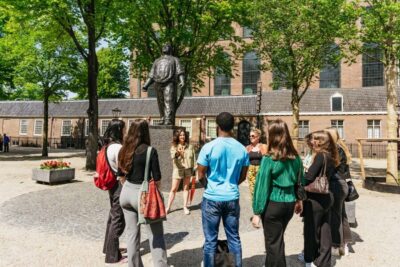
Amsterdam Anne Frank: Small-Group Walking Tour & Local Guide
Read our review →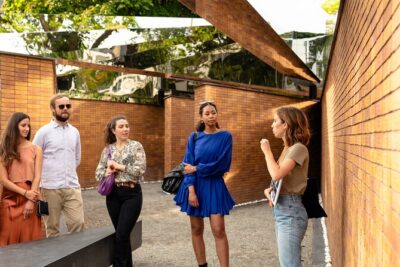
Anne Frank’s Story – Guided Walking Tour through Amsterdam
Read our review →
Absolutely Amsterdam – the Essential Introductory Walking Tour
Read our review →
Anne Frank Guided Walking Tour in DE/EN/IT/ES
Read our review →