
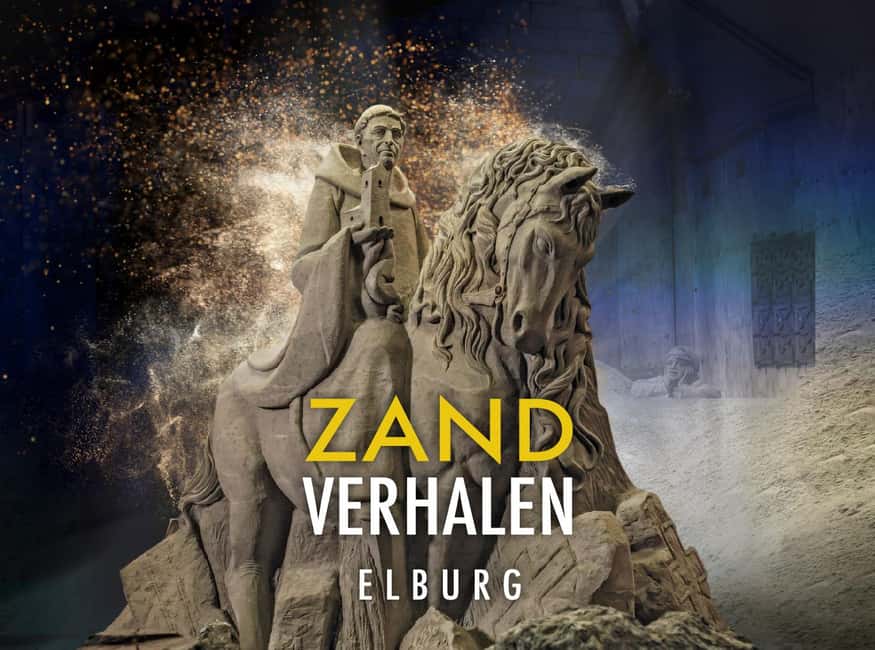
Reviewed · MUSEUMS
Elburg: Admission to the Zandverhalen Museum
Sand art that tells biblical stories in 3 halls.
At Zandverhalen in Elburg, you walk into a huge indoor world of sand, built at museum scale, where Bible scenes and detailed objects come to life in a way that works for kids and adults. It is a serious amount of work, plus it is surprisingly emotional, especially when you slow down and look at the tiny choices artists made.
I especially like two things here: the sheer size and quantity of the sculptures, and the way the museum turns familiar Bible stories into physical scenes made from sand. The range is wide too, from small figures to towering builds up to 8 meters tall.
One consideration: the museum stays indoors but can feel cold in winter, so plan for a warm layer if you are going in chilly months.
In This Review
- Key Highlights You Should Not Miss
- Zandverhalen Elburg: a huge indoor sand world in Flevoland
- Price and value: why $17 can feel like a lot more than a ticket
- Entering the museum: how the space helps you see the art better
- The big tour flow: your best way to pace three halls
- Biblical stories made physical: Adam and Eve to the Tower of Babel
- The craftsmanship moments: ships, olive trees, and lock gates
- Why it feels good for young and old
- Parking and practical comfort: make the day easy
- Who should book Zandverhalen in Elburg
- Should you book this $17 sand sculpture admission?
- FAQ
- Where is Zandverhalen Museum located?
- How much does admission cost?
- How long is the experience?
- What’s included with the ticket?
- What will I see inside?
- How big are the sand sculptures?
- Is the museum wheelchair accessible?
- Is there a choice of starting times?
- Will I see content in languages other than English?
Key Highlights You Should Not Miss
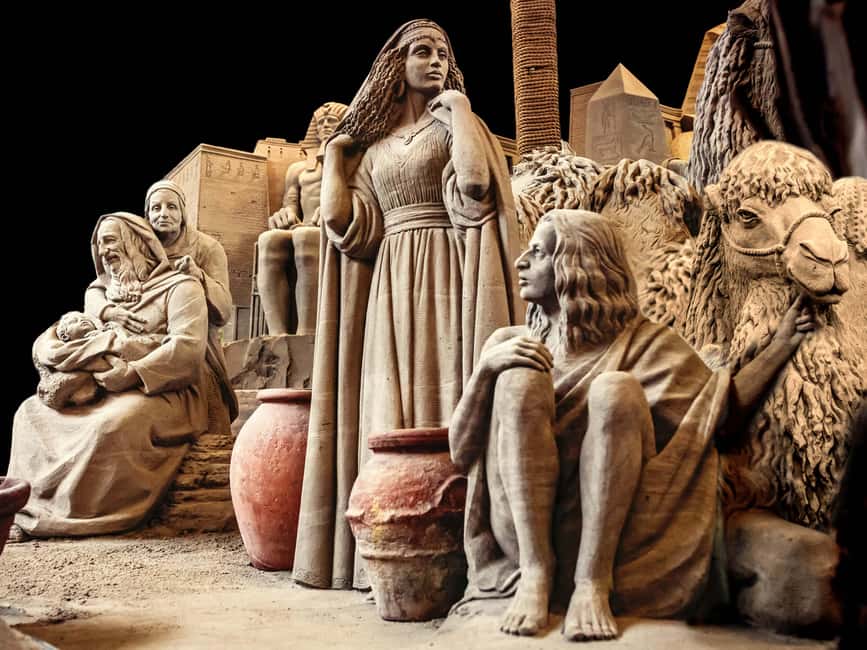
- World-scale indoor sand exhibition: 3 large halls, about 5000 m², and 300-plus sculptures made from Markermeer sand
- Bible stories you can walk through: Adam and Eve, Moses, the Tower of Babel, and more, all rendered in sand scenes
- Huge builds with tiny details: from 3 cm figures up to 8 m sculptures, including ships, olive trees, and lock gates
- Artists’ interpretation matters: the titles and explanations make the theme feel less like decoration and more like storytelling
- Family-friendly by design: the art reads well at both kid height and adult pace
- Practical comfort tip: bring gloves and a warm layer for colder days
Zandverhalen Elburg: a huge indoor sand world in Flevoland
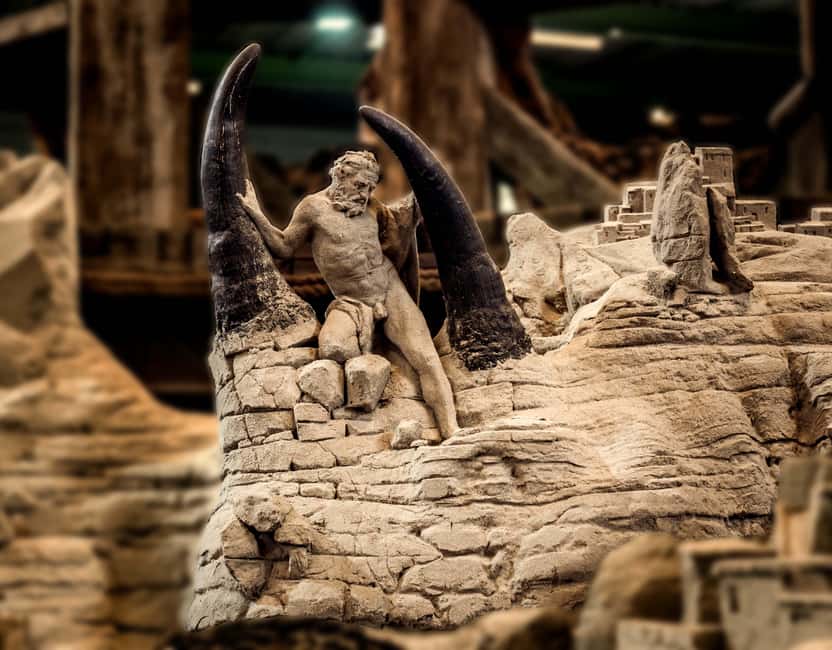
Elburg is not where you expect to find the biggest indoor sand sculpture experience in the world. But that is exactly why this works: it takes a basic ingredient and turns it into a full-on museum that feels like stepping into a story.
The heart of Zandverhalen is its scale. You are looking at sand figures created from sand from the Markermeer, arranged across three big halls covering roughly 5000 m². When you walk in, your brain starts doing math fast, because there are over 4000 m³ of sand involved and more than 300 sculptures.
And the format is simple: you move from scene to scene, comparing sizes, textures, and what each artist focused on. It is the kind of museum where stopping for a minute actually pays off.
More museum halls off the squares:



Price and value: why $17 can feel like a lot more than a ticket
The admission price is $17 per person, and the ticket includes free parking. For many family outings in the Netherlands, parking plus a main indoor stop is what turns a plan from expensive to reasonable, especially in weather that is not great for outdoor wandering.
What you get for that money is not just a few sculptures. You are entering an exhibition spread across multiple halls, with hundreds of individual scenes and objects, including large structures like lock gates. That amount of content is the real value driver here.
Also, this is built as a one-day experience. If you only have a single day in the area, this is the type of ticket that gives you a lot to do without forcing you into a tight schedule.
Entering the museum: how the space helps you see the art better
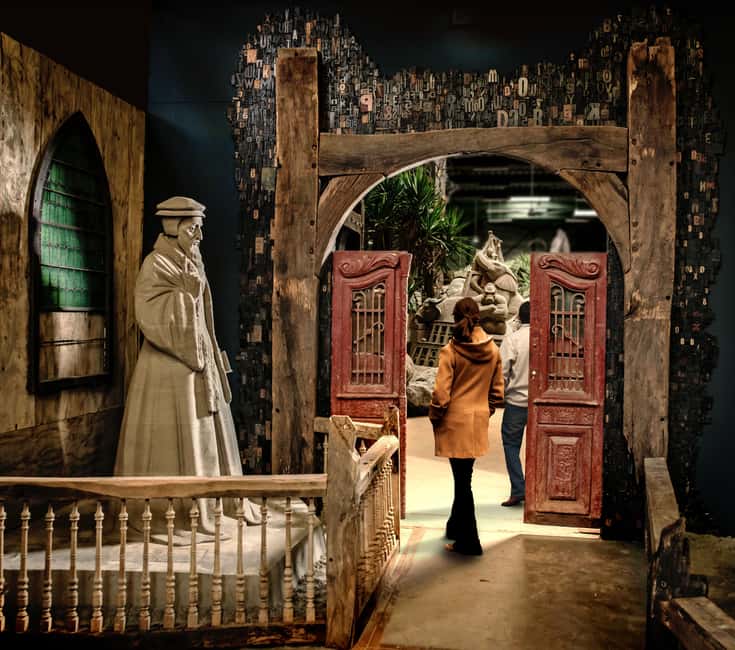
Once you are inside, the biggest thing to understand is that Zandverhalen is not one room of sand. It is three large halls, each with a different feel and a different set of scenes to study.
The museum uses size as a storytelling tool. Sculptures range from 3 centimeters to 8 meters tall, so you will get both close-up moments and “walk back and take it all in” moments. That keeps repeat looking interesting, instead of everything blending together.
You also get a steady rhythm of history, culture, and Bible storytelling. Even when you recognize the story already, the interpretation through sand makes you slow down and pay attention to how people built expressions, buildings, and textures.
The big tour flow: your best way to pace three halls
Think of your visit in phases. You do not need to rush through all three halls like a checklist. Instead, I suggest you treat it like a guided walk, even if you are doing it independently.
Start by taking a quick scan in the first hall. This gives you a map in your head, and it makes later comparisons easier, like how artists handle faces, fabric-like textures, and architectural shapes. Then move to the scenes that connect most to your interests, whether that is the Bible topics or the massive objects.
Finally, spend time in the areas with the biggest constructions, because your perception changes when you come back after seeing smaller works first. The tallest figures and large objects are not just big. They are designed so you can spot details up close after first seeing the whole form.
One small practical note: if you are visiting in cold weather, keep your coat on in the early parts of the museum. People have found it can feel close to outdoor cold conditions even inside. Gloves help more than you would think.
Biblical stories made physical: Adam and Eve to the Tower of Babel

The museum’s main idea is bringing Bible narratives into sand. The scenes include Adam and Eve in paradise, Moses on the mountain, the Tower of Babel, and more.
What makes this more than “religious art on display” is the way the museum uses scale and structure. A story like the Tower of Babel works visually because it naturally involves building, repetition, and height. Moses on the mountain has the opposite challenge, conveying distance and meaning through how the figures and shapes sit in the space.
Adam and Eve in paradise becomes a quiet scene if you let it. You can spend a few minutes looking at how the artists shape forms and expressions, and how the sand’s texture supports the mood. Even if you are not deeply into the Bible, the physical storytelling is what you can read.
And yes, the wording and explanation matter. The artists’ commentary is part of the experience, because it gives you a reason to think about the titles and what the makers intended, not just what you are seeing.
Also flying a pennant in Amsterdam
- Amsterdam: Heineken Experience Ticket including 2 Drinks
★ 4.6 · 36,014 reviews - Amsterdam: Rijksmuseum Entry Ticket
★ 4.7 · 29,512 reviews - Amsterdam: Icebar Entry Ticket with 3 Drinks
★ 4.2 · 14,562 reviews - Amsterdam: The Upside Down Experience Entrance Ticket
★ 4.4 · 11,918 reviews
The craftsmanship moments: ships, olive trees, and lock gates
If you like impressive objects, Zandverhalen delivers. Beyond the Bible scenes, you will encounter historic ships, ancient olive trees, and even meter-high lock gates.
These large objects shift the visit from purely narrative to “how did they make that?” That is a good change of pace. You start noticing construction choices like how the sand holds shape at different sizes, and how the artists add detail without making the scene feel cluttered.
The lock gates are a standout example of why size matters. When something is built at near human scale, you see it differently. It feels less like a sculpture and more like a piece of the world, which makes the setting feel believable even though it is made entirely from sand.
The olive trees also do something smart. Trees and plants are hard subjects for sand because they involve fine branching and organic curves. When those details are done well, the scene feels alive, not just decorative.
Why it feels good for young and old

This museum is built for mixed ages. Kids often react to the big, clear forms, like tall figures, ships, and gates. Adults tend to enjoy the “slow look” payoff, where you can notice fine details and read the connections between story and title.
You get both face-like expression work and big set-piece structure, which keeps attention from drifting. It is not just one style repeated; it is a series of scenes that each have their own visual problem to solve.
The result is the kind of place where a grandparent can enjoy the storytelling, a teenager can appreciate the craft, and younger kids can still get excited without needing a long attention span.
Just plan clothing for comfort. One of the most practical tips from real-life experiences is that indoors can feel cold, so warm layers and gloves help you enjoy the art instead of thinking about your fingers.
Parking and practical comfort: make the day easy
Included with your ticket is free parking, which matters in a museum like this. When parking is covered, you spend less energy figuring out logistics and more energy actually looking.
From there, treat the museum like a stand-and-stare place. If you like good photos, keep that in mind. Some people use a quick pass for pictures, then a second pass for close viewing. The museum layout makes this kind of two-stage rhythm easy.
And do not forget weather. Because the museum is indoors, you might assume it stays warm. In practice, plan for cold days. The quickest fix is simple: warm layer, socks that do not feel thin, and gloves if you get cold easily.
Who should book Zandverhalen in Elburg
This is a great choice if you want an indoor activity with clear payoff. You get a lot of content in one ticket, with three halls and hundreds of sculptures that you can take at your own pace.
Book it if you care about one of these:
- Art made from an unexpected material, with real attention to detail
- Bible storytelling through visual scenes, including Adam and Eve, Moses, and the Tower of Babel
- Family time where kids can enjoy it without being bored by long explanations
It is also a good stop when you are traveling with mixed interests. One person can focus on the sand craftsmanship, another can focus on the stories and titles, and you still end up seeing the same scenes with different eyes.
Should you book this $17 sand sculpture admission?
Yes, if you want a high-value indoor museum day in Flevoland and you like art that rewards close looking. The scale is big, with more than 300 sculptures across three halls, and the theme is accessible: Bible stories plus culture plus detailed objects.
Skip it only if you strongly prefer warm, cozy venues and you hate feeling cold in museums. Otherwise, bring layers and treat it like a slow walk through sand history turned into three-dimensional scenes.
FAQ
Where is Zandverhalen Museum located?
Zandverhalen is in Elburg, in the Flevoland region of the Netherlands.
How much does admission cost?
Admission is $17 per person.
How long is the experience?
The visit is valid for 1 day.
What’s included with the ticket?
Your ticket includes admission to the indoor sand sculpture exhibition in Elburg and free parking.
What will I see inside?
You’ll see an indoor sand sculpture exhibition with three large halls and more than 300 sculptures, including Bible story scenes and large objects like ships, olive trees, and lock gates.
How big are the sand sculptures?
They range from 3 centimeters up to 8 meters in height.
Is the museum wheelchair accessible?
Yes, it is wheelchair accessible.
Is there a choice of starting times?
The ticket is valid for 1 day, and you should check availability to see starting times.
Will I see content in languages other than English?
Some content is shown in its original language.
Latest to arrive along the quays of Amsterdam




Museums, compared.

Moco Museum Amsterdam Entrance Tickets with Banksy & More
Read our review →

Amsterdam’s Weirdest Museum: Ripley’s Believe It or Not!
Read our review →


Browse the lists this tour appears in