Reviewed · ZOOS
Arnhem: Burgers’ Zoo Entry Ticket
Arnhem turns zoo time into world travel. Burgers’ Zoo in Gelderland turns ecosystems into walkable eco-displays, so the day feels less like ticking boxes and more like moving through real habitats. It is built to make you feel part of the environment, not just an observer behind glass.
I love two things most: the Bush rainforest experience, with its humidity, dense greenery, and jungle sounds and smells; and how the zoo is laid out so you can really linger, watching animals up close on well-maintained routes. I also like that the day is spread across different regions, so your eyes keep changing, from desert terrain to ocean life.
One possible drawback: you will want to plan for breaks and meals, because the ticket covers admission only and food is not included. If you drive, add parking to your budget too, since parking costs extra.
In This Review
- Why Burgers’ Zoo eco-displays feel different from a typical zoo
- Key highlights you should not miss at Burgers’ Zoo
- Enter the Bush indoor rainforest: humidity, jungle sounds, and close-up animal time
- Mexican-American rock desert and the Ocean reef: two themed worlds in one walking loop
- Safari savannah walks with giraffes and rhinos
- Malay rainforest and the transition from one habitat story to another
- The Belize-inspired indoor mangrove: butterflies, manatees, and crabs in a world-class space
- Aquariums and botanical dome vibes, plus cleanliness and friendly staff
- A realistic plan for an 8-hour visit without feeling rushed
- Price and value: what $33 gets you at Burgers’ Zoo
- Who this suits best, and who should adjust expectations
- Should you book an Arnhem Burgers’ Zoo entry ticket?
- FAQ
- Where is Burgers’ Zoo located?
- How long should I plan for with this entry ticket?
- How much does the Arnhem Burgers’ Zoo entry ticket cost?
- What is included in the ticket, and what is not?
- How much does parking cost?
- Can I cancel for a full refund?
- Is the ticket line skipped, and is it wheelchair accessible?
Why Burgers’ Zoo eco-displays feel different from a typical zoo
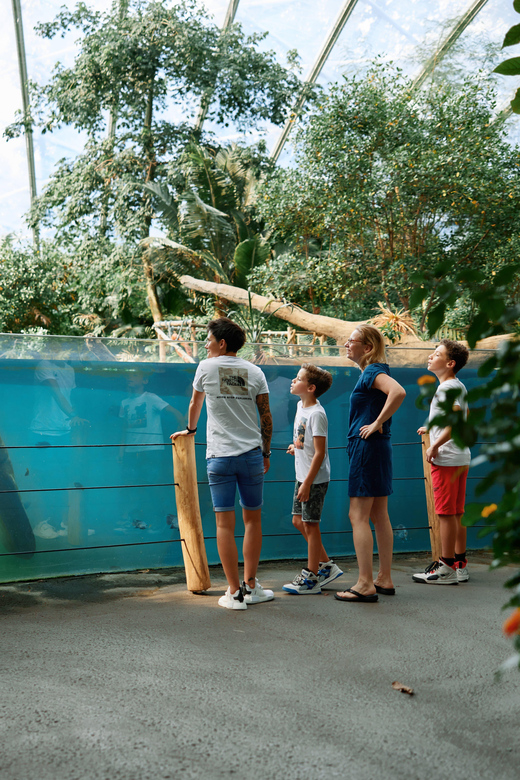
Burgers’ Zoo is different because it is not organized like a classic list of exhibits. The focus is on large-scale habitats, with nature settings designed to feel like you are entering a place, not standing at a pen.
That matters for your enjoyment. When the environment is convincing, you slow down naturally. You notice small details, you pause to watch behavior, and you spend more time simply being in the scene, not rushing from animal to animal.
Key highlights you should not miss at Burgers’ Zoo
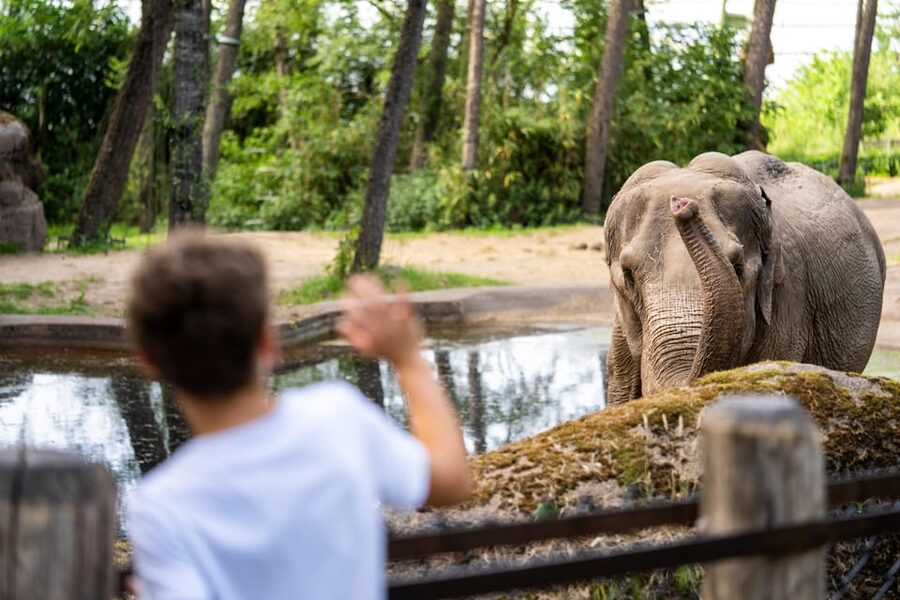
- 45 hectares of eco-displays, organized into themed natural areas
- 8 million liters of water supporting major water habitats
- The largest indoor mangrove in the world, inspired by Belize
- A full range of ecosystems, from desert to coral reef to savannah
- Humid indoor rainforest time in the Bush, open to the public since 1988
- Animal viewing that rewards slow walking, with routes designed for close observation
Also flying a pennant in Arnhem


Enter the Bush indoor rainforest: humidity, jungle sounds, and close-up animal time
Start with the Bush if you want a strong first hit. This tropical rainforest area has been open since 1988, and it was originally a one-and-a-half-hectare rainforest that the zoo later made part of its big ecosystem design.
In the Bush, you do not just see plants. You feel the setting. Humidity, dense vegetation, and those jungle sounds and smells create a real shift in your senses. It is one of the most memorable parts of the zoo because it changes the way you move through the day. You tend to slow down, take your time at viewing points, and look up as much as you look ahead.
A practical tip: wear comfortable layers. If you get warm in humid indoor spaces, you might want something breathable for the Bush, plus a light layer you can carry if the rest of the zoo feels cooler. Also, plan a little extra time here, because once you start noticing details, it is hard to rush.
Mexican-American rock desert and the Ocean reef: two themed worlds in one walking loop
After the Bush, you will likely appreciate the contrast. The zoo then moves you into the Mexican-American rock desert, and yes, you can expect desert-style scenery and desert-focused animal viewing.
Then comes the coral reef in the Indian Pacific Ocean. This part of the zoo is a major visual payoff. Even if you are not a lifelong marine fan, reefs have a way of grabbing your attention because so many things change at once, movement, light, and animal behavior.
What I like about pairing these areas is how they manage your energy. Desert sections can feel more open and straightforward to walk through, while the reef areas reward you with long looks. Together, they keep your day from feeling like one long stretch of the same theme.
Safari savannah walks with giraffes and rhinos
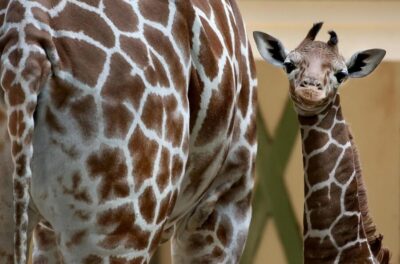
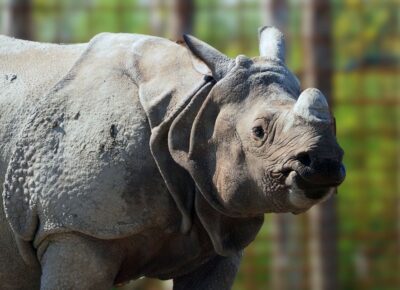
Next up is the savannah, where the zoo shows how large, open habitats can feel. This is where you are looking for the giraffes and rhinos wandering through the plains.
This is a great stop if you want the day to include a little more classic zoo magic, the animals you recognize immediately, but placed inside an ecosystem-style setting. The savannah layout also helps you break up your walking rhythm. You can step away, find a good viewing angle, and then continue when you feel ready.
One consideration: savannah areas can be popular, so at busy moments you might have to be patient to get the view you want. The good news is that the zoo layout is designed so there are always alternate angles and places to stand.
Malay rainforest and the transition from one habitat story to another
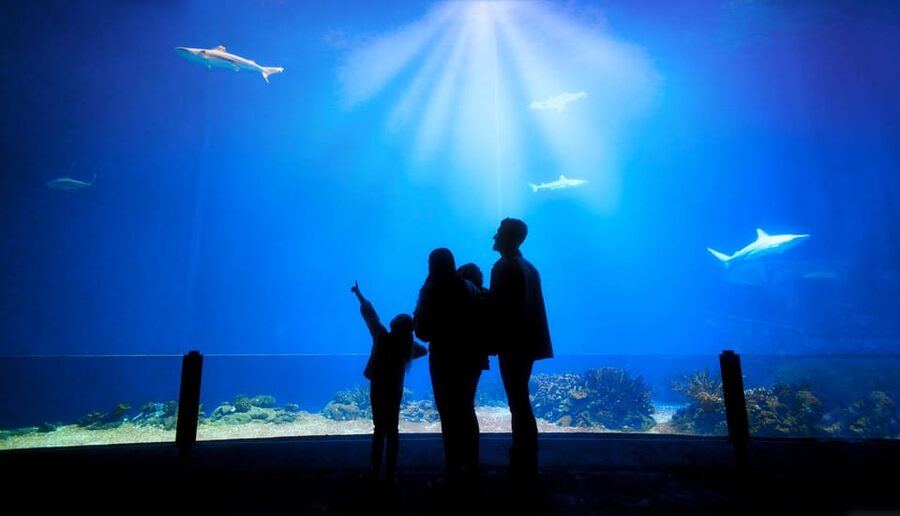
The Malay rainforest part of Burgers’ Zoo keeps the day moving. It works like a bridge between the bigger zones, so you are not jumping randomly from one theme to the next.
This section is valuable because it shows how different rainforest styles can feel like different worlds. If you love plants, it also gives you more to look at beyond animal viewing. You will likely find yourself scanning for birds and small movement around vegetation, which makes the walk feel more like a nature outing than a simple checklist.
The bigger lesson here is pacing. If you try to rush through every section, the eco-display concept loses some of its charm. If you go slower, the transitions become part of the fun.
The Belize-inspired indoor mangrove: butterflies, manatees, and crabs in a world-class space
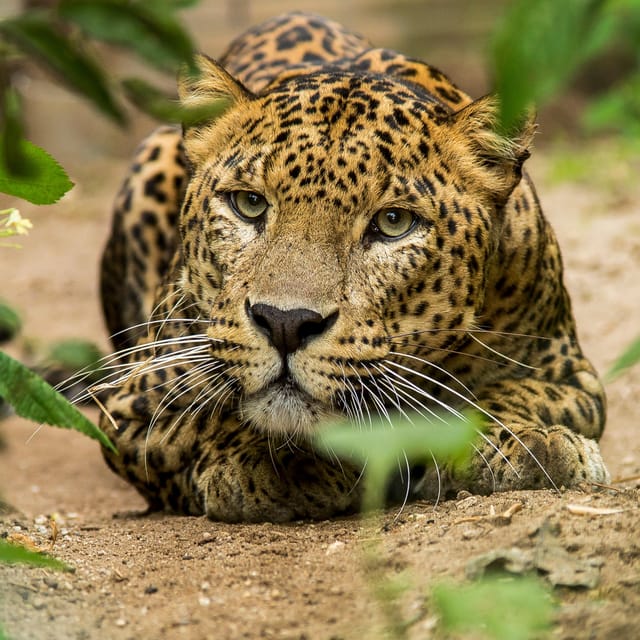
If you only choose one section to slow down for, choose the indoor mangrove. This is the youngest eco-display and, importantly, it is the largest indoor mangrove in the world, inspired by a nature area in Belize.
What makes it especially interesting is the attention to realism. The Belize nature area that inspired it has been managed for almost 30 years, and that long management history shows in how the exhibit is presented, with a focus on living habitat details instead of just showpieces.
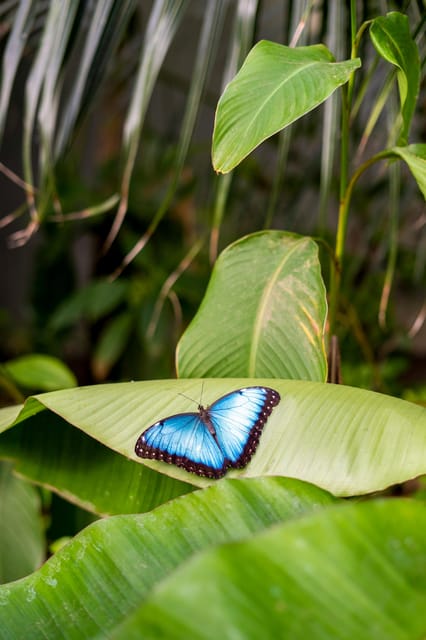
Inside the mangrove, you can look for butterflies, manatees, and multiple species of crabs. For me, this is where the zoo feels most like a nature documentary you can walk through. The space encourages you to move in different directions, to check the surface and the edges, and to keep watching because small things happen constantly.
Practical note: indoor mangrove spaces can feel different from open-air areas. Give yourself time to adjust, and if you are taking photos or trying to spot specific animals, aim for a steady, patient pace rather than snapping shots while walking.
Aquariums and botanical dome vibes, plus cleanliness and friendly staff
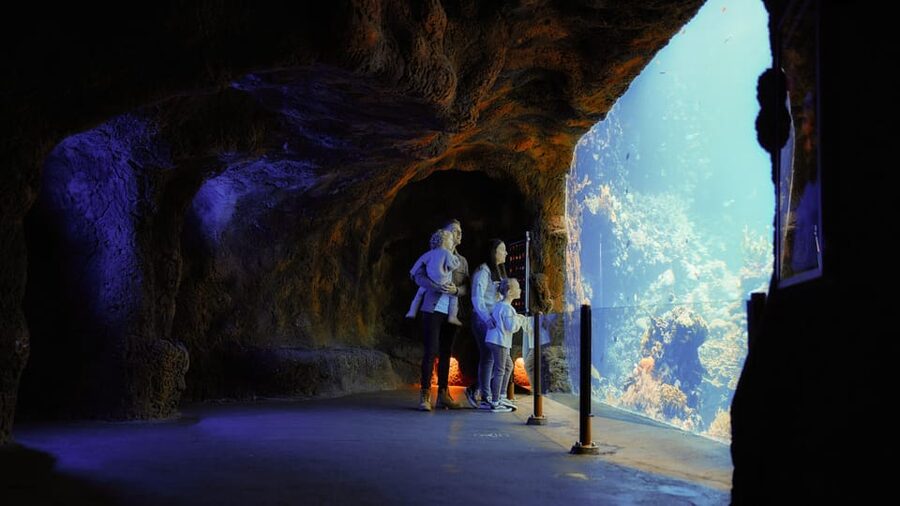
Beyond the named eco-displays, the zoo atmosphere is consistently easy to enjoy. One review stood out for how clean the zoo was, and how friendly the staff felt. That kind of everyday care matters at a place this large, because you will be walking for hours.
Another highlight that people love is the aquarium element and the botanical dome setting with birds and butterflies. Even if you focus on the big eco-displays, these smaller areas help round out the day, especially when you want variety without changing your overall plan.
My advice: do not force yourself to see everything in one straight line. Instead, pick your anchors, like the Bush rainforest and the mangrove, then let the rest fill in around those.
A realistic plan for an 8-hour visit without feeling rushed
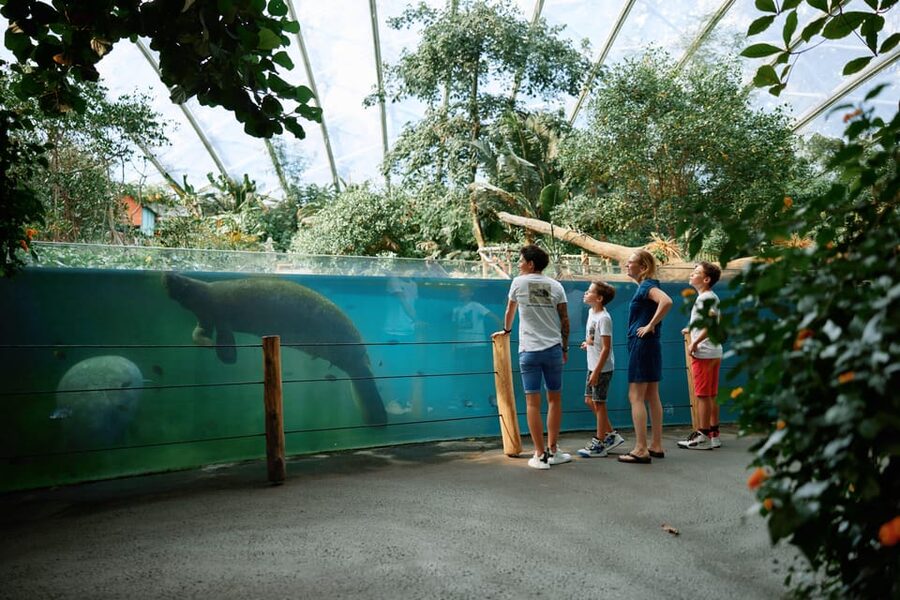
Your ticket duration is 8 hours, which is enough time for a full day, as long as you keep your expectations practical. This is not a quick stop. You are walking through multiple habitats, plus indoor spaces that can slow you down naturally.
Here is a practical way to think about your time:
- Spend extra time where the exhibit is designed for atmosphere (the Bush, the mangrove).
- Keep desert and reef sections as your visual rest points, where you pause longer rather than rushing.
- Use the savannah as your recognizable animal anchor.
Even if you start in one order, you will likely end up bouncing between areas as you find your favorite viewing spots. That is normal here. The zoo layout rewards lingering, and the routes are made to be walked at an easy pace.
If you want the day to feel like a mini world tour, aim for “slow and steady.” A full day gives you breathing room for the big habitats and also for the smaller surprises.
Price and value: what $33 gets you at Burgers’ Zoo
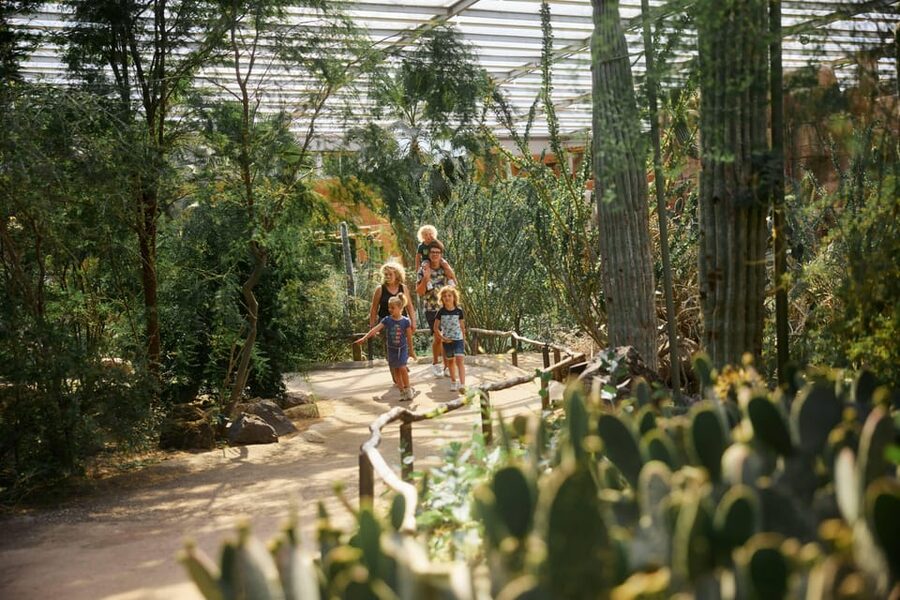
At about $33 per person for admission, this ticket is positioned as a value day, not a short add-on. The key reason is simple: you are paying for a lot of curated environment time, 45 hectares worth of eco-displays across multiple ecosystems, with major indoor habitats.
Also, the pricing makes sense when you compare the experience format. Many zoos focus mainly on animals. Burgers’ Zoo focuses on habitats, which means your ticket covers more than just viewing, it covers the design concept and the sensory experience inside major indoor areas.
Two cost notes to keep you happy:
- Food and beverages are not included, so plan for at least one meal or snack break during your 8 hours.
- Parking costs extra, listed as €8.50 if you need it.
Who this suits best, and who should adjust expectations
This is a strong pick for people who like animals but also care about setting. If you enjoy nature style environments, plants, birds, and animal behavior in realistic habitats, you are going to get your money’s worth from a longer visit.
It is also good for families because the day is designed for exploring different worlds in one place. But you should still be realistic. Eight hours is a lot of walking, and some areas are indoor and humid, so comfort matters.
If you are visiting with anyone who prefers very quick, short stops, consider whether they can handle a full day of walking and waiting for the best viewing moments. If not, you might want to think about a lighter plan for your visit time.
Should you book an Arnhem Burgers’ Zoo entry ticket?
Book it if you want a full-day nature and animal experience that feels like walking through multiple ecosystems. The combination of the Bush indoor rainforest, the Belize-inspired indoor mangrove, and the spread across desert, ocean reef, and savannah makes it easy to stay engaged for the full 8 hours.
Skip it or rethink your timing if you do not want a walking day, or if you prefer admission that bundles meals and snacks. Here, you are mostly buying a world-class habitat experience, so you will get the best value by planning for food breaks and going at an easy pace.
FAQ
Where is Burgers’ Zoo located?
Burgers’ Zoo is in Gelderland, Netherlands, in the Arnhem area.
How long should I plan for with this entry ticket?
The experience duration is listed as 8 hours.
How much does the Arnhem Burgers’ Zoo entry ticket cost?
The price is given as $33 per person.
What is included in the ticket, and what is not?
The ticket includes admission to Burgers’ Zoo. Food and beverages are not included.
How much does parking cost?
Parking is available for an additional fee of €8.50.
Can I cancel for a full refund?
Yes. You can cancel up to 24 hours in advance for a full refund.
Is the ticket line skipped, and is it wheelchair accessible?
Yes, the activity includes skip the ticket line. It is also wheelchair accessible.