Reviewed · GUIDED
Amsterdam: Jordaan District Tour with a German guide
The Jordaan rewards curious walkers. This 1.5-hour Amsterdam walk strings together canals, churches, and backstreet courtyards with a German guide who puts local details into context. I especially like the stop in the secret gardens where the tulip mania story becomes something you can picture.
One thing to know up front: the tour is German only, so if you’re not comfortable listening, this may feel like a lot of effort for a short time. Also, you’ll pass the Anne Frank area, so the tone gets serious for a moment.
You’ll start at the Anne Frank Monument by Westerkerk and finish back there after looping through the Jordaan’s bridges, hofjes (courtyard housing), and canal views. Along the way, you connect the neighborhood’s shift from working-class streets to today’s sought-after address, with UNESCO World Heritage context for the 400-year-old canal system.
In This Review
- Key takeaways before you go
- Meeting at Anne Frank Monument, and how the 90 minutes really plays out
- Anne Frank Monument, plus what you’ll notice on the walk
- Westerkerk and Grachtengordel: the Jordaan’s canal belt explained on your feet
- The hofjes route: why the courtyards are the main event
- Noorderkerk and Papeneiland: a quieter canal view on the northern side
- Tulip mania in a garden courtyard: 17th-century speculation, made understandable
- The neighborhood shift: from working-class streets to today’s desirable Jordaan
- German guide energy, names you might meet, and the value of Q&A
- Price and logistics: $27 for 1.5 hours, plus city tax
- Should you book the Amsterdam Jordaan district tour with a German guide?
- FAQ
- How long is the Amsterdam Jordaan District Tour?
- What language is the guide?
- Where is the meeting point?
- What sights and experiences are included?
- Is the tour wheelchair accessible?
- Is there a private group option?
- How much does it cost, and what’s included in the price?
Key takeaways before you go
- Small-group feel, guided with real local know-how: tours run with a passionate native-German guide, and the vibe is made for questions.
- Secret courtyard access: you’ll visit named hofjes like Sint Andrieshofje, Claes Claeszhofje, Karthuizerhofje, and Van Brienenhofje.
- Anne Frank context on the route: a photo stop at the Anne Frank Monument and a pass near her famous hiding place.
- UNESCO canal system explained as you walk: the guide ties the Jordaan to the UNESCO-listed 400-year-old canal belt system (World Heritage since 2010).
- Tulip mania in a garden courtyard: a 17th-century story told in the kind of place where it makes sense.
- Photo stops that fit the flow: Westerkerk, Grachtengordel, Noorderkerk, and Papeneiland give you viewpoints without wasting time.
Meeting at Anne Frank Monument, and how the 90 minutes really plays out
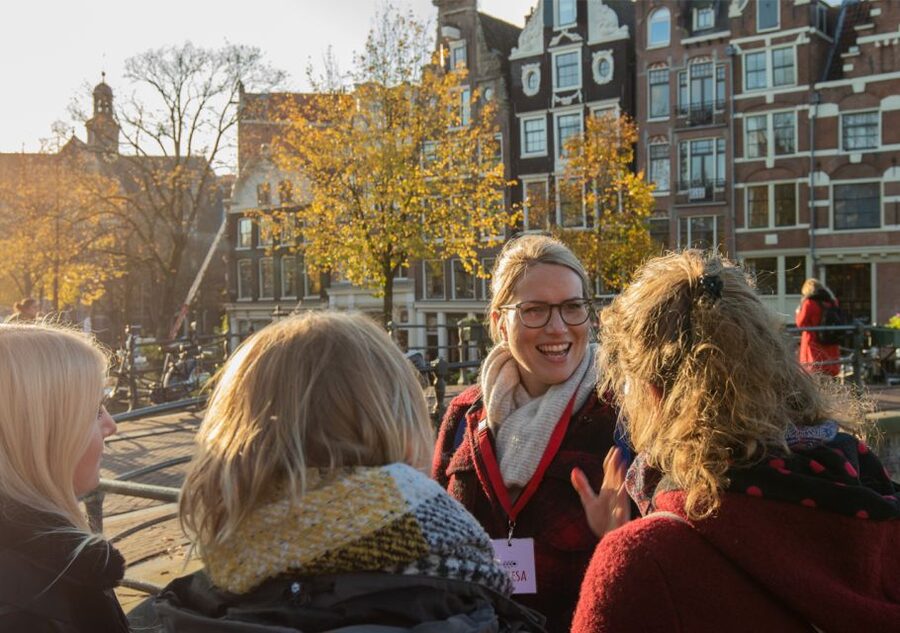
Your tour starts right where the attention naturally goes, in front of the Anne Frank statue on the southern side of the Westerkerk. Look for your guide’s red name tag. It’s an easy meeting point if you’re already in the canal-area pocket, and it means you begin with one of the Jordaan’s biggest emotional anchors.
The tour is short on paper, 1.5 hours, but it doesn’t feel rushed because it’s built around a sequence of stop-and-listen moments. You’ll spend extra time at the Anne Frank Monument area, then your guide moves you through churches, canal viewpoints, and hofjes that are tucked behind buildings. Expect a walking pace that works best for people who like to keep moving and take photos when the guide says to.
Practical tip: wear shoes that can handle uneven stones and cobbles. This is a neighborhood-walk tour, not a museum circuit, and you’ll want your feet to be comfortable the whole way.
Also flying a pennant in Amsterdam


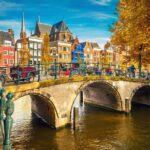
Anne Frank Monument, plus what you’ll notice on the walk
The tour begins with a focused moment at the Anne Frank Monument. You get a photo stop, plus a guided walk that sets the scene. Then you continue forward, keeping the story in your mind as the route brings you toward the area connected with her hiding place.
This is not a scare-the-sense-of-history kind of experience. It’s more like getting the right context so the neighborhood looks different afterward. If you know the basics already, you can still use this part to connect names, places, and the idea of how an ordinary city neighborhood could also be a refuge and a trap.
If you want your visit to feel respectful and not like a quick snapshot moment, slow down during this section. It’s the part of the tour where I think the guide’s pacing matters most.
Westerkerk and Grachtengordel: the Jordaan’s canal belt explained on your feet

Soon after the monument, the tour moves you to the Westerkerk for a short guided stop. You’re likely to get a sense of how important big landmarks were as reference points in a city built around waterways.
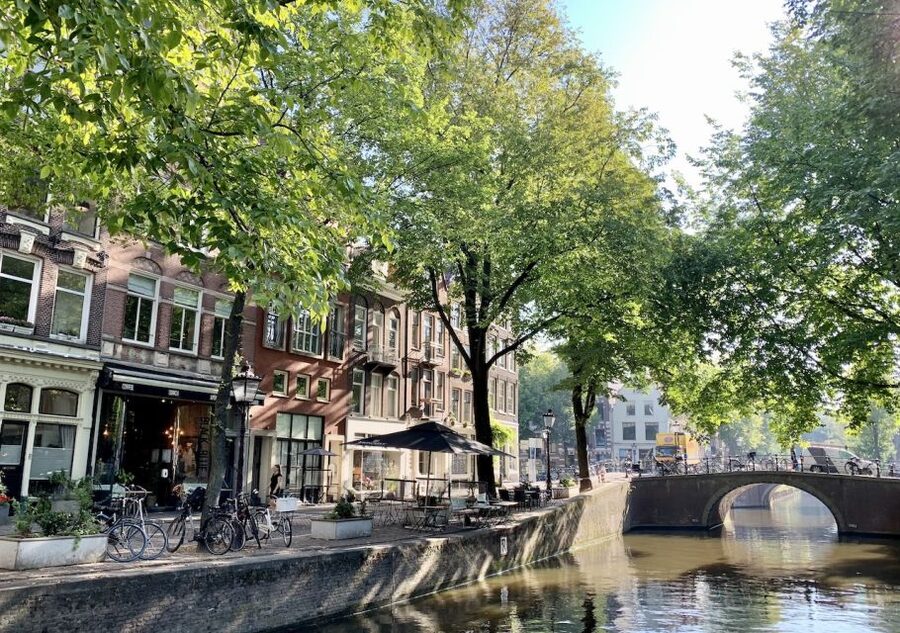
From there, you head toward the Grachtengordel, the famous canal belt. You’ll have a photo stop here, but the real value is what the guide connects to it. You’ll learn about the 400-year-old canal system and how it was declared a UNESCO World Heritage Site in 2010. That UNESCO label can sound abstract until you’re actually standing where the canals shape street layouts, bridges, and everyday movement.
Here’s how this helps your trip: once you understand that Amsterdam’s canals are not just scenery, you start noticing patterns. Bridges and canal edges are not random. They are part of how the city grew, how neighborhoods took shape, and how people got around before cars and trains took over the map.
The hofjes route: why the courtyards are the main event

If you only pick one reason to book this tour, make it the hofjes. The Jordaan has plenty of streets that look charming from outside, but the courtyard network is where the neighborhood feels real. In this tour, you visit multiple courtyards, each with its own feel.
You’ll stop at:
- Sint Andrieshofje for a guided courtyard visit and photo time
- Claes Claeszhofje where the guide adds context and you get a proper look
- Karthuizerhofje for another courtyard moment, again guided
- Van Brienenhofje toward the end of the loop
These are described as secret gardens and hidden inner courtyards, and that matches the experience. You go from public canal views to a more sheltered world tucked behind buildings. That contrast is exactly what makes this tour worth paying for. It’s hard to stumble into these places on your own without the right doorways, connections, or luck.
The other payoff is story. The tour frames the Jordaan as a former working-class neighborhood, and the courtyard access helps you picture how people lived when space was tight. Courtyards were practical, private, and community-minded. In the modern Jordaan, they can still feel that way, even though the neighborhood has become one of the city’s most desirable areas.
Photo tip: courtyards can look flat if you shoot from the street level. When the guide tells you to step back or change angle, do it. The layout matters more than most people expect.
Noorderkerk and Papeneiland: a quieter canal view on the northern side
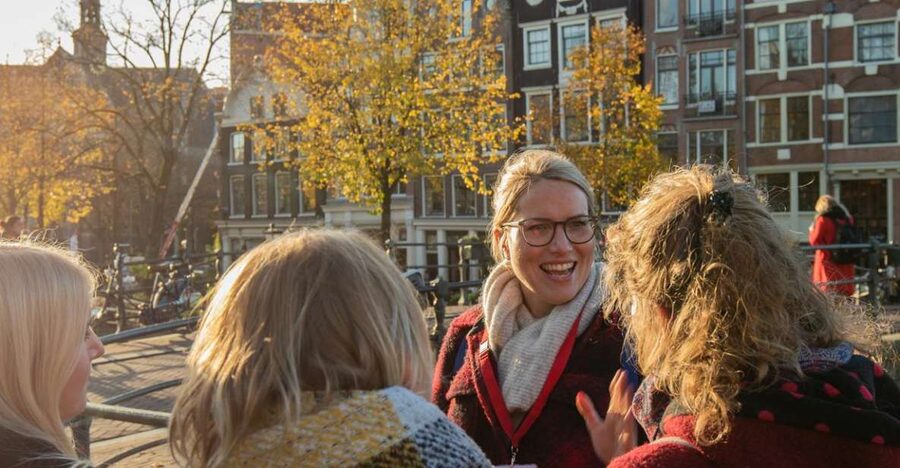
As the tour continues, you’ll reach the Noorderkerk. You’ll get another short guided moment and a photo stop. This is a good reminder that the Jordaan story isn’t only about the postcard streets. It also spreads into quieter edges where the canal network still shapes the neighborhood texture.
Then you’ll pass Het Papeneiland, a small island stop designed for a quick look and photo. Even with only a short stop, this kind of waypoint matters because it helps you understand the neighborhood as a set of interconnected waterways. Amsterdam is often photographed from the most obvious angles. This route gives you a few extra viewpoints that help you orient yourself for the rest of your stay.
Under the next bridge out of Amsterdam:
- Amsterdam Luxury Canal Cruise + Unlimited Drinks & Bites option
★ 5.0 · 30,518 reviews - Amsterdam: Rijksmuseum Entry Ticket
★ 4.7 · 29,512 reviews - Amsterdam: Classic Saloon Boat Cruise with Cheese & Wine
★ 4.6 · 27,035 reviews - Amsterdam: Evening Cruise with Optional Wine and Snacks
★ 4.4 · 22,178 reviews
Tulip mania in a garden courtyard: 17th-century speculation, made understandable
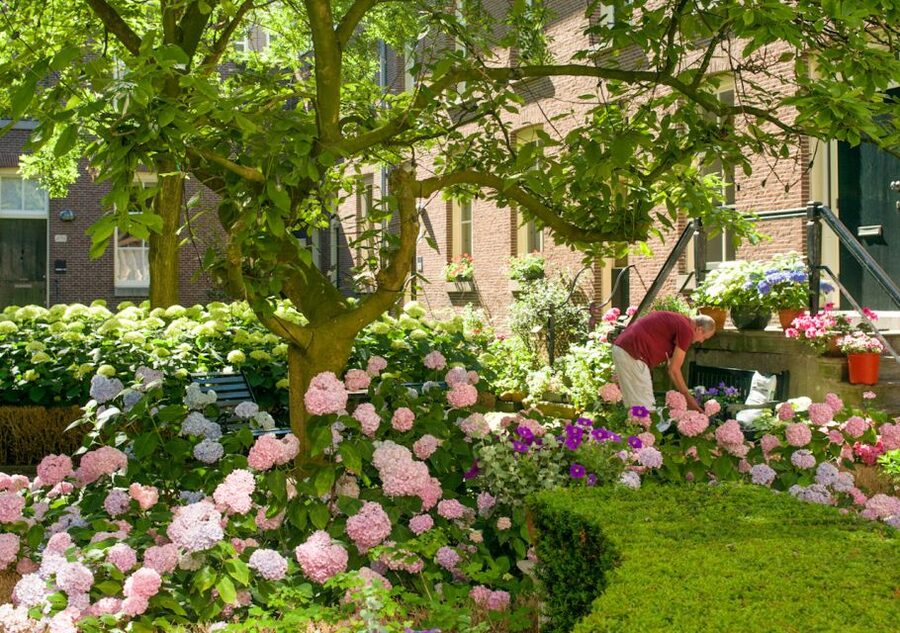
One of the more memorable parts of the tour is the secret garden visit. In that green pocket, the guide explains tulip mania from the 17th century. The point is not to turn this into a economics lecture. It’s to give you a place-based story, and to show why these bulbs and gardens were more than just decoration.
Why this works: tulip mania feels abstract if you only hear dates and numbers. It clicks better when you’re standing in a courtyard garden atmosphere, with the guide connecting the excitement, the trade, and the social bubble that grew around it.
You’ll also get a sense of how the Jordaan evolved without losing its everyday charm. Gardens and courtyards are part of the city’s living fabric, not just tourist props. When the guide ties the tulip mania story back to the neighborhood’s calmer inner spaces, it turns a famous event into something you can actually remember.
The neighborhood shift: from working-class streets to today’s desirable Jordaan
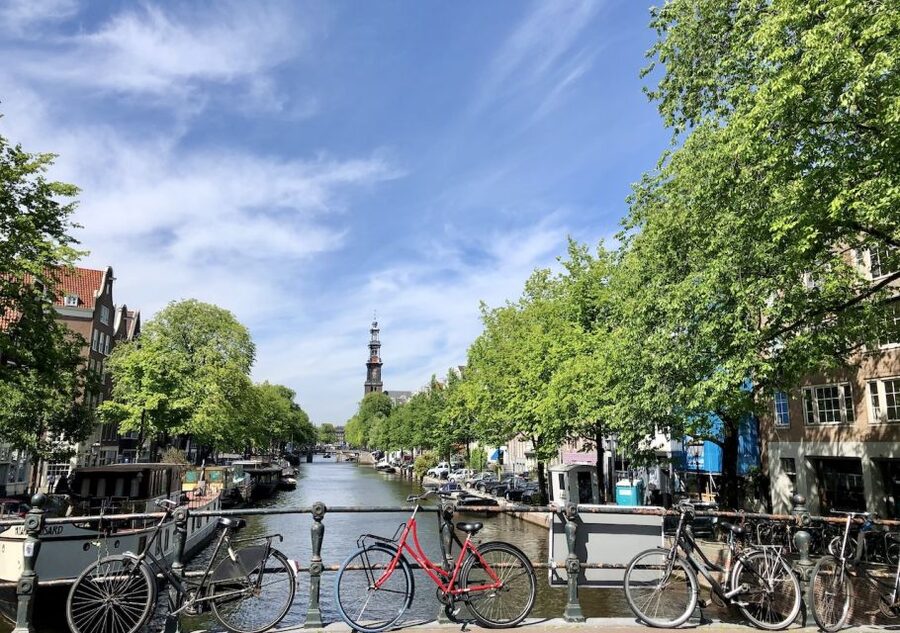
The tour is built around a simple theme: the Jordaan has changed a lot, but it still keeps its old bones. You’ll hear about its roots as a working-class neighborhood, then about how recent decades turned it into a top-tier area.
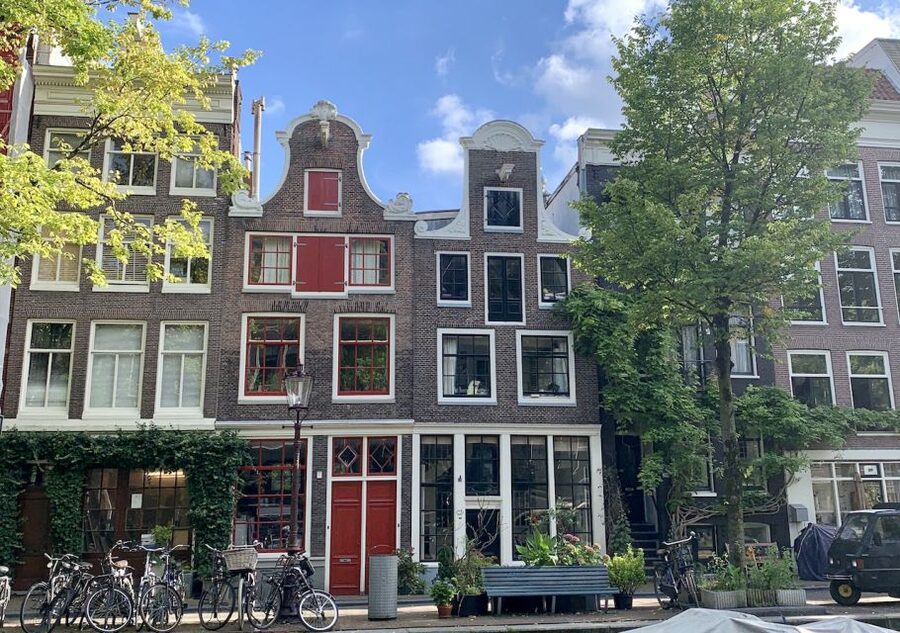
That transformation might sound like a loss, but this tour frames it more thoughtfully. You still get to see 17th-century backstreets and bridges, and the neighborhood still has that “this is where life happens” feeling. You’ll frequently want to stop and take pictures, and not just because the buildings look pretty, but because the canals and bridges give you constant compositional variety.
A balanced way to think about it: the Jordaan feels more polished than it used to, and you can spot traces of that. But the courtyards, canal geometry, and the way streets tuck inward give you enough authentic texture that you don’t just feel like you’re walking through a theme.
German guide energy, names you might meet, and the value of Q&A
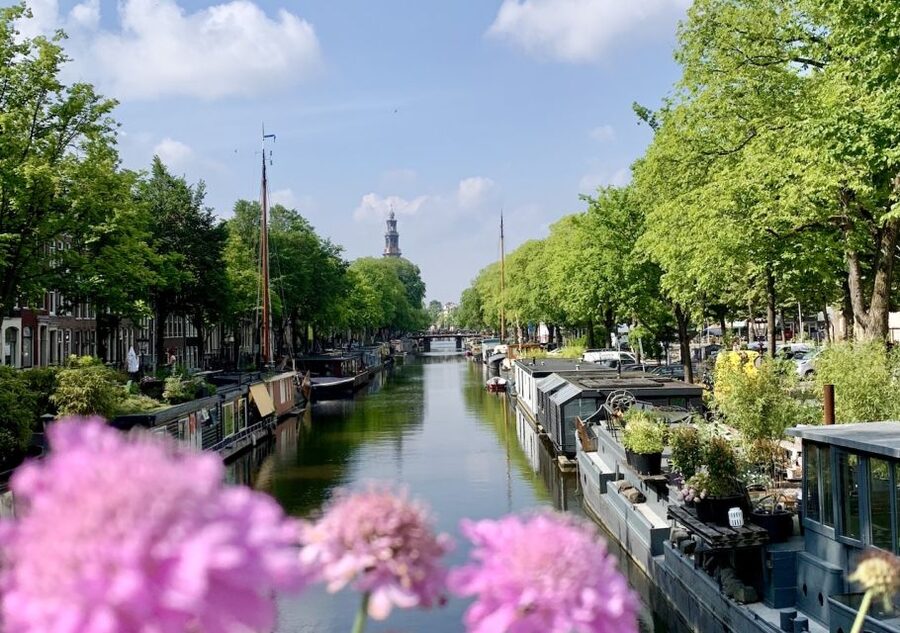
This is a guided walking tour, so your experience rises or falls with the person leading it. The tour uses a passionate native-German guide, and the best part is how interactive the group can be. In past groups, guides like Lili and Justin have been praised for answering lots of questions and doing it clearly and kindly.
Even if your German is only so-so, the format can still help. You’re not taking a test. You’re getting explanations in context as you see the actual locations. The group size is also a factor. The tour offers private and small group options, and when you’re not packed shoulder-to-shoulder, it’s easier to ask follow-ups and actually hear the answers.
If you’re visiting solo, this is also a nice way to meet the neighborhood through someone who knows what matters, not just what looks good in a guidebook.
Price and logistics: $27 for 1.5 hours, plus city tax
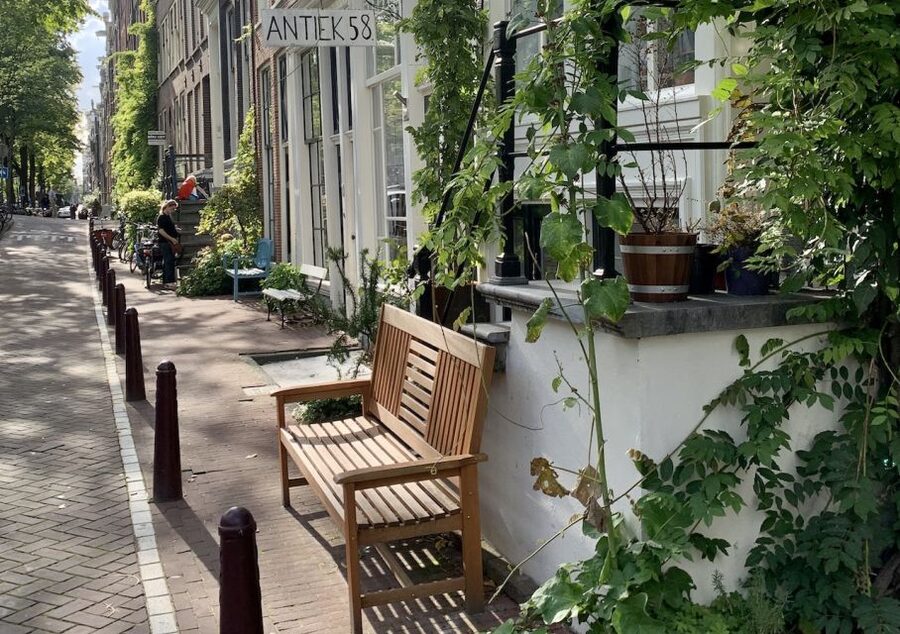
The cost is $27 per person for a 1.5-hour walking tour. The €1.50 city tax per passenger is included, so you’re not hit with a surprise add-on during the final steps. You’re paying for more than walking. You’re paying for:
- a local German guide
- curated stops at major landmarks like the Westerkerk and Noorderkerk
- multiple hofjes that are hard to find and access on your own
- specific stories tied to Anne Frank, tulip mania, and the UNESCO canal system
That’s why the value works best if you care about details. If you just want general scenery, you can walk the Jordaan on your own. But if you want the “why” behind the canals and the “how” behind the secret courtyards, the guide saves you time and gives you meaning.
Pace and comfort note: it’s wheelchair accessible, and there’s a private group option if you want a slower, more tailored tempo. The core tour is still walking, so bring layers. Amsterdam weather loves quick changes.
Who this suits:
- First-timers who want Jordaan orientation fast
- People who love canals, churches as landmarks, and courtyard spaces
- Travelers who enjoy stories tied to real places, including Anne Frank and tulip mania
Who might skip:
- If German-only is a dealbreaker
- If you want a longer tour with more sitting breaks and fewer walking segments
- If the Anne Frank portion feels too heavy for your current mood, since it is part of the route
Should you book the Amsterdam Jordaan district tour with a German guide?
I think you should book this tour if your ideal Amsterdam afternoon includes canals, quiet inner courtyards, and guided storytelling you can connect to what you’re seeing. The hofjes are the big reason. Many neighborhoods have viewpoints. The Jordaan also has these tucked-away spaces, and this route gives you access to several of them in one tight loop.
Book it if you like your history tied to streets, not just plaques. The UNESCO canal context, plus the tulip mania explanation in a garden setting, helps you understand how Amsterdam’s past still shapes what you notice today.
Skip it if you need a language you don’t have. Since the tour is German only, you’ll get more out of it with good listening skills, or you might feel like you’re missing too much of the story.
If you want a Jordaan walk that feels more like a guided discovery than a casual stroll, this one hits the mark.
FAQ
How long is the Amsterdam Jordaan District Tour?
The tour lasts 1.5 hours.
What language is the guide?
The live guide speaks German.
Where is the meeting point?
Meet in front of the Anne Frank statue on the southern side of the Westerkerk. The guide wears a red name tag.
What sights and experiences are included?
You’ll see the Anne Frank Monument area, Westerkerk, the Grachtengordel canal belt, several courtyard stops (Sint Andrieshofje, Claes Claeszhofje, Karthuizerhofje, and Van Brienenhofje), Noorderkerk, and Het Papeneiland. You’ll also learn about Anne Frank’s story as you pass her hiding place area, hear about the 17th-century tulip mania, and get context about Amsterdam’s 400-year-old canal system, which is UNESCO World Heritage since 2010.
Is the tour wheelchair accessible?
Yes, it is listed as wheelchair accessible.
Is there a private group option?
Yes, private group tours are available.
How much does it cost, and what’s included in the price?
The price is $27 per person, and it includes the €1.50 city tax per passenger.
Latest to arrive along the quays of Amsterdam



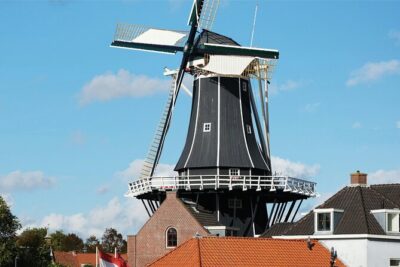
Guided, compared.
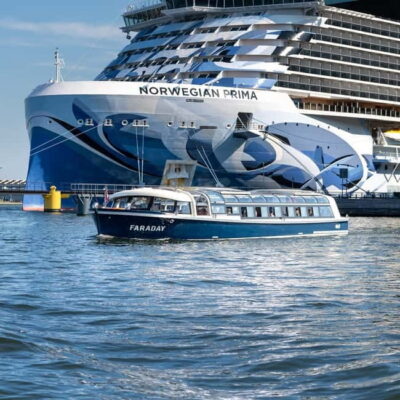
75 Minute City Canal Cruise with Audio Guide
Read our review →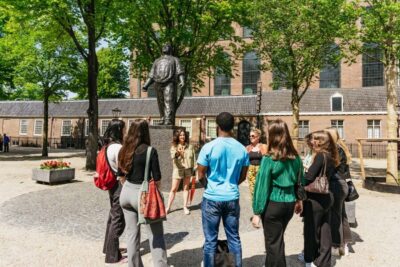
Amsterdam Anne Frank: Small-Group Walking Tour & Local Guide
Read our review →
Anne Frank’s Story – Guided Walking Tour through Amsterdam
Read our review →

Guided Zaanse Schans, Windmills & Cheese Tour
Read our review →
Amsterdam Newest Canal Cruise with local guide and small group
Read our review →