
Reviewed · RED LIGHT DISTRICT WALKS
Amsterdam: Guided Red Light District and City Walking Tour
Amsterdam has a way of surprising you. This 2-hour walking tour turns the Red Light District from a blur into a set of real stories. I like that it also folds in Old Town landmarks and the city’s unusual building history, so you get more than the obvious postcard stuff.
What I really like is the guided context. You walk the narrow streets and learn what shaped the district, how laws and local life changed over time, and why specific buildings are there. I also like the small group size (up to 15), which makes it easier to hear your guide and ask questions, even when the topic is sensitive.
One thing to consider: the route is not recommended for travelers with limited mobility, because it’s a walking tour in older streets. Also, while most guides are praised, one review flagged a rude experience, so it’s worth speaking up early if you feel uncomfortable.
In This Review
- Key things to notice before you go
- Entering the streets: start point, pace, and what two hours feels like
- Red Light District walking: how the guide changes what you notice
- Dam to Old Town: Amsterdam’s wooden-pole reality check
- Pub The Ape: the wooden-building survival story after 1452
- Waag: from city gate defenses to guild headquarters
- The smallest house and the VOC twist
- Condomerie stop: modern shopping placed right inside the story
- Guides and group vibe: what makes it work
- Price and value: what you’re paying for, and what you are not
- Who should book, and who should think twice
- Should you book this Amsterdam Red Light District and City Walking Tour?
- FAQ
- How long is the Amsterdam Red Light District and city walking tour?
- How much does the tour cost?
- Where does the tour start?
- Is the tour offered in English?
- What is the maximum group size?
- Is food included?
- Is the tour suitable for travelers with limited mobility?
- Can I get a full refund if I cancel?
Key things to notice before you go
- A focused 2-hour route that mixes the Red Light District with key Old Town stops, so you do not just pass through.
- Small groups up to 15, which helps with questions and staying on the same page.
- Guides vary, so pay attention to tone. Most are praised for humor and good storytelling, like Ben, Max, Pedro, and Angel in past tours.
- Condomerie is part of the walk (a shop with custom sizing), adding a modern counterpoint to the historic sites.
- Walking shoes matter. You are moving through older streets and the tour is not ideal for limited mobility.
- Evening start can change the feel, and a later departure has been described as especially pretty when bridge lights come on.
Entering the streets: start point, pace, and what two hours feels like
The tour meets at Geldersekade 2, 1012 BH Amsterdam. From there, you’re in central Amsterdam quickly, and you stay in a walkable zone that connects the Red Light District area with major Old Town touchpoints.
The duration is about 2 hours. That sounds short, but it is a real walking tour, not a slow stroll with long stops. Expect several short explanations plus brief pauses near sights, so keep your phone charged and your energy steady.
This is offered in English, with multiple start times. If you are choosing based on mood, an evening option can feel different: one past participant mentioned late-summer light and then bridge lights later on, which makes the city look extra dramatic on foot.
Finally, the group max is 15. In practice, that usually means you are close enough to your guide to catch the details, but far enough not to feel like you’re being herded.
More Guided Walking Tours in Amsterdam


Red Light District walking: how the guide changes what you notice
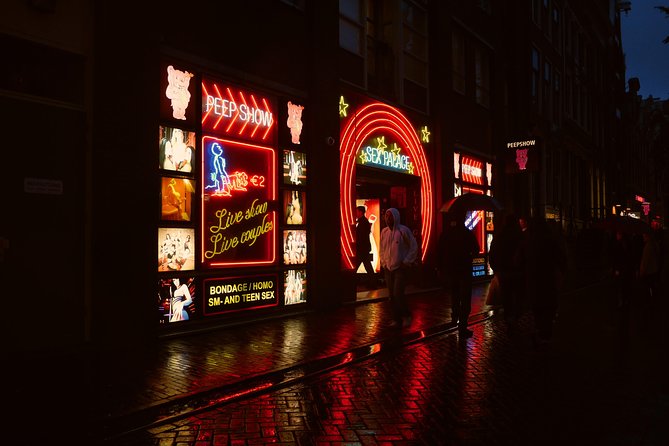
You are there to see the Red Light District with context, not just to stare. The tour sets you on the narrow streets and helps you understand the history and the current situation, with your guide pointing out what matters and why.
The best part of tours like this is the layer of meaning. Without a guide, you might only register what is visually striking. With a guide, you start noticing the why: how the area became what it is, how merchants and local life shaped it, and how laws and public attitude shifted.
The tone matters a lot here. The reviews praise guides who combine history with humor and respectful explanations. Names that came up include Ben, praised for stories and keeping things engaging; Max, noted for humor and clear explanations; Pedro, who led an experience focused on history and the district; and Angel, praised for being easy to understand.
That said, this is still a place you should approach with maturity. If you are sensitive to sexual subject matter, keep that in mind. The tour is adult-focused by nature, and your guide will likely discuss how the industry started and why it exists where it does.
Dam to Old Town: Amsterdam’s wooden-pole reality check
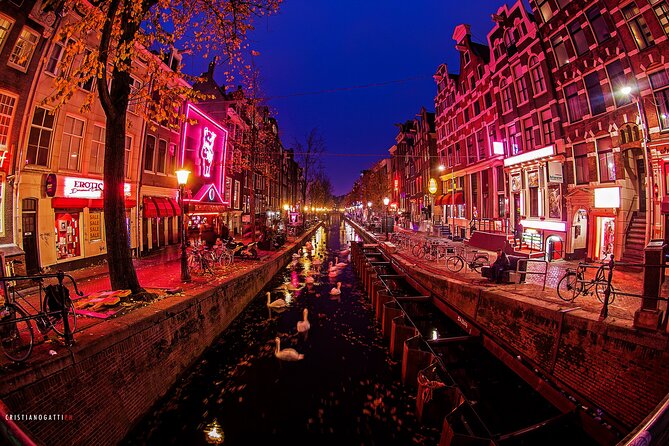
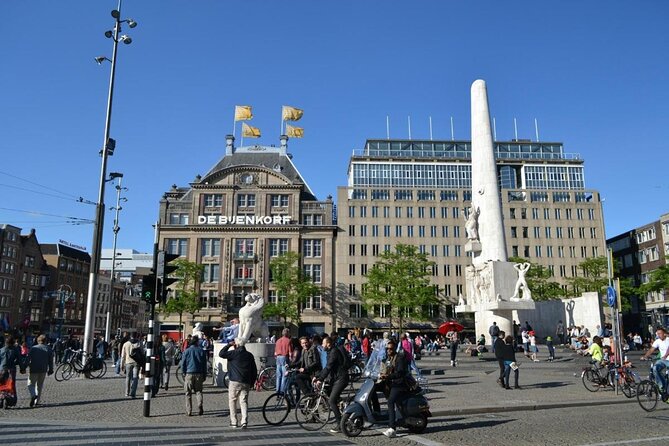
One of the stops is the Dam, tied into a fascinating theme: Amsterdam is famously called the city built on trees. The idea is simple, even if the engineering is not.
Amsterdam sits on thick layers of fen and clay. Older buildings needed deep foundations, with wooden piles driven until they reach a layer of solid sand about 11 meters down. During your walk, your guide explains how wooden foundation piles were used for centuries because the ground would not reliably hold weight on top.
This stop is more than trivia. It helps you understand why the city looks the way it does and why so many structures had to be designed for a watery, unstable environment. It also sets you up to appreciate the next stops where older buildings still survive, including those built after major fires.
Pub The Ape: the wooden-building survival story after 1452
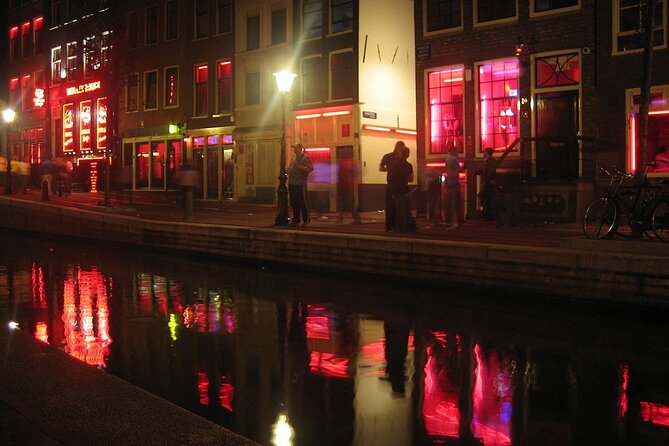
Pub The Ape, also known as Int Aepjen in Dutch, is one of those stops you can only really appreciate when someone gives you the backstory. The pub is built around 1540 and is one of two remaining wooden buildings in Amsterdam.
The key historical note is that there was a big fire in 1452. After that, the government decided that buildings should have brick facades. So a wooden building surviving from the older era is a rare thing, and your guide connects that rarity to why Amsterdam’s architecture evolved.
If you like architecture that tells a story, this stop is a highlight. It turns what could be an ordinary pub into a physical reminder of how disasters, rules, and materials shaped the city.
Waag: from city gate defenses to guild headquarters
Next up is the Waag. It used to be one of Amsterdam’s city gates, part of the defensive wall. Built around the 1400s, it is described as the second oldest building of Amsterdam.
Later, it was used by guilds and craftsman organizations. The square around it also became a hub for these groups. So you are not just seeing a building. You are seeing a shift in purpose, from defense to trade and craftsmanship.
This is a smart stop for your brain. The Red Light District is often talked about as if it is separate from the rest of the city. Waag pulls you back into the broader Amsterdam story of commerce, structures, and how people organized themselves.
More lantern-lit windows explained:
- Amsterdam: Red Light District Tour in DE/EN/IT/ES/FR
★ 4.9 · 7,136 reviews - Amsterdam: Red Light Secrets Museum Entry Ticket
★ 4.2 · 5,722 reviews - Amsterdam Red Light District & Coffee Shop Tour
★ 4.6 · 4,134 reviews - Amsterdam: Red Light District Pub Crawl with Unlimited Shots
★ 4.1 · 2,130 reviews
The smallest house and the VOC twist
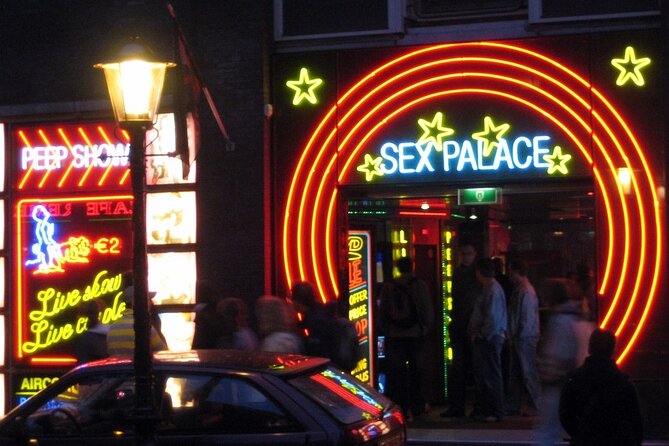
The tour includes a stop at what is described as the smallest house of Amsterdam, built around the 1700s. It starts as storage for the VOC trading company.
Then the story changes again. Later on, people started living in the house for a very long time. The contrast is striking, and your guide uses it to show how buildings got repurposed as Amsterdam’s needs and residents changed.
This is one of those stops that makes you look twice at scale. You start to think about how trade wealth, cramped urban space, and everyday life intersected in a city built on challenging ground.
Condomerie stop: modern shopping placed right inside the story
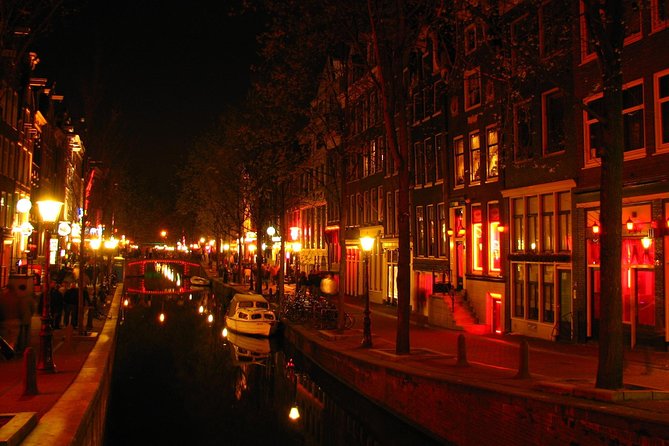
Then you hit something very on-brand for Amsterdam: the Condomerie. It is described as the world’s first condom shop specialized for condoms, located there since 1987. You can get size customized condoms and special types.
I like this stop because it gives you a time jump. You are walking among buildings tied to gates, guilds, fires, and trade storage, then you land in a modern shop with a very specific purpose. It helps you see continuity, not just history as museum glass.
It also keeps the tour human. Amsterdam is practical and direct, and a stop like this reflects that personality. If you are uncomfortable with sexual products or jokes, you might want to mentally brace for it. If you are curious, it reads like the city refusing to hide behind polite silence.
Guides and group vibe: what makes it work
A tour lives or dies by the guide, and this one has a pattern in the positive feedback. Multiple guides were praised for being engaging, respectful, and good at connecting streets to meaning.
Names that stood out in past tours include Ari, described as informative and personable, and David, who led a walk with humor and bold topics. Capt Dan also came up in one review tied to a later tour time, with special mention of how the city looked when lights came on.
The negative review you should know about is the one where a guide was described as extremely rude and made inappropriate comments. I cannot help you prevent that from ever happening, but I can suggest a practical move: if the guide’s tone starts going the wrong direction, address it promptly with the tour staff while you are still on the tour. In a place like this, consent and comfort are not optional.
Price and value: what you’re paying for, and what you are not
The price is $35.44 per person for about two hours. That is fairly strong value for a guided walk that includes a licensed guide and local guidance, especially when the tour is capped at a maximum of 15.
Admission is listed as free, and the tour is walking-based. Food and drinks are not included, so you should plan a snack or a drink before or after if you get hungry. You are moving for the full time, so plan to keep your hands free for photos and your head free for the explanations.
You also get a mobile ticket and group discounts. Group discounts do not always matter for solo travelers, but they can if you are traveling with friends and trying to keep costs controlled.
Given what you get, this price makes sense if you want context fast. If you already know a lot about Amsterdam’s architectural foundations, old trade routes, and the district’s evolution, you could potentially skip a tour and just wander. But if you want the shortcuts to understanding, this is the kind of walk that pays off.
Who should book, and who should think twice
This tour suits you if you want a guided way to understand the Red Light District as part of the city, not as a separate theme park. It also fits well if you like architectural details and quick historical stops that explain why buildings exist in the first place.
You might particularly enjoy it if you like learning through walking, and you prefer a small group over joining a larger crowd.
I would think twice if:
- You have limited mobility, since the tour is not recommended for that.
- Sexual content and adult venues make you uncomfortable.
- You want a quiet, low-intensity experience. This is discussion-based walking.
If you are the type who likes to see the “why” behind street scenes, you will probably get a lot out of it.
Should you book this Amsterdam Red Light District and City Walking Tour?
If your goal is to get oriented and understand what you are seeing on foot, I think it is a solid choice. The mix of Red Light District context with Old Town landmarks like the Dam engineering story, Pub The Ape, the Waag, the smallest VOC-related house, and the Condomerie creates a tour that feels more complete than a single-neighborhood walk.
Book it if you want a guided framework and you can handle sensitive subject matter with a respectful mindset. Skip it if mobility limits you, or if the adult focus will make you uncomfortable the whole time.
FAQ
How long is the Amsterdam Red Light District and city walking tour?
It’s approximately 2 hours.
How much does the tour cost?
The price is $35.44 per person.
Where does the tour start?
The meeting point is Geldersekade 2, 1012 BH Amsterdam, Netherlands.
Is the tour offered in English?
Yes, it is offered in English.
What is the maximum group size?
The tour has a maximum of 15 travelers.
Is food included?
No. Food and drinks are not included.
Is the tour suitable for travelers with limited mobility?
It is not recommended for travelers with limited mobility.
Can I get a full refund if I cancel?
Yes, there is free cancellation, and you can cancel up to 24 hours in advance for a full refund.
Gables on Foot
- Amsterdam: Anne Frank Guided Walking Tour in DE/EN/IT/ES★ 4.9 · 3,107 reviews
- Amsterdam: Anne Frank Guided Small Group Walking Tour★ 4.8 · 2,722 reviews
- Amsterdam: Cultural Highlights Walking Tour★ 4.9 · 2,629 reviews
- Amsterdam: Ganja Walking Tour★ 4.2 · 2,127 reviews
Latest to arrive along the quays of Amsterdam

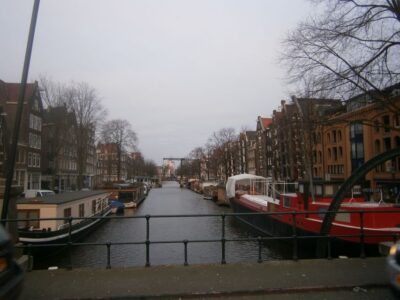




Red Light District Walks, compared.
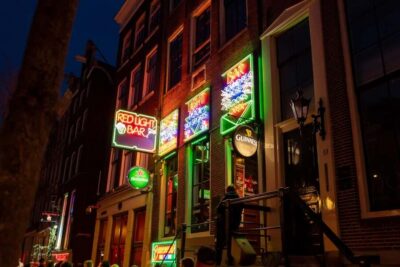

Amsterdam Red Light District & Coffee Shop Tour
Read our review →
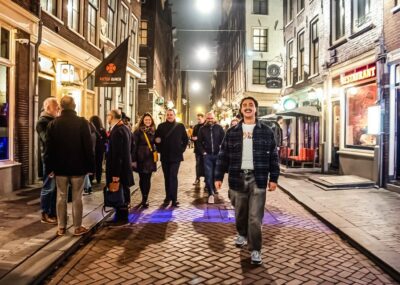
Red Light District Pub Crawl with Unlimited Shots
Read our review →
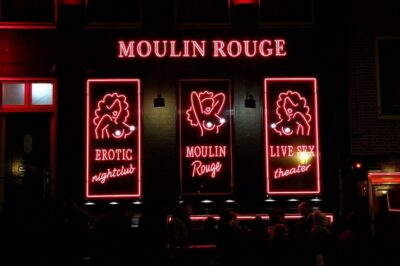
Private Amsterdam Red Light District and Coffee Shop Tour
Read our review →
Browse the lists this tour appears in