
Reviewed · FOOD & DRINK
Amsterdam: Dutch Wine Tasting with Sommelier
Dutch wine tastes like a surprise you can learn. In Amsterdam, this speakeasy tasting turns five locally made bottles into a clear lesson, and I love how the sommelier keeps the pace personal and conversation-friendly. I also love the range of styles, from white and rosé to orange and red, so you actually taste how Dutch wine varies. One catch: it is not set up for party groups, and it is also not suitable for people with mobility impairments or pregnant women.
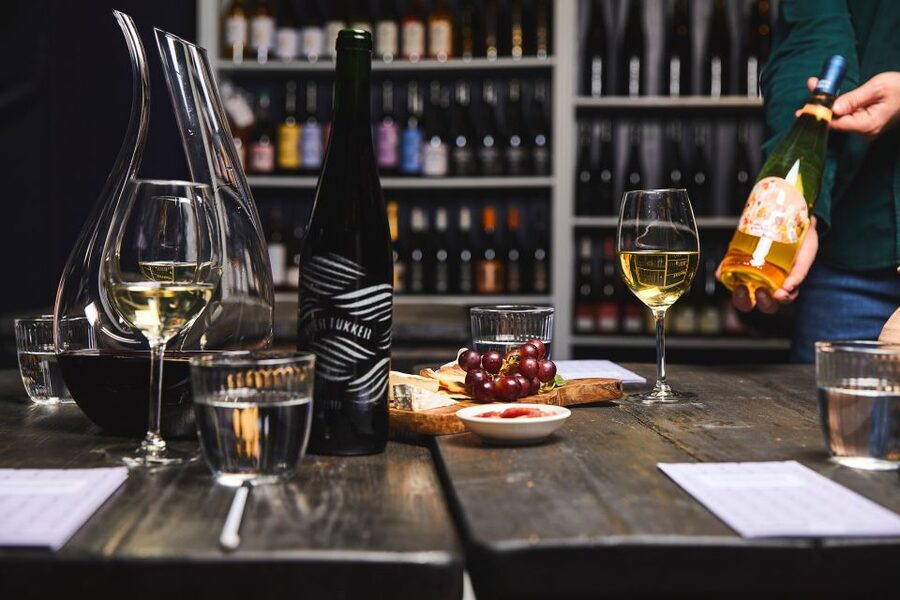
This is an easy, central Amsterdam experience that lasts about 1.5 to 2 hours. You meet at the Design & Wijn shop, then head into the tasting setup, where you get a tasting sheet, tapwater, and a Design & Wijn postcard as a little takeaway souvenir.
Food is part of the point here, not just decoration. You get freshly baked bread from Brothers Niemeijer, and you can order extra bites on-site if you want something more with your last sips.
In This Review
- Quick highlights you will notice right away
- Amsterdam Dutch wine tasting, the simple reason it works
- Finding Design & Wijn and stepping into the speakeasy vibe
- How the sommelier coaching feels, from novice to wine nerd
- The five Dutch wines: what you will taste and how to read the flight
- The mood-setting touch: the Spotify QR code and why it matters
- Bread and pairings: Brothers Niemeijer does the heavy lifting
- Timing, pace, and what a 1.5 to 2 hour evening really means
- Price and value: why $56 feels fair here
- Who this Amsterdam wine tasting is best for (and who should skip it)
- Practical tips so you get the most from your tasting sheet
- Should you book this Dutch wine tasting in Amsterdam?
- FAQ
- What does the Dutch wine tasting include?
- How long is the Amsterdam Dutch wine tasting?
- Where do I meet for the experience?
- What languages are offered during the tasting?
- Can I join with a party group?
- Is it suitable for everyone?
Quick highlights you will notice right away
- Five Dutch wines, one guided flight with a sommelier who can adjust to your level.
- Speakeasy-style tasting room in the heart of Amsterdam, which helps the evening feel relaxed.
- Brothers Niemeijer bread as the built-in pairing, plus an option to order extra bites.
- A tasting sheet to help you remember what you liked, and why.
- Mood-setting details, including a Spotify playlist QR code that starts with the first pour.
Amsterdam Dutch wine tasting, the simple reason it works
Amsterdam is great for canals, museums, and bikes. But if you want something that uses your senses instead of your phone camera, a guided wine tasting is a smart move. Here, you do not just sample. You learn how to notice differences between styles and what those differences mean.
I like that it stays human-scale. You get a sommelier-led experience built around conversation, not a scripted lecture. And because the flight includes multiple colors, you get a quick education in how Dutch winemaking can shift in character from one glass to the next.
More herring stands and hidden kitchens:


Finding Design & Wijn and stepping into the speakeasy vibe
Your evening starts at the Design & Wijn shop. If the door is closed, you ring the bell and ask for the Wine Tasting. It is a practical setup, and it helps you avoid that awkward Amsterdam moment where you walk by three similar doors and wonder which one is yours.
Once you are in, you will feel the shift from street noise to tasting mode. The speakeasy-style room makes the experience feel private and focused, like you are hanging out in a small corner of Amsterdam instead of waiting in line somewhere.
Before the first pour, you should expect the basics: water on the table and a tasting sheet to track what you are experiencing. There is also a Design & Wijn postcard included, which is a nice touch because it turns the tasting into something you can take home, not just drink and forget.
How the sommelier coaching feels, from novice to wine nerd
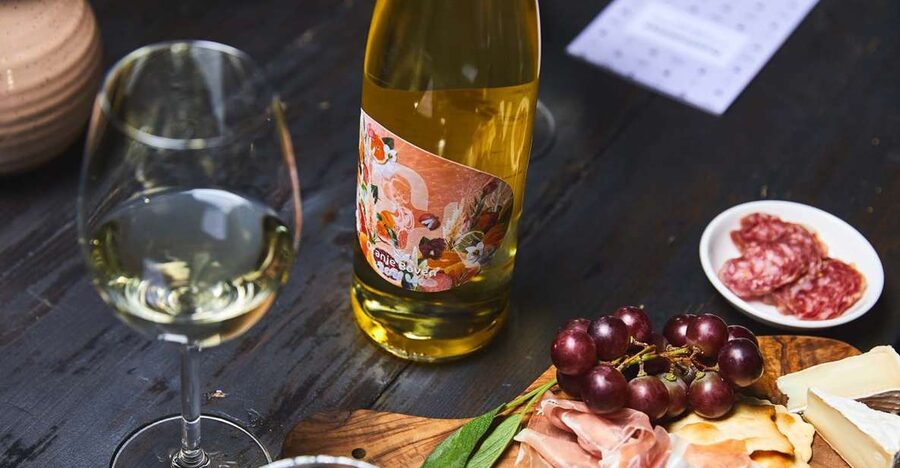
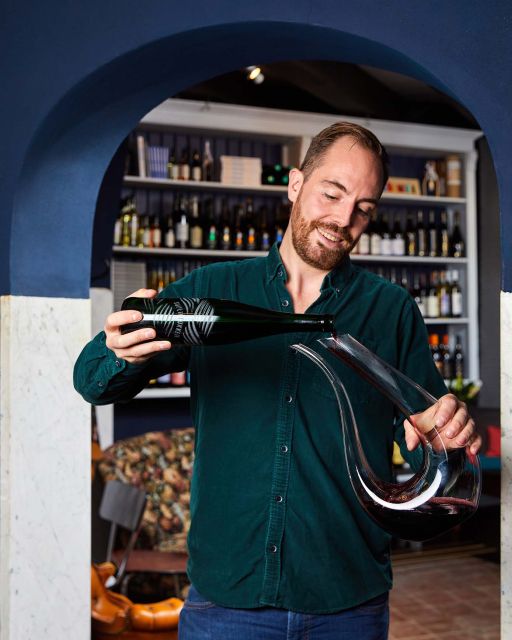
The sommelier is the real engine of this activity. The guide tailors the tasting to your level, whether you are brand new to wine language or you already know how to evaluate acidity, aroma, and balance.
From what you can expect during the evening, the host does two things well. First, they explain what you are tasting in plain words. Second, they keep the pace comfortable, so you have time to think, sip again, and ask questions without feeling rushed.
One review stand-out is how personal the conversation can be, with the host sharing stories behind the wines and making room for genuine chat. Another stand-out theme is that the tasting stays relaxed, with a smooth flow rather than a hurry-hurry approach.
If you want a good takeaway, ask questions while you still have the wines in front of you. This is when you can connect the explanations to your own impressions, and your tasting sheet suddenly stops being blank paper.
The five Dutch wines: what you will taste and how to read the flight
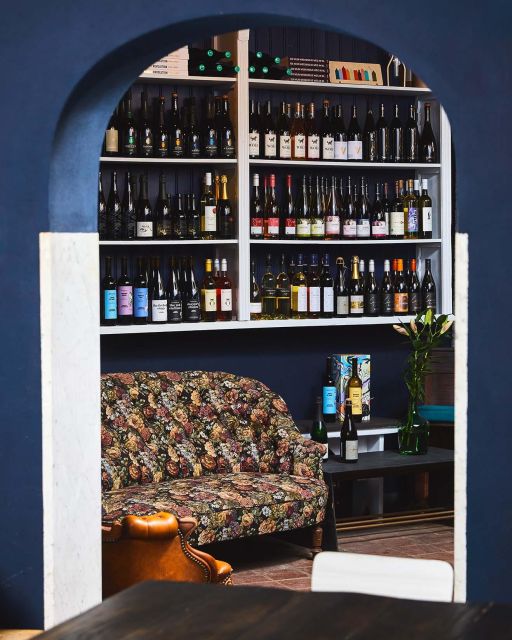
The tasting centers on five carefully chosen Dutch wines. You will taste local winemakers’ selections that cover a range of styles, including white, rosé, orange, and red. That color progression matters more than it sounds. It gives you a fast, practical path for understanding how Dutch wine can differ, not just how it can taste.
Here is how I suggest you approach the flight so you get value from every pour:
- Start with aroma, not judgment. Smell first, then sip. Dutch wine can surprise you if you focus only on flavor right away.
- Track the change across colors. If you notice a difference from white to rosé, or from rosé to orange, write that down on the tasting sheet. That is where the learning clicks.
- Use the sommelier as your translator. If you are unsure what you are tasting, ask. The whole point is that the guide helps you describe what is in your glass.
- Keep notes short but specific. Words like dry, fruity, sour, or spicy are fine. You do not need fancy wine terms. The goal is memory and comparison.
One thing that shows up in the experience details is that at least one wine can come in very small production. One review mentions a wine made in tiny quantities, around 300 bottles. If you spot a limited-run bottle, treat it like a lesson specimen, not just a drink.
Also keep an eye out for the orange wine portion. Multiple accounts describe it as a favorite. One person highlights a special external scent element on the bottle that adds an extra aroma moment before you even taste. Even if your palate is undecided at first, give the orange wine a fair shot, because it can be the glass that makes the whole tasting memorable.
The mood-setting touch: the Spotify QR code and why it matters
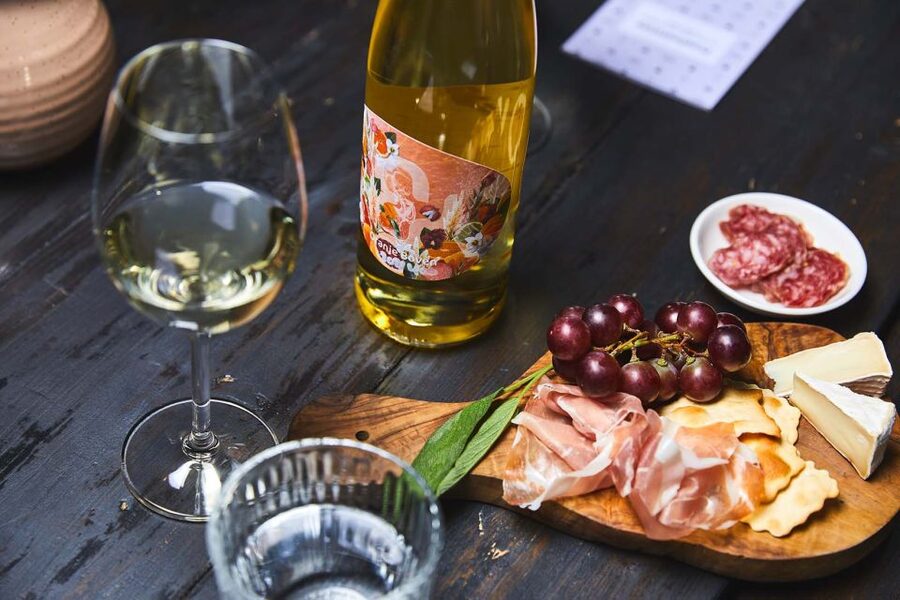
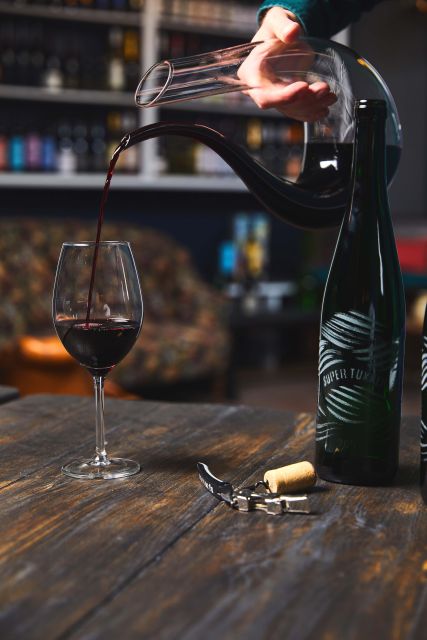
Wine tastings can feel stiff if the vibe is wrong. This one adds a small but clever element. There is a Spotify playlist QR code on the first wine, and the music sets the mood for the tasting as the night goes on.
Why does that matter? Because music helps you stay present. You stop thinking about time and start paying attention to what is happening in your glass, which makes the tasting easier to learn from.
If you are the type who likes details, scan the QR code right away. If you are not, no worries. The atmosphere still does the job, and the sommelier keeps the evening flowing.
Also flying a pennant in Amsterdam
- Amsterdam: Classic Saloon Boat Cruise with Cheese & Wine
★ 4.6 · 27,035 reviews - Amsterdam: Evening Cruise with Optional Wine and Snacks
★ 4.4 · 22,178 reviews - Amsterdam: Evening Candle Light Cruise With Wine & Cheese
★ 4.6 · 1,774 reviews - Amsterdam: Cozy Cheese & Wine Cruise Tasting Experience
★ 4.5 · 1,156 reviews
Bread and pairings: Brothers Niemeijer does the heavy lifting
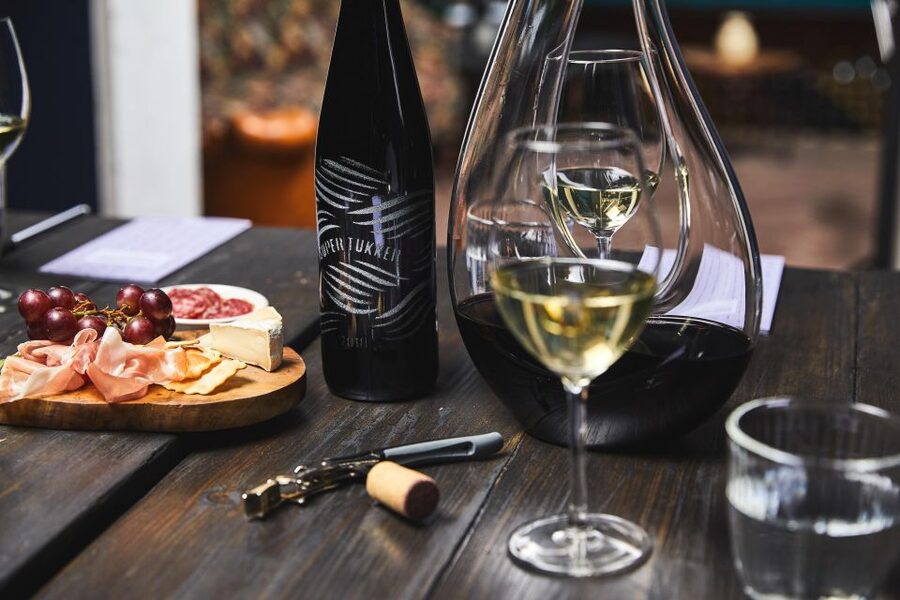
You get fresh bread from Brothers Niemeijer, and that is a big part of why this tasting feels balanced. Bread is not a fancy garnish. It is a palate reset and a texture companion.
As you move through multiple wines, your taste buds can get “full.” Bread helps you reset between glasses so you can keep noticing differences instead of tasting the last bottle forever. It also keeps the evening comfortable, especially if you are doing this as your main pre-dinner activity.
On-site, you can also order additional bites. Reviews and experience notes point toward snack pairings beyond the included bread, and the point is simple: you get enough food support that your last glass still tastes like something, not like a blur.
Timing, pace, and what a 1.5 to 2 hour evening really means
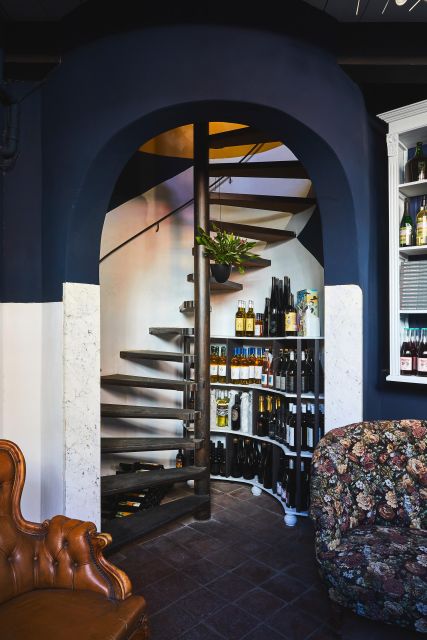
This experience runs 1.5 to 2 hours. That is a sweet spot in Amsterdam. Long enough for five pours and real conversation, short enough that you can still walk the city after without feeling like you need a nap.
The biggest timing advantage is pacing. One repeated theme from guest feedback is that the tasting never feels rushed. That matters because wine learning needs a few seconds of thought per glass, not just a quick sip and pass.
If you are planning your evening, put this somewhere between late afternoon and early evening. That gives you time to eat if you feel like it, and it keeps you from doing a wine tasting on an empty tank.
Price and value: why $56 feels fair here
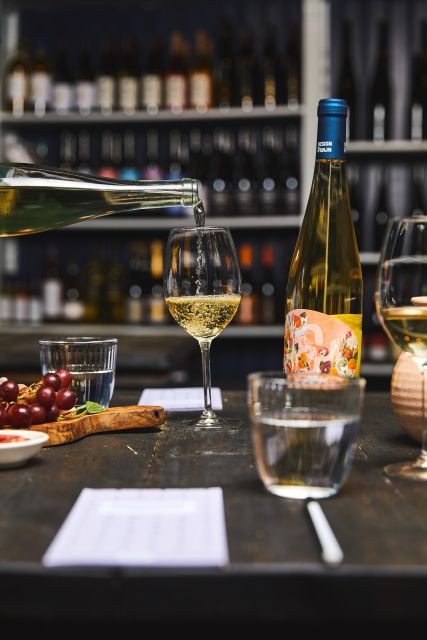
At $56 per person, you are paying for more than wine. You are paying for five Dutch wines, guided tasting support, a tasting sheet, tapwater, and fresh bread from Brothers Niemeijer.
The value comes from the structure. Many tastings hand you a flight and hope you figure it out. Here, you get a sommelier who explains what you are tasting and helps you connect those impressions to real winemaking choices, including the character and style of Dutch wine.
So even if you already know a bit about wine, the price makes sense because you are getting a guided comparison across multiple colors. And if you are brand new, it still works because the host adjusts the lesson to your comfort level.
If you want to shop like a wine pro after, the takeaway also helps. You leave with notes and a postcard, which makes it easier to remember what you liked when you see similar bottles later.
Who this Amsterdam wine tasting is best for (and who should skip it)
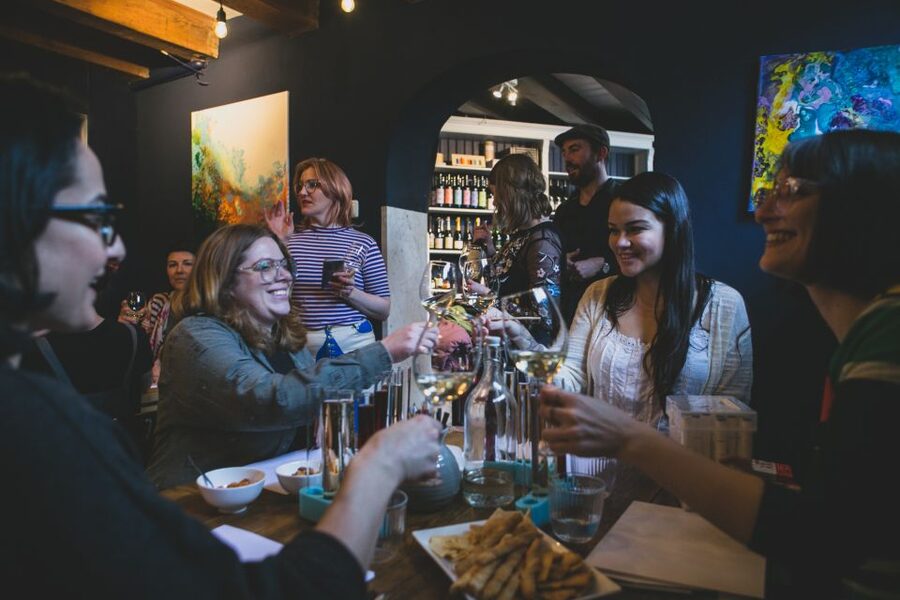
This fits well if you want a small, guided evening with real explanations and good food pairing. It is ideal for couples, solo travelers, and anyone who enjoys conversation and learning through tasting rather than reading a brochure.
It can be less ideal if any of these are true for you:
- You need accessibility support, because the experience is not suitable for people with mobility impairments.
- You are pregnant, because it is not suitable for pregnant women.
- You are traveling as a larger party, because party groups are not allowed.
If you are flexible and happy to enjoy wine at a calm pace, this is the kind of Amsterdam activity that turns a standard night into a story you can retell.
Practical tips so you get the most from your tasting sheet
You can make this tasting feel like a mini course if you do two simple things. First, taste with intention. Pause for a moment between glasses and write down one thing you noticed.
Second, use the sommelier as your cheat code. If you like a wine, ask what drives that taste. If you dislike one, ask what causes that style to lean the way it does. Either way, you leave with a clearer sense of what you personally enjoy.
Also, drink the tapwater between wines. It keeps the tasting sharp and helps you avoid the classic end-of-flight fuzzy thinking.
Finally, if you buy bottles after the tasting, rely on your notes. You will save yourself from buying something you cannot remember why you liked in the first place.
Should you book this Dutch wine tasting in Amsterdam?
Yes, I think you should book it if you want a guided Amsterdam evening that feels personal, not performative. Five Dutch wines across white, rosé, orange, and red gives you real variety, and the sommelier coaching helps you understand what you are tasting without turning it into a classroom.
I would skip it if you are looking for a big-group party vibe or if accessibility or pregnancy suitability affects your plans. And if you hate any kind of structured activity, remember this is built around tasting guidance, tasting notes, and discussion.
If you are choosing just one “different” thing to do in Amsterdam beyond the usual sights, this is a strong pick. It is hands-on learning, it includes good bread from Brothers Niemeijer, and it gives you a clean way to remember the experience after the glass is gone.
FAQ
What does the Dutch wine tasting include?
It includes 5 Dutch wines, fresh bread from Brothers Niemeijer, tapwater, and a tasting sheet. You also receive a Design & Wijn postcard.
How long is the Amsterdam Dutch wine tasting?
The duration is 1.5 to 2 hours.
Where do I meet for the experience?
Enter the Design & Wijn shop. If the door is closed, ring the bell and ask for the Wine Tasting.
What languages are offered during the tasting?
The instructor speaks Dutch, English, and German.
Can I join with a party group?
Party groups are not allowed.
Is it suitable for everyone?
It is not suitable for people with mobility impairments or for pregnant women.
Latest to arrive along the quays of Amsterdam



Food & Drink, compared.
Amsterdam Food and Cultural Tour with Tastings
Read our review →
10 Tastes of Amsterdam: Food Tour by UNESCO Canals and Jordaan
Read our review →
Amsterdam Jordaan Food & Drinks Tour with Eating Europe
Read our review →
Premium Henri Willig Cheese Tasting Experience
Read our review →
Zaanse Schans and Cheese Tasting Guided Tour from Amsterdam
Read our review →Browse the lists this tour appears in