Reviewed · AMSTERDAM TOURS & EXPERIENCES
Your Own Amsterdam. The Old Side
Some cities you see, others you read. This one has footnotes.
I love the way Your Own Amsterdam. The Old Side turns the usual highlights into something personal, with a guide who keeps the focus on what you might miss at street level. I also like the mix of famous landmarks and quieter moments, like historic bars and secret courtyards, where the city’s character suddenly feels close. The big drawback to plan for is simple: it is a 3-hour walk, and several stops are pass-by or photo stops, so you will not linger inside every building.
The tour’s best ingredient is the storytelling link between old events and present-day Amsterdam. You’ll hear how Catholics and Protestants shaped the city after the 80 Years’ War, then watch those layers show up later in places tied to multiple faiths. One example from a previous guest: guide René earned high praise for spotting details the eye skips the first time around, and for sharing the city’s history in a way that feels practical and human, not museum-slow.
In This Review
- Key moments I’d plan around
- Amsterdam Centraal to Saint Nicholas, and why this start matters
- A local bar, Chinatown streets, and Nieuwmarkt en Lastage photo time
- Jewish Quarter, Rembrandt House pass-by, and stories after the 80 Years’ War
- Secret stop, keeper’s house at an old gateway, and how to read Amsterdam’s facades
- Café break, trying Dutch treats, and the practical art of walking smart
- Finishing at the Portuguese Synagogue, and why the end point clicks
- Price, languages, and who this walk is best for
- Should you book Your Own Amsterdam. The Old Side?
- FAQ
- How long is the tour?
- Where do I meet the guide?
- Where does the tour end?
- Is an English guide available?
- What’s included in the price?
- Are entrance fees or food included?
- Can I cancel or reserve without paying immediately?
Key moments I’d plan around
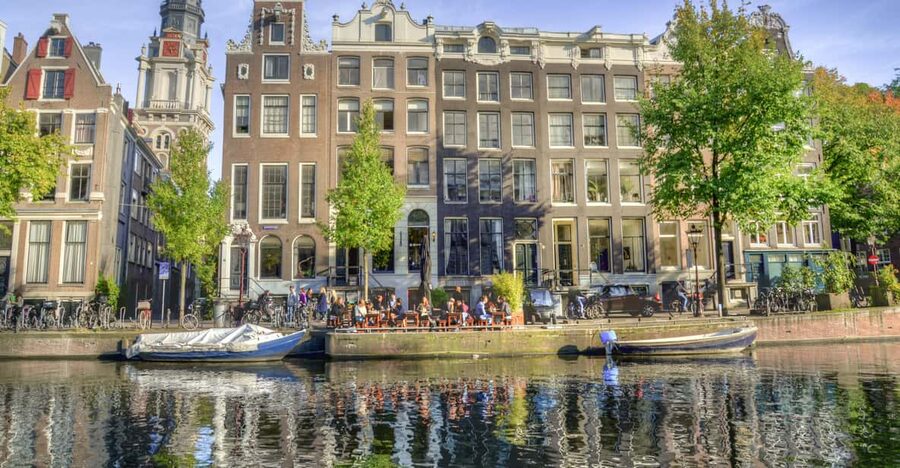
- Amsterdam Centraal start point so you can get your bearings fast
- Saint Nicholas and a historic-bar stop that explains everyday Amsterdam, not just monuments
- Nieuwmarkt en Lastage photo time for classic city views with a guide’s context
- Jewish Quarter and Portuguese Synagogue finish to understand Amsterdam’s faith map
- Secret stop and café break so the walking stays enjoyable, not exhausting
- Local-curiosity themes like strange promotions, edible drinks, and craft beer’s social role
Amsterdam Centraal to Saint Nicholas, and why this start matters
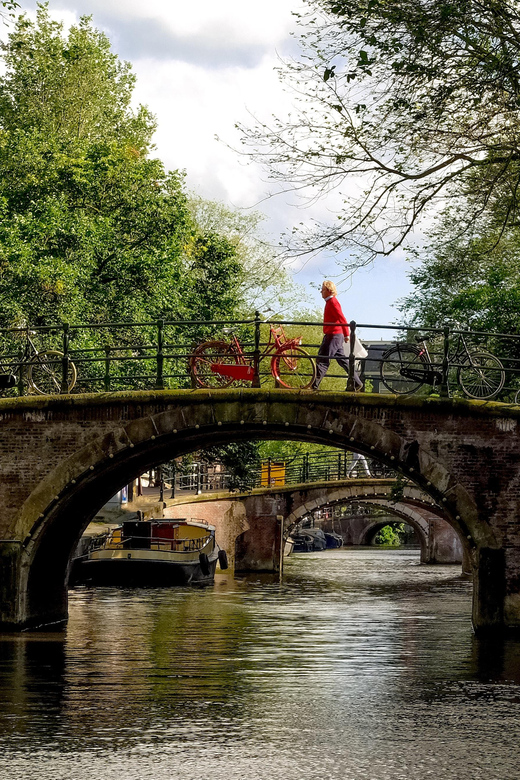
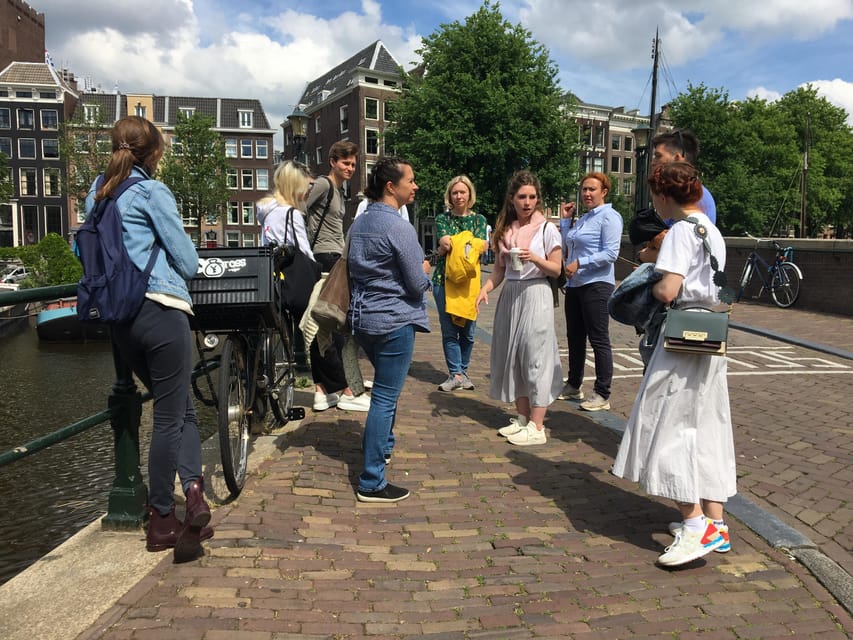
You meet at Amsterdam Centraal, in front of the main entrance between two towers. That is a smart choice. You get to start in the city’s pulse, with quick access to trains, trams, and buses if you are mixing this walk with other plans. It also means your guide can set the rules early, pointing out how Amsterdam’s streets work, how canals shape movement, and how buildings hide stories in plain sight.
The first major landmark you pass is the Basilica of Saint Nicholas. Even if you are not going in (entrance fees are not included), the exterior and the surrounding area tell you a lot. Churches here are not just religious spaces. They also act like civic landmarks, where art, wealth, and community identity got expressed over centuries. Your guide uses that context to set up a theme for the rest of the walk: Amsterdam’s layers keep changing, but the older skeleton still shows.
Right after that, you get a local-bar stop. This is one of those underrated parts of Amsterdam. A bar can be where you learn how people actually talk about the city today, including what locals notice about history. If you only visit sights and canals, you miss the rhythm. This stop helps you tune in.
Practical tip: if you hate long starts, be ready for the first stretch to be mostly walking and orientation. You’ll cover ground quickly, then settle into more specific stories as the route moves outward.
Also flying a pennant in Amsterdam


A local bar, Chinatown streets, and Nieuwmarkt en Lastage photo time
Your walk continues through different neighborhoods, and the pacing helps. You get a mix of short guided segments and walk-by moments, so you are not stuck listening every minute, but you also are not left to guess what you are seeing.
Then you reach Amsterdam Chinatown. This is not just about identifying a district sign and moving on. Your guide uses the area to show how immigration and community clustering helped shape modern Amsterdam. And it fits with the tour’s larger focus on spiritual diversity and how different groups built their own spaces, calendars, and traditions.
After that, you hit Nieuwmarkt en Lastage. Here you get a photo stop plus guided time, which is ideal for people who want a couple of great shots without the stress of squeezing everything in solo. This is the kind of place where you can stand for a minute and suddenly see Amsterdam’s charm: narrow streets, canal-side angles, and brickwork that looks simple until you notice the details.
What I like about the route choice here is that it is not only postcard canals. You also get a “real neighborhood” feel. The tour description emphasizes historic sites and famous canals, but the timing around Nieuwmarkt en Lastage helps you balance the big views with human scale.
Possible consideration: photo stops mean you should travel with your camera ready, because the best time window can be short. If you want slow photography, plan for a little extra time before or after the tour for your own wandering.
Jewish Quarter, Rembrandt House pass-by, and stories after the 80 Years’ War
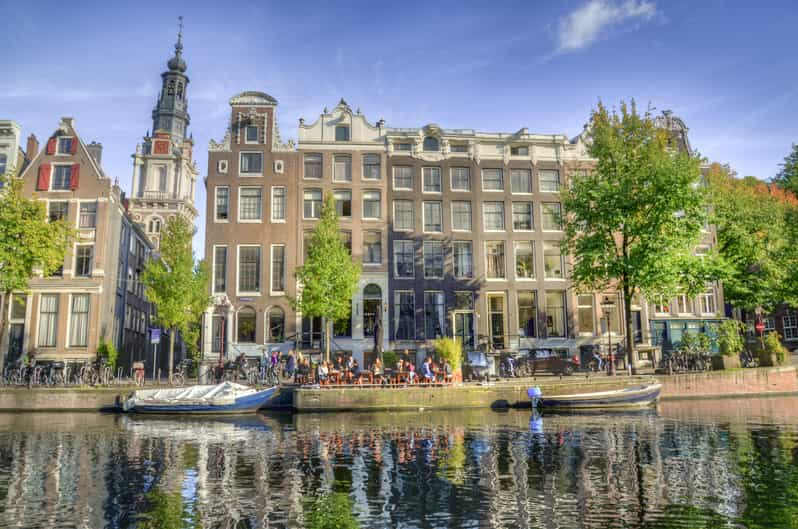
One of the tour’s strengths is that it treats history like something you can still see. The walk explicitly connects the aftermath of the 80 Years’ War, when Catholics and Protestants shaped the city, to the way Amsterdam functions now.
You spend guided time in the Jewish Quarter, Amsterdam, which is where the spiritual-diversity angle becomes more than a theme. Your guide shows how different communities left marks that can be architectural, cultural, and social. This is a good moment to slow down in your mind, because you start realizing Amsterdam isn’t one story. It is many stories layered on top of each other.
Next comes Rembrandt House. You will not get a long inside visit here, since you pass by rather than do an extended stop. But that is still useful. A guide can point out how a famous name connects to neighborhood life, and how the city remembers. Even from the street, Rembrandt’s area helps you see Amsterdam’s reputation as an arts city that produced real people, not just legends.
What I found especially smart is the tour’s insistence on “how the past shapes life today.” Instead of only teaching dates, it links events to everyday things you experience on the street: community presence, public spaces, and the way different faiths used the city.
Along the route, you also get references to surprising past chapters. The tour includes a look at the past leper colony, and it also makes room for Amsterdam’s quirky local logic, like the idea of 500-year promotions costing nothing and why weeds can be cultivated. These are the kinds of facts that make your future Amsterdam walk feel sharper, because your brain starts to ask, Why is that here? and What does it mean?
Secret stop, keeper’s house at an old gateway, and how to read Amsterdam’s facades
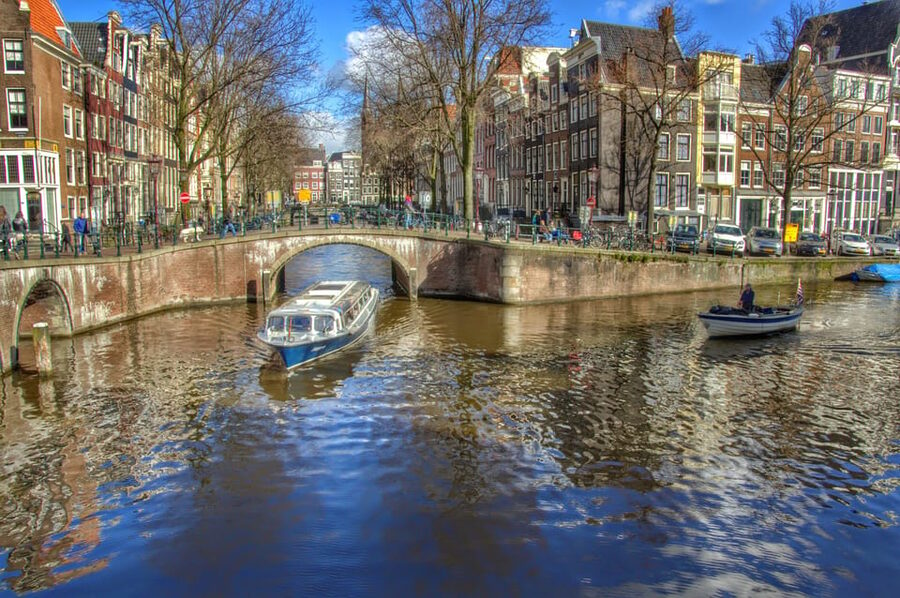
After Rembrandt House, the tour shifts into “look closer” mode. You get a secret stop plus a break. That break matters. Old quarters can be gorgeous but also crowded. A planned pause helps you reset your feet and keep your attention steady for the rest of the stories.
During this stretch, the tour weaves in several specific city elements that help explain why Amsterdam feels like it does. You may encounter references to:
- the medieval weight house
- ancient watchtowers
- a keeper’s house at an old gateway
- a past leper colony chapter
- a flea market moment
- coolest cafes and bars, in the local sense
The key is not that you check off a list. It is that the guide uses these stops to teach you how Amsterdam hides clues in plain sight. One of the tour’s most memorable themes is how you react to facade boards and the hunt for hidden spies, meaning the small references and symbolic details that reward patient looking.
This is also where craft beer and food-story culture comes in. The tour description talks about craft beer and how it can revolutionize society, and it also mentions drinks that you actually eat. That sounds playful, and it is, but it also signals a bigger point: in Amsterdam, even leisure and taste are shaped by history and social change.
And yes, you pass through areas where you see signs of multiple faiths. The tour description names Catholic, Protestant, Buddhist, and Jewish holy sites along the way. Even without going inside every place, the route gives you a sense of how Amsterdam organizes community life across time.
Practical tip: if you are the kind of person who loves details, this is your sweet spot. If you prefer pure scenic cruising with minimal interpretation, you might find the story density a bit heavy after a long day. Still, the built-in breaks help.
Café break, trying Dutch treats, and the practical art of walking smart
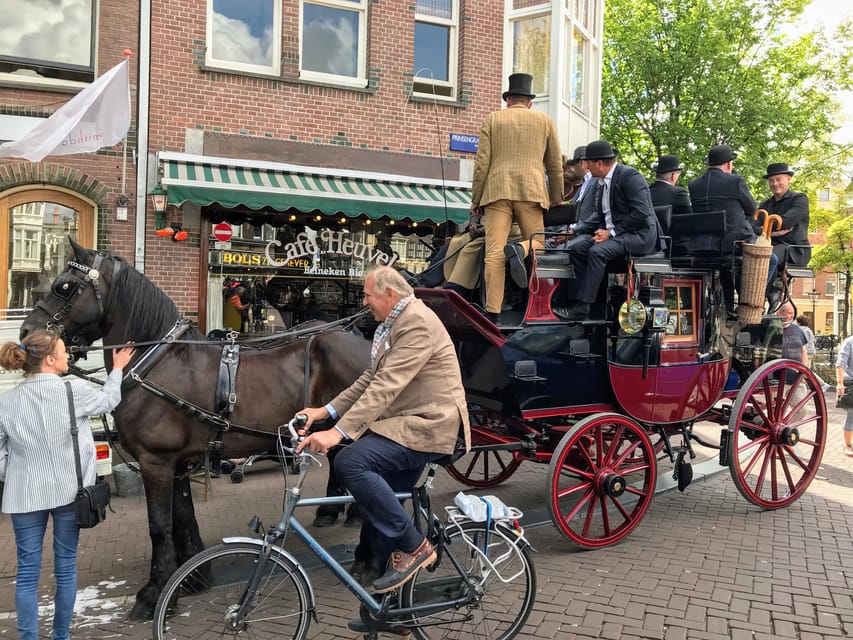
You get another planned break at a local café, with guided time. That is a smart inclusion for a 3-hour format. Amsterdam is not huge, but old streets make distances feel longer, and your attention can drop if you do not get a reset.
The tour also gives you chances to sample Dutch favorites such as herring and oysters, and it includes a mint tea pause in a cozy nook. Since entrance fees are not included, you should think of food and drinks as part of the experience you may choose to buy at stops, rather than a guaranteed full meal.
Here’s how I’d approach it: treat the food stops as optional texture, like adding seasoning to a story. You are still learning whether or not you eat. But if you do try something, you’ll remember the walk more clearly because you’re connecting taste with place.
Also watch for the tour’s playful curiosities. Examples mentioned include weeds being cultivated, and the logic behind odd promotions lasting centuries. Those details sound random until your guide explains the human reasons behind them. That is why this style works. It turns random streets into a guided conversation.
If you are wearing uncomfortable shoes, fix that before you go. This is old Amsterdam walking, with tight turns and uneven pavement in places.
Under the next bridge out of Amsterdam:
- Amsterdam Luxury Canal Cruise + Unlimited Drinks & Bites option
★ 5.0 · 30,518 reviews - Amsterdam: Rijksmuseum Entry Ticket
★ 4.7 · 29,512 reviews - Amsterdam: Classic Saloon Boat Cruise with Cheese & Wine
★ 4.6 · 27,035 reviews - Amsterdam: Evening Cruise with Optional Wine and Snacks
★ 4.4 · 22,178 reviews
Finishing at the Portuguese Synagogue, and why the end point clicks
The tour concludes at the Portuguese Synagogue of Amsterdam. That finish is more than a neat location. It lands your story at a key marker for Jewish heritage in the city, so the spiritual-diversity thread feels complete rather than scattered.
By the end, you have walked through areas tied to multiple faith communities, heard how religious conflict and coexistence shaped Amsterdam after the 80 Years’ War, and seen how the city’s identity shows up in everyday spaces like churches, markets, cafes, and bars.
If you want to make the most of the last stretch, do it mentally. Spend the final part of the tour thinking about what you are seeing, not just where you are going. A good guide will have already trained your eye to spot patterns, like recurring symbols, religious architecture cues, and the city’s way of marking history without stopping modern life.
Price, languages, and who this walk is best for
The price is $171 per person for a 3-hour tour. For Amsterdam, that sits in the “reasonable for a guided old-quarter narrative” range, mainly because you are getting an experienced local guide and a tight route that covers several neighborhoods and story themes without needing paid entrances.
It also helps that the itinerary includes many pass-by and photo-stop moments, meaning you’re not paying for a stack of indoor tickets. Entrances are not included, but the tour focuses on what you can observe from the street and the neighborhood scale.
Language options are English, Russian, and Ukrainian, and the guide is live. There is also a private group option, which is great if you want your questions answered without the pressure of sharing space with strangers.
Who should book this:
- You like history, but you want it translated into street-level meaning, not just dates
- You enjoy noticing details, courtyard hints, and symbolic clues
- You care about how Amsterdam’s different communities shaped daily life
Who might hesitate:
- You want lots of inside time at major buildings. This is mostly a guided walk with pass-by stops.
Should you book Your Own Amsterdam. The Old Side?
If your goal is to experience Amsterdam as more than canals and museums, I think this tour is a strong yes. The combination of old neighborhoods, canal-area landmarks, and the recurring theme of how religion and society shaped what you see now is exactly the kind of “on the ground” value that makes a short tour feel worth it.
Book it especially if you tend to miss details on your own. A previous guest specifically praised René for guiding them toward the kinds of things their eye would not catch at first glance, and that kind of close reading is the tour’s real payoff.
If you want, I’d suggest bringing curiosity. Wear good shoes, keep your phone charged for photo stops, and be ready to ask questions when your guide raises those quirky Amsterdam mysteries, from edible drinks to why weeds can be part of the city’s story.
FAQ
How long is the tour?
The tour lasts 3 hours.
Where do I meet the guide?
Meet at Amsterdam Centraal, in front of the main entrance between two towers.
Where does the tour end?
The tour ends at the Portuguese Synagogue of Amsterdam.
Is an English guide available?
Yes. The live tour guide is available in English, and also in Russian and Ukrainian.
What’s included in the price?
The tour includes an experienced and passionate local guide.
Are entrance fees or food included?
Entrance fees and food and drinks are not included.
Can I cancel or reserve without paying immediately?
Yes. There is free cancellation up to 24 hours in advance for a full refund, and you can reserve now and pay later (book your spot and pay nothing today).
Latest to arrive along the quays of Amsterdam





Amsterdam Tours & Experiences, compared.

Amsterdam Classic Saloon Boat Cruise with Drinks and Cheese
Read our review →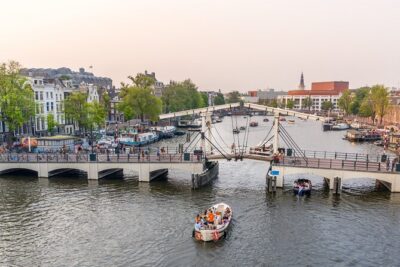
Amsterdam Luxury Canal Cruise + Unlimited Drinks & Bites option
Read our review →

Classic Saloon Boat Cruise with Cheese & Wine
Read our review →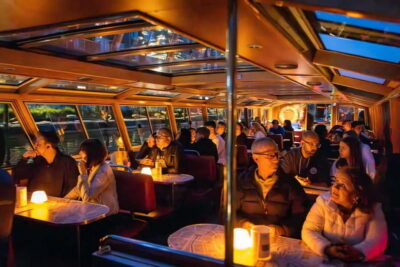
Evening Cruise with Optional Wine and Snacks
Read our review →
Heated Canal Cruise with Unlimited Drinks & Bite
Read our review →