Reviewed · AMSTERDAM TOURS & EXPERIENCES
Your Own Amsterdam: The Art Underground
Amsterdam has an art underworld.
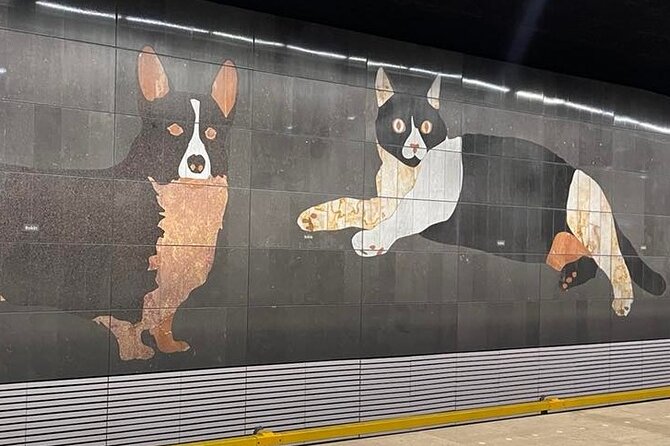
This 2-hour private tour is built around public artworks you can actually reach, from Amsterdam Centraal to Amsterdam-Noord, with stops that connect art to real stories like Dutch trade and colonialism. I especially love the way major stations become mini museums you can walk through fast.
I also like the mix of modern art and archaeology, including excavation finds that can go back more than 2,000 years. One drawback to plan for, though, is that the underground metro tickets (9 euros per person) are not included, so you will want to budget for transit.
In This Review
- Key highlights worth knowing
- Private Art Underground in Amsterdam: What you’ll actually do
- Starting at Stationsplein: Getting oriented before the underground stories
- Centraal Station’s art as a history lesson you can walk through
- Rokin Station and the 2,000-plus-years archaeological layer
- Vijzelgracht: Dutch music from the 20th century in station art
- Nieuwemarkt’s old metro station and the politics of transit
- Noorderpark and the Amsterdam School style that shaped real streets
- Amsterdam-Noord: ecosystem, flora, fauna, and public art
- Price and value: Is $236.59 per person worth it?
- Who this tour suits best (and who should skip it)
- Should you book The Art Underground in Amsterdam?
- FAQ
- How long is the tour?
- Is this tour private?
- What language is the tour offered in?
- Are metro tickets included?
- Where does the tour start and end?
- What is the cancellation policy?
Key highlights worth knowing
- Private, group-only experience: it’s just your group, so the pace feels calmer and more personal.
- Art tied to big themes: climate, tulip mania, Dutch East-India trade, and colonialism come up through station artworks.
- Rokin’s archaeology focus: you’ll look at excavation evidence that’s over 2,000 years old.
- Dutch music in public spaces: at Vijzelgracht, the tour connects station art to 20th-century Dutch music.
- Amsterdam School architecture talk: Noorderpark is used to explain one of the most important Dutch architectural movements.
- Amsterdam-Noord ecosystem and art: public art is linked to flora, fauna, and local ecology beyond the postcard canals.
Private Art Underground in Amsterdam: What you’ll actually do
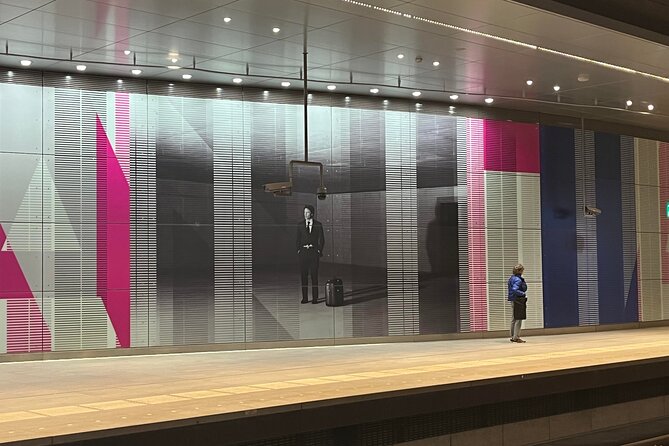
This is a short, focused tour, about 2 hours long, with multiple quick stops. Each stop is roughly 15 minutes, so you do not get stuck in one place for ages. Think “guided walk with smart pauses,” not a slow museum crawl.
You will move between stations and areas, and you’ll learn how the city uses public art to talk back to you. You’re not just looking at pretty things. You’re learning why those artworks are there, how locals have shaped public spaces, and what hidden layers (sometimes literal layers) exist under Amsterdam.
Because it is a private tour for your group, it also tends to feel more like a conversation. That matters here, because the subject is art interpretation plus urban history. If you like asking questions and getting clear answers, you’ll likely enjoy the format.
Also flying a pennant in Amsterdam


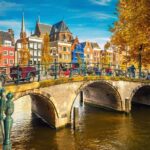
Starting at Stationsplein: Getting oriented before the underground stories
The tour begins at Stationsplein 13a, 1012 AB Amsterdam. That location is convenient if you are already in the Centraal area, and it sets the tone right away: Amsterdam’s art world is not just in galleries.
From the start, you’re primed to watch how art shows up in places that most people treat like shortcuts. Stations are high-traffic zones, and that means artists have to reach a wide audience fast. The result is public art that is meant to be read by commuters, not just art-school insiders.
Practical tip: wear shoes you can stand in. You are moving through station areas, and the stops are short, so comfortable footwear really helps.
Centraal Station’s art as a history lesson you can walk through
Amsterdam Centraal is where you get the “why this city looks the way it does” version of public art. You’ll spend around 15 minutes at the station, looking at artworks and using them as jumping-off points for big topics.
What I like about this stop is that it does not treat history like a textbook. It frames themes in terms of what the city has faced and where its wealth and identity came from. You’ll hear how artworks connect to local climate, tulip mania, Dutch East-India trade, and colonialism. That is a lot to pack into 15 minutes, but the idea is not to memorize dates. It is to learn how Amsterdam tells stories through art in plain sight.
Why this is valuable for you: if you only see canal houses and museums, Amsterdam can feel like a finished postcard. This stop makes the city feel more like a living timeline. Even if you are not an art person, the “public art as commentary” angle helps you notice what you would otherwise miss.
Possible drawback: Centraal is busy in general, so you may want to keep your focus and listen closely during the short guided moments.
Rokin Station and the 2,000-plus-years archaeological layer
Next up is Rokin, where the tour shifts into physical, underground history. You’ll look at archaeological excavations found around the area, with finds that can be more than 2,000 years old.
This is one of the most interesting parts for anyone who likes the city as a literal stack of eras. Amsterdam is famous for layering, but here you get help making sense of what you are seeing. Instead of only hearing “ancient stuff happened here,” you learn how the excavations connect to the everyday lives of Amsterdam’s earlier citizens.
Why you’ll probably enjoy this stop: it’s not just “look at old ruins.” It’s about translating the past into something that fits into the city you can walk around today.
If you are worried about feeling lost: the guide’s job is to keep the story clear, and the tour is designed with short stops that make it easier to track what matters.
Vijzelgracht: Dutch music from the 20th century in station art
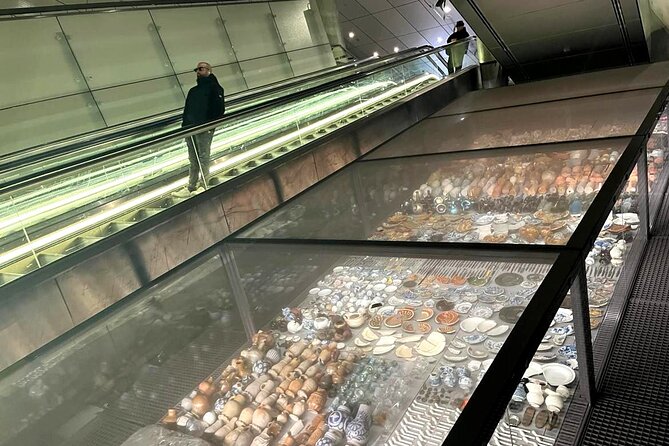
At Vijzelgracht, the tour turns to sound and style, not in the abstract sense, but through the connection between station art and Dutch music from the 20th century.
This stop is a good reminder that art in Amsterdam is not trapped in paintings. It can reference music culture, national identity, and changing tastes over time. Even if you do not know Dutch music history, the guide can help you connect the dots between the artwork and what it points to.
This is also a nice change of pace. After archaeology and deep historical themes, music gives your brain a break while keeping you in the art-thinking mode.
Under the next bridge out of Amsterdam:
- Amsterdam Luxury Canal Cruise + Unlimited Drinks & Bites option
★ 5.0 · 30,518 reviews - Amsterdam: Rijksmuseum Entry Ticket
★ 4.7 · 29,512 reviews - Amsterdam: Classic Saloon Boat Cruise with Cheese & Wine
★ 4.6 · 27,035 reviews - Amsterdam: Evening Cruise with Optional Wine and Snacks
★ 4.4 · 22,178 reviews
Nieuwemarkt’s old metro station and the politics of transit
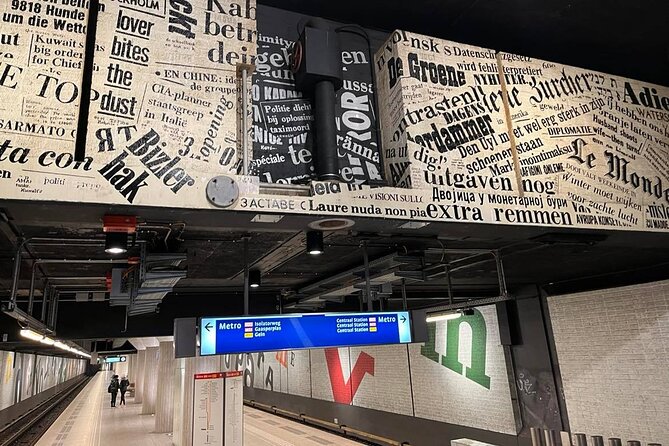
At Nieuwemarkt, you’ll learn why the construction of early metro lines in the 1980s sparked strong resistance from locals, and how that continues to shape life in the city today.
This is the kind of detail that makes a tour feel real. Transit decisions are not just engineering projects. They affect neighborhoods, noise levels, access, and daily routines. When you learn about the pushback, you understand why certain spaces feel the way they do now.
A practical note: this stop is marked as admission-free, so the value is really in the interpretation. You are using the space as an entry point to understand how Amsterdam debates and designs in public.
Noorderpark and the Amsterdam School style that shaped real streets
Then comes Noorderpark, where the focus shifts to architecture, specifically the Amsterdam School style. You’ll talk about how that architectural approach influenced modern architecture and society.
Even if you have never heard the term before, this stop gives you a framework for noticing patterns: how buildings look, how ornament or structure communicates ideas, and how an architectural movement becomes part of a city’s identity.
For me, this is one of those moments where the tour earns its keep. It takes something people might see as background scenery and helps you read it. Once you know you are looking at an Amsterdam School influence, you start spotting similar design logic elsewhere.
Amsterdam-Noord: ecosystem, flora, fauna, and public art
The tour ends in Amsterdam-Noord, and the final segment ties the area to local ecology. You’ll talk about the ecosystem, flora, and fauna, and how that connects to public art.
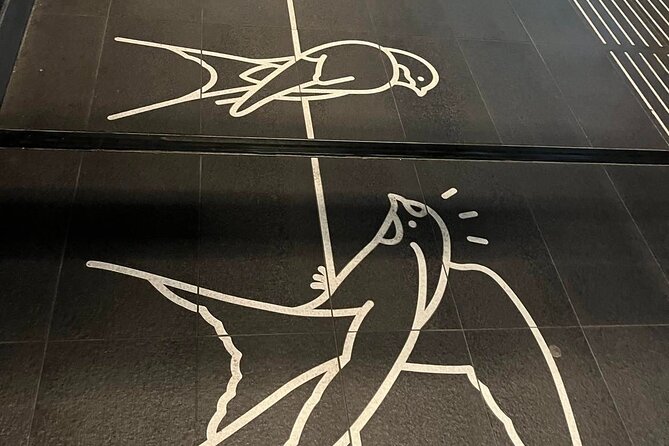
This is a smart choice to finish with, because it broadens Amsterdam beyond canals and historic cores. Noord gives you a chance to see how art can reflect nature and community life, not only past events or famous artists.
If you like walking with a purpose, you’ll probably appreciate this stop. It is a different lens on what “Amsterdam” means, and it encourages you to keep noticing details even after the tour ends.
Price and value: Is $236.59 per person worth it?
At $236.59 per person for about 2 hours, the price is not cheap. But it can be fair value depending on how you travel.
Here’s how I’d think about it:
- It is a private tour for your group, which usually means you get more attention than a large group.
- There are group discounts, which can bring the cost down if you’re traveling with friends or family.
- The tour includes a guide, and the interpretation is the product. You are paying for the “what am I looking at, and why does it matter” part.
Now the practical cost you should not forget: the underground metro tickets are 9 euros per person and not included. If you are budgeting tightly, that extra line item matters.
Who gets the best value?
- You love art and want context, not just photos.
- You like history, but you prefer stories you can see in public spaces.
- You want a short, structured experience without committing to a full half-day museum plan.
Who might pass?
- If you only want iconic landmarks and do not care about interpretation, you may feel the price is high for the walking time.
Who this tour suits best (and who should skip it)
This works especially well for art and culture fans who like meaning. It also suits anyone who enjoys city layers, because archaeology and architecture are part of the guiding theme.
If you are a museum person who gets restless with long indoor visits, the station setting can be a relief. You still get interpretation, but you’re outside enough to keep your energy up.
It may be less ideal if you want a purely scenic canal walk, or if you dislike metro travel. You can still do it, but you should treat transit as part of the plan, since those metro tickets cost extra.
One more reason it stands out in a good way: a guide named Maria is praised for being patient and knowledgeable, and for pointing out specific local interest points such as the de Pijp market during the route. That kind of practical spotting can turn a “viewing experience” into a “leave with plans” experience.
Should you book The Art Underground in Amsterdam?
Yes, if you want a focused art-and-city-story walk that mixes interpretation with real places you can see quickly. The tour is short, private, and built around public art in stations and the surrounding neighborhoods. That combination is ideal when you want depth without spending an entire day.
Before you book, double-check your budget for the separate metro ticket. Also, be ready for a “listen closely” style of experience, because the best parts are the connections the guide makes between artworks and what they are referencing.
If you are happy paying for guidance, and you like turning everyday spaces into something more meaningful, this is a strong pick.
FAQ
How long is the tour?
The tour lasts about 2 hours.
Is this tour private?
Yes. It’s private, and only your group participates.
What language is the tour offered in?
The tour is offered in English.
Are metro tickets included?
No. Underground metro tickets cost 9 euros per person and are not included.
Where does the tour start and end?
It starts at Stationsplein 13a, 1012 AB Amsterdam, Netherlands. It ends in Amsterdam-Noord.
What is the cancellation policy?
You can cancel for a full refund if you do so at least 24 hours before the experience starts. If you cancel less than 24 hours before, the amount you paid is not refunded.
Latest to arrive along the quays of Amsterdam



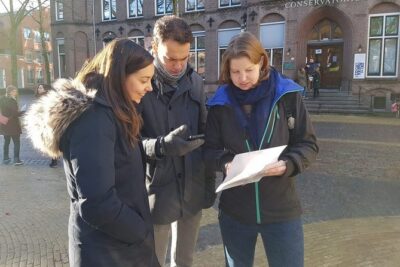

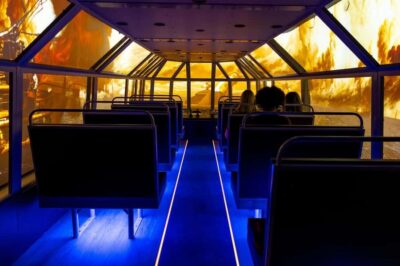
Amsterdam Tours & Experiences, compared.

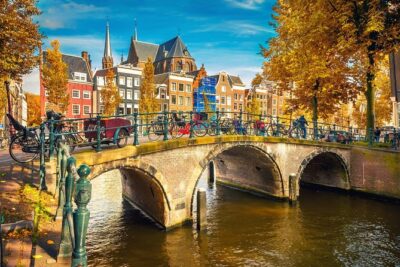
Amsterdam Classic Saloon Boat Cruise with Drinks and Cheese
Read our review →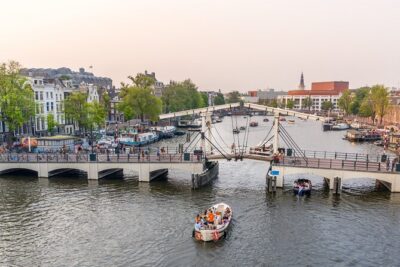
Amsterdam Luxury Canal Cruise + Unlimited Drinks & Bites option
Read our review →

Classic Saloon Boat Cruise with Cheese & Wine
Read our review →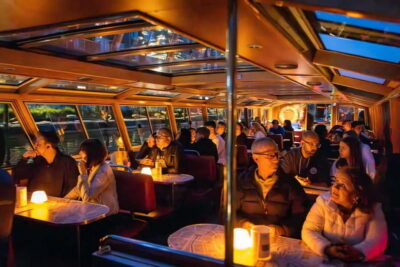
Evening Cruise with Optional Wine and Snacks
Read our review →
Heated Canal Cruise with Unlimited Drinks & Bite
Read our review →