
Reviewed · VOLENDAM, EDAM & MARKEN TRIPS
Volendam: 2.5-Hour Cheesemaking Workshop & Clog Making Tour
Cheese class meets Dutch clogs. At Simonehoeve near Volendam, you spend 2.5 hours turning local milk into something edible, then you tour the clog workshop while your cheese is pressing.
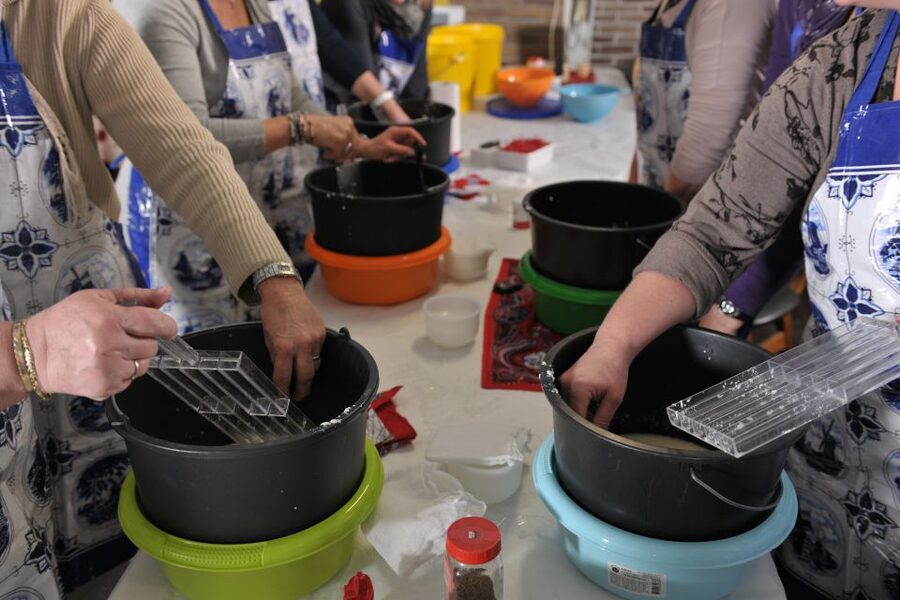
I really like the hands-on pace, from mixing to heating and pressing, and the fact that you get a homemade cheese to take home.
I also like how the tastings are built in, including real Dutch Gouda and Edam, plus stroopwafel and local fruit wine.
One thing to consider: this is mainly about making a young farmer-style cheese, so if you expect to leave with a fully finished wheel of aged Gouda, set your expectations accordingly.
In This Review
- Key Highlights You Should Care About
- Simonehoeve in Katwoude, where cheese and clogs share the same roof
- The 2.5-hour cheesemaking rhythm, from raw milk to your own farmer’s cheese
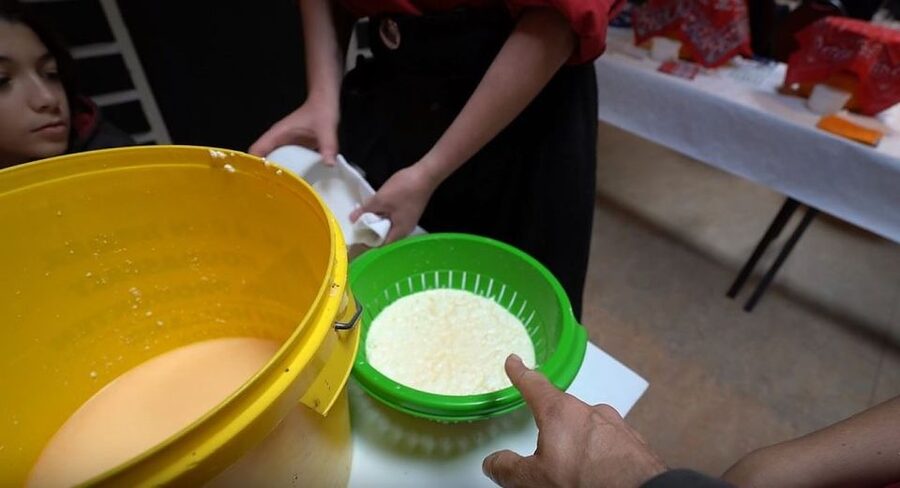
- Mixing and heating, where the cheese starts to make sense
- Pressing time becomes part of the tour, not dead time
- Taking your cheese home, plus how young farmer cheese works
- What to expect at the tasting stage
- Tasting Gouda and Edam with stroopwafel and fruit wine
- Inside the wooden shoe factory, from old clogs to the modern version
- Why the clog demo pairs well with cheese
- Price and value: is $145 per person worth it?
- Who should book this workshop, and who should reconsider
- Small practical tips before you go
- Should you book the Volendam 2.5-hour cheesemaking and clog workshop?
- FAQ
- How long is the cheesemaking workshop and clog making tour?
- Where is the meeting point?
- What is included in the price?
- What food and drinks are not included?
- Is the tour wheelchair accessible?
- What languages are available for the instructor?
- Does the workshop use raw milk?
Key Highlights You Should Care About
- Hands-on cheesemaking steps, from mixing and heating to pressing and tasting
- Take-home homemade cheese, made during the workshop session
- Gouda and Edam tastings, alongside Dutch biscuits and local fruit wine
- Wooden clog factory tour, with styles from older to modern clogs
- Guided breaks that keep the session moving without feeling rushed
Simonehoeve in Katwoude, where cheese and clogs share the same roof
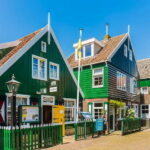
This is the kind of Dutch outing that feels practical, not performative. You are at Simonehoeve Cheese, clogs and restaurant in North Holland, in the Katwoude/Volendam area, where the cheese and the wooden footwear are both part of daily work.
The meeting point is Simonehoeve, Wagenweg 2, 1145 PW Katwoude/Volendam. You should spot the place easily, with a mini-windmill nearby, and it is just a couple of meters from the bus stop called Hotel Volendam.
If you are coming from Amsterdam, take bus 316 from Amsterdam CS (IJzijde). Tickets can be bought at the station or from the bus driver, and cash is not accepted, so have the right payment ready.
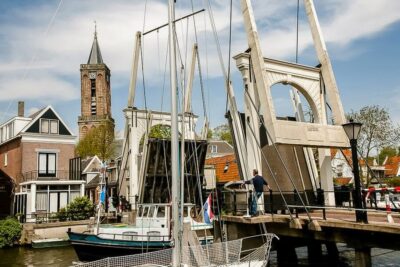
More harbours around the old Zuiderzee:
The 2.5-hour cheesemaking rhythm, from raw milk to your own farmer’s cheese
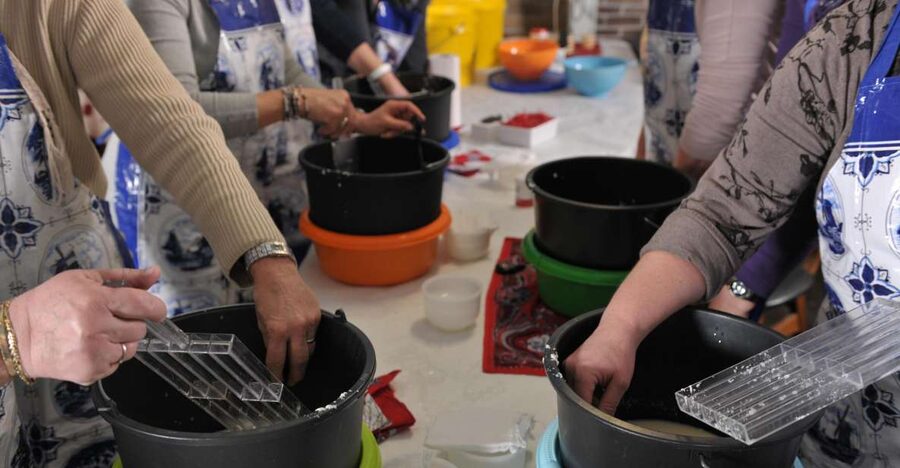
The workshop starts with the basics of Dutch cheesemaking, and it does it in a way that is easy to follow. You begin with milk from local cows, and the session walks you through the real steps: mixing, heating, pressing, and then eating.
A key detail before you go: you will work with raw, non-pasteurized milk as the main ingredient. If you have to avoid raw dairy for health reasons, double-check first and consider whether this experience is right for you.
What I find smart about the flow is that you do not just stand and watch. You learn the process while you are doing it, and you also learn what the stages mean, because the timing of pressing creates natural “wait moments” you can use.
Mixing and heating, where the cheese starts to make sense
Even if you have never made cheese before, you should leave understanding what changes in the milk as it moves from liquid toward curds. The session covers mixing and heating as core steps, and you learn how those actions set up the later pressing phase.
This matters because cheesemaking is mostly patience plus technique. When you understand what each stage is trying to achieve, the later tasting feels like proof, not a sales pitch.
Pressing time becomes part of the tour, not dead time
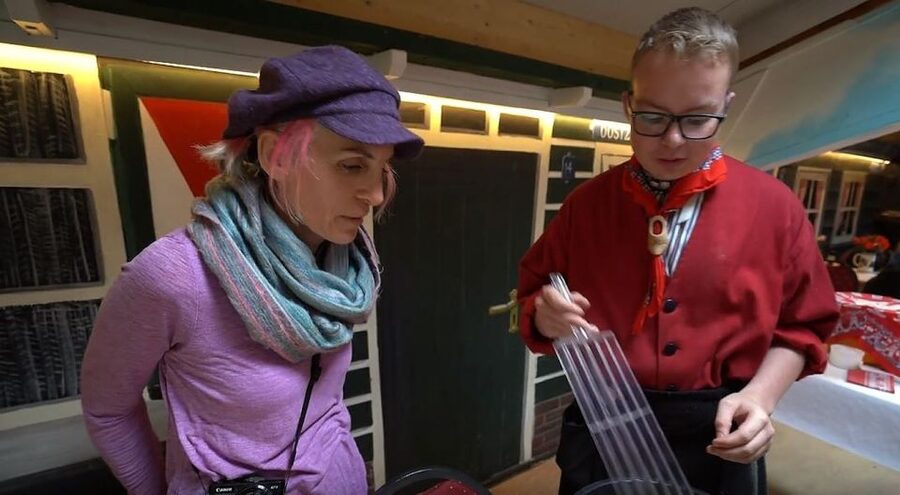
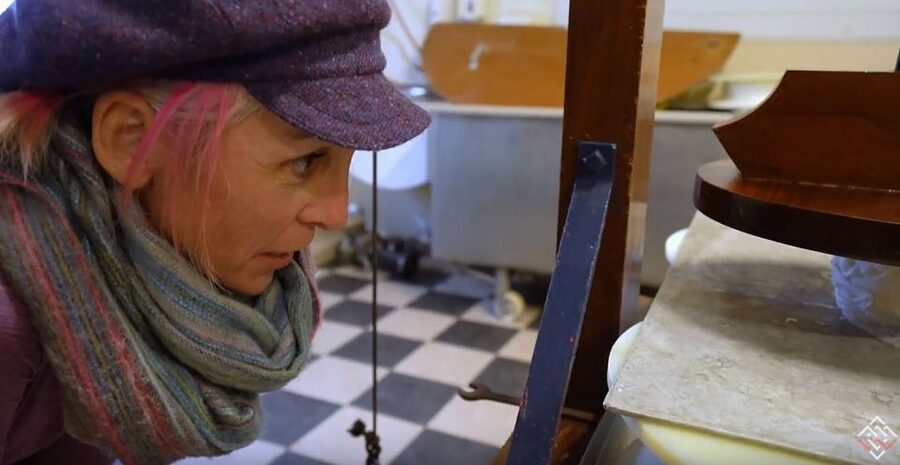
While your homemade cheese is being pressed, the day does not stall. You switch gears to a guided tour through the wooden shoe factory, so the workshop stays lively and you get more than one craft experience in the same 2.5 hours.
That structure is a big part of the value. You stay engaged the whole time, and you still get the key endpoint, which is eating and taking something home.
Taking your cheese home, plus how young farmer cheese works
The cheese you make is a very young cheese. That is not a disappointment, it is the point. Young cheeses are meant to be eaten soon or to be handled in a simple at-home storage and ripening routine.
You can take your homemade cheese home and eat it directly after you vacuum it. If you want to ripen it later, the workshop includes guidance about using liquid plastic as a cover around the cheese. (It is a practical detail, and you should follow it closely if you plan to ripen.)
More benches with the tools set out:
- Volendam: 2-Hour Clogmaking Workshop and Cheese Tour
★ 3.9 · 17 reviews - Amsterdam: Traditional Dutch Syrup Waffle Making Workshop
★ 4.8 · 4,093 reviews - Amsterdam Traditional Dutch Syrup Waffle Making Workshop
★ 5.0 · 960 reviews - Amsterdam: Bols Cocktail Experience and Cocktail Workshop
★ 4.8 · 666 reviews
What to expect at the tasting stage
Cheesemaking ends with eating, and you also get tastings beyond what you make yourself. This is where you get context, because you taste different cheese types and learn how they relate to the process you just practiced.
This is also the part where I think the workshop is at its best for most people. You get the education in the moment, then the flavor confirms it quickly.
One practical note: because your cheese is fresh and homemade, plan to treat it as a food item that needs careful handling. If you are the type to travel with fragile items, think about your logistics before you book.
Tasting Gouda and Edam with stroopwafel and fruit wine
After you get your hands dirty with the cheesemaking steps, the session turns into the fun part. You taste real Dutch Gouda and Edam, plus Dutch biscuits like stroopwafel.
You also get a local fruit wine. This matters for two reasons. First, it gives you a sense of how Dutch flavors pair with cheese, not just cheese by itself. Second, it makes the 2.5 hours feel like a full experience, not a short demo.
What is included here is generous for the length of the tour. Additional drinks and food are not included, so if you want extra servings beyond what is built into the tastings, you will pay at the shop or restaurant.
Inside the wooden shoe factory, from old clogs to the modern version
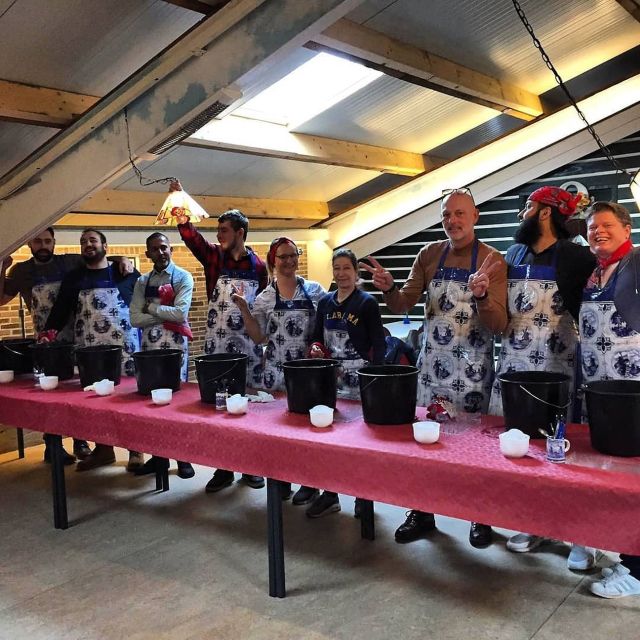
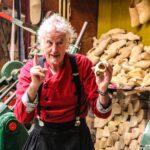
The clog portion is not a random add-on. You get a guided tour through a wooden shoe factory while the cheese is pressing, and you see how a block of wood becomes footwear.
The tour covers the different types of clogs, from historical styles to modern ones. This gives you a better sense of why clogs became part of everyday life in the Netherlands, and why the design still matters as something functional and also cultural.
Why the clog demo pairs well with cheese
Cheese and clogs might sound random together, but in practice they fit because they are both traditional Dutch crafts. The schedule also works well: when your hands are doing cheese earlier, your eyes are doing the learning later in the clog workshop.
In one of the most enthusiastic moments, the guide handling the session, Fred, keeps things fun while you watch how the footwear gets made. It is the kind of practical demonstration that helps even non-craft people stay interested.
Price and value: is $145 per person worth it?
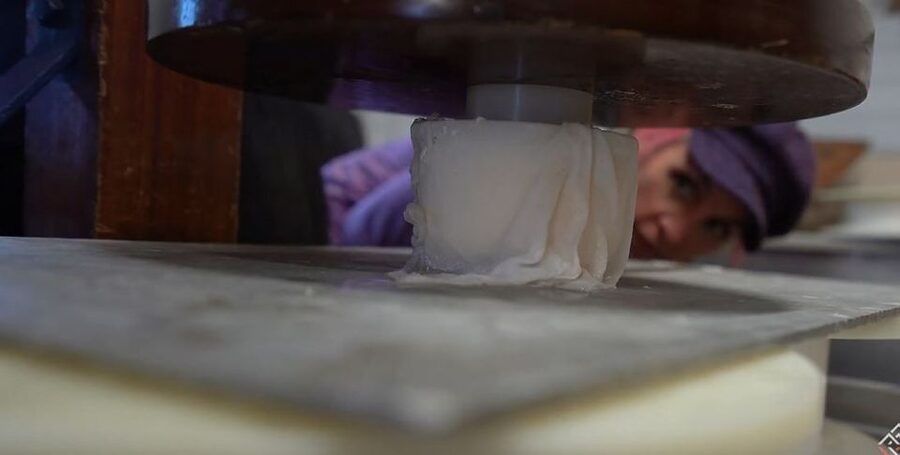
At $145 per person for a 2.5-hour experience, you are paying for more than a simple tour stop. You are paying for hands-on instruction, tastings (including Gouda and Edam), and a crafted souvenir: the cheese you make yourself.
Here is the value breakdown in plain terms:
- You leave with homemade cheese, not just photos.
- You get tastings plus Dutch snacks like stroopwafel and local fruit wine.
- You also get a guided clog factory tour during pressing time, so the visit feels efficient.
The main cost risk is expectation. If you come wanting an intensive, multi-day Gouda production lesson with a lot of solo work on every step, you might feel it is too short or too guided. The better fit is someone who wants a clear, hands-on introduction plus a take-home result.
Also, avoid planning around the assumption that everything food and drink related is covered. Additional drinks and food are not included.
Who should book this workshop, and who should reconsider
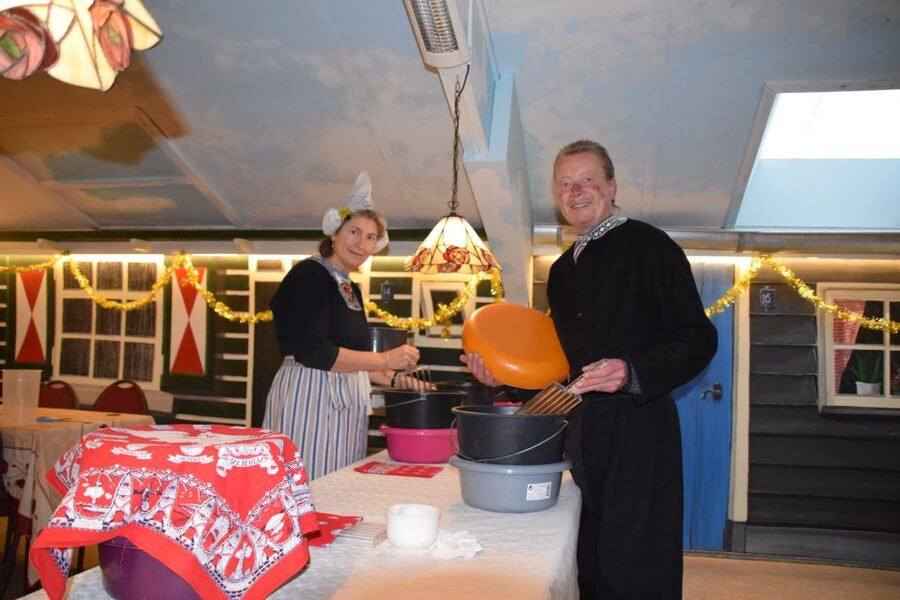
This tour is a great match if you want a compact Dutch day. It is ideal for people who like food experiences that are hands-on, and who enjoy learning craft techniques without turning it into a school assignment.
It also works well if you are with someone who might not be as interested in cheese but does like traditional workshops. The clog tour gives the session a second theme so it does not get one-note.
You should reconsider if:
- You are strictly avoiding raw, non-pasteurized milk.
- You expect to make an aged Gouda wheel end-to-end during a 2.5-hour session.
- You want a long, slow pacing where you do every single task without help.
Small practical tips before you go
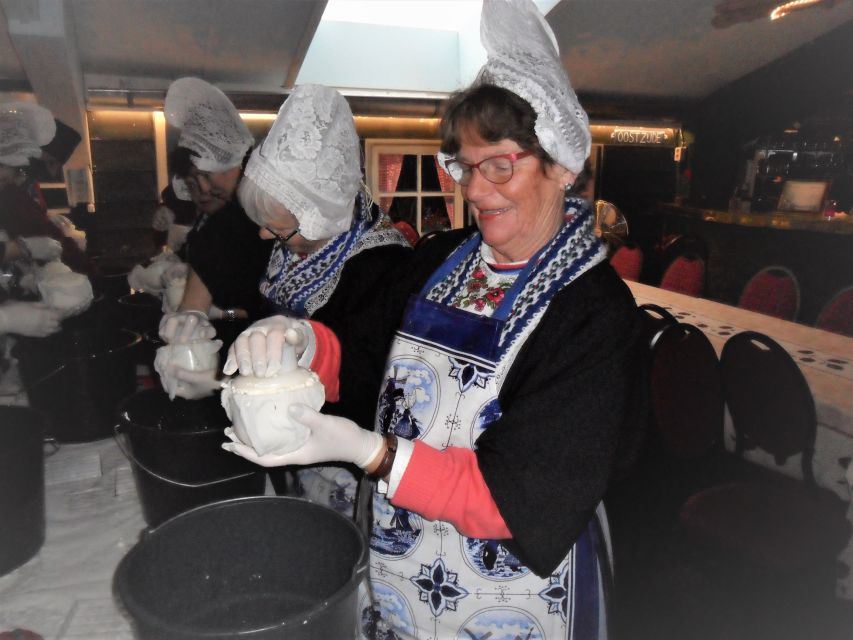
- Try to arrive between 9:00 AM and 3:00 PM, since that is when arrival is preferred.
- Bring a good appetite. There is tasting, and the young cheese is meant to be eaten.
- Plan around the idea that your cheese pressing happens during the clog factory portion. That is normal and built into the structure.
- The guide/instructor can speak Spanish, Dutch, English, French, German, and Italian, which makes it easier for mixed-language groups.
Should you book the Volendam 2.5-hour cheesemaking and clog workshop?
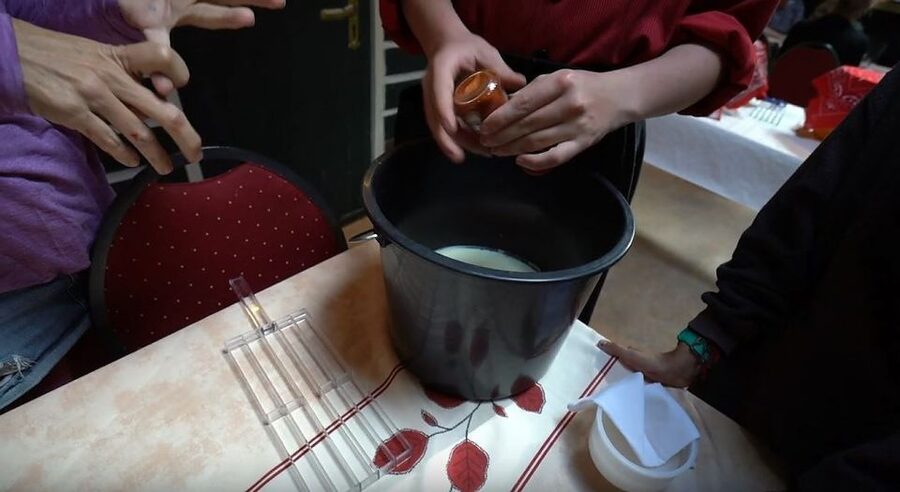
Yes, if you want a short, satisfying Dutch craft combo with a real outcome. The strongest reasons to book are the hands-on cheesemaking steps, the tastings that include Gouda and Edam, and the simple win of taking your own farmer-style cheese home.
No, if you are coming with the wrong expectation of making a fully finished aged Gouda during the session. This workshop focuses on a young cheese, plus it turns the waiting time into a clog factory tour, so it is best when you see it as an introduction that ends with tasting and a take-home souvenir.
FAQ
How long is the cheesemaking workshop and clog making tour?
It lasts 2.5 hours.
Where is the meeting point?
The meeting point is Simonehoeve, Wagenweg 2, 1145 PW Katwoude/Volendam.
What is included in the price?
You get a homemade cheese to bring home. The tour also includes the guided activities and tastings described in the experience.
What food and drinks are not included?
Additional drinks and food are not included.
Is the tour wheelchair accessible?
Yes, the activity is wheelchair accessible.
What languages are available for the instructor?
The instructor can speak Spanish, Dutch, English, French, German, and Italian.
Does the workshop use raw milk?
Yes. The main ingredient for the cheeses you will make is raw, non-pasteurized milk.
Latest to arrive along the quays of Volendam
Volendam, Edam & Marken Trips, compared.
Zaanse Schans, Edam, Volendam & Marken Bus Tour
Read our review →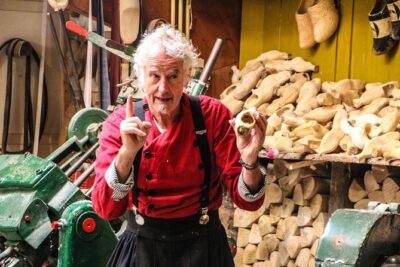
Day Trip to Zaanse Schans, Edam, Volendam and Marken from Amsterdam
Read our review →
Windmill Tour from Amsterdam, Including Volendam & Marken
Read our review →
Zaanse Schans, Edam, Volendam and Marken Tour
Read our review →
Zaanse Schans, Marken, Volendam, & Edam Day Tour
Read our review →Browse the lists this tour appears in