
Reviewed · VAN GOGH & DUTCH MASTERS MUSEUMS
Tour in Spanish: Van Gogh Museum Private Tour
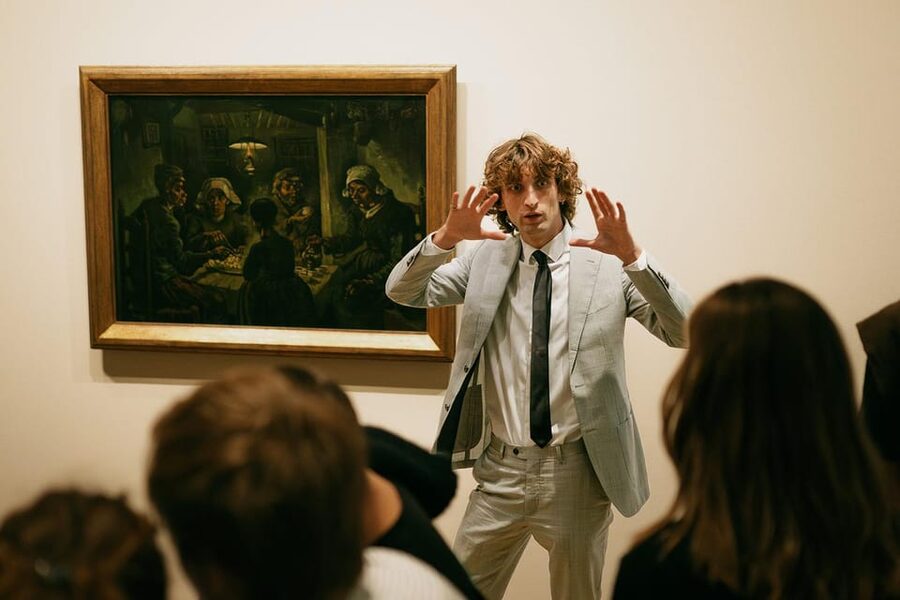
Van Gogh Museum can feel like a lot, fast. With this Spanish private tour plus skip-the-line priority, you get a calmer way to see the big works and the useful context. It’s built for people who want more than a room-by-room scroll, they want the story behind what they’re looking at.
I especially like the time you save. Priority entry means you spend more minutes studying paintings, not standing in lines. And because your guide is an art historian focused on Van Gogh, the tour leans into life stages, sources of inspiration, and what mental strain can look like on canvas.
One consideration: this experience is Spanish spoken. If your Spanish is basic, plan for that. You’ll still see art clearly, but the best part is the guide’s explanations.
In This Review
- Key highlights you will actually use
- Finding your guide at the mirror cube by the entrance
- Priority entry: the real value of skipping the line
- Your 2-hour Van Gogh timeline, built around life stages
- Early years and the moment he chose painting
- Theo and the brother bond that kept him going
- Inner turmoil on the canvas
- Brabant influences, still life traditions, and Rembrandt’s shadow
- Paris experiments: where ideas got sharper
- Arles and the yellow house years, including the road toward the ear incident
- Final chapter: tragedy at 37
- What makes an art historian guide different from a generic tour
- What you’ll see beyond the headline masterpieces
- Timing and flow: how a private 2-hour tour really feels
- Price in plain terms: is $411 for up to 4 worth it?
- Who this tour fits best (and who might want to think twice)
- Should you book this Spanish private Van Gogh Museum tour with Amor Artium?
- FAQ
- Is this tour private or group-based?
- What language is the tour in?
- How long is the Van Gogh Museum private tour?
- What does the ticket include?
- Where do we meet?
- Does the tour include skip-the-line entry?
- Is the tour wheelchair accessible?
- What is the price and group size?
- What is the cancellation and payment flexibility?
Key highlights you will actually use

- Skip-the-line, separate entrance so your 2-hour visit starts sooner
- Private group for up to 4 with room to ask questions in Spanish
- Art historian guide specialized in Van Gogh focused on paintings and drawings
- A life-stage walkthrough from early years to the final chapter at age 37
- Access to temporary exhibitions alongside the main collection
- Wheelchair accessible for visitors who need step-free access
Finding your guide at the mirror cube by the entrance
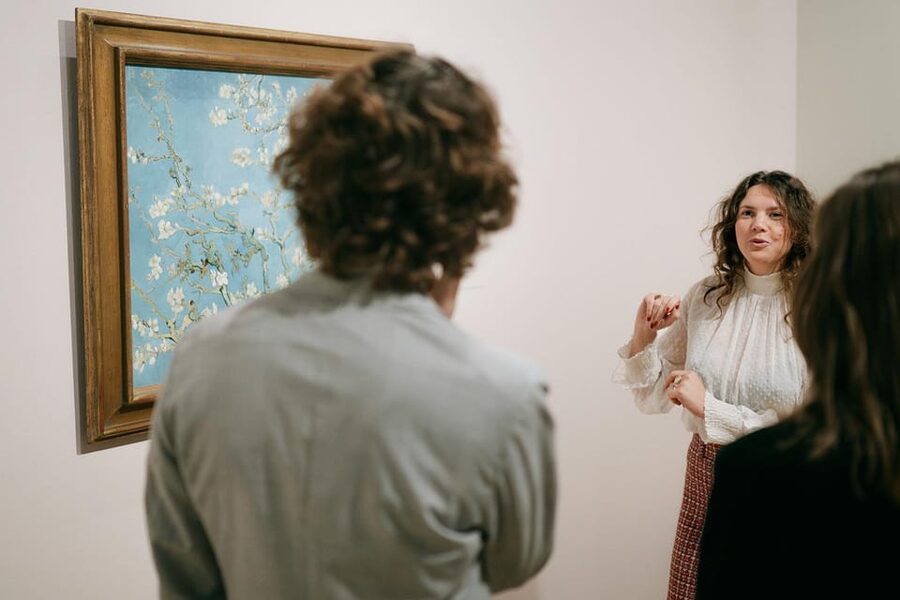
The Van Gogh Museum is a landmark, but your first job is simple: locate your guide quickly so the tour clock feels friendly, not stressful. You meet in front of the mirror cube next to the museum entrance. Your guide is holding a Loving Vincent Tours sign.
That meeting detail matters because it reduces the usual museum anxiety. You arrive, you find the person with the sign, and you move in right away. Also, because this is a private tour, there is less time to “figure it out.” If you want a smooth start, show up a few minutes early and don’t wander far from the entrance area.
More Museum Tours in Amsterdam



Priority entry: the real value of skipping the line
At a major museum, the line is the hidden cost. It eats energy, it disrupts your timing, and it turns sightseeing into waiting. This tour includes skip-the-line with priority tickets plus a reserved entry ticket, and you use a separate entrance.
For a 2-hour experience, that time-saving is not small. You do not just gain convenience, you gain better attention. When you step into the galleries with your guide ready to connect the paintings to Van Gogh’s life, you get a cleaner flow between works. It feels less like random masterpieces and more like a guided argument: how his choices changed as his life did.
One more plus: you’re not going in cold. A guide is waiting to frame what you see next. That framing helps you notice details you might otherwise miss, like shifts in subject, color decisions, and how his brushwork can get more urgent as his emotional world tightens.
Your 2-hour Van Gogh timeline, built around life stages

This is not a “touch every wall” tour. It’s a structured walkthrough through the museum’s most extensive collection of Van Gogh’s paintings and drawings, organized around the way his life shaped his art.
You can think of your route as a timeline with stops at the ideas that matter:
Early years and the moment he chose painting
The tour starts by looking at the years leading up to Van Gogh’s breakthrough, including the age where he first embraced the brush, at 27. That matters because it explains why his work can feel so concentrated. He did not spend decades slowly building toward his style. He developed fast, with fierce focus, and it shows.
In practice, you’ll be looking for the early signals: what themes repeat, what subjects he keeps returning to, and how his training and reading of art influenced his choices.
Theo and the brother bond that kept him going
A major thread is the relationship with his beloved brother Theo, whose support and encouragement shaped Vincent’s career and personal life. This is one of the most useful parts of any Van Gogh tour because it’s not just romance with tragedy. It’s an explanation of momentum.
When you understand how Theo’s backing worked, it becomes easier to understand why Vincent could take risks, push through failures, and keep making work even when life got heavy.
More Private Tours in Amsterdam
- Rijksmuseum Amsterdam Small-Group Tour with Private Upgrade
★ 4.5 · 1,547 reviews - Van Gogh Museum Tour Reserved Entry Semi Private
★ 5.0 · 1,437 reviews - Private Amsterdam Red Light District and Coffee Shop Tour
★ 5.0 · 763 reviews - Anne Frank and Jewish Quarter Amsterdam Private Walking Tour
★ 5.0 · 684 reviews
Inner turmoil on the canvas
Then the tour turns to the emotional side of Vincent’s life, including the complexity of his inner turmoil and how it shows up in his paintings. You’re not only being told that he struggled. You’re being guided to see how that struggle can translate into choices of color, intensity, and composition.
If you’ve ever wondered why some paintings feel calm and others feel like they’re vibrating, this part is your bridge. You’ll start to connect temperament and mental strain to what you actually see.
Brabant influences, still life traditions, and Rembrandt’s shadow
One of the tour’s smart moves is that it goes beyond the famous “sunflowers and star stuff” people expect. You’ll get context from his formative years in Brabant, including influences from Dutch 17th-century still life paintings and the legacy of Rembrandt.
This is where the tour becomes especially helpful for you if you like art that’s not only about famous moments. Your guide can point out how Vincent learned from the traditions around him and then bent those lessons toward his own expression.
Paris experiments: where ideas got sharper
Next comes Paris, where his work took on more experimental energy. This part matters because Van Gogh’s art does not change randomly. It evolves as he meets new styles and new ways to see.
Your guide helps you notice how the subject and technique can shift after exposure to new artistic currents, and why his experimentation is tied to the way he processed inspiration.
Arles and the yellow house years, including the road toward the ear incident
Then you move into Arles, including the time when he worked with Gauguin in the yellow house. And you also cover what went on before the well-known moment people often fixate on, the period before the ear incident.
That’s valuable because it changes the mood. Instead of treating that episode like a single dramatic headline, you’re given the buildup: stress, relationships, distance, expectations, and the pressure of making art while your personal life is under strain.
Even if you already know the basics, this kind of staging helps you see the paintings with more accuracy. You stop asking only, what happened, and start asking, how did his world shape his choices day by day?
Final chapter: tragedy at 37
The tour ends with the final chapter, including the tragic end when Van Gogh took his own life at age 37. This section is handled as part of the full life story, not as shock value.
You’ll also hear about the idea that fame is not only an artist’s achievement. The tour includes the question of who makes Vincent famous and the role of an important figure behind that success. Even if you only half-remember the art history names, you’ll leave with a clearer sense of how support, presentation, and advocacy can carry an artist beyond their lifetime.
What makes an art historian guide different from a generic tour
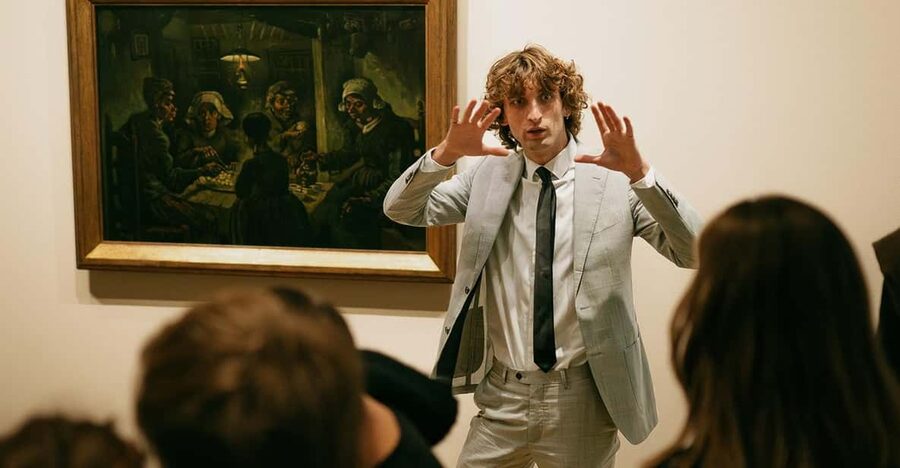
A guided museum can be entertaining, but this one aims to be informative in a specific way: an art historian specialized in Van Gogh leads you through the collection with an emphasis on life, sources, and meaning.
Here’s what you’re likely to feel during the tour:
- Your guide links paintings to the stage of Vincent’s life, so the museum feels like a story, not a checklist.
- You get practical looking tips: what to focus on in a given work, and how brushwork and color choices can support the narrative.
- You’re encouraged to connect dots between events and what you see on canvas.
The best sign of a strong guide, in my book, is whether they can explain without flattening the art. The guide style described here is attentive and kind, and the teaching approach is direct, with lots of detail about both life and the paintings. In one Spanish private tour context, the guide Aucke is mentioned as showing the museum in an interesting way and explaining the details of significant paintings across different stages.
If your goal is to walk out thinking, I finally understand what I’m looking at, this is the kind of tour that helps you get there.
What you’ll see beyond the headline masterpieces
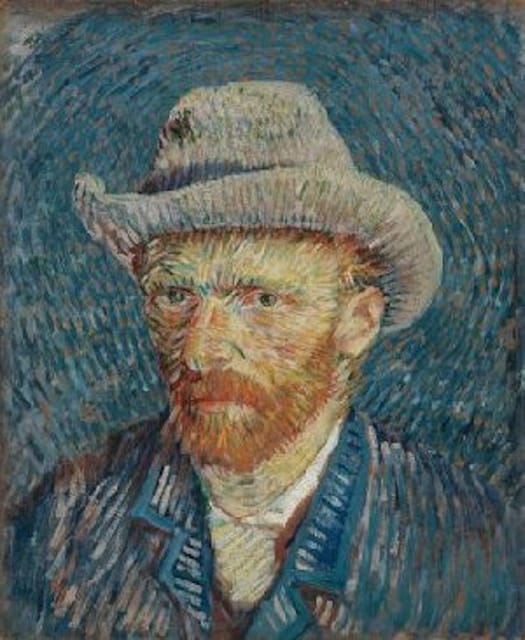
The Van Gogh Museum is famous for a reason, but you don’t want only the poster works. This tour is built for you if you like “why this painting, why now” thinking, and if you enjoy lesser-known angles of his creativity.
Based on the tour outline, you will cover:
- Early works from his development phase
- The Brabant years and how Dutch still life traditions plus Rembrandt’s legacy influenced style
- Paris experimentation and the impact of new artistic currents
- Arles and the yellow house period with Gauguin, including the emotional buildup before the ear incident
- The final chapter and the way his life shaped the legacy after his death
Also, your tickets include access to temporary exhibitions. That’s not guaranteed to be the same every season, but it is a genuine value add. It gives you a chance to see something current alongside a permanent collection, so your visit feels less like only museum greatest hits.
Timing and flow: how a private 2-hour tour really feels
Two hours sounds short until you’re in the museum. Then it suddenly feels like just enough time to do what matters and not enough time to get tired.
With a private group for up to 4 people, the pace can be human. You can ask questions, and your guide can adjust the emphasis based on what you care about. If one person in your group wants more on early influences and another is more drawn to Arles, this format helps keep both engaged.
The skip-the-line entry also sets the tone. When you start right away, you build momentum. You’re less likely to treat the museum like a chore, and more likely to treat it like a focused conversation with art.
Price in plain terms: is $411 for up to 4 worth it?
Let’s talk value without getting lost in math. The price is $411 per group up to 4, for a 2-hour private experience. Your money is not paying for a seat in a big room. It’s paying for three things:
- Priority ticket access and reserved entry, including a separate entrance
- A guide time block that is tailored, since the group is private
- An art historian approach that connects paintings and drawings to life context
If you’re traveling solo, you’ll feel the price more. But if you can fill the group size, the cost becomes easier to justify. In a private museum setting, the biggest “return” is mental, not just physical: less waiting, better understanding, and more confident looking.
In other words, you’re buying a clearer visit. For many people, that clarity is the difference between leaving impressed and leaving transformed in how they view Van Gogh.
Who this tour fits best (and who might want to think twice)
This tour is a great match if you:
- Want Spanish guidance and you’re comfortable following an art historian’s explanations
- Like Van Gogh as a person and not only as a style
- Want to connect works to life stages, including topics like Theo, inner turmoil, and Arles with Gauguin
- Prefer a small private group where questions are welcome
You might want to think twice if:
- You do not feel confident in Spanish and plan to rely mostly on visuals
- You only want the most famous poster images and nothing else, because a historical and emotional storytelling approach may spend less time on purely crowd-pleaser moments
If you fall in between, you can still enjoy the art. The paintings do the heavy lifting. Just know that the best explanations come from the Spanish guide.
Should you book this Spanish private Van Gogh Museum tour with Amor Artium?

My take: book it if you want a guided, story-led visit in Spanish, with a guide who can connect paintings to Vincent’s life and inspiration. The combination of skip-the-line priority and a 2-hour private art historian tour is a strong value formula, especially if you can share the group cost with up to three people.
Hold off only if Spanish language comfort is a concern for your group. If language is not a barrier, you’ll likely leave with a more accurate map of Van Gogh’s artistic development, from his decision to paint at 27, through the pressures and experiments in Paris and Arles, to the final chapter at 37.
FAQ
Is this tour private or group-based?
It is a private group tour.
What language is the tour in?
The tour is Spanish spoken.
How long is the Van Gogh Museum private tour?
The duration is 2 hours.
What does the ticket include?
You get a skip-the-line and reserved entry ticket, plus access to temporary exhibitions.
Where do we meet?
You meet in front of the mirror cube next to the museum entrance, and the guide will be holding a Loving Vincent Tours sign.
Does the tour include skip-the-line entry?
Yes. It includes skip the line through a separate entrance.
Is the tour wheelchair accessible?
Yes, it is wheelchair accessible.
What is the price and group size?
The price is $411 per group up to 4.
What is the cancellation and payment flexibility?
You can cancel up to 24 hours in advance for a full refund, and you can reserve now and pay later.
Halls Off the Squares
- Amsterdam: NEMO Science Museum Ticket★ 4.4 · 2,979 reviews
- Van Gogh Museum Amsterdam Exclusive Tour w/ Reserved Entry★ 5.0 · 1,760 reviews
- Moco Museum Amsterdam Admission Ticket with Banksy and more★ 4.0 · 1,745 reviews
- Amsterdam: Cannabis Museum Entry Ticket★ 4.2 · 1,244 reviews
Canvases of the Dutch Masters
- Amsterdam: Rijksmuseum Entry Ticket★ 4.7 · 29,512 reviews
- Amsterdam: Van Gogh Museum Ticket and City Canal Cruise★ 4.6 · 3,899 reviews
- Amsterdam: Van Gogh Museum Ticket & Canal Cruise★ 4.5 · 3,304 reviews
- Amsterdam: City Canal Cruise and Rijksmuseum★ 4.5 · 2,226 reviews
Latest to arrive along the quays of Amsterdam
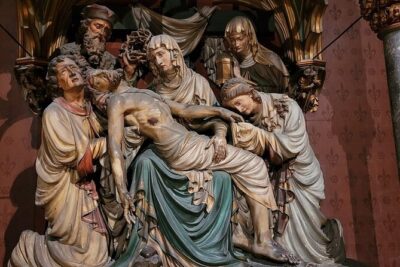





Van Gogh & Dutch Masters Museums, compared.



Van Gogh Museum Amsterdam Exclusive Tour w/ Reserved Entry
Read our review →Browse the lists this tour appears in