
Reviewed · HISTORICAL TOURS
The Historic Great Flood of 1953 in Netherlands Private Tour
Floods still shape this coast.
This private outing turns the 1953 Netherlands tragedy into a clear, human story, with a practical route through South Holland and Zeeland. I especially like the Oude-Tonge dyke cemetery where 305 victims are laid to rest, because the names and ages make the event feel real fast. I also love how the Watersnoodmuseum sits inside Phoenix caissons, the same type of engineering used for the D-Day harbor at Arromanches. One drawback to plan for: the Watersnoodmuseum entrance fee is not included in the tour price.
You get a full day, 10 to 11 hours, with pickup from Amsterdam-area hotels and a guide who keeps the day moving and focused. It is private, so it feels less like a bus day and more like a conversation, guided by real places and real design choices. If you prefer a slow pace or you hate long road stretches, it might feel like a lot. But if you like seeing how engineering and everyday people connect, this format works.
In This Review
- Key highlights you will feel right away
- Why the 1953 flood still matters to Zeeland coastlines
- Price and what you really get for your $725.90 group fee
- Pickup, pacing, and what a 10 to 11 hour day feels like
- Oude-Tonge dyke cemetery: the flood in names and ages
- Watersnoodmuseum in Phoenix caissons: where D-Day engineering becomes Dutch memory
- Zierikzee stroll near the Zuidhavenpoort, plus a real lunch break
- Colijnsplaat: a short stop with a big turning point
- Neeltje Jans viewpoints: Oosterschelde Storm Barrier from Work island
- Brouwersdam, Haringvlietdam, and the sea-side Delta Works drive back
- Guide quality matters: Jip Meijer and why a private day can feel personal
- Who should book this flood and Delta Works tour
- Should you book the Historic Great Flood of 1953 Private Tour?
- FAQ
- FAQ
- What time does the tour start?
- How long is the tour?
- Does the tour include pickup in the Amsterdam area?
- What is included in the tour price?
- Is the tour in English, and is it private?
- How much is the Watersnoodmuseum entrance fee?
- Can I cancel for a full refund?
Key highlights you will feel right away
- Oude-Tonge dyke cemetery and its 305 grave markers that put faces and ages to the 1953 disaster
- Watersnoodmuseum inside Phoenix caissons, including the striking link to D-Day harbor construction
- Zuidhavenpoort Zierikzee stroll and lunch break in a medieval city gate setting
- Colijnsplaat stop focused on the flood gate almost failing and the villagers who held it back
- Neeltje Jans viewpoints of the Oosterschelde Storm Barrier with vertical door design central to the story
- Sea-side Delta Works drive back across the Brouwersdam and Haringvlietdam, plus a pass through part of Rotterdam port
Why the 1953 flood still matters to Zeeland coastlines
The Netherlands does not treat water as background scenery. On this tour, you learn why, using the historic Great Flood of 1953 as the anchor. You will see how communities responded when the sea and rivers pushed past protection, and then how the country reshaped coastal defense afterward.
What I like about this approach is that it does not just show big structures. It starts with the aftermath on the ground, then moves into the design logic behind modern protection. You end up with a day where emotion and engineering sit side by side, so you actually understand why the Delta Works look the way they do.
You also get the geography lesson. This area is all about timing, containment, and controlled openings. Even if you are not an engineering person, the tour helps you grasp why barriers were built where they were, and what risks they were meant to reduce.
More Golden Age corners on foot:


Price and what you really get for your $725.90 group fee
The price is $725.90 per group, up to 3 people. That sounds steep until you translate it into a private, all-day setup: a guide plus pickup from Amsterdam-area locations, with a route that hits multiple key sites without you coordinating anything yourself.
Think of it like this. If you book with two friends and fill all three spots, you are effectively sharing the guide and vehicle cost. If you book solo, you will pay more per person, but you still get the value of a private guide who can pace the day around your questions.
Two costs you should not ignore:
- Watersnoodmuseum entrance is €13.50 per person and is not included.
- Coffee and/or tea and lunch are not included, so bring your own plan for food during the lunch stop.
For most people, the best value comes from the fact that several stops have no entrance fee. You are paying mostly for the guide, the day logistics, and the access to the right places at the right time.
Pickup, pacing, and what a 10 to 11 hour day feels like
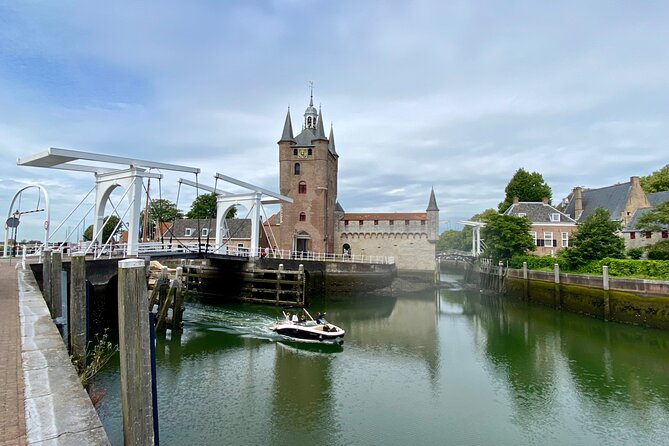
Start time is 8:00 am, with pickup from hotels, ports, and airports in the Amsterdam area. Your driver-guide presents himself in your hotel lobby unless you arrange otherwise, which keeps the morning simple.
The day is long on purpose. You have driving time plus multiple site visits, with stops ranging from about an hour to around two hours. You should plan for a full day rhythm:
- Morning and midday site time
- A lunch break in Zierikzee
- Views and photo stops tied to the Delta Works story
You will also want to dress for cool, breezy coastal air. Even when the weather looks calm, the water-side wind can bite. Comfortable shoes help too, since you will walk around places like the Zierikzee gate area and the dyke cemetery grounds.
And yes, it is in English, and it is private. Only your group participates, so you can ask follow-ups without waiting your turn.
Oude-Tonge dyke cemetery: the flood in names and ages
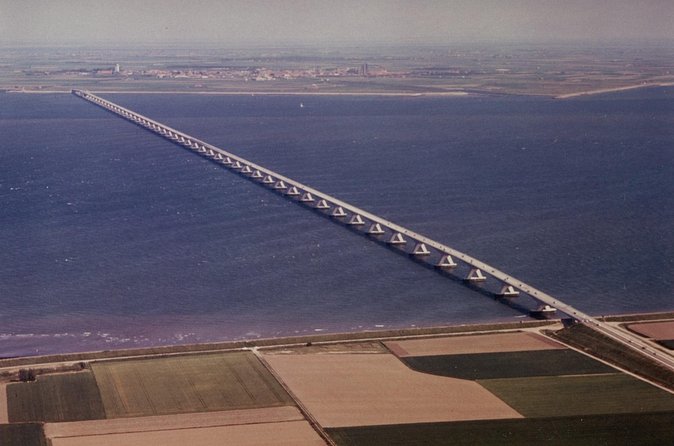
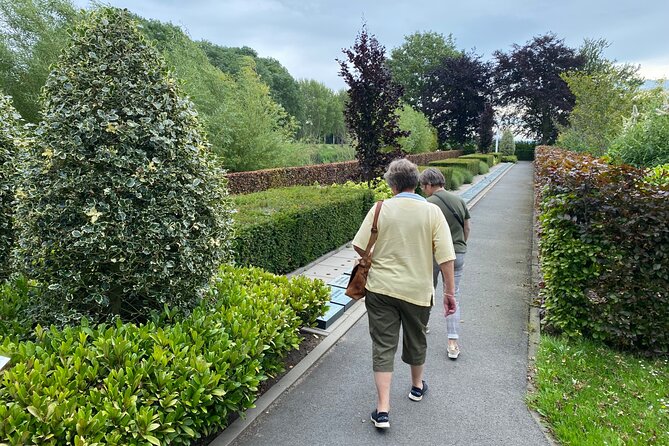
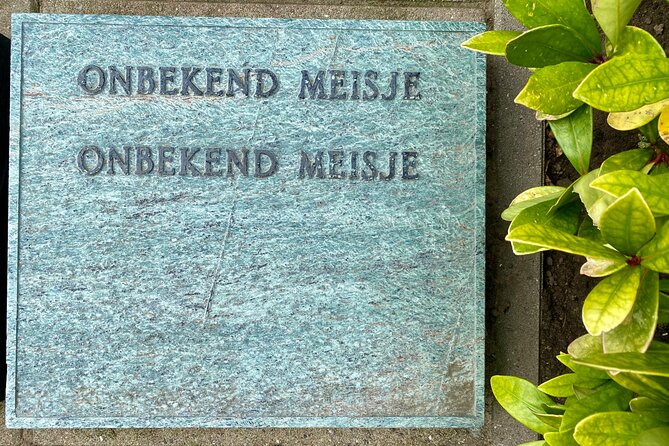
The tour’s emotional start comes at Oude-Tonge. After about 1.5 hours driving from Amsterdam, you arrive at the cemetery tied to the 1953 flood. This village was hit hardest, and the key detail is stark: 305 victims were buried in the dyke, with the dyke becoming the only dry place available.
What makes this stop especially powerful is that you can look at grave names and ages. That turns a disaster headline into something personal. You begin the day humbled, and it gives context for everything you see later, including the museum engineering.
Practical note: the cemetery stop lasts about two hours. If you want to absorb quietly, this is the place to do it. If you prefer conversation, your guide can help connect the memorials to the broader coastal defense decisions made afterward.
Best for: people who want the human story first, not last.
Watersnoodmuseum in Phoenix caissons: where D-Day engineering becomes Dutch memory
Next comes the Watersnoodmuseum, and this is where the day shifts from grief to design. The last gap in the flood defenses was closed in November 1953 at Ouwerkerk using four Phoenix caissons. These are the same type as the ones used for the D-Day harbor in Arromanches, Normandy.
Walking into a museum set inside these structures gives you a rare feeling. The architecture is not just a container for exhibits. It is part of the message: this is heavy, practical engineering built under pressure.
The museum time is about two hours, and the fee is €13.50 per person, not included in your tour price. That means your budget plan should include at least this single added cost, assuming you want to go inside the museum rather than view from outside.
Tradeoff to consider: you cannot skip this experience if you want the engineering context, because it is the site that most directly explains the Phoenix caisson solution.
Also flying a pennant in South Holland
- Delft and The Hague: Private Half-Day Tour with Transfer
★ 5.0 · 3 reviews - Rijksmuseum Amsterdam Small-Group Tour with Private Upgrade
★ 4.5 · 1,547 reviews - Van Gogh Museum Tour Reserved Entry Semi Private
★ 5.0 · 1,437 reviews - Private Amsterdam Red Light District and Coffee Shop Tour
★ 5.0 · 763 reviews
Zierikzee stroll near the Zuidhavenpoort, plus a real lunch break
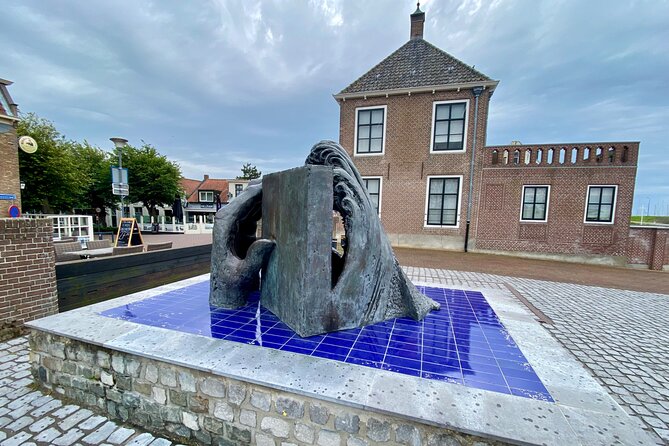
After the museum, you head to Zierikzee for a stroll around the medieval Zuidhavenpoort and city wall area. This is not a museum stop. It is a walking, looking stop, built around the idea that coastal risk did not erase normal life, trade, and city identity.
Zierikzee was a rich trading city during the Golden Age. Even though the city flooded in 1953, the medieval gate and walls still tell the older story of how people moved goods and connected to the sea.
You also get a lunch break here, about two hours total for this stop. Lunch is not included, so you will need to pick something on your own. If you are picky about food, use this break to reset, especially before the coast-side viewpoint stops.
Best for: people who want a calm pause between heavy, heavy moments.
Colijnsplaat: a short stop with a big turning point
Then you shift to Colijnsplaat, a typical Zeeland village. The mood here is focused. During the fatal night in 1953, the flood gate was about to break. Villagers put their shoulders into it and prevented collapse, even as they were tiring. The miracle was that the village did not fall.
This stop lasts about one hour and is free of entrance fees. It works because it gives you a “how it almost failed” perspective. You have seen the memorials. You have seen engineering in the museum. Now you hear the story of collective effort at the moment of crisis.
If you like storytelling that connects engineering to actual decisions and labor, this is a good mid-route anchor.
Neeltje Jans viewpoints: Oosterschelde Storm Barrier from Work island
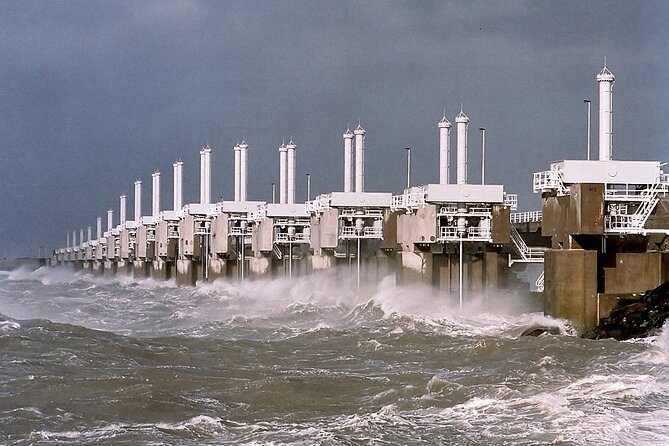
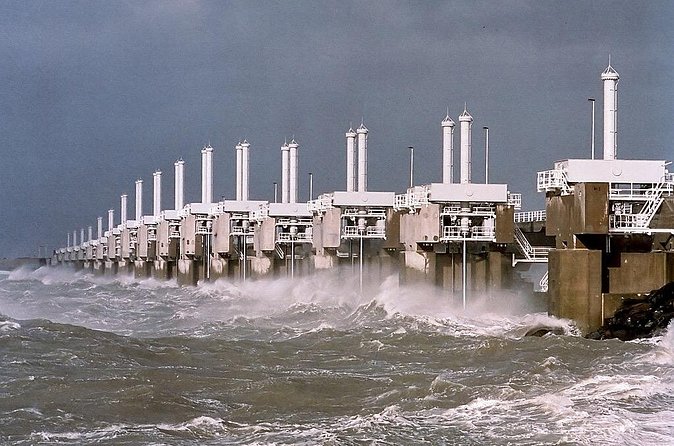
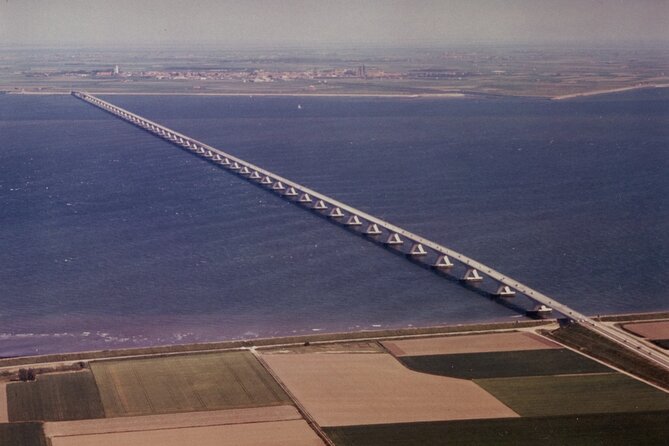
Neeltje Jans is all about seeing the modern defense system in real scale. You go from Work island to get good views of the Oosterschelde Storm Barrier, the structure with 62 vertical doors that can be closed to protect the Oosterschelde estuary.
Here is the key idea to understand while you look. Normally, the doors are kept open, so the estuary’s natural qualities remain intact. You are not looking at a wall meant to permanently shut down nature. You are looking at a controlled system meant to step in only when conditions demand it.
The stop is about one hour and free. Importantly, the Deltapark Neeltje Jans visit is not included in this program. So if you were hoping for theme-park style add-ons, you will likely not get that here.
Best for: people who want the “what did they build after 1953” answer, not only the tragedy.
Brouwersdam, Haringvlietdam, and the sea-side Delta Works drive back
The final stretch brings you back via the coast defense network. You cross the Oosterschelde Storm Barrier again, then the Brouwersdam and Haringvlietdam. This is where the Delta Works feel physical and continuous instead of like separate attractions.
You also get a pass through part of the large Port of Rotterdam on the way back. That matters, because the Netherlands is not just protecting land. It is protecting trade, movement, and daily life that depends on ports and water routes.
This stop is about two hours, and it is free. You are essentially seeing the end result of the lessons learned the hard way: barriers that combine engineering strength with operational flexibility.
Practical tip: bring a phone camera strap or secure grip. Coastside wind can make handheld photos annoying, and you will likely be taking lots of shots through traffic-friendly pullouts.
Guide quality matters: Jip Meijer and why a private day can feel personal
The biggest quality signal in the experience data is the guide. The tour provider is Jip Meijer, and one standout review specifically praises Jip’s attention, saying nothing seemed to be too much trouble and that the day was worth it, improved by having such a top guide.
That is not just nice feedback. In a tour like this, the guide makes a difference. The sites are emotionally heavy and technically dense, and you need someone to connect the dots without turning it into a lecture.
On this kind of day, you will get more value if you ask questions like:
- Why were these defenses built in these locations?
- What changed after the 1953 event?
- How do the barrier doors work in practice?
A good guide helps you see the connections while you are standing in front of the real thing.
Who should book this flood and Delta Works tour
This is a strong fit if you:
- Like the story behind major infrastructure, not only the pictures
- Want a private, English-speaking guide for an all-day route
- Are interested in how communities respond to disasters
- Prefer practical logistics handled for you, including pickup
It is also a good choice if you are short on time in the Netherlands but want more meaning than a checklist. The route mixes memorial sites and coastal defense viewpoints, so the day feels cohesive.
If you hate long drives, or if you dislike structured schedules, this might feel like too much. But if you can handle a 10 to 11 hour day, it is a memorable education.
Should you book the Historic Great Flood of 1953 Private Tour?
I would book this if you want one day that explains the Netherlands water story using places that are impossible to fake. The Oude-Tonge cemetery gives you the human scale. The Watersnoodmuseum gives you the engineering logic, inside Phoenix caissons with a D-Day connection. Then Neeltje Jans and the Delta Works drive back give you the payoff, seeing how the coast is defended today.
Book it especially if you are going with friends and can fill up to three spots in your group, since the per-person value improves fast.
Skip it, or at least rethink it, if you need a light, casual day with minimal fees and minimal structure. You do need to budget for Watersnoodmuseum entrance, and the day runs long.
FAQ
FAQ
What time does the tour start?
The tour starts at 8:00 am.
How long is the tour?
The duration is about 10 to 11 hours.
Does the tour include pickup in the Amsterdam area?
Yes. Pickup is offered from all hotels, ports, and airports in the Amsterdam area, and the tour starts at pick up.
What is included in the tour price?
The tour includes a guide. It does not include coffee and/or tea, lunch, or the Watersnoodmuseum entrance fee.
Is the tour in English, and is it private?
The tour is offered in English, and it is private, meaning only your group participates.
How much is the Watersnoodmuseum entrance fee?
The Watersnoodmuseum entrance fee is €13.50 per person, and it is not included in the tour price.
Can I cancel for a full refund?
Yes, you can cancel up to 24 hours in advance of the experience start time for a full refund.
Latest to arrive along the quays of South Holland

Historical Tours, compared.
Amsterdam Food and Cultural Tour with Tastings
Read our review →
Kinderdijk UNESCO World Heritage Entry Ticket
Read our review →

Amsterdam High-End Dutch Food & History Tour – Up to 8 guests
Read our review →
Cruise through the Historic City Center with Guide
Read our review →Browse the lists this tour appears in