Reviewed · NETHERLANDS
Rotterdam: “Remastered” Digital Art Audiovisual Experience
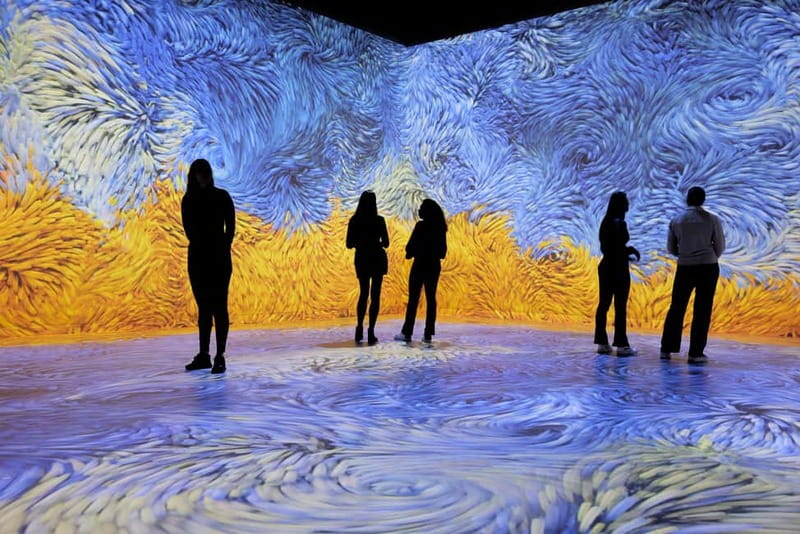
Rotterdam turns Dutch art into motion. Van Gogh scenes glow across giant screens, and I love how the show gets you moving to Mondrian’s Victory Boogie Woogie. You’ll also get your own creations on a massive LED wall, plus surreal rooms inspired by Jeroen Bosch. One caution: some parts get quite dark and can be intense for younger kids.
This is a tech-heavy art experience, but it stays playful. You walk through themed spaces like a LED waterfall, a cave with dripping light, and cloud-filled rooms with birds and a boat scene. It’s also staged right by the Erasmus Bridge, with a terrace view back toward the skyline.
At $24 for 60 minutes, the value depends on your expectations. If you want deep labels and slow museum pacing, you may feel it’s a bit pricey. If you like visual surprises, music-led rooms, and interactive moments, it’s a strong pick for Rotterdam.
In This Review
- Key points before you go
- Rotterdam’s Remastered is a one-hour, all-senses art playlist
- Price and timing, is 60 minutes worth $24?
- Finding Remastered under Erasmus Bridge, and what to do on arrival
- The opening Playground wall, where your drawing becomes part of the show
- Waterfall entry, Blackout Alley, and Bosch creatures with sound
- Underworld fish and the no-gear “water” world
- Dripping Cave and the elevator ride to clouds
- Overworld clouds, birds, and the boat scene
- Speculum: Eden, Paradise, and Hell, where content gets darker
- The Remastered finale, Dutch Masters reimagined and the Mondrian beat
- Earth, the return to planet mode
- Who should book Remastered, and who might regret it
- Should you book Remastered in Rotterdam?
- FAQ
- How long is Remastered in Rotterdam?
- How much does a ticket cost?
- Where is the meeting point?
- Is Remastered wheelchair accessible?
- Is it suitable for people with epilepsy?
- What are the photo and equipment rules?
- Are food and drinks included?
- Can I cancel for a refund?
Key points before you go
- Biggest indoor LED screen in Europe: 245 million pixels across 1,500 square meters of projection and sound.
- Dutch Masters, remixed for modern senses: Van Gogh, Jeroen Bosch, Rembrandt, plus Mondrian’s music-led rhythm.
- Hands-on art wall at the start: draw, scan, and see your image appear on Europe’s biggest indoor LED screen.
- A walk-through story, not just a single screen: waterfall, Blackout Alley, Underworld fish, cloud elevator, and more.
- Flashing lights in the main finale: plan carefully if you are sensitive to bright strobe effects.
- Under Erasmus Bridge setting: plan extra time finding it, especially if you rely on vague directions.
Rotterdam’s Remastered is a one-hour, all-senses art playlist
Remastered is built like a show you walk through. It is not a silent gallery. Instead, it’s sound-forward and screen-forward, with smoke and heavy projection effects that turn famous Dutch art into moving scenes. The big idea is simple: classic names, modern tools, and a pace that keeps you changing rooms before you settle into museum mode.
I like that it does not feel like you’re reading your way through. You watch, you listen, and you react physically when the music asks you to. I also like the structure, because it moves between bright, calm moments and darker, stranger ones, so the experience never gets one-note.
The price only makes sense if you treat it as performance art. Think “hour of theater made with digital images,” not “hour of studying paintings.”
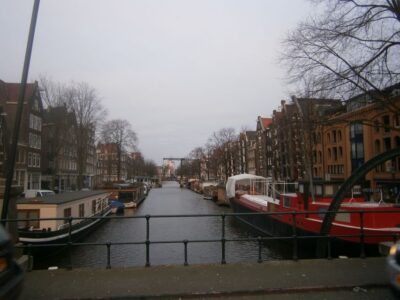
Tied up a few moorings along in Amsterdam:

Price and timing, is 60 minutes worth $24?
The ticket is $24 per person, and the experience runs for 1 hour. That fixed length matters. There’s no long, meandering visit. You enter, you follow the flow room to room, and you land at the finale before time runs out.
So here’s how I’d judge value. You’re paying for:
- Scale: 1,500 square meters, 60 projectors, 50 loudspeakers, and 15 km of cables.
- A huge LED setup: the largest indoor LED screen in Europe (245 million pixels, with a 20,000-pixels resolution).
- Multiple set pieces: waterfall, caves, clouds, underwater-like spaces, and a last show segment.
If you’re the type who likes interactive “try it, see it” moments and doesn’t need hours of artwork labeling, the ticket feels more reasonable. If you want interpretive text and quiet time, the one-hour format might feel rushed.
Finding Remastered under Erasmus Bridge, and what to do on arrival
The entrance is below the Erasmus Bridge, on the side of the city center. The practical tip is to arrive about 10 minutes early, not at the last second. The experience has a scheduled flow, and you’ll want a little time to settle in before you start moving room to room.
Location can be tricky. One visitor mentioned directions often reference the Spido pay office nearby, and they struggled even with Uber guidance. I’d rather you add buffer time to avoid a stress sprint.
On top of that, there are restrictions:
- No selfie sticks
- No flash photography
- No tripods
Plan to travel light. One review mentioned a backpack check with a small fee, and that some people could keep bags with them depending on how they were carried. The safest plan is to assume you may need to store a bag or keep items minimal.
The opening Playground wall, where your drawing becomes part of the show
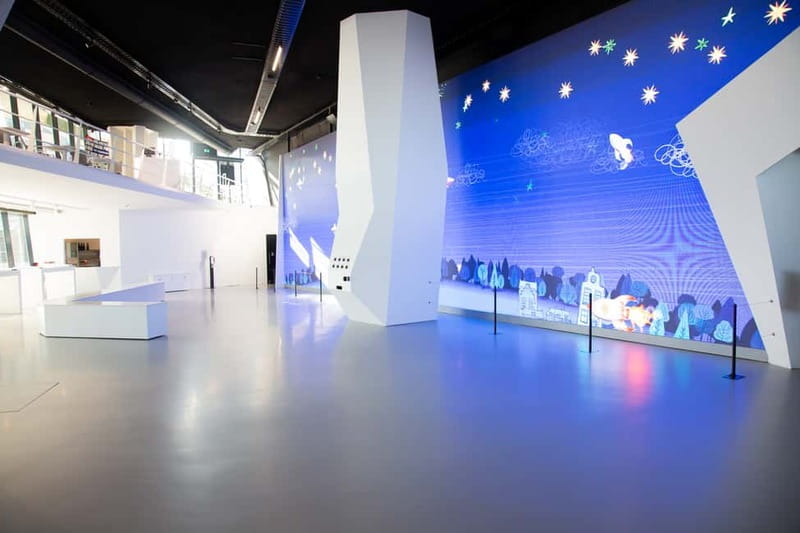
Before the big rooms, you get a chance to play. The standout “wow” moment here is the digital wall where you can scan your own colored drawings and see them come alive alongside others.
What you can do, based on the experience info:
- Draw and scan your image
- Make your art appear on the huge indoor LED screen
- Add effects such as rain, storm, rainbow, and other visuals
- Interact with buttons that trigger creatures like Godzilla
- Try other fun effects like confetti and falling stars (as shown in the experience description)
- Create 3D digital art from your scanned image
This matters because it changes the tone. You’re not just watching famous paintings. You’re participating in the same system that’s animating the art later in the show. It also gives you something to do when you first arrive, which helps if you’re visiting with kids or teens.
A practical note from the vibe of the rooms: if you love the interactive start, you might feel tempted to spend more time there. But the show timing is fixed, so don’t let the wall steal all your patience before the main production begins.
Waterfall entry, Blackout Alley, and Bosch creatures with sound
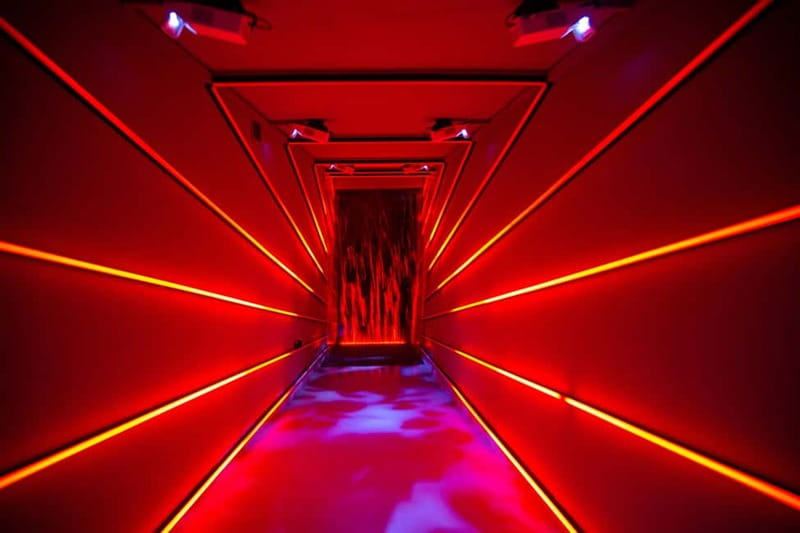
The show starts moving you through scenes like a guided walk. One of the signature entrances is a LED waterfall. You walk through it, with waves of light guiding you into a darker space.
Then comes Blackout Alley, described as your first encounter with Jeroen Bosch creatures. This is a strong “set the mood” section because it combines darkness, projection, and sound design. In this part, you’re meant to react to what’s around you, not just watch it from one spot.
What to expect here:
- A clear shift from bright visuals to darker, more unsettling imagery
- Sound that helps the creatures feel present
- A pace that keeps you moving forward instead of stopping to study details
I like this sequence because it sets up the rest of the show. If you’re waiting for the “real” Bosch moments later, Blackout Alley teaches you the rules early: the imagery can be eerie, and the sound will do half the storytelling.
Under the next bridge out of Amsterdam:
- Amsterdam Luxury Canal Cruise + Unlimited Drinks & Bites option
★ 5.0 · 30,518 reviews - Amsterdam: Rijksmuseum Entry Ticket
★ 4.7 · 29,512 reviews - Amsterdam: Classic Saloon Boat Cruise with Cheese & Wine
★ 4.6 · 27,035 reviews - Amsterdam: Evening Cruise with Optional Wine and Snacks
★ 4.4 · 22,178 reviews
Underworld fish and the no-gear “water” world
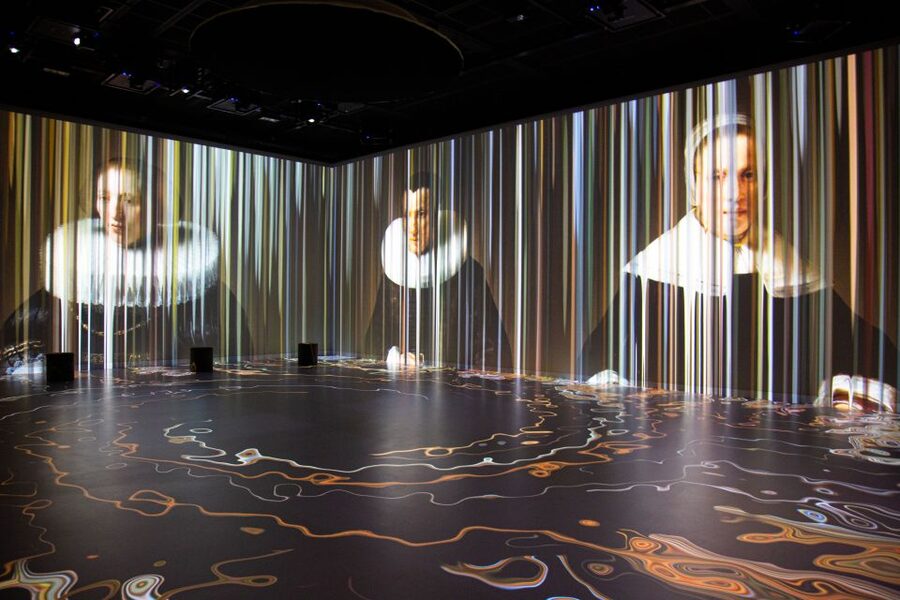
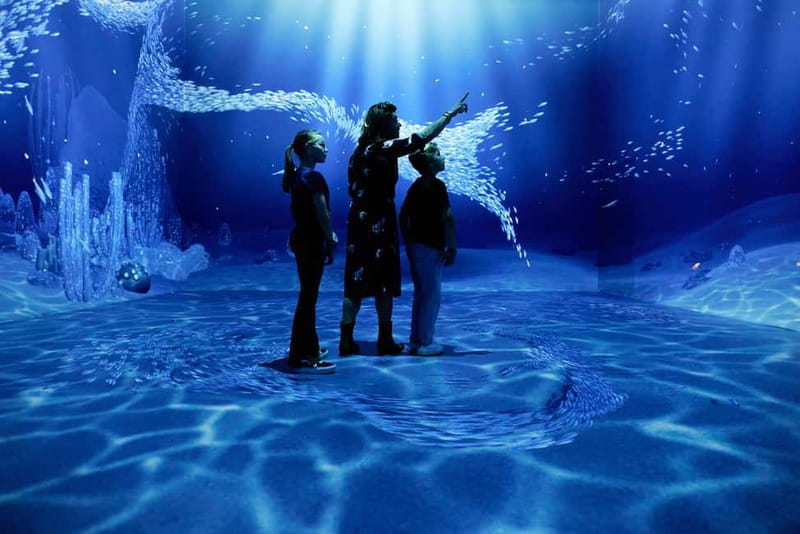
Next is the Underworld section, built around interacting with schools of fish. You don’t need scuba equipment, and you’re surrounded by thousands of fish visuals.
This is where Remastered often wins people who think they do not like digital art. The fish scenes are calmer and more serene than the darker Bosch rooms. They feel like a visual breath after the intensity.
What makes this stop worth it:
- It is not just a screen, it’s a surround-feel environment.
- The fish visuals are designed to create a sense of depth and movement.
- It gives the show a contrast, so the finale hits harder.
Also, keep your footing in mind. One review noted the floors and doorways can be uneven and it can be dark. So yes, enjoy the visuals, but watch your steps like you would in any dim, themed indoor attraction.
Dripping Cave and the elevator ride to clouds
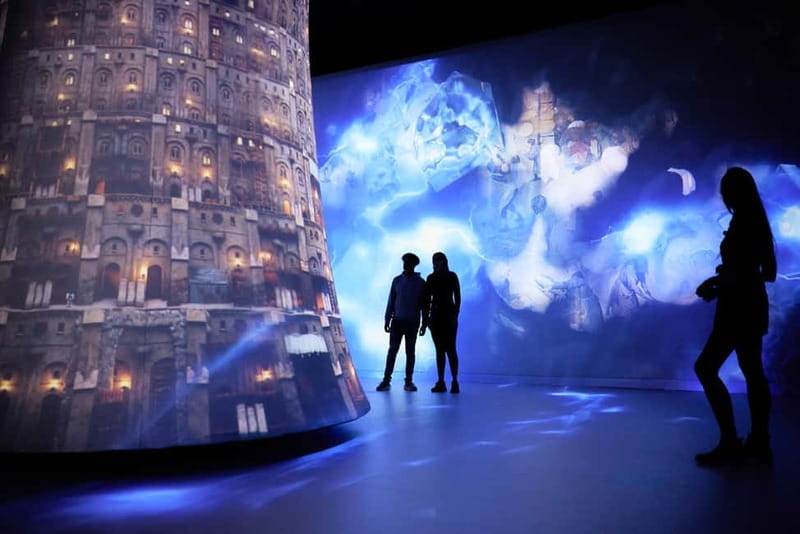
After the underwater-like Underworld, you step into the dripping cave and then into an elevator that takes you to the clouds. This is a key production trick: the show changes scale and atmosphere fast.
Why I think this works:
- The elevator moment gives you a physical change, not just a screen change.
- It resets your visual expectations from dark and watery to airy and bright.
- It sets up the next scene, where you move through clouds with birds overhead.
If you’re sensitive to bright light changes, this part is still pretty visually active. It’s not strobe-heavy like the finale described later, but you should still be aware that the overall lighting is dynamic.
Overworld clouds, birds, and the boat scene
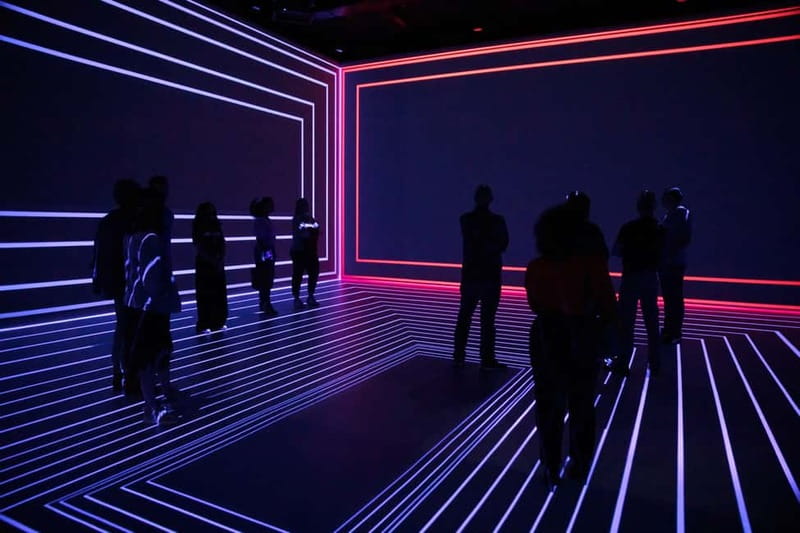
In the Overworld, you walk through cloud-like visuals and watch birds dancing in flocks. Then you step into the boat and sail over the clouds.
This is one of the more “cinematic” parts. The animation style and sound work together to suggest motion, even though you’re stationary. The boat segment is also a crowd favorite because it turns the room into a moving story without requiring any special gear.
I like that it balances the darker segments. After Bosch imagery and the Underworld, the cloud rooms feel like a creative release valve.
Speculum: Eden, Paradise, and Hell, where content gets darker
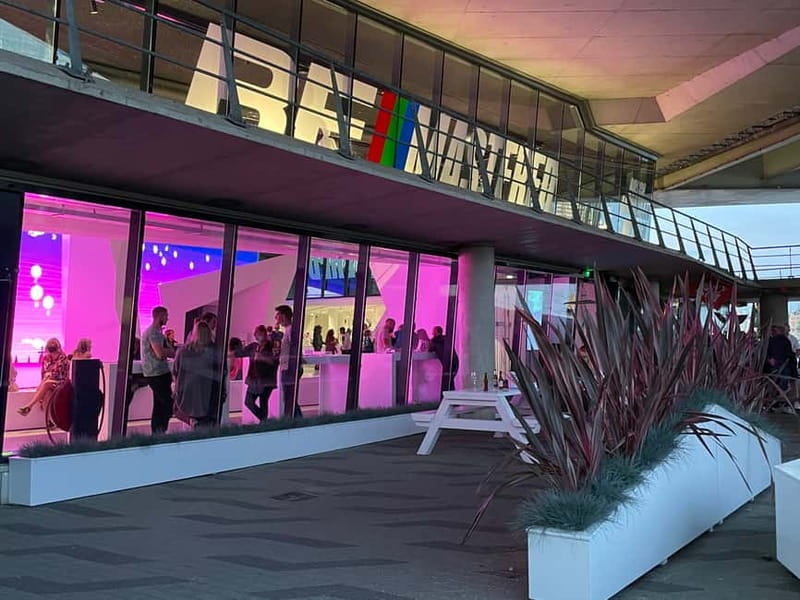
Speculum is the segment labeled as Eden, Paradise and Hell. This is where you should pay attention if you are bringing kids or if you’re easily disturbed.
One review specifically flagged that some imagery can be inappropriate for younger viewers. Another mentioned explicit elements appearing in some projected works, plus erotica content that should have age limits. That’s not the kind of detail you want to discover mid-show.
My practical advice:
- If you’re traveling with children, consider their comfort level with dark themes and sudden intensity.
- If you are bothered by content that references Hell, sexuality, or anything visibly explicit, you may want to skip this experience entirely.
You should also note that the experience is not suitable for people with epilepsy, and flashing lights appear in the main attraction later in the show. So if you fall into either group, this is not a safe choice.
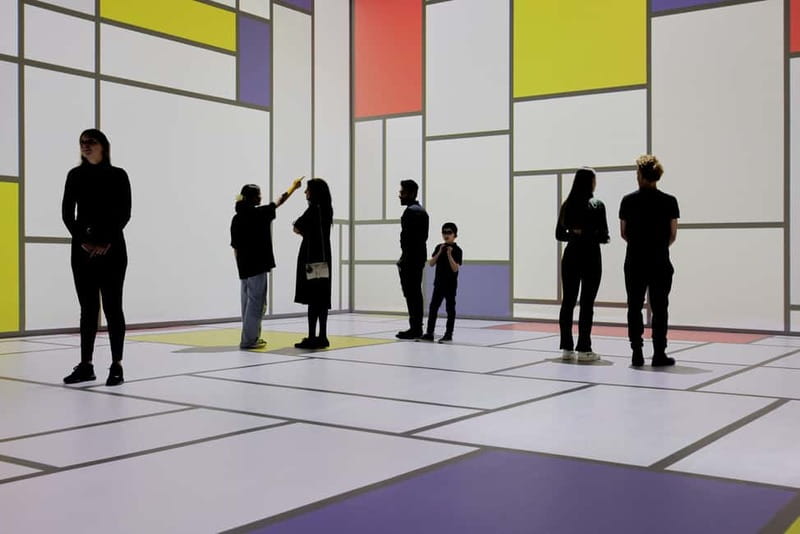
The Remastered finale, Dutch Masters reimagined and the Mondrian beat
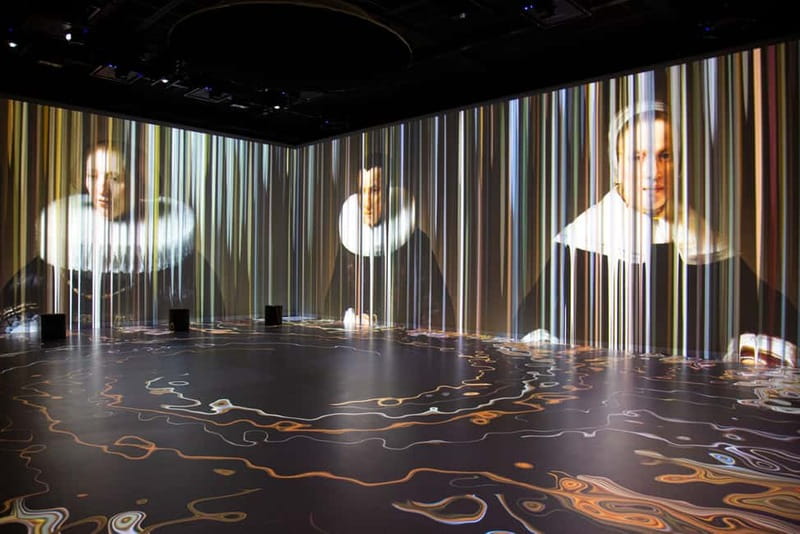
After the earlier rooms, you reach the Remastered segment described as a time to relax and enjoy the show. This is where the Dutch Masters return in a more concentrated “finale” way.
The experience highlights explicitly mention:
- Old Dutch Masters reimagined through the lens of modern Dutch digital artists
- Van Gogh visuals
- A music-led moment tied to Mondrian’s Victory Boogie Woogie
From the show flow, the finale is also where energy spikes. One review described the final room as lasting 20+ minutes and noted quite a lot of flashing lights. Another encouraged people to dance when the music starts, so the room is designed for participation, not just passive viewing.
What you’ll likely feel here:
- A rhythm-driven progression, where music and visuals push you forward
- Strong sensory effects like smoke and projection layers
- A final collage of art styles and moods that tries to land emotionally, not only visually
And yes, it can be intense. If you love visual art and music, you’ll probably call it worth it. If you’re sensitive to brightness or prefer quieter settings, the finale is the section to consider carefully.
Earth, the return to planet mode
The ending is labeled as Earth, bringing you back to your planet. It functions like a cooldown. You transition from the most chaotic and high-energy sections back into a more grounded, less frightening atmosphere.
I like this closing because it prevents the show from ending on a flat note. It gives your senses a small “reset,” which helps the experience feel complete.
Who should book Remastered, and who might regret it
This is a strong fit if:
- You’re curious about modern digital art but find traditional museum pacing boring
- You like music-driven experiences and don’t mind being part of the room energy
- You want a fun group activity in Rotterdam that works for multiple ages
It can be less ideal if:
- You want heavy art history interpretation and detailed labels
- You need a quiet space to slow down and think
- You’re traveling with very young kids who might struggle with dark themes or flashing lights
Also, the experience is wheelchair accessible, which is a major plus. But movement inside themed rooms can still be uneven or dim, so take that seriously.
And if you have epilepsy, this is explicitly not suitable.
Should you book Remastered in Rotterdam?
If you like seeing famous art reworked into movement and sound, book it. It’s one hour, and it’s engineered for strong sensory impact: huge screens, layered projection, and a flow that keeps changing your perspective.
Book with extra caution if you care deeply about content boundaries. The show includes darker rooms like Speculum and it has flashing lights in the main finale. If that’s a concern for your family, you might prefer a more text-led museum style stop.
Finally, time it well. Arrive a few minutes early, keep your bag situation simple, and plan not to rush afterward. When it clicks, Remastered is a very different way to experience Dutch art in Rotterdam, right under the Erasmus Bridge.
FAQ
How long is Remastered in Rotterdam?
The experience lasts 1 hour from start to finish.
How much does a ticket cost?
The price is $24 per person.
Where is the meeting point?
Remastered is below the Erasmus Bridge, on the side of the city center.
Is Remastered wheelchair accessible?
Yes, it is wheelchair accessible.
Is it suitable for people with epilepsy?
No. It is not suitable for people with epilepsy.
What are the photo and equipment rules?
Selfie sticks are not allowed. Flash photography is not allowed. Tripods are also not allowed.
Are food and drinks included?
No. Food and drinks are not included.
Can I cancel for a refund?
No. The experience is non-refundable.