
Reviewed · ROTTERDAM TOURS & EXPERIENCES
Rotterdam 2-Hour Grand Walking Tour
Rotterdam hits different on foot. This 2-hour walking tour strings together the city’s past, its post-war rebuild, and its bold modern face, starting right at Rotterdam’s new Central Station gate and ending on the River Maas.
I particularly like the way the walk mixes big names and recognizable city life, like the Markthal indoor marketplace and the Lijnbaan shopping area, while still keeping the story clear. Second, the architecture stops feel practical, not academic, because you see how different eras shaped what you walk past today.
One thing to consider: you cover about 3-4 km at a steady pace. If you want lots of extra photo time inside every stop, you may need to add time before or after the tour.
In This Review
- Key highlights you will actually use
- Why a 2-hour Rotterdam walk is the right size
- Meeting at Rotterdam Central Station, outside the main entrance
- The post-war reconstruction story, told through city-center buildings
- Groothandelsgebouw: office power with a big-city feel
- Lijnbaan shopping area: when reconstruction meets real daily life
- City Hall: neo-classical contrast in a modern city
- Timmerhuis: contemporary Rotterdam in plain sight
- Markthal and the Cube Houses, the Rotterdam favorites that make sense
- Markthal: more than a quick look
- Cube Houses: iconic shapes you will never forget
- Along the River Maas: modern South Bank views with the right ending
- Head of South: a new development you can see from the promenade
- Boompjeskade: ending where the river walk belongs
- Price and value: is $53 worth 2 hours?
- How much walking is involved, and what shoes you actually need
- What this tour is best for, and what it might not be
- Small practical tips for a smoother experience
- Should you book this Rotterdam 2-hour grand walking tour?
- FAQ
- Where does the tour start?
- How long is the Rotterdam walking tour?
- What distance will I walk?
- Is the tour guided?
- What language is the tour offered in?
- Can kids join for free?
- Is the tour wheelchair accessible?
- What are the main sights included?
- Is there an option for a private group?
- What is the weather policy?
- How much does it cost and what is the cancellation window?
Key highlights you will actually use
- Central Station meeting point outside the main entrance, easy to find and set up for the walk
- Markthal visit inside Rotterdam’s indoor marketplace, a strong break from just streets and squares
- Groothandelsgebouw, City Hall, Timmerhuis for quick architecture variety in one route
- Cube Houses stop so the most famous shapes in Rotterdam make sense in context
- Maas river finale with views over the South Bank and the Head of South development
Why a 2-hour Rotterdam walk is the right size
Rotterdam can feel like a lot, especially if you only arrive expecting postcard canals. This tour keeps it focused, with a short, guided route that helps you read the city as you move.
You get a chronology of the city’s post-war reconstruction, not just a list of sights. That matters because Rotterdam’s look is not random. It’s a set of choices made over time, shaped by rebuilding and planning, then pushed into a bold modern future.
More Guided Walking Tours in Rotterdam


Meeting at Rotterdam Central Station, outside the main entrance
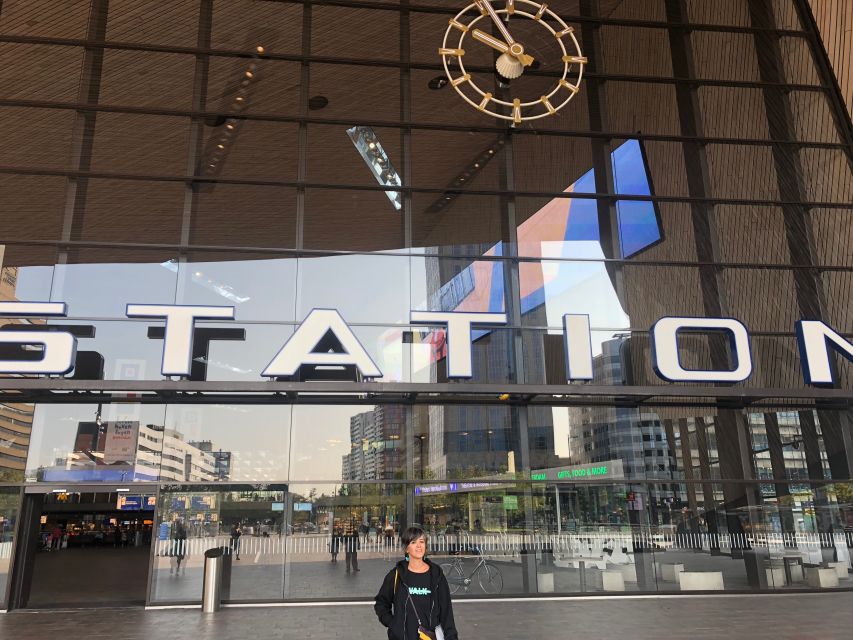
You meet at Rotterdam Central Station, outside by the main entrance. The start point is near a recently built gate, so you are not trying to guess which side of the station your group means.
This is a good choice for first-timers. Central Station is a hub, so it anchors the walk in a place you can easily return to later. It also means you begin with a sense of Rotterdam’s forward-looking style, then you work outward from there.
If you arrive early, take a minute just to observe. Even before you move, you can spot how the station area signals modern design and movement, which sets expectations for what you will see next.
The post-war reconstruction story, told through city-center buildings
After you start, the route takes you through the city center with architectural icons and national monuments. The payoff is that the guide keeps tying what you see to the larger timeline, especially how Rotterdam rebuilt itself after major destruction.
You will also cover a mix of styles and functions, which is what makes Rotterdam feel real. It is not only monuments. It is offices, shopping streets, and everyday public life, all stacked together.
Groothandelsgebouw: office power with a big-city feel
One of the early stops is the Groothandelsgebouw. Even if you do not know the building’s history in detail, you can still read it as Rotterdam’s business identity made visible in stone and steel.
The value here is context. Rotterdam is famous for design and engineering, but the guide approach helps you connect the architecture to the port-city mindset: practical, functional, and designed for heavy use.
Lijnbaan shopping area: when reconstruction meets real daily life
Next you pass through the Lijnbaan shopping area. This is where the tour stops feeling like sightseeing and starts feeling like a city walk.
The point is that Rotterdam’s rebuild did not just create skylines. It shaped what people do on a normal day, including where they shop and how pedestrians move through town.
More gables counted on foot:
- Rotterdam 2-Hour Walking Tour | Discover The City With A Local
★ 4.5 · 111 reviews - Walking Rotterdam Food Tour
★ 5.0 · 89 reviews - Rotterdam: City Center Walking Tour
★ 4.5 · 88 reviews - Dordrecht: Highlights and Hidden Gems Walking Tour
★ 4.7 · 84 reviews
City Hall: neo-classical contrast in a modern city
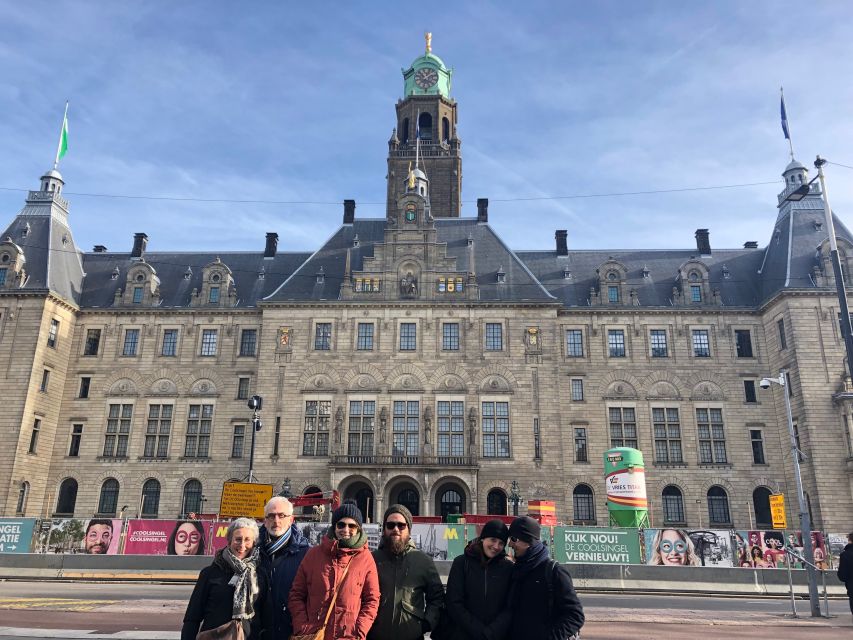
You also see the neo-classical City Hall. This stop is important because it gives you contrast. Rotterdam’s modern reputation is strong, but you need that older reference point to understand why later buildings look the way they do.
Think of it as a visual reset. You go from a port-city center and a shopping street into a more traditional civic style, then you continue toward later contemporary work.
Timmerhuis: contemporary Rotterdam in plain sight
The tour includes the Timmerhuis, described as contemporary in the route plan. This is the kind of building where you can stand, look up, and quickly see why Rotterdam is known for architecture that feels confident about the future.
The guide’s job here is not to overload you with facts. It is to help you notice the differences across eras while you are still walking, so it sticks in your memory.
Markthal and the Cube Houses, the Rotterdam favorites that make sense
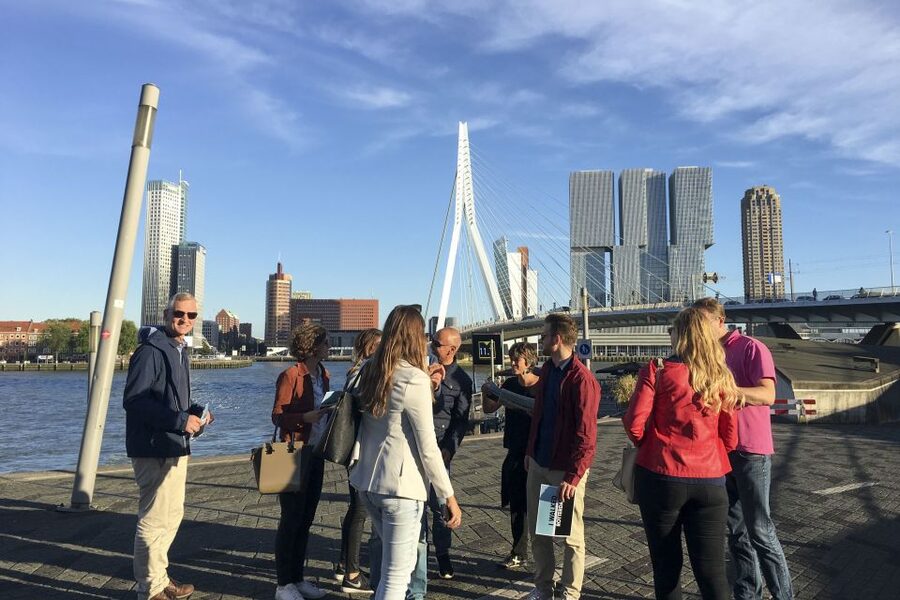
Now comes the most fun part for most people, the Markthal and the iconic Cube Houses. This is where Rotterdam stops being a story and turns into a series of wow moments.
Markthal: more than a quick look
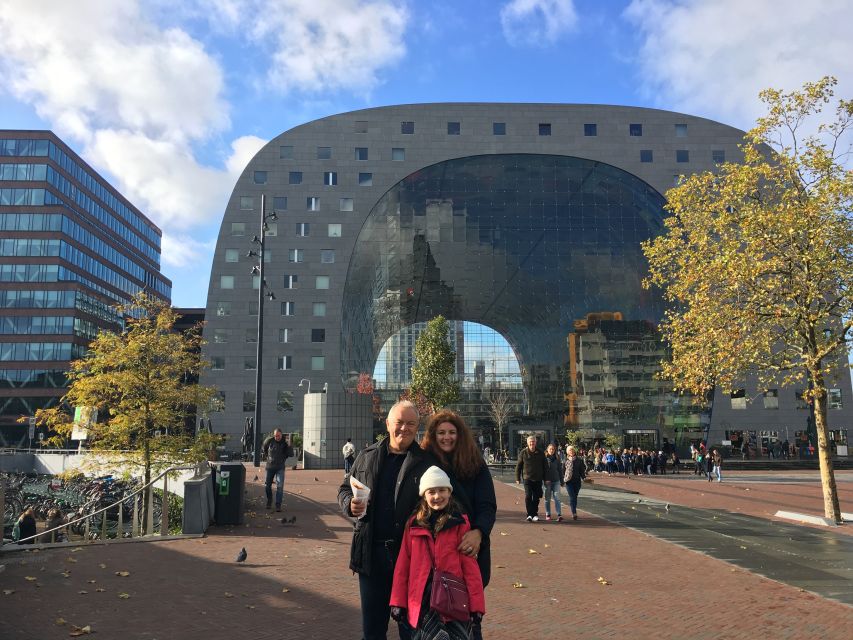
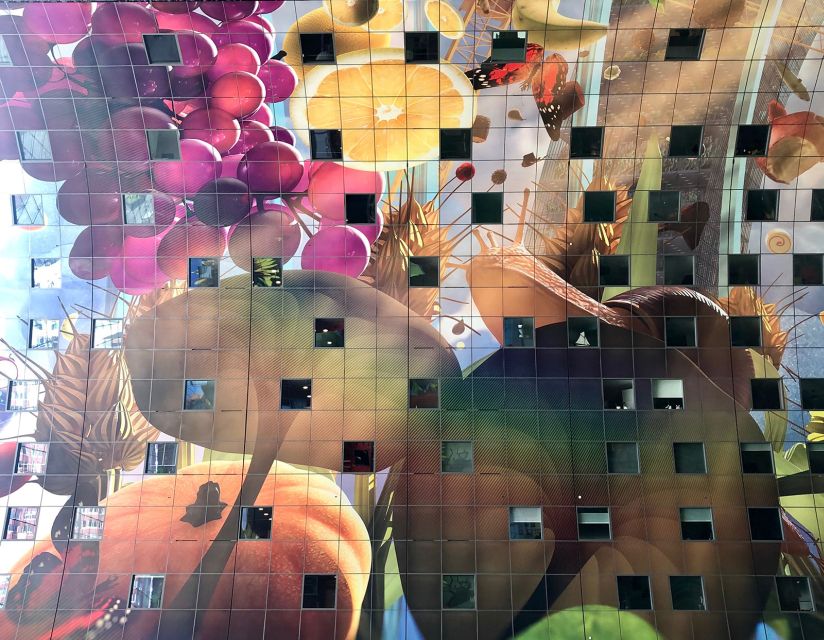
You visit the Markthal, Rotterdam’s indoor marketplace. The value is simple: it gives you an indoor stop that feels modern, energetic, and very local at the same time.
Even if you keep it quick inside, it is still a strong contrast to outdoor architecture stops. You walk in, see the scale and design, then you come back out with a better sense of how Rotterdam builds for everyday consumption and public gathering.
The guide typically uses the Markthal visit to connect design choices to the wider idea of Rotterdam planning: space is engineered to work, not just to be pretty.
Cube Houses: iconic shapes you will never forget
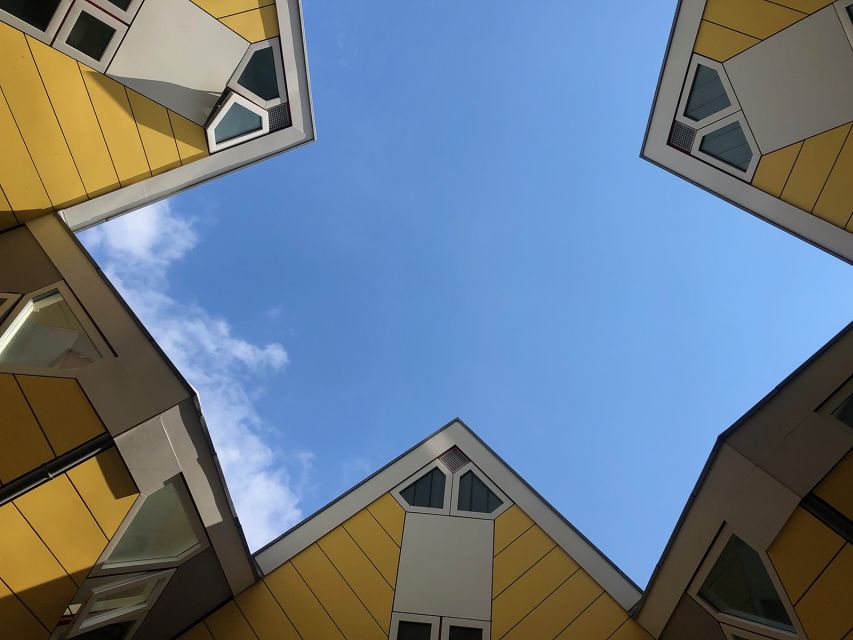
After Markthal, the walk includes the Cube Houses. These are the kind of structures you recognize instantly from photos, but seeing them on foot helps you understand scale and placement.
What I like about this stop on a short tour is that it gives you a clear anchor. If you later think back about Rotterdam, your brain will likely file the Cube Houses under: future-minded, unusual, and intentionally designed to be noticed.
It also helps to have the guide here, because you are not only looking. You are building a mental map of how that bold style fits into the bigger reconstruction story.
Along the River Maas: modern South Bank views with the right ending
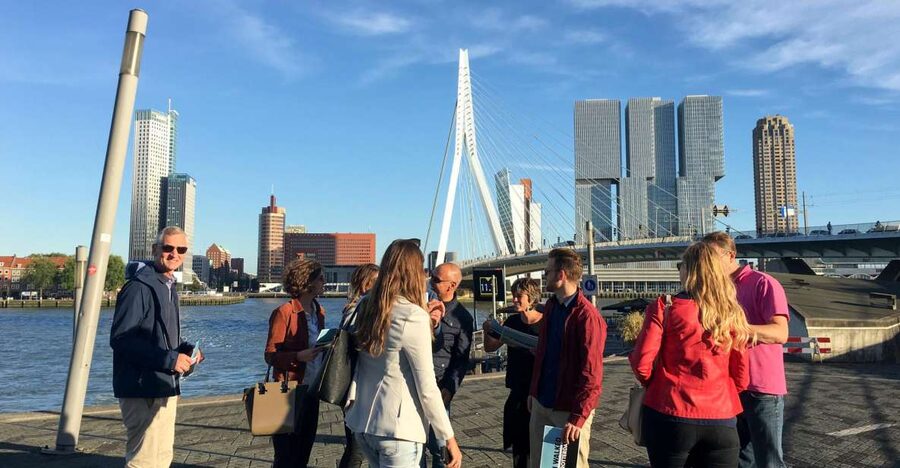
The tour continues to the River Maas for views of the modern South Bank, including the Head of South area. This is a smart way to close out a short walking tour.
When you are done with architecture and iconic buildings, your brain wants open space. The Maas stretch delivers that, plus it makes Rotterdam’s geography feel important rather than incidental.
Head of South: a new development you can see from the promenade
The route plan highlights Head of South as a new development on the south bank. The practical benefit is that the guide helps you see it as part of the city’s ongoing future plans, not just another modern project name.
You finish this section with a clear visual takeaway: Rotterdam does not freeze in one era. It keeps evolving, right where the waterfront is.
Boompjeskade: ending where the river walk belongs
Your tour ends on the riverside at Boompjeskade. That ending matters because it gives you a natural place to keep moving on your own afterward, whether you want more views, a drink, or to head back toward your next stop.
If you want to extend the day, the river setting makes it easy to do it without feeling like you are rushing across town.
Price and value: is $53 worth 2 hours?
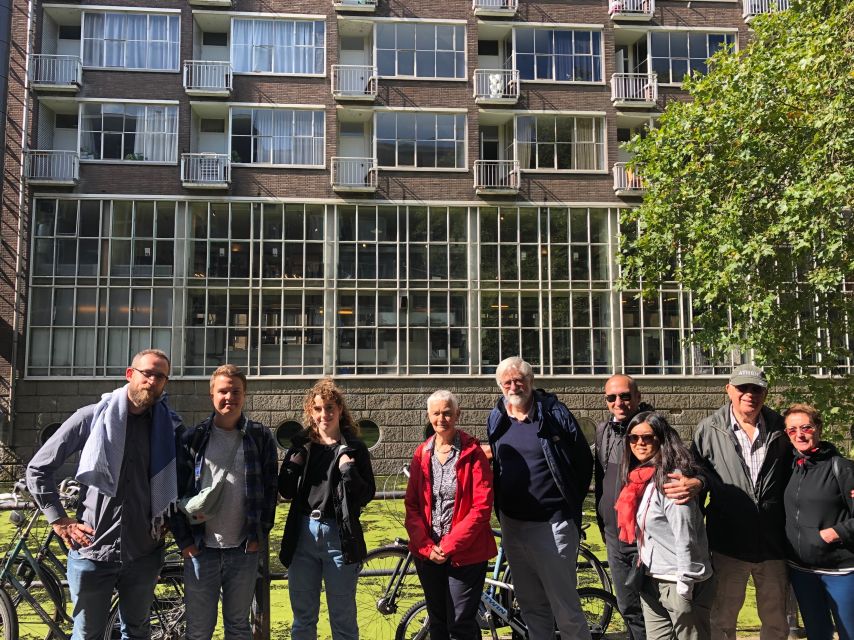
At $53 per person, you are paying for a guided, high-impact route, not just a casual stroll. Two hours is tight, so the value hinges on how efficiently the guide uses that time.
In this tour’s case, the strongest value signal is the focus on major sights plus architecture context. You see multiple named stops, you get a Markthal visit, and you finish with the Maas views. That is a lot to pack into 2 hours without turning into a nonstop sprint.
Also, the guide experience appears to be a big part of why people love the tour. Names like Tania come up in the guide feedback, with comments about being informative, kind, and keeping the variety flowing. That matters because Rotterdam architecture can feel confusing if you only have photos and no thread.
Finally, this is a good price if you are short on time. If you have a full day, you might add museum time later. But if you only have a morning or afternoon window, this tour gives you the framework that makes everything else you do afterward easier.
How much walking is involved, and what shoes you actually need
The walk covers about 3-4 km. That distance is very doable for most people, but it is still enough to matter for your comfort.
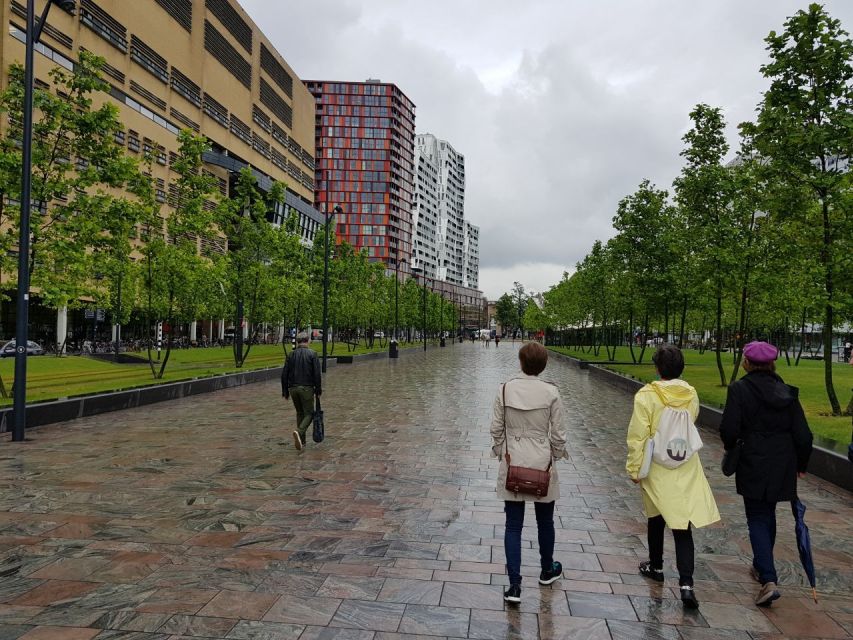
Wear comfortable shoes. Bring seasonal clothing because the tour operates even in rain and snow. Rotterdam weather can change quickly, and you do not want wet feet or slippery soles to hijack your attention.
If you are traveling with kids, note that children age 0-12 can join for free. That does not mean it is a tiny stroll. Consider the distance and the content, especially if your kids need more frequent breaks.
What this tour is best for, and what it might not be
This tour is best if you want:
- a quick Rotterdam orientation that connects buildings to the city’s rebuild and modern plans
- architecture highlights without needing to plan a whole day around them
- a guided Markthal visit plus a memorable finish by the water
It might be less ideal if:
- you want a slow pace with long museum-style stops
- you dislike guided explanations and prefer to wander without structure
- you plan to do lots of shopping during the walk, since the focus is on the route and viewpoints
You can still do shopping later, and the Lijnbaan area is part of the walk for a reason. It just is not a shop-till-you-drop tour.
Small practical tips for a smoother experience
- Go easy on the heavy bag. You will move through busy areas, then into a marketplace setting where you will want your hands free.
- Have your phone battery ready. The Maas views are the kind you will want to save.
- If you care about photos, aim to take fewer, better shots during the stops. With a 2-hour structure, rushing to shoot everything can turn a great tour into a stressful one.
- Ask your guide one question. The tour works best when you treat the guide like a translator for the city, not just a fact machine.
Should you book this Rotterdam 2-hour grand walking tour?
I would book it if you want a fast, structured introduction that helps you understand why Rotterdam looks the way it does. The combination of Central Station, a guided sweep through major architecture, a Markthal visit, and the Maas river finale gives you a lot of payoff for a short time.
I would think twice if you need long stops or you are not interested in the city’s rebuild and architecture themes. In that case, you might prefer a slower self-guided day and add only one guided stop.
If you are in that sweet spot of limited time, architecture curiosity, and a love for walkable neighborhoods, this tour is a strong way to get your bearings fast and start seeing Rotterdam with smarter eyes.
FAQ
Where does the tour start?
The meeting point is Rotterdam Central Station, outside by the main entrance.
How long is the Rotterdam walking tour?
The duration is 2 hours.
What distance will I walk?
The walk covers about 3-4 km.
Is the tour guided?
Yes, it includes a guided walking tour.
What language is the tour offered in?
The tour is offered in English (live tour guide).
Can kids join for free?
Yes. Children ages 0-12 can join for free.
Is the tour wheelchair accessible?
Yes, the tour is wheelchair accessible.
What are the main sights included?
You will see top Rotterdam sights on the walk, visit Markthal, learn about the Cube Houses, and finish with views along the River Maas including the South Bank area.
Is there an option for a private group?
Yes. Private group available is listed.
What is the weather policy?
The tour operates in rain and snow, so you should wear seasonal clothing.
How much does it cost and what is the cancellation window?
The price is $53 per person, and there is free cancellation up to 24 hours in advance for a full refund.
Latest to arrive along the quays of Rotterdam


Rotterdam Tours & Experiences, compared.


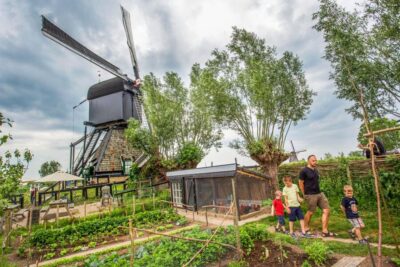
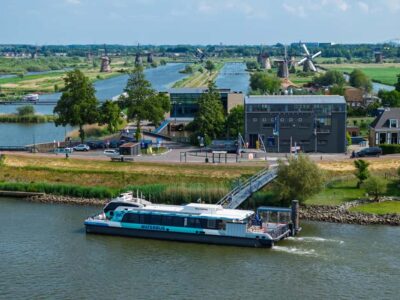
Kinderdijk UNESCO World Heritage Entry Ticket
Read our review →
Browse the lists this tour appears in