
Reviewed · VAN GOGH & DUTCH MASTERS MUSEUMS
Rijksmuseum Guided Tour, private local Dutch guide
Skip the lines, see the art with focus. A private guided Rijksmuseum visit with local Dutch guide Anna keeps your party together, beats the crowd crush, and lets you tailor the route with customizable art history stops. You go in with a plan, but it still feels personal.
I love that the tour doesn’t just point at famous paintings. It starts with the museum itself and then moves through key themes like Dutch Renaissance art, the Protestant Reformation, and the Eighty Years War, so works by Rembrandt and Vermeer land with more meaning. Anna’s art history background shows in how she connects objects to what you are looking at, and you spend real time with major pieces.
One thing to consider: at about two hours, you will see big highlights, but you cannot expect to cover every room. Also, bottled water is not included, so it is smart to bring a small bottle or plan to grab one nearby.
In This Review
- Key highlights at a glance
- Private Rijksmuseum, not a conveyor belt
- Meeting at Cobra Café and entering via the downstairs atrium
- Outside first, then inside: what Pierre Cuypers adds
- Dutch Renaissance painting and sculpture, then Reformation-era artifacts
- Rembrandt’s big scenes: The Night Watch and the people behind it
- Vermeer selections: The Milkmaid, Love Letter, and the power of small scenes
- The Great Hall: Cuypers’ vision and the artisans behind it
- Price and value: what $150.18 buys you in real terms
- Who should book this Rijksmuseum private tour
- Should you book this Rijksmuseum private tour with Anna?
- FAQ
- How long is the Rijksmuseum guided tour?
- What is the price per person?
- Is the tour private?
- Is it offered in English?
- Where do I meet the guide?
- Is the cloaking room included?
- Is bottled water provided?
- What is the cancellation policy?
Key highlights at a glance
- Private, just your party so the pace stays comfortable
- Anna’s art history background with clear explanations and great pacing
- Start outside and build context with the museum and Pierre Cuypers
- Rembrandt and Vermeer focus on the works most people came to see
- Dutch history themes included through Reformation and Eighty Years War artifacts
- Museum tickets and cloakroom included so you start the tour ready
Private Rijksmuseum, not a conveyor belt
The best part of a private Rijksmuseum tour is simple: you are not doing art in a rush. With your own guide, you can slow down for the moments that grab you and speed past what does not. It is also a strong option if you care about craft and context, not only selfies in front of the classics.
Because this is tailored to your interests, you can steer the balance. Want more painting analysis? You can lean that way. More architecture and symbolism? You can do that too. It also helps that the tour runs in English, so you avoid the awkward guessing game that sometimes happens in museums when your group language is mixed.
If you are visiting with teens or kids, this kind of guided flow matters. One of the nicest lessons from seeing families succeed at this museum is that a guide can keep everyone engaged. Anna’s tone, humor, and pacing are built for getting non-art fans to pay attention too, not by forcing it, but by making the connections feel human.
More Private Tours in Amsterdam
Meeting at Cobra Café and entering via the downstairs atrium
You start at Cobra Café, Hobbemastraat 18, 1071 ZB Amsterdam. The goal here is easy, get everyone together in a calm spot before you step into the Rijksmuseum. Then you end up inside, with the tour concluding at the museum entrance area, specifically in the downstairs atrium.
A couple practical notes help you avoid small stress:
- The tour includes a cloakroom, which is a big deal in a museum this size if you have a jacket, bag, or layers.
- It is near public transportation, so you can usually reach it without a major planning headache.
- Portable stools are available, which can be useful if you need to sit for a work that rewards looking longer.
- Service animals are allowed, so you can plan confidently if you rely on one.
Also, if you are traveling with young children, plan for the stroller rule. Young children must be seated in a stroller during the tour, so bring one that works well for indoor paths and stops.
Outside first, then inside: what Pierre Cuypers adds
A smart guide starts with where you are before jumping to what you came for. This tour begins with an outside discussion of the Rijksmuseum building. You learn about the iconic structure, the historical setting it was built in, and the vision of its architect, Pierre Cuypers.
That “outside first” approach pays off once you are indoors. You start noticing design choices as intentional, not random. The building stops being a backdrop and becomes part of the story of how Dutch identity was shaped and presented through art and public institutions.
After that, you go in and handle the practical basics: museum entrance and cloakroom. You also get an introduction to the collection and the tour itinerary, which is helpful if you do not know where to start. Without that orientation, the Rijksmuseum can feel endless, even if you already bought tickets.
Dutch Renaissance painting and sculpture, then Reformation-era artifacts
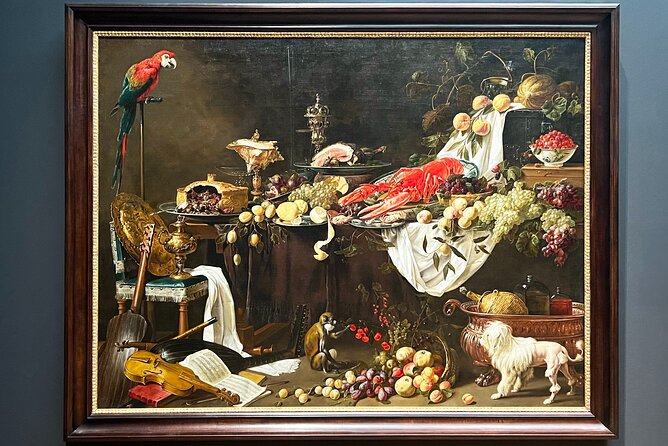
Once the tour is underway, it moves into Dutch Renaissance painting and sculpture. This is a good entry point because it sets up how Dutch artists and patrons were thinking about realism, storytelling, and the social world. Even if your art taste runs straight to Rembrandt and Vermeer, understanding the surrounding movements helps you see what was changing.
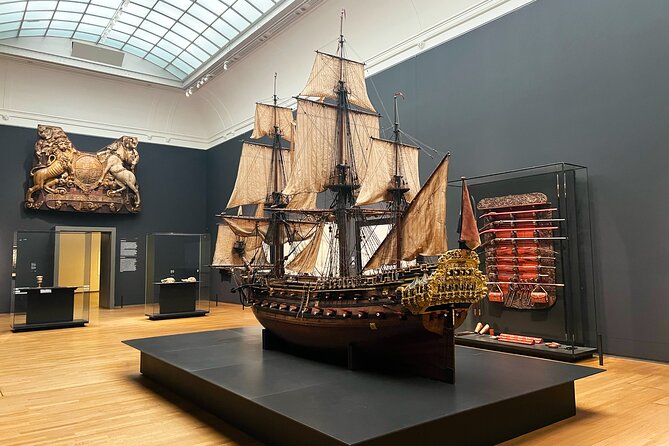
Then you shift into historical artifacts connected to the Protestant Reformation and the Eighty Years War. This is one of the more distinctive parts of the plan. It does not just say these events happened. It gives you physical context items that support why religious and political pressure mattered for what people commissioned and what ended up on display.
If you like art that feels political or personal, this section can be a real eye-opener. You start seeing how culture and belief systems influence visual choices. Even if the connection is not obvious at first glance, Anna’s explanations help you build the bridge from artifact to artwork.
Rembrandt’s big scenes: The Night Watch and the people behind it
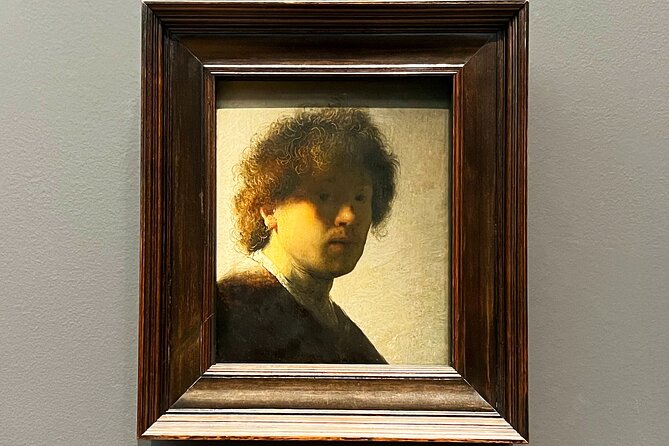
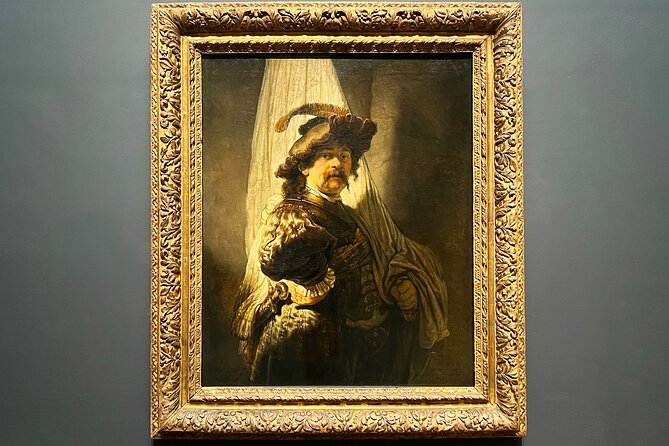
Rembrandt is the star act here, and the tour makes sure you hit the major works that represent different sides of his genius. You spend time with The Night Watch plus several other key paintings, including The Standard Bearer, Self-portrait as the Apostle Paul, Syndics of the Draper’s Guild, and The Jewish Bride.
Here is what makes this section work for most people: it balances spectacle with meaning. The Night Watch is famous for its drama and movement, but a guided look helps you focus on what the scene is doing and why it matters in a group portrait context. Then you can compare the different roles Rembrandt explores in the other works, from identity and devotion to civic life and social status.
Anna’s pacing also matters. Instead of trying to cram facts, the focus is on what to notice while you are in front of each painting. That is how you leave feeling like you saw art, not like you memorized trivia.
One practical tip for you in this kind of Rembrandt cluster: give yourself a few extra seconds before you start reading anything. Let your eyes settle first. Then let the guide’s points sharpen what you already noticed.
More canvases by the Dutch masters:
- Amsterdam: Van Gogh Museum Ticket
★ 4.7 · 52,054 reviews - Amsterdam: Rijksmuseum Entry Ticket
★ 4.7 · 29,512 reviews - Amsterdam: Van Gogh Museum Ticket and City Canal Cruise
★ 4.6 · 3,899 reviews - Amsterdam: Van Gogh Museum Ticket & Canal Cruise
★ 4.5 · 3,304 reviews
Vermeer selections: The Milkmaid, Love Letter, and the power of small scenes
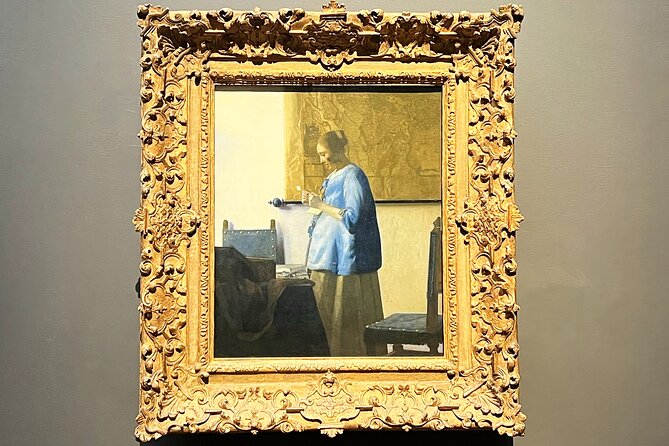
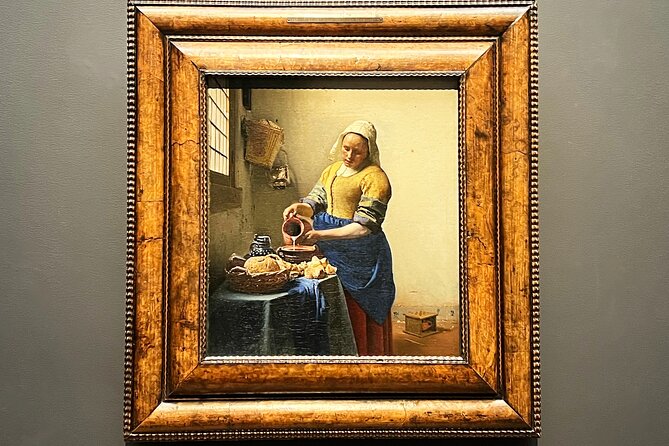
After Rembrandt, the tour shifts into Vermeer, and this is where the experience feels like a change of atmosphere. You look at The Milkmaid, The Love Letter, Woman Reading a Letter, and The Little Street. Vermeer can be the easy win for anyone who thinks Dutch art has to be loud to be interesting.
What you learn that helps: these works are small, but they are not simple. Anna’s explanations steer you toward why everyday subjects carry emotional weight. With the letter scenes, for example, you start noticing how mood and timing matter. With The Milkmaid, you notice how the body in work becomes a kind of calm statement. With The Little Street, you begin to see how architecture and light shape the story without dramatic action.
This is also a great part for families. If someone thinks museum art will be boring, Vermeer often flips that expectation because the scenes feel relatable and quiet. The guide’s humor and steady pace help everyone stay with it.
If you tend to get tired in big museums, Vermeer is a good “reset.” It is still art history, but the looking experience feels slower and more personal.
The Great Hall: Cuypers’ vision and the artisans behind it
The Rijksmuseum’s Great Hall is not just a place to pass through. In this tour, it becomes a structured stop with explanation. You learn about the architect’s vision for the space and then you marvel at the craftsmanship of the artisans involved.
This is where the tour ties back to the beginning. You started with Pierre Cuypers from the outside, and now you see how that idea becomes a real interior experience. The guide helps you understand why the hall feels monumental and how the design supports the museum’s role as a national showcase.
Even if you already know the museum is famous, standing in the Great Hall with context is different. It gives you a sense of why the building is treated like part of the collection experience, not only a container for it.
And then, just like that, you end the tour. You do not get left wandering with no plan. You finish with your highlights connected, with themes that make the visit feel coherent.
Price and value: what $150.18 buys you in real terms
At $150.18 per person for about two hours, this is not a budget museum strategy. But it can be good value if you care about understanding the art, not only seeing it.
Here is what you actually get for that price:
- Museum tickets included
- Cloakroom included
- A private local Dutch guide in English
- A route built around your art history interests
So the cost is not just “someone talking.” You are paying for time with a person who can prioritize, explain, and keep the flow right for your party. When you compare that to buying tickets and then trying to self-navigate across dozens of rooms, the guided portion can feel like the difference between collecting images and leaving with real takeaways.
One more smart point: this tour is commonly booked about 71 days in advance on average. That tells you to plan ahead if you want specific timing, especially during peak season.
Also, a small “watch out” for value: bottled water is not included. It is a minor cost, but it can matter if you are visiting on a hot day or you plan to spend the rest of your afternoon walking around.
Who should book this Rijksmuseum private tour
This tour is a great match if you are one of these people:
- An art lover who wants Rembrandt and Vermeer highlights with meaningful context
- Someone who likes museums best when you get explanation for what you are seeing
- A family that wants kids engaged without turning the visit into chaos
- A visitor with limited time who still wants a guided plan, not a random stroll
It is also ideal if you prefer privacy. Private tours mean you can ask quick questions and adjust pace without worrying about a larger group’s timing.
The only clear mismatch is if your goal is to spend half a day slowly roaming every room with no structure. At two hours, you are getting a strong hits-and-threads experience, not a full museum marathon.
Should you book this Rijksmuseum private tour with Anna?
If your top goal is to beat the crowds, focus on the museum’s core Dutch masterpieces, and understand how the building and historical context connect to what you see, then this is a smart booking. The combination of a private guide, museum tickets, a cloakroom setup, and a plan that can adapt to your interests is exactly what you want when time is limited.
I would book it if you want your visit to feel organized, not rushed. I would also book it if you want a guide who can handle mixed interest levels in your group, including younger visitors, while still keeping the art front and center.
Skip it only if you want to wander for hours and pick your own route without any guided structure, or if your schedule makes a two-hour commitment hard. And do yourself a favor, bring water since bottled water is not part of the package.
FAQ
How long is the Rijksmuseum guided tour?
It lasts about 2 hours.
What is the price per person?
The price is $150.18 per person.
Is the tour private?
Yes, it is private, and only your group participates.
Is it offered in English?
Yes, it is offered in English.
Where do I meet the guide?
You meet at Cobra Café, Hobbemastraat 18, 1071 ZB Amsterdam.
Is the cloaking room included?
Yes. Museum tickets and the cloakroom are included.
Is bottled water provided?
No. Bottled water is not included.
What is the cancellation policy?
You can cancel for a full refund up to 24 hours before the experience starts.
Latest to arrive along the quays of Amsterdam



Van Gogh & Dutch Masters Museums, compared.


Van Gogh Museum Amsterdam Exclusive Tour w/ Reserved Entry
Read our review →Browse the lists this tour appears in