
Reviewed · VAN GOGH & DUTCH MASTERS MUSEUMS
Rijksmuseum & Amsterdam City Center Semi-Private Tour 12ppl Max
One museum, then straight into old Amsterdam. I like that this is semi-private (max 8), so your guide can actually help you connect the dots, not just herd you forward, and you also get guaranteed Rijksmuseum entry so you can spend your time looking. The main catch is simple: it is a 5.5 hour day on your feet, with lots of quick outdoor stops after lunch, so good shoes matter.
You’ll start at 10:00 am, move through the Rijksmuseum with a guided focus on Dutch art and context, then take a walking route across the medieval city core. After the tour finishes, your Rijksmuseum ticket is valid all day, which is handy if you want extra time on your favorite wings.
In This Review
- Key reasons this tour works so well
- Skip-the-Line Rijksmuseum Entry, Plus a Guide Who Keeps It Human
- Bag rules inside the Rijksmuseum
- When the museum has a delay
- Semi-Private Pace: Why Max 8 People Feels Like More Than a Number
- Rain or shine, but plan for real walking
- After the Museum: A Guided Walk That Builds Your Bearings Fast
- Stop by Stop: What You’ll See in Amsterdam City Center
- St. Nicholas Basilica, Roman Catholic comeback story
- Weeping Tower, the legend of departures
- Zeedijk and Amsterdam’s Chinatown corridor
- Nieuwmarkt, trading and meeting since the 1600s
- De Waag, a 15th-century building with multiple jobs
- Trippenhuis and Klein Trippenhuis, wealthy houses shaped by space
- Oost-Indisch Huis, the Dutch East India Company HQ courtyard
- Zuiderkerk, a Protestant landmark
- Pass by Rembrandt’s home, then on to major civic buildings
- Canal-house oddities: three directions, then a whole courtyard world
- Dam Square and the big civic stage
- Herengracht, the Golden Bend and its money-line
- Anne Frank House area, then the Westerkerk tower reference
- Ornate façades at Bloemgracht, then two hofjes to close the loop
- Papeneiland, finish on a pretty canal corner
- Lunch Break: How to Plan a Meal Slot Without Losing the Day
- Value Check: What You’re Paying For at $286.56
- Who Should Book This Rijksmuseum and City Center Tour
- Should You Book This Tour?
- FAQ
- What time does the tour start?
- How long is the tour?
- How big is the group?
- Is lunch included?
- Is entry to the Rijksmuseum included?
- Is the tour good for people with mobility issues?
Key reasons this tour works so well
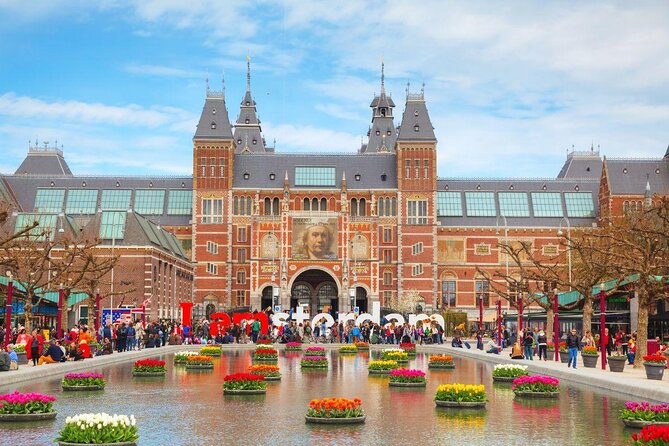
- Max 8 people, real guide attention: less waiting, more answering.
- Rijksmuseum access is handled for you: you skip the usual line pressure.
- Guided museum story, not just room names: Dutch art, Dutch daily life, and a standout library.
- A fast city orientation after lunch: bridges, gates, churches, canal houses, and hofjes in one flow.
- Ticket flexibility: once you’re in, you can go back later the same day.
Skip-the-Line Rijksmuseum Entry, Plus a Guide Who Keeps It Human
The day centers on the Rijksmuseum, which is often framed like a grand art showdown. On this tour, it feels more like a guided route through Dutch life across centuries, with the museum’s scale made manageable by a structured plan.
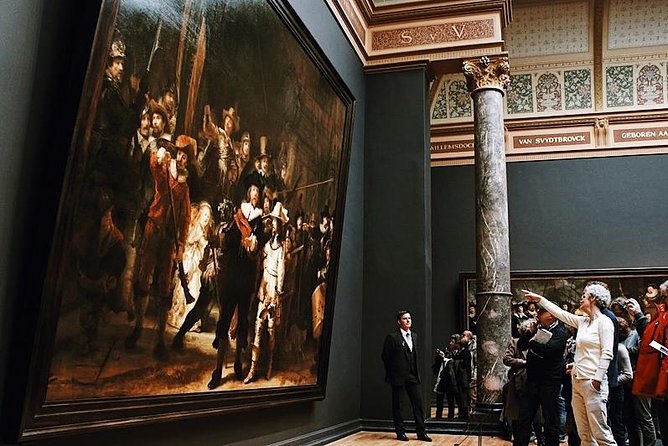
You start outside at 10:00 am, then head inside to avoid the time sink of the busy entry lines. Expect a guided introduction to highlights across the museum’s massive collection, with a focus on Dutch masters you actually recognize. The guide points you toward big names like Rembrandt and Vermeer, including Vermeer’s domestic scene, The Milkmaid. That matters because you do not just see a famous painting on a wall, you get enough context to understand why it looks the way it does and what it signals about the era.
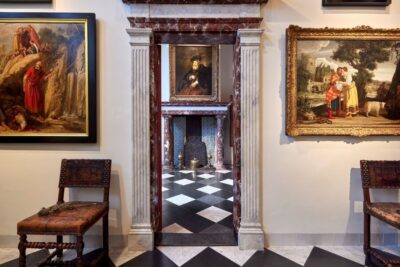
One of the best parts is the stop at the 19th-century library. Most museum tours race past these “side” spaces. Here, it becomes part of the story of Dutch culture and learning, with a collection that includes both Dutch and international literature. If you like moments where the museum slows down, this is one.
Practical heads-up: some rooms have quiet or restricted speaking rules. The guide will tell you before you step into those areas, so you do not feel awkward or self-conscious.
More Private Tours in Amsterdam

Bag rules inside the Rijksmuseum
Security is strict at the museum. Plan for no large bags or suitcases inside, only handbags or small, thin day packs. If you show up with a big bag, you may waste time figuring out what to do next. I suggest traveling with a compact crossbody or sling so you can move without stress.
When the museum has a delay
Rijksmuseum openings can sometimes shift without warning. If the museum delay is more than 1 hour from the tour start, the operator says you will get an appropriate alternative. Refunds or discounts are not provided in those delay cases. On busy travel days, I treat that as a reason to wear your patience like a seatbelt.
Semi-Private Pace: Why Max 8 People Feels Like More Than a Number
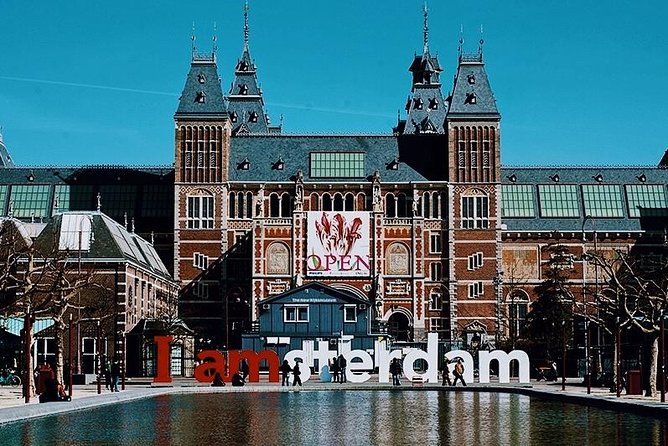
The tour is labeled semi-private, with a cap of 8 people max. That changes the vibe fast. In a big-group situation, the guide has to speak louder, point faster, and stop answering questions. Here, the guide can slow down just enough for you to ask follow-ups.
This matters most at the Rijksmuseum. The museum can overwhelm even if you love art. With a small group, the guide can steer you toward the “I get it now” moments, like how everyday life and cultural values show up in Dutch painting and objects, including smaller curiosities such as 17th-century dollhouses. You come away with more than a checklist.
If you end up with a guide like Diana, she has been described as excellent and accommodating, with an in-depth Rijksmuseum experience followed by a landmark-heavy walking route. That kind of pacing helps the day feel structured rather than scattered.
Rain or shine, but plan for real walking
The tour runs rain or shine, which is great for reliability. But it also means cobblestones and slick streets can turn into a slip-and-slide. Bring a waterproof layer and non-slip shoes, especially if you tend to get cold or wet quickly.
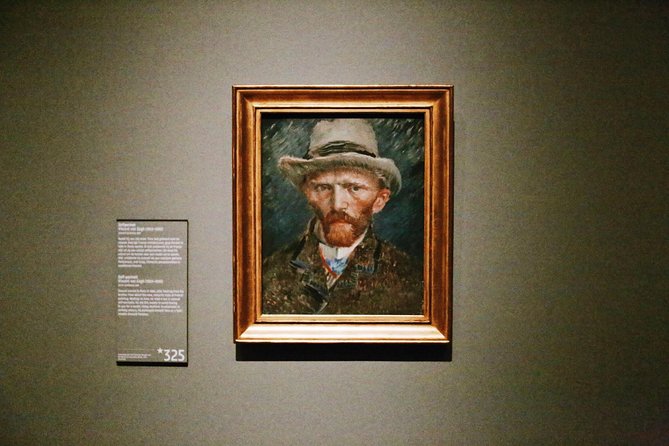
More canvases by the Dutch masters:
- Amsterdam: Van Gogh Museum Ticket
★ 4.7 · 52,054 reviews - Amsterdam: Rijksmuseum Entry Ticket
★ 4.7 · 29,512 reviews - Amsterdam: Van Gogh Museum Ticket and City Canal Cruise
★ 4.6 · 3,899 reviews - Amsterdam: Van Gogh Museum Ticket & Canal Cruise
★ 4.5 · 3,304 reviews
After the Museum: A Guided Walk That Builds Your Bearings Fast
Lunch is your own expense, and then you shift into the historical walking portion. The tour is built around multiple short stops, so you get breadth quickly. Each stop is usually around 5 to 10 minutes, with more time spent where the guide thinks you’ll benefit from context.
This is where the semi-private size really shows. In a larger crowd, outdoor stops become photo-and-go. With fewer people, you get a chance to hear why these specific buildings and corners mattered, even if the stop itself is brief.
Important physical note: this is not recommended for walking disabilities or wheelchair use. The route includes walking on historic streets, including cobblestones, plus you are on your feet through the day.
Stop by Stop: What You’ll See in Amsterdam City Center
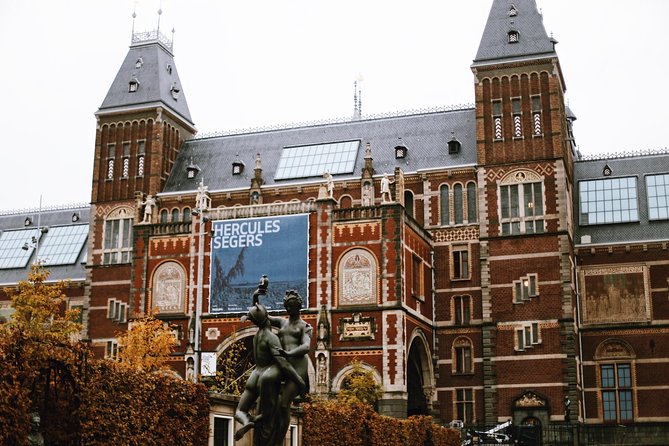
St. Nicholas Basilica, Roman Catholic comeback story
You start the city walk at St. Nicholas Basilica, Amsterdam’s primary Roman Catholic church. The highlight here is not only the architecture, but the timing. The building dates to the late 19th century, when Roman Catholics could once again practice publicly after centuries of prohibition. The church blends architectural styles and artistic movements, which gives you a good reminder that Amsterdam’s religious story is tied to laws and social change, not just buildings.
Weeping Tower, the legend of departures
Next is the Schreierstoren, often called the Tower of Tears or Weeper’s Tower. The key story is belief-based: it is linked to the idea that women would weep there as their husbands left for war or for fishing. Even if you treat it as folklore, it is a great example of how Amsterdam names places after emotions and daily life, not just events.
Zeedijk and Amsterdam’s Chinatown corridor
Then you walk toward Zeedijk, a street known for Asian markets, restaurants, and shops. You’ll also see the Zeedijk Buddhist temple, described as the largest Chinese style Buddhist temple in Europe. This stop adds texture to the city center, showing how modern Amsterdam overlays older urban fabric.
Nieuwmarkt, trading and meeting since the 1600s
At Nieuwmarkt, you get a classic old-center mix: a market square that has served as a commerce and social hub since the 17th century. The route notes that being inside the old city gate made it convenient for traders and shoppers. It is a good stop for soaking up the “Amsterdam is always moving” energy, even when your walk schedule is tight.
De Waag, a 15th-century building with multiple jobs
Near Nieuwmarkt, you see De Waag, a 15th-century structure that is one of Amsterdam’s oldest remaining non-religious buildings. It originally functioned as a city gate and part of the walls. Later, it served as a guildhall, museum, and even a firestation. This is one of those buildings that shows how Dutch cities repurpose infrastructure when needs change.
Trippenhuis and Klein Trippenhuis, wealthy houses shaped by space
You’ll spot the Trippenhuis and the smaller Klein Trippenhuis nearby. The Trippenhuis is described as Amsterdam’s widest house, spanning about 22 meters. Across from it, the Klein Trippenhuis is among the narrowest houses in Amsterdam. That contrast is visually memorable.
The next narrow-house mention ties to taxes. The route explains that land taxes once encouraged taller, narrow architecture. If you like when city planning and economics show up in daily streets, this section delivers.
Oost-Indisch Huis, the Dutch East India Company HQ courtyard
At the Oost-Indisch Huis, you step into the courtyard linked to the Dutch East India Company’s headquarters. The stop frames it as the birthplace of the world’s first multinational corporation. Whether you approach that statement with awe or caution, it is still a powerful reminder that Amsterdam’s global influence had a corporate engine behind it.
Zuiderkerk, a Protestant landmark
You then reach Zuiderkerk, Amsterdam’s first purpose-built Protestant church, designed by Hendrick de Keyser. Its tower is highlighted as one of the city’s defining landmarks. Even from the outside, it gives you a reference point as you move across the dense city blocks.
Pass by Rembrandt’s home, then on to major civic buildings
You pass Museum Het Rembrandthuis, Rembrandt’s house and art museum. The guide’s framing here includes the dates he lived and worked in the building: 1639 to 1656. The museum’s collection includes Rembrandt’s etchings and works by his contemporaries. The stop is short, but it is a strong anchor if Rembrandt is on your list.
Then the route points you toward the Stopera complex, which houses both the city hall and the Dutch National Opera and Ballet. Construction took at least 60 years. It is a useful contrast to older medieval and Golden Age structures, showing how long-term civic projects shape the modern city skyline.
Canal-house oddities: three directions, then a whole courtyard world
You’ll see Huis Aan De Drie Grachten, a rare 17th-century canal house placed at the junction of three canals, with façades facing three directions. It is quick, but it makes a clear point: Amsterdam canal architecture can be playful and practical at the same time.
Next is Begijnhof, one of the oldest hofjes, or almshouses in Amsterdam. The key detail is the Beguines, unmarried women who lived together under vows of chastity. Today, you still get the courtyard-and-houses feel, plus two churches. This stop is a mental reset, a calmer pocket inside a city that usually moves fast.
Dam Square and the big civic stage
You finish this middle stretch with Dam Square, one of Amsterdam’s best-known locations. The route specifically calls out the Royal Palace, the New Church, and the National Monument. It is where your walk starts to feel like you’re orbiting the national story rather than just the neighborhood story.
Herengracht, the Golden Bend and its money-line
On Herengracht, you admire the Golden Bend, lined with ornate canal mansions from the Dutch Golden Age. This is less about one building and more about a whole street picture: wealth, canal engineering, and power all in one long view.
Anne Frank House area, then the Westerkerk tower reference
The route continues by the Anne Frank House, with a pause outside the building where she hid during WWII. Next door you’ll see the Westerkerk, highlighted as having the tallest church tower in Amsterdam. This is a heavier emotional stop in the middle of a sightseeing day, so I recommend you treat it as a moment to slow down internally, even if the schedule doesn’t pause.
Ornate façades at Bloemgracht, then two hofjes to close the loop
You look up at De Drie Hendricken aan de Bloemgracht 87-91, where gable stones are carved with allegories and trade emblems. It is a good reminder that Amsterdam’s stories are often written on stone details, not just in museum halls.
Then you visit Karthuizerhof BA, described as the largest hofje in Amsterdam, built as almshouses around a tranquil courtyard for the city’s poor and elderly. After that, you see Noorderkerk, a 17th-century Protestant church in the Jordaan district with a cross-shaped floor plan tied to Reformation worship ideals.
Papeneiland, finish on a pretty canal corner
The walk ends at The Papeneiland, one of the prettiest canal corners. The route points out Het Papeneiland, a brown café said to date to 1642, and it is credited with serving the best apple pie in town. Even if you do not plan to sit down, ending here gives you an easy “reward moment” before you head back to your day.
Lunch Break: How to Plan a Meal Slot Without Losing the Day
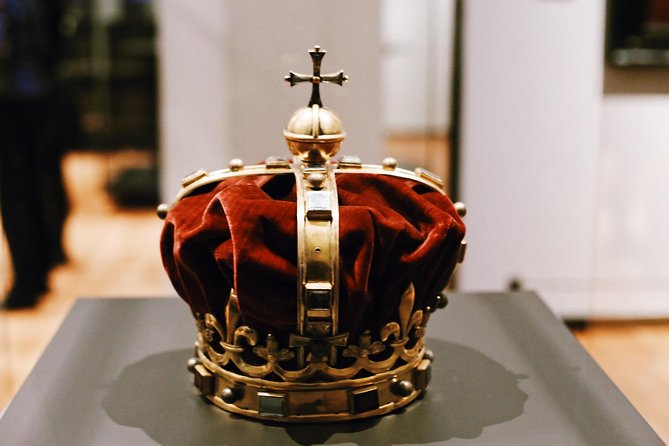
Lunch is included only as a break window, not a meal. That means you should plan for your own choice of food near where your route is headed. Since the walking portion is built from short stops, you will want something you can eat quickly without turning lunch into a long detour.
If you get cold, consider grabbing a warm drink with your meal so you do not end up with that mid-afternoon shiver when the walking picks up.
Value Check: What You’re Paying For at $286.56
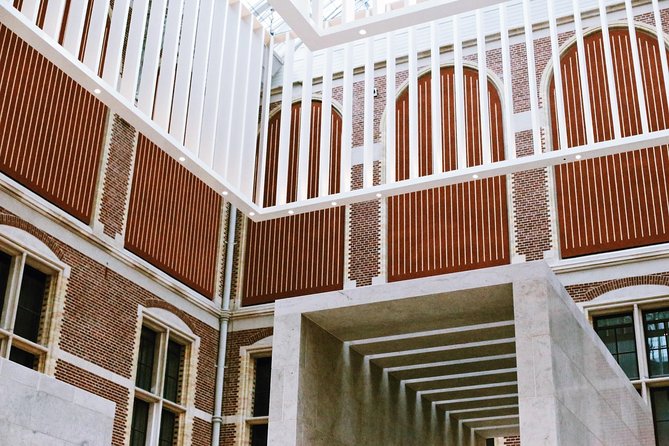
At $286.56 per person, the price is not a bargain. It is more like a “buy your time and clarity” fee.
Here is where the value comes from:
- Rijksmuseum access is built in, and the tour describes prebooking as guaranteeing entry to a popular museum.
- All entrance fees are included, and many city stops are outside quick looks, so you avoid extra ticket friction.
- Semi-private means max 8, and that usually translates to better pacing at the museum, not just a crowded outdoor stampede.
- You get a guided orientation of Amsterdam’s major landmarks in one half-day block, plus the option to return to the Rijksmuseum later since your ticket is valid all day.
Where the value might not fit:
- If you want long, detailed time inside multiple museums, this tour is structured for breadth and orientation. The walking stops after lunch are short by design.
- Lunch is on you, so you should budget for that extra cost.
- You need moderate physical fitness for the walking day.
In other words, this is a smart buy when you want a guided “first pass” through the city plus a focused introduction to the Rijksmuseum, without losing hours to lines and logistics.
Who Should Book This Rijksmuseum and City Center Tour
This is a strong fit if:
- It is your first time in Amsterdam and you want your bearings fast.
- You care about Dutch art and want help connecting Rembrandt and Vermeer to the broader culture.
- You prefer small group energy over big bus-group chaos.
- You like a mix of major highlights and small detail moments, like dollhouses and carved gable stones.
Skip it or choose a different format if:
- You use a wheelchair or have limited mobility. The walking route is not recommended for accessibility needs.
- You dislike cobblestones or prefer lots of quiet, unhurried time in one place.
Should You Book This Tour?

I think you should book it if your ideal day is: start with the Rijksmuseum with guided structure, then walk off your museum time while someone connects landmark dots for you, and finish in a spot that makes it easy to keep exploring on your own.
Just be honest about the trade: you are getting a guided overview, not a slow, deep museum marathon. If that sounds like your style, this semi-private setup is a practical way to spend a half-day in Amsterdam, with entry handled and a ticket you can use again later.
FAQ
What time does the tour start?
It starts at 10:00 am.
How long is the tour?
The duration is about 5 hours 30 minutes, including a lunch break.
How big is the group?
The tour is semi-private and allows a maximum of 8 travelers.
Is lunch included?
Lunch is not included, so you purchase it on your own.
Is entry to the Rijksmuseum included?
Yes. Rijksmuseum admission is included, and prebooking is described as guaranteeing entry.
Is the tour good for people with mobility issues?
It is not recommended for those with walking disabilities or using a wheelchair.
Latest to arrive along the quays of Amsterdam




Van Gogh & Dutch Masters Museums, compared.




Van Gogh Museum Amsterdam Exclusive Tour w/ Reserved Entry
Read our review →Browse the lists this tour appears in