
Reviewed · VAN GOGH & DUTCH MASTERS MUSEUMS
Rijksmuseum & Amsterdam City Center – Exclusive Guided Tour
Amsterdam rewards slow walking with big stories. This private half-day pairs a guided Rijksmuseum visit with an on-foot city center route so the art you see actually makes sense in the streets you’ll walk afterward. You get a tight overview of Dutch history through the museum’s highlights, then you move to landmarks like Amstel canals, hofjes, and iconic bridges at a pace that makes photos realistic.
Two things I really like: first, the museum guide focus on recognizable Dutch masters like Rembrandt and Vermeer, while still adding smart context from lesser-seen objects. Second, the walk is structured like a guided lesson, not just a sightseeing march, so you come away with clear mental maps of Amsterdam’s historic center.
One consideration: this is a lot to pack into about 5.5 hours on mostly walking routes and cobblestones, and you’ll want to handle rain, crowds, and museum security rules without getting stressed.
In This Review
- Key highlights worth your time
- Entering the day: Cobra Café to a Rijksmuseum start
- Rijksmuseum: turning Dutch art into real place knowledge
- Museum practicalities that matter
- Who this art portion is best for
- After lunch: how the walk turns pictures into a mental map
- From St. Nicholas Basilica to Zeedijk: city layers in walking distance
- Nieuwmarkt, the Waag, and trading-city clues you can still see
- Trippenhuis and the Dutch East India Company story
- Churches, civic buildings, and the Stopera landmark
- Canal houses, hofjes, and where Amsterdam feels quietly human
- Gable stones, the largest hofje, and ending at Papeneiland
- Private guide quality, and why the storytelling is the real product
- Price and value: does $287.18 per person make sense?
- What I’d do to prepare (so the tour feels easy)
- Should you book this Rijksmuseum and Amsterdam city center tour?
- FAQ
- What time does the tour start and where does it end?
- How long is the experience?
- Is lunch included?
- Are entrance fees included?
- What should I know about the Rijksmuseum on the day?
- Is the tour private?
Key highlights worth your time
- Rijksmuseum first, Amsterdam second, so the city answers the art
- A truly private guide for your group, with the flexibility to pause for photos
- Admissions included, so you avoid last-minute ticket juggling for the key stops
- A hit-list of canal-era landmarks, from gates and churches to Golden Bend mansions
- Weather-proof planning, since the tour runs rain or shine
Entering the day: Cobra Café to a Rijksmuseum start
Your tour starts at Cobra Café, Hobbemastraat 18, 1071 ZB Amsterdam, at 10:00 am, and it ends at Het Papeneiland, Prinsengracht 2, 1015 DV Amsterdam. That end point matters, because it’s right by a pretty canal corner, perfect for one last look before you grab a drink or head back to your hotel.
Plan your morning so you arrive a few minutes early. The format is smooth when you do. You meet your dedicated guide at the museum, then the day moves in two phases: an art phase, then a walking-history phase. If you’re the type who likes to understand what you’re seeing, this structure is exactly the payoff.
Also note the “private” part is real here. It’s not a shared bus tour. You’re in your own group, guided together, with your guide doing the storytelling. On days when a power outage or other disruption happens, the difference shows in how the guide keeps control of the experience and still gets you to the core highlights.
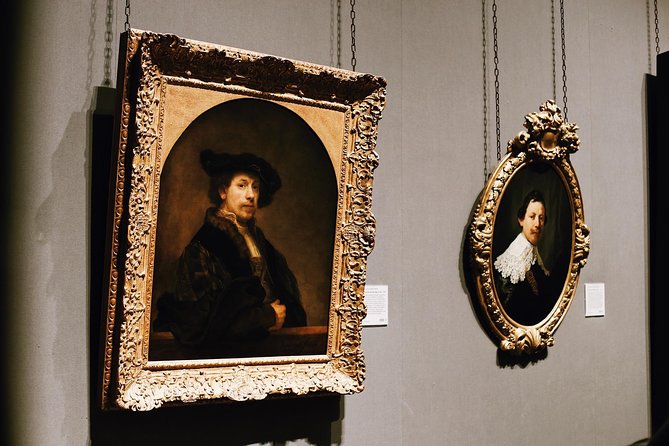
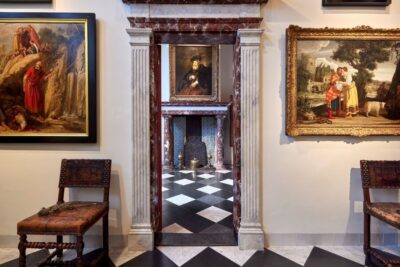
More canvases by the Dutch masters:



Rijksmuseum: turning Dutch art into real place knowledge
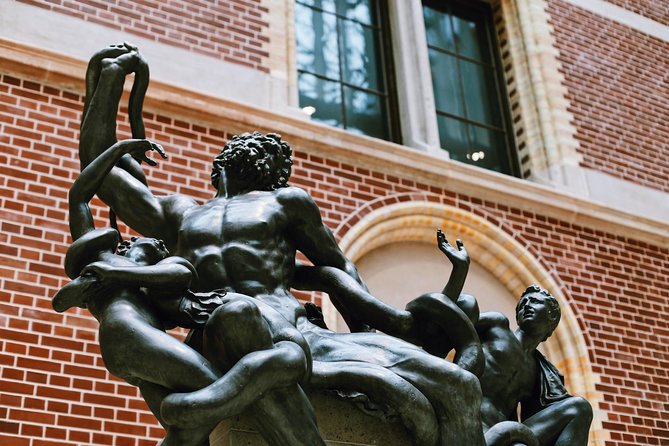
The Rijksmuseum stop is where the tour earns its name. You’re not just standing in front of masterpieces and hoping it clicks. Your guide is there to help you place Dutch culture in time, and to point you toward the museum rooms where the story feels complete.
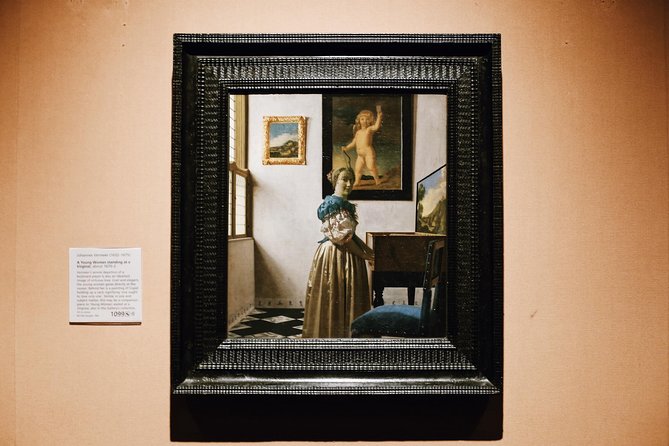
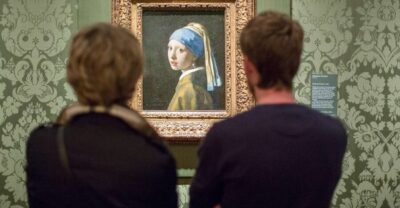
What I’d focus on in the Rijksmuseum portion is the way the guide connects famous names to specific objects. You’ll see major Rembrandt works, plus you’ll get time with Vermeer highlights like The Milkmaid. Even if you think you know these artists already, the guide tends to explain what makes them land in Dutch life, not just in art history.
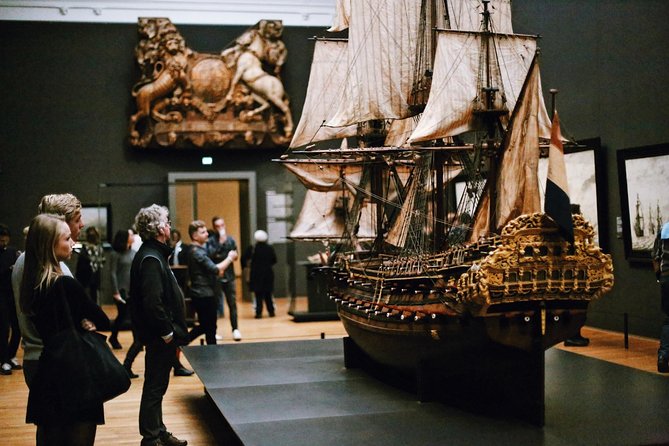
You’ll also learn from the museum’s broad collection, which includes about 8,000 objects. That number can sound overwhelming. The tour approach makes it manageable by picking the moments that anchor the bigger themes. One standout is the presence of smaller, unexpected pieces like 17th-century dollhouses, which help you understand domestic life the way a painting can. Another is the museum’s 19th-century library, which gives you a sense of how knowledge itself became a display over time.
Museum practicalities that matter
Rijksmuseum security rules can catch you off guard if you show up unprepared. Bring only what you need, because no large bags or suitcases are allowed. The museum expects handbags or small thin bag packs through security. If you’re traveling with a big day bag, consider swapping to something smaller before you leave your hotel.
Inside the museum, some rooms are quiet or have restricted speaking rules. Your guide will let you know before you enter those areas, which helps you avoid accidental noise. It’s a small thing, but it keeps the tour moving smoothly.
Finally, the museum can have occasional closures. If the Rijksmuseum doesn’t open on time by more than 1 hour from the tour start, you’ll be offered an appropriate alternative, but refunds or discounts aren’t provided in those cases.
Who this art portion is best for
This museum time is ideal if you want:
- the big hits, without feeling like you’re sprinting
- an explanation that connects artists to Dutch life
- a guide who keeps you focused on the most meaningful rooms
If you’re the kind of visitor who prefers pure wandering with zero structure, you might find the guided pacing limiting. But if you want your museum time to feel purposeful, it’s hard to beat.
After lunch: how the walk turns pictures into a mental map
Lunch is an own-expense break. That’s actually a good setup. You can grab something close to where you are, then come back with energy for the walking history stretch.
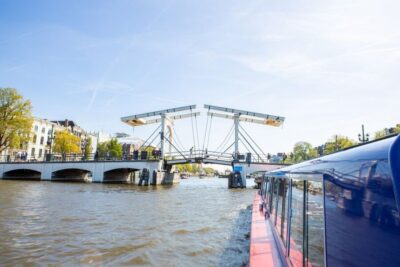
The walking portion is where Amsterdam stops being “a list of sights” and becomes a readable city. Your guide takes you along cobblestone streets and canal-facing corners, pointing out how Amsterdam’s layout shaped life. You’re guided past the Amstel River and along the canal world that makes the center feel like it was built for views, not just transport.
The trick is pacing. You’re not rushing as a crowd group. It’s paced so you can stop for photos. If you’ve struggled on tours where the guide speed-runs from one photo spot to the next, this one is built for an easier rhythm.
Also flying a pennant in Amsterdam
- Amsterdam: Heineken Experience Ticket including 2 Drinks
★ 4.6 · 36,014 reviews - Amsterdam Classic Saloon Boat Cruise with Drinks and Cheese
★ 5.0 · 31,825 reviews - Amsterdam Luxury Canal Cruise + Unlimited Drinks & Bites option
★ 5.0 · 30,518 reviews - Amsterdam: Classic Saloon Boat Cruise with Cheese & Wine
★ 4.6 · 27,035 reviews
From St. Nicholas Basilica to Zeedijk: city layers in walking distance
The route after the museum is packed, but it’s also themed. You move through religious architecture, medieval remnants, trade streets, and community spaces.
You start near St. Nicholas Basilica, a major Roman Catholic church built in the late 19th century. The key historical point your guide should highlight is the context: after centuries when Catholics couldn’t openly practice, this church was built when public faith was allowed again. Architecturally, it’s also described as a mix of styles and artistic movements, which makes it interesting even if you’re not a church person.
Next comes the Schreierstoren, often called the Tower of Tears or Weeper’s Tower. Even without going inside, it’s one of those “you only understand it if someone tells you” stops. The story is that women wept here when husbands left from the port for war or fishing. It’s a simple detail, but it changes how you read the tower in the skyline.
Then you hit Zeedijk, a street known for its Asian markets, restaurants, and shops. You’ll also pass the Zeedijk Buddhist temple, described as the largest Chinese-style Buddhist temple in Europe. This is a good reminder that Amsterdam’s history isn’t frozen in the 1600s. It keeps growing as new communities bring their own architecture and commerce.
Nieuwmarkt, the Waag, and trading-city clues you can still see
At Nieuwmarkt, you’re in a lively square that has served as a commerce and social hub since the 17th century. The location mattered, because it sits just inside an old city gate. That’s the kind of urban logic your guide will connect, so the square feels less random and more like a function of the city’s defenses and movement.
From there, you see De Waag, a 15th-century non-religious building. It started as part of Amsterdam’s city gate system, then served as a guildhall, museum, and firestation at different points in time. This stop is great because it shows how buildings evolved with the city, rather than being abandoned when needs changed.
If your travel style includes street-level history, you’ll love this part. You get the “why it was here” story, and it doesn’t require you to buy more tickets.
Trippenhuis and the Dutch East India Company story
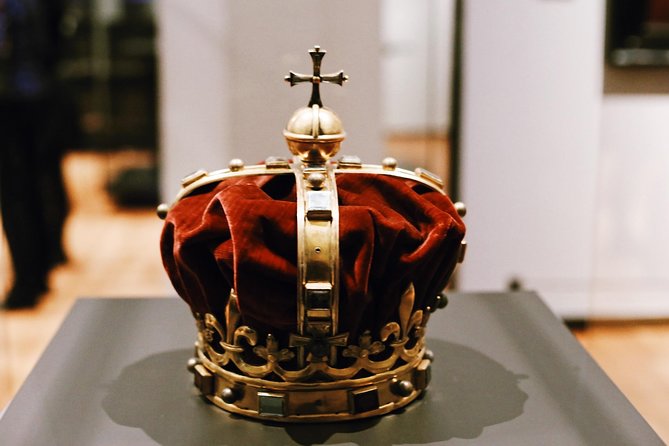
Then the walk shifts toward wealth and trade power.
You’ll see the Trippenhuis and the Klein Trippenhuis nearby. The Trippenhuis is described as Amsterdam’s widest house, spanning about 22 meters, while the Klein Trippenhuis is among the narrowest. That contrast helps you understand how Dutch land economics shaped architecture. Your guide will likely connect it to the idea that high land taxes encouraged tall, narrow design.
After that, there’s a stop connected to world trade: the Oost-Indisch Huis, the courtyard connected with the Dutch East India Company headquarters. It’s presented as the birthplace of the world’s first multinational corporation. Even if you don’t care about corporate history, it’s useful to see where commercial power sat geographically, in the same city that produced painters and merchant culture.
You get a lot of meaning from short time here, because each stop is a clue.
Churches, civic buildings, and the Stopera landmark
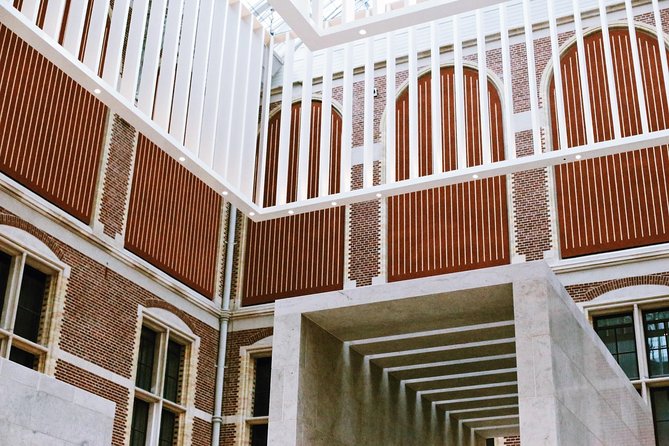
A classic Amsterdam mix follows: Protestant architecture, art passing-by moments, and a civic building that looks like it was designed for modern city life.
You’ll visit Zuiderkerk, Amsterdam’s first purpose-built Protestant church, designed by Hendrick de Keyser. The tower is a defining landmark, and your guide can help you read the church in the context of the Reformation era. It’s one of the stops that makes Amsterdam feel like two eras overlap, the art-rich world of the Golden Age and the religious reshaping that created new public spaces.
You’ll also pass Museum Het Rembrandthuis, which is Rembrandt’s house and art museum. It’s not presented as a full museum entry on this tour, but it’s a powerful visual anchor because it connects the museum you just toured to the person’s real working life between 1639 and 1656.
Then there’s Stopera, the building complex that houses both the city hall and the Dutch National Opera and Ballet. It’s described as a construction project that took at least 60 years, which gives the landmark real weight. This is one of those stops that reminds you Amsterdam doesn’t just preserve the past. It built big cultural institutions long after the canal-era wealth.
Canal houses, hofjes, and where Amsterdam feels quietly human
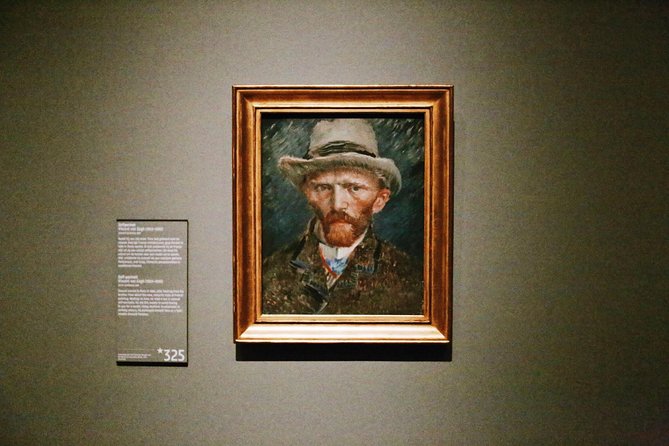
As you continue, the tour becomes more intimate. Less about big monuments, more about spaces where everyday life played out.
You’ll see Huis aan de Drie Grachten, a rare 17th-century canal house at the junction of three canals, with facades facing in three directions. It’s a quick look, but it’s the kind of architecture that makes you understand why Amsterdam’s canal scenery is so visually complex.
Then you visit Begijnhof, one of the oldest hofjes, or almshouse clusters. The Beguines lived there under vows of chastity, in a secluded courtyard setting that shaped daily life. Today, there are two churches on site. This stop tends to slow people down. Even on a structured tour, hofjes have a built-in pause button.
After that comes Dam Square, one of the most famous squares in the city. You’ll see major components like the Royal Place, New Church, and the National Monument. Dam Square is busy, but a guide helps you focus on the three key anchors so it doesn’t blur into one tourist crowd.
On Herengracht, you get the Golden Age “rich canal mansions” view, specifically called the Golden Bend. It’s a short stop, but it’s timed well so you can feel the sweep of the canal before you move on.
You’ll also pause outside the Anne Frank House. Next door is the Westerkerk, described as having the tallest church tower in Amsterdam. The emotional and historical gravity here is real, and keeping it as a short, respectful pause makes it fit the day without turning it into a forced visit.
Gable stones, the largest hofje, and ending at Papeneiland
The later stops lean into details you’d miss if you’re just scanning rooftops.
You’ll look up at ornate facades on De Drie Hendricken aan de Bloemgracht 87-91, decorated with gable stones featuring allegories and trade emblems. That’s an art-historian way to read the city. It’s also a fun challenge for you, since once you start looking up, you’ll see the same language repeated across Amsterdam’s architecture.
Then you visit Karthuizerhof, described as the largest hofje in Amsterdam. It was built as almshouses around a tranquil courtyard for the city’s poor and elderly. This is a strong closing theme, because it brings your day from grand art and commerce back to the spaces meant for care.
You’ll also see Noorderkerk, a 17th-century Protestant church built for the Jordaan district. The note that the floor plan is cross-shaped and reflects new Reformation worship ideals gives you a useful lens for what you’re looking at.
Finally, the tour ends at Het Papeneiland on Prinsengracht, one of the city’s prettiest canal corners. The site is associated with a brown café from 1642, and it’s said to serve the best apple pie in town. Ending here is smart because it lets you transition from guided learning to a relaxed Amsterdam moment with food and photos.
Private guide quality, and why the storytelling is the real product
When the guide is good, the tour feels like it’s clicking puzzle pieces. That’s the consistent strength across the experiences associated with this operator: guides named Jacopo, Victoria, Josje, Giuseppina, and Paola are repeatedly highlighted for clear passion, professionalism, and making connections you would miss on your own.
I’d watch for two guide skills during your day:
- They help you pronounce and place names and dates correctly, so you stop feeling lost.
- They keep the route coherent, so the museum story keeps paying off later on the street.
That matters because this is not just “see stuff.” It’s a guided narrative. And a narrative is what makes a city visit stick, especially in a compact place like Amsterdam where everything looks connected.
Price and value: does $287.18 per person make sense?
At $287.18 per person, this tour is not the cheapest way to do Amsterdam. But it’s also not paying only for sightseeing. You’re paying for:
- a guided Rijksmuseum highlights experience with admissions included
- a guided walking route with a long list of major landmarks
- private group attention, plus private transportation included if necessary
- a structured two-part program with lunch break built in
Value gets even clearer when you compare what you’d spend if you tried to do this yourself with multiple entry tickets and then stacked your own research for all the canal-era and church-era history. Here, the guide does the sorting for you in about half a day.
The fact that the tour tends to be booked around two months in advance is a hint that it sells well. If you want the guide attention style and the museum time, booking early reduces stress.
One note on format: the experience is described as running rain or shine, and it expects moderate physical fitness. That’s fair, since the walking portion is real and the surfaces can be uneven. If you’re unsure, plan on comfortable shoes and a slower personal pace for photo stops.
What I’d do to prepare (so the tour feels easy)
You’ll enjoy this more if you prep like it’s a museum plus a long city walk:
- Wear comfortable walking shoes for cobblestones
- Keep your bag small enough for museum security
- Bring a mobile phone number with country code when required, since you’ll be asked for it
- Dress appropriately for entry at some sites, since certain locations expect it
If you want photos, you’re in luck because your guide can help you pause. Just remember that pausing is easier when you’re not fighting your own logistics.
Should you book this Rijksmuseum and Amsterdam city center tour?
I’d book it if you want a focused, guided Amsterdam day that connects art and streets, and you like the idea of leaving with a clearer map of the city. The Rijksmuseum portion works especially well if you’re an art fan who wants context, not just a gallery checklist. The walking route also suits you if you like small, story-based stops like towers with human legends, hofjes that feel quietly special, and canal houses where the details are the point.
Skip it or reconsider if you want a fully self-guided day, or if you’re worried about handling museum rules plus a long walk in one go. Also, if you already have museum plans and you only want a single neighborhood, you might find the breadth too wide for your style.
Overall, this is a solid value when your priority is guidance. For a city as visually rich as Amsterdam, having someone connect the dots for you is often the best use of your limited time.
FAQ
What time does the tour start and where does it end?
The tour starts at 10:00 am at Cobra Café, Hobbemastraat 18, Amsterdam, and it ends at Het Papeneiland, Prinsengracht 2, Amsterdam.
How long is the experience?
It runs about 5 hours 30 minutes, including a lunch break.
Is lunch included?
Lunch is not included. You’ll have a break for lunch where you pay on your own.
Are entrance fees included?
Yes. All entrance fees are included for the tour.
What should I know about the Rijksmuseum on the day?
The Rijksmuseum may have occasional closures. If the museum opening is delayed by more than 1 hour from the tour start time, the provider will offer an appropriate alternative, but refunds or discounts are not provided. Also, bring a bag that follows museum security rules, since large bags and suitcases are not allowed.
Is the tour private?
Yes. It is a private tour/activity, so only your group participates. Hotel pickup and drop-off are not included, and gratuities are not included.
Latest to arrive along the quays of Amsterdam




Van Gogh & Dutch Masters Museums, compared.


Van Gogh Museum Amsterdam Exclusive Tour w/ Reserved Entry
Read our review →Browse the lists this tour appears in