
Reviewed · VAN GOGH & DUTCH MASTERS MUSEUMS
Rembrandt & Van Gogh Amsterdam walking experience
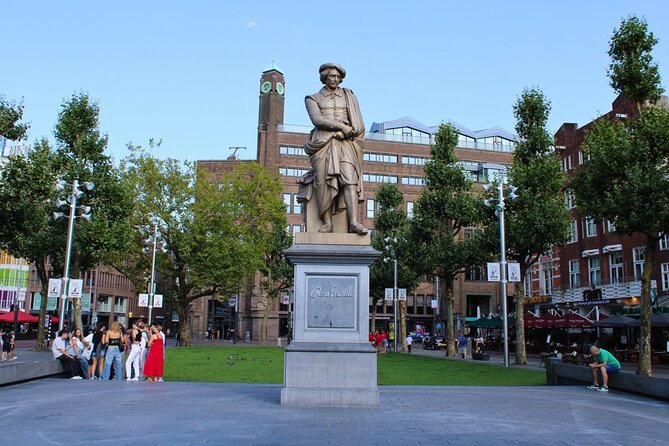
Art comes alive on this Amsterdam walk. This Rembrandt and Van Gogh style walking experience stitches together painter and place, using focused stops, city views, and a guide who helps you see art as something you can walk up to.
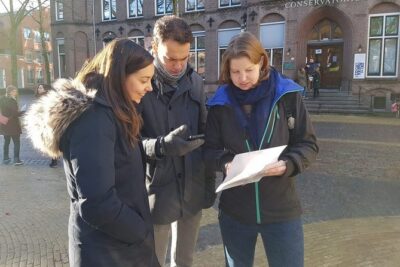
Two things I especially liked. First, it is photo-friendly in a very practical way, with repeated “look up, look across” moments instead of just standing in one spot. Second, the guide, Manouk, is prepared with visual support and speaks in a way that keeps everyone in the conversation, including guests who need clear, direct communication.
One possible drawback: it is a quick, two-hour route with nine stops. If you want long museum-style viewing, you will probably want to add time at the Rijksmuseum, which is not included (admission is listed at €22.50 per person).
In This Review
- Quick reasons it works so well
- Why a Rembrandt and Van Gogh walking tour beats a museum-only day
- The small-group feel, and what that means for your experience
- How the timing and pace actually feel
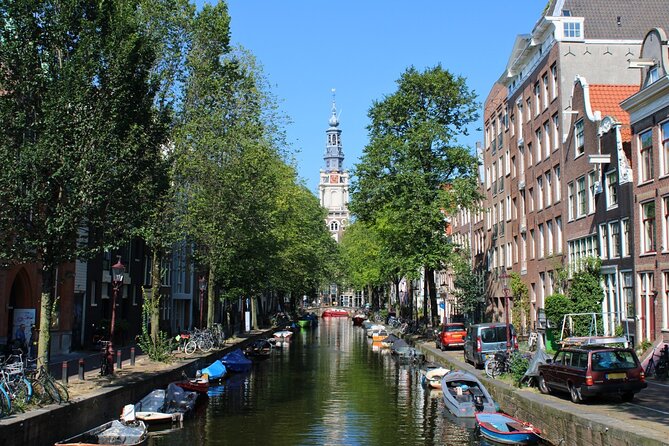
- Stop 1: Weeping Tower, where art gets its atmosphere
- Stop 2: Nieuwmarkt, street-level art clues and classic city views
- Stop 3: Trippenhuis and the Rijksmuseum connection
- Stop 4: South Church, Italy’s influence on Dutch painting
- Stop 5: Museum Het Rembrandthuis, Rembrandt’s home and the art market
- Stop 6: Oudemanhuispoort, Vermeer connections and a Rijksmuseum collection tie-in
- Stop 7: Staalstraat and the French painter inspiration question
- Stop 8: Tivoli Doelen Amsterdam Hotel, the Hals angle
- Stop 9: Blauwbrug, the finishing vista and the last painter clue
- How to use the Rijksmuseum ticket you might add
- Who this tour suits best, and who might want a different plan
- Final call: should you book this Rembrandt and Van Gogh walk?
- FAQ
- How long is the Rembrandt and Van Gogh Amsterdam walking experience?
- Where does the tour start and where does it end?
- Is this a small-group tour?
- What language is the tour offered in?
- Is admission included at the stops?
- Is the Rijksmuseum included in the tour?
- How do you receive your ticket?
- Can I cancel for a full refund?
Quick reasons it works so well
- Small group (up to 15) keeps the pace friendly and questions easy to answer
- Multiple scenic photo viewpoints, not just indoor art trivia
- Manouk’s place-based storytelling connects paintings to specific streets and buildings
- Lots of free stop access, since the included sites list admission as free
- Ends at Blauwbrug in a central spot that makes continuing your day easy
Why a Rembrandt and Van Gogh walking tour beats a museum-only day
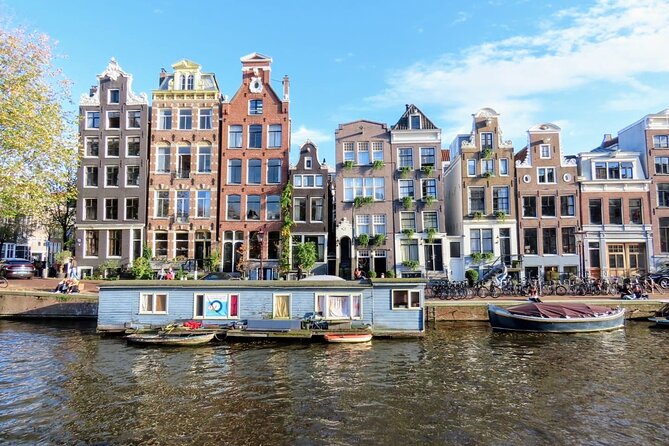
Amsterdam can feel like a living collage, but only if someone helps you decode it. This kind of walking tour does that fast. You trade the pressure of choosing “the best museum” for a route that shows how 17th-century painters, their influences, and the city itself all overlap.
If you are an art lover, you will like the mix of big names and real geography. You do not just hear about Rembrandt or Vermeer in abstract terms. You stand near the kind of settings that made their paintings possible, and you get the story behind why certain locations mattered.
And if you are visiting for the first time, you get a bonus benefit: orientation. The route is designed to bring you through classic central areas, then gently steer you toward the finish at Blauwbrug, so your map in your head starts to make sense.
More Guided Walking Tours in Amsterdam
The small-group feel, and what that means for your experience
The tour runs for about 2 hours and holds a maximum of 15 travelers. That matters in Amsterdam, where popular areas can get crowded quickly. With a smaller group, it is easier to keep a conversational rhythm instead of listening to a lecture from the back of a bus.
You also get a guide who can read the room. In this tour, Manouk comes across as someone who pays attention and adjusts. In one instance, she made sure she was speaking clearly and directly for a hearing-impaired participant, which meant the whole group stayed connected to the same ideas. That is the kind of care that improves the experience even if you do not have specific access needs.
A practical tip: the start address is Prins Hendrikkade 95. I’d give yourself a little extra time when you arrive, so you are not rushing while you check where your group is supposed to meet.
How the timing and pace actually feel
Each stop is built around a short, focused window, roughly 10 to 15 minutes at key points. You spend less time parked and more time walking, so the tour stays lively. The downside is also clear: you will not have the kind of silence or slow pacing you get in a museum gallery.
Think of it like a guided “art map.” You get enough context to recognize what you are seeing later, and you get comfortable moving around the city. After the tour, your instinct should be: now I want to see the paintings themselves, in proper rooms, with better light and more time.
Stop 1: Weeping Tower, where art gets its atmosphere
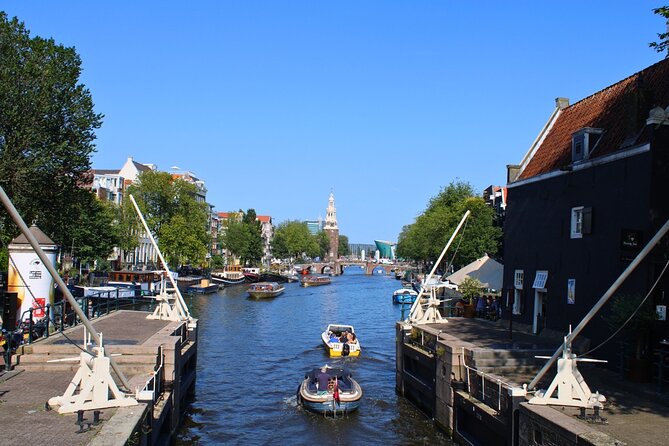
The walk begins with Weeping Tower, and it is a strong opener because it gives you both story and scenery. The tour frames it around the scenes that captured famous painters, then uses the setting to show why Amsterdam is not just pretty, it is specific.
This is one of those places where a view can help your brain. When you look outward after hearing the art context, you start connecting the “why” behind the image. You get a natural photo moment here, too, since the vantage is meant for looking around, not just pointing at a building.
Practical consideration: expect this stop to be more about visual orientation than deep information. It sets the tone for the rest of the route.
Stop 2: Nieuwmarkt, street-level art clues and classic city views
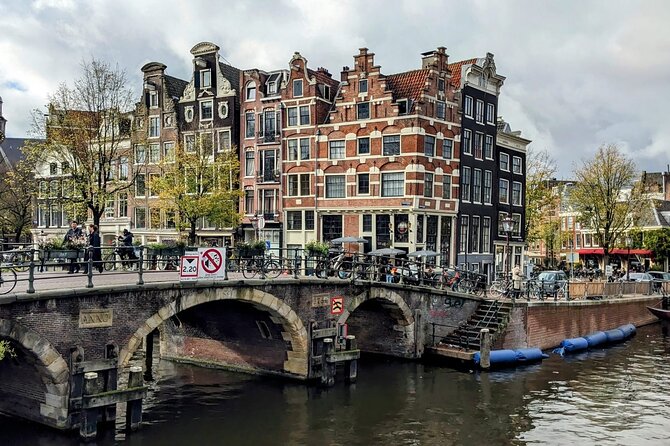
Next you head to Nieuwmarkt for another short stop that works the same way: a painter-focused story tied to the street plan and the sightlines. The tour treats Nieuwmarkt as a place that repeatedly shows up in the imagination of artists, not just as a modern-day square.
I like this kind of pairing because it trains you to look at your surroundings like an artist would. Instead of seeing buildings as background, you start seeing them as composition, rhythm, and light.
Again, you will likely want your camera ready. The tour highlights multiple chances for photos, and Nieuwmarkt is one of the stops where the city view makes the pictures worth taking.
More canvases by the Dutch masters:
- Amsterdam: Van Gogh Museum Ticket
★ 4.7 · 52,054 reviews - Amsterdam: Rijksmuseum Entry Ticket
★ 4.7 · 29,512 reviews - Amsterdam: Van Gogh Museum Ticket and City Canal Cruise
★ 4.6 · 3,899 reviews - Amsterdam: Van Gogh Museum Ticket & Canal Cruise
★ 4.5 · 3,304 reviews
Stop 3: Trippenhuis and the Rijksmuseum connection
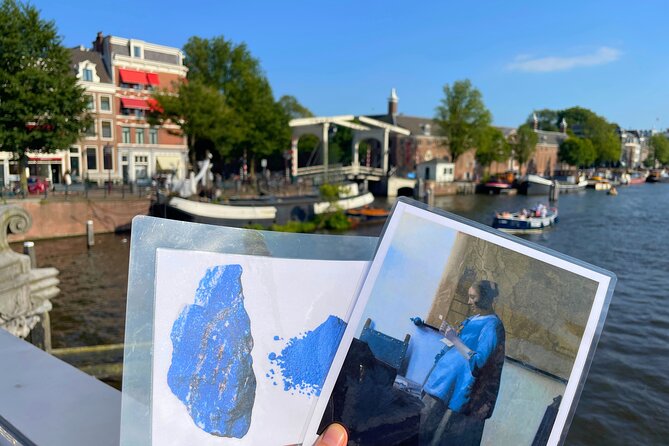
Trippenhuis is where the tour starts turning from “painter at a location” into “painter and the institutions that shaped art.” The stop focuses on Rembrandt and includes context about the Rijksmuseum, including its history and notable figures who once walked its halls.
Even if you do not plan to buy a Rijksmuseum ticket the same day, this stop is valuable because it changes how you read the museum when you arrive. You stop treating it like a random collection and start seeing it as a story about people, patrons, and how art moved from workshops into public life.
Important note on value: Rijksmuseum admission is not included, and the listed price is €22.50 per person. If you want your money to go further, do the walk first. This stop gives you the background that makes the painting labels and room layout more meaningful.
Stop 4: South Church, Italy’s influence on Dutch painting
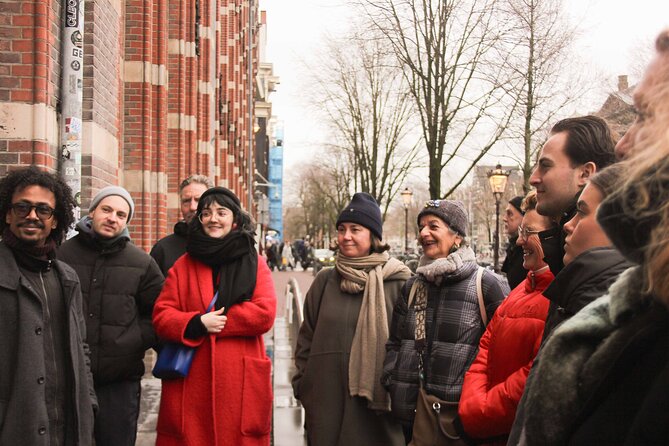
South Church brings in the “why did Dutch painting look like that?” question. The tour explains Italy’s influence on 17th-century Dutch painting and highlights the technique that helped the style gain fame.
This stop is especially good if you have ever wondered why Dutch art can feel both realistic and carefully composed. The tour frames technique as the engine behind the style, not just “pretty detail.” Once you hear that, your eyes start catching those choices in the paintings later.
Potential drawback: if you prefer pure biography over artistic method, this might feel more technical than you want. Still, it is short, and the pay-off is that you will spot the technique when you see works in the Rijksmuseum after.
Stop 5: Museum Het Rembrandthuis, Rembrandt’s home and the art market
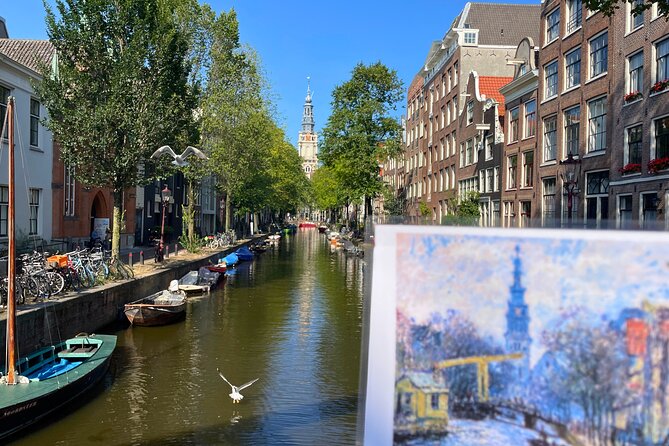
Museum Het Rembrandthuis is the kind of stop that helps you understand how personal Rembrandt’s success was. The tour points to the former site of his 17th-century home, then connects it to the rise of the Dutch art market and how that fueled his career.
This is a smart bridge from art to economics. You learn how demand and patronage helped shape what painters produced and how they survived. It also helps you see why Amsterdam mattered so much to artists in this period.
Photo tip: use this stop for quick shots that include the surrounding streets. Rembrandt’s story gets more believable when you can see the neighborhood context, not just the name on a wall.
Stop 6: Oudemanhuispoort, Vermeer connections and a Rijksmuseum collection tie-in
Oudemanhuispoort is where the tour shifts your attention toward Vermeer. The stop focuses on the world of the Dutch master and notes a famed collection now on display at the Rijksmuseum.
I like stops like this because they do not just tell you which artist came first. They remind you that major museums can feel like a final destination for works that also have roots in specific spaces and networks.
Practical consideration: the stop is shorter (about 10 minutes). So if you want to take notes, keep your questions simple. Write down what you want to confirm inside the Rijksmuseum, since that is where you can slow down.
Stop 7: Staalstraat and the French painter inspiration question
Staalstraat adds an international thread. The tour asks which renowned French painter drew inspiration from these artistic giants, then links that idea to one of Amsterdam’s thriving industries.
Even without memorizing every name upfront, this stop is useful because it shows art is never isolated. Dutch painters inspired others, and those ideas traveled through people, trade, and the broader European art world.
Photo-friendly moment: you will likely get a chance to frame street views here as well. Amsterdam rewards this kind of walking photo habit. It is not just about capturing the building, it is about capturing the feeling of being there.
Stop 8: Tivoli Doelen Amsterdam Hotel, the Hals angle
At Tivoli Doelen Amsterdam Hotel, the tour turns to a specific, intriguing claim: it points to a former headquarters tied to the story of Frans Hals and highlights the only painting Frans Hals created in Amsterdam.
That kind of detail is catnip for art lovers because it gives you a concrete hook. Instead of thinking about Hals as a vague master, you remember there is a particular connection to this city and this moment.
Also, this stop makes the tour feel less like a list and more like a chain. Each location adds one more link in the reasoning about who influenced whom, and why Amsterdam mattered.
Stop 9: Blauwbrug, the finishing vista and the last painter clue
The tour ends at Blauwbrug, a central bridge area between Rembrandt Square and Waterloo Square. Finishing here is smart because it keeps you close to more sightseeing options without forcing you to start a whole new transport plan.
The stop circles back to painter associations and another of those highlighted scenic viewpoints. Since the tour emphasizes multiple photo opportunities, Blauwbrug is likely one of your last chances to capture a classic Amsterdam view before you head out on your own.
If you are planning lunch or a canal cruise after, this ending location can make the transition easier because you are in a lively central pocket.
How to use the Rijksmuseum ticket you might add
The Rijksmuseum is not part of the included package, but it is clearly the follow-up the route is designed for. The stops point you toward themes, artists, and art-world context, and that helps inside the museum.
Here is how I would use it for best value:
- Pick one or two artists or themes you want to recognize first, based on what the guide set up on the walk.
- Spend your time with the label basics, then look for the specific technique or influence the tour teased, such as the Italy connection for Dutch painting.
- If the tour made you curious about how art market forces worked, look for works that feel linked to patronage and status.
Since Rijksmuseum admission is listed at €22.50 per person, you want that ticket to feel earned. Doing this walk first is a solid way to do that, because your brain arrives primed to read the museum instead of just scanning it.
Who this tour suits best, and who might want a different plan
This is a great fit if you are:
- An art lover who wants context tied to real streets
- In Amsterdam for the first time and want help getting oriented
- Someone who likes short stops that add up, instead of one long museum day
- A traveler who values a smaller group and a guide who keeps communication clear
It may be less ideal if you:
- Want a slow, museum-like pace where you can sit and read for a long time
- Prefer fully indoor experiences only
- Need guaranteed time at the Rijksmuseum as part of the standard tour, since that ticket is extra
Final call: should you book this Rembrandt and Van Gogh walk?
If your goal is to understand Amsterdam art through location, this is an easy yes. The format is efficient: free admission stops, lots of photo opportunities, and a tight two-hour rhythm that sets you up for the Rijksmuseum with less guesswork.
I’d book it particularly if you like your art stories to come with street views and specific names, not just general background. And if you are planning to spend time at the Rijksmuseum later, doing this walk first is the best way to make that €22.50 ticket feel meaningful.
FAQ
How long is the Rembrandt and Van Gogh Amsterdam walking experience?
It is listed as approximately 2 hours.
Where does the tour start and where does it end?
The tour starts at Prins Hendrikkade 95, 1012 AE Amsterdam. It ends at Blauwbrug, 1011 PT Amsterdam, in the center between Rembrandt Square and Waterloo Square.
Is this a small-group tour?
Yes. The maximum group size is listed as 15 travelers.
What language is the tour offered in?
The tour is offered in English.
Is admission included at the stops?
The included stops are listed with admission ticket free.
Is the Rijksmuseum included in the tour?
No. Rijksmuseum admission is not included, and the listed price is €22.50 per person.
How do you receive your ticket?
You get a mobile ticket.
Can I cancel for a full refund?
Yes. You can cancel up to 24 hours in advance for a full refund, and cancellations made less than 24 hours before the start time are not refunded.
Gables on Foot
- Amsterdam: Anne Frank Guided Walking Tour in DE/EN/IT/ES★ 4.9 · 3,107 reviews
- Amsterdam: Anne Frank Guided Small Group Walking Tour★ 4.8 · 2,722 reviews
- Amsterdam: Cultural Highlights Walking Tour★ 4.9 · 2,629 reviews
- Amsterdam: Ganja Walking Tour★ 4.2 · 2,127 reviews
Latest to arrive along the quays of Amsterdam




Van Gogh & Dutch Masters Museums, compared.

Van Gogh Museum Amsterdam Exclusive Tour w/ Reserved Entry
Read our review →Browse the lists this tour appears in