
Reviewed · DUTCH WINDMILL & ZAANSE SCHANS TOURS
Private Guided Senior Countryside Windmill Tour
Windmills, cheese, and calmer country roads. This private guided senior countryside windmill tour takes you out of Amsterdam for a full loop of polder landscapes and classic villages, with a pace that fits your group and a guide who adjusts on the fly. I especially like the mobility-aware comfort built into the planning, and the big payoff of tasting up to 30 Edam and Gouda flavors in one day. One real consideration: lunch is on you, so you will likely add to the base price.
The day is run by Windmillgirl Tours, and the small details matter, like the Mercedes-Benz minivan ride and pickup from your hotel. In one standout example, guide Esther handled a mobility scooter with genuine care, and the lunch suggestion (a fresh seafood restaurant) was a perfect match. If you are the type who wants long stops in only one place, you may find this route fast, since it packs a lot into about five hours.
In This Review
- Key moments that make this tour click
- A private senior countryside day that feels practical, not rushed
- From your hotel to Schermerpolder, the windmill district
- Museum windmill time at Museummolen Schermer (top to bottom)
- Schermerhorn, dikes, and small-village views
- De Rijp: a drained-sea fishing village you can actually enjoy
- UNESCO Beemster polder: planned plots, farms, and canals
- Edam old center, lunch choices, and Henri Willig’s farm tasting
- A stroll in Edam and a sweet stop
- Lunch time: choose your style, your guide handles the fit
- Cheese farm tasting at de Jacobs Hoeve by Henri Willig
- Broek in Waterland: a water village walk with real details
- Getting back to Amsterdam, without the stress spiral
- Price and value: is $473.39 per person worth it?
- Who should book this windmill-and-cheese loop?
- Should you book?
- FAQ
- What time does the tour start?
- How long is the tour?
- Is pickup from my hotel included?
- What is included in the price?
- Is lunch included?
- Can I cancel for free?
Key moments that make this tour click
- 100% private group with your pace, not a crowd schedule
- Museum mill time with a top-to-bottom look at how it works and how people lived
- UNESCO Beemster polder drive through a planned grid of roads, plots, farms, and canals
- Edam + real-time lunch choices where your guide helps steer you to the right spot
- Henri Willig cheese farm tasting with up to 30 flavors (Gouda and Edam)
- Broek in Waterland walk past preserved wooden houses and a restored 16th-century church
A private senior countryside day that feels practical, not rushed
An Amsterdam-to-countryside day sounds simple until you try to do it with a fixed tour group. Here, the big win is that you control the pace. This is a private experience, so if someone needs a slower stop, extra time for photos, or a smoother route, the plan can flex.
I also like that the tour is built around classic Dutch “learn while you look” moments. You are not only seeing windmills and polder towns, you’re understanding why this region is shaped the way it is, especially the reclaimed-land system that made farms and villages possible.
The ride matters too. A Mercedes-Benz minivan keeps things comfortable, which is a big deal when you are traveling with mobility considerations. Add bottled water and parking fees being handled, and you start the day already feeling like this is set up for real-life travel, not just sightseeing.
More Private Tours in Amsterdam


From your hotel to Schermerpolder, the windmill district
You start in the morning with pickup from your Amsterdam hotel and then head toward the Schermer area. The first drive is about 45 minutes, and from there the countryside changes quickly from city bustle to drained-land views, dikes, and windmill silhouettes.
This is where the tour sets its theme: the Netherlands isn’t only about “pretty windmills.” A lot of what you see comes from water management, especially the story of how large water areas were drained and turned into usable land. If you like your sightseeing with context, you will appreciate how each stop connects to that idea.
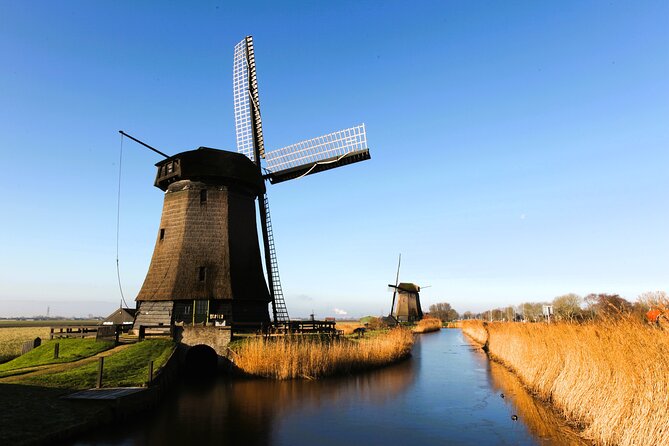
You get to the Schermer region and head to the Museummolen Schermer, where time is planned for actual looking and learning, not just a quick photo.
Museum windmill time at Museummolen Schermer (top to bottom)
The highlight here is the museum mill visit. Admission is included, and you get about 30 minutes inside and around the site.
What I like is the way the experience is structured: you can see the mill from top to bottom, and you are guided through how it works and what life was like for people who lived in windmills. That matters because it turns a windmill from a postcard into a working machine and a home.
The Schermer story is also unusually direct. The area is tied to the drainage of a lake area by 52 mills that helped create the Schermerpolder. The result is a living lesson on the Golden Age water-management mindset, where the engineering was the point, and the landscape came after.
Practical tip: bring your camera, but also be ready for a few moments where the best shot depends on where you can safely stand. The tour’s mobility-friendly approach means you should feel less nervous about photographing during the walkthrough.
Schermerhorn, dikes, and small-village views
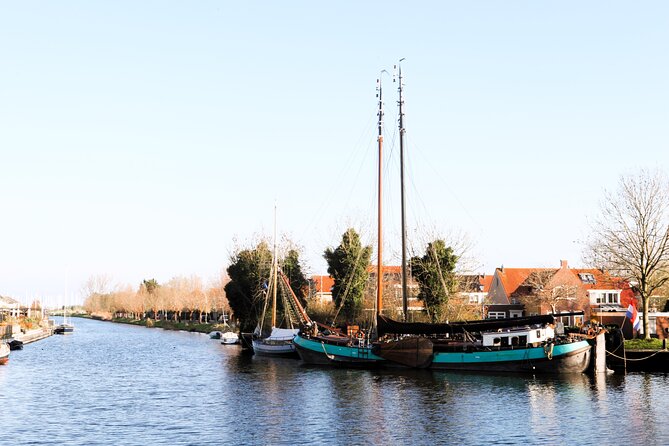
After the museum mill, you shift into a scenic drive through Schermerhorn for about 15 minutes. This is not a long walking stop, which helps keep the day comfortable and keeps energy for the tastings later.
You travel along dikes through regained land, and the route includes passing scenery like Esther’s family windmill plus small villages. That personal connection is one of those details that makes the day feel less like a checklist.
If you are someone who likes knowing what you are looking at, this part is useful. Dikes are not just roads along water. They are part of the Dutch system that keeps the reclaimed land dry enough for farms and towns.
De Rijp: a drained-sea fishing village you can actually enjoy
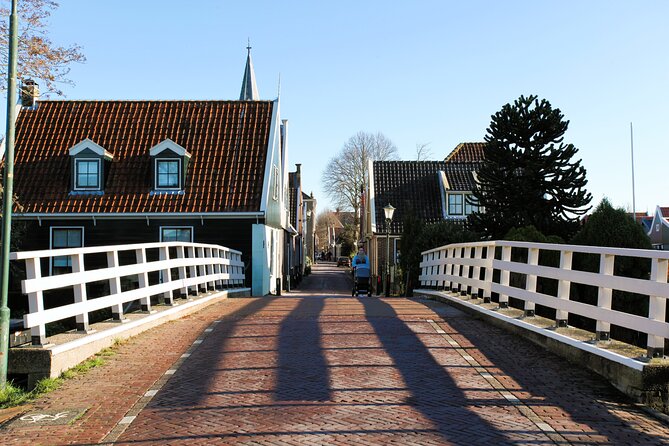
Next comes De Rijp, visited for about 15 minutes. The village used to be a busy fishing hub, known for its herring fleet and whalers. Later, when the surrounding sea got drained, the town became encircled by land.
That change is the whole story, and it’s exactly why this stop works. You see a quiet village that feels removed from the big tourism circuits, and you understand why that quietness exists.
There is also a strong “who’s connected to engineering” detail here. Jan Adriaanzoon Leeghwater is linked to De Rijp as his birthplace. He is one of the names you hear when you trace Dutch water control, and the tour uses that connection to tie your day back to the reclaimed-land theme.
Time is short at De Rijp, so you will want to use it intentionally: slow your pace for a few photos, pick one or two streets to walk, and take in the village shape. Because it is not long, you are less likely to feel tired, and you can still keep momentum for the UNESCO polder and cheese stops.
More sails turning above the polder:
- Amsterdam: Zaanse Schans, Edam, Volendam & Marken Bus Tour
★ 4.6 · 15,034 reviews - Day Trip to Zaanse Schans, Edam, Volendam and Marken from Amsterdam
★ 5.0 · 5,392 reviews - Amsterdam: Guided Zaanse Schans, Windmills & Cheese Tour
★ 4.4 · 4,826 reviews - From Amsterdam: Zaanse Schans, Edam, Volendam & Marken
★ 4.8 · 4,623 reviews
UNESCO Beemster polder: planned plots, farms, and canals
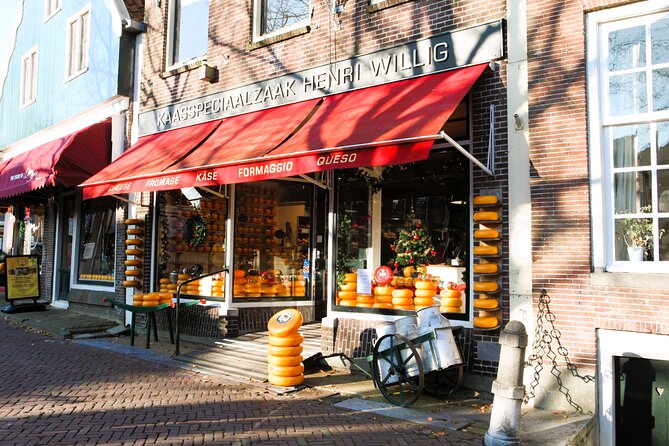
About 30 minutes are spent around Droogmakerij de Beemster (Beemster Polder). The tour drives you through this UNESCO World Heritage site, so your view is structured around the polder’s design.
The most interesting part is not a single building. It’s the layout: a carefully planned system of roads, plots, farms, and canals created after the Beemster Lake was drained. When you look out across the fields, you can start seeing how the land was parceled and organized for everyday life, not just farming on luck.
I like this stop because it gives your brain a framework. After Schermer, you already understand that mills and drainage matter. Beemster adds the next level: the Dutch didn’t only drain water, they also designed how the land would function once people lived there.
If you prefer hands-on learning, you might find Beemster slightly more “view and imagine” than museum-based. But the drive format keeps it comfortable and accessible, and you still get a lot of meaning from short viewing windows.
Edam old center, lunch choices, and Henri Willig’s farm tasting
This is where the day turns into pure Dutch comfort food.
A stroll in Edam and a sweet stop
In Edam, you start with about 15 minutes for an old-center stroll. You will also visit a candy shop with chocolat and Dutch liqorise. It’s quick, but it gives you a taste of what tourists usually miss, the small retail stops that locals would actually pop into during a day out.
Lunch time: choose your style, your guide handles the fit
Then comes lunchtime for about 1 hour. Lunch is not included, and you get to choose where you want to eat. The tour team will guide you based on preferences, with examples like a local fish restaurant or a traditional Dutch pancake restaurant.
This is one of the best parts for many people, because lunch is where a generic tour often stumbles. Here, your guide treats it like a decision you would actually make if you lived there, not a set menu you are forced to accept. In at least one personal example shared by the tour’s supporters, a fresh seafood restaurant recommendation landed perfectly with the group’s needs and tastes.
Practical move: tell your guide what you want and what you do not. If mobility is a factor, mention it early so they can suggest places that work for your pacing.
Cheese farm tasting at de Jacobs Hoeve by Henri Willig
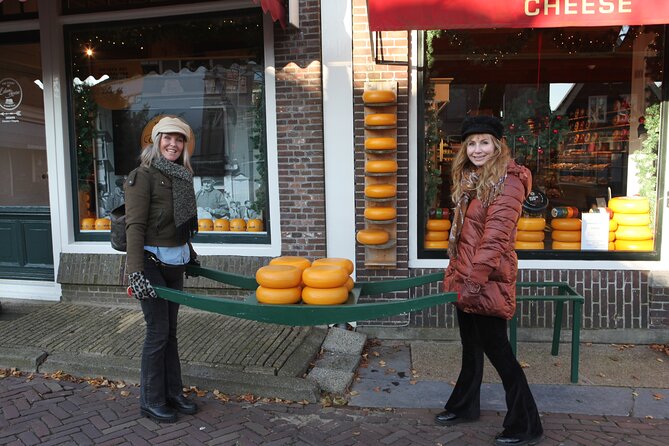
Finally, you get the big-ticket food moment: the Cheese farm de Jacobs Hoeve by Henri Willig with Gouda and Edam cheese tasting. This portion runs about 30 minutes and is included.
This is not a “try one wedge and move on” stop. You can taste up to 30 flavors, and the cheeses are developed specifically for travel. The farm is also described as being among the top 10 cheesemakers globally, which you can treat as a credibility signal rather than a promise of perfection.
What makes this tasting especially enjoyable is variety. Instead of deciding your favorite cheese after you get home, you can compare flavors in one session. If you are a fan of Edam and Gouda, you will likely leave with a short list of what you want to buy or recreate back in your own kitchen.
If you are sensitive to strong flavors, you can still participate at your own rhythm. Ask for slower pacing during the tasting so you can actually taste, not just chew through samples.
Broek in Waterland: a water village walk with real details
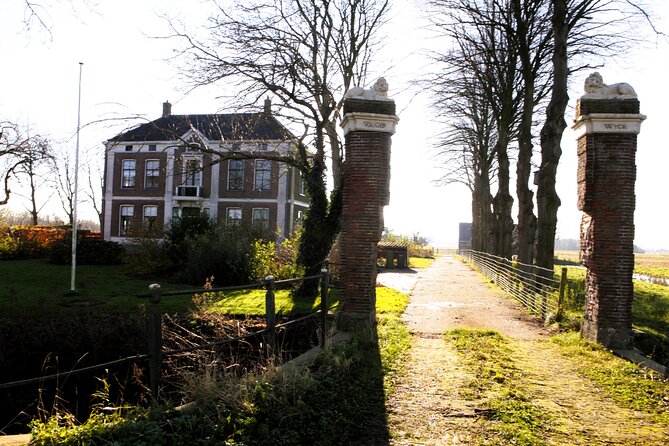
The last major stop is Broek in Waterland, also about 30 minutes. This is a village surrounded by water and often compared to Giethoorn for that classic “water village” feel, though it’s clearly its own place.
The walking portion is the main event. You will stroll past old wooden houses with preserved details such as ceremonial doors and carved lintels. You also see a restored sixteenth century church, and one very specific detail that stands out is that the floor is paved with tombstones of formerly rich inhabitants.
This kind of stop is valuable for two reasons. First, it gives you a calm finish to the day, away from heavy museum crowds. Second, it rewards slow looking. The details are the point, and the private pacing helps you actually take them in.
If your group uses mobility aids, this is often a good late-day location because you can slow down, pause for photos, and adjust your walking effort without feeling pressured to keep up.
Getting back to Amsterdam, without the stress spiral
You end with the drive back to your Amsterdam hotel, about 30 minutes. That timing matters. You are not stuck in traffic for an extra half day trying to reverse your route. You finish while your energy is still reasonable, and you can transition to dinner or downtime without feeling wiped.
Since pickup and drop-off are included, the day stays simple in a way that many DIY countryside trips do not. Even if you love planning, this route is one where being handed the logistics can make your day more about enjoying rather than navigating.
Price and value: is $473.39 per person worth it?
At $473.39 per person, this is not a budget afternoon. But value is not only the sticker price. Here’s what that cost is buying:
- Private transportation in a Mercedes-Benz minivan for the full loop
- Parking fees handled
- Bottled water included
- Entrance fee to a historic windmill included
- Cheese tasting at Henri Willig included, with up to 30 flavors
- Snacks as part of the Gouda cheese tasting experience
Lunch is not included, so yes, you should expect an extra cost depending on your choice. Still, the core food moment (the big tasting) is covered, and the museum windmill fee is covered too.
If your travel style is solo wandering, you could replicate parts of this route with transit and paid tickets. But if you care about comfort, mobility-friendly pacing, and not spending energy coordinating multiple stops, the private format starts to look more like a practical upgrade than an indulgence.
Also, you can sometimes benefit from group discounts if you book with others, and that can lower the per-person hit.
Who should book this windmill-and-cheese loop?
This tour is a strong match if you want:
- Countryside windmills and polder towns without the stress of public transit timing
- A private guide who can adjust pacing for mobility needs
- A serious Edam and Gouda tasting experience, not a quick sample
- A balanced mix of museum learning and easy village walking
It may be less ideal if you prefer:
- Long stays in one place, or
- A schedule heavy on major cities and landmark hours
Most people can participate, and service animals are allowed. If anyone in your group uses a mobility scooter, mention it up front so the guide can plan around your needs, which is exactly the kind of care that has mattered in past experiences.
Should you book?
Yes, if you want a high-comfort, senior-friendly Amsterdam countryside day that still feels like a real day out, not a rushed box-check.
The biggest reasons to book are the pairing of windmill learning with a top-tier Henri Willig tasting and the fact that the whole route is shaped around your group’s pace. If you are traveling with mobility considerations, this is the kind of tour where the guide’s practical adjustments are not a bonus, they are the point.
If you are price-sensitive, you could shop around for cheaper group tours. But for many visitors, paying for comfort, transport, and a real tasting win is the difference between a stressful day and a satisfying one.
FAQ
What time does the tour start?
The start time is 9:30 am.
How long is the tour?
The duration is approximately 5 hours.
Is pickup from my hotel included?
Yes, pickup is offered, and you start from your hotel in Amsterdam and return to your hotel at the end.
What is included in the price?
The price includes private transportation, parking fees, bottled water, entrance fee to a historic windmill, and snacks for the Gouda cheese tasting. The cheese farm tasting is also included.
Is lunch included?
No, lunch is not included. You can choose where to eat, and the guide can arrange places based on your preferences.
Can I cancel for free?
Yes. You can cancel for a full refund if you cancel up to 24 hours in advance of the experience’s start time.
Latest to arrive along the quays of Amsterdam



Dutch Windmill & Zaanse Schans Tours, compared.
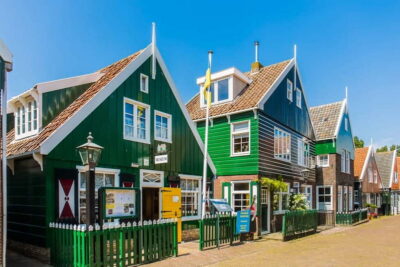
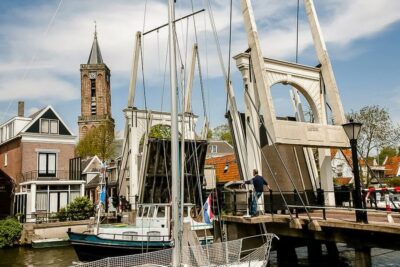
Zaanse Schans, Edam, Volendam & Marken Bus Tour
Read our review →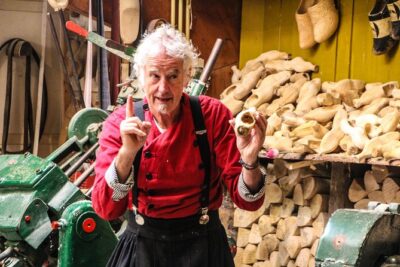
Day Trip to Zaanse Schans, Edam, Volendam and Marken from Amsterdam
Read our review →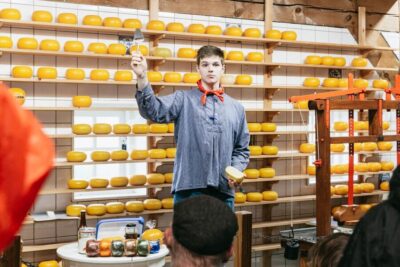
Guided Zaanse Schans, Windmills & Cheese Tour
Read our review →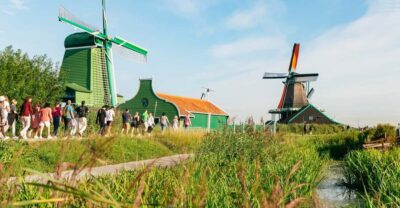
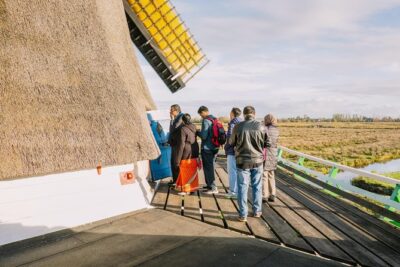
Windmill Tour from Amsterdam, Including Volendam & Marken
Read our review →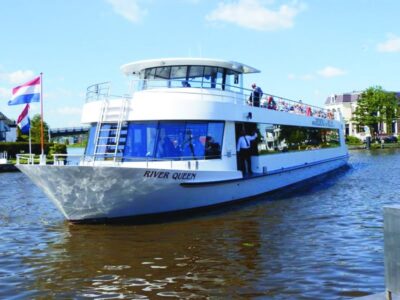
Tour to Keukenhof Gardens with Windmill Cruise
Read our review →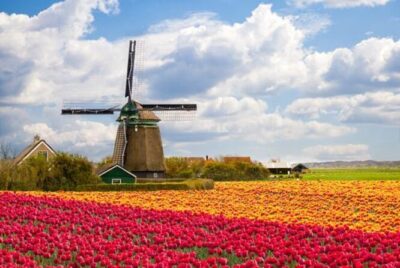
Zaanse Schans Windmills, Clogs and Dutch Cheese Small-Group Tour from Amsterdam
Read our review →Browse the lists this tour appears in