
Reviewed · WALKING TOURS
Private Amsterdam Walking Tour
Two hours makes Amsterdam click. With a private local guide, you connect big neighborhoods like the Red Light District, Jordaan, and the market area into one easy-to-follow story. You’ll learn how Amsterdam thinks and lives, not just what it looks like.
I especially like two things: the history-and-culture context your guide brings to the streets, and the fact that you cover a lot of top sights without having to plan a route. I also found guide performance a big deal here, with Andrea tailoring the walk to interests, and Ian and Pilar praised for clear explanations and friendly pacing.
One drawback to keep in mind: it’s only 2 hours, so you’ll move fairly quickly and won’t have time for long museum-style stops or deep detours into any single site.
In This Review
- Key highlights that make this tour worth it
- Why a private 2-hour Amsterdam walk works so well
- Meeting at Damrak and getting your bearings fast
- Red Light District streets, coffee shop culture, and the way your guide frames it
- The narrowest street and the “first” shop stops
- Jordaan district walking, Anne Frank House area, and West Church
- Rembrandplein and Leidseplein: the smart break before the market
- Albert Cuyp Market: browsing the largest street market in the Netherlands
- Begijnhof, the Jewish quarter, and ending near Dam Square
- Price and value: when $235 per group makes sense
- How to get the most from your guide (Andrea, Pilar, and Ian set the bar)
- Who this tour is best for
- Should you book this tour?
- FAQ
- How long is the Amsterdam private walking tour?
- What areas does the tour cover?
- Where do I meet the guide?
- Is the tour private or shared?
- What languages are available?
- What is included in the price?
- What is the price?
- Where does the tour end?
Key highlights that make this tour worth it
- Private guide control: you get a route built around what you want to understand and see
- Red Light District context: talk about coffee shop culture, prostitution, and politics without turning it into shock tourism
- Jordaan walking route: the streets around Anne Frank House and West Church, plus the neighborhood’s working-class roots
- Food-and-drinks pause near major squares: you can regroup around Rembrandplein and Leidseplein
- Albert Cuyp Market area: the big street market where you can actually browse and snack
- End near Dam Square: you finish where you can easily continue the rest of your day
Why a private 2-hour Amsterdam walk works so well
Amsterdam can feel like a bunch of separate postcard scenes. This kind of private walking tour is useful because it puts those scenes in sequence, so you start understanding how neighborhoods relate to each other. In two hours, you go from one of the city’s most talked-about areas to quieter residential streets and then into the everyday-life chaos of a major market.
You’ll also appreciate the private setup if you like questions. This tour is designed to be conversation-based: you’re not stuck watching a slideshow. A good guide can slow down when you’re interested and speed up when you’re not. That matters in Amsterdam, where a wrong turn can send you down a canal-side rabbit hole.
More Guided Walking Tours in Amsterdam


Meeting at Damrak and getting your bearings fast
You meet at the Park Plaza Victoria Hotel, in front of the main entrance at Damrak 1-5, 1012LG. The tour description also notes meeting at your hotel or at Amsterdam Central Station, depending on what you choose. Either way, the goal is the same: you start right in the core of town so you’re not burning time on transfers.
I recommend arriving with one small plan. Before you meet your guide, think about what you want most: culture, architecture, food, or the real Amsterdam behind the stereotypes. When you share that early, your guide can shape which streets feel most relevant and how much time gets spent explaining what you’re seeing.
Also, wear shoes you can walk in comfortably. This is a city built for foot travel, but it is also busy, and the route includes narrow streets and market areas where you’ll be weaving through people.
Red Light District streets, coffee shop culture, and the way your guide frames it
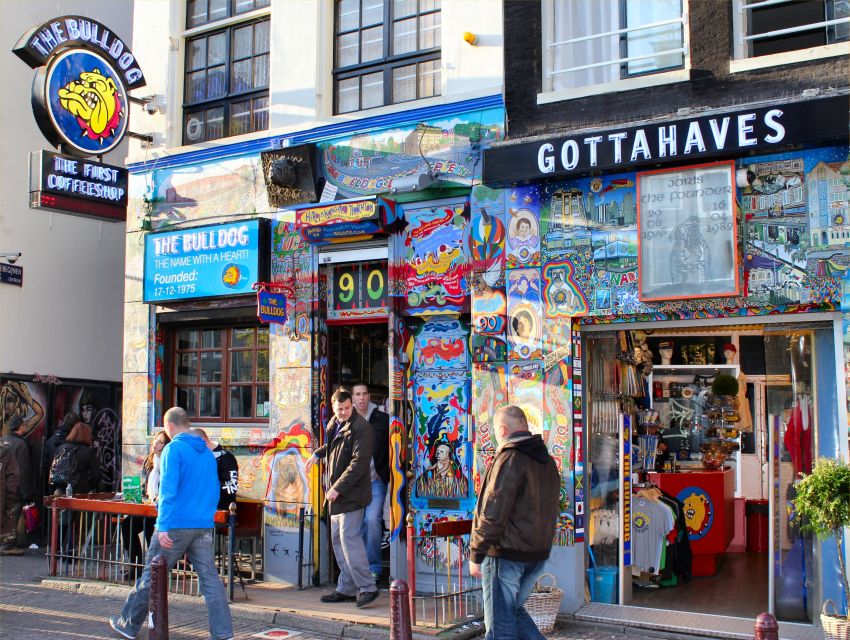
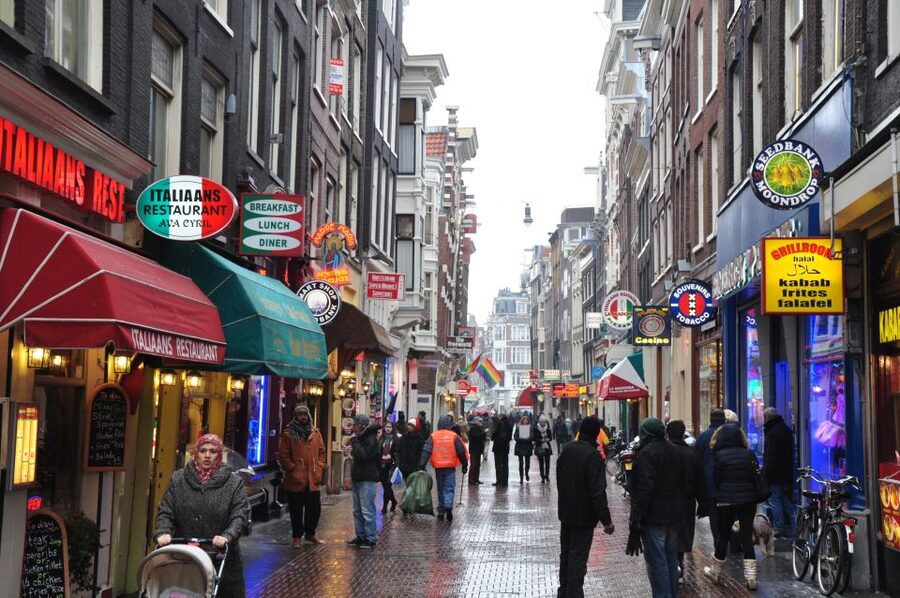
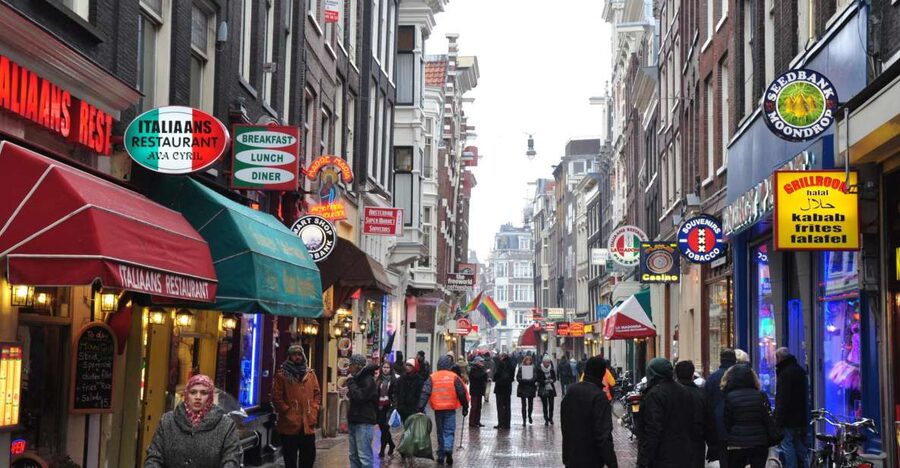
The tour starts in the Red Light District area. That choice is smart, because it forces the conversation to start where Amsterdam’s global reputation is loudest. Your guide will walk you through atmospheric streets and cover topics like coffee shop culture, prostitution, political issues, and history.
Here’s what I’d watch for, and what you should expect from a good guide: context and boundaries. The Red Light District can become either too graphic or too shallow if the guide is careless. A strong guide will explain how the city has handled regulation and debate over time, and how locals talk about it day to day. The goal is understanding Amsterdam’s rules and attitudes, not just collecting spicy facts.
Practical tips that help here:
- You’ll likely see a mix of tourists and locals in active streets, so keep your pace steady and be respectful with photos.
- If you’re sensitive to adult themes, tell your guide early. A private guide can steer the focus toward the political and cultural angles.
One more reason this first segment is valuable: it explains why Amsterdam feels both relaxed and tightly managed at the same time. That contradiction becomes the thread you follow through the rest of the walk.
The narrowest street and the “first” shop stops
After the Red Light District, you’ll continue through some of the distinctive street stops that people associate with Amsterdam. The tour specifically includes the narrowest street in Amsterdam, plus the first coffee shop in the world and the first condom shop in the world.
Even if you’ve heard names like these before, the walking format helps. You’re not just looking at a sign. You’re standing in the exact streets that shaped a reputation for Amsterdam’s pragmatic approach to adult life, health, and public order.
I like this part of the tour because it turns “famous locations” into understandable ideas. Your guide can connect the dots: why something like a coffee shop became an icon, why another shop type appeared when it did, and how Amsterdam built a brand around measured, regulated behavior.
Jordaan district walking, Anne Frank House area, and West Church
Next comes the Jordaan district, a former working-class area with a recognizable identity. This neighborhood is now known for its characterful streets and landmarks, and your route includes key references like the Anne Frank House area and West Church.
This is where the tone often shifts. After the intensity of the first neighborhoods, the Jordaan gives you a chance to see a different side of Amsterdam: tighter street grids, residential streets, and a sense of everyday life layered with major historical meaning.
I’d suggest you pay attention to how your guide talks about Anne Frank and the surrounding area. You’re not just hearing facts. You’re learning what the places mean to the city and why that story remains central. If you’re visiting with kids or teens, this can be a strong segment to explain how history lives in ordinary streets, not just in museums.
West Church is another anchor on this route. Even if you do not go inside, your guide can help you notice what makes it important in the neighborhood’s skyline and identity.
More Private Tours in Amsterdam
- Rijksmuseum Amsterdam Small-Group Tour with Private Upgrade
★ 4.5 · 1,547 reviews - Van Gogh Museum Tour Reserved Entry Semi Private
★ 5.0 · 1,437 reviews - Private Amsterdam Red Light District and Coffee Shop Tour
★ 5.0 · 763 reviews - Anne Frank and Jewish Quarter Amsterdam Private Walking Tour
★ 5.0 · 684 reviews
Rembrandplein and Leidseplein: the smart break before the market
After Jordaan, you head toward the Rembrandplein and Leidseplein area. This is one of the best parts of the itinerary for real-time pacing. Your tour includes a relaxing break here, where you can purchase drinks and food.
That break is more than convenience. It keeps the walk enjoyable. Amsterdam attractions are spread out, and when you try to do everything without stopping, you end up tired and cranky. This pause gives you time to reset and decide if you want something casual, a snack, or a drink before continuing.
If you want to get the most out of your guide during the break, ask a question that goes beyond landmarks. Good prompts:
- What’s the difference between Amsterdam neighborhoods in daily life?
- Where do locals tend to spend time compared to tourists?
You’ll get a more personal answer than any guidebook can provide.
Albert Cuyp Market: browsing the largest street market in the Netherlands
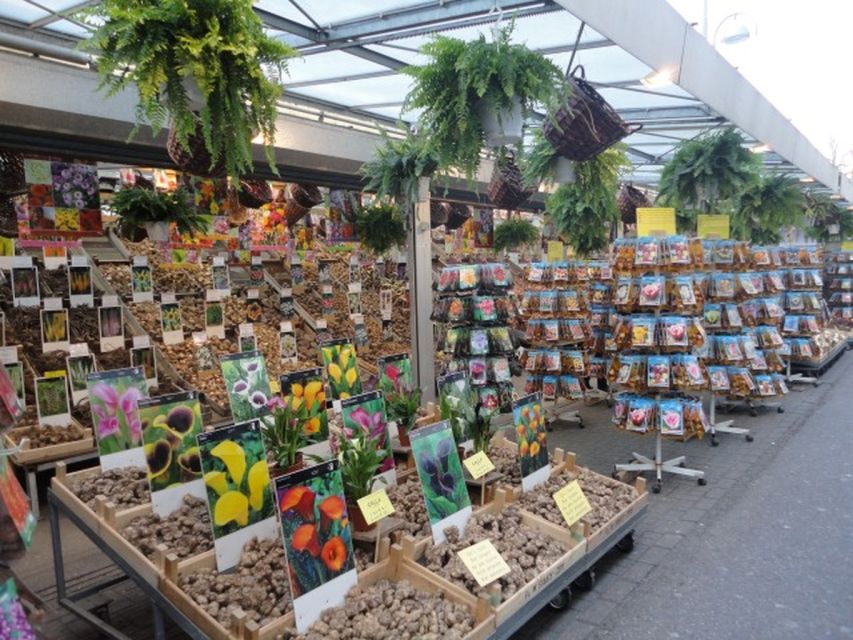
Then comes Albert Cuyp market, described as the largest street market in the Netherlands. This is where Amsterdam turns practical and sensory. You can find food, clothes, and plenty of other everyday items as you browse through the market area.
The value here is that you get a feel for ordinary shopping culture, not just sightseeing. Markets are one of the fastest ways to understand how people live. Even if you don’t buy anything, walking the aisles helps you see what vendors emphasize, what people carry, and what the neighborhood values.
What to do during the market portion:
- Have a little cash or card readiness for small snacks.
- Keep your expectations flexible, because market stalls can be full and the flow can change quickly.
- If you’re photographing, be careful not to block walkways.
Begijnhof, the Jewish quarter, and ending near Dam Square
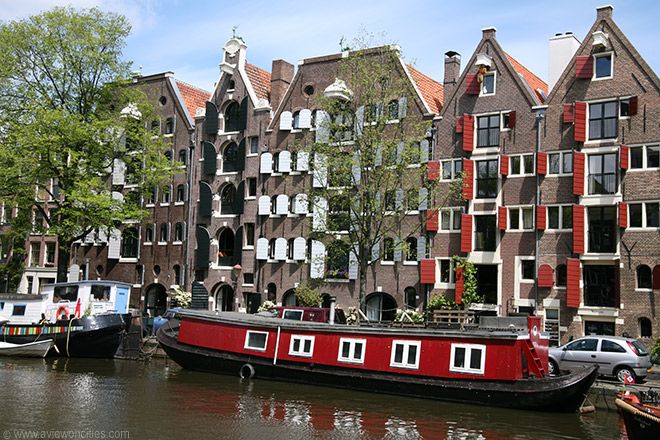
To close out the tour, you walk back toward central Amsterdam and see last sights like Begijnhof and the Jewish quarter, ending at Dam Square or a chosen location by you.
This ending is practical. Dam Square is a natural hub, so you can connect to whatever comes next: a museum visit, a canal area stroll, or just heading back to your hotel with less planning stress.
Begijnhof can feel like a quiet pocket inside the city noise. It’s the kind of place where your guide’s commentary matters, because the value often sits in the atmosphere and the meaning of the space. If you’re short on time later in your trip, this segment helps you end with a note of calm and reflection rather than ending at another crowded square.
The Jewish quarter segment adds another layer. It connects Amsterdam to broader European history and local community life. Your guide’s job here is to keep it respectful and clear, and to tie it back to what you’ve already learned about neighborhoods and identity.
Price and value: when $235 per group makes sense
This tour is priced at $235 per group for up to 1 participant. That price can sound high until you think about what you’re paying for: a private guide and a tightly organized walk across multiple major areas in just 2 hours.
In my view, the value depends on how you travel:
- If you’re the type who enjoys asking questions and wants the walk tailored, a private tour often pays off because you’re not competing with a larger group’s pace.
- If you’re traveling solo, $235 can be reasonable compared to paying for a shared tour plus the time cost of managing your own route.
- If you’re traveling as a group of friends, the private format can still be a great deal if the pricing structure fits your number of people and you can split the cost.
Also, this is not just sightseeing. The tour includes interpretive time on sensitive topics in the Red Light District and adds cultural context across the rest of the walk. That kind of explanation is harder to replicate on your own without hiring a guide or doing heavy pre-reading.
How to get the most from your guide (Andrea, Pilar, and Ian set the bar)
One thing I noticed in the guide feedback is the emphasis on adapting to your interests and communicating clearly. Andrea gets called out for tailoring the tour, while Pilar is praised for delivering an amazing tour experience. Ian is praised for being highly skilled at explaining and keeping the tour enjoyable, with information that helps you understand Amsterdam culture, history, and everyday life.
You can make that quality happen faster by doing two things:
- Share your preferences early. Tell your guide what you want more of, for example street life, political context, markets, or major landmarks.
- Ask one “why” question in the first 15 minutes. Why does Amsterdam do things this way? Why did neighborhoods develop the way they did?
If your guide is good, your second hour will feel like it was built for you rather than copied from a standard checklist.
Who this tour is best for
This works well for first-timers who want a fast orientation but also want meaning behind what they’re seeing. It’s also a good choice if you like variety, because you move through several distinct Amsterdam zones in one sitting.
I’d particularly recommend it if:
- You want a guided explanation of the Red Light District topics, including coffee shop culture and political issues.
- You care about understanding neighborhoods, not just taking photos.
- You’re short on time and want a route that hits major areas in 2 hours.
If you’re the type who wants long museum time or doesn’t like walking, this might not match your pace. But if you want to see Amsterdam’s shape and learn how it all fits together, it’s a strong option.
Should you book this tour?
I’d book this if you want a private, idea-driven walk that connects Amsterdam’s biggest neighborhoods in a single flow. The biggest reasons to say yes are the private guide format, the way the Red Light District is handled with context, and the smart pairing of landmark areas with everyday places like Albert Cuyp market.
It might not be the best fit if you hate walking through crowded streets, or if you expect museum entry time. For that, you’d pair this kind of tour with a longer activity later.
If you want Amsterdam to feel understandable by the end of day one, this is exactly the kind of guide-led route that helps.
FAQ
How long is the Amsterdam private walking tour?
The tour lasts 2 hours.
What areas does the tour cover?
You’ll walk through the Red Light District, the Jordaan district, the Rembrandplein and Leidseplein area, Albert Cuyp market, Begijnhof, the Jewish quarter, and finish near Dam Square (or at a chosen location).
Where do I meet the guide?
The listed meeting point is in front of the main entrance of the Park Plaza Victoria Hotel at Damrak 1-5, 1012LG, Amsterdam. The tour description also notes meeting at your hotel or at Amsterdam Central Station.
Is the tour private or shared?
It is a private group tour.
What languages are available?
The guide can conduct the tour in Dutch, English, German, and Spanish.
What is included in the price?
The price includes a tour with a private guide and a local guide.
What is the price?
It is $235 per group up to 1.
Where does the tour end?
The tour ends at Dam Square or at a chosen location by you.
Gables on Foot
- Amsterdam: Anne Frank Guided Walking Tour in DE/EN/IT/ES★ 4.9 · 3,107 reviews
- Amsterdam: Anne Frank Guided Small Group Walking Tour★ 4.8 · 2,722 reviews
- Amsterdam: Cultural Highlights Walking Tour★ 4.9 · 2,629 reviews
- Amsterdam: Ganja Walking Tour★ 4.2 · 2,127 reviews
Latest to arrive along the quays of Amsterdam




Walking Tours, compared.
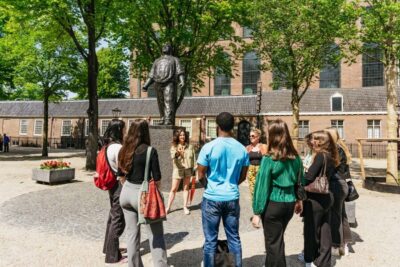
Amsterdam Anne Frank: Small-Group Walking Tour & Local Guide
Read our review →
Anne Frank’s Story – Guided Walking Tour through Amsterdam
Read our review →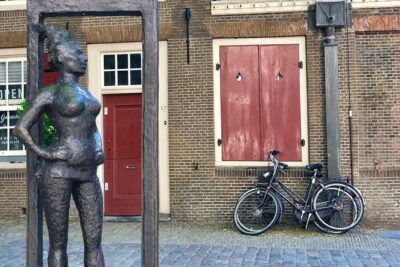
Absolutely Amsterdam – the Essential Introductory Walking Tour
Read our review →
Anne Frank Guided Walking Tour in DE/EN/IT/ES
Read our review →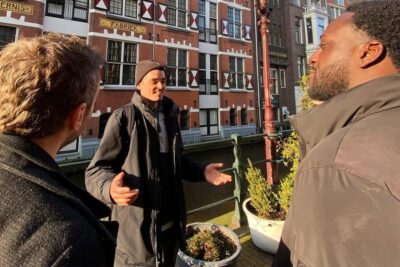

Anne Frank Walking Tour Amsterdam Including Jewish Cultural Quarter
Read our review →Browse the lists this tour appears in