
Reviewed · PRIVATE TOURS IN AMSTERDAM
Private Amsterdam Tour with a Local, Flexible & Custom
Amsterdam makes more sense on foot. A private, custom match with a local guide turns the usual highlights into a route that fits your pace and interests. You also get time for De 9 Straatjes, one of Amsterdam’s most fun, small-scale areas to wander.
I like that the tour is built around real city flow, not a checklist. You start near the National Monument, swing past Dam Square and the 400-year-old Westerkerk, and then move into neighborhoods where food and street life do the talking. One possible drawback is that ticketed sights are not included, so if you want to go inside places like the Anne Frank House, you’ll need to plan tickets separately.
In This Review
- Key things that make this Amsterdam tour work
- Why a private, flexible Amsterdam walk beats the generic intro
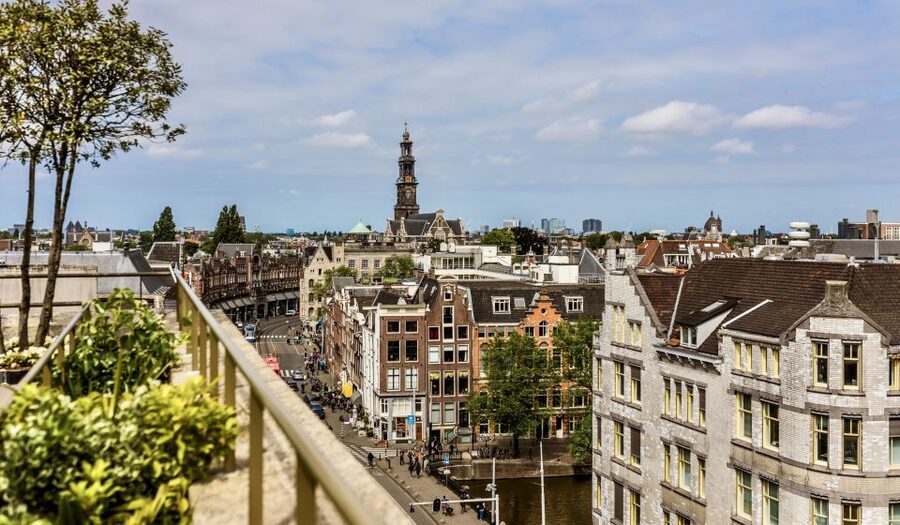
- Where you start: National Monument, Dam Square, and Westerkerk views
- Anne Frank House area, history talk, and why tickets are a key question
- Jordaan and Old Amsterdam Cheese Store: learning the city through food culture
- De 9 Straatjes: the micro-neighborhood walk you’ll remember
- Bloemenmarkt floating flower market: a sensory pause on the canals
- Amsterdam-Noord: parks, villages, and contemporary art energy
- How the guide matching works, and how to get the best version
- Timing, walking pace, and what you can realistically fit
- Price and value: what $71 per person really buys
- Weather, footwear, and making the rain work
- Should you book this private Amsterdam tour?
Key things that make this Amsterdam tour work
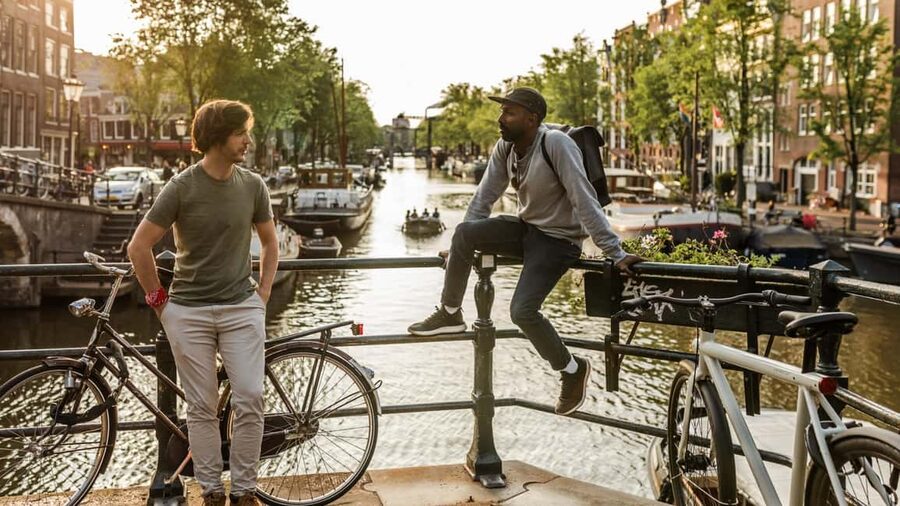
- Local matching by your interests and personality, so the route can lean toward architecture, history, food, or whatever you care about
- Flexible duration options, with bookings commonly offered as 3, 4, 6, or 8 hours (double-check what shows at checkout)
- A smart mix of icons and quieter streets, including Dam Square, Westerkerk, the Jordaan area, and De 9 Straatjes
- Canal-side stops with sensory payoff, like the Bloemenmarkt floating flower market
- A second side of the city, with Amsterdam-Noord for green parks, charming villages, and a contemporary art mood
- Pre-tour communication and on-the-ground help, including tips to use after the walk is done
Why a private, flexible Amsterdam walk beats the generic intro
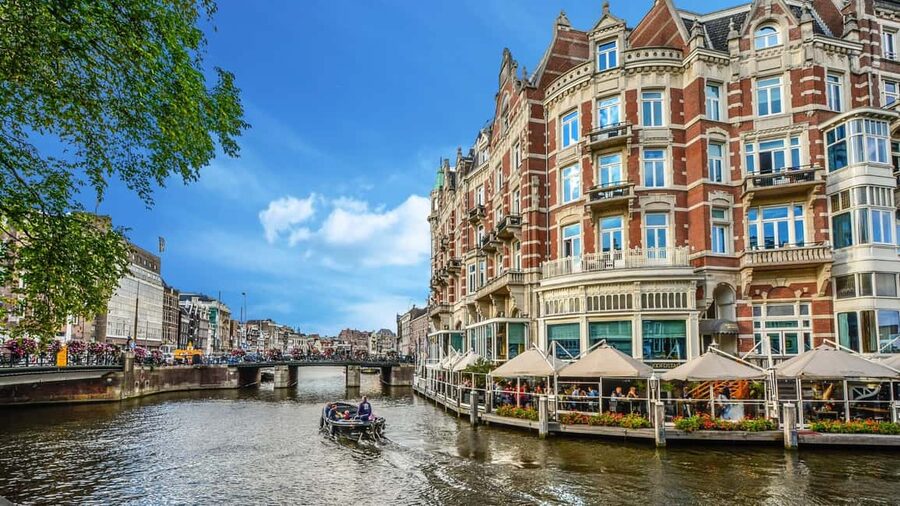
Amsterdam is compact, but it can feel confusing fast. Streets curve, canals intersect, and neighborhoods change character every few blocks. A private guide helps you decode the city, not just photograph it.
What I like most here is that the tour is personalized around you. You’re matched to a local host based on interests and personality, and then you shape the route within the hours you book. That matters because Amsterdam rewards curiosity, not speed.
There’s also real value in the format. This is a walking experience, so you see street scale, views, and the small details that buses skip. Add in practical recommendations for the rest of your stay, and you get something that lasts beyond the tour.
More Private Tours in Amsterdam

Where you start: National Monument, Dam Square, and Westerkerk views
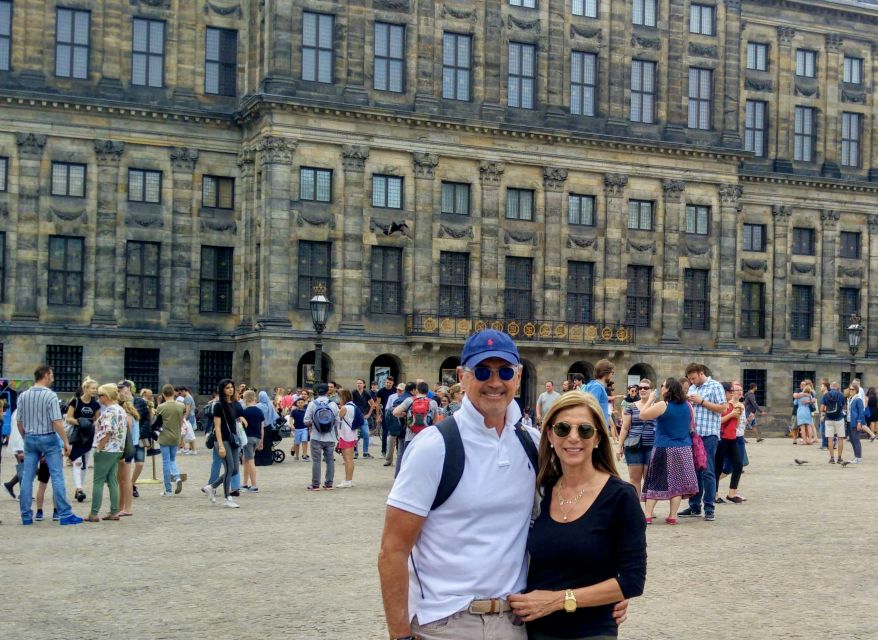
You meet your guide in central Amsterdam near the National Monument. From there, the route naturally pulls you into the classic heart of the city without feeling like you’re trapped in a tourist funnel.
Dam Square is the first big anchor. It’s a place where you can’t help but notice the relationship between power, public space, and daily life. Even if you’ve seen pictures, standing there helps you understand how Amsterdam likes to gather people in the open.
Then you move toward the Westerkerk, noted in the itinerary as a 400-year-old landmark. Seeing it from street level is different than seeing it in a postcard. You start to recognize how Amsterdam’s skyline is built, brick by brick, long before the canals and houses become the main event.
Anne Frank House area, history talk, and why tickets are a key question
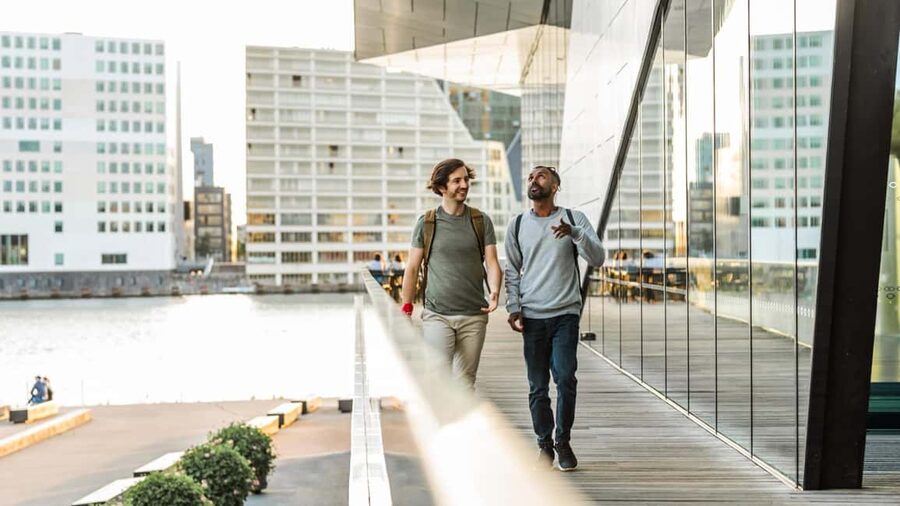
The route passes by major sights that put Amsterdam on the map, including the Anne Frank House area. That’s useful if your goal is orientation, because it puts the famous context into a real walking timeline.
But here’s the practical part: entrance to ticketed attractions is not included. So if your must-do is going inside, you’ll want to treat this tour as the prep and pacing, not the entry guarantee.
Also, one lesson from real experiences is that question quality matters. There are bookings that felt like the guide could not answer deeper monument and history questions, while others describe strong communication and helpful tailoring. To avoid the awkward version, tell your guide early what you want to learn and ask how they’ll handle specifics. If you care about architecture or the stories behind sites, say so before you start walking.
Jordaan and Old Amsterdam Cheese Store: learning the city through food culture
A big reason people love Amsterdam is that it’s a food city. This tour leans into that in a way that feels local, not staged.
You’ll pass through the Jordaan district, known here for quaint cafes and restaurants along its lanes. Jordaan has a strong neighborhood feel, and it’s a good area to understand how Amsterdam turns everyday life into something worth slowing down for.
The itinerary also includes time around the Old Amsterdam Cheese Store. Even if you don’t buy anything, the stop gives you a sense of how Dutch food culture shows up in daily shopping habits. I like stops like this because they give you a topic you can use later when you’re choosing what to eat on your own.
Keep your expectations grounded: food and drinks are not included. So if you want tastings or a meal, plan to add that yourself.
De 9 Straatjes: the micro-neighborhood walk you’ll remember
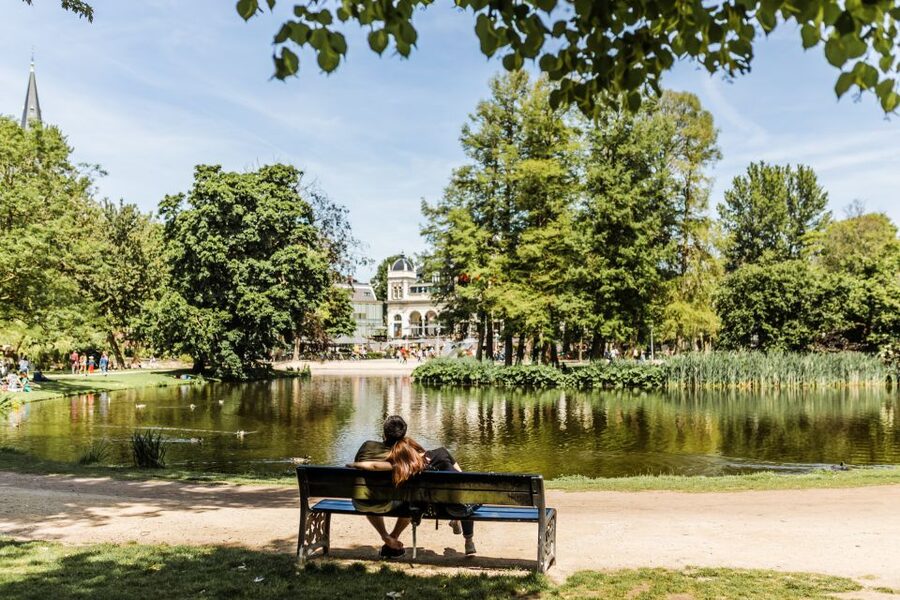
De 9 Straatjes is the neighborhood most likely to turn a good tour into a great one. It’s small enough to feel intimate, yet lively enough to keep your eyes moving.
Here, you’ll explore the canal-connected micro-area near the Jordaan district, with vintage boutiques and niche outlets along the lanes. The best part is the pace. You can stop, look up, read signs, and notice how storefronts and canal views blend together.
This is also where the custom angle can matter. If you’re into design, shopping, photography, or just streets that feel different from the main tourist spine, this segment pays off. If you’re on a tight schedule and you’re not into shopping or browsing, ask your guide how they’ll prioritize the time.
Also flying a pennant in Amsterdam
- Amsterdam: Van Gogh Museum Ticket
★ 4.7 · 52,054 reviews - Amsterdam: Heineken Experience Ticket including 2 Drinks
★ 4.6 · 36,014 reviews - Amsterdam Classic Saloon Boat Cruise with Drinks and Cheese
★ 5.0 · 31,825 reviews - Amsterdam Luxury Canal Cruise + Unlimited Drinks & Bites option
★ 5.0 · 30,518 reviews
Bloemenmarkt floating flower market: a sensory pause on the canals
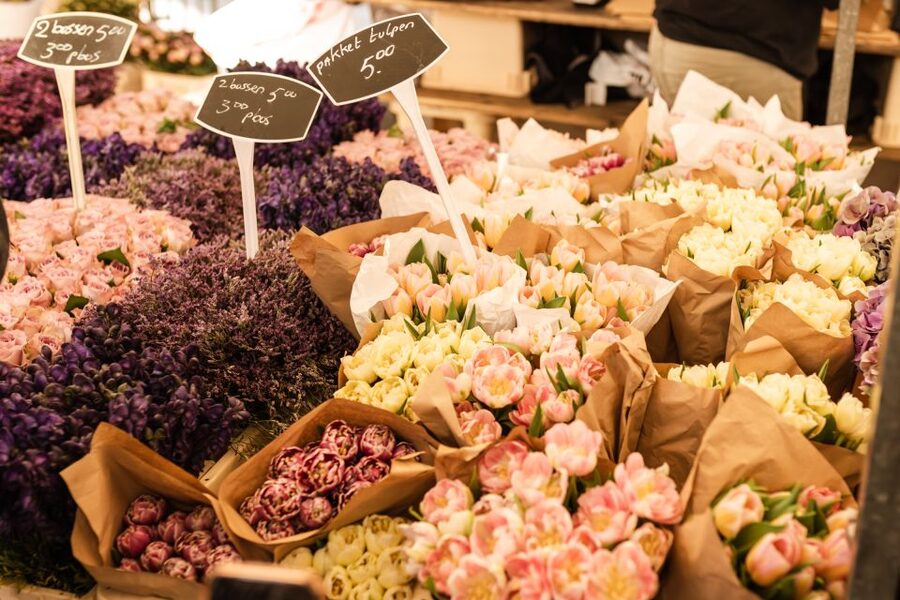
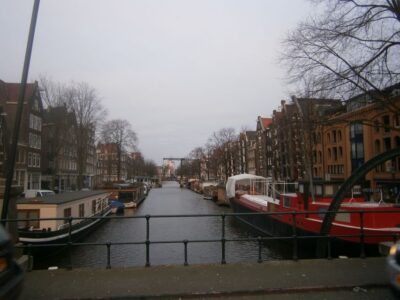
After the boutique lanes, the route moves to the Bloemenmarkt, described as the world’s first floating flower market founded in 1862. It’s one of those places where you immediately understand why Amsterdam has this reputation for canals plus culture.
What’s useful is that it’s not only a photo stop. It gives you a sensory moment, the kind that refreshes your brain when you’ve been walking for hours. You’ll also get canal views that help you connect earlier streets to the water network underneath the city.
If you’re visiting in colder months, it can still be pleasant to walk through and then move on quickly, since it’s a compact area. If it’s very crowded, just use your guide’s timing to get the best angles.
Amsterdam-Noord: parks, villages, and contemporary art energy
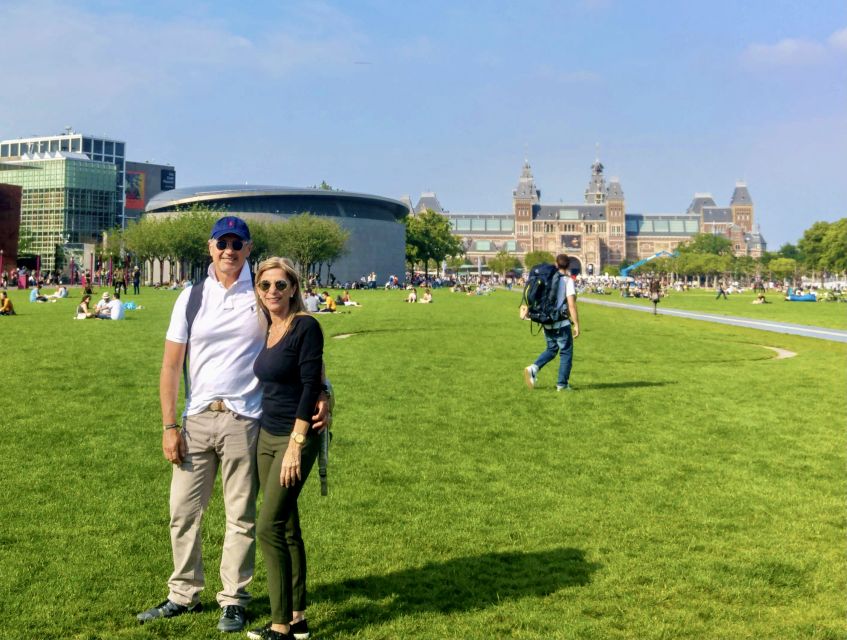
The tour doesn’t stop at the usual “only in the center” approach. You head to Amsterdam-Noord, an area known here for vast green parks, charming villages, and contemporary art.
This part is valuable because Amsterdam doesn’t feel uniform. Noord gives you breathing space and a different visual rhythm than the historic canal core. It can also be a smart choice if you’re tired of only grand landmarks and want more variety in your walking day.
The contemporary art mention is also important for expectation-setting. Even if you don’t go into a museum, the neighborhood identity is different. You’ll likely notice it in the feel of the streets, the pacing, and the mix of modern venues alongside calmer green space.
How the guide matching works, and how to get the best version
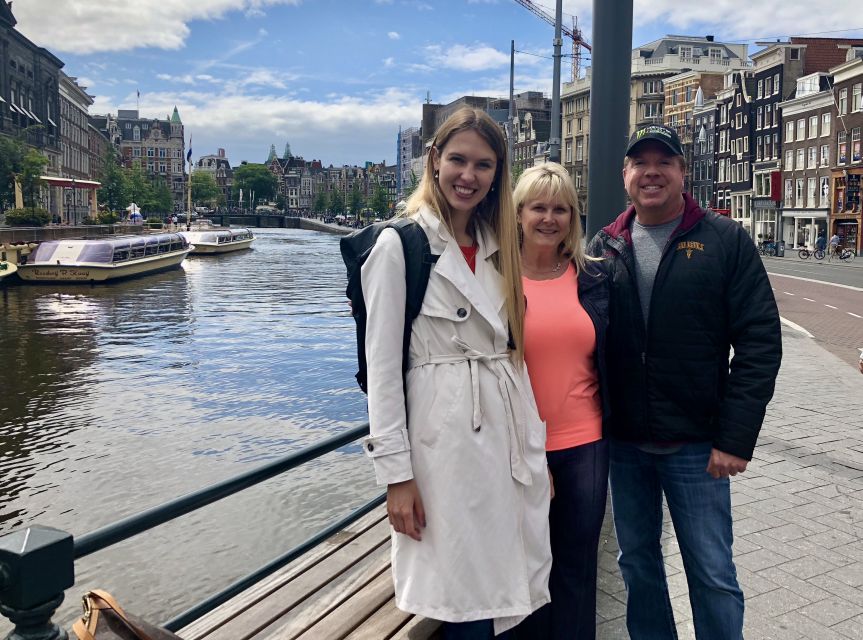
The biggest selling point is the guide matching. You’re paired with a local host based on interests and personality, and you can personalize the itinerary once you book. That means you should treat the initial communication as part of the tour, not a formality.
When a guide gets this right, the experience can feel tailored in real time. One guide named Aarre is described as adapting well to a family’s needs, which is exactly what this “custom” promise is supposed to look like. Another named Lurel is credited with strong communication and a good off-the-tourist-trail approach. Those are the kinds of strengths you want to look for.
On the other hand, not every booking hits the same level. A guide named Anna is mentioned as flexible when a train delay changed timing, but that particular tour still received a low rating because it wasn’t worth the price for that traveler. The takeaway is simple: communication and curiosity matter, and you should clarify what you want to learn early.
If you want the best outcome, message your interests clearly before the walk starts. Use specifics like architecture, canals, food culture, or a certain neighborhood vibe. Then ask what you’ll cover within your chosen hours.
Timing, walking pace, and what you can realistically fit
This tour is a walking experience, and walking adds up faster than people think. The route includes multiple distinct areas, from central icons to Jordaan and De 9 Straatjes, then into Bloemenmarkt and Amsterdam-Noord.
That’s why duration matters. The experience is presented with different time ranges, with common booking lengths listed as 3, 4, 6, or 8 hours. At checkout you might see a different starting window, like 2 to 5 hours, so it’s worth checking what exact option you’re selecting.
For most people, a longer walk is where the tour feels relaxed. In a shorter version, you’ll still get key areas, but the guide may prioritize breadth over long stops. If you love taking photos, browsing small shops, or asking lots of questions, pick the longer time. If you just want orientation and a handful of great street moments, the shorter options can work.
Also remember: transportation is not included. The tour is designed for walking and neighborhood movement, with the guide meeting you centrally. If you want museum entry or canal boat time, you may need to plan it outside the tour.
Price and value: what $71 per person really buys
The price is listed as $71 per person, with private, personalized walking for the time you choose. On paper, it can look like a “maybe” if you’re comparing to group tours.
But private value in Amsterdam isn’t just about avoiding crowds. It’s about time efficiency. A good guide helps you avoid dead ends, spot the best angles, and choose the right streets for what you want that day. It can also help you build a smarter itinerary for the rest of your stay using the tips you get at the end.
That said, value depends on guide fit. Since you’re buying customization, you’ll want to confirm your interests in advance. If your priority is deep monument history and your guide can’t answer specific questions, the experience can feel like sightseeing without substance.
So think of this as a “choose your conversation” tour. If you want your guide to talk through architecture, history, or food culture in a way that matches your questions, you’ll likely feel the value.
Weather, footwear, and making the rain work
The tour takes place rain or shine. That’s good if you hate wasted time, but it also means you should dress for a walking day.
Amsterdam weather can change quickly, and canal areas can feel cooler than you expect. Wear shoes you can trust on slick sidewalks, and plan for the possibility of damp hands if you’re taking lots of photos or looking at shop windows.
If it’s raining hard, the “walking experience” approach can become more stop-and-go. Ask your guide how they’ll handle pacing and whether they’ll keep moves short enough for comfort. The flexible nature of the tour usually helps here.
Should you book this private Amsterdam tour?
Book it if you want a personalized walking route that mixes big landmarks with street-level neighborhood character, including De 9 Straatjes, Jordaan, Bloemenmarkt, and Amsterdam-Noord.
Skip or reconsider if your plan is mostly about getting inside ticketed attractions, because entrance tickets are not included. Also consider whether you want heavy history deep dives, and message your interests early so the guide can prepare.
If you book with clear expectations and you communicate what you want to learn, this tour can do something simple but rare: it helps Amsterdam feel understandable and enjoyable at the same time.
Latest to arrive along the quays of Amsterdam




Private Tours in Amsterdam, compared.
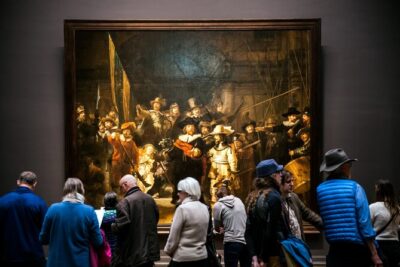
Rijksmuseum Amsterdam Small-Group Tour with Private Upgrade
Read our review →
Van Gogh Museum Tour Reserved Entry Semi Private
Read our review →
Private Amsterdam Red Light District and Coffee Shop Tour
Read our review →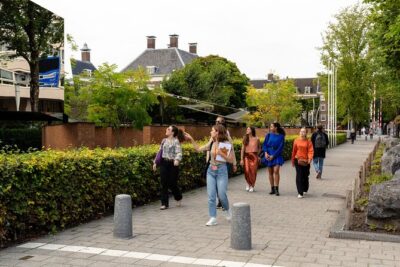
Anne Frank and Jewish Quarter Amsterdam Private Walking Tour
Read our review →
Amsterdam Airport & Non-Airport Private Transfer to City Center
Read our review →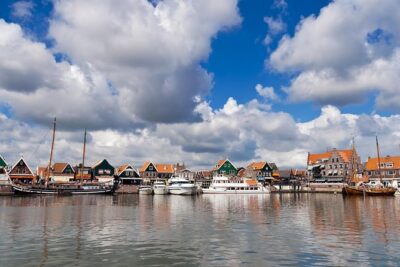
Private Excursion to Zaanse Schans, Edam, Volendam and Marken
Read our review →
Van Gogh & Rijksmuseum w/ Reserved Entry Semi-Private 8ppl Max
Read our review →
Anne Frank and the Jewish History of Amsterdam Private Tour
Read our review →Browse the lists this tour appears in