
Reviewed · MUSEUM TOURS IN AMSTERDAM
Our Lord in the Attic Museum Entrance Ticket in Amsterdam
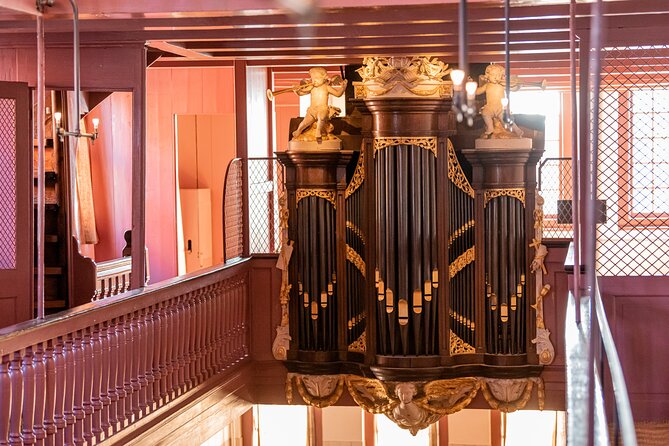
Four hundred years of faith fits in an attic. Museum Ons’ Lieve Heer op Solder turns a historic canal house into a walking time capsule, so you move through 17th-century rooms with period furnishings that feel oddly real. I also like that the main star is the Catholic church in the attic, built in 1663 for worship when it was officially forbidden.
The one thing to plan for: lots of stairs, plus the upper floors can run warm, especially on hotter days.
In This Review
- Key Highlights You Will Notice Fast
- Finding Museum Ons’ Lieve Heer op Solder in Central Amsterdam
- Your Ticket Value: Audio Guide, Mobile Entry, and Time Range
- What You’ll See When You First Step Inside the Canal House
- Going Up: Period Rooms, Narrow Stairs, and Real Texture
- The Attic Chapel Built for Restricted Catholic Worship
- Freedom of Religion in Amsterdam, Told Through Architecture
- The Connected Extension: The Neighboring Building Through an Underground Passage
- Practical Tips: When to Go and What to Bring
- How Long Should You Plan and Who This Fits Best
- Should You Book Our Lord in the Attic Museum?
- FAQ
- Where is the Our Lord in the Attic Museum located?
- How much is the ticket?
- How long does the visit take?
- Is the ticket mobile and available in English?
- What is included with admission?
- Are food and drinks included?
- Is there a place to store coats and bags?
- Can I bring a backpack or large bag into the museum?
- How does late arrival work?
- Can I cancel and get a full refund?
Key Highlights You Will Notice Fast
- Book ahead to lock in entry, since this is a popular stop in central Amsterdam
- Walk through preserved canal-house rooms, including living spaces, kitchens, and bedrooms
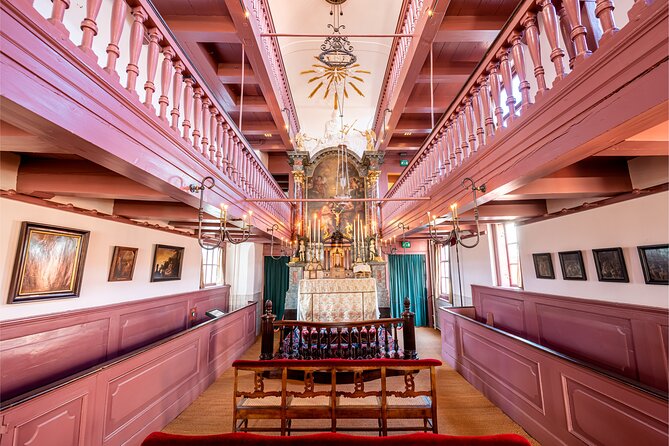
- Reach the 1663 attic church, a full chapel hidden during restricted Catholic worship
- Understand Dutch religious tolerance, tied to the era around Willem of Orange
- Continue into the connected extension, reached by an underground passage into a neighboring building
- Use the included English audio guide, so you control the pace
Finding Museum Ons’ Lieve Heer op Solder in Central Amsterdam
Our Lord in the Attic Museum is right where you want it if you like classic canal scenery and easy city walking. It sits in central Amsterdam on a historic canal, and that location matters more than you might think. You can slot this in between other sights without losing half a day to transit.
Also, the museum’s layout is part of the experience. You are moving through a real canal-house building and then up into an attic chapel, so you are not just looking at objects behind glass. You are reading the building with your feet, step by step.
The museum is served well by public transportation, so if your feet have had enough, you can still get here without stress. And yes, there is a cloakroom with free lockers, which helps when you come in with day bags or a heavier coat.
More Museum Tours in Amsterdam



Your Ticket Value: Audio Guide, Mobile Entry, and Time Range
This ticket runs $21.78 per person, which is a fair price for a museum that uses the entire building as the exhibit. You are not paying for a quick room with a few signs. You are paying to access a 17th-century house setup, plus the attic church, plus an additional wing in a connected neighboring building.
Plan on 30 minutes to 2 hours depending on how closely you listen and how much you stop to look. If you want a fast visit, you can keep moving. If you like context, take your time with the audio guide and you will fill the longer end of the range.
The ticket is mobile, and it is offered in English, which is handy if you do not want to fuss with printing. I like that the included audio guide keeps the story clear without forcing a group schedule on you.
One practical note: the museum says it can usually accommodate you even if you arrive late, but it is still smart to aim close to your reserved time. Some days are calmer than others.
What You’ll See When You First Step Inside the Canal House
Start by taking in the “house museum” feeling. The first floors are set up as museum rooms, refurbished so you get a glimpse of how people lived in 17th-century Amsterdam. You will move through living spaces, kitchens, and bedrooms, with period furnishings and decor that make the place feel like it was paused, not rebuilt from scratch.
This is where the visit starts to click. A lot of museums show you style. This one shows you layout, daily life, and the way people arranged space in a narrow canal-house footprint. You are walking through rooms that connect logically, and that makes the story easier to picture.
Because it is preserved as a time capsule, the atmosphere matters. You are seeing rooms and details that support the bigger idea of the museum: religious tolerance was complicated, practical, and lived out in real spaces, not just in textbooks.
Going Up: Period Rooms, Narrow Stairs, and Real Texture
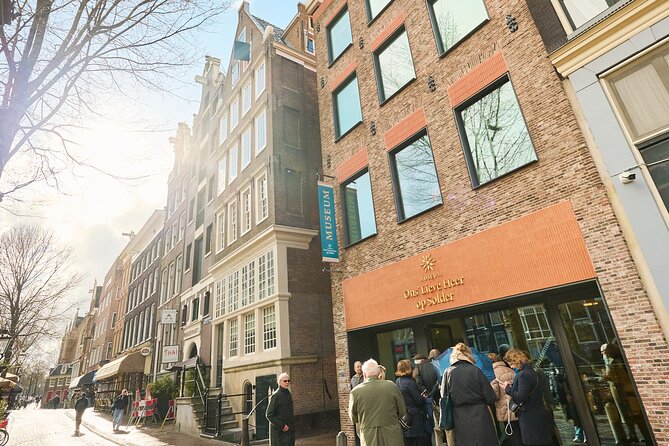
Soon you are climbing. Expect lots of stairs, and also expect narrow routes. The attic part is the dramatic finale, but the whole building asks you to go vertical.
This matters for two reasons. First, the climb physically slows you down just enough to take notice of what is around you. Second, the building becomes part of the “hidden church” message. Worship was not just a belief shift, it was an architectural and logistical challenge.
One downside: if it is hot out, the upper levels can feel that way too. The museum sits in an attic converted to a church space, so you might want to plan your timing on very warm days. If you are sensitive to heat, consider going earlier in the day and taking breaks between sections.
The Attic Chapel Built for Restricted Catholic Worship
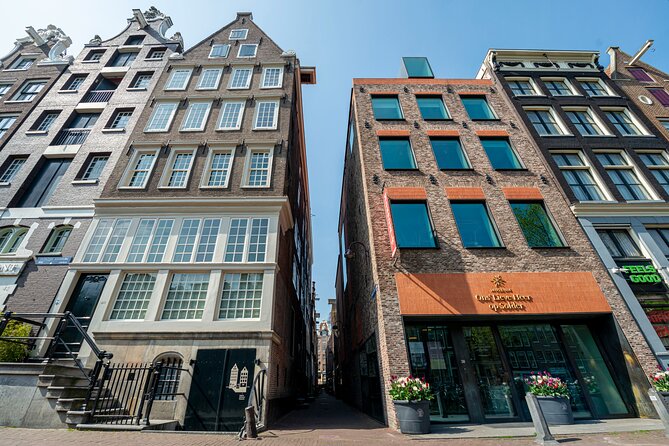
Then you reach the museum’s most unique feature: a complete Catholic church in the attic. It dates from 1663, and it exists because Catholics had restrictions on celebrating mass. The key point is not just that it was hidden, but that the building system worked as a workaround when open worship was not allowed.
The museum frames this in terms of Dutch religious tolerance during the period when religious freedom and conscience were shaping ideas in practice. The story is connected to the Dutch under Willem of Orange, and the museum today places themes of religious freedom and tolerance at the center of the visit.
You will likely find yourself looking differently than you would in a typical church museum. Here, the chapel feels like the last page of a longer, more human story. It is less about grand scale and more about how a real household adapted to keep faith alive.
One detail from visitors that you should keep an eye out for is that the pulpit storage is surprising. You may not know what you are looking at until it clicks, but it reinforces the idea that the space had to stay functional and not attract unwanted attention.
More museum halls off the squares:
- Amsterdam: Van Gogh Museum Ticket and City Canal Cruise
★ 4.6 · 3,899 reviews - Amsterdam: Van Gogh Museum Ticket & Canal Cruise
★ 4.5 · 3,304 reviews - Amsterdam: NEMO Science Museum Ticket
★ 4.4 · 2,979 reviews - Van Gogh Museum Amsterdam Exclusive Tour w/ Reserved Entry
★ 5.0 · 1,760 reviews
Freedom of Religion in Amsterdam, Told Through Architecture
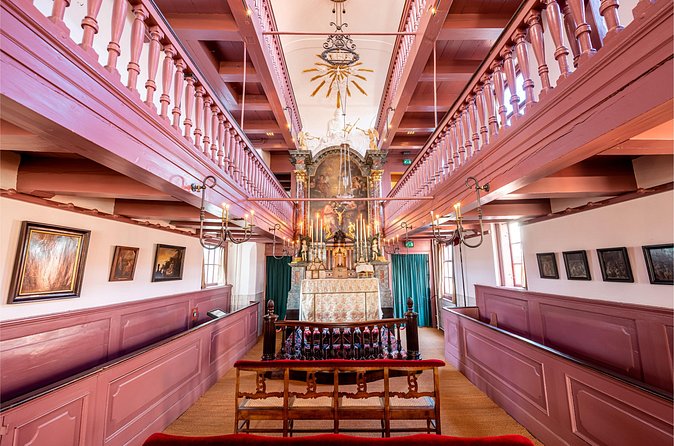
What makes this more than a quirky museum is the perspective shift. Yes, you get period furnishings and a cool attic church. But the museum is also making an argument about the Netherlands: that tolerance was not a slogan, it was a lived arrangement.
Walking the rooms helps explain why. You see how households used space and routine. Then, when you reach the attic chapel, the whole story lands with more weight. It is easier to understand how authorities might have looked away at times, and how people built workable solutions into everyday life.
If you like history that is specific and place-based, this works well. You are not just learning that tolerance existed. You are seeing how people navigated boundaries using the architecture around them.
The Connected Extension: The Neighboring Building Through an Underground Passage
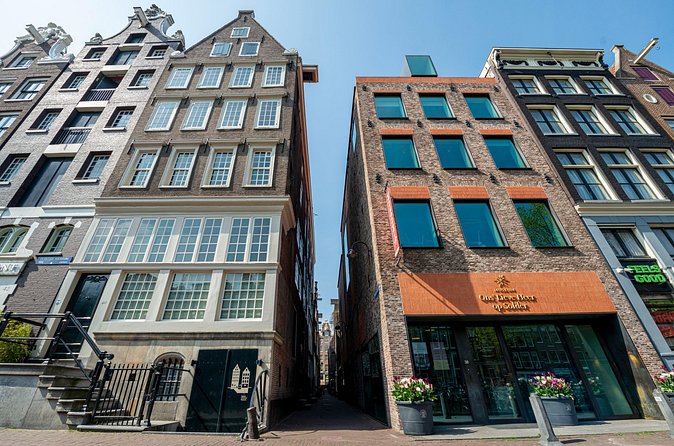
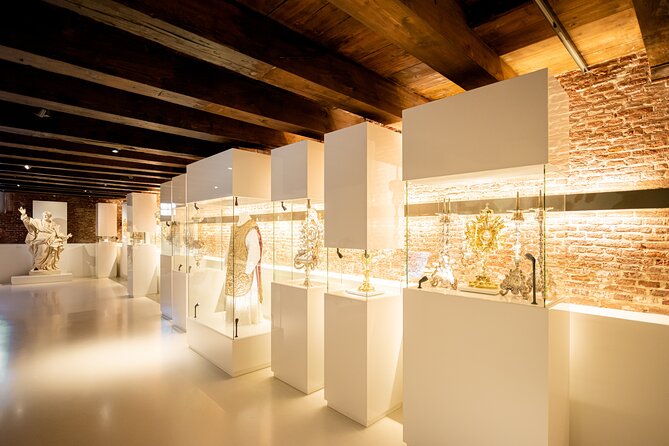
Your ticket also includes access to a newer wing built in a neighboring house. This is connected to the main site via an underground passage, which adds a neat “next chapter” feeling to the visit.
This extension is tied to the museum’s expansion at Oudezijds Voorburgwal 38. In 2015, the site added an entrance vestibule and linked the two buildings in a way that keeps the museum experience cohesive. The goal is to keep it an in situ museum, meaning the building itself stays part of the show.
Once you enter the extension, you continue exploring Dutch history through exhibits and displays. It is the part that can keep your attention if you are thinking, okay, I get the attic church, but what else does the museum do? This is where the museum connects the building story to broader interpretation.
Practical Tips: When to Go and What to Bring
This is the kind of museum where small practical choices improve the experience.
First, manage your bags. The museum has an unguarded cloakroom and a free locker system, but your coat and small bag are the right idea. Bags and backpacks cannot be taken into the museum, and the size limit for (hand)bags is A4 format. If your bag is bigger, plan to use the locker.
Second, wear shoes you trust on stairs. The route includes narrow steps, and you do not want to second-guess your footing while you are trying to take in details.
Third, be ready for the urban setting. The museum is centrally located, and parts of the walk to and from it can put you near areas associated with Amsterdam’s famous nightlife. Keep your focus on your destination and do not let the street vibe distract you from the quiet museum interior.
Fourth, timing helps. Because it can take 30 minutes to 2 hours, decide how you want to experience it. If you like reading every sign and listening carefully, give it more time. If you want the main highlights and a good audio listen, you can do it faster.
How Long Should You Plan and Who This Fits Best
If you are visiting Amsterdam for history that feels real, this is a strong fit. The museum is also a good choice if you like religious history that is not just theology, but real-world policy, community life, and the shapes that restrictions create.
I think this works particularly well for:
- people who like architecture and old city buildings
- anyone interested in 17th-century Dutch life
- travelers who prefer self-paced sightseeing with an audio guide
It might be tougher if:
- you have mobility issues, since there are many stairs
- you struggle with heat, because upper areas can feel warm
Most travelers can participate, but the building is not designed for an easy glide through rooms. It rewards the people who treat stairs as part of the ticket.
Should You Book Our Lord in the Attic Museum?
Book this if you want an Amsterdam museum experience that uses a real canal-house layout and a full attic chapel, not just artifacts. The story is distinctive, and the fact that the visit includes both the attic church and a connected extension gives you more value than you might expect from a small venue.
Skip or reconsider if stairs are a deal-breaker for you, or if you are extremely heat-sensitive. But if you can handle climbs and you enjoy history that you can physically walk through, this is worth your time and your money.
In a city packed with famous sights, this one hits a different note. It is quiet, specific, and memorable in a way that lingers after you leave the canal behind.
FAQ
Where is the Our Lord in the Attic Museum located?
It is conveniently located in central Amsterdam on a historic canal.
How much is the ticket?
The price is $21.78 per person.
How long does the visit take?
Plan for about 30 minutes to 2 hours.
Is the ticket mobile and available in English?
Yes. It is a mobile ticket and is offered in English.
What is included with admission?
Admission to the museum is included, along with an audio guide.
Are food and drinks included?
No, food and drinks are not included.
Is there a place to store coats and bags?
Yes. There is a free locker and an unguarded cloakroom.
Can I bring a backpack or large bag into the museum?
Bags and backpacks cannot be taken into the museum. The size limit for (hand)bags is A4 format.
How does late arrival work?
The museum encourages you to stay close to your reserved time, but it says it can usually accommodate you whenever you arrive.
Can I cancel and get a full refund?
Yes. Free cancellation is available, and you can cancel up to 24 hours in advance for a full refund. If you cancel less than 24 hours before the start time, the amount paid is not refunded.
Latest to arrive along the quays of Amsterdam





Museum Tours in Amsterdam, compared.



Amsterdam’s Weirdest Museum: Ripley’s Believe It or Not!
Read our review →



Van Gogh Museum Amsterdam Exclusive Tour w/ Reserved Entry
Read our review →
Moco Museum Amsterdam Admission Ticket with Banksy and more
Read our review →Browse the lists this tour appears in