
Reviewed · HISTORICAL TOURS
Nijmegen: Historic Hightlights Tour
Nijmegen tells its story on your feet. On this guided walk, you connect St. Stephen’s Church with the scars left by the WWII bombing of 1944, all in a tight loop you can handle without planning your whole day around it. I like that the guide keeps pointing out what to look at, not just what to memorize. One thing to consider: there is a small risk of a missed guide at the meeting spot, so arrive a few minutes early and check you are at the right place.
I also like the scale of the tour. This is a small-group walk, up to 10 people, in English or German, which makes it easier to ask questions when the stories get specific. The route includes steep streets and narrow alleys, and it is not a great fit if you have mobility limits.
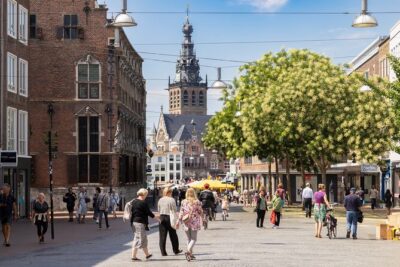
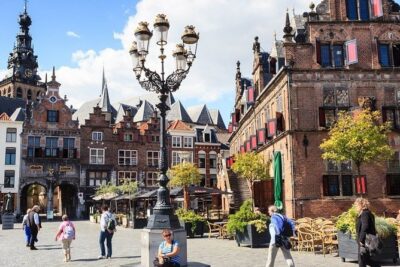
You meet in the heart of town, by the statue of Mariken van Nimwegen at café de Waagh near Grote Markt, then you head through the city’s Upper Town and Lower Town contrast. You finish back where you started, with a much clearer picture of how the Waal River, the Ice Age, Roman layers, and WWII all shaped what Nijmegen looks like today.
In This Review
- Key highlights you will notice right away
- Upper Town and Lower Town: Why Nijmegen feels layered
- Grote Markt meeting point and the first landmarks you pass
- Benedenstad walking: the medieval city center in motion
- St. Stephen’s Church: the kind of stop that changes your photos
- Town hall and the civic story behind the stone
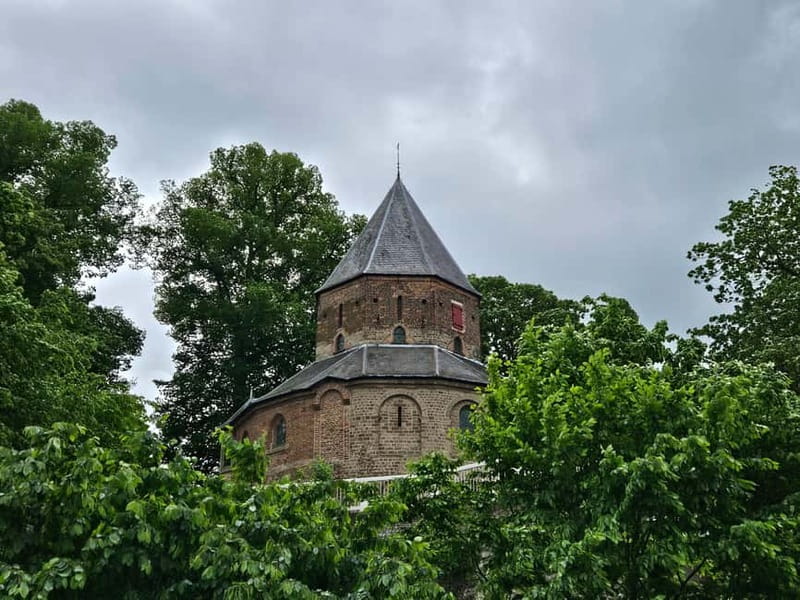
- Valkhof park: Roman layers you can feel in a calm setting
- Ice Age terrain and the Waal River: the science that explains the streets
- WWII bombing of 1944: learning without making it heavy
- Your guide in the field: what you get from live, local storytelling
- Practical walking notes: shoes, pace, and hill factor
- Price and value: is about $32 worth your time?
- Who should book, and who should skip
- Should you book the Nijmegen Historic Highlights Tour?
- FAQ
- Where is the meeting point?
- How long is the tour?
- How much does the tour cost?
- What languages are the tours offered in?
- Is this a small group?
- What will I see during the tour?
- Is food or drinks included?
- Do I need hotel pickup?
- Is the tour suitable for wheelchair users?
- Can I cancel for free?
- Can I reserve and pay later?
Key highlights you will notice right away
- Medieval streets with real explanations: You walk the medieval city center and learn what makes each stop matter, not just where it is.
- St. Stephen’s Church that you can read with your eyes: The guide points out details so you can actually see the design and meaning.
- Valkhof park as a Roman leftover: You visit the park area where a Roman stronghold once stood, now calm and walkable.
- Upper Town versus Lower Town topography: You experience the steep streets and narrow alleys that match Nijmegen’s terrain.
- WWII bombing of 1944 with lasting impact: You learn how that event changed the city’s landscape and memory.
Upper Town and Lower Town: Why Nijmegen feels layered
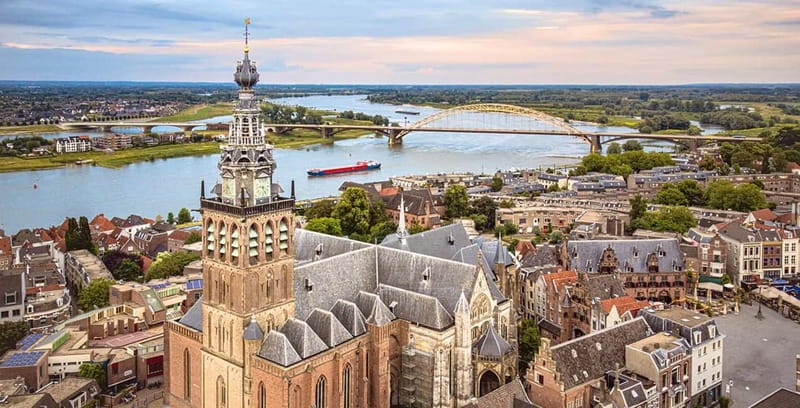
Nijmegen sits on terrain that creates a clear contrast between its Upper Town and Lower Town. On this tour, you feel that difference fast. The streets do not lie. As you move through narrow lanes and steep descents, you understand why locals built, lived, and moved the way they did.
The guide ties that experience to the city’s physical setting. You will hear about the Waal River and how water and position mattered over time. You will also hear about the Ice Age and the way it shaped the ground under Nijmegen. Even if you never took a geology class, the explanation is meant to make the walking make sense, so the geography stops being abstract.
For me, this is one of the best ways to appreciate a Dutch city. You get a story you can feel with your legs, not a lecture you forget the next day. If you enjoy connecting “why” to “what you see,” you will get a lot from this contrast.
More Golden Age corners on foot:

Grote Markt meeting point and the first landmarks you pass
The tour starts at Grote Markt, and your meeting spot is by the statue of Mariken van Nimwegen at café de Waagh. This matters because Grote Markt is busy and easy to misread if you arrive late. I recommend showing up a little early so you can locate the group without stress.
From the start, you get the rhythm of the walk. You are not going far outside the center. Instead, the tour stays focused on the historic core and the viewpoints and streets that help you understand the city’s story.
You will also get the practical benefit of a guided route. The guide knows where to stop for short pauses and what you should look at while you are standing there. That sounds minor, but it changes everything. Without a guide, you might speed past the church or town hall. With one, you slow down at the exact spots where the building details and history connect.
The tour runs about 1.5 hours and returns to Grote Markt, so it is a smart use of time if you want history without committing your whole afternoon.
Benedenstad walking: the medieval city center in motion
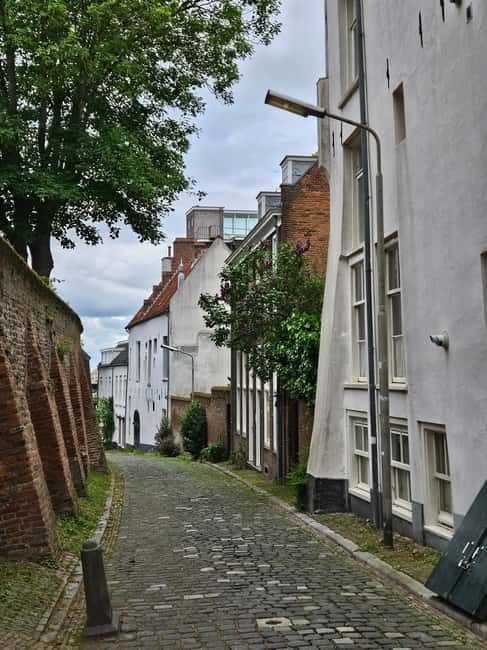
After you begin at Grote Markt, you head toward Benedenstad and the medieval city center. This is where the tour earns its pace. You walk through streets that keep your attention because you can see the “before” and “after” in the built environment.
You will also learn how the guide frames the city’s development. The point is not a long list of dates. It is a sense of cause and effect: how Nijmegen grew, why certain areas mattered, and how later events left visible marks.
Along the way, you will encounter the kind of landmarks that help your brain build a map. Even if you are not a “I love old buildings” person, it becomes easier to follow because you keep getting context in small bursts.
One small drawback: this is a walking tour in a topographically hilly area. If you dislike uphill walking, you will still have to negotiate steep streets and narrow paths. That is part of the experience, but it is worth planning for.
St. Stephen’s Church: the kind of stop that changes your photos
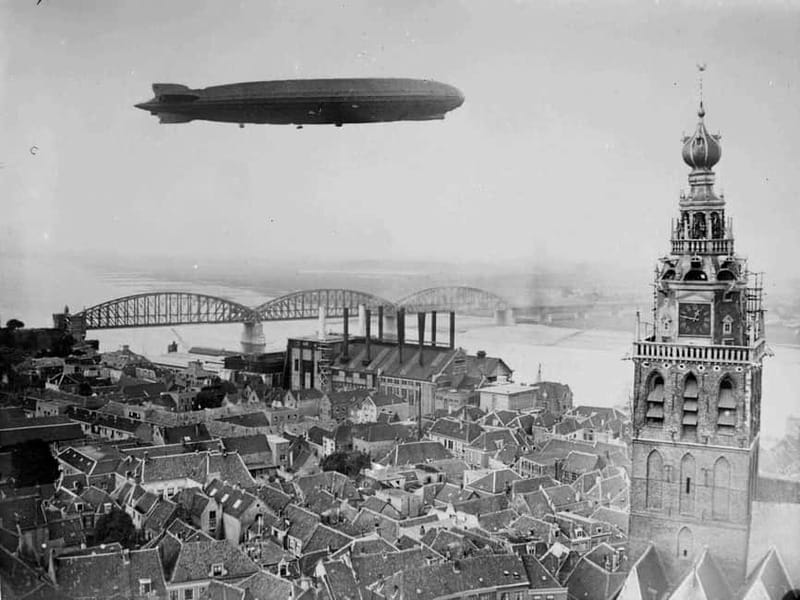
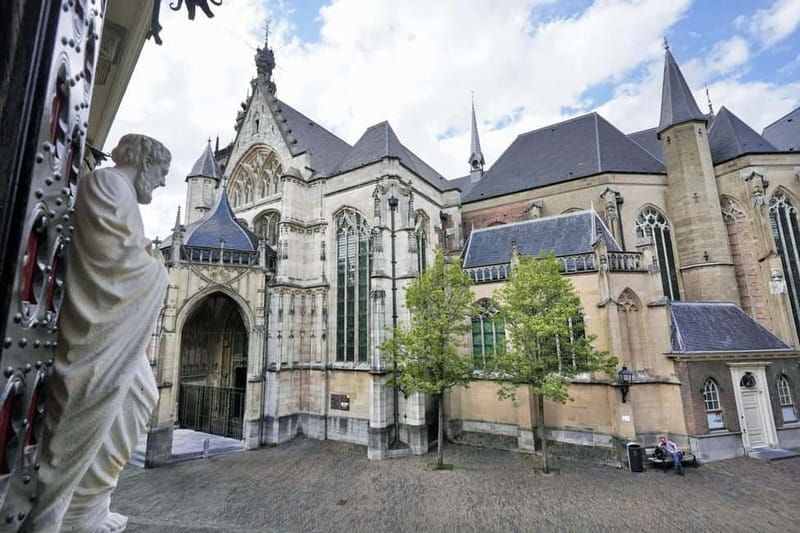
St. Stephen’s Church is a major focus of the walk, and it is the kind of stop where a guide makes a difference. You are not just looking at a church facade and moving on. The guide brings attention to what you can actually notice on-site, which helps you appreciate the building even if you are not an architecture expert.
What I like most is that the explanation stays tied to the city. The church does not feel like a random “must-see.” It becomes part of the way Nijmegen’s civic life and identity formed over time.
This is also a good mental reset during a busy day. Walking through medieval streets can blur together. Then you stop at a landmark with enough presence that you naturally slow down. You end up with photos that look more meaningful because you know what you are looking at.
If you plan your day around photos, you will enjoy this stop. You will probably spend a bit longer here than you would on your own, and it pays off.
Town hall and the civic story behind the stone
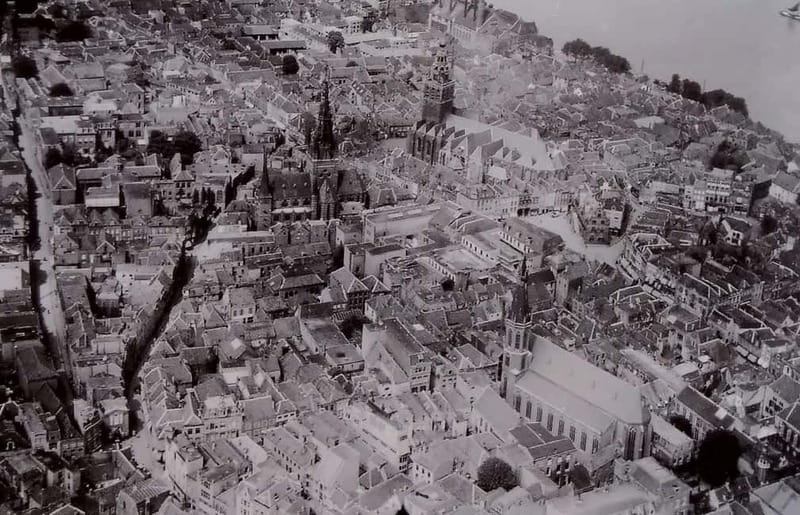
The tour also includes the distinctive town hall. This is a smart pairing with St. Stephen’s Church because it covers the civic and spiritual sides of city life without turning the walk into a history-only grind.
In practical terms, the town hall stop helps you understand how Nijmegen worked. You learn why this kind of building belongs near the center of town, and how its presence signals authority, organization, and local governance.
The best part is that the guide connects these civic buildings to the larger story. You are not just told, “This is historic.” You are shown how these spaces fit into Nijmegen’s long timeline.
If you enjoy small details, this is also where you can ask questions. With a group capped at 10, you are less likely to feel like you are shouting over other people.
Also flying a pennant in Nijmegen
- Nijmegen: River Cruise with All-You-Can-Eat Dutch Pancakes
★ 4.4 · 341 reviews - e-Scavenger hunt Nijmegen: Explore the city at your own pace
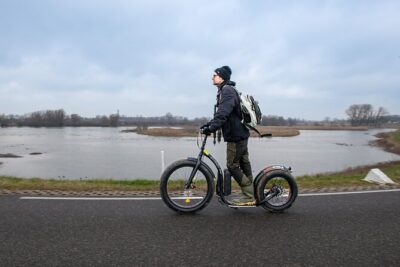
★ 4.5 · 25 reviews - 2 hour Private E-Chopper Tour in Nijmegen
★ 4.5 · 25 reviews - Nijmegen: City Walk with Audio Guide in 7 Languages on your Phone
★ 4.0 · 7 reviews
Valkhof park: Roman layers you can feel in a calm setting
Next up is Valkhof, a park area with deep roots. You visit where a Roman stronghold once stood, and now it is a peaceful place to walk and absorb the setting.
This kind of stop works because it offers contrast. You leave the more urban medieval streets and stand in a greener, quieter space. The guide uses that contrast to help you think about time layers. Roman-era power, medieval developments, and later modern life are all connected through the same ground.
I like that the tour does not treat Valkhof as a single “Roman thing.” It ties the Roman connection into the broader geography you are learning about, including Nijmegen’s position and how the ground and water influenced what people built and protected.
If you are the type who gets tired by back-to-back monuments, Valkhof is a breather. It is not “sit in a museum room” fatigue. It is fresh air fatigue relief, while still learning.
Ice Age terrain and the Waal River: the science that explains the streets
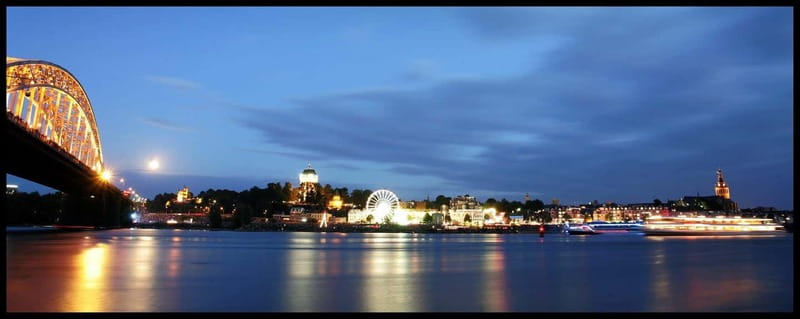
One of the most useful aspects of this tour is that it answers a question you might not know you have: why is this city built this way? The guide explains the Ice Age effect on the terrain and how that plays into Nijmegen’s unique topography.
Then the tour connects that to the Waal River. Even if you do not plan to go right up to the river itself during the walk, you still get the sense that water shaped trade, movement, and how people chose where to live.
This is not science for science’s sake. It is explained so you can match it to what you are walking on right now. When you notice the steep streets or the way the city seems to drop away, the explanation sticks.
For me, this is where the walk becomes more than a list of sights. You start to understand the city as a system, with history and physics pulling together.
WWII bombing of 1944: learning without making it heavy
The tour includes stories about WWII and the devastating bombing of 1944, plus how that event left an impact that can still be seen and felt in the city.
This part can be emotionally heavy, but the structure of the tour helps keep it grounded. Instead of turning into a lecture, the guide connects the history to what you can observe while you walk. You learn about the event and the lasting influence on Nijmegen’s landscape and memory.
I appreciate that approach because it gives you understanding, not just sadness. You leave with context for why certain areas and city features exist the way they do.
If you prefer your tours to be mostly celebratory, this segment might be the moment that slows you down. If you prefer meaning and context, you will likely find it one of the most memorable parts of the whole walk.
Your guide in the field: what you get from live, local storytelling
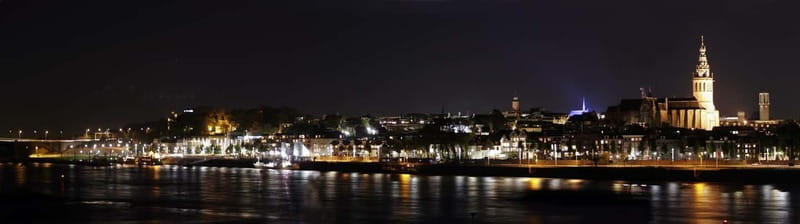
This is a live guided walk with a real person leading the conversation. The tour is run in English and German, and the format is built for small groups, so you are not stuck listening to a voice bouncing off a crowd.
In one experience, the guide was Joris, described as friendly and enthusiastic, with deep local knowledge. I like what that style of guiding tends to do: it makes you feel like you are walking with someone who cares about both the city and your questions.
You can also expect that the guide will use practical aids like maps and pictures. That helps when you are hearing about multiple time periods in a short window. Instead of trying to hold everything in your head, you can match the story to a visual reference.
One note of realism: you are relying on the guide arriving and starting on time. There was at least one reported case where the guide did not show up, and the organizer was hard to reach. I cannot control that risk for you, but you can reduce stress by arriving early and double-checking you are at the meeting point before your scheduled start.
Practical walking notes: shoes, pace, and hill factor
This is a walking tour with steep streets and narrow alleys. The good news is that it is short, about 1.5 hours, and ends back at the start. The less fun news is that the terrain is part of what you paid to experience.
Bring comfortable shoes. Not fashion shoes. Not the ones you wear once a year. Comfortable shoes help you enjoy the stops instead of focusing on where your feet hurt.
The tour is not suitable for people with mobility impairments or wheelchair users. That is because of the route type, with steep streets and narrow walking areas.
If you want to fit this tour into your day, treat it like a morning or early afternoon anchor. You will come out with a mental map of Nijmegen, which makes it easier to explore on your own after.
Also, food and drinks are not included. If you are sensitive to getting hungry, grab a snack before you go. Then enjoy the walk without hunting for a café mid-route.
Price and value: is about $32 worth your time?
At $32 per person, this tour is positioned as an accessible guided intro to Nijmegen. You are paying for a guided walk, a live guide, and specific stops including St. Stephen’s Church and Valkhof park, plus exploration through the medieval city center.
In plain terms, the value is in the context. A self-guided stroll will show you the buildings, but it will not automatically connect Ice Age terrain, Waal River influence, Roman stronghold history, and WWII impact into one coherent story while you are actually standing in front of the evidence.
Because the group is limited to 10 participants and the guide is live, you also get a better chance to ask questions than you would on a larger tour. That can make the experience feel more personal, even in a short timeframe.
If you are already planning time in Nijmegen, this is a solid way to make that time count. If your schedule is extremely tight and you only want one viewpoint, you might skip it. But if you want understanding, this price-to-information ratio is fair.
Who should book, and who should skip
This tour is a great fit if you:
- enjoy history that explains why places look the way they do
- like walking through medieval cores and learning on foot
- want WWII context tied to real places, not just distant facts
- prefer small groups of up to 10 people
You should probably skip it if you:
- need wheelchair-friendly routes or have mobility limitations that prevent walking steep streets
- want a low-effort, flat city stroll
If you are traveling with kids, this could work if the children can handle a 1.5 hour walk and basic historical storytelling. The tour is structured and guided, but it still involves uphill and narrow paths.
For solo travelers, this is also a good match because the pace is manageable and the small group size makes it easier to interact with the guide.
Should you book the Nijmegen Historic Highlights Tour?
Book it if you want a focused, walkable introduction to Nijmegen that connects medieval sights, Roman traces at Valkhof, and WWII lessons in 90 minutes. I like that you get both the “what” and the “why,” especially the parts about Ice Age terrain and the Waal River that explain why the city feels the way it does under your feet.
Skip it if walking steep streets sounds like your personal nightmare, because the route is not built for mobility impairments or wheelchair users. Also, arrive early at Grote Markt by the Mariken van Nimwegen statue near café de Waagh, just to avoid any start-time confusion.
If you are aiming for an efficient history hit with a small-group guide and clear, memorable stops, this is a good use of your time in Gelderland.
FAQ
Where is the meeting point?
You meet at Grote Markt, by the statue of Mariken van Nimwegen for café de Waagh.
How long is the tour?
The tour is listed as 1.5 hours.
How much does the tour cost?
It costs $32 per person.
What languages are the tours offered in?
The guide leads in English and German.
Is this a small group?
Yes. The group is limited to 10 participants.
What will I see during the tour?
You explore the medieval city center, visit St. Stephen’s Church, and visit the Valkhof park.
Is food or drinks included?
No. Food and drinks are not included.
Do I need hotel pickup?
No. Hotel pickup and drop-off are not included.
Is the tour suitable for wheelchair users?
No. It is not suitable for wheelchair users or people with mobility impairments.
Can I cancel for free?
Yes. Free cancellation is available up to 24 hours in advance for a full refund.
Can I reserve and pay later?
Yes. You can reserve now and pay later, with no payment needed today.
Latest to arrive along the quays of Nijmegen
Historical Tours, compared.
Amsterdam Food and Cultural Tour with Tastings
Read our review →
Kinderdijk UNESCO World Heritage Entry Ticket
Read our review →

Amsterdam High-End Dutch Food & History Tour – Up to 8 guests
Read our review →
Cruise through the Historic City Center with Guide
Read our review →Browse the lists this tour appears in