
Reviewed · FULL-DAY
Maastricht and Tripoint Full-Day Trip from Amsterdam
Cross three countries in one calm day. This full-day Maastricht and Tripoint trip pairs a guided stroll through historic streets with a hike to Vaalserberg and a visit to the Drielandenpunt where borders meet. I like the small-group feel (max 8) and the way the guide threads stories into real places. One possible drawback is the day is packed with walking and photo stops, so you will want solid shoes and patience.
You start in Amsterdam and roll south by luxury small-group coach for about 2.5 hours, then you spend the rest of the day focused on Maastricht’s old center, its defensive works, and that border-hike payoff. The tour runs about 11 hours total with an English live guide, so it feels like a true day trip rather than a quick hit-and-run. You also need to plan for all-seasons weather in one day.
In This Review
- Key moments that make this day trip work
- Why Maastricht and the Tripoint make a satisfying one-day mix
- Getting from Amsterdam: coach timing and what it means for your day
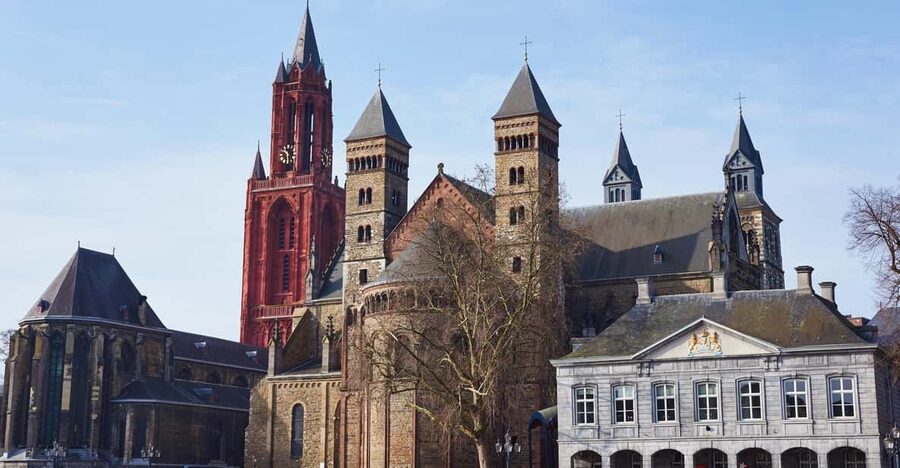
- Vrijthof, Saint Servatius, and the old-city walk you actually remember
- A note on the pace
- Stepping onto the oldest Meuse River bridge, then into Saint Servatius sites
- Fort Sint Pieter and Maastricht’s “defense mindset” you can still see
- The underground passageways thread, and why it matters on this tour
- Tripoint (Drielandenpunt) and the border-hike to Vaalserberg 322.7m
- Timing you can plan around, including the photo stops
- Price and value: what $186 per person is buying
- Who this is best for, and who should think twice
- Should you book the Maastricht and Tripoint full-day trip?
- FAQ
- How long is the Maastricht and Tripoint day trip from Amsterdam?
- What is the group size?
- Is there an English live guide?
- Which places are included during the day?
- What should I wear and bring?
- Is the tour suitable for kids or mobility needs?
- Is free cancellation and pay later available?
Key moments that make this day trip work
- Tripoint time at Drielandenpunt where the Netherlands, Belgium, and Germany meet.
- Vaalserberg hike to 322.7 meters for the highest point in the country.
- Historic Maastricht walking loop around places like Vrijthof and the Helpoort.
- Fort Sint Pieter and defense leftovers including the area tied to underground passageways used in sieges.
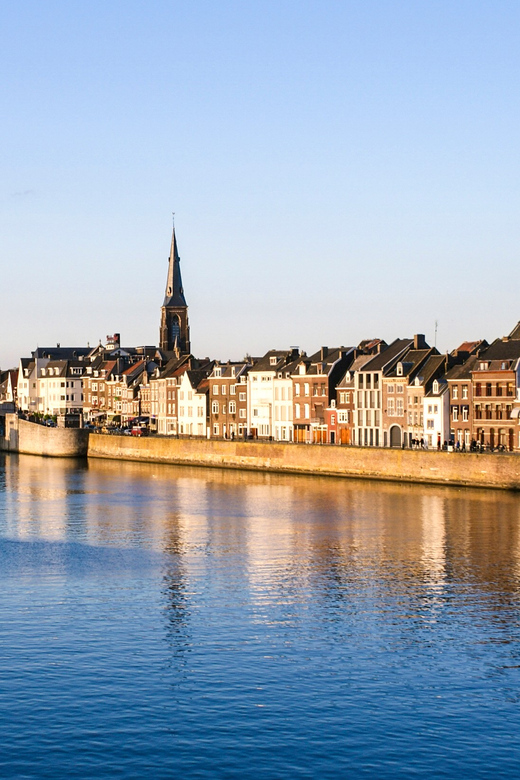
- Old Meuse River crossings and landmark churches tied to Saint Servatius and the region’s religious sites.
- Small-group coach comfort with a live English guide and limited group size.
Why Maastricht and the Tripoint make a satisfying one-day mix
Maastricht is the kind of city that rewards a slow walk, even when you only have a single day. It has been inhabited since Roman times, then kept evolving through religious and industrial eras, so you see layers instead of one single “theme.” And because Maastricht sits on the Meuse River, it also has a strong military story, with walls, moats, forts, and even underground passageways tied to older sieges.
What I especially like is how the day trip balances city history with a “standing in the right place” moment at the border. The Tripoint gives you a clear, visual geography lesson: the Netherlands, Belgium, and Germany literally meet in one spot. Then you hike up to Vaalserberg at 322.7 meters, which turns that border theme into views you can feel.
Also flying a pennant in Amsterdam


Getting from Amsterdam: coach timing and what it means for your day
This is built as a full-day excursion with coach travel both ways. You meet at the pickup and drop off area outside the main entrance of DoubleTree by Hilton Amsterdam Centraal Station, canal side. From there, the ride to Maastricht takes about 2.5 hours, and the return ride to Amsterdam is also about 2.5 hours.
That matters because you should treat this as an all-in day. You are going to spend the morning traveling, the middle of the day walking and exploring, then you head back and close out the day late enough that you might not feel like planning anything else in Amsterdam right after. If you are the type who hates long sitting time, this is still doable, but bring the mindset that the coach is part of the experience, not wasted time.
One more practical point: the group is limited to 8 people, and you travel in a luxury small-group coach with a professional driver. That smaller format usually means fewer delays than big-bus tours, and the guide can keep the group together at the walking stops.
Vrijthof, Saint Servatius, and the old-city walk you actually remember
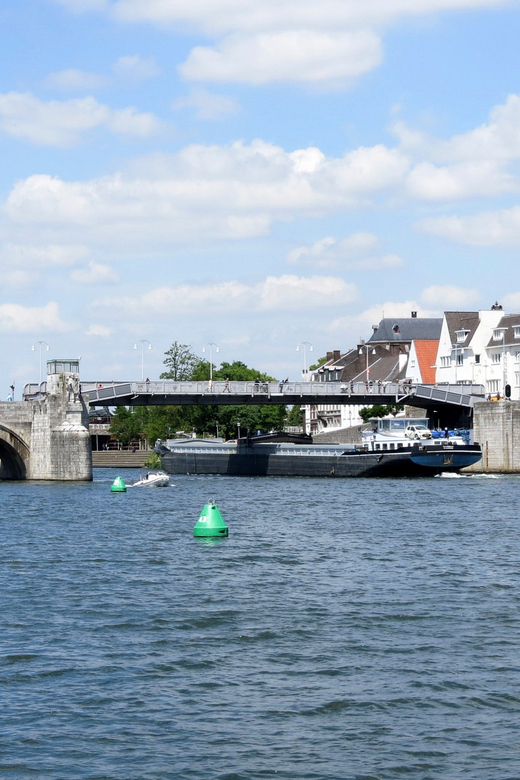
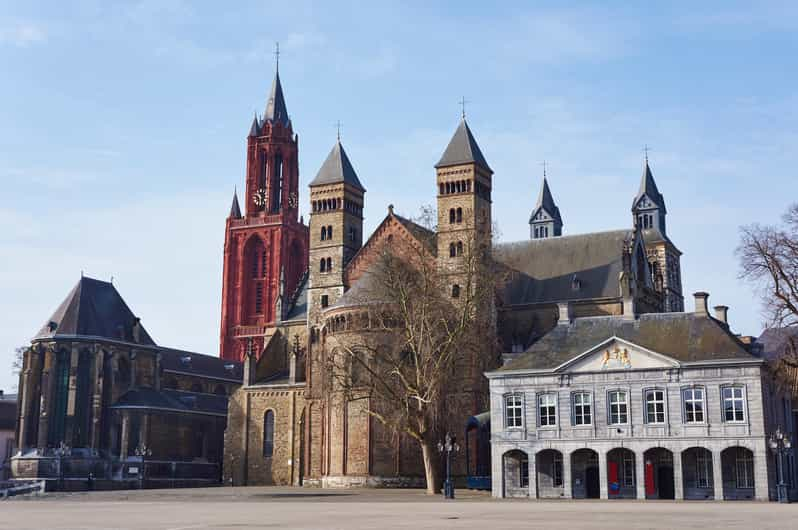
Once you reach Maastricht, the day shifts into pedestrian mode. Your first major stop is Vrijthof, where you get time to explore the squares and key landmarks in the historic core. Vrijthof is known for its central public vibe, and it is also where you can connect the city’s religious landmarks with its everyday street life.
From there, the tour focuses on major church stops and photo moments that let you orient yourself fast. You will have time at the Basilica of Saint Servatius for photos, then you move through other classic central squares like Onze-Lieve-Vrouweplein. There is also a stop for the Helpoort, a gate that helps you feel how fortified the area once was.
If you care about architecture, this part of the trip is your foundation. The guide walk is designed so you are not just “passing by” famous places. You get context that explains why these spots matter and how Maastricht grew into a strategic power on the Meuse.
A note on the pace
Some stops are photo stops, with limited time set aside. That is not bad, it is just a reality of fitting Maastricht plus the Tripoint plus a Vaalserberg hike into one day. I suggest you keep your expectations simple: you are getting the highlights with enough time to see and photograph, not an open-ended wander.
Stepping onto the oldest Meuse River bridge, then into Saint Servatius sites
One of the standout moments for me is the emphasis on the Meuse River crossings and Saint Servatius landmarks. The tour is built around you stepping on the oldest bridge on the Meuse River, which is a great way to connect modern sightseeing to long-term geography. Bridges are not just pretty. They show where movement, trade, and conflict had to pass.
You also visit Saint Servatius Basilica, and the day includes stops tied to the area’s oldest churches. Maastricht is strongly associated with this religious identity, and the tour helps you see how the sacred sites sit right inside the city’s normal street pattern, not off on some separate museum island.
You will also see reference points tied to other historic religious architecture in the center, including Sint-Jan’s Cathedral and other square landmarks. Even if you are not going inside every place, the tour gives you enough orientation to understand what you are looking at once you step back out into the streets.
Under the next bridge out of Amsterdam:
- Amsterdam Luxury Canal Cruise + Unlimited Drinks & Bites option
★ 5.0 · 30,518 reviews - Amsterdam: Rijksmuseum Entry Ticket
★ 4.7 · 29,512 reviews - Amsterdam: Classic Saloon Boat Cruise with Cheese & Wine
★ 4.6 · 27,035 reviews - Amsterdam: Evening Cruise with Optional Wine and Snacks
★ 4.4 · 22,178 reviews
Fort Sint Pieter and Maastricht’s “defense mindset” you can still see
Maastricht is not only about churches and squares. It is a city shaped by who controlled the roads and river. Because the city has been attacked by foreign powers countless times, you can find elaborate defensive works around it, including city walls and moats, plus forts built for survival.
This is where Fort Sint Pieter fits in. The tour schedules a visit to Fort Sint Pieter, and it is the best bridge between the city’s public monuments and its defensive design. You can also connect this fort story to Maastricht’s underground passageways. Those tunnels were built between 1575 and 1825, and they were used during times of siege to surprise enemies. Some sections are partially open to the public, which is a rare chance to picture not just conflict in the abstract, but the practical “how” of moving under pressure.
Even if you do not love military history, this stop changes how you see the city. After Fort Sint Pieter, Maastricht’s walls and gates feel more purposeful. Before that, they can look like old stone and nice views. After it, they feel like infrastructure made for survival.
The underground passageways thread, and why it matters on this tour
The underground story is a big part of why this day trip feels more than “churches and photos.” The tour highlights the fact that there is a network of tunnels built from 1575 to 1825, designed for siege tactics. That detail helps you connect the older fortifications to the city’s river-based importance.
When you understand the tunnel idea, the city becomes more than a pretty set of landmarks. You start noticing how the landscape and defenses likely worked together. It is also a good way to learn without needing heavy reading. You see a fort, you hear why it existed, then you get a sense of how the city could respond when an enemy showed up.
Tripoint (Drielandenpunt) and the border-hike to Vaalserberg 322.7m
Then comes the moment that makes this tour special. You head to the Tripoint, also called Drielandenpunt, where the borders of the Netherlands, Belgium, and Germany meet. This is the kind of stop that is hard to duplicate on your own if you only know cities and not coordinates. Here, the tour brings you to the exact “three-country” point and gives you time to take it in.
Next, you go to Vaalserberg, the highest point in the Netherlands at 322.7 meters. The tour describes it as a hike up to the top, and that is the right way to treat it. The best part is not just the altitude. It is the shift from city sights to open-air views, where you can better understand why a border area became strategically important.
On a good day, the Tripoint and Vaalserberg pair together perfectly. The Tripoint gives you the map lesson, and the hike gives you the physical context. You feel the day changing gear, and that helps the full-day schedule stay interesting instead of turning into a list of stops.
Timing you can plan around, including the photo stops
The schedule is structured, and that is part of the value. You do not have to decide on the fly where to go next. The day includes:
- Vrijthof sightseeing time
- Photo stops at Basilica of Saint Servatius and Onze-Lieve-Vrouweplein
- A photo stop at Helpoort
- A visit to Fort Sint Pieter
- Time at the Tripoint
- Coach time back to Amsterdam
That structure keeps you moving, but it also means you need to manage your energy. If you get worn out quickly by standing and walking, you should plan for breaks by choosing when to linger. I find it helps to decide in advance which photos you care about most, because some stops are quick by design.
Also, keep weather in mind. The tour notes all-seasons weather in one day. That usually means you should pack layers and assume the sky might change without warning.
Price and value: what $186 per person is buying
At about $186 per person, this is not a bargain that feels random cheap. It feels more like paying for organization, expert guidance, and the logistics of getting out of Amsterdam and across the southern border area in one day.
Here is what you are getting for the money:
- Luxury small-group coach transport with a professional driver
- A live guide in English
- A guided walk through historic Maastricht
- Dedicated stops at major landmarks and border points
If you tried to DIY this with the same focus on landmarks like the Saint Servatius sites, Fort Sint Pieter, and the Tripoint, you would likely spend your energy on coordinating transport and route timing. When you factor in that the tour handles the traveling, and your guide helps you connect the dots between places, the price starts to make sense.
Just be honest with yourself about the tradeoff. You are paying to reduce decision-making. If you prefer total freedom to linger in cafés, this might feel structured. If you like a clear plan plus local context, the value is stronger.
Who this is best for, and who should think twice
This tour fits well for adults and older kids, but it is not for everyone.
It is not suitable for children under 10, and it is not suitable for people with mobility impairments. It also is not set up for strollers, and it does not allow oversize luggage.
This is the right style of day trip if you:
- Like walking city centers with a guide
- Want a single-day hit of Maastricht plus the Tripoint and Vaalserberg
- Prefer small groups over big buses
- Enjoy learning how a city grew because of geography and conflict
If you need lots of wheelchair access or extended time sitting down at each stop, you may want a different option. The tour includes walking, photo stops, and a hike.
Should you book the Maastricht and Tripoint full-day trip?
I think this is a smart booking if you want a focused, guide-led day that combines real city landmarks with a clear border payoff. The combination of Maastricht’s Meuse River and Saint Servatius landmarks, plus Fort Sint Pieter and the siege-tunnel story, gives you more than one theme. Then the Tripoint and the hike to Vaalserberg give you a satisfying finale.
Book it if you enjoy structured touring, want to see the Drielandenpunt area without juggling transport, and you can handle a full day that starts with coach travel and ends with a return ride to Amsterdam.
Skip it if you want maximum free time for cafés and shopping, if you cannot manage the walking and the hike, or if you travel with a stroller or oversize luggage. In that case, you would probably be happier with a slower, more flexible plan.
FAQ
How long is the Maastricht and Tripoint day trip from Amsterdam?
It is a full-day excursion, listed as about 11 hours.
What is the group size?
The tour is limited to 8 participants.
Is there an English live guide?
Yes. The live tour guide is English.
Which places are included during the day?
You will visit key spots in Maastricht like Vrijthof, the Basilica of Saint Servatius, Onze-Lieve-Vrouweplein, Helpoort, Fort Sint Pieter, and then the Tripoint (Drielandenpunt), plus the highest point in the Netherlands at Vaalserberg.
What should I wear and bring?
Bring comfortable shoes and comfortable clothes. The tour notes that weather can change, so be ready for all-seasons conditions in one day.
Is the tour suitable for kids or mobility needs?
It is not suitable for children under 10, and it is not suitable for people with mobility impairments.
Is free cancellation and pay later available?
Yes. You can cancel up to 24 hours in advance for a full refund, and there is a reserve now and pay later option.
Latest to arrive along the quays of Amsterdam


Full-Day, compared.
Private Guided Full-Day Customizable Tour of Holland from Amsterdam
Read our review →

Full day tour to Texel – Friesian Islands – from Amsterdam
Read our review →
Marken, Volendam and Edam: Private Full-Day Tour
Read our review →
Amsterdam full day tour: Walking, Biking & Cruising
Read our review →
Private Full Day Sightseeing Tour to Brussels from Amsterdam
Read our review →Browse the lists this tour appears in