
Reviewed · CITY TOURS
Liberal Amsterdam –Walk the Human Side of the City (small groups)
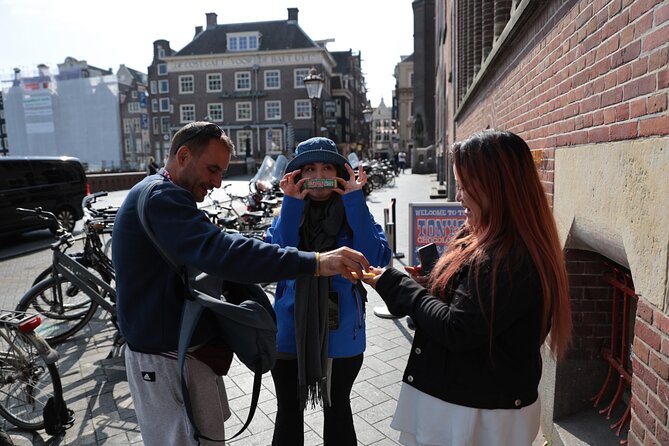
One of the best ways to understand Amsterdam is on foot. This Liberal Amsterdam walk connects major landmarks with real social themes like diversity, inclusion, and sustainability, plus it keeps your pace easy with a small group size.
I especially like that the tour starts at the AIDS awareness installation at Amsterdam Centraal, then carries that “people first” lens into places like Dam Square and the canal ring. A possible drawback: it is still a city-center walking tour, so comfortable shoes matter, and the tour is weather dependent.
In This Review
- Key things I think you will notice
- The point of Liberal Amsterdam, and why it feels different
- Amsterdam Centraal to Damrak: AIDS awareness, social campaigns, and an easy start
- Dam Square: Royal Palace, WWII memory, and why the square matters
- Tony’s Chocolonely superstore: fair-trade chocolate you can talk about
- Canal Ring and bicycles: UNESCO water management plus two-wheel Amsterdam
- The Amstel River: leaning houses, houseboats, and engineering under your feet
- Zuiderkerkstoren and Nieuwmarkt: church views, local food tips, and the multicultural market story
- Price and pacing: is $41.13 worth it for a 2-hour walk?
- Who this tour is best for, and who might skip it
- Should you book Liberal Amsterdam?
- FAQ
- How long is the Liberal Amsterdam walking tour?
- How much does the tour cost?
- Is the tour offered in English?
- What is the group size?
- Where does the tour start and end?
- What is included in the price?
- Is coffee or tea included?
- Are service animals allowed?
- What if the weather is bad?
Key things I think you will notice
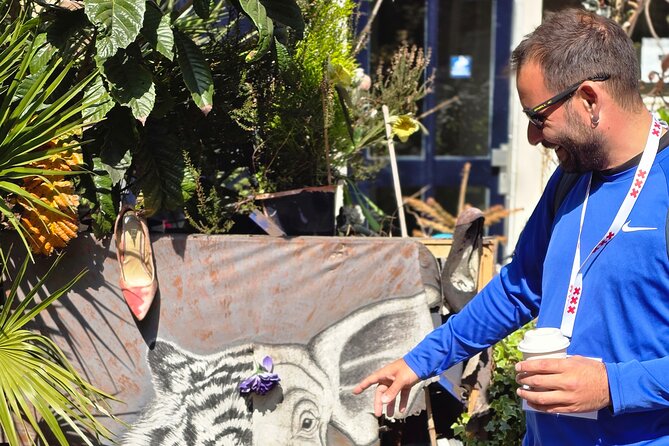
- AIDS awareness installation at Amsterdam Centraal sets the tone right away, not as an afterthought
- UNESCO canal ring facts tied to water management, plus Amsterdam’s bike culture while you walk
- Tony’s Chocolonely stop with a slave-free chocolate mission, and a chance to make your own if timing allows
- Dam Square anchors the story with the Royal Palace and the National Monument for WWII victims
- Amstel River engineering in the form of leaning houses and how people live on houseboats
- A guide who answers your questions and keeps the conversation moving through all stops
The point of Liberal Amsterdam, and why it feels different
This tour is built around what you can call the human side of Amsterdam. You are not just ticking off big sights. You are also learning how campaigns, community identity, and everyday life shape the city.
I like that it is small-group. With up to 15 people, you get time for questions, and the guide keeps the flow from stop to stop. If you enjoy connecting buildings and street corners to the people and issues behind them, this format fits.
More Guided Walking Tours in Amsterdam

Amsterdam Centraal to Damrak: AIDS awareness, social campaigns, and an easy start
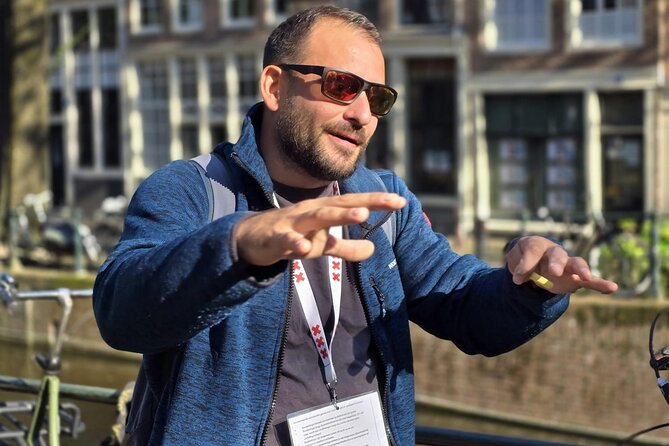
You meet near the center at Kattengat 4-6, which puts you close to the train station area. From there, you head to the spot at Amsterdam Centraal where the tour begins, at an AIDS awareness installation.
That first stop works because it sets context before you move into the typical sightseeing routine. The guide also does a quick safety brief and frames the tour around Amsterdam and the north of Amsterdam you can see from where you start. Then the conversation expands into social campaigns active in the city, including environmental sustainability and diversity and inclusion themes.
At Damrak, you learn how Amsterdam Centraal connects the city to the rest of Europe and how that connection helped shape growth. You also get a short architecture story, including that the station was designed by Pierre Cuypers. For many visitors, this is the kind of detail you would not catch while just rushing through the station.
A practical note: Centraal is busy. Arriving a bit early helps you settle in and avoid start-time stress.
Dam Square: Royal Palace, WWII memory, and why the square matters
Dam Square is the emotional center of the tour. The guide explains why it matters historically and how the square evolved from a medieval trading hub into the cultural and social heart people use today.
Two landmarks get focused attention. You learn about the Royal Palace, which started as the city hall and later became a royal residence. You also hear about the National Monument, a tribute to World War II victims, and how that remembrance shapes the way the square is used.
This stop is short by design, around 10 minutes. That is a good thing if you want a tour that keeps moving without dragging. The tradeoff is that you will not have long for deep photo sessions, so keep your phone ready and plan for quick snapshots.
If you are the type who likes a quick, clear overview of how places got their meaning, you will appreciate the pace here.
Tony’s Chocolonely superstore: fair-trade chocolate you can talk about
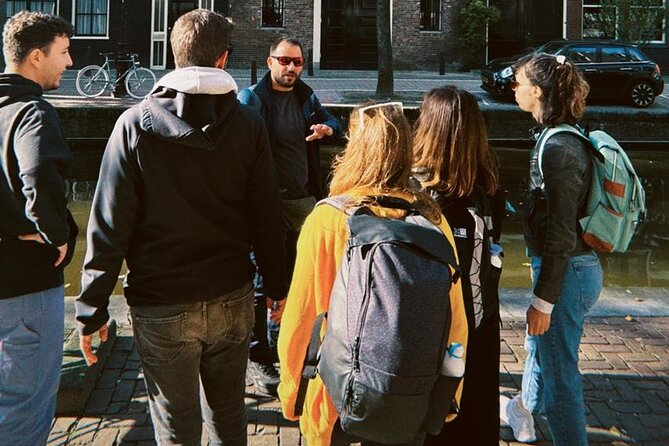
One of the fun parts is the Tony’s Chocolonely stop. The guide shares the story behind the brand’s mission to make chocolate that is 100% slave-free, and you get a practical look at what that means in everyday terms like fair trade practices.
This is not presented as a lecture. It is more like a chance to connect your sweet tooth to a real-world issue, and then see how the brand talks about its goals in the shop setting.
The stop includes a big possibility: if there is no queue, you can step into the store and make your own chocolate. The tour description leaves the timing flexible, so you should be ready for either an inside moment or a quick viewing stop depending on foot traffic.
If you do have time inside, this is where the tour turns from information into an interactive memory you can take home.
Canal Ring and bicycles: UNESCO water management plus two-wheel Amsterdam
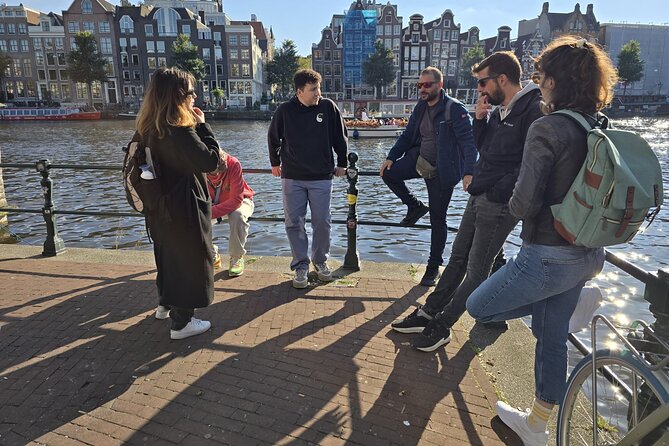
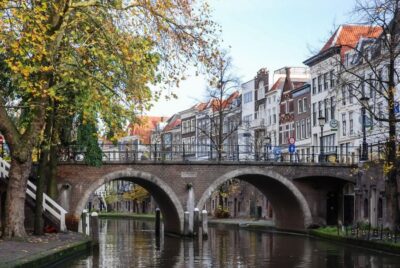
After Dam Square, you head toward the canal ring area. Here the guide explains the historical significance of Amsterdam’s UNESCO-listed canals, with a focus on how they helped the city develop and handle water management.
Then the tour adds a topic that makes Amsterdam feel like Amsterdam, bicycles. As you walk along the canals, the guide shares how cycling became a primary mode of transportation, and the infrastructure that supports it. You will also pick up small facts that help explain why bikes are not a side feature here, they are part of the city’s practical system.
This portion is about 20 minutes, and the walking route is described as charming canal streets with plenty of conversation. That matters because the canal area is easy to wander through on your own without understanding why the city planners made certain choices. On a guided walk, the canal views come with a reason.
A tip: if you care about photos, avoid standing still too often. The tour is timed, and you will enjoy the views more if you keep the pace and let the canal perspectives come to you.
More gables counted on foot:
- Amsterdam: Anne Frank Guided Walking Tour in DE/EN/IT/ES
★ 4.9 · 3,107 reviews - Amsterdam: Anne Frank Guided Small Group Walking Tour
★ 4.8 · 2,722 reviews - Amsterdam: Cultural Highlights Walking Tour
★ 4.9 · 2,629 reviews - Amsterdam: Ganja Walking Tour
★ 4.2 · 2,127 reviews
The Amstel River: leaning houses, houseboats, and engineering under your feet
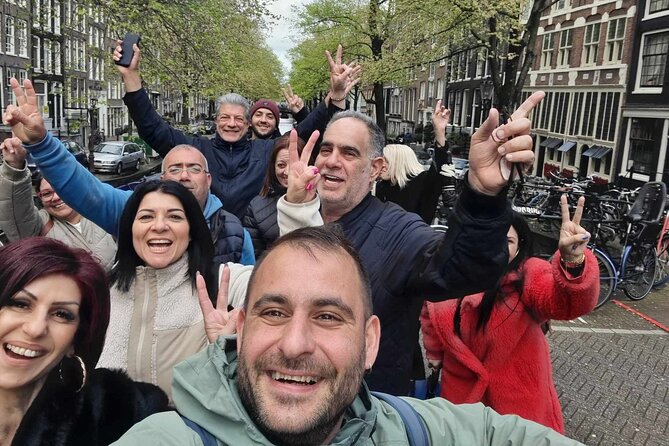
The Amstel River stop is where Amsterdam’s geography and engineering get personal. You learn that the river gave Amsterdam its name and that it played a key role in water management.
Then you move into a very visual theme: leaning houses and houseboats. The guide explains the intriguing architecture behind the leaning houses and how the city’s engineering supports life in this water-and-soil environment. You also hear stories about how people adapt to living on houseboats and what daily life looks like when your home is literally on the water.
This stop is shorter, about 10 minutes, so you will not get a long building-by-building inspection. Still, you leave with a sharper mental picture of why these houses look the way they do and why the city’s relationship to water is not an aesthetic choice. It is survival, stability, and practicality.
If you like design details and city problem-solving, this is one of the most satisfying segments.
Zuiderkerkstoren and Nieuwmarkt: church views, local food tips, and the multicultural market story
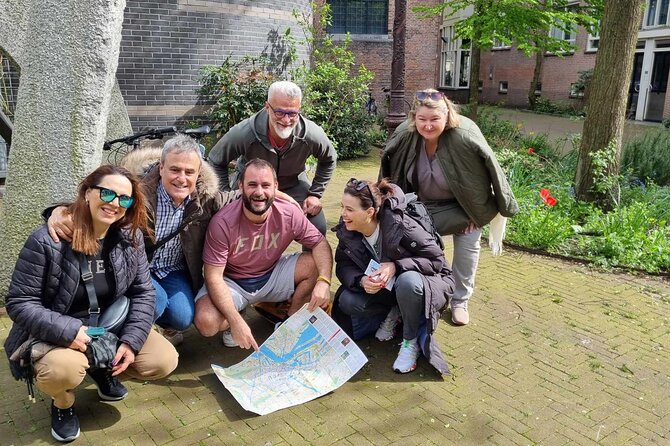
At Zuiderkerkstoren, you visit an iconic 17th-century Protestant church. The guide uses this moment to give insider tips for nearby bars and restaurants, with suggestions meant to help you keep exploring after the tour ends.
The next stop is Nieuwmarkt, a lively square with layers. You learn about its origins as a bustling marketplace and about De Waag, a medieval building that appears in the square’s story. You also get cultural context around the area, connecting the Jewish Quarter to Chinatown and explaining how diverse communities shaped what you see around the square today.
Nieuwmarkt is where the tour ends, which is a smart finish point. It is not an awkward back-to-a-hotel finale. You end in a place where it is natural to continue on your own, whether that means grabbing a drink, finding a bite, or just looping through the streets.
Price and pacing: is $41.13 worth it for a 2-hour walk?
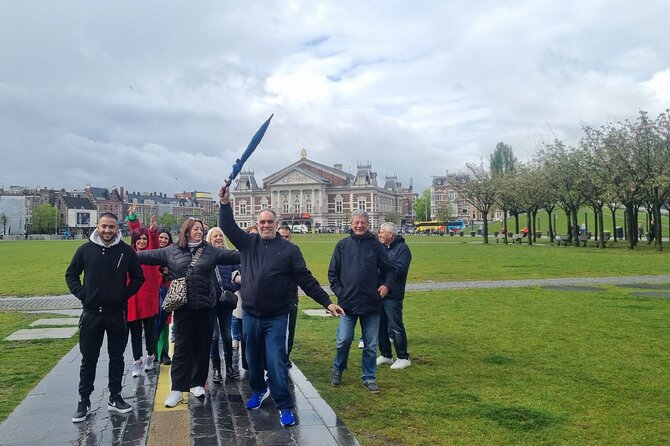
At $41.13 per person for about 2 hours, you are paying for a focused guided route plus a couple of “experience moments,” not just a passive lecture. The included items also add value: you get a unique postcard of Amsterdam with a handwritten message and an official stamp.
The tour is mobile-ticket friendly, and it is offered in English. Group size is capped at 15, which often makes the experience feel more personal than larger bus-style walks.
The main pacing truth: the itinerary is timed, with stops ranging from about 5 to 20 minutes, and the remaining time is walking. That means you will get a clear outline and highlights, but you should not expect long sits at each landmark. If you like structure and momentum, that is a plus.
Also, coffee or tea is not included. If you plan to add a drink stop before or after, you will want to budget time around it.
Who this tour is best for, and who might skip it
This tour is a great fit if you like:
- Social context tied to famous places
- Walks where you keep moving and asking questions
- Canal and architecture notes that explain function, not just looks
- A short stop that adds a bit of hands-on fun at Tony’s Chocolonely
You might want to look elsewhere if you want a long, slow photo safari or if you hate guided conversation. The route is designed for motion, and the stops are built for quick, digestible information.
If you are traveling solo, this still works because the small group dynamic helps you feel part of the conversation instead of standing apart.
Should you book Liberal Amsterdam?
I would book it if you want Amsterdam with meaning. This is not just a landmark parade. It connects places like Centraal Station, Dam Square, the canal ring, and the Amstel River to themes of awareness, inclusion, and how people live.
If you are picky about tours that feel too generic, this one has a sharper identity thanks to its opening at the AIDS awareness installation and its focus on social campaigns. And if you like practical follow-up, the Zuiderkerkstoren local food tips make it easier to turn the walk into the next part of your day.
One more reason to consider it: the guide approach described here is friendly and question-friendly. You will likely feel comfortable asking what something means, and getting a straight answer instead of a rushed script.
FAQ
How long is the Liberal Amsterdam walking tour?
It runs for about 2 hours.
How much does the tour cost?
The price is $41.13 per person.
Is the tour offered in English?
Yes, the tour is offered in English.
What is the group size?
The tour has a maximum of 15 travelers.
Where does the tour start and end?
It starts at Kattengat 4-6, 1012 SZ Amsterdam, and the route meets at Amsterdam Centraal Station. It ends at Nieuwmarkt.
What is included in the price?
Included items are a local tour guide and a unique postcard of Amsterdam with a handwritten message and an official stamp. The tour also uses a mobile ticket.
Is coffee or tea included?
No, coffee and/or tea are not included.
Are service animals allowed?
Yes, service animals are allowed.
What if the weather is bad?
This experience requires good weather. If it is canceled due to poor weather, you will be offered a different date or a full refund.
Latest to arrive along the quays of Amsterdam



City Tours, compared.
75 Minute City Canal Cruise with Audio Guide
Read our review →
City Centre Canal Cruise including Audioguide
Read our review →
City Canal Cruise and Heineken Experience Ticket
Read our review →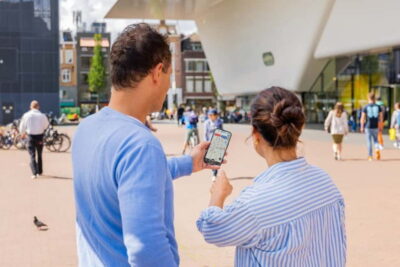
City Card with Free Entrance & Public Transport
Read our review →
Browse the lists this tour appears in