
Reviewed · HISTORICAL TOURS
History & culture tour in Amsterdam with a local
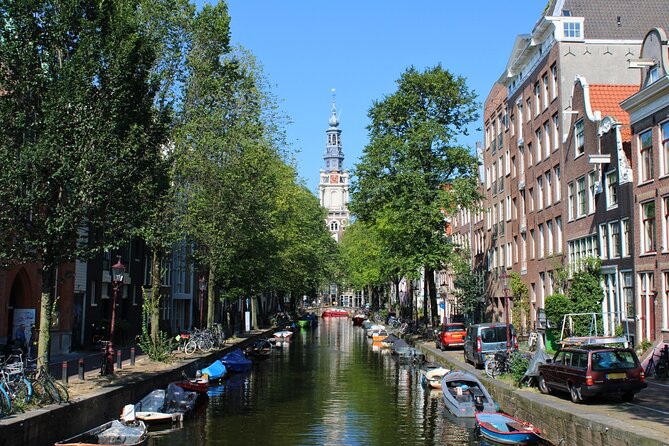
Seven stops, one smart story of Amsterdam. This walking tour strings together the city’s big moments and everyday surprises, with a local guide speaking English and a classic Dutch stroopwafel built into the experience. You cover famous squares and quiet courtyards, then end at one of Amsterdam’s most striking transportation landmarks.
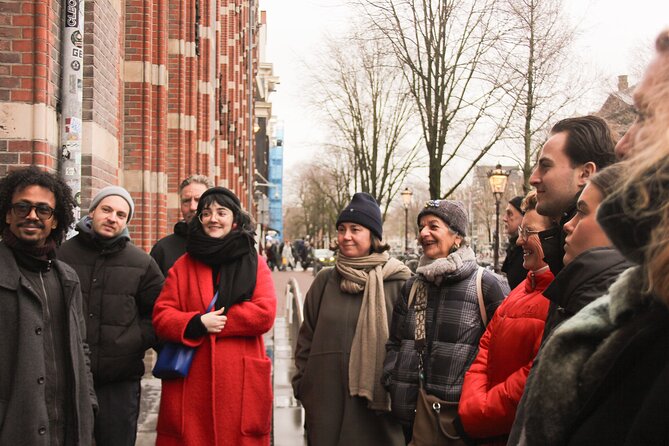
I especially like two things. First, the small group size helps you actually hear the guide and ask questions without feeling like you’re yelling over a crowd. Second, the route covers more than postcards, it connects trade, religion, architecture, and neighborhoods so you start seeing how Amsterdam makes decisions over time.
The main drawback to plan for is simple: it’s still a walking tour. Expect 2 to 2.5 hours on your feet, and if you’re sensitive to weather, bring a light layer and shoes with good grip.
In This Review
- Key highlights you’ll feel right away
- Why this 2-hour Amsterdam history walk works
- Beursplein to Dam Square, from trade roots to wartime significance
- Begijnhof, a serene courtyard that reveals Amsterdam’s tolerance
- House on the Three Canals, architecture that changes how you see bridges
- Nieuwmarkt, Waag, guild power, and the dancing houses
- Zeedijk and the Chinatown story, danger to everyday neighborhood
- Centraal Station, architecture and why this spot matters
- The stroopwafel moment and why pacing is part of the value
- Price, timing, and when to book
- Who this tour is best for
- Should you book this Amsterdam local history tour?
- FAQ
- How long is the tour?
- Where does the tour start and end?
- Is the tour offered in English?
- How many people are in the group?
- What are some of the main stops?
- Is admission included for the stops?
Key highlights you’ll feel right away
- A local, English-speaking guide who turns landmark facts into a coherent story of how Amsterdam formed
- Small group pacing that makes it easier to follow along and stay engaged at each stop
- Classic Dutch food moment, with a stroopwafel included during the walk
- Seven focused sights, from Beursplein to Centraal Station, without wasting time
- Practical variety, squares and courtyards plus a few off-main-street details that change how you look at the city
- A tour that fits first-day visitors, because it gives you a mental map fast
Why this 2-hour Amsterdam history walk works
Amsterdam can feel like a series of pretty scenes, until someone connects the dots. This tour does that job with a tight timeline, around 2 to 2.5 hours, and seven stops that each answer a specific question about the city. The guide keeps you moving, then uses the surroundings to explain why that place matters.
What makes it a good value is the mix of scale. You start with major public spaces tied to power and trade, then shift to calmer, more personal spaces like Begijnhof. You even hit Centraal Station, where architecture and transit history overlap. In other words, you get both the “why” and the “what am I looking at.”
Small-group size also matters more than you’d think. When there are fewer people, you get clearer context and fewer missed details. Guides such as Manouk and Malik have been praised for friendly, tuned-in guiding that matches the needs of the group, so you’re not just collecting facts, you’re building understanding.
More Golden Age corners on foot:


Beursplein to Dam Square, from trade roots to wartime significance
Your walk begins at Beursplein, a spot tied to the city’s trading origins. You’ll hear how Amsterdam grew from a fishing village into a powerhouse by the 17th century. This is the kind of history that makes modern Amsterdam click, because trade explains a lot of what you see today, from its wealth to its confidence in world-facing networks.
Then you move to Dam Square, the civic heart where major moments leave physical traces. You’ll admire the Royal Palace on the Dam and learn why this square is central to the city’s formation. The guide also brings in the Second World War significance, which gives the square more weight than it first looks like.
A quick practical note: both areas are busy and open. If you like taking photos, you’ll want your camera ready, but also be patient. This tour keeps stops short, around 10 minutes each, so you get the story without long waits or time lost searching for the next landmark.
Begijnhof, a serene courtyard that reveals Amsterdam’s tolerance
Next comes Begijnhof, one of the most soothing pauses you can take while walking around the center. You’ll step into a courtyard where the religious history of the place is part of the atmosphere, not just a lecture. This is where Amsterdam’s reputation for tolerance becomes concrete, because the site itself reflects how different communities could exist within city life.
You’ll also see one of the oldest houses in Amsterdam, plus the detail of two wooden cottages. Those specific features help the story feel real. Instead of only thinking about centuries in theory, you’re looking at materials and design that survived long enough to shape how people remember the past.
The trade-off here is time. You’re likely to spend about 15 minutes at this stop. That’s enough for the key context, but not enough to treat it like a long sit-down museum visit. If you’re the type who loves lingering, plan to come back after the tour with a little extra time and quiet.
House on the Three Canals, architecture that changes how you see bridges
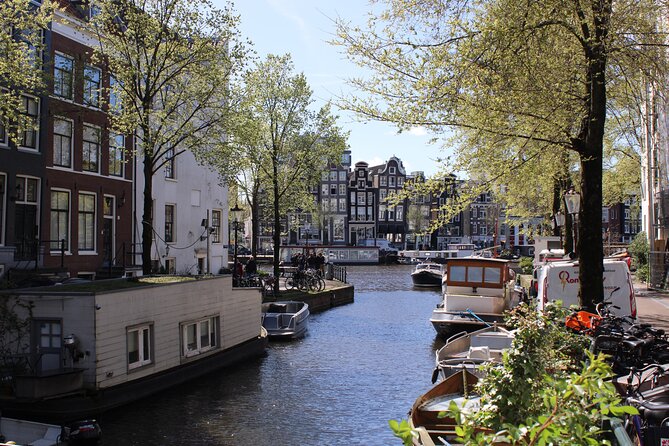
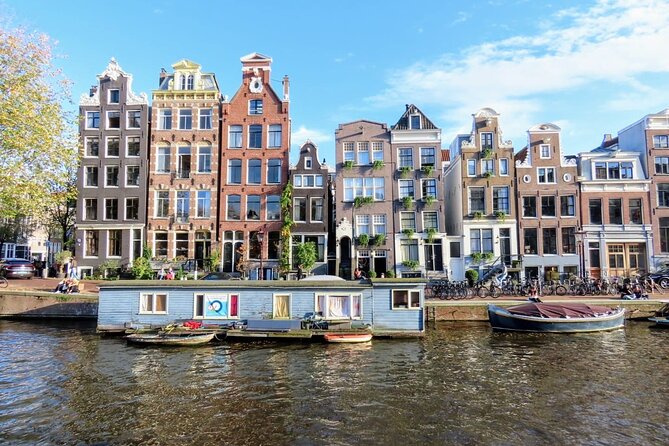
At House on the Three Canals, the tour shifts from “big events” to quirky urban design. This is where Amsterdam’s canal culture becomes more than scenery. You’ll learn about the building that sits in a spot shaped by three canals, and you’ll hear the story connected to the bicycle bridge.
This stop is a great example of why a guide matters. From street level, these details can look accidental or just old. With context, you start noticing how people solved practical problems long before modern traffic planning. It also helps you understand Amsterdam’s everyday genius, the city’s ability to keep movement going while protecting the canals and waterways that define it.
Because the stop is short, around 10 minutes, you don’t get a deep architectural tutorial. But you do leave with enough understanding to spot similar canal-era logic later during your own exploring.
Nieuwmarkt, Waag, guild power, and the dancing houses
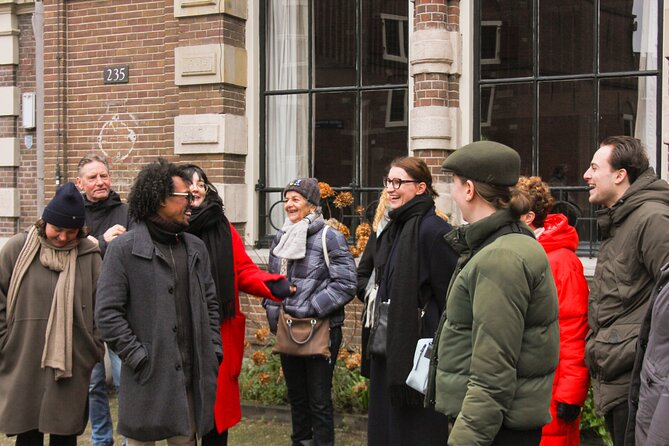
Your next stop is Nieuwmarkt, and this is another “details matter” moment. You’ll see the Waag, an old city gate that later became a guild hall. That shift tells you something important about how Amsterdam functioned. Gates and walls were not only about defense, they later supported the organization of work and trade.
The guide also explains the importance of guilds in Amsterdam. Guilds shaped rules, training, quality, and who could participate in certain trades. So when you see the city’s historic buildings and the way the streets developed, you’re seeing the physical output of those systems.
Then there are the “dancing houses.” Even if you don’t fully grasp the engineering at first glance, you’ll understand why they look that way and why Amsterdam ended up with this kind of playful, slightly surprising architecture.
Like the earlier stops, you’re on a tight schedule, about 10 minutes. That’s ideal if you’re doing this on a first day. If you’re already an architecture person and want more, use the tour as your orientation, then do a follow-up walk on your own route afterward.
Also flying a pennant in Amsterdam
- Amsterdam: Van Gogh Museum Ticket
★ 4.7 · 52,054 reviews - Amsterdam: Heineken Experience Ticket including 2 Drinks
★ 4.6 · 36,014 reviews - Amsterdam Classic Saloon Boat Cruise with Drinks and Cheese
★ 5.0 · 31,825 reviews - Amsterdam Luxury Canal Cruise + Unlimited Drinks & Bites option
★ 5.0 · 30,518 reviews
Zeedijk and the Chinatown story, danger to everyday neighborhood
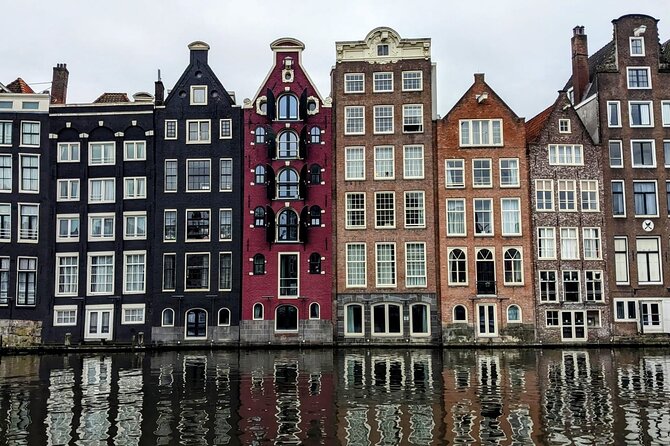
Next you head to Zeedijk, and you’ll learn how Chinatown here changed over time. The tour frames Zeedijk as once one of Amsterdam’s most dangerous areas during the 1970s, then explains how it declined and how the street later transformed into a favorite place for many Amsterdammers.
This is one of the more human parts of the route. Instead of treating the neighborhood as a static “cultural zone,” you learn about social change. That helps you read the street differently when you return later for food, shopping, or a simple evening stroll.
Because the stop is around 10 minutes, you won’t get a full neighborhood history lecture. But you will get the key arc, which is often what matters most for understanding why the street feels the way it does now.
If you’re planning to eat near Zeedijk after the tour, you’ll be in a good mood for it. The tour already gives you a context shift, and then the food and street atmosphere do the rest.
Centraal Station, architecture and why this spot matters
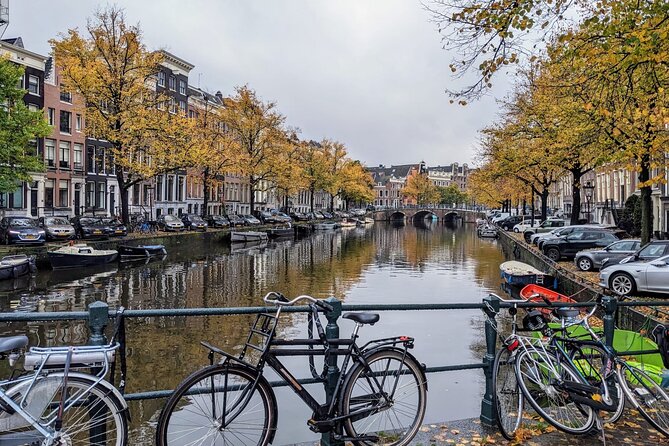
The final stop is Centraal Station, a place where Amsterdam shows off its sense of scale. You’ll explore the building’s impressive architecture and learn why the station’s location has played a crucial role for centuries as a transportation hub and a historical symbol of connection and prosperity.
This ending works well because it ties movement together. Earlier stops talk about origins and growth. Now you land at a modern-era symbol where people keep arriving, departing, and connecting. The city’s story becomes less like a closed book and more like an ongoing process.
Time at the station is again around 10 minutes. That means you’ll get the essentials without getting stuck searching for the “perfect view angle.” If you want extra time here, plan to linger after the tour. Even just walking part of the station interior with fresh context will feel more meaningful.
The stroopwafel moment and why pacing is part of the value
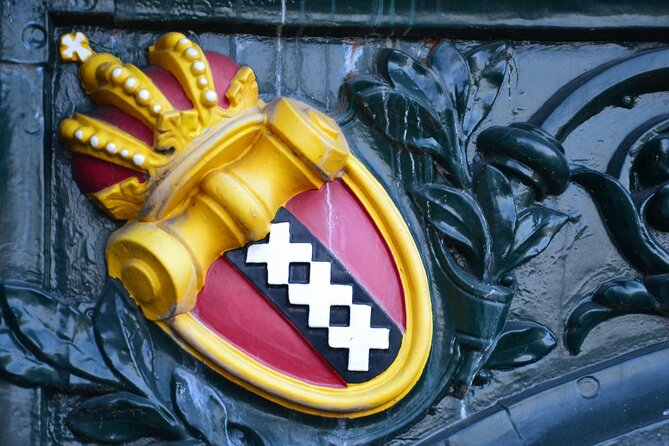
One of the highlights is the classic Dutch stroopwafel along the way. It’s not a random snack stop. It gives you a quick, low-effort break while you keep walking through the main ideas the guide is teaching. It also helps the tour feel locally grounded, not like a list of points to check off.
The pacing is also smart. You’re not spending ages at one landmark, and you’re not racing through seven stops with zero explanation. With short visits at each place and walking between them while the guide talks, you keep the story moving. That’s especially helpful if it’s your first day in Amsterdam and you need to get your bearings fast.
The route is built for small groups with a maximum of 15 travelers. That matters if you want a personal feel. It also tends to reduce the chance of missing key explanations while you’re trying to follow the leader through crowded streets.
Price, timing, and when to book
At about $30.07 per person for roughly 2 hours, this tour is priced like a solid first-day orientation. You’re paying for three things you can’t easily DIY: a focused route, a guided narrative that connects distant-looking landmarks, and time saved compared with trying to research each stop on your own mid-walk.
You’ll also get value from the guide attention that smaller groups enable. If you’ve ever done a big-city walk where half the group hears only half the story, you’ll appreciate the more intimate size here.
Timing-wise, it’s often booked around 79 days in advance on average. That’s a hint that popular days can fill up, especially if you want a specific start time slot. If your schedule is flexible, you can still likely find space, but don’t wait too long if you’re traveling in peak season.
Who this tour is best for
This tour is a strong fit if you:
- Love history but get impatient with lectures
- Want a first-day overview of Amsterdam that feels organized
- Enjoy small-group experiences where you can actually hear the guide
- Want practical context for neighborhoods you might later explore on your own
- Like a balance of major sights and quieter spots like courtyards
It’s also a good choice for couples or solo travelers who want a social moment without committing to a full-day tour. The language is English, and most people can participate, with service animals allowed.
Should you book this Amsterdam local history tour?
If you want to understand Amsterdam fast, this is an easy yes. The route is tight, the stop variety is smart, and the stroopwafel gives you a genuine local touch without turning the walk into a food tour. The small-group setup plus guides like Manouk and Malik (known for friendly, tailored guidance) make it less like a scripted walk and more like a real city explanation you can carry with you for the rest of your trip.
Only skip it if you hate walking, want long museum-style stays, or already know Amsterdam’s city formation story well enough that you’re mainly looking for deep specialization. Otherwise, book it early in your trip, then use the new context to explore the canals and neighborhoods with better eyes.
FAQ
How long is the tour?
It runs about 2 hours, with a range up to about 2.5 hours depending on the pace between stops.
Where does the tour start and end?
It starts at Beursplein, 1012 JW Amsterdam, Netherlands and ends back at the meeting point.
Is the tour offered in English?
Yes. The tour is offered in English.
How many people are in the group?
The tour has a maximum of 15 travelers.
What are some of the main stops?
You’ll visit Beursplein, Dam Square, Begijnhof, House on the Three Canals, Nieuwmarkt, Zeedijk, and finish at Centraal Station.
Is admission included for the stops?
The stops listed are marked as admission ticket free, so you should not expect separate paid entry for them during the tour.
Latest to arrive along the quays of Amsterdam





Historical Tours, compared.
Amsterdam Food and Cultural Tour with Tastings
Read our review →
Kinderdijk UNESCO World Heritage Entry Ticket
Read our review →

Amsterdam High-End Dutch Food & History Tour – Up to 8 guests
Read our review →
Cruise through the Historic City Center with Guide
Read our review →Browse the lists this tour appears in