

Reviewed · HISTORICAL TOURS
Happy B-day Amsterdam! Guided Tour with a History Buff
Amsterdam’s history hits fast, in the best way. This 2-hour Amsterdam history walking tour pairs art-storytelling with real places in the canal belt and old-center streets, built for people who want more than check-the-box sightseeing.
I especially like that you get a clear time-and-theme journey, from Amsterdam’s origins and the 17th-century Golden Age to the city’s World War II recovery and later modern era. I also like the human touch, with Giovanni Ramon, an Italian art historian, guiding you using paintings, etchings, photographs, and lithographs to connect art to the streets you’re standing on.
One consideration: this is a walking tour, and it’s marked not suitable for people with mobility impairments, heart problems, or low fitness, even though it’s listed as wheelchair accessible. So if you’re on the fence, plan for short but steady walking and check with the operator if you have any doubt.
In This Review
- Key highlights worth knowing
- A 2-hour history walk through Amsterdam’s canal heart
- Starting at Melkmeisjesbrug and stepping into the VOC story
- Multatuli, Rembrandt House, and how art becomes a map of time
- Dam Square and the city’s origin-and-rise narrative
- Canal-belt neighborhoods, old alleys, and the “look closer” effect
- Nieuwmarkt Square, the Flower Market finish, and Begijnhof’s calmer pocket
- Staying aware of the Red Light District rules
- Giovanni Ramon’s art historian approach, and what you gain from it
- Price and value for a 2-hour guided history tour
- Who should book this tour, and who should think twice
- Should you book Happy B-day Amsterdam with Giovanni Ramon?
- FAQ
- How long is the Guided Tour with a History Buff?
- Where does the tour meet?
- What languages are available for the tour?
- Is museum access included?
- Do you visit the Red Light District?
- Is the tour wheelchair accessible?
Key highlights worth knowing
- Golden Age canal belt first, then straight into the oldest parts of the city
- VOC (Dutch East India Company) focus, tied to Amsterdam’s rise as a global trade hub
- Real art names in real places, with Rembrandt, Vermeer, and Van Gogh woven into the talk
- You get visual materials outside museums, including paintings, etchings, photographs, and lithographs
- Ends at the Amsterdam Flower Market, so you can keep exploring right after the tour
A 2-hour history walk through Amsterdam’s canal heart
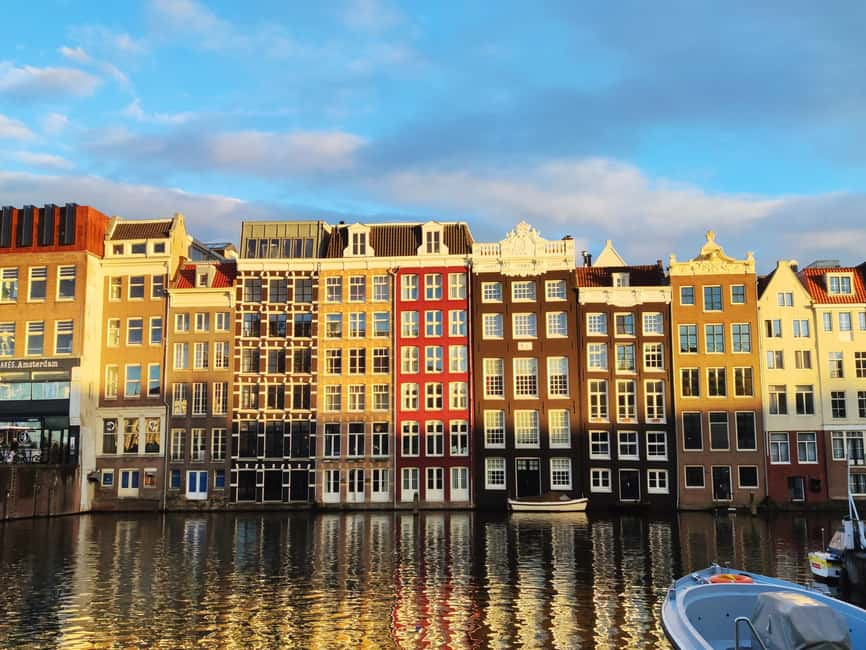
This tour is designed like a compact “big picture” story, delivered at street level. You move on foot for about 2 hours, starting at Melkmeisjesbrug and then working through iconic canal neighborhoods, older city corners, and a few stops that anchor major chapters of Amsterdam’s identity.
The value here is the way themes repeat and connect. Trade shows up as more than money, it becomes the reason Amsterdam mattered to artists, thinkers, and scientists. And later, the same city that rose fast had to survive serious upheaval, then rebuild in ways you can still read in the urban layout and cultural habits.
You’ll also notice the pacing: short guided segments, frequent “pause and look” moments, and enough time at each place to absorb the narrative without feeling rushed off to the next photo spot.
More Golden Age corners on foot:


Starting at Melkmeisjesbrug and stepping into the VOC story
Your meeting point is Melkmeisjesbrug, a pedestrian bridge at the junction of Brouwersgracht and Singel. Look for your guide with a white nametag for Giovanni, and he’ll lead you from this canal-adjacent gateway into the city’s core.
The first walking block gives you a sense of direction and scale. You then begin with the VOC (Dutch East India Company) segment. Even though this is a street walk, this stop matters because Amsterdam’s “Golden Age” doesn’t make sense without trade. The tour frames the VOC as part of the city’s push to become a global hub, which then fuels power and cultural growth.
Practical tip: canalside streets can be a bit uneven underfoot. You’ll be fine if you have comfortable shoes, but I’d still treat this like a real walking commitment, not an easy stroll.
Multatuli, Rembrandt House, and how art becomes a map of time
Next you stop at the Multatuli statue, then head toward Rembrandt House. The schedule includes Rembrandt House twice, which tells you something important about the tour style: it wants you to return with new context.
At Rembrandt House, the guide ties Amsterdam’s art legacy to the city’s broader story. The tour specifically mentions Rembrandt, Vermeer, and Van Gogh, so you’re not just hearing one famous name. You’re getting a sense that art in Amsterdam didn’t happen in isolation. It grew alongside philosophy, science, and the wealth and exchange that Amsterdam attracted during its peak years.
This is where I think the tour gives you a smart advantage. If you’ve visited Amsterdam before and felt like the art was separate from the city, this route tries to glue those parts together in your head. You’re looking at streets and buildings, but also learning what those streets meant to the people living there during major eras.
Dam Square and the city’s origin-and-rise narrative
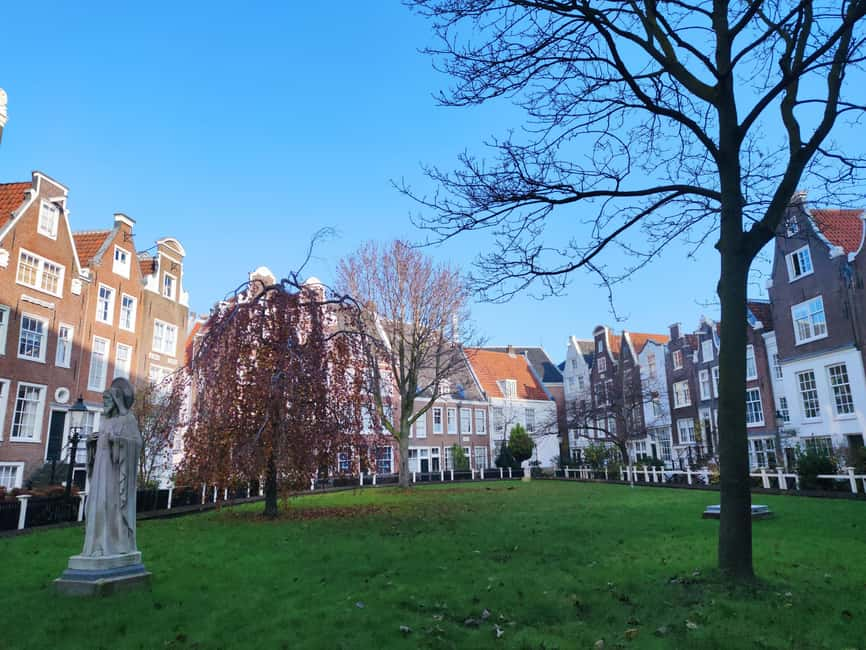
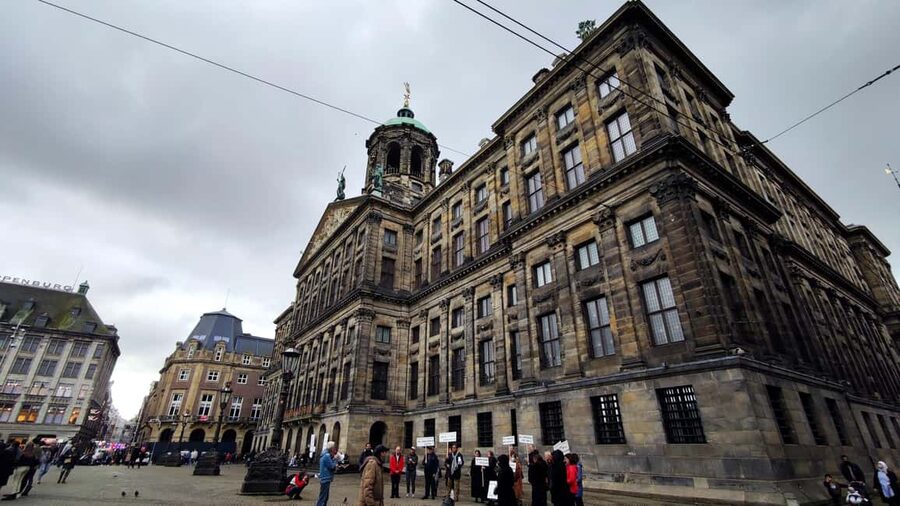
The tour then moves to Dam Square for a guided stop. Dam Square is one of those locations that can feel like a blur if you’re only snapping pictures. Here, it’s used as a storytelling anchor for Amsterdam’s origin and growth.
You’ll hear the story of where the city was founded and how it flourished during the 17th century, with Amsterdam’s role as a global trade hub placed front and center. From there, the tour frames Amsterdam’s rise in power and cultural influence, including its leadership in art, philosophy, and science.
And then it brings the timeline into the 20th and 21st centuries. The tour includes how Amsterdam endured World War II trials, and how the city rebuilt and thrived afterward.
Why this works on a walk: Dam Square is busy, but it’s also central to everything. When your guide gives you the timeline while you’re physically near the center of the historic city, the story sticks faster. You leave feeling like you understand how Amsterdam’s modern identity grew out of earlier decisions.
Canal-belt neighborhoods, old alleys, and the “look closer” effect
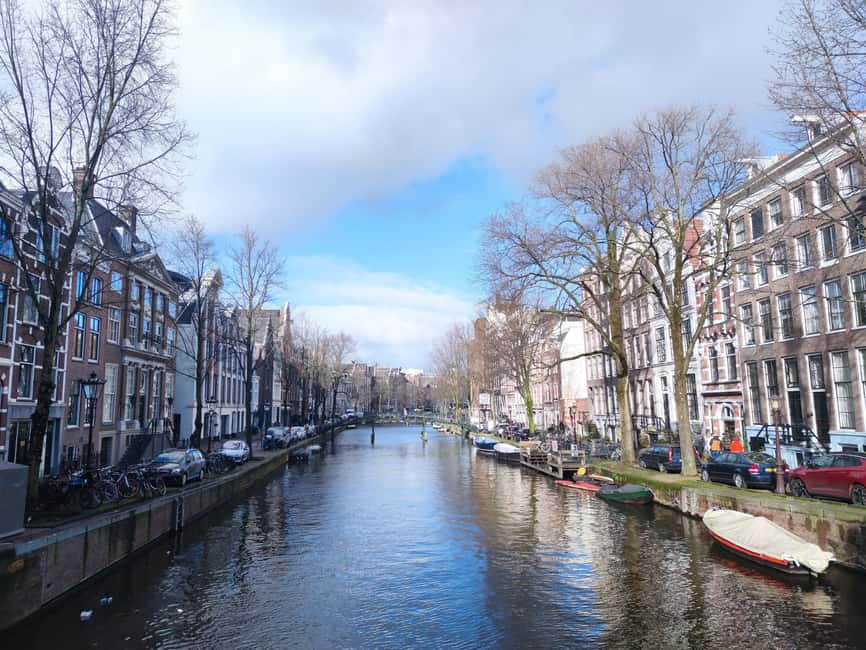
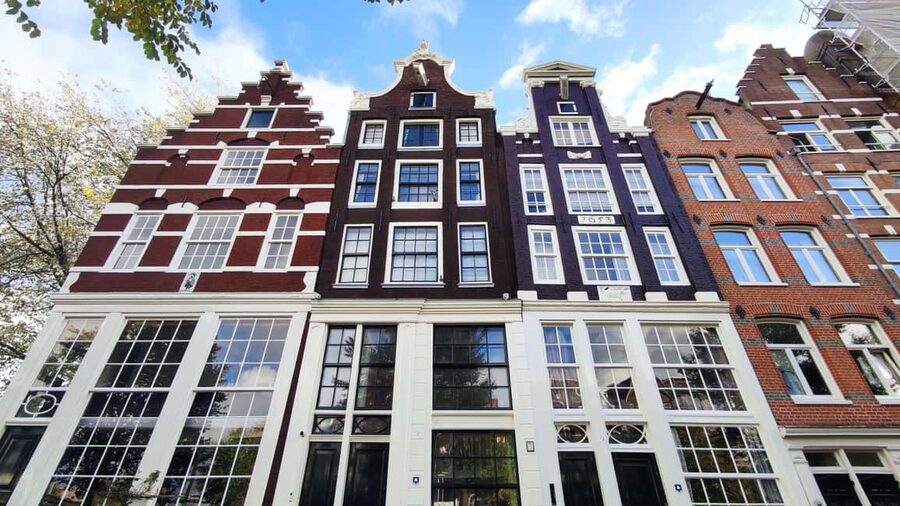
After Dam Square, the route keeps moving through older streets and side areas, where you’ll catch things that most people miss when they rush to a landmark. The tour is set up to highlight features like hidden gardens, ancient churches, and narrow alleys with tilted facades.
This part is less about one monument and more about learning how Amsterdam “reads.” You start seeing how the canal system shaped development, and then how the older lanes and courtyard spaces reflect the city’s layered past.
One more detail that matters: the tour includes a big collection of paintings, etchings, photographs, and lithographs during the walk. That means you’re not only relying on memory of what you see today. You’re comparing the city’s look across time, which helps you spot why certain street patterns and building styles became so recognizable.
Also flying a pennant in Amsterdam
- Amsterdam: Van Gogh Museum Ticket
★ 4.7 · 52,054 reviews - Amsterdam: Heineken Experience Ticket including 2 Drinks
★ 4.6 · 36,014 reviews - Amsterdam Classic Saloon Boat Cruise with Drinks and Cheese
★ 5.0 · 31,825 reviews - Amsterdam Luxury Canal Cruise + Unlimited Drinks & Bites option
★ 5.0 · 30,518 reviews
Nieuwmarkt Square, the Flower Market finish, and Begijnhof’s calmer pocket
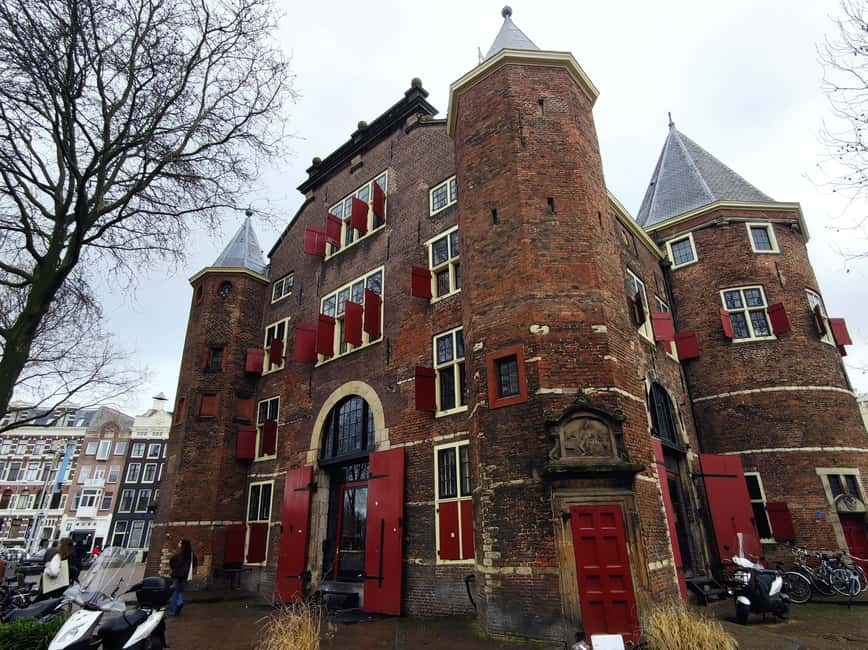
You’ll reach Nieuwmarkt Square, where the guide gives another short guided moment. From the way the tour is built, this stop functions as a bridge, helping you keep the story moving without losing momentum. If you love history that doesn’t feel like a lecture, this kind of spacing is a good fit.
Then comes Amsterdam Flower Market, with a guided stop and also your final location. Finishing here is smart for two reasons. First, it gives you a natural “after the tour” activity zone where you can keep browsing without needing transit plans. Second, the guide’s story about Amsterdam’s past and present leaves you primed to look at everyday culture, not only grand history.
Right before (and within) that ending, you also visit Begijnhof for a guided stop. Begijnhof is the kind of place that changes the atmosphere around you. The tour includes it as one of the key guided segments, and in this itinerary style, that’s a clue: it’s used to show the older side of Amsterdam in a way you can actually experience on foot, not just hear about.
If it’s raining, Begijnhof and the market area are still workable because you’re not constantly exposed for long stretches at a time. Still, the tour runs rain or shine, so bring an extra layer and be ready for the kind of weather where a light rain can change how tired your feet feel.
Staying aware of the Red Light District rules
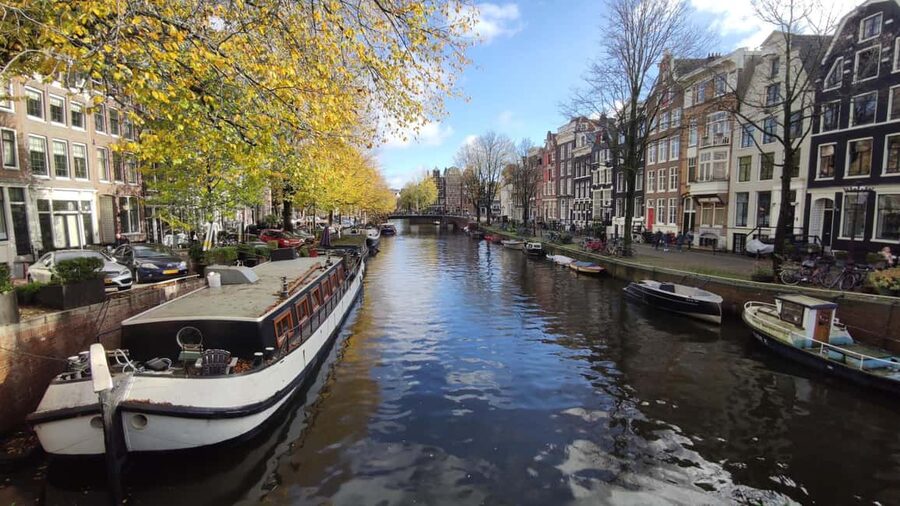
The tour notes a local regulation: there are no tours allowed inside the Red Light District. What you will do instead is walk around the area and discuss its history, culture, and significance from nearby viewpoints.
This is a good compromise if you want context without turning your day into something you might regret. You still get the storyline, but you avoid the parts that are restricted to guided tours. If this subject is sensitive for you or you prefer to avoid that zone entirely, plan to stay focused on the guide’s discussion points and keep your expectations aligned with the rule.
Giovanni Ramon’s art historian approach, and what you gain from it
Giovanni Ramon is the name on the tour. He’s described as an Italian art historian who fell under Amsterdam’s spell, which comes through in the format: art and history are tied together with visual reference materials, not just spoken anecdotes.
Also, he’s not just reciting facts. The tour includes practical, stay-useful guidance. I’d expect you to walk away with advice on what to do for the rest of your time in Amsterdam, beyond the main route of the tour. That matches what you want from a guided history experience: a story you remember and a plan you can use the same day.
What makes this different from a standard sightseeing walk is the combination of:
- A clear timeline focus (origins to Golden Age to modern rebuilding)
- Art anchors (Rembrandt, Vermeer, Van Gogh)
- Visual aids (paintings, etchings, photographs, lithographs)
- Short stops that keep the pace human
If you tend to like art museums but hate standing in lines, this is a smart middle ground. You’re not getting “museum access,” but you are getting art context in a street-friendly format.
Price and value for a 2-hour guided history tour
The price is $47 per person for 2 hours, which is solid when you look at what’s included. You get a dedicated guide, and you get the tour’s “learning kit” in the form of those paintings, etchings, photographs, and lithographs used during the walk. In other words, the tour is not only narration, it’s also visual support that helps you connect what you’re seeing now with how Amsterdam looked and was discussed in earlier periods.
What’s not included is important too. There’s no drinks or food, and there’s no access to museums. So treat this as a guided experience that improves your understanding and orientation, not a ticketed museum day.
If you’re the type who values a strong guide and wants to get meaning from places you might otherwise pass by, $47 for a 2-hour history-and-art walk can feel like good value. If you’re chasing a checklist of interiors and museum halls, you’ll likely want to pair this with separate museum visits.
Who should book this tour, and who should think twice
This works especially well if you:
- Want an art-and-history angle, not just architecture facts
- Like walking routes with several story stops rather than one big museum visit
- Enjoy learning how trade, art, and social change connect over time
- Prefer a guide who can give practical suggestions for the rest of your trip
It may not be the right fit if you:
- Have low fitness or need frequent breaks (it’s a walking tour)
- Have heart problems or mobility concerns
- Are over 95 years (the tour is marked not suitable)
- Need guaranteed step-free comfort, because the tour is listed as wheelchair accessible but also marked not suitable for people with mobility impairments
If you’re traveling with any accessibility needs, I’d treat this as a “confirm before you commit” situation. The listing suggests wheelchair accessibility, but the suitability notes are clear that not everyone should join.
Should you book Happy B-day Amsterdam with Giovanni Ramon?
If you want Amsterdam history told through art, trade, and the city’s turning points, I think this is a strong pick. It’s short enough to fit easily into a trip plan, and it focuses on the kind of context that makes later museum visits and self-guided exploring feel more meaningful.
Book it if:
- You love stories that connect famous artists to where you’re standing
- You want a walking route that includes canal belt areas and older streets
- You’re okay with not entering museums, because you’re getting visual references outdoors
Skip it if:
- You’re looking for long museum time or interior access
- You need a very light, low-walking experience
- You prefer to avoid any discussion or viewpoints near the Red Light District area
If you’re celebrating Amsterdam’s 750th birthday atmosphere in 2025, this tour has the right spirit: history with a human guide, art woven into place, and a finish that lets you keep enjoying the city right after you learn its story.
FAQ
How long is the Guided Tour with a History Buff?
It lasts 2 hours.
Where does the tour meet?
The meeting point is Melkmeisjesbrug, at the meeting of Brouwersgracht and Singel. Your guide will have a white nametag with Giovanni.
What languages are available for the tour?
The tour is guided in English or Italian.
Is museum access included?
No. The tour includes viewing art materials during the walk, but museum access is not included.
Do you visit the Red Light District?
The tour states that tours are not allowed inside the Red Light District, but the guide will walk around nearby and discuss its history and significance from nearby viewpoints.
Is the tour wheelchair accessible?
It is listed as wheelchair accessible, but the activity also states it is not suitable for people with mobility impairments and for people with low fitness or heart problems.
Latest to arrive along the quays of Amsterdam





Historical Tours, compared.
Amsterdam Food and Cultural Tour with Tastings
Read our review →
Kinderdijk UNESCO World Heritage Entry Ticket
Read our review →

Amsterdam High-End Dutch Food & History Tour – Up to 8 guests
Read our review →
Cruise through the Historic City Center with Guide
Read our review →Browse the lists this tour appears in