
Reviewed · HISTORICAL TOURS
Financial History Tour
Money has its own map in Amsterdam. This Financial History Tour traces how finance shaped Amsterdam’s culture and heritage, using real buildings and stories tied to the city’s trading power. I especially like that it is private for your group, so the pacing feels human and photo stops can actually happen.
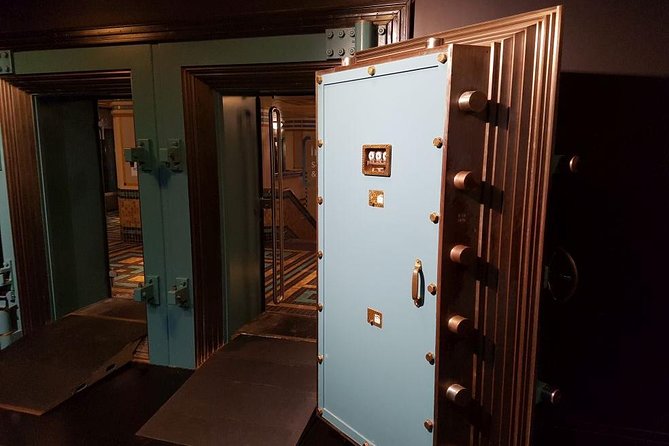
I also love the way the tour uses Stadsarchief Amsterdam as a setting for money talk. You get inside the basement of a 1920s bank-style building, where the city archives are kept, which turns abstract economics into something tangible. The one drawback to think about is that it is focused and compact, so if you want long museum wandering and lots of sitting time, this may feel brisk.
In This Review
- Key things to know before you go
- Following Amsterdam’s money trail, not just its monuments
- Meeting at Bistro Berlage and walking to Rokin
- Stop 1 at Beurs van Berlage: why an exchange building mattered
- Stadsarchief Amsterdam: archives in a 1920s bank basement
- The merchants, the bubble, and why Tulip Mania is more than trivia
- Private and flexible: what that means for your day
- Price and value for a private group up to 10
- About the guide experience and what to expect
- Who this tour suits best
- Should you book this Financial History Tour?
- FAQ
- How long is the Financial History Tour in Amsterdam?
- What does the tour cost?
- Is the tour private?
- What language is the tour offered in?
- How do I get my ticket?
- Where do I meet for the tour?
- Where does the tour end?
- Are there admission fees for the stops?
- What fitness level is required?
- What is the cancellation policy?
Key things to know before you go
- Beurs van Berlage sets the theme fast, and that first stop is free entry
- Stadsarchief Amsterdam adds drama, with archive rooms in a basement of a bank-like building
- Tulip Mania gets explained in context, including how the first economic bubble formed
- Private tour, up to 10 people, with flexible pacing and a more personal feel
- English and mobile ticket, with confirmation at booking
- Your walk ends near Rokin, about 500 meters from the start across the Dam
Following Amsterdam’s money trail, not just its monuments
Amsterdam has the usual eye candy, canals and facades. But this tour goes after a different question: how did money change how people lived, worked, traded, and thought? That shift matters, because it turns the city from a pretty backdrop into an economic story you can track street by street.
What makes this tour work is that it connects ideas to places. You start at an exchange building built around Dam-area trade, then move into archive space where records live. By the time you get to the era of wealthy merchants and speculation, you understand why the Dutch became so influential in financial innovation, not just that they did.
If you’re into economics in any form, you’ll appreciate how it’s framed as practical history. Instead of heavy theory, you get plain explanations that match what you see: buildings for exchange, collections for records, and a story for bubbles and markets.
More Golden Age corners on foot:


Meeting at Bistro Berlage and walking to Rokin
You’ll start at Bistro Berlage, Beursplein 1, 1012 JW Amsterdam. The tour ends at Rokin 24HS, 1012 KS Amsterdam, and the finish is about 500 meters from where you began, across the Dam.
That end point is useful. Rokin is a convenient place to connect to other plans, grab a bite, or keep strolling toward the canal-side streets. Since the tour is around 2 hours 30 minutes, you won’t feel like you spent your whole day commuting across town, even if you’re fitting it between other sightseeing.
Also, the tour is near public transportation. So if you are juggling museum tickets or a dinner reservation, you can usually make this work without a complicated logistics puzzle.
Stop 1 at Beurs van Berlage: why an exchange building mattered
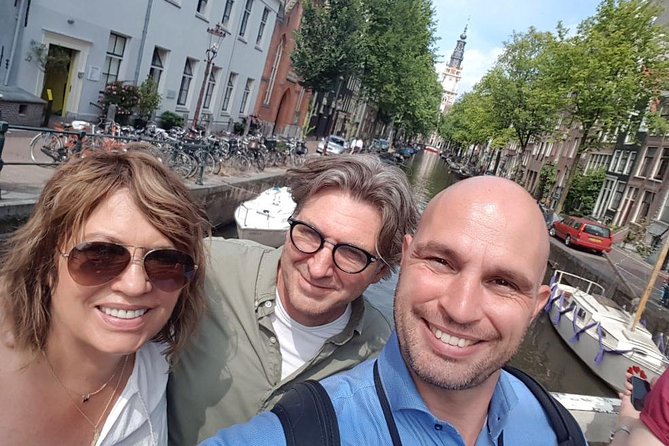
Your first stop is Beurs van Berlage, with about 10 minutes here and free admission. The big idea is simple: Amsterdam’s financial life wasn’t hidden away, it was built into the city’s center. This exchange building sits in the orbit of Dam-area activity, so it’s an immediate anchor for the story.
Beurs van Berlage is a good starting point because it tells you what finance looked like when it was shaping society. You’re not just hearing names and dates. You’re seeing the kind of structure a major trading city built when commerce and investment were daily realities.
This first stop also helps you get oriented. Even if the rest of the tour is more narrative, starting at a place that clearly signals trade gives you a mental map. It makes the later stories about merchants and speculative bubbles easier to follow.
Practical note: because the stop is short, come ready with curiosity. If you wait for the tour to explain everything from scratch, you might miss the chance to ask quick questions while you’re right there.
Stadsarchief Amsterdam: archives in a 1920s bank basement
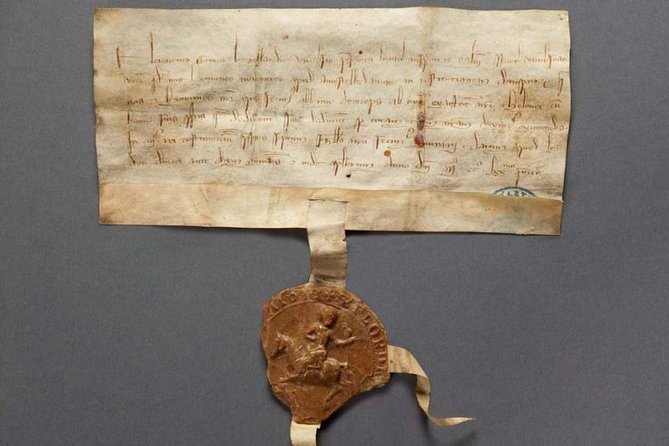
Next up is Stadsarchief Amsterdam. Plan on about 10 minutes, and the admission ticket is included. This is where the tour turns money history into something physical.
You’ll look at the idea of a bank building from the 1920s era, but with a twist: the basement holds the city’s archive treasures. That basement setting matters because it changes the tone from spectacle to record keeping. Finance is not just deals and hype, it is paperwork, tracking, and memory.
This stop is also a smart reminder that the wealth stories we repeat were built on systems. In other words, archives are where you confirm what happened, not just what people claimed happened. If you like details, you’ll likely enjoy how the tour treats documents and institutional storage as part of the financial ecosystem.
Because it is a quick visit, it’s worth watching how your guide frames what you’re seeing. The most valuable part here is the explanation, so don’t spend all your time scanning the walls or taking photos without listening.
The merchants, the bubble, and why Tulip Mania is more than trivia
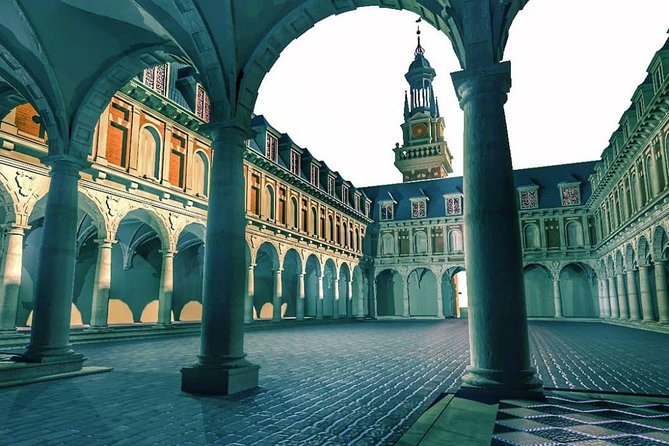
After the building stops, the story moves into people and events. You’ll learn who Amsterdam’s rich merchants were and how they made their money. Then you’ll tackle one of the Netherlands’ most famous economic episodes: Dutch Tulip Mania, explained as the creation of the first economic bubble.
This part of the tour is useful if you have only heard Tulip Mania as a punchline. The tour frames it as a lesson about speculation and market psychology. Even if you do not care about flowers, the point is that people were buying future value with real money, and the excitement spread.
The tour also ties this theme back to Amsterdam’s broader identity. When finance becomes a cultural force, it shows up in how people talk, invest, and take risks. That’s why a walking tour like this works better than a single museum exhibit. You see multiple “supporting characters” in the story, and it clicks.
Photo tip: this segment usually includes chances to capture classic Amsterdam scenes. Keep your phone ready, but keep listening too. The best shots tend to come when you understand what you’re trying to capture.
Also flying a pennant in Amsterdam
- Amsterdam: Van Gogh Museum Ticket
★ 4.7 · 52,054 reviews - Amsterdam: Heineken Experience Ticket including 2 Drinks
★ 4.6 · 36,014 reviews - Amsterdam Classic Saloon Boat Cruise with Drinks and Cheese
★ 5.0 · 31,825 reviews - Amsterdam Luxury Canal Cruise + Unlimited Drinks & Bites option
★ 5.0 · 30,518 reviews
Private and flexible: what that means for your day
This is a private tour. Only your group participates, and the group size is up to 10 people. That single detail can make a huge difference, especially for a topic like financial history that benefits from back-and-forth questions.
“Flexible” is not just marketing language here. With a private setup, you can usually move at a pace that matches your interests, rather than being swept along by a fixed script. If you want an extra minute for a specific viewpoint or a photo at a well-known landmark, your guide can often make room.
The tour is also offered in English, and you’ll get a mobile ticket. Confirmation comes at booking time, which helps if you like to plan early and then stop worrying.
One more practical point: the tour calls for moderate physical fitness. That fits a city walk format, not a slow stroll with lots of pauses. Wear shoes that handle cobblestones and keep water handy if you’re visiting in warm months.
Price and value for a private group up to 10
The price is $390.50 per group for up to 10 people. That can look steep until you do the math like a practical person.
- If your group fills all 10 spots, you’re at about $39.05 per person.
- If you’re a smaller group, the per-person cost rises, but you still get private pacing and a guide dedicated to your group.
For a 2.5-hour tour that combines two specific sites, story-driven context, and a guide who can explain the money mechanics in plain terms, the value is strongest when you’re traveling with friends or family. It is also a solid choice if you want something different from the usual canal-photo circuit.
Booking tends to happen about 28 days in advance on average, so if your dates are fixed, reserving earlier usually gives you better pick of times.
About the guide experience and what to expect
The tour is run by Historical Amsterdam Tours. A standout detail from the experience is the guide quality. Tijs de Boer is specifically noted for being full of insight, plus offering local hints on all kinds of practical matters.
That matters more than you might think. Financial history can turn into a dry lecture if the guide just recites facts. When your guide connects the story to what you can see and what you can do around the city, it feels alive. You leave with an understanding of Amsterdam’s financial culture and also with a few useful local pointers.
I’d treat the guide like part of the value. If there’s a topic you care about, ask. If you want clarification on Tulip Mania or how Dutch merchants operated, this kind of private format is the time to ask.
Who this tour suits best
This tour is a great fit if you fall into one of these buckets:
- You want Amsterdam to be more than canals and museums.
- You like stories that connect culture, buildings, and economic cause-and-effect.
- You enjoy short site stops paired with clear explanations, rather than long, standalone exhibits.
- Your group can share the cost to bring the per-person price down.
It may be less ideal if you want a slow, long, sit-down experience. Since the structure includes short stops and an overall 2 hours 30 minutes duration, you should expect active walking and listening.
If you’re traveling with kids, it could work if they enjoy stories and questions about how money works, but the topic is most satisfying for curious teens and adults.
Should you book this Financial History Tour?
I’d book it if you want a smart, story-led way to understand Amsterdam’s financial roots in a compact time window. The combination of Beurs van Berlage (free entry) and Stadsarchief Amsterdam (admission included) gives you real settings, not just street-side talk.
I’d skip it if you’re looking for a major museum day, or if you hate brisk walking through central areas. This is a focused tour, not an all-day wander.
If you do book, come with one question ready. Ask how a financial idea changes daily life, or what made Dutch merchants different. You’ll get more out of the Tulip Mania segment when you’re already tuned in.
FAQ
How long is the Financial History Tour in Amsterdam?
It runs for about 2 hours 30 minutes.
What does the tour cost?
It is $390.50 per group, up to 10 people.
Is the tour private?
Yes. It is a private tour/activity, and only your group will participate.
What language is the tour offered in?
The tour is offered in English.
How do I get my ticket?
The tour uses a mobile ticket.
Where do I meet for the tour?
You start at Bistro Berlage, Beursplein 1, 1012 JW Amsterdam.
Where does the tour end?
The tour ends at Rokin 24HS, 1012 KS Amsterdam, about 500 meters from the starting point.
Are there admission fees for the stops?
Beurs van Berlage is listed as free admission, and Stadsarchief Amsterdam includes the admission ticket.
What fitness level is required?
The tour states travelers should have a moderate physical fitness level.
What is the cancellation policy?
You can cancel for a full refund up to 24 hours in advance of the experience start time. If you cancel less than 24 hours before, the amount paid is not refunded.
Latest to arrive along the quays of Amsterdam




Historical Tours, compared.
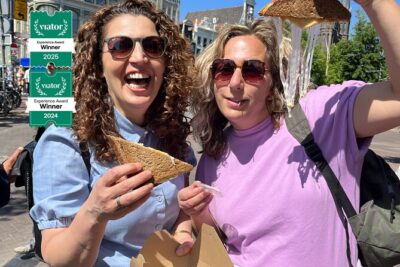
Amsterdam Food and Cultural Tour with Tastings
Read our review →
Kinderdijk UNESCO World Heritage Entry Ticket
Read our review →
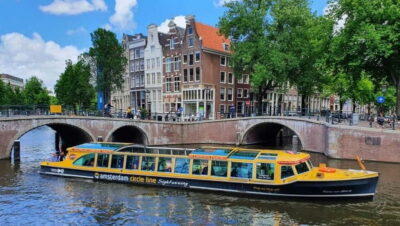

Amsterdam High-End Dutch Food & History Tour – Up to 8 guests
Read our review →
Cruise through the Historic City Center with Guide
Read our review →Browse the lists this tour appears in